15 Luxury Items That Defined Old-World Wealth
There’s something almost absurd about the lengths people went to demonstrate their wealth centuries ago. While today’s elite might flash a Lamborghini or a Rolex, the aristocrats and merchants of bygone eras had their own ways of saying “I’ve arrived” — and they were far more elaborate, impractical, and strangely beautiful than anything money can buy today.
These weren’t just expensive trinkets. They were symbols that carried weight across continents, sparked wars, and toppled governments.
Some required years to acquire, others demanded the labor of entire workshops, and a few were so rare that owning one meant you had access to trade routes most people couldn’t even imagine.
Silk

Silk was the ultimate flex. For over a thousand years, China held the monopoly on silk production, and the death penalty awaited anyone who tried to smuggle silkworms out of the empire.
Europeans paid astronomical sums for bolts of the fabric, often trading it weight-for-weight with gold. Wearing silk meant you had connections that reached across the known world.
It meant you could afford something that took months to arrive by caravan, survived bandits and sandstorms, and still looked pristine enough to drape across your shoulders at a royal banquet.
Spices

Black pepper was literally currency. Peppercorns were counted individually, stored in locked boxes, and left as inheritance.
A pound of nutmeg could buy a house in medieval Europe, and a single clove was worth more than its weight in gold. The spice trade created empires and funded exploration — which is saying something about tiny dried seeds that most people today buy without a second thought.
But when food was bland and preservation methods were crude, the person who could season their meat with cardamom and cinnamon wasn’t just wealthy. They were connected to the farthest corners of the earth.
Tapestries
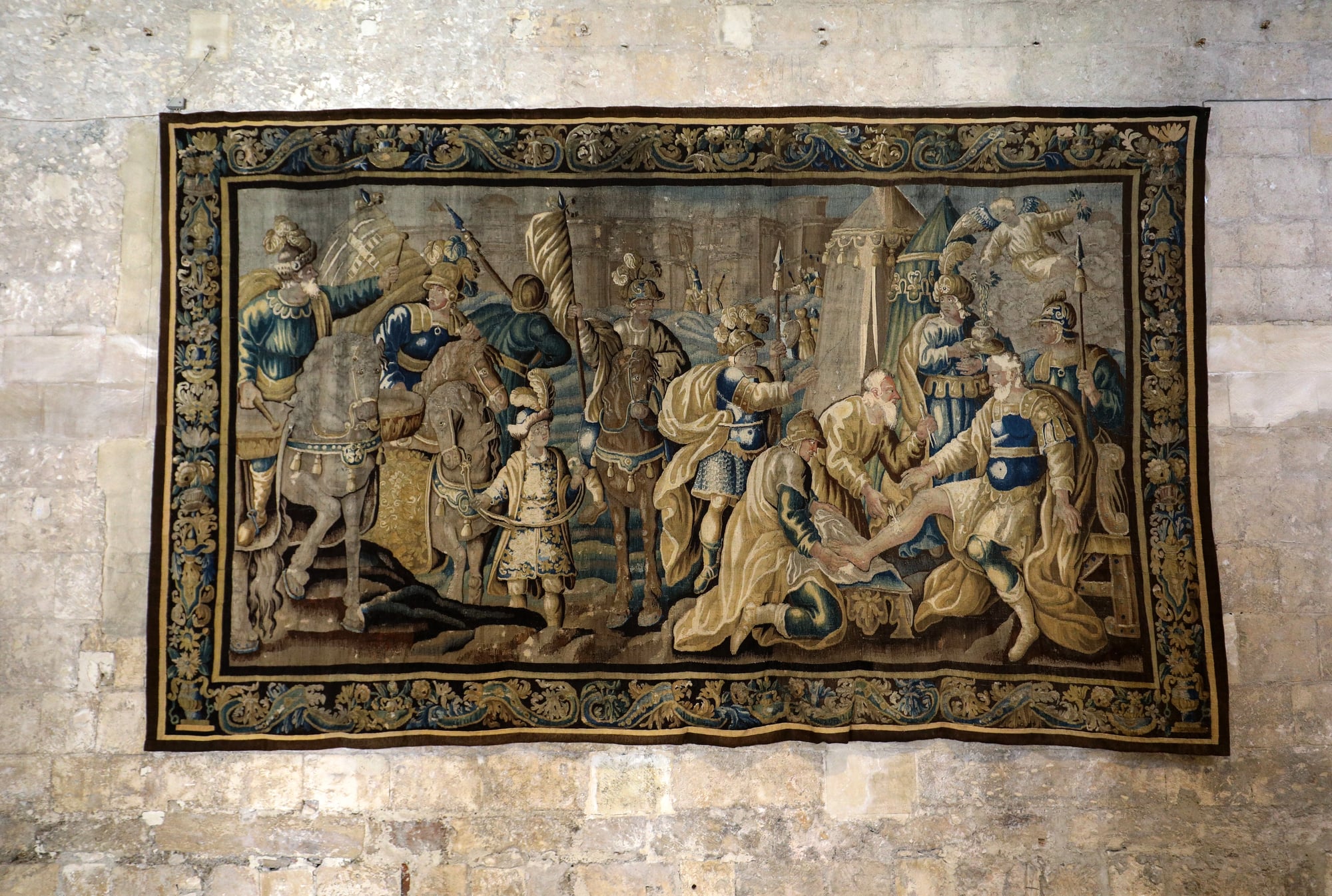
Think of tapestries as the original home theater system — except instead of binge-watching Netflix, you commissioned artisans to spend three years weaving your family history into silk and gold thread. These weren’t just wall hangings; they were moveable murals that transformed cold stone castles into spaces worthy of kings (because kings actually lived in them, and they needed to stay warm).
A single tapestry might employ a dozen weavers working full-time, and the most elaborate pieces required threads dyed with materials so rare they had to be imported from different continents. The wealthy didn’t just buy one.
They collected entire sets, each telling part of a story — biblical scenes, family victories, mythological creatures prowling through forests that existed only in thread. But here’s what made them truly luxurious: they traveled.
When the court moved from palace to palace, the tapestries came too, transforming each new space into something familiar and magnificent. Wealth, in those days, had to be portable.
Fine Porcelain

Chinese porcelain was so coveted that European alchemists spent centuries trying to reverse-engineer the formula. They called it “white gold” and locked it away in treasure rooms alongside actual jewels.
The wealthy built entire rooms just to display their collection. What made porcelain special wasn’t just its beauty — it was the impossibility of it.
Europeans had never seen ceramics so thin you could see light through them, so perfectly glazed they seemed to glow from within. Owning a set meant you had access to trade routes that most merchants could only dream about.
Ivory
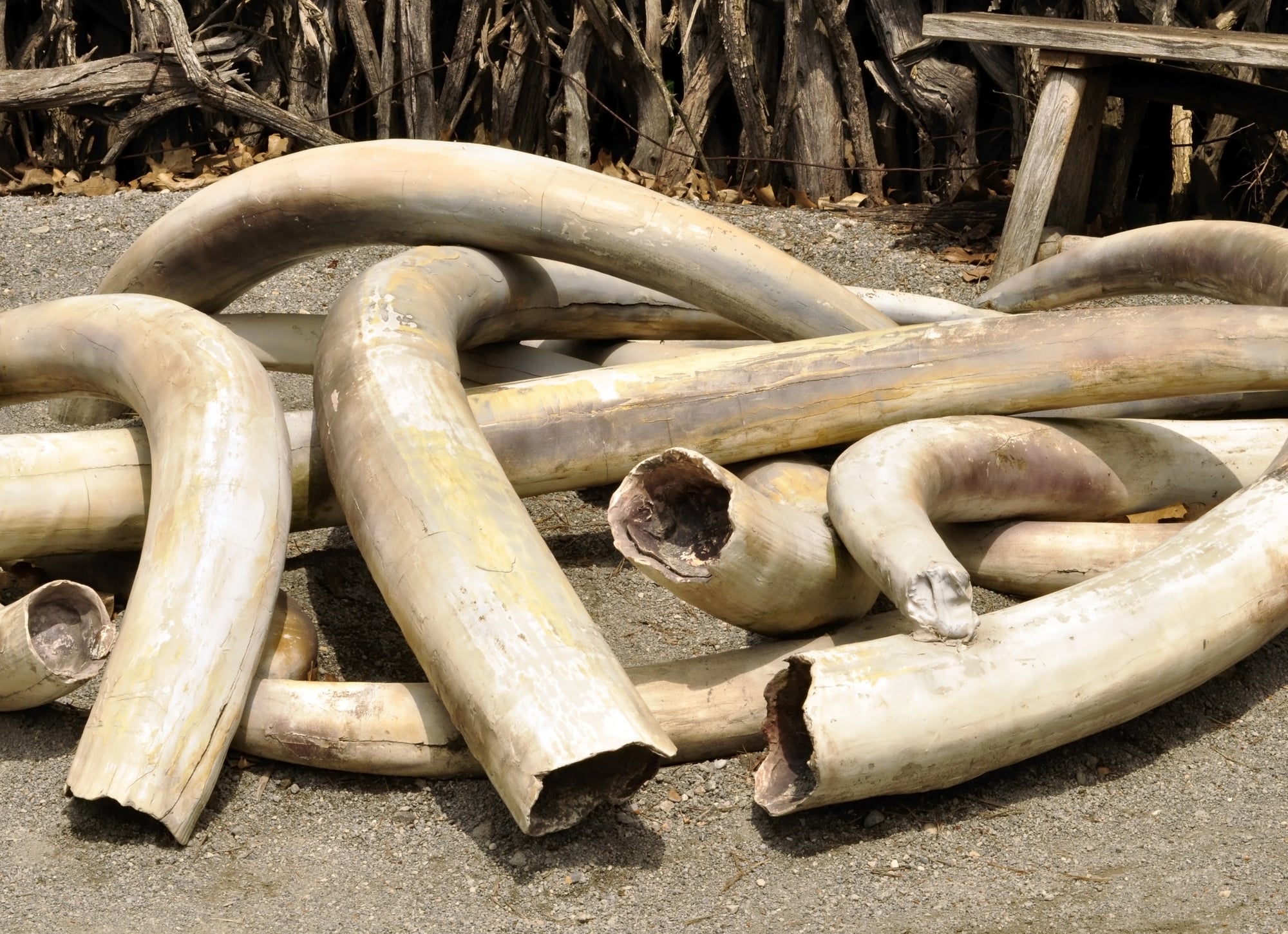
Ivory represented something darker but undeniably prestigious in old-world wealth. Piano keys, chess sets, intricate carvings, entire room panels — all carved from elephant tusks that had traveled thousands of miles from Africa or Asia.
The material was prized for its pure white color and the way it aged to a warm cream (which, to be fair, sounds beautiful until you remember where it came from). But ivory also represented the ugly side of luxury: the human cost of acquiring it, the environmental destruction, the way wealth often builds itself on suffering that happens far from view.
Even then, thoughtful people understood the moral weight of what they were buying. They bought it anyway.
And there’s something unsettling about how easily beautiful objects can make people ignore their origins — whether it’s ivory centuries ago or fast fashion today. Wealth has always had a way of laundering its own conscience.
Exotic Furs
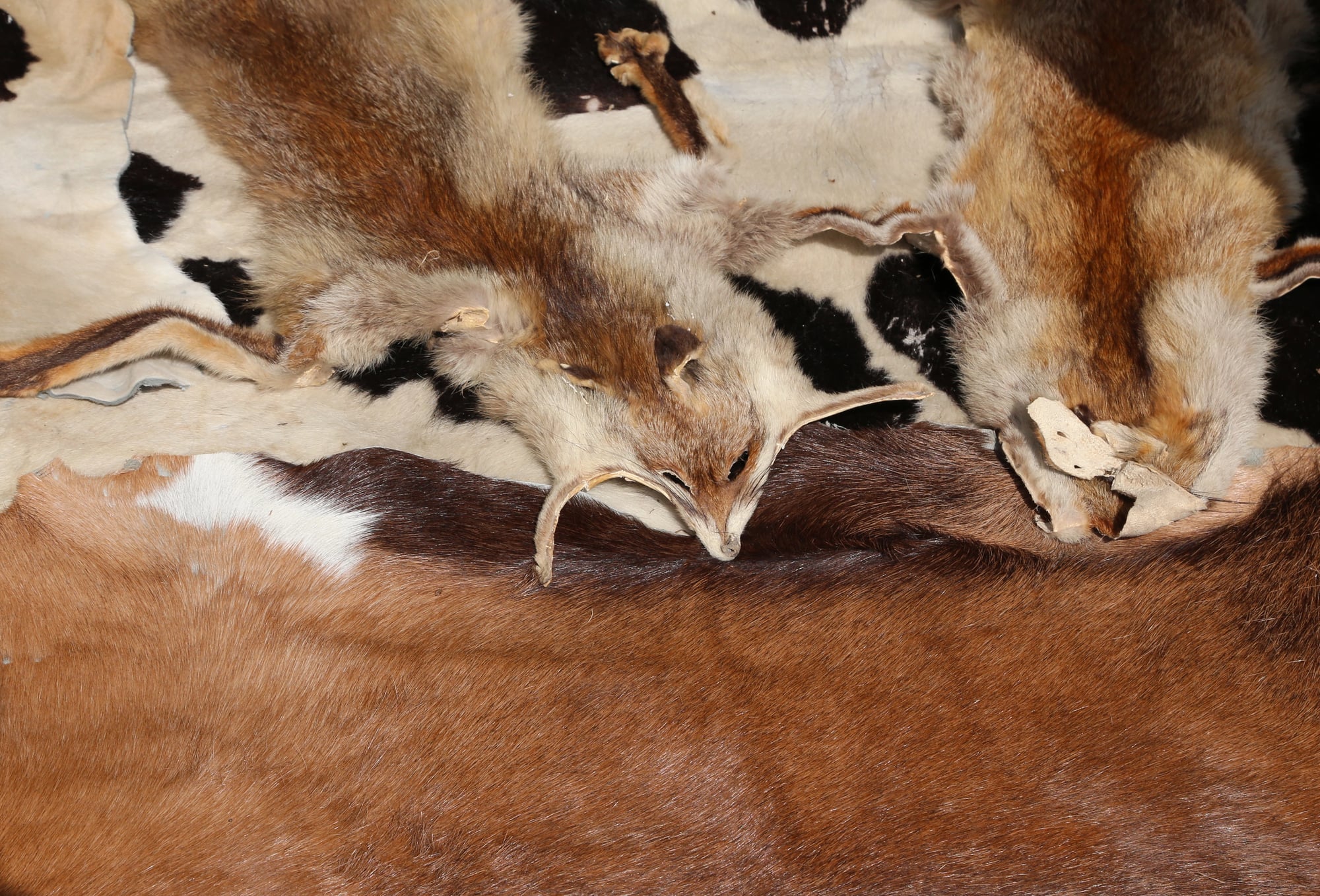
Ermine was reserved for royalty — literally. In many European countries, laws prohibited anyone below a certain rank from wearing it.
The white winter coat of the stoat, trimmed with black tail tips, became the visual shorthand for absolute power. Russian sable commanded prices that could buy entire estates.
A single coat required dozens of pelts, each one trapped during the brief Siberian winter when the fur was at its thickest. Wearing sable was like wrapping yourself in a small fortune that happened to keep you warm.
Silver and Gold Tableware
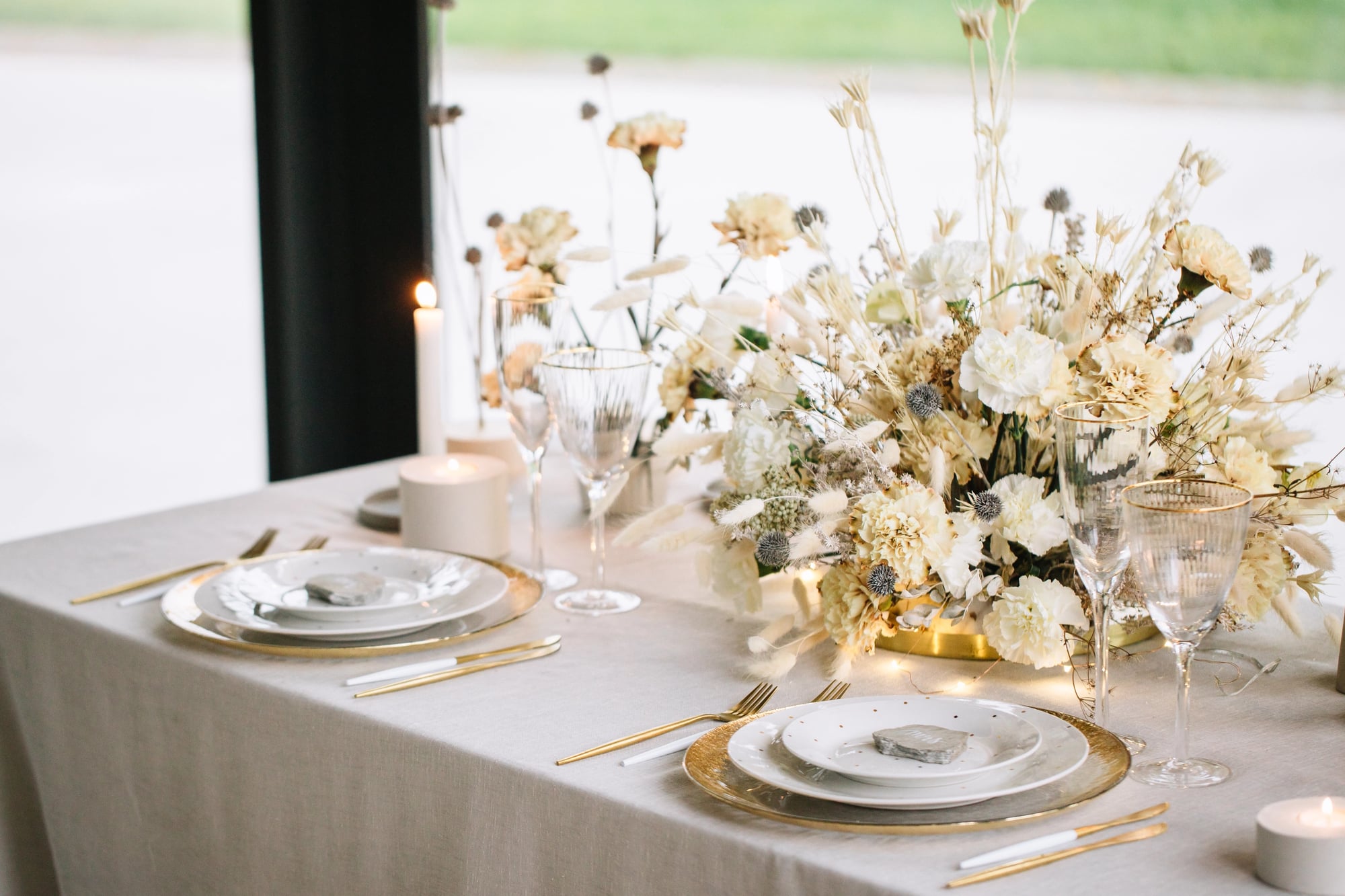
Eating with silver wasn’t just about showing off — though it certainly did that. Silver was believed to neutralize poisons, which meant the wealthy could dine without fear of assassination.
(It doesn’t actually work, but the peace of mind was worth the fortune they spent on place settings.) Gold plates were even more extravagant.
They required constant polishing, couldn’t be heated too quickly without warping, and served no practical purpose except announcing that you had so much money you could afford to eat off it. The impracticality was precisely the point.
But there’s something almost endearing about the lengths people went to make dinner feel ceremonial — as if the simple act of eating could be transformed into something sacred just by changing what you ate it from. Maybe they understood something about ritual that we’ve forgotten in our paper plate world.
Illuminated Manuscripts
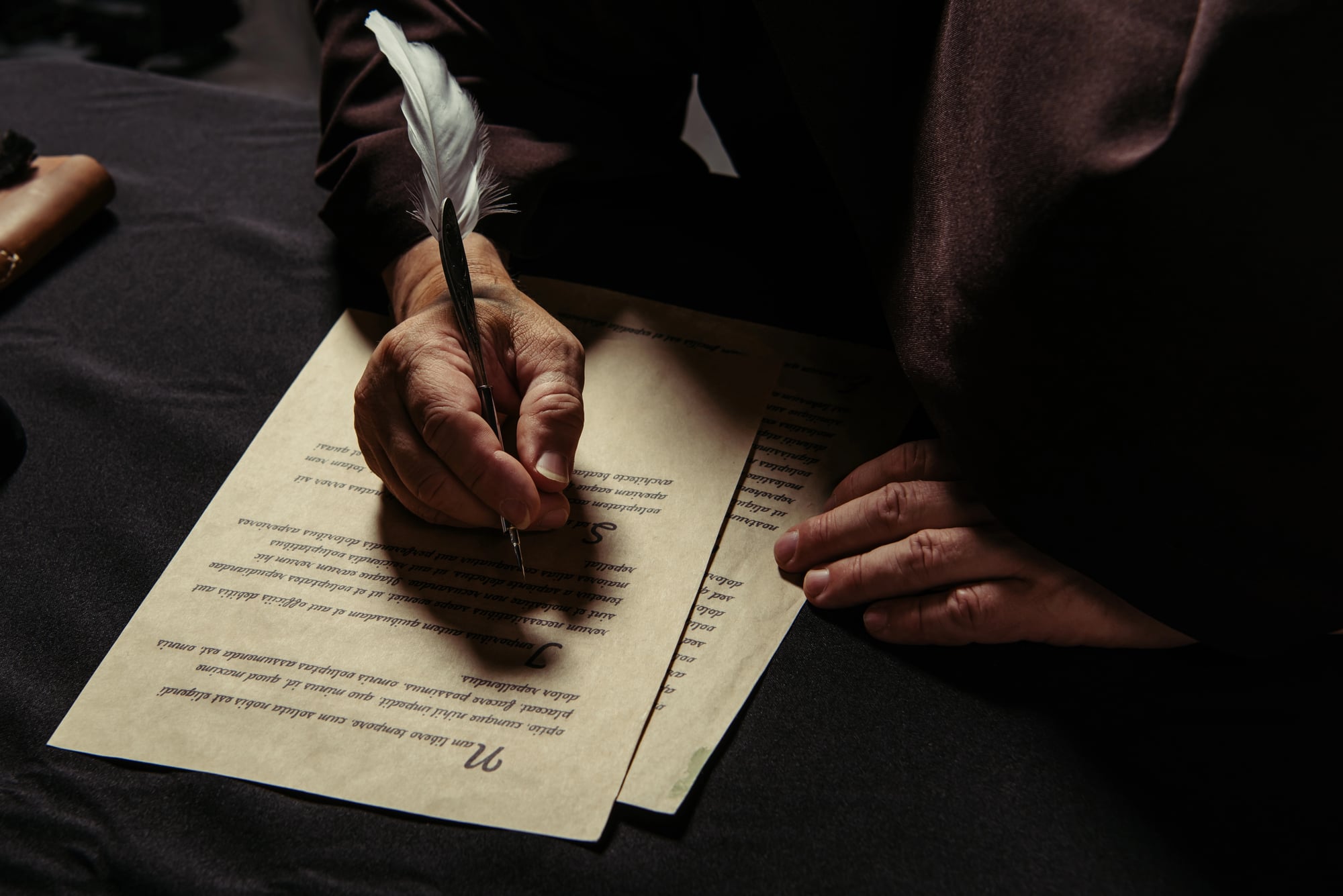
Books were luxury items when each one had to be copied by hand, illustrated by artists, and bound in leather that cost more than most people earned in a year. Illuminated manuscripts — books decorated with gold leaf and intricate miniature paintings — represented the absolute pinnacle of this art form.
The Book of Kells took an estimated thirty years to complete. The wealthy didn’t just own books; they commissioned them.
Personal prayer books, family histories, classical texts — all copied in scripts so beautiful they were artworks in themselves. And unlike most luxury items, manuscripts actually improved their owners’ minds while demonstrating their wealth.
Precious Stone Jewelry
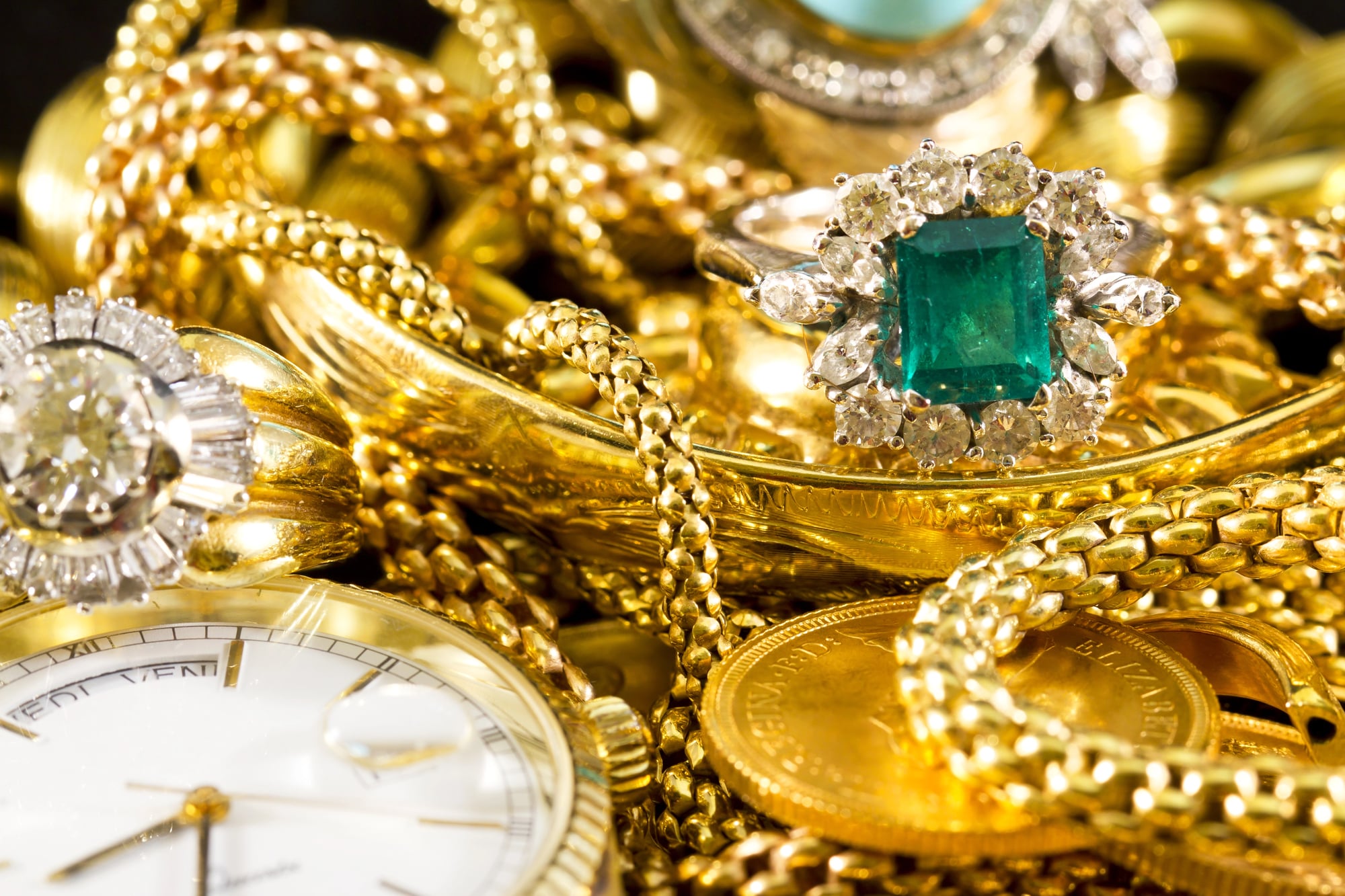
Diamonds were rare, but colored gemstones were rarer. A single ruby from Burma or emerald from Colombia could represent a merchant’s entire profit from a successful trading voyage.
The wealthy wore their portfolios on their necks and fingers. What made gemstone jewelry particularly powerful was its portability.
When wars broke out or political fortunes shifted, jewelry could be sewn into clothing and carried across borders. It was wealth that could disappear into a pocket and reappear as collateral in a foreign country.
Persian Rugs
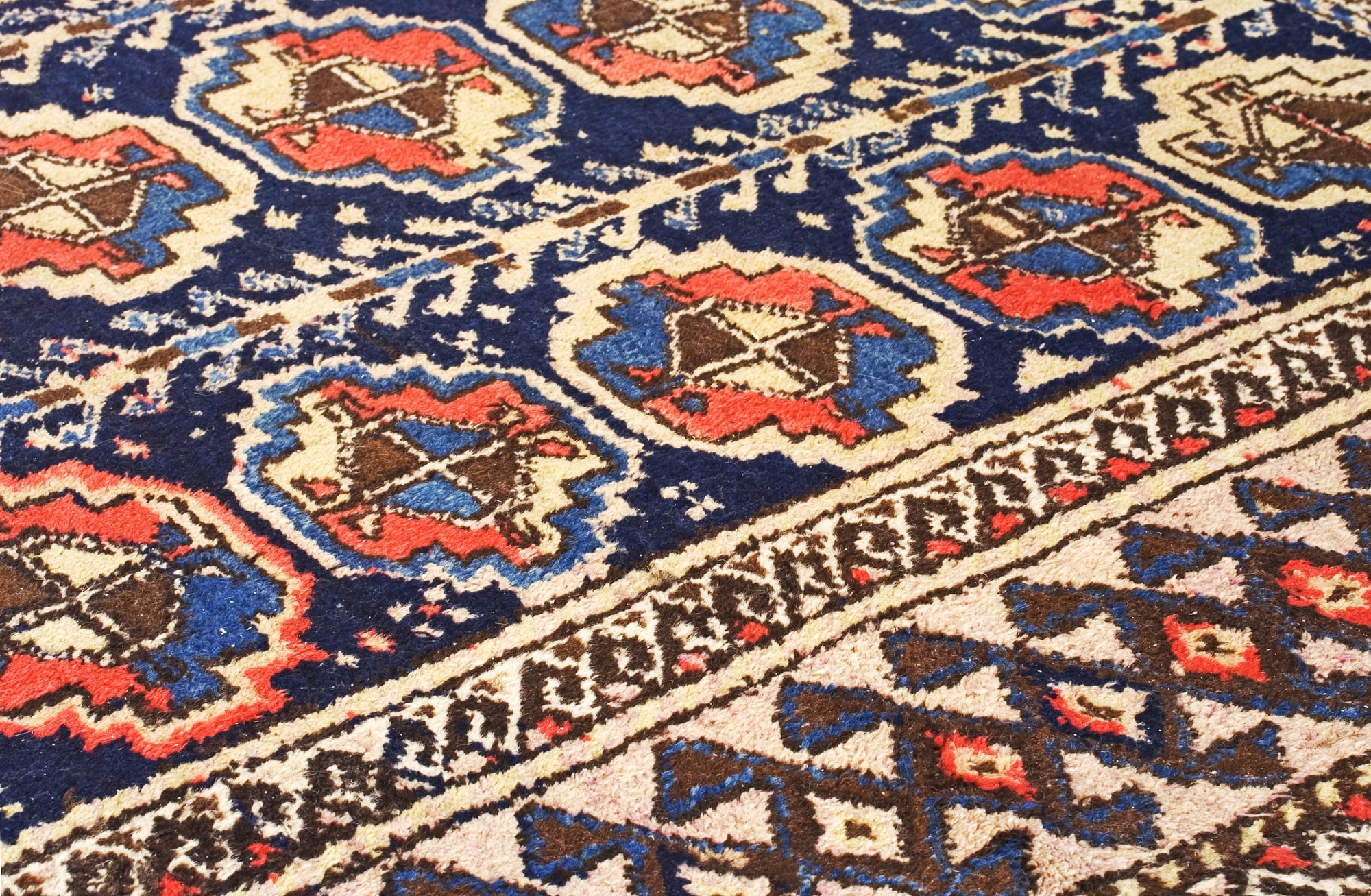
Hand-knotted Persian rugs weren’t just floor coverings — they were masterpieces that took years to complete. The finest examples contained over 1,000 knots per square inch, with patterns so intricate they seemed to shift and flow as you walked past them.
A single rug might employ a family of weavers for two years. The wealthy collected them like paintings, but unlike paintings, rugs served a dual purpose: they demonstrated exquisite taste while actually making stone floors bearable to walk on.
Beauty and function combined in a way that justified almost any price.
Crystal and Cut Glass
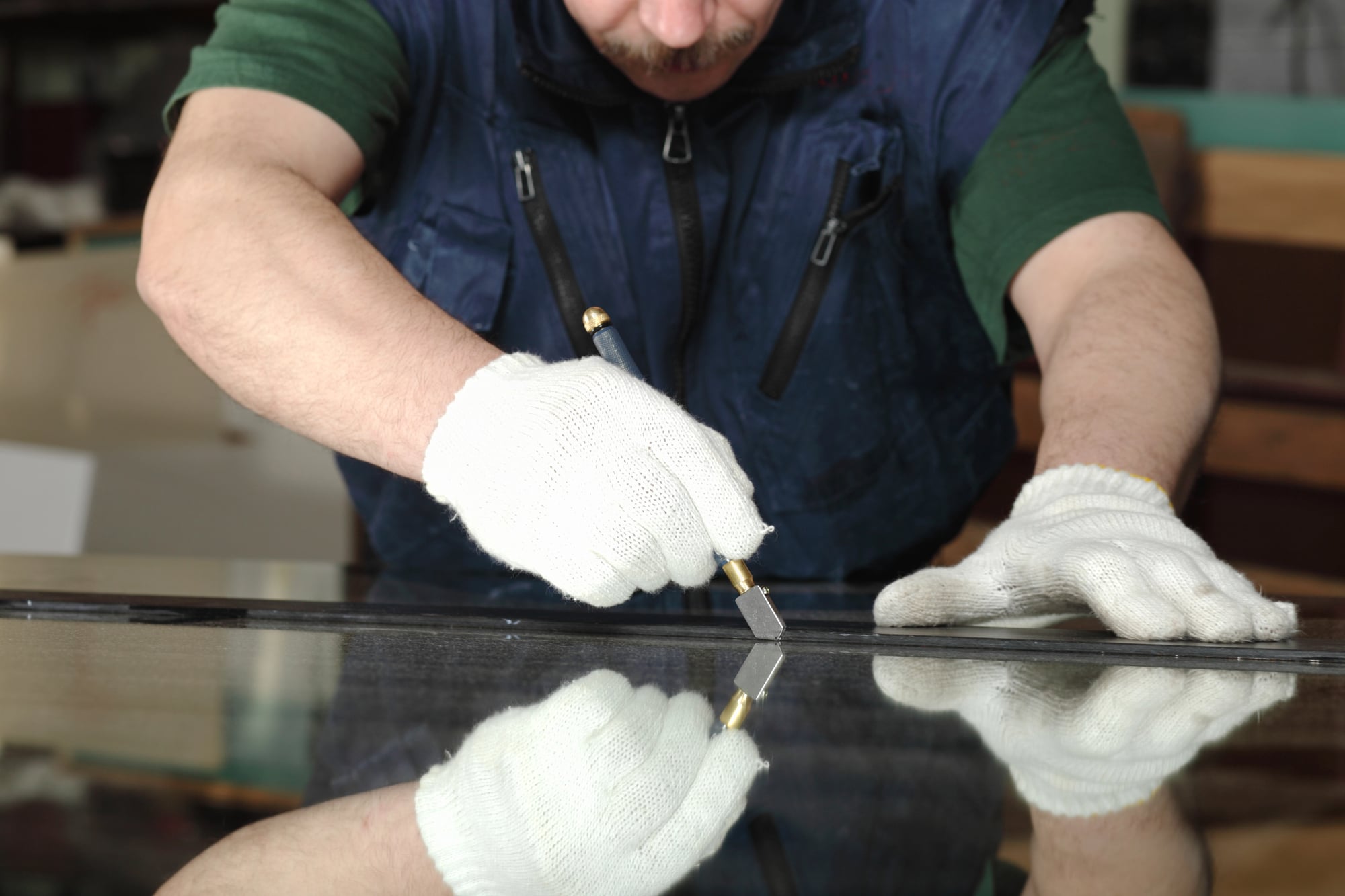
Venetian glassmakers guarded their secrets so carefully they were forbidden from leaving the island of Murano — and faced death if they tried to reveal their techniques elsewhere. The resulting crystal was so pure and perfectly cut it seemed to capture light and throw it back in rainbow fragments.
A crystal chandelier was architecture and jewelry combined. The wealthy hung these elaborate light fixtures in their ballrooms and dining halls, transforming candlelight into something magical.
But crystal went beyond chandeliers — drinking glasses, serving pieces, decorative objects that served no purpose except catching the light just right.
Fine Wines and Spirits

The best wines aged in cellars that cost fortunes to build and maintain. Temperature-controlled stone chambers, carefully managed humidity, wines that improved over decades — this was investment-grade drinking.
Some bottles were worth more than houses (some still are, which is saying something about human priorities when it comes to fermented grapes). But fine wine culture went beyond just buying expensive bottles.
It was about understanding vintages, regions, the way weather patterns three years ago affected the taste you were experiencing tonight. The wealthy didn’t just drink well.
They educated themselves enough to know why what they were drinking was worth what they paid. And there’s something almost poetic about the way wine connects you to a specific place and time — this glass contains the sunshine and rain from one particular hillside during one particular summer.
You’re not just buying alcohol. You’re buying a moment in history.
Rare Books and First Editions

Before printing presses made books common, owning a library marked you as seriously wealthy. After printing became widespread, the wealthy shifted to collecting first editions, rare manuscripts, books bound in unusual materials or printed in limited quantities.
A personal library was wealth you could actually use. Unlike gold that sat in vaults or jewelry that only came out for special occasions, books improved their owners while demonstrating their sophistication.
The wealthy often opened their libraries to scholars and writers, creating intellectual salons that influenced culture for generations.
Mechanical Clocks
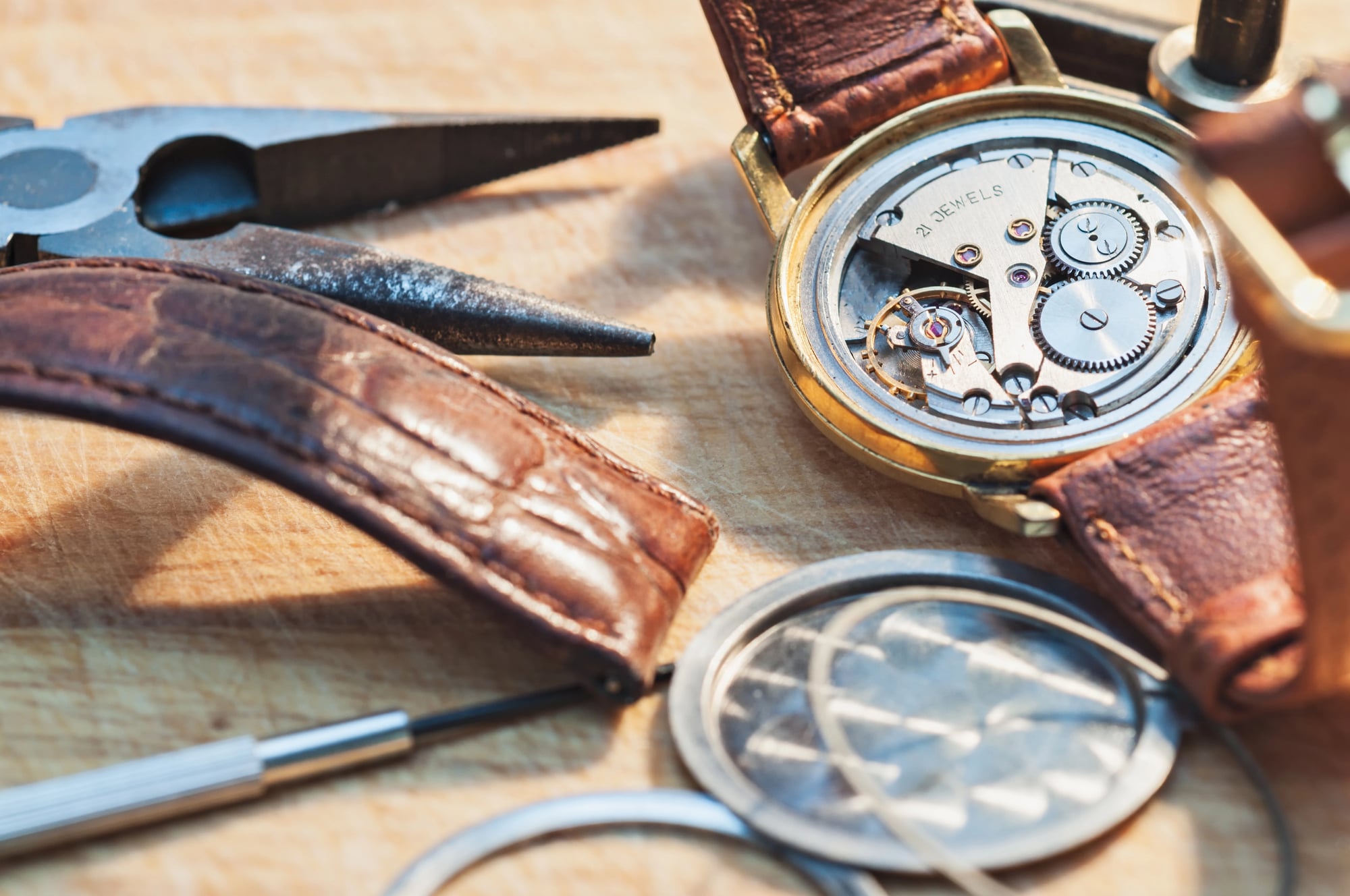
Before mass production, clocks were marvels of engineering that required master craftsmen months to build. The wealthy commissioned elaborate timepieces with multiple faces showing not just hours and minutes, but moon phases, planetary movements, and complex astronomical calculations.
A mechanical clock in your home meant you had conquered time itself — or at least paid someone else to conquer it for you. These weren’t just functional objects; they were conversation pieces that demonstrated both wealth and intellectual sophistication.
Exotic Birds and Animals

Peacocks in the garden, songbirds in elaborate cages, parrots that could speak multiple languages — the wealthy collected living creatures the way others collected art. Exotic animals required specialized care, expensive housing, and constant attention from trained servants.
But keeping exotic animals was about more than just showing off. It was about bringing the far corners of the world into your own backyard, creating private zoos that let you experience creatures most people would never see.
The wealthy didn’t just travel to exotic places; they imported pieces of those places to live with them permanently.
When Luxury Meant Something Different

These objects remind us that luxury used to require patience. You couldn’t order silk from China and have it arrive next week.
You couldn’t download books or stream entertainment. Wealth meant commissioning something beautiful and waiting years for it to be finished, or it meant having access to trade routes that connected you to artisans and materials halfway around the world.
Maybe there’s something we lost when luxury became instant and mass-produced. These old-world treasures required time, skill, and human connection in ways that modern wealth rarely does.
They weren’t just expensive — they were irreplaceable.
More from Go2Tutors!

- The Romanov Crown Jewels and Their Tragic Fate
- 13 Historical Mysteries That Science Still Can’t Solve
- Famous Hoaxes That Fooled the World for Years
- 15 Child Stars with Tragic Adult Lives
- 16 Famous Jewelry Pieces in History
Like Go2Tutors’s content? Follow us on MSN.