Ancient Beliefs About Falling Stars: 17 Stories from Around the World
Long before scientists understood what meteors actually were, ancient cultures gazed up at streaking lights in the night sky and created elaborate stories to explain these mysterious phenomena. From divine messages to evil spirits, falling stars have inspired some of humanity’s most fascinating beliefs and superstitions.
These celestial visitors sparked the imagination of civilizations across every continent, leading to rich mythologies that reveal as much about human nature as they do about the cosmos. Here is a list of 17 ancient beliefs about falling stars from cultures around the world.
Greek Divine Messages

Ancient Greeks believed falling stars were direct communications from the gods on Mount Olympus. When meteors streaked across the sky, they interpreted them as either divine blessings or warnings about future events.
The Greeks also thought that shooting stars appeared when the gods opened heaven to peer down at Earth, making them perfect moments to make wishes that might actually be heard and granted.
Roman Anger From Above
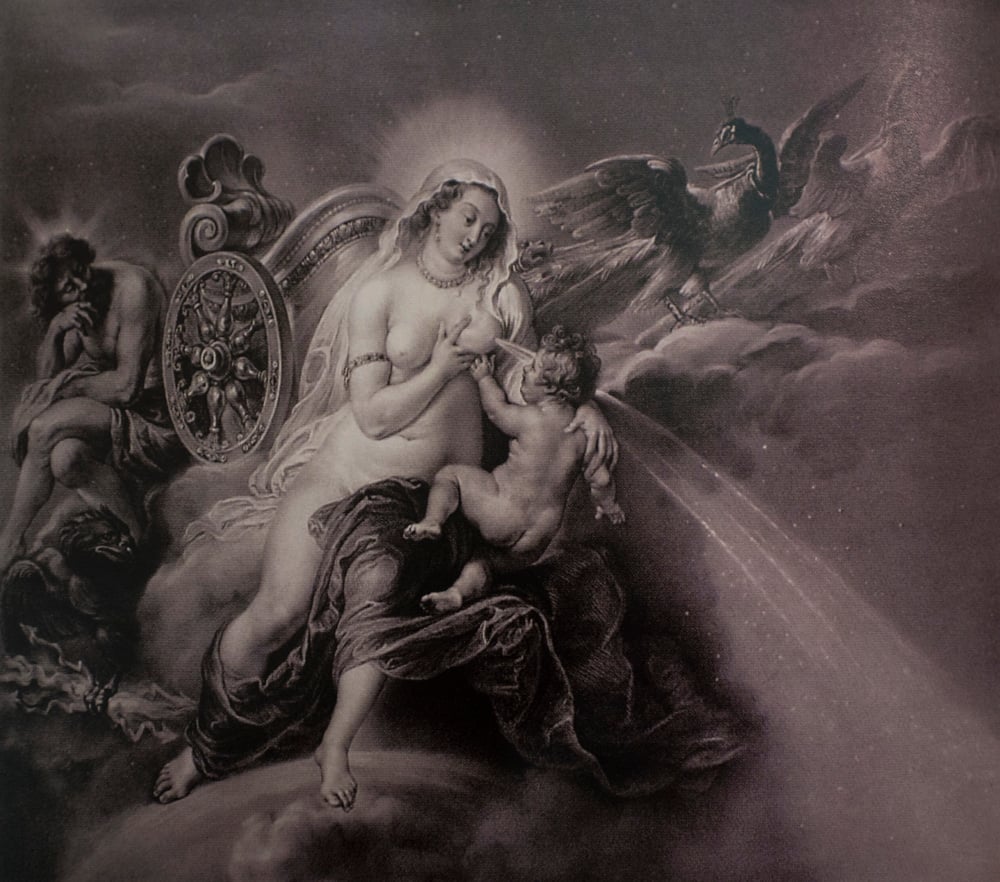
The Romans took a slightly more dramatic approach, believing that meteors were Jupiter hurling stones from the heavens when he was particularly angry with mortals. This made falling stars rather ominous events that could signal divine displeasure with human behavior.
Roman historians like Cassius Dio carefully recorded meteor sightings as important omens that might predict the fate of emperors or entire empires.
Chinese Dragon’s Breath

In Chinese mythology, meteors were often seen as the breath of celestial dragons soaring through the heavens. These powerful creatures controlled weather patterns and brought rain and fertility to the land, so their fiery exhales were generally considered auspicious signs.
The Chinese believed that seeing a meteor meant good fortune was coming, and making a wish on one would ensure prosperity and success in various aspects of life.
Aboriginal Australian Evil Spirits

Aboriginal Australians developed some of the most detailed meteor mythology in the world, often viewing falling stars as malevolent spirits with terrifying intentions. The evil spirit Namorrodor appears as a shooting star and transforms into a creature with long claws that hunts for babies in the night.
Different tribes had various names for these meteor spirits, but they all shared the belief that these entities were searching for the souls of the sick or dying.
Native American Star Waste

Many Native American tribes held the surprisingly unglamorous belief that meteors were waste from celestial beings. The Nunamiut Eskimos, the Koasati of Louisiana, and numerous southern California tribes all shared this rather earthy explanation for falling stars.
A slight variation came from the Kiliwa people of Baja California, who believed meteors were the fiery urine of celestial constellations.
Hindu Warrior Souls

Hindu mythology gave falling stars a heroic origin story, believing they were the souls of great warriors tumbling from the sky after epic battles in the celestial realm. These meteors symbolized bravery and honor, representing the spirits of legendary fighters who had earned their place among the stars.
In another Hindu tradition, meteors were thought to be the arrows of Kamadeva, the god of love, promising romance and happiness to those lucky enough to witness them.
Christian Martyr’s Tears

Early Christians connected the annual Perseid meteor shower to the martyrdom of Saint Lawrence, a deacon who was roasted alive on a gridiron in 258 AD. Since Lawrence was martyred on August 10th, right when the meteor shower peaks, Christians interpreted the falling stars as the saint’s tears of joy falling from heaven.
This transformed what other cultures saw as omens into symbols of divine compassion and heavenly celebration.
Germanic Fortune and Death
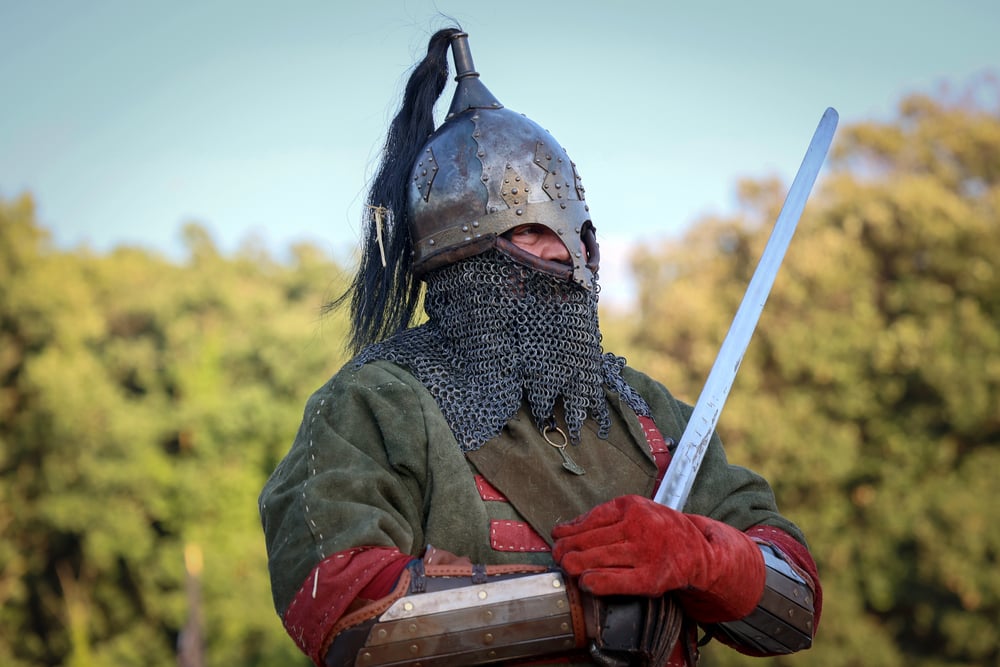
The Swabian people of Germany developed a peculiar superstition about meteors that walked the line between good and bad luck. They believed that seeing a single falling star meant a year of good fortune lay ahead, which sounds lovely until you hear the catch.
If you happened to see three meteors in one night, it meant you were doomed to die soon, making stargazing a potentially nerve-wracking activity.
Mesopotamian Bad Omens

Ancient Mesopotamian cultures took a consistently pessimistic view of falling stars, almost always interpreting them as harbingers of doom and disaster. Unlike many other civilizations that saw both positive and negative meanings in meteors, the people of this region seemed convinced that any shooting star meant trouble was brewing.
This made astronomical events rather stressful occasions that required careful interpretation by priests and astrologers.
Egyptian Star Metal
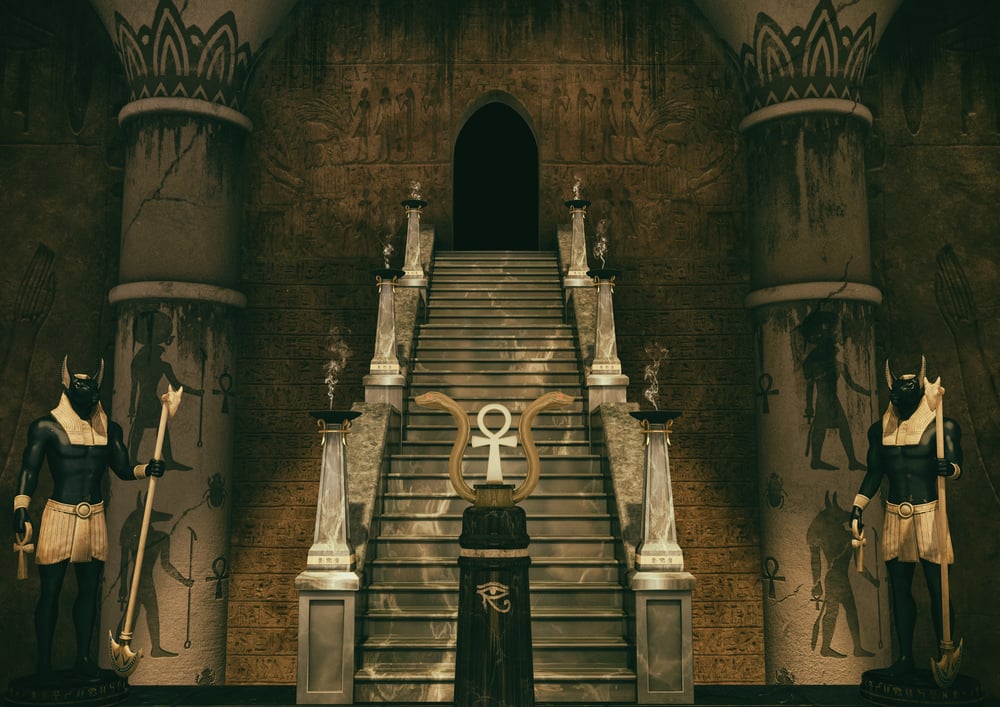
Ancient Egyptians had a more practical approach to meteors, recognizing them as sources of iron thousands of years before the Iron Age officially began. They called this meteoric iron ‘star metal’ and believed it was the same material that composed the heavens themselves.
Egyptian pharaohs were thought to be reborn as star-gods with bones made of this celestial iron, making meteorites incredibly valuable for creating ceremonial objects and royal jewelry.
Siberian Blood-Sucking Fireworms

Some Siberian peoples developed one of the most unsettling explanations for meteors, believing they were actually ‘blood-sucking fireworms’ that descended from the sky with malicious intent. These creatures were thought to be dangerous parasites that could drain the life force from anyone unlucky enough to encounter them.
This belief made meteor sightings particularly frightening events that sent people scrambling for shelter and protection.
Estonian Fire Demons

Estonian folklore featured a demon called Kratt that appeared as a whirlwind or meteor-like tail of fire streaking across the sky. This supernatural being was created by people to steal food, money, and other worldly goods for its master, but came with a dangerous catch.
If the Kratt wasn’t properly controlled or outwitted, it would eventually turn on its creator and destroy them, making it a risky supernatural bargain.
Swiss Divine Power

In Switzerland, meteors were believed to contain the actual power of God concentrated into physical form. This made falling stars incredibly sacred objects that demanded reverence and respect from anyone who witnessed them.
The Swiss approach treated meteors less as omens and more as direct manifestations of divine energy visiting the earthly realm.
Islamic Sacred Stones
Islamic tradition includes the famous Black Stone embedded in the wall of the Kaaba in Mecca, which is believed by some to be of meteoric origin. According to legend, the angel Gabriel gave this stone to Abraham, who built it into his house before it was later incorporated into Islam’s holiest shrine.
While the stone itself isn’t worshipped, it’s venerated as a sacred relic that connects the faithful to divine providence.
Norse Warrior Spirits

Norse mythology interpreted falling stars as the souls of brave warriors ascending to Valhalla after heroic deaths in battle. These meteors represented the journey that worthy fighters took to reach Odin’s great hall, where they would feast and fight for eternity.
This gave meteor sightings a bittersweet quality, suggesting that somewhere a hero had earned their place in the afterlife.
Filipino Protection Rituals

In the Philippines, people developed a specific ritual response to meteor sightings that involved tying a knot in a handkerchief before the light disappeared from the sky. This action was believed to capture the good luck and positive energy associated with the falling star, providing protection and fortune for the person quick enough to complete the knot-tying ceremony in time.
Chilean Stone Gathering

The people of Chile created a simple but meaningful tradition around meteor sightings that required observers to immediately pick up a stone from the ground while watching the falling star. This physical action was thought to create a connection between the earthly realm and the celestial event, allowing the observer to harness some of the meteor’s power or good fortune for their own use.
Stories Written in Fire

These diverse beliefs about falling stars reveal something profound about human nature and our relationship with the mysterious cosmos above us. Whether interpreted as divine messages, evil spirits, or supernatural phenomena, meteors have consistently inspired awe, fear, and wonder across every culture on Earth.
From the practical Egyptians who recognized meteors as sources of valuable metal to the poetic Norse who saw them as warrior souls ascending to paradise, each civilization found ways to weave these brief celestial visitors into their understanding of the world. These ancient stories remind us that long before we understood the science behind shooting stars, humans were already finding meaning in the night sky and creating rich mythologies that helped explain the unexplainable wonders above.
More from Go2Tutors!

- The Romanov Crown Jewels and Their Tragic Fate
- 13 Historical Mysteries That Science Still Can’t Solve
- Famous Hoaxes That Fooled the World for Years
- 15 Child Stars with Tragic Adult Lives
- 16 Famous Jewelry Pieces in History
Like Go2Tutors’s content? Follow us on MSN.



