15 Luxury Symbols of Status Across Civilizations
Status has always been about showing what others cannot have. Throughout history, civilizations have found increasingly creative ways to display their wealth and power, turning everyday objects into coveted symbols that separate the elite from everyone else.
From ancient empires to modern societies, the markers of prestige have evolved, but the underlying human desire to signal success remains remarkably consistent. What makes something a true luxury symbol isn’t just its price tag—it’s the story it tells about the person who owns it.
The best status symbols combine rarity, craftsmanship, and cultural meaning in ways that speak to both the owner and everyone who sees them.
Purple Dye

Romans didn’t mess around with their color coding. Purple was reserved for emperors and senators, period.
The dye came from murex shells—thousands of them for just a few drops of color. Wearing purple without permission could get you killed.
That’s how seriously they took their status symbols.
Spices and Salt

The medieval spice trade was built on something we now take for granted (and something that, back then, was worth more than its weight in gold)—the ability to make food taste like something other than rotting meat, which is what most people were stuck with during long winters when fresh ingredients were impossible to come by. But the truly wealthy didn’t just want their food to taste better; they wanted everyone at their dinner table to know exactly how much they’d spent to make it happen.
So they’d pile on the saffron (which required hand-picking thousands of crocus flowers), the black pepper (which had traveled thousands of miles from India), and the cinnamon (which came with stories of dangerous sea voyages and exotic lands that most people would never see). And salt—humble salt that sits in shakers on every table now—was so precious that Roman soldiers were sometimes paid in it.
The word “salary” comes from the Latin “salarium,” referring to the money given to soldiers to buy salt. Which means that every time you negotiate your salary, you’re participating in a tradition that goes back to when white crystals were considered as valuable as silver coins.
Elaborate Headdresses

There’s something almost theatrical about the way ancient civilizations approached headwear—as if they understood that the space above your shoulders was prime real estate for broadcasting your importance to anyone within visual range. Egyptian pharaohs wore headdresses that weren’t just ornamental; they were architectural statements that required engineering to balance properly.
The famous blue and gold striped nemes headdress wasn’t just beautiful—it was a carefully constructed symbol that said “I am closer to the gods than you will ever be.” Mayan rulers took this concept even further, creating headdresses so elaborate they resembled small buildings perched on human heads.
Jade, quetzal feathers, gold, and obsidian were woven together into displays that could be seen from remarkable distances. The feathers alone told a story—quetzal birds were sacred, and their tail feathers could only be obtained through dangerous expeditions into remote mountain forests.
The weight of these headdresses was part of the point. Anyone who could afford to literally carry that much wealth on their head, and still move through the world with grace, was demonstrating a level of resources that common people couldn’t begin to imagine.
Silk Garments
Chinese silk was the world’s first luxury fabric monopoly. The production process was a state secret guarded so carefully that revealing it meant death.
Anyone caught smuggling silkworms out of China faced execution. For over a thousand years, this worked perfectly.
Silk became the ultimate status symbol across Asia, the Middle East, and eventually Europe—not just because it was beautiful, but because everyone knew it could only come from one place. The wealthy didn’t just wear silk; they wore proof of their connection to the most sophisticated textile technology in the world.
When silk finally reached Rome, senators’ wives would spend fortunes on a single garment. The historian Pliny complained that silk was draining the Roman treasury, calling it an unnecessary luxury that was making the empire weak.
He wasn’t entirely wrong.
Elaborate Tombs and Burial Goods

The pyramids at Giza represent something more complex than simple monuments to ego—they’re frozen moments of civilizations that believed your status in life determined your experience in death, and that the transition between the two required a level of material preparation that would bankrupt entire kingdoms. Egyptian pharaohs didn’t just build tombs; they built entire underground cities stocked with everything they might need in the afterlife, from golden chariots to preserved food to miniature armies of servants carved from stone.
But the Egyptians weren’t alone in this thinking. Chinese emperors were buried with terracotta armies numbering in the thousands, each soldier individually crafted with unique facial features and expressions.
The first emperor’s tomb reportedly contains rivers of mercury and a ceiling decorated with pearls to represent the night sky. The construction took over 700,000 workers and forty years to complete.
What strikes you about these burial practices is how they reveal the ultimate luxury: the belief that your wealth and status were so important they needed to continue operating in another realm entirely. These weren’t just graves—they were permanent installations designed to broadcast power long after the person wielding it had died.
Porcelain and Fine Ceramics
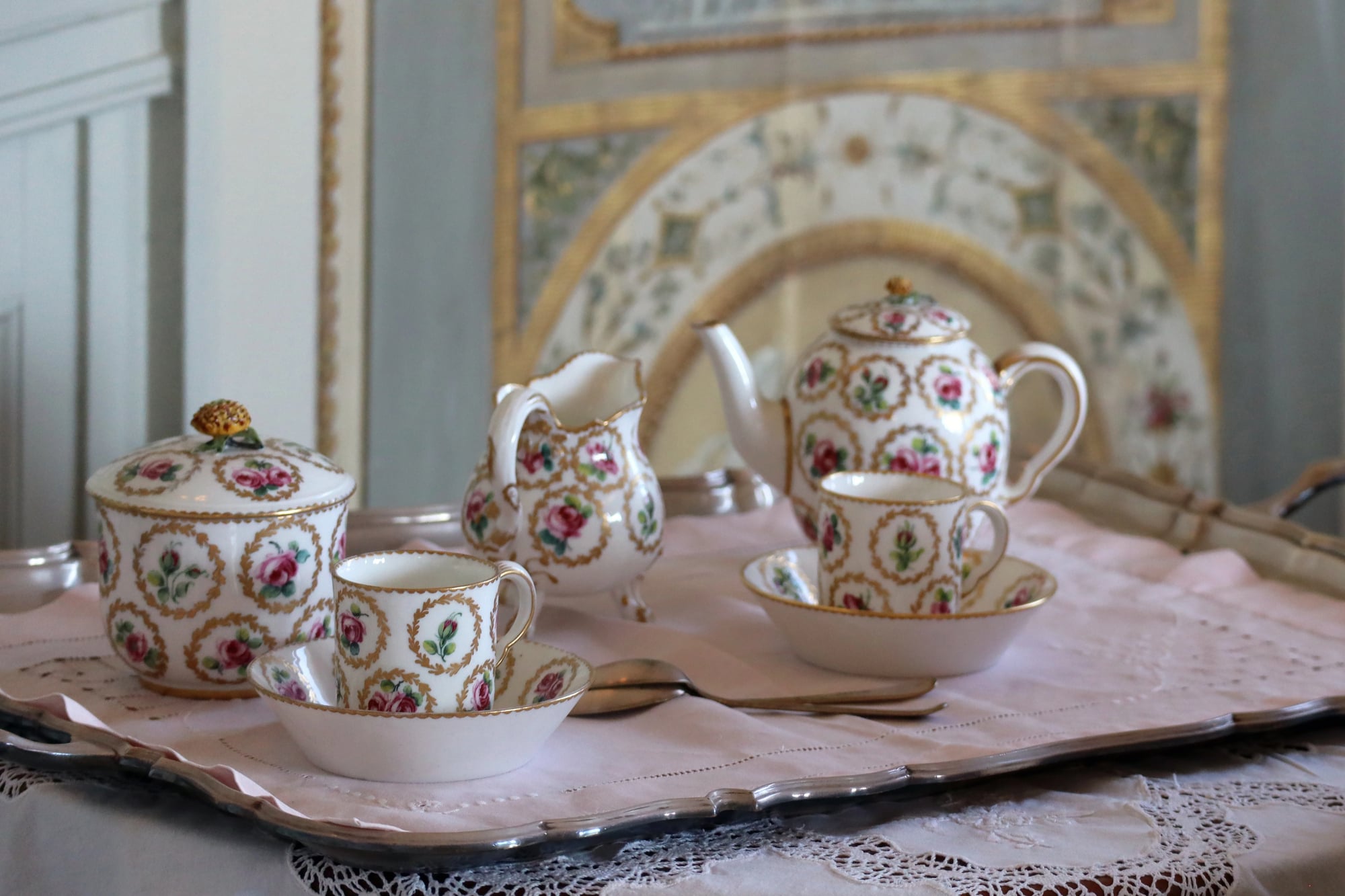
Chinese porcelain was medieval Europe’s version of impossible technology. Europeans spent centuries trying to reverse-engineer the process, failing repeatedly, and paying increasingly ridiculous prices for the real thing.
The irony is that porcelain started as a practical solution—Chinese potters wanted dishes that wouldn’t crack in extreme temperatures. But once European traders got their hands on it, porcelain transformed into something else entirely: proof that you had access to goods from the most advanced civilization on earth.
European royalty displayed porcelain the way tech billionaires show off rare cars today. Entire rooms were dedicated to porcelain collections.
The wealthy didn’t just use it for special occasions—they built their social lives around showing it off.
Exotic Animals and Menageries

Owning animals that had no business living in your climate was the ancient world’s equivalent of having a yacht—expensive, impractical, and designed entirely to demonstrate that normal rules didn’t apply to you. Roman emperors kept lions, tigers, elephants, and giraffes not because these animals served any practical purpose, but because maintaining them required the kind of resources that only absolute power could provide.
The logistics alone were staggering. Elephants needed hundreds of pounds of food daily.
Big cats required live prey. Exotic birds needed specific temperatures and diets that their handlers often didn’t understand, leading to constant replacements that cost fortunes.
But that was part of the appeal—the more difficult and expensive an animal was to keep alive, the more effectively it demonstrated your wealth. Medieval European nobility continued this tradition with their own twist.
They collected animals from distant lands and displayed them in elaborate menageries that served as living proof of their global connections. A single elephant could bankrupt a smaller noble family, but the wealthiest lords competed to own the most exotic collections possible.
These weren’t pets—they were breathing, eating status symbols that required constant investment to maintain.
Precious Metals and Jewelry
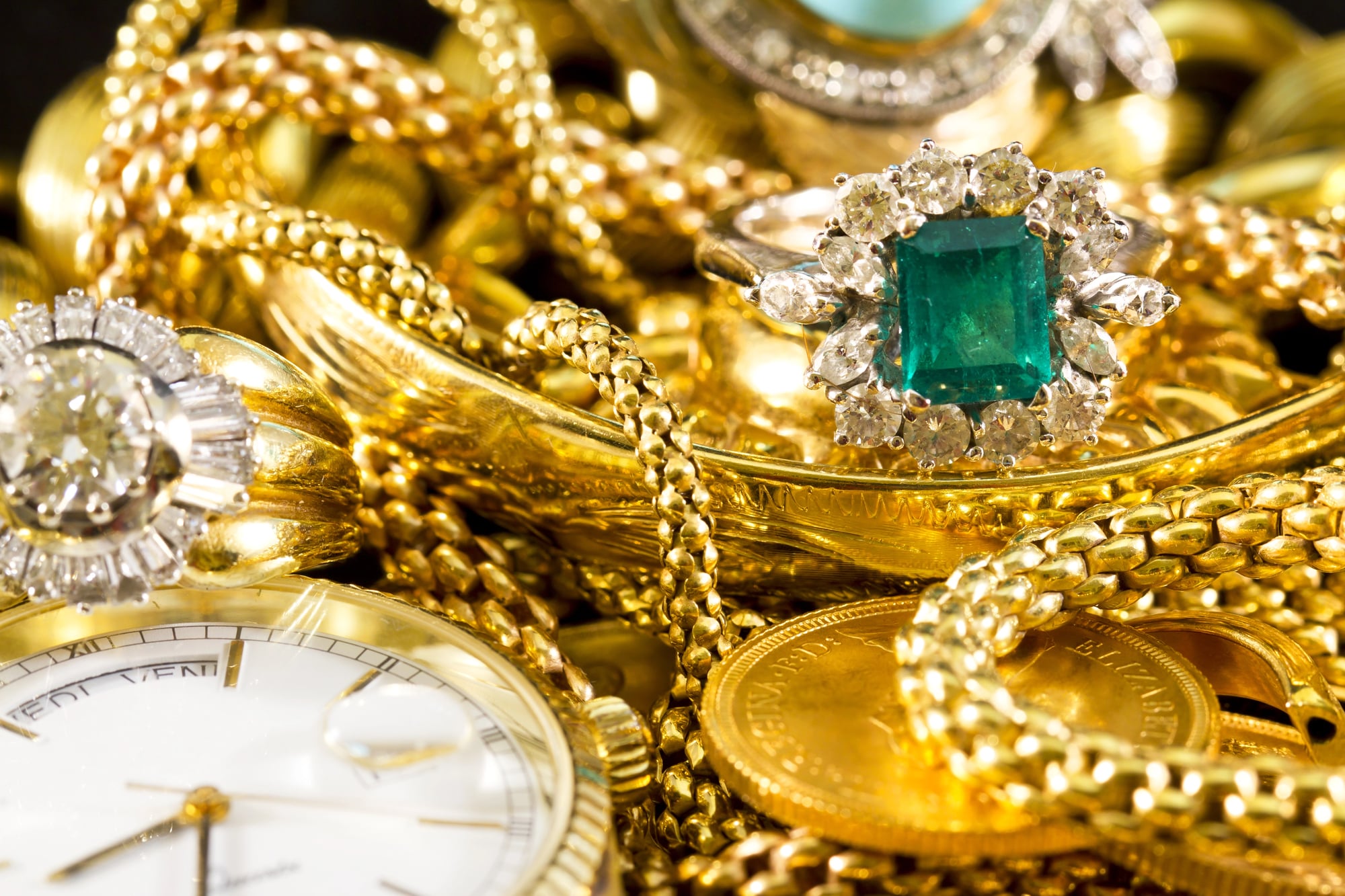
Gold has maintained its grip on human imagination longer than any government, religion, or empire that has ever existed—which is remarkable when you consider that it’s essentially a soft, heavy metal that serves no practical purpose beyond looking impressive and not tarnishing over time. But perhaps that’s exactly why it works so well as a status symbol: it’s completely, unapologetically useless for anything except displaying wealth.
Ancient civilizations understood this instinctively. Egyptian pharaohs were buried with gold masks that weighed dozens of pounds.
Aztec emperors wore so much gold that Spanish conquistadors couldn’t believe what they were seeing—entire rooms lined with golden objects that European kings would have considered priceless. The Incas called gold “the sweat of the sun” and used it to decorate temples in ways that made the buildings themselves seem to glow.
But jewelry was never just about the materials. The craftsmanship required to turn raw metals and stones into wearable art became its own form of luxury.
Byzantine empress wore earrings so elaborate they required counterweights to prevent neck strain. Indian maharajas commissioned necklaces that took master jewelers years to complete, incorporating techniques that died with their creators.
Elaborate Architecture and Palaces

Versailles wasn’t built to be lived in—it was built to be impossible to ignore. Louis XIV understood that true power meant creating spaces so overwhelming that visitors would feel small just by walking through them.
The palace contains 2,300 rooms, 67 staircases, and 5,210 pieces of furniture. The Hall of Mirrors alone cost more than most countries’ annual budgets.
Every surface was designed to remind visitors that they were in the presence of someone who could afford to waste money on an unimaginable scale. But Versailles was just the most famous example of architectural intimidation.
Chinese emperors built the Forbidden City with 9,999 rooms because 10,000 was reserved for heaven. Islamic rulers created palaces with fountains that ran with rosewater instead of regular water.
The message was always the same: normal limitations don’t apply here.
Rare Books and Manuscripts

There’s something almost magical about the way medieval manuscripts transformed knowledge into luxury—each book wasn’t just a collection of words but a hand-crafted object that required months or years to create, with pages made from animal skins so carefully prepared they felt like silk, and letters painted with gold leaf that caught light from every angle. Monks spent entire careers copying single books, adding decorative borders so intricate they resembled tiny architectural projects built from ink and pigment.
The wealthy didn’t just collect these books; they displayed them like jewelry. Private libraries became status symbols that demonstrated not only wealth but education and cultural sophistication.
A single illuminated manuscript could cost as much as a farm, and the most prized books were often more valuable than the buildings that housed them. But the real luxury wasn’t just owning books—it was being able to read them.
Literacy was so rare that possessing books you couldn’t even use was considered a perfectly reasonable way to show off your wealth. The books themselves became beautiful objects that happened to contain words, rather than words that happened to be bound in beautiful covers.
Fine Wine and Aged Spirits

Ancient Romans created the world’s first wine snobs, and they did it with the same intensity they brought to conquering territories. They developed elaborate classification systems for different vineyards, tracked specific vintages, and paid outrageous prices for wines from regions that produced tiny quantities of grapes under perfect conditions.
The aging process was part of the appeal—wine that had been stored properly for decades wasn’t just alcohol, it was liquid proof that your family had been wealthy long enough to buy something expensive and then not use it for years. Roman dinner parties became competitions over who could serve the oldest, rarest wines from the most prestigious regions.
This tradition evolved into something even more elaborate over time. Medieval European nobility created wine cellars that functioned like underground banks, with individual bottles worth more than most people’s annual income.
The knowledge required to properly store and serve these wines became its own form of cultural capital—you couldn’t just buy your way into wine appreciation, you had to learn it.
Intricate Textiles and Tapestries
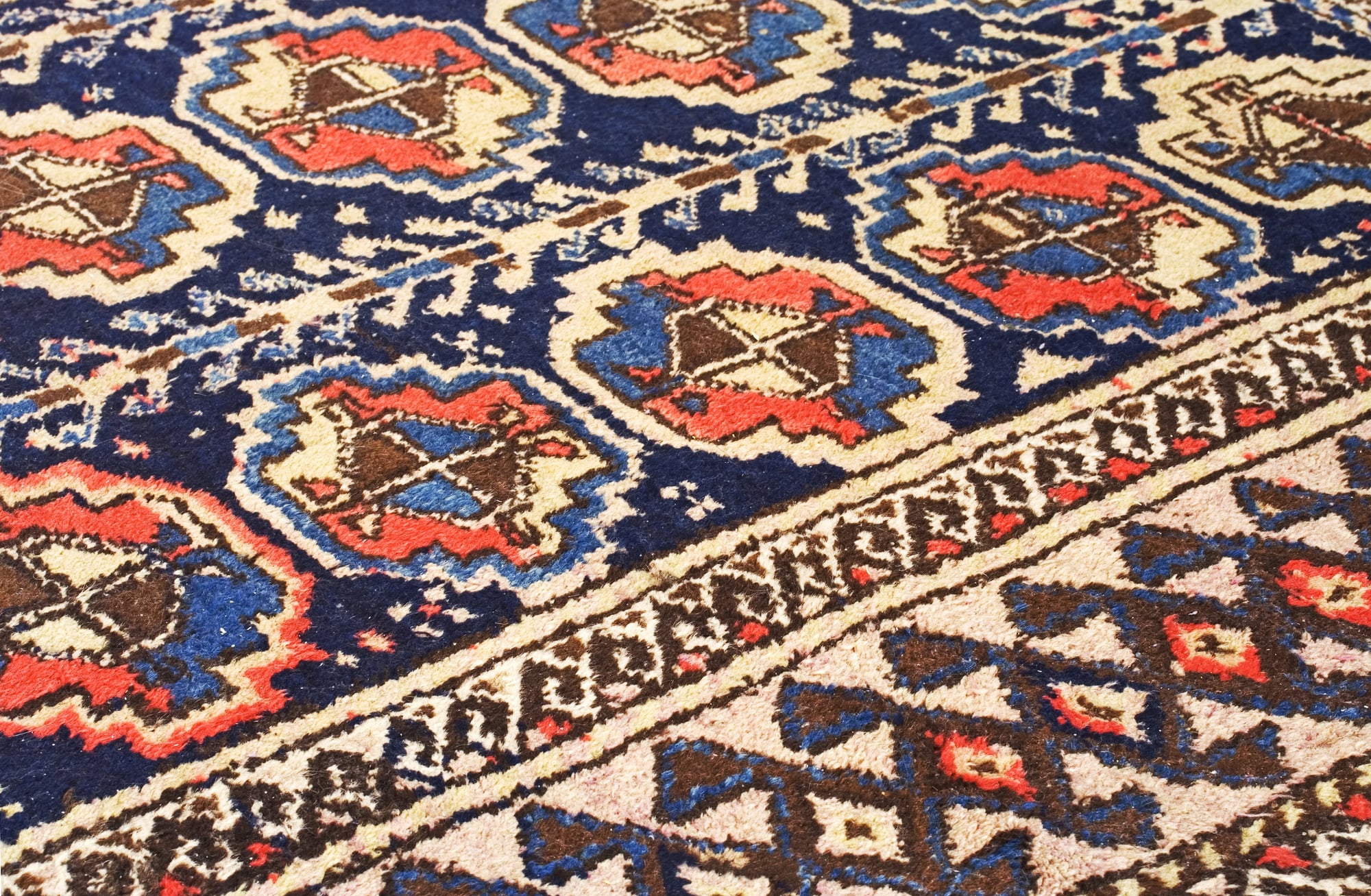
Medieval tapestries were essentially wearable architecture—massive textile projects that could take teams of skilled weavers years to complete, depicting complex scenes from mythology, religion, or history in threads so fine they created images that looked almost photographic from a distance. The Bayeux Tapestry, which tells the story of the Norman Conquest, stretches for 230 feet and contains approximately 1,500 figures (including human characters, animals, and objects), each one individually stitched with threads that had to be dyed using expensive pigments imported from distant lands.
But tapestries weren’t just art—they were practical luxury items that solved the problem of living in drafty stone castles while simultaneously demonstrating your wealth to anyone who visited. A single large tapestry could warm an entire room while displaying scenes that told stories about your family’s history, political connections, or religious devotion.
The wealthiest families commissioned sets of tapestries that could be moved from castle to castle, essentially carrying their walls with them wherever they traveled. The production process was so labor-intensive that owning high-quality tapestries meant you could afford to pay skilled craftspeople for months or years at a time.
The threads alone represented a significant investment—silk from China, gold thread from specialized workshops, dyes from exotic plants and minerals that had to be traded across continents.
Perfumes and Cosmetics
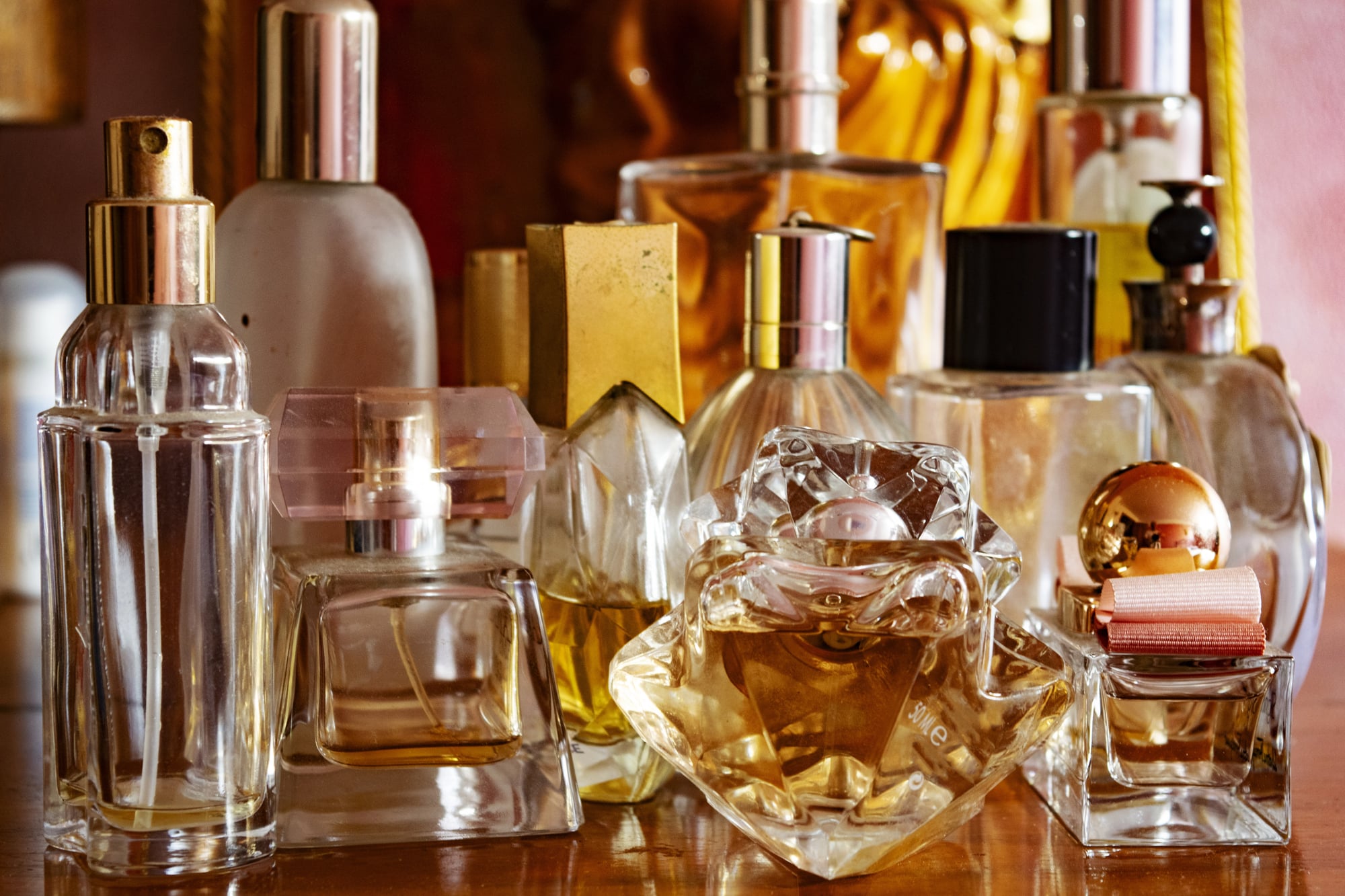
Egyptian queens turned personal scent into a form of political power. Cleopatra reportedly arrived at meetings with Mark Antony on ships with perfumed sails, ensuring that her presence was announced by fragrance before she was even visible.
The ingredients for luxury perfumes had to be gathered from across the known world. Frankincense from Arabia, myrrh from Ethiopia, sandalwood from India, and ambergris from whale digestive systems—each component required its own trading network and specialized knowledge to process correctly.
But perfume was never just about smelling good. It was about smelling expensive.
The wealthy wanted fragrances that were immediately recognizable as costly, complex blends that couldn’t be replicated without access to rare ingredients and master perfumers who guarded their techniques carefully.
Ornate Carriages and Transportation
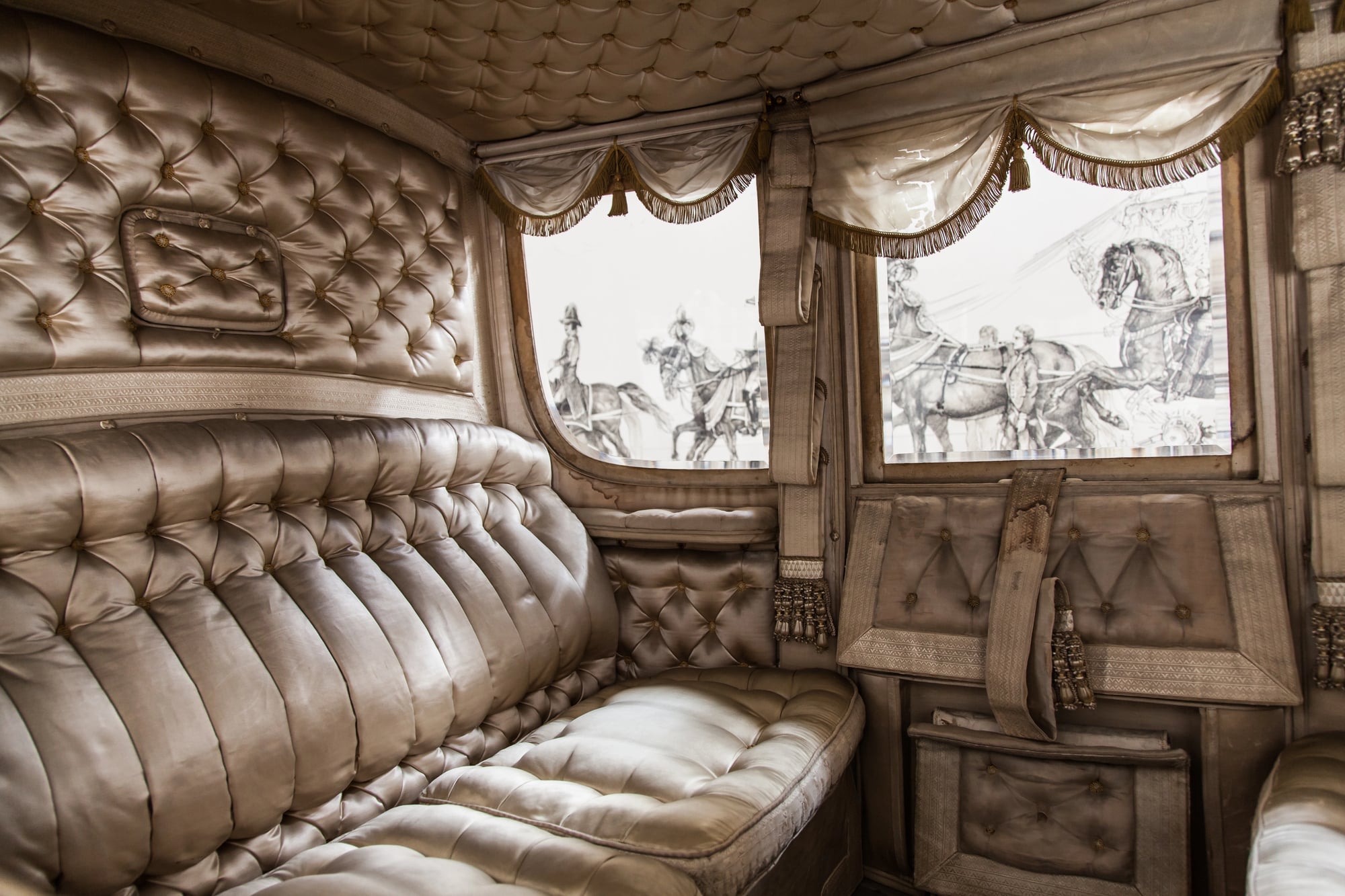
The difference between transportation and status became most obvious when wealthy families started commissioning carriages that were essentially mobile palaces—vehicles so elaborate and expensive that they defeated the practical purpose of getting from one place to another efficiently. European aristocrats built carriages with hand-carved wooden panels covered in gold leaf, upholstery made from silk and velvet, and suspension systems designed by the same engineers who worked on palace construction projects.
But the real luxury wasn’t the carriage itself—it was the entire system required to maintain it. Wealthy families employed teams of specialists: carriage makers who could repair intricate mechanical systems, horse trainers who could manage temperamental animals bred specifically for appearance rather than practicality, and drivers who understood the complex social protocols around who got the right of way on narrow streets.
The horses were often more valuable than the carriages they pulled. Breeding programs that took decades to perfect produced animals that served no purpose except looking impressive while moving at speeds that were barely faster than walking.
These weren’t work horses—they were living accessories that required constant care, expensive food, and specialized medical attention from veterinarians who charged accordingly.
Elaborate Weapons and Armor
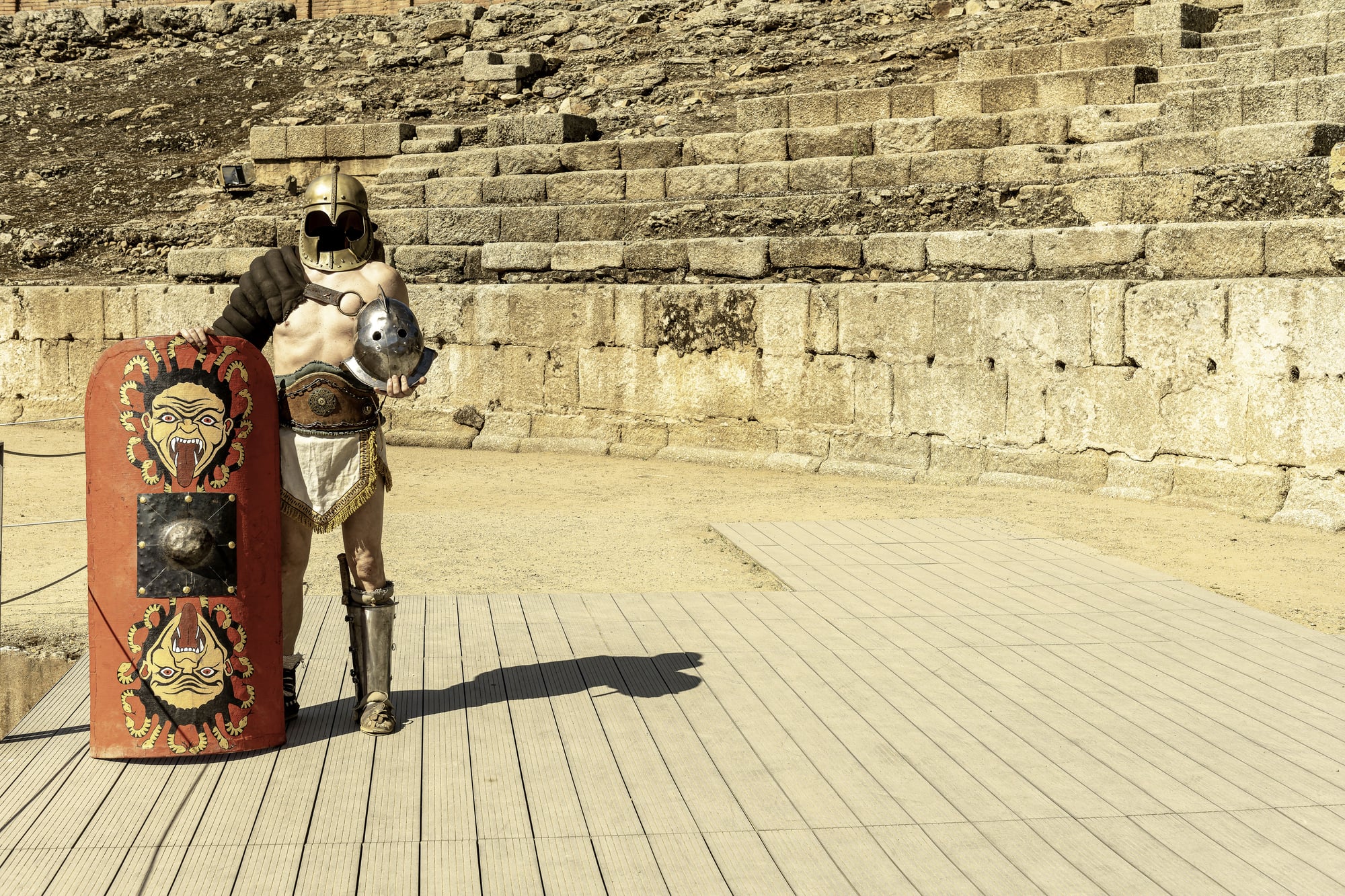
Medieval weapons reached a point where their practical function became secondary to their role as wearable art—swords with hilts so encrusted with precious stones that they would have been difficult to grip in actual combat, and armor so ornate that wearing it into battle would have been like taking a Fabergé egg to a construction site. Master armorers spent years creating individual suits that were fitted to specific nobles with the same precision that tailors used for formal clothing.
But the real statement wasn’t about being prepared for war—it was about being able to afford equipment that cost more than most people’s houses while hoping you’d never actually need to use it for its intended purpose. Ceremonial armor became a way to display wealth while simultaneously suggesting that you were powerful enough that nobody would dare challenge you to prove whether the armor actually worked.
The craftsmanship involved was genuinely remarkable. Italian armorers developed techniques for creating steel so finely worked that it moved like fabric while providing protection that could stop crossbow bolts and sword strikes.
Each suit was a custom engineering project that required understanding metallurgy, anatomy, and mechanical design at levels that wouldn’t be matched again until the industrial revolution.
Living Legacy of Status

Status symbols persist because they solve a fundamental human problem: how to communicate complex social information quickly and effectively. The materials change, the techniques evolve, and the specific objects come and go, but the underlying function remains remarkably consistent across cultures and centuries.
What’s fascinating is how many of these ancient luxury goods eventually became accessible to everyone. Purple dye, silk, spices, books, wine—all were once reserved for the elite and are now part of ordinary life.
Yet new forms of luxury always emerge to replace them, suggesting that the desire to signal status might be more fundamental to human nature than the specific ways we choose to express it.
More from Go2Tutors!

- The Romanov Crown Jewels and Their Tragic Fate
- 13 Historical Mysteries That Science Still Can’t Solve
- Famous Hoaxes That Fooled the World for Years
- 15 Child Stars with Tragic Adult Lives
- 16 Famous Jewelry Pieces in History
Like Go2Tutors’s content? Follow us on MSN.