15 Luxury Versions Of Everyday Gadgets
Most gadgets are designed to do a job. You use them, charge them, maybe lose them down the back of the sofa.
But for some people — and some budgets — the function is just the starting point. What wraps around it matters just as much.
Luxury versions of everyday tech exist in a strange space. The underlying hardware is often similar to what anyone else is using.
What you’re paying for is the material, the craftsmanship, or the name that came up with the idea to cover a perfectly ordinary object in crocodile leather and call it an edition. Some of it is absurd.
Some of it is genuinely beautiful. All of it costs more than it probably should.
Vertu Signature M — Smartphone
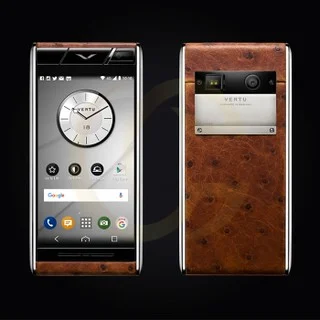
Before Vertu folded, it made phones that cost as much as a car and were designed for people who wanted everyone to know it. The Signature M was built from sapphire crystal, titanium, and hand-stitched leather, with a ruby bearing on the side that served no real purpose other than to be there.
Each phone was assembled by a single craftsperson in England, who signed the back panel. The specs were never the point.
What you got was a dedicated concierge button — a 24-hour human on the other end who would book restaurants, arrange travel, or do whatever else you needed. The technology has aged.
The concept never entirely lost its appeal to the right kind of buyer.
Caviar Custom AirPods Pro — Wireless Earbuds
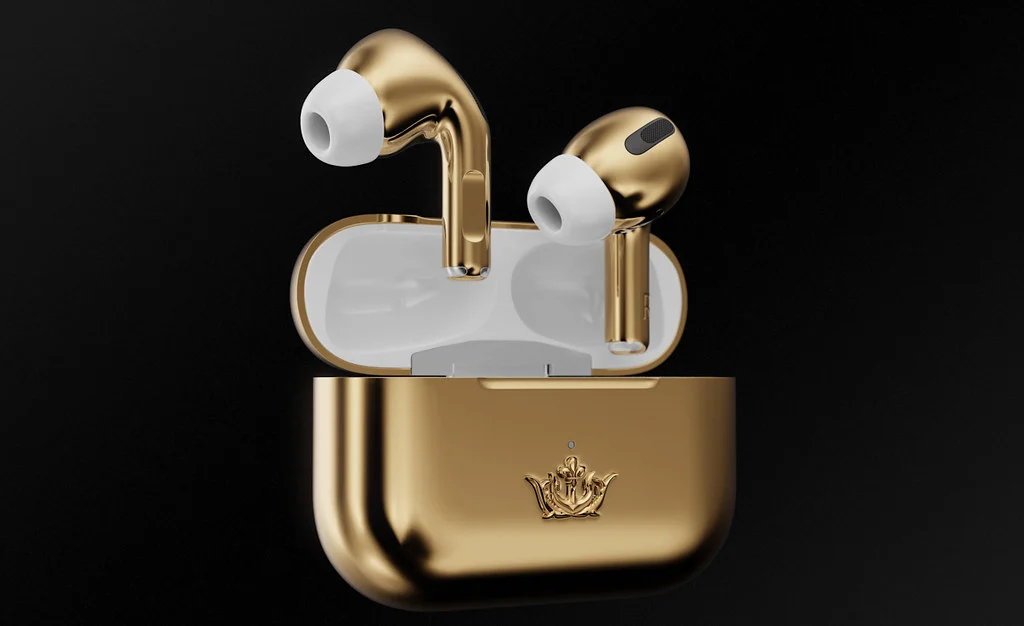
Apple’s AirPods are already ubiquitous. Caviar, a Russian customisation house, takes them apart and puts them back together with 18-karat gold plating, genuine meteorite fragments, and hand-engraved detailing that takes an artisan several days to complete.
Some editions are limited to fewer than ten units. The audio performance is identical to that of any other AirPods Pro.
What changes is everything around it — the case becomes a small sculptural object, and the earbuds themselves look less like tech and more like jewellery. Whether that justifies a price tag starting around $3,000 depends entirely on who’s asking.
Leica M11 — Camera
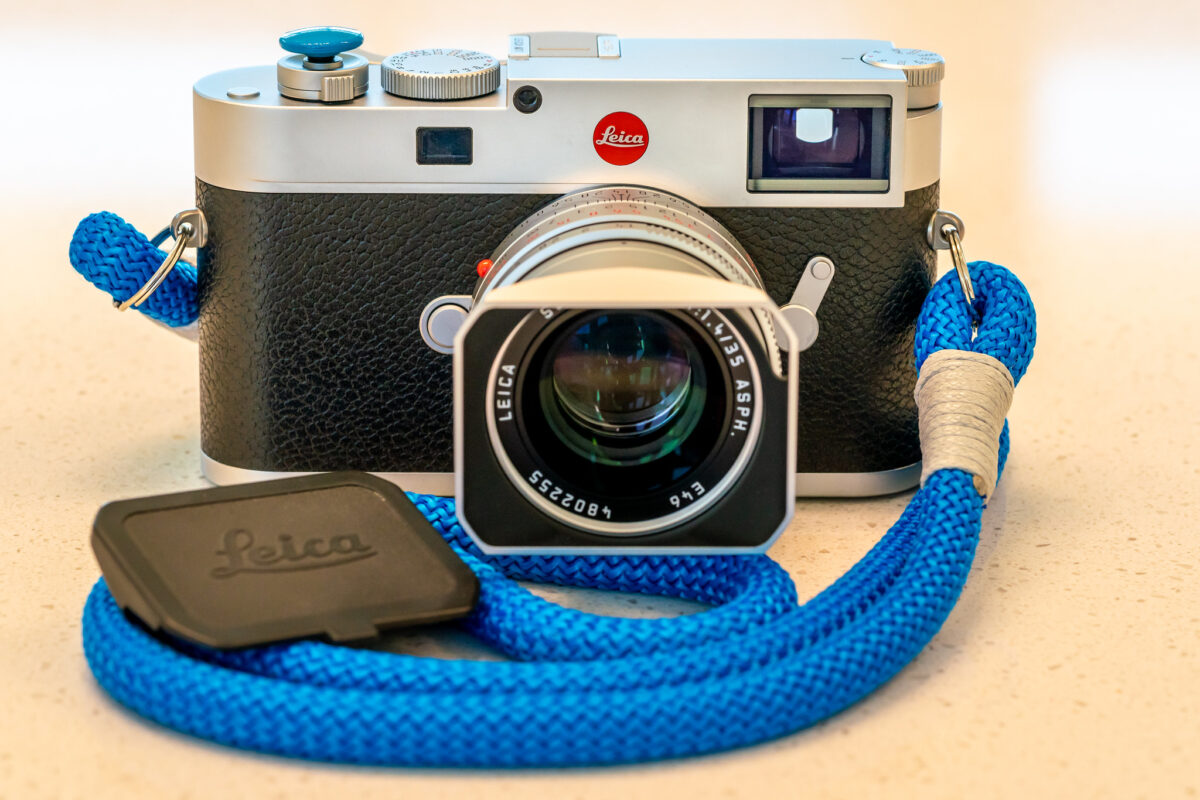
Leica has been making cameras since 1914, and the M11 sits at the top of the current rangefinder line. It’s not a luxury object in the same way some items on this list are — it’s a serious photographic tool — but the price, the materials, and the waiting lists put it firmly in that category.
The body is machined from solid brass, the top plate is either chrome or black paint, and the construction is tight in a way that makes modern cameras feel plasticky by comparison. Photographers who use Leicas tend to describe them in almost emotional terms.
The cameras are slow to use, manual in a lot of ways, and expensive to maintain. That’s exactly why people love them.
Bang & Olufsen Beosound A9 — Bluetooth Speaker
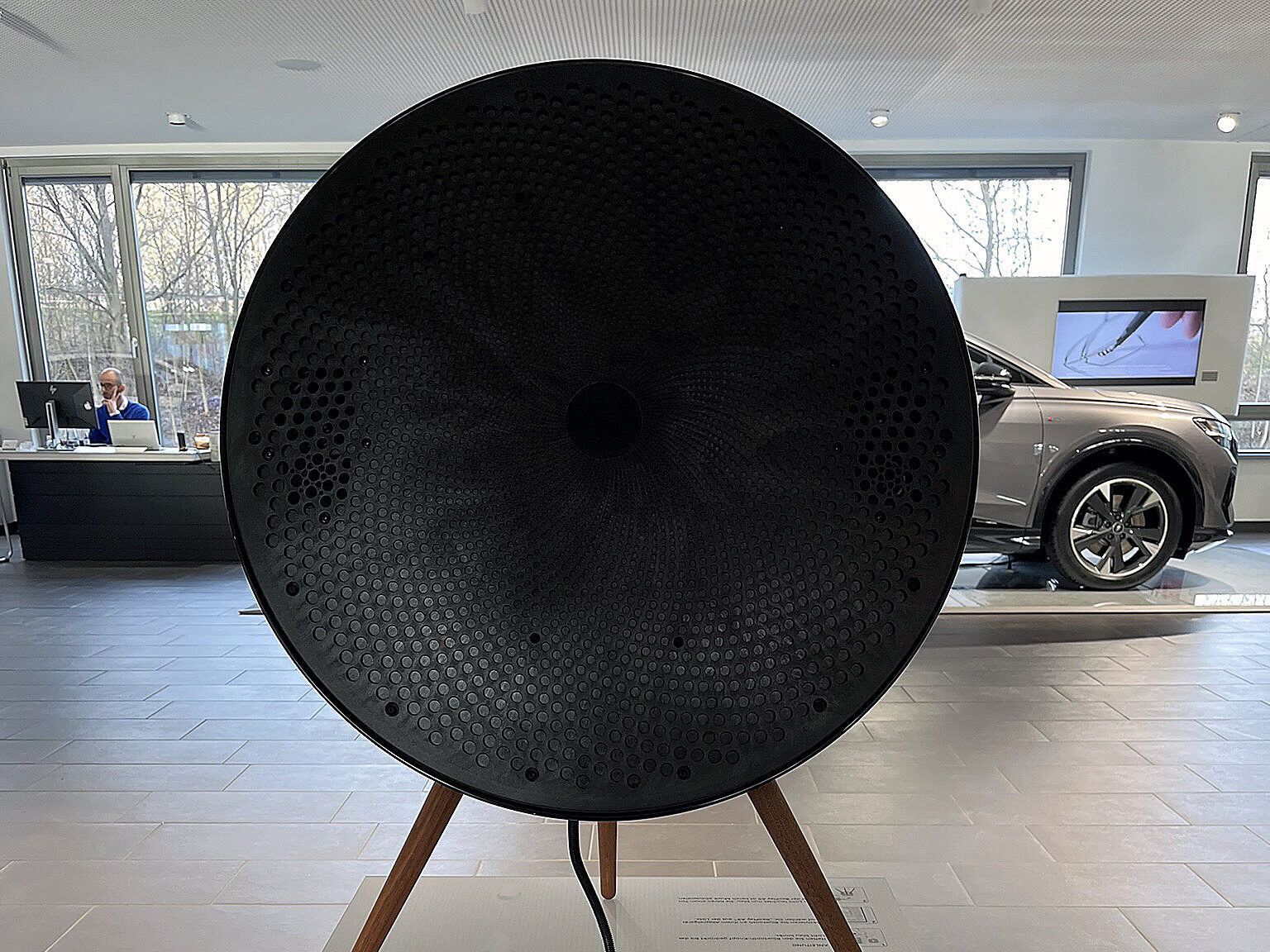
Most Bluetooth speakers are cylinders you put on a shelf and forget about. The Beosound A9 is a floor-standing speaker that looks like a piece of furniture — a large oval panel on a slim aluminium leg, available in a range of colours and materials designed to sit naturally in a well-designed room.
Bang & Olufsen has been making audio equipment with this level of industrial design attention since the 1920s, and the A9 sounds exactly as good as it looks. The price starts around $4,500.
You can also have the front panel covered in fabric designed in collaboration with Danish textile designers, if the standard options aren’t quite right.
Porsche Design TITAN — Laptop

Porsche Design made a laptop before almost anyone else thought design mattered in that category. The current TITAN is built around an ultra-thin titanium chassis — the same material used in aerospace — that’s lighter and stronger than aluminium.
The specs are high-end across the board, and the whole machine is put together with the kind of obsessive attention to gaps and tolerances that you’d expect from a company that came out of the automotive world. It runs Windows, connects like any other premium laptop, and does everything you’d want a work machine to do.
The difference is that taking it out in a meeting sends a very specific message, whether you intend it to or not.
Montblanc Augmented Paper — Smart Notebook
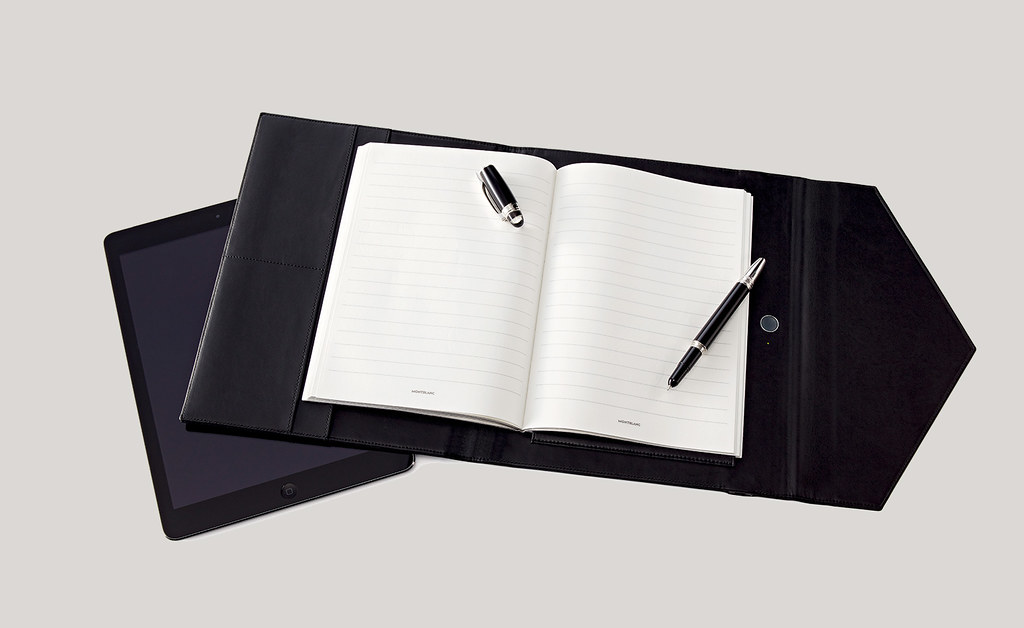
Montblanc is known for pens, but the Augmented Paper system sits somewhere between analogue and digital. The notebook itself uses high-quality paper with a near-invisible dot grid, and the accompanying pen — a Montblanc StarWalker — has a digital recording unit built in that captures everything you write and converts it to digital text in real time.
The leather-bound notebook feels and functions like a proper Montblanc product. The synchronisation works quietly in the background.
For people who think better on paper but need their notes searchable and backed up, it solves a real problem — with a price tag that reflects the brand doing the solving.
Dyson Zone — Headphones

Dyson spent years making vacuum cleaners and hair dryers before releasing a pair of headphones with a built-in air purifier. The Zone is a full over-ear set with active noise cancellation and a detachable visor that sits in front of your nose and mouth, filtering pollutants and allergens from the air you breathe while you listen.
It sounds like a product that shouldn’t exist, but the execution is considered. The audio quality is genuinely good, the filtration technology comes from Dyson’s broader engineering work, and the whole thing is built to a standard that reflects the price.
It costs around $950. It also looks like nothing else anyone is wearing on public transport.
Globe-Trotter x Rolls-Royce Luggage Set — Travel Case

Globe-Trotter has been making luggage in England since 1897, using a vulcanised fibreboard construction that’s both lightweight and extremely durable. The Rolls-Royce collaboration takes the classic attaché case and lines it in leather that matches the interior of whatever Rolls-Royce the buyer happens to own.
The outside uses the traditional Globe-Trotter construction. The brass hardware is custom.
The whole thing is made to order, with options for personalisation that go well beyond monogramming. The set is priced as you’d expect from two brands that both assume their customers don’t ask about price before deciding.
Hublot Big Bang e — Smartwatch
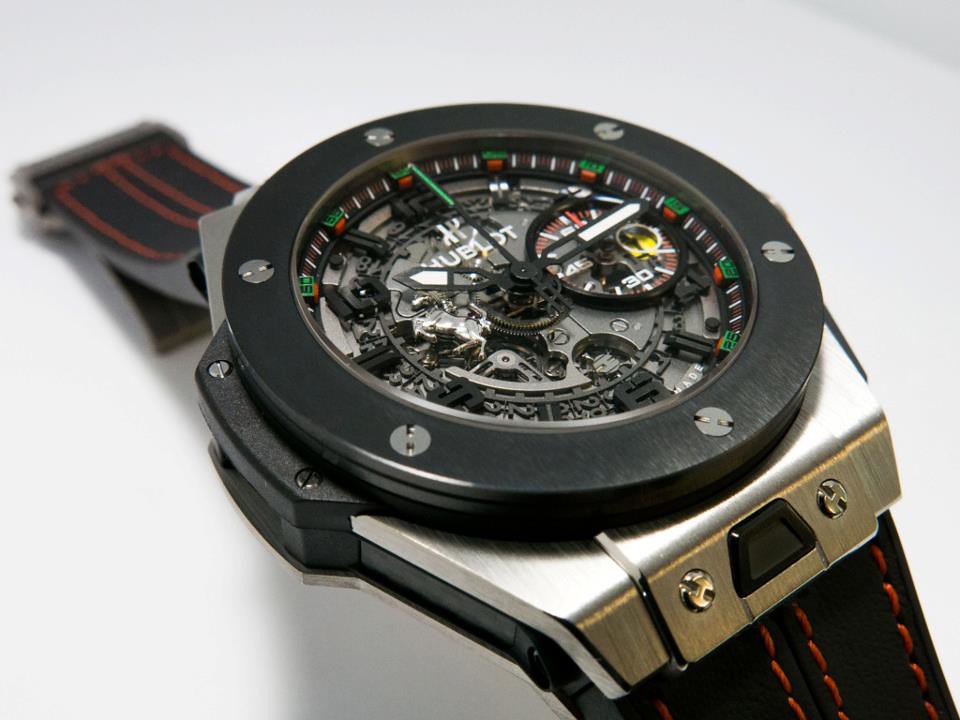
Most luxury watchmakers tried to ignore the smartwatch and eventually couldn’t. Hublot’s answer was the Big Bang e — a smartwatch that uses Google’s Wear OS but wraps it in titanium, ceramic, or King Gold (Hublot’s proprietary gold alloy), with the same 44mm case and rubber strap construction as the rest of the Big Bang line.
It does what a smartwatch does: notifications, fitness tracking, and contactless payments. It also looks like a Hublot, which is the entire reason someone buys one over an Apple Watch.
The price starts around $5,800 and goes up depending on the case material. The battery life is the same as any other smartwatch, which is to say, not very long.
Rolls-Royce Black Badge Ghost — In-Car Entertainment System
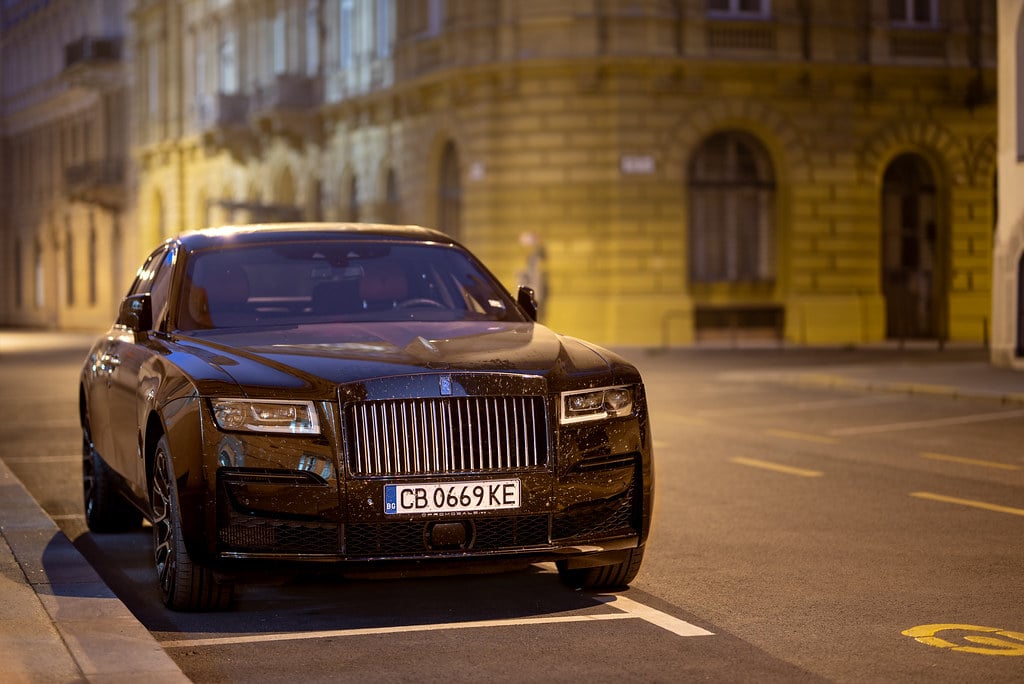
Car audio systems are usually an afterthought, or at best a checkbox option. In the Black Badge Ghost, the Bespoke Audio system is designed around the specific acoustics of the cabin — 18 speakers are tuned by ear and by measurement to that exact interior space, covering frequencies and dynamics most systems don’t come close to.
The system integrates with a rear-seat entertainment setup that includes a tablet-style controller finished in the same materials as the cabin trim. Rolls-Royce doesn’t sell this as an add-on.
It’s built into a car that already costs several hundred thousand pounds, and the audio is considered part of the overall design rather than a separate feature.
Georg Jensen Charging Pad — Wireless Charger
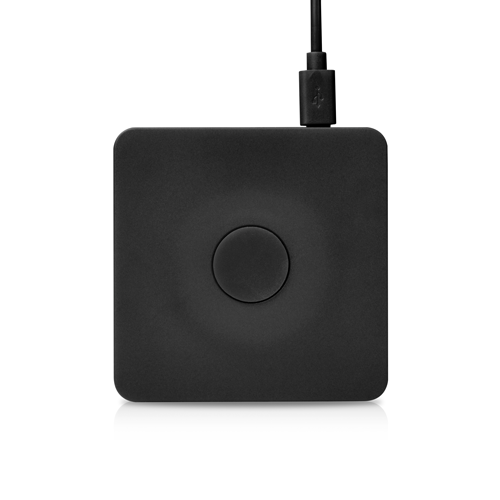
Wireless chargers are usually flat plastic discs that slide under your desk and get forgotten. Georg Jensen — the Danish silversmith and design house — made one from solid stainless steel with a brushed finish that looks entirely at home on a desk where everything else has been chosen with equal care.
It charges at the same speed as any other Qi-compatible charger. The difference is purely aesthetic, and for a certain type of person, putting a well-made object on their desk instead of a piece of moulded plastic is worth the difference in price.
Georg Jensen calls it a lifestyle object. That’s accurate.
Kiehl’s x Aesop Smart Skincare Device — Electric Face Tool
— Photo by postmodernstudio
Microcurrent and LED skincare devices have moved from spa treatment rooms into bathroom cabinets, and the luxury end of that market now includes devices that cost as much as a piece of fine jewellery. Brands like NuFACE and ZIIP have released limited editions in gold-plated or sterling silver housings, designed in collaboration with luxury goods houses and skincare labels.
The technology inside is the same across most of the premium range. What the limited editions add is a material and finish that makes the device feel like a considered object rather than a medical-adjacent tool.
Some buyers use them daily. Others display them on a bathroom shelf and consider that sufficient.
Sennheiser HE 1 — Headphone System
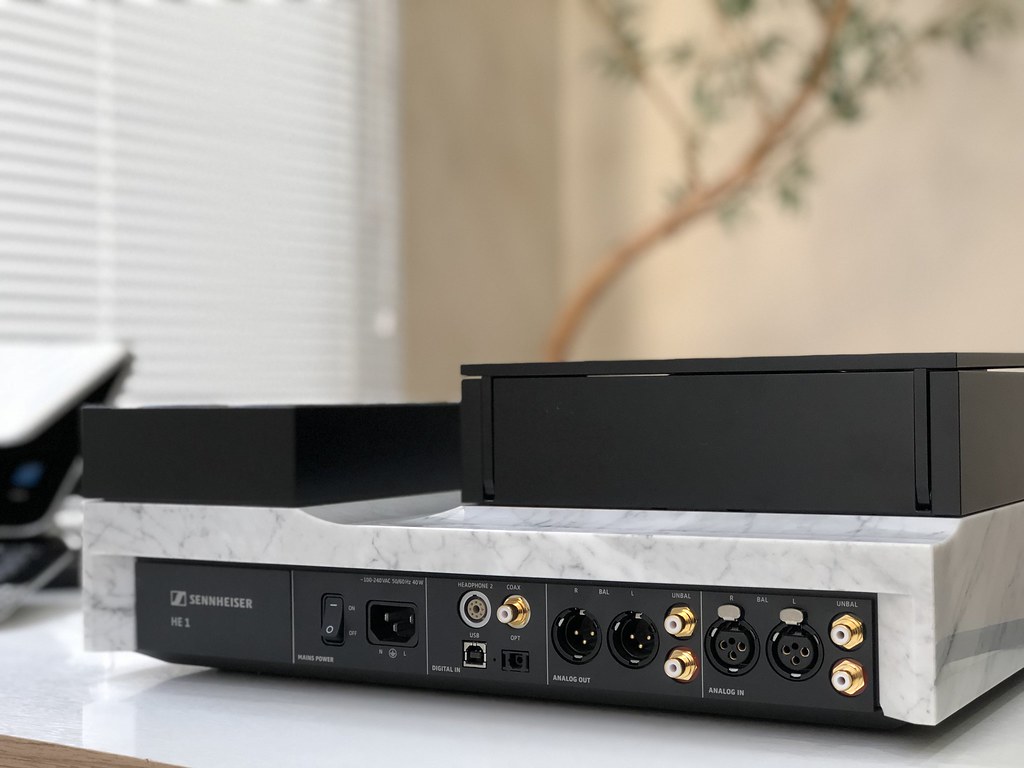
The Sennheiser HE 1 is not a product you buy and take home the same day. It’s an electrostatic headphone system — both the headphones and the amplifier are included — built inside a hand-crafted marble and Carrara stone enclosure with machined brass components, and Sennheiser claims it reproduces the widest frequency range of any headphone system ever made.
The amplifier uses vacuum tubes that emerge slowly from inside the marble base when you power it on. The ear cups are anechoic-chamber-tested and tuned individually.
The price is around $60,000, and it’s sold in very small numbers. The people who own one tend not to describe it as a gadget at all.
Apple Mac Pro with Gold Internals — Desktop Computer
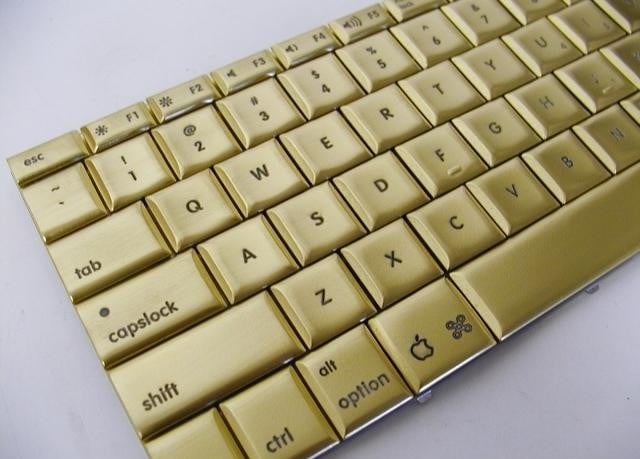
Apple’s Mac Pro is already a professional workstation that costs well into five figures at full specification. Custom build shops — particularly in the Middle East and parts of Asia — have taken to replacing internal components and external panels with gold-plated and carbon fibre alternatives, turning the already striking cheese-grater design into something far more visually arresting.
These aren’t official Apple products. They’re third-party modifications on hardware that was already expensive.
The performance is identical. What changes is what it looks like sitting on your desk, and the implicit statement that comes with owning one.
Bugatti Chiron — Electric Toothbrush
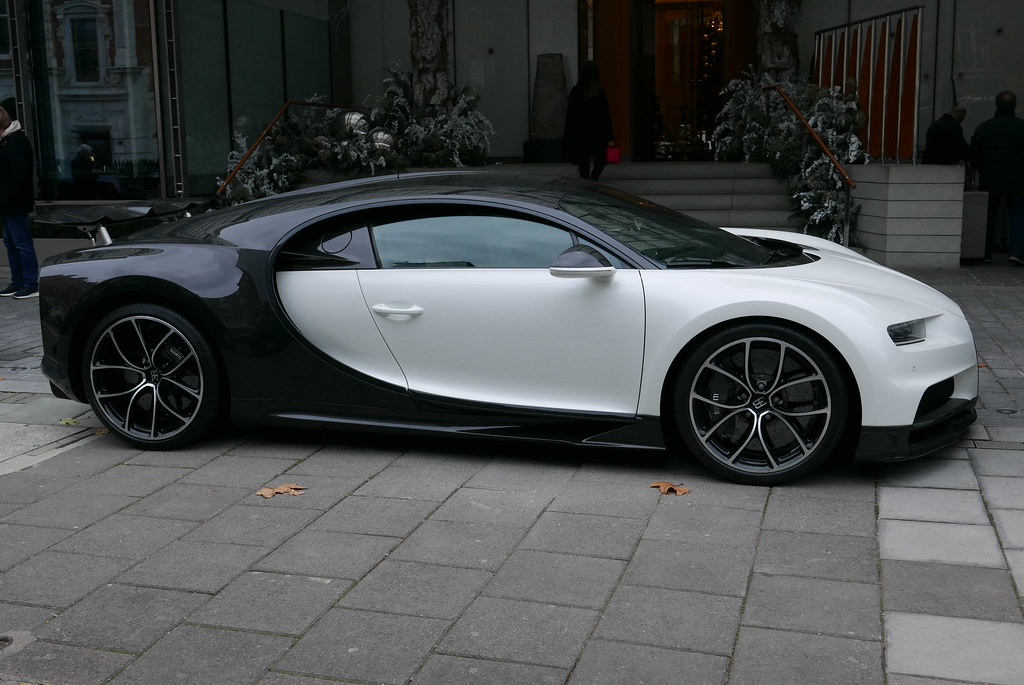
This one is exactly what it sounds like. Bugatti — the car manufacturer — released a limited-edition electric toothbrush with the same carbon fibre and precision-machined aluminium construction used in its automotive components. The charging stand is a miniature sculpture.
The brush heads are replaceable, like any other electric toothbrush. It costs around $500, which is several times the price of the best clinically tested electric toothbrush on the market.
The brushing result is not several times better. What you get is the Bugatti name and the material quality, applied to an object that most people keep next to a soap dispenser.
For the right buyer, that’s entirely enough.
When the Object Becomes the Point

Somewhere past a specific cost, what counts as a tool or treasure starts to fade. It’s no longer about grabbing a phone, speaker, headset – instead, hands receive an object shaped slowly, touched by experts, built from stuff meant to endure long after code becomes obsolete.
It doesn’t all make sense. Much of it looks good, though.
What stands out is how things you barely notice using – ordinary stuff – might carry the same thoughtfulness found in heirloom chairs or timeless watches. Does that kind of effort justify the cost?
That’s another matter altogether. Only you get to decide.
More from Go2Tutors!

- The Romanov Crown Jewels and Their Tragic Fate
- 13 Historical Mysteries That Science Still Can’t Solve
- Famous Hoaxes That Fooled the World for Years
- 15 Child Stars with Tragic Adult Lives
- 16 Famous Jewelry Pieces in History
Like Go2Tutors’s content? Follow us on MSN.