15 Measurement Systems Based on Natural Phenomena
Before anyone thought to invent rulers, clocks, or thermometers, humans discovered something remarkable: nature itself was full of measuring tools. The predictable patterns found everywhere — from celestial movements to water’s consistent behavior — became humanity’s first measurement systems.
Many of these natural standards turned out to be incredibly accurate, with some ancient calculations matching modern scientific precision to an astonishing degree. Different cultures around the world independently developed similar measurement ideas, proving that nature offers universal reference points that work no matter where you are.
Here is a list of 15 measurement systems based on natural phenomena.
Solar Day Timekeeping
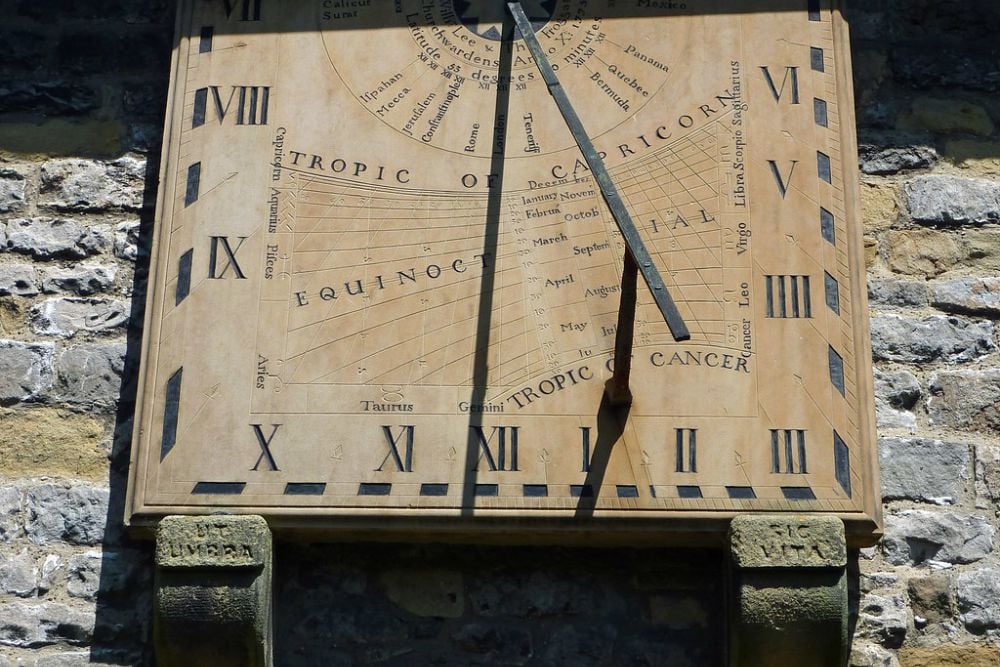
Our 24-hour day comes directly from Earth’s rotation relative to the sun, and it still governs how we structure time today. Ancient peoples noticed that shadows from upright objects moved in consistent patterns.
This observation led to sundials that could break daylight into measurable sections. Egyptian obelisks functioned as enormous sundials — their shadows didn’t just mark hours but tracked seasonal changes across the entire year.
Lunar Month Calendars
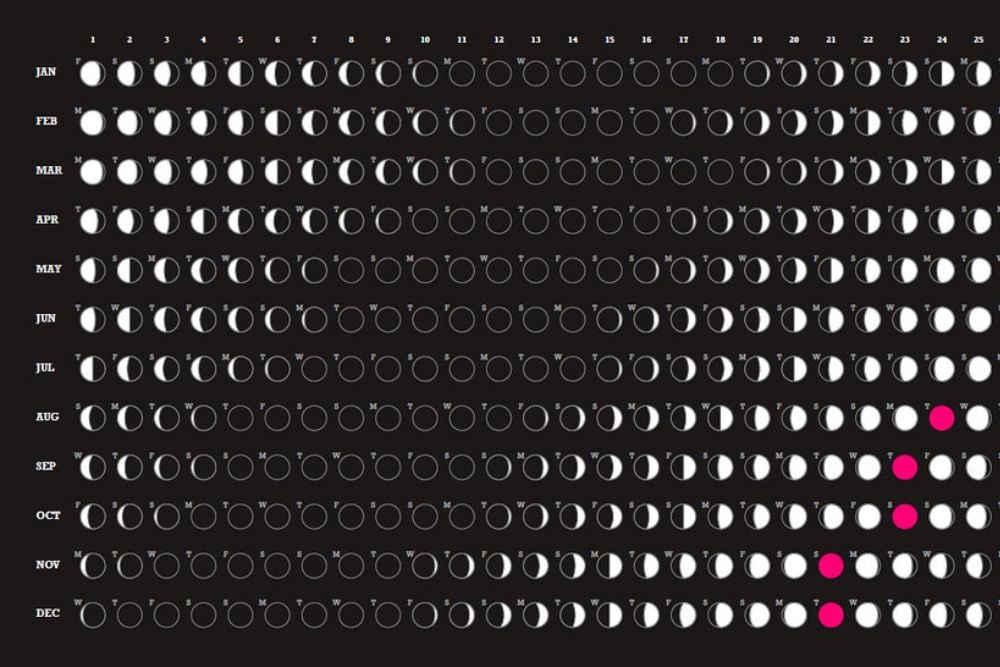
The moon’s cycle from new to full and back provided humanity’s first reliable long-term calendar system. Ancient peoples could plan agricultural work, religious events, and seasonal preparations months ahead using the lunar month’s roughly 29.5-day pattern.
Modern Islamic and Hebrew calendars continue using lunar months, though they’ve incorporated intricate adjustments to stay synchronized with solar seasons.
Like Go2Tutors’s content? Follow us on MSN.
Tidal Height Measurements
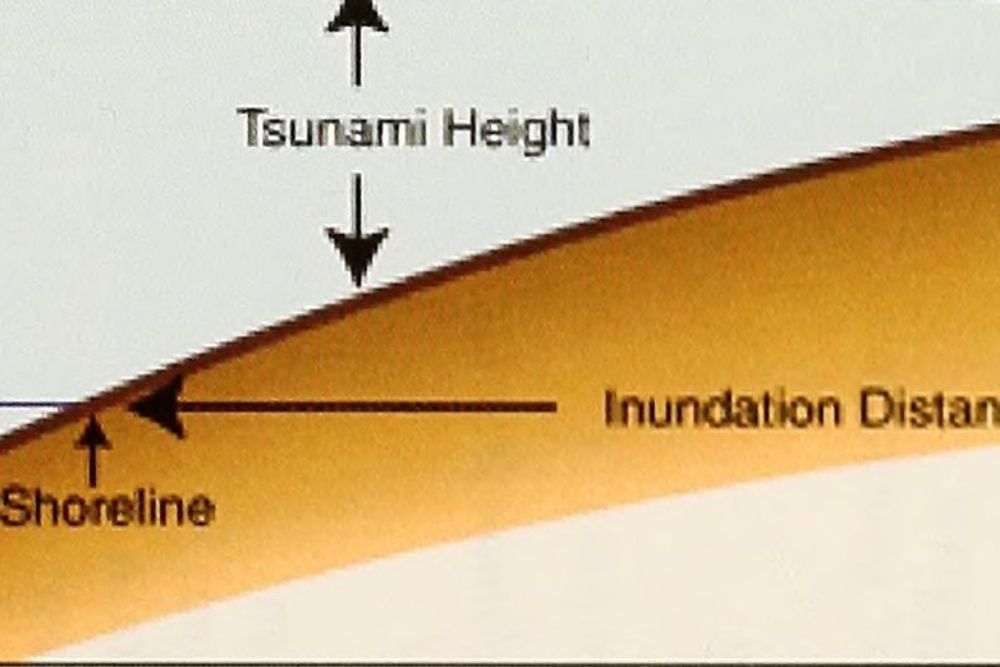
Communities along coastlines developed sophisticated knowledge of tidal patterns, turning high and low tide marks into consistent benchmarks for measuring water depth and coastal distances. Pacific Islander navigators determined their exact location by interpreting subtle variations in wave patterns and tidal behaviors around different islands.
These natural measurements proved so dependable that many harbors today still use traditional tidal reference points alongside modern instruments.
Human Body Proportions
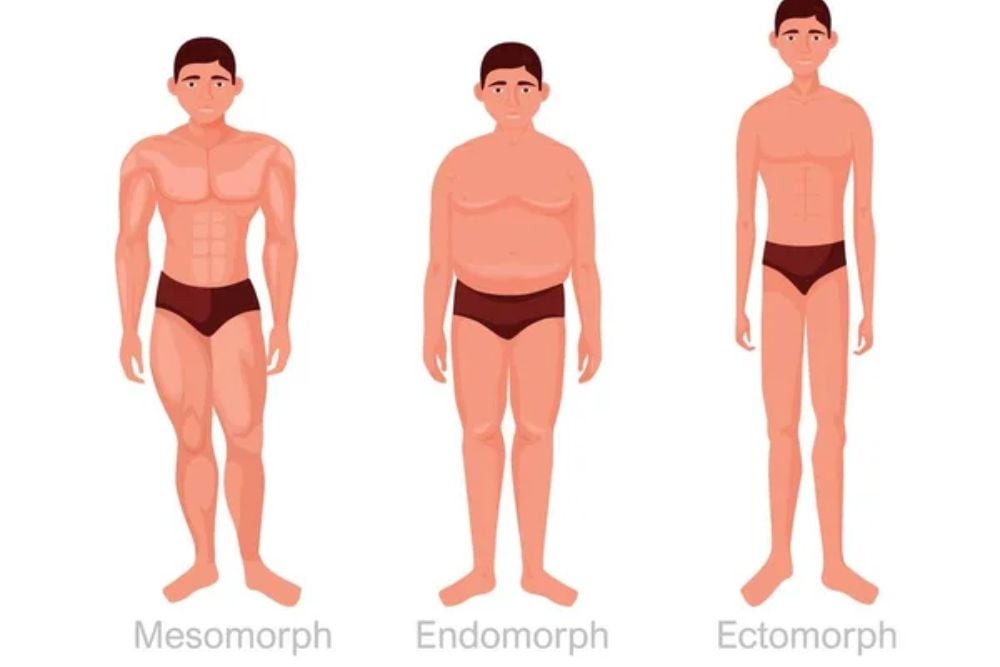
The human body served as a portable measuring system that traveled wherever people went. Standards like the foot, yard (nose to fingertip distance), and cubit (elbow to fingertip) became widely adopted since they were always available and reasonably uniform across populations.
Ancient architects designed buildings using body proportions — countless classical structures follow ratios derived from typical human measurements.
Grain-Based Weight Standards
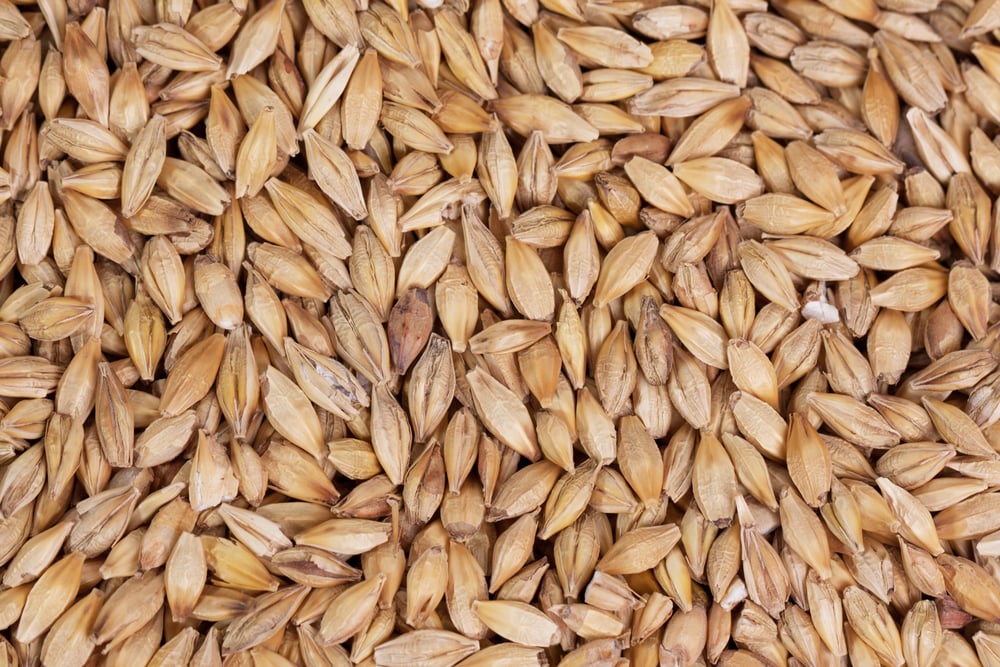
Seeds and grains provided surprisingly consistent weight references that could be obtained and verified across vast regions. Barley grains became foundational to numerous early weight systems, with specific grain quantities defining larger measurement units.
The carat for measuring gemstones originated from carob seeds, which are so naturally uniform that precious stone merchants could depend on them throughout ancient trading networks.
Like Go2Tutors’s content? Follow us on MSN.
Tree Growth Rings
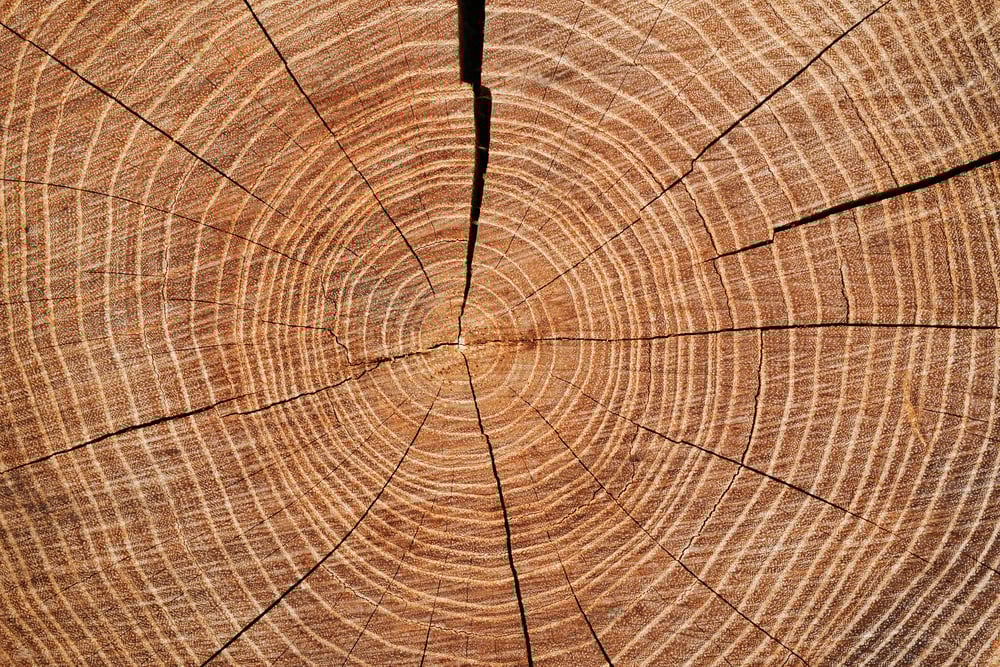
Annual tree rings gave ancient peoples a method for measuring both time and historical environmental conditions. Skilled observers could determine a tree’s age while also identifying specific years of drought, abundant rainfall, or significant weather events by examining ring thickness and patterns.
This biological timing system was remarkably precise — modern dendrochronology continues using tree rings to date archaeological discoveries and study past climates.
Animal Migration Timing
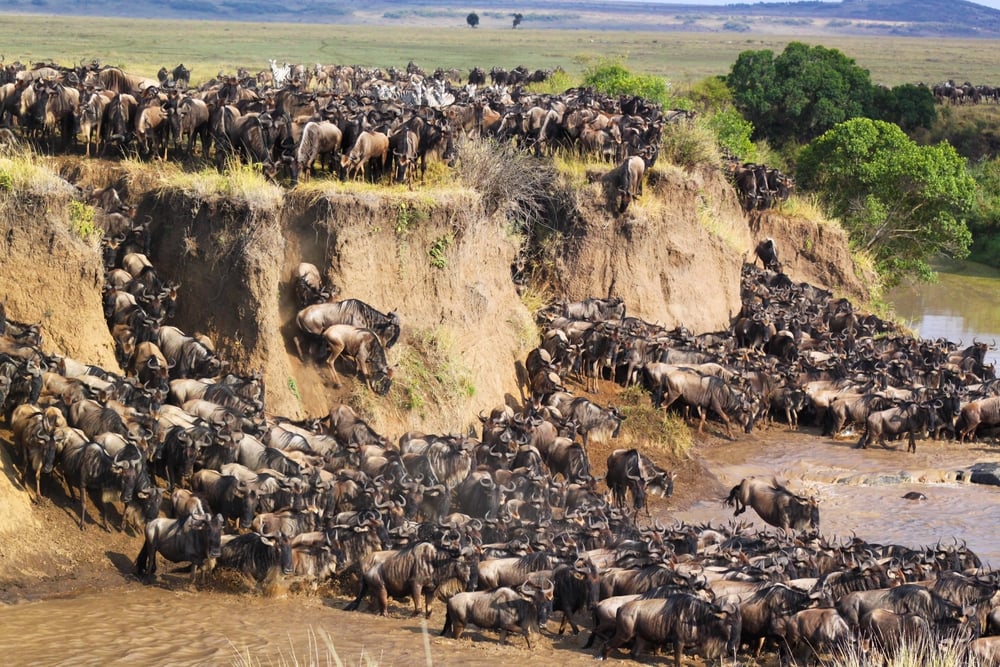
Predictable animal migrations created natural calendars that helped ancient communities time critical activities like planting and harvesting crops. Native American tribes tracked the return of particular birds or salmon runs to mark seasonal transitions with impressive accuracy.
European farmers relied on cuckoo and swallow arrivals to schedule agricultural tasks, developing folk wisdom that connected bird behavior directly to farming needs.
Water Freezing Points

Water’s consistent freezing temperature offered a dependable cold-weather reference point centuries before thermometers existed. Ancient civilizations in frigid climates understood different ice formation types, using these observations to forecast weather patterns and organize winter preparations.
Inuit societies developed extensive vocabularies for ice conditions — each term described specific temperature ranges and environmental circumstances.
Like Go2Tutors’s content? Follow us on MSN.
Plant Growth Stages

Common plants offered detailed natural timing through their predictable development phases, measuring periods from individual days to complete seasons. Ancient farmers watched for particular wildflower blooms, leaf emergence, or berry ripening as precise indicators for timing crop planting and farming activities.
These phenological observations frequently proved more accurate for local conditions than calendar-based approaches.
Shadow Length Calculations

Shadows changing length throughout each day provided accurate methods for measuring time and determining geographic position without requiring instruments. Ancient Greek mathematician Eratosthenes calculated the Earth’s circumference by comparing shadow lengths between cities, achieving extraordinary accuracy using only sticks and basic mathematical principles.
Travelers determined approximate latitude by measuring midday shadow lengths and referencing known standards.
Star Position Navigation

Predictable stellar and constellation movements provided directional guidance plus precise timekeeping for ancient navigators and astronomers. Polynesian sailors navigated thousands of ocean miles using star positions — interpreting celestial movements as detailed navigational charts.
The North Star’s stationary position made it particularly valuable for direction-finding, while other constellation rotations enabled accurate nighttime chronometry.
Like Go2Tutors’s content? Follow us on MSN.
Water Flow Rates

Flowing water’s steady behavior established natural timing systems that ancient peoples applied to irrigation management, legal procedures, and various other activities. Certain cultures created water clocks measuring time through consistent water dripping or flowing through containers with precisely sized openings.
Ancient legal systems sometimes employed water timers to regulate speech duration, guaranteeing equitable speaking opportunities during court proceedings.
Seasonal Temperature Patterns
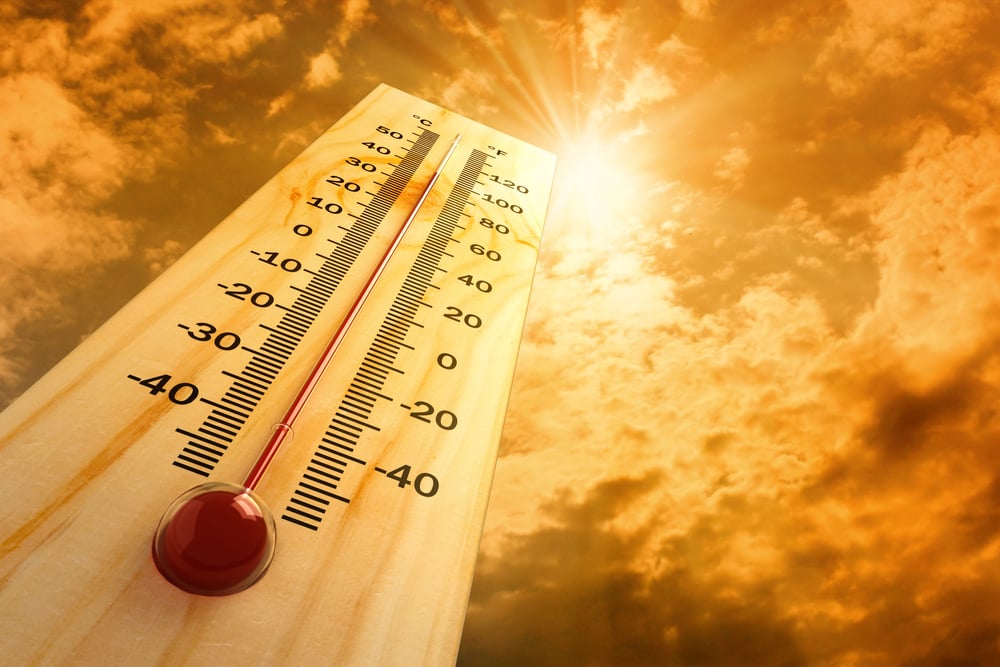
Yearly warming and cooling cycles provided temperature benchmarks that helped ancient societies understand and anticipate weather patterns. Various cultures developed sophisticated seasonal temperature classification systems — often dividing years into multiple seasons based on subtle thermal shifts that contemporary people might overlook.
These frameworks guided timing for food preservation, clothing adjustments, and seasonal preparations.
Bird Flight Patterns

Consistent flight behaviors among different bird species provided ancient peoples with reliable indicators of weather changes, seasonal shifts, and geographic positioning. Sailors determined land proximity by observing encountered bird types, since various species travel different distances from shorelines.
Many cultures used bird behavior for weather prediction — specific flight patterns reliably indicated approaching meteorological systems.
Like Go2Tutors’s content? Follow us on MSN.
Insect Activity Cycles

Insect behavior patterns created comprehensive natural calendars measuring timeframes from hours to complete seasons. Cricket chirping rates correlate so consistently with temperature that they function as biological thermometers — straightforward formulas convert chirp frequencies into temperature readings.
Ancient farmers used insect emergence timing, bee swarming patterns, and butterfly appearances to guide agricultural decisions with remarkable effectiveness.
Nature’s Enduring Standards

These natural measurement systems reveal humanity’s extraordinary capacity for discovering order and precision within the surrounding environment, long before manufactured instruments became available. Contemporary science has validated many traditional measurements as surprisingly accurate — certain ancient calculations approach modern scientific standards within minimal margins of error.
Though we continue developing sophisticated measurement technologies, these natural systems demonstrate that reliable standards often emerge from consistent patterns that have governed Earth for millennia.
More from Go2Tutors!

- 16 Restaurant Chains That Went Too Fast
- 12 Things Sold in the 80s That Are Now Illegal
- 15 Strange Things People Have Tried to Ban (And Failed)
- 16 Collectibles People Tossed Out Too Soon
- 17 Myths from Your Childhood That Were Actually Based on Real Things
Like Go2Tutors’s content? Follow us on MSN.