15 Military Robots Performing Dangerous Missions
Robots aren’t just stuck in sci-fi movies or tech labs anymore. In today’s world, they’re crawling, flying, swimming, and even walking their way into some of the most dangerous places on Earth. Especially in the military, these machines are doing tasks that are too risky for people.
Let’s take a look at the robots doing the dirty work—quietly, efficiently, and sometimes even saving lives while they’re at it.
Packbot

Used by the U.S. military, the PackBot is a small, tracked robot that’s often first on the scene. It’s mainly sent into places that might have bombs, landmines, or other hidden dangers.
Soldiers can operate it from a safe distance, sending it into tight spaces where no human could go safely. The robot has cameras, sensors, and even an arm that can move things around.
It’s been used in war zones, disaster areas, and even after the 9/11 attacks.
Talon

The Talon robot looks a bit like a small tank, but its job is more about safety than combat. It’s built to handle explosives, chemical threats, and dangerous materials that would put soldiers in harm’s way.
The robot moves quickly and can be controlled from far away, giving the military eyes and hands in places where sending a person would be far too risky. It’s also built to survive rough weather, water, and even gunfire.
Its toughness makes it a reliable partner during high-risk missions.
Like Go2Tutors’s content? Follow us on MSN.
Bigdog
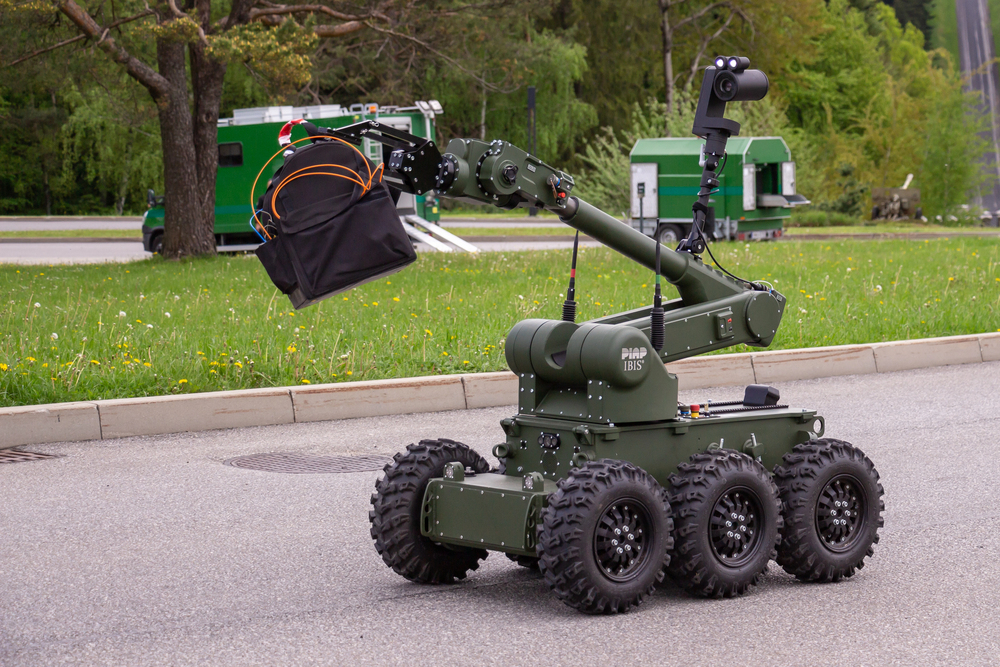
Developed by Boston Dynamics, BigDog is a four-legged robot that looks a bit like a headless mechanical dog. It was designed to carry heavy loads across rough terrain, helping soldiers in places where trucks or people can’t easily go.
It walks, climbs hills, and keeps its balance, even when pushed or walking on ice. While it’s not a weapon, BigDog reduces the strain on troops by carrying gear and supplies.
Its strength and mobility make it useful in long, difficult missions.
Dragon runner

Dragon Runner was designed to help soldiers in cities where dangers can hide around any corner. It’s small enough to fit in a backpack and light enough to throw into a room before entering.
Once inside, it sends back video and sound, letting soldiers see what’s happening before making a move. It can roll over rough ground and even stairs, making it perfect for urban combat.
It may be small, but it makes a big difference in keeping people safe.
Rq-11 raven
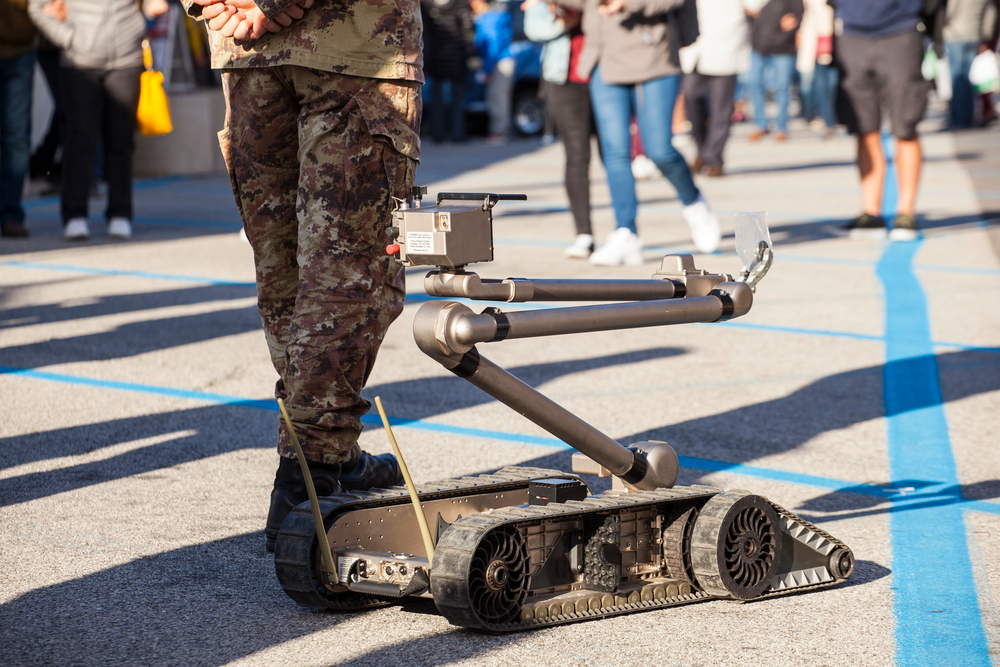
The Raven is a tiny drone used for watching from the sky. Soldiers launch it by hand, and once it’s up, it sends back real-time video of what’s happening below.
It’s often used to check out areas before a patrol moves in, helping avoid ambushes or hidden traps. It flies quietly and can be controlled from the ground with a screen and joystick.
Even though it’s small and light, it has saved countless lives just by giving a better view.
Like Go2Tutors’s content? Follow us on MSN.
Irobot 510

Another member of the iRobot family, the 510 model is built tough and made for jobs no one wants to do. It’s great at detecting bombs, inspecting suspicious packages, and searching through dangerous buildings.
It can climb stairs, handle tight spaces, and carry tools for the job. When lives are on the line, the 510 goes in first, keeping humans out of harm’s way.
It’s used in both war zones and domestic emergency situations.
Ls3
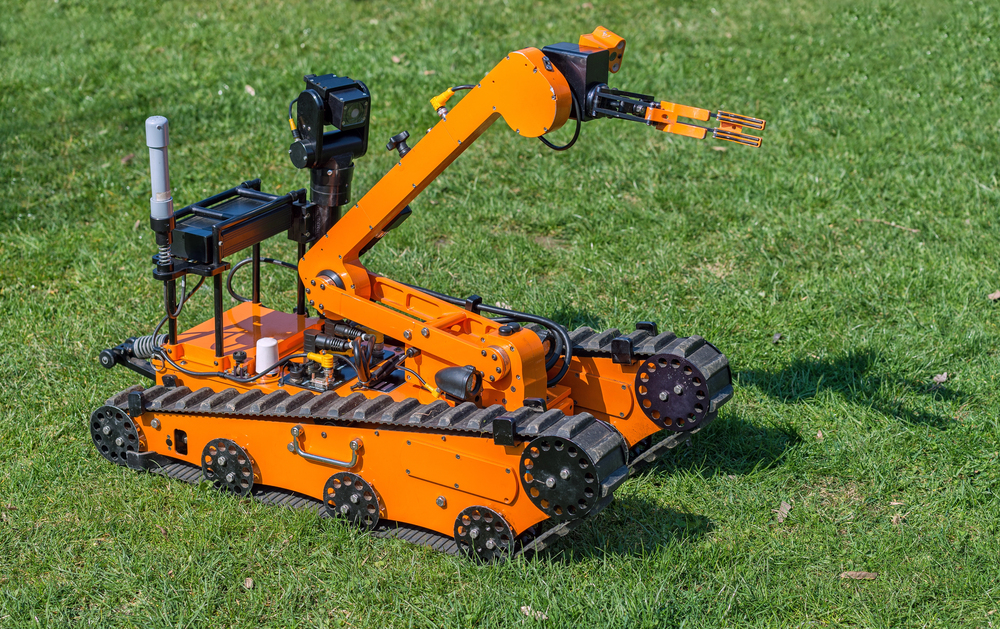
Short for Legged Squad Support System, the LS3 is like BigDog’s larger, more advanced sibling. It was designed to walk beside soldiers, carrying gear and even responding to voice commands.
It can move through rocky, uneven ground without tipping over. While it’s not armed, its value lies in supporting soldiers so they can move faster and safer.
It was made to be strong, smart, and able to follow a team like a well-trained pack animal.
Marcbot

This robot might not look impressive at first glance, but it’s been a game-changer in roadside bomb detection. MARCbot stands for “Multi-Function Agile Remote-Controlled Robot” and was made quickly during the Iraq war to meet urgent needs.
It rolls up to suspicious objects and sends back a close-up video. Soldiers often use it to check under cars, inside boxes, or near fences.
Its quick build and low cost helped save lives when other tech wasn’t ready yet.
Like Go2Tutors’s content? Follow us on MSN.
Centaur
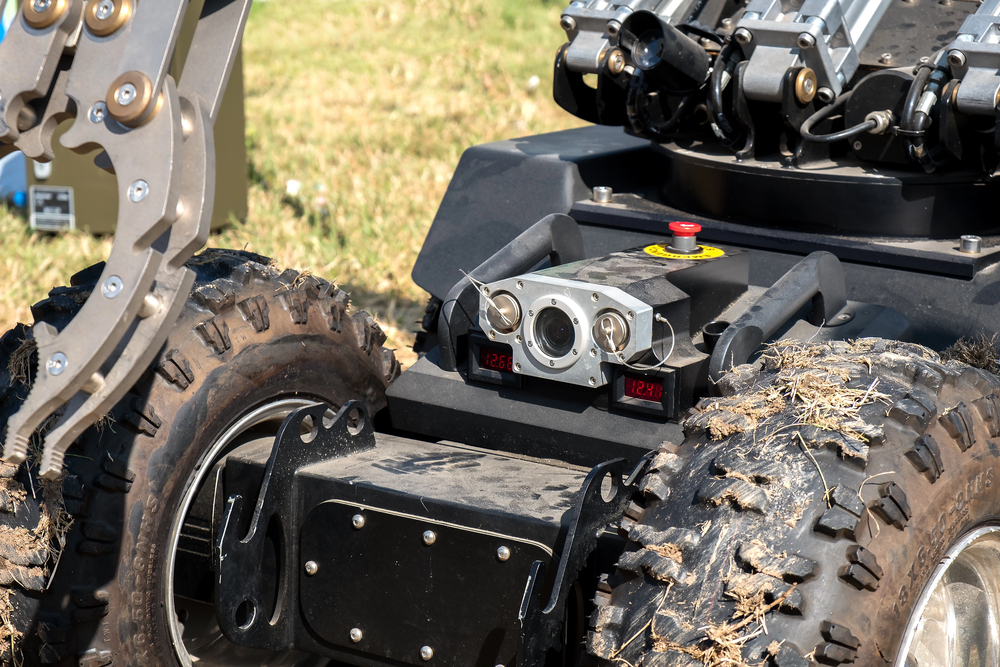
Centaur is a mid-sized robotic system that does a little bit of everything. It’s used for bomb disposal, surveillance, and even chemical detection.
It moves on tracks and has a powerful arm that can grab and lift objects. The robot is also rugged enough to survive harsh environments like deserts or destroyed buildings.
It’s one of the newer tools in the U.S. military’s lineup and is quickly becoming a favorite.
Sgt. stubby ii

Named after a famous World War I dog, Sgt. Stubby II is a military working dog—but robotic. It doesn’t bark or wag its tail, but it’s excellent at scouting ahead of troops.
It has cameras and sensors all over its body, letting it map out areas, avoid traps, and spot danger before soldiers get close. It walks on four legs and handles all sorts of terrain.
While it won’t replace real dogs, it does the same kind of work in places where the risk is too high for animals or people.
Defusal robot f6a
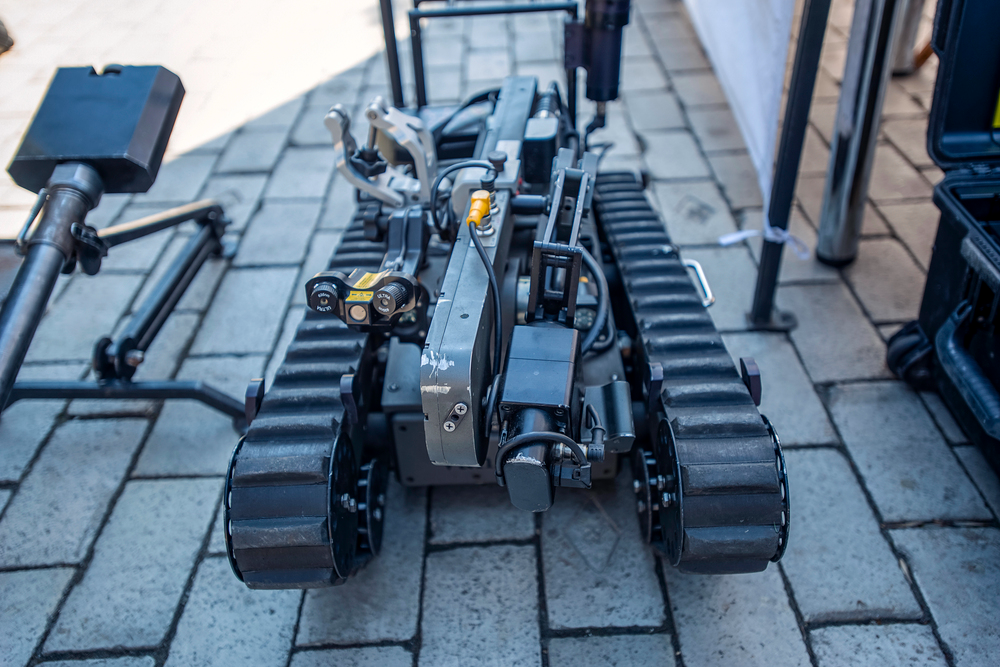
The F6A is used mainly for disarming bombs and has a strong, flexible arm that makes it stand out. Operators can control it from a safe distance while it inspects or dismantles explosive devices.
It also has a camera that gives a clear, close-up view of its surroundings. In some cases, the robot can even place a small charge to safely destroy an explosive.
It plays a quiet but critical role in everyday military operations.
Like Go2Tutors’s content? Follow us on MSN.
Black hornet nano

This tiny drone is about the size of a smartphone and weighs less than a chocolate bar. The Black Hornet Nano is so small that it fits in a soldier’s pocket and can fly almost silently.
It’s used for spying on enemies in real time, especially in tight urban areas or complex buildings. Despite its size, it sends back clear video and thermal images.
It’s often used before entering unknown or dangerous areas, making sure it’s safe first.
Gladiator tactical unmanned ground vehicle

The Gladiator was built for the U.S. Marine Corps to act as a scout and support vehicle. It can carry weapons, sensors, and gear, and it moves on tracks like a small tank.
Soldiers use it to check out enemy positions or even return fire without risking their own lives. It can be remote-controlled or set to follow a path on its own.
It’s a bold step in mixing robots with traditional combat roles.
Eod mutt

Short for Explosive Ordnance Disposal Multi-Utility Tactical Transport, this robot looks like a small cart with attitude. It’s used to carry heavy equipment and sometimes even injured soldiers.
It rolls through tight spaces and is designed to work in bomb zones. Crews often send it ahead with tools or supplies so they can stay out of danger.
It helps lighten the load—literally—and keeps people alive in risky jobs.
Like Go2Tutors’s content? Follow us on MSN.
Mq-9 reaper
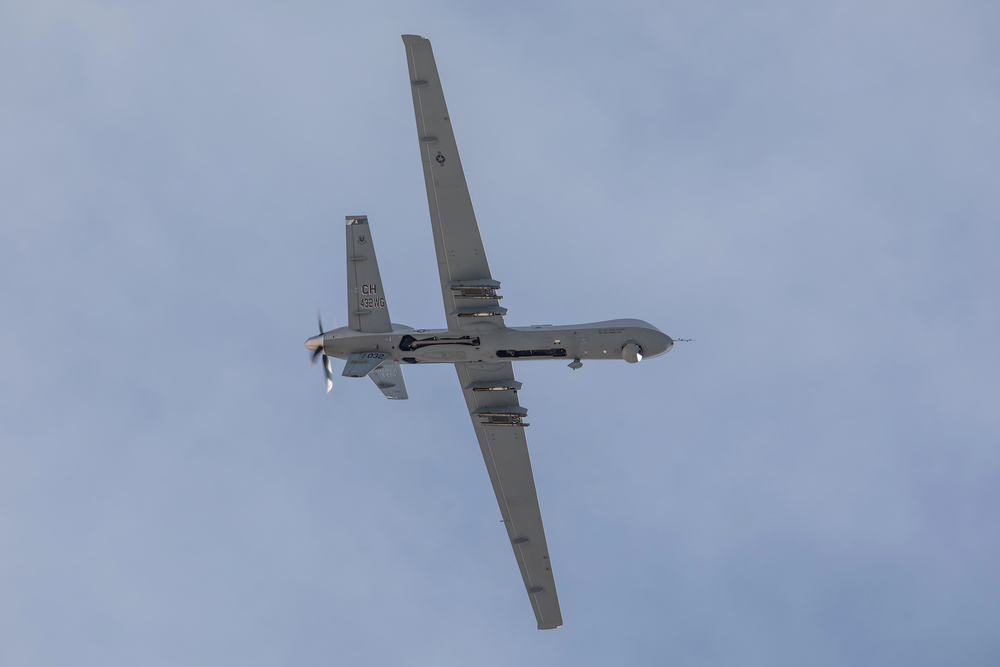
This drone doesn’t sneak around—it takes action. The MQ-9 Reaper is a large, armed drone used for surveillance and airstrikes.
It flies at high altitudes and stays in the air for hours, keeping watch or carrying out missions. While it’s controlled by operators far from the battlefield, its impact is very real.
It’s one of the most advanced military drones in use today and plays a big role in modern warfare.
Machines stepping into danger

Robots may not feel fear, but they do take on some of the toughest and riskiest tasks in the military world. Whether rolling through a warzone or flying quietly above enemy territory, they work to keep humans safe while getting the job done.
As the technology improves, these machines are becoming smarter, faster, and more trusted. And even though they’re made of metal and wires, they’re proving just how valuable a fearless helper can be when the stakes are high.
More from Go2Tutors!

- 16 Historical Figures Who Were Nothing Like You Think
- 12 Things Sold in the 80s That Are Now Illegal
- 15 VHS Tapes That Could Be Worth Thousands
- 17 Historical “What Ifs” That Would Have Changed Everything
- 18 TV Shows That Vanished Without a Finale
Like Go2Tutors’s content? Follow us on MSN.