16 Rituals That Shaped Modern Traditions
Ever wonder why we throw rice at weddings or blow out birthday candles? Most of our everyday celebrations and customs have roots that stretch back centuries, evolving from ancient rituals that once held deep spiritual or practical meaning. What started as serious ceremonies to appease gods, ward off evil spirits, or mark important life transitions has transformed into the traditions we know and love today.
From holiday festivities to milestone celebrations, these time-honored practices have been passed down through generations, adapting to new cultures and contexts along the way. Here are 16 rituals that directly shaped the modern traditions we still practice today.
Ancient Roman Saturnalia
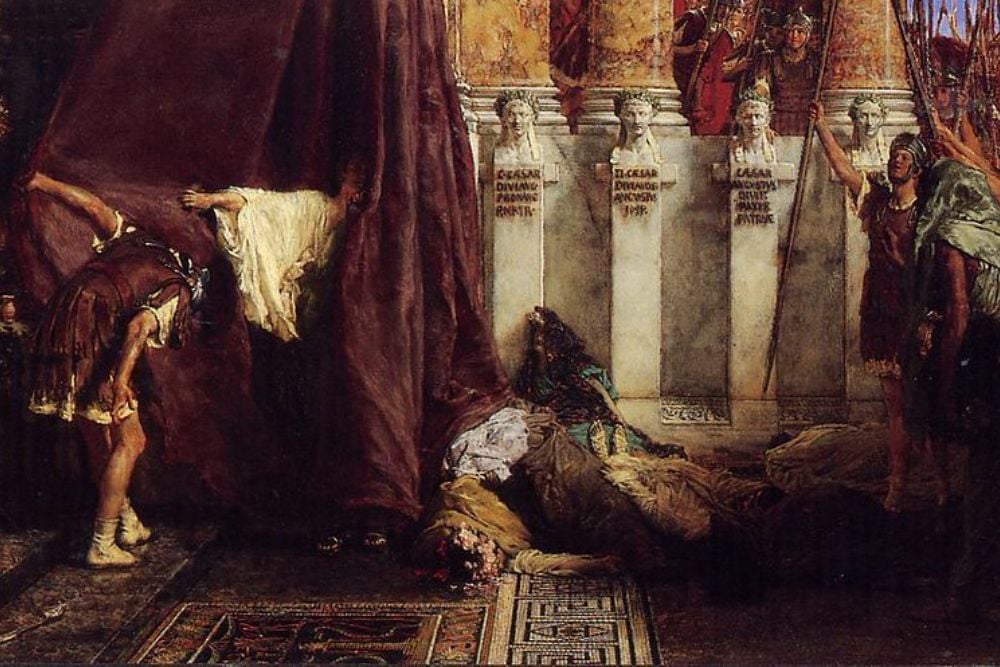
The rowdy Roman festival of Saturnalia gave us most of our Christmas traditions. Romans celebrated this winter solstice festival by exchanging gifts, feasting with family, and decorating their homes with greenery.
They even had a tradition of role reversal where masters served their servants, creating a temporary world of equality.
Celtic Samhain
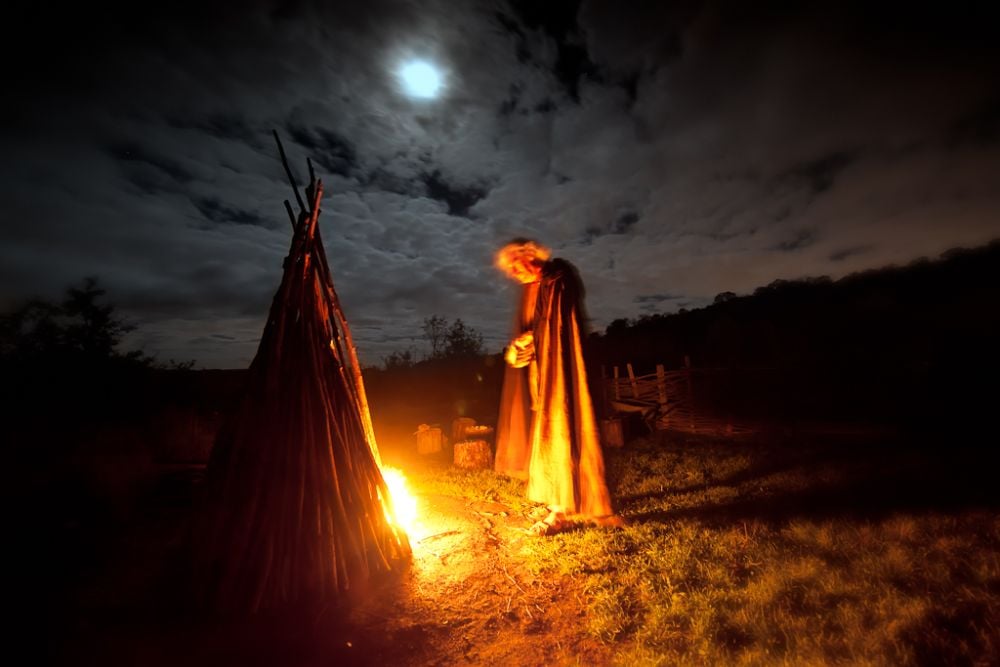
Halloween owes its spooky reputation to the ancient Celtic festival of Samhain. The Celts believed that on October 31st, the boundary between the living and the dead became thin, allowing spirits to cross over.
They lit bonfires and wore costumes to ward off malevolent ghosts, and these practices evolved into our modern trick-or-treating and costume parties.
Roman Wedding Customs
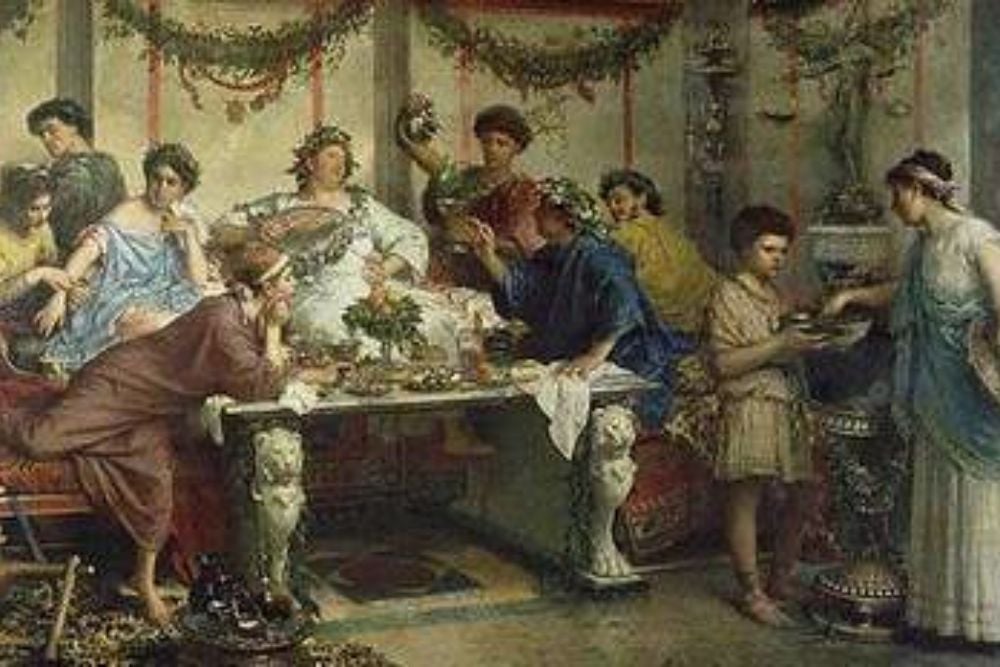
Most Western wedding traditions trace back to ancient Roman marriage rituals. Romans believed that carrying the bride over the threshold protected her from evil spirits lurking at the doorway.
They also started the practice of wearing wedding rings on the fourth finger, believing a vein there connected directly to the heart.
Germanic Yuletide Celebrations
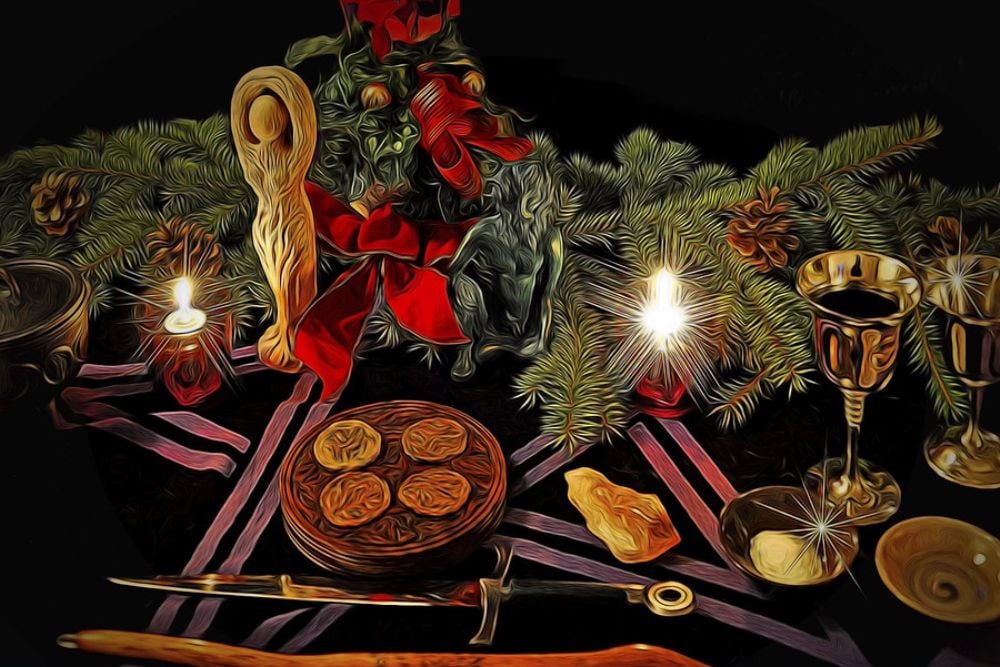
The Christmas tree tradition comes from ancient Germanic tribes who brought evergreen branches indoors during the winter solstice. These plants held special powers since they stayed green when other vegetation died, or so they believed.
German families would decorate trees with candles, fruits, and small gifts — a practice that spread throughout Europe and eventually to America.
Ancient Egyptian Embalming Rituals
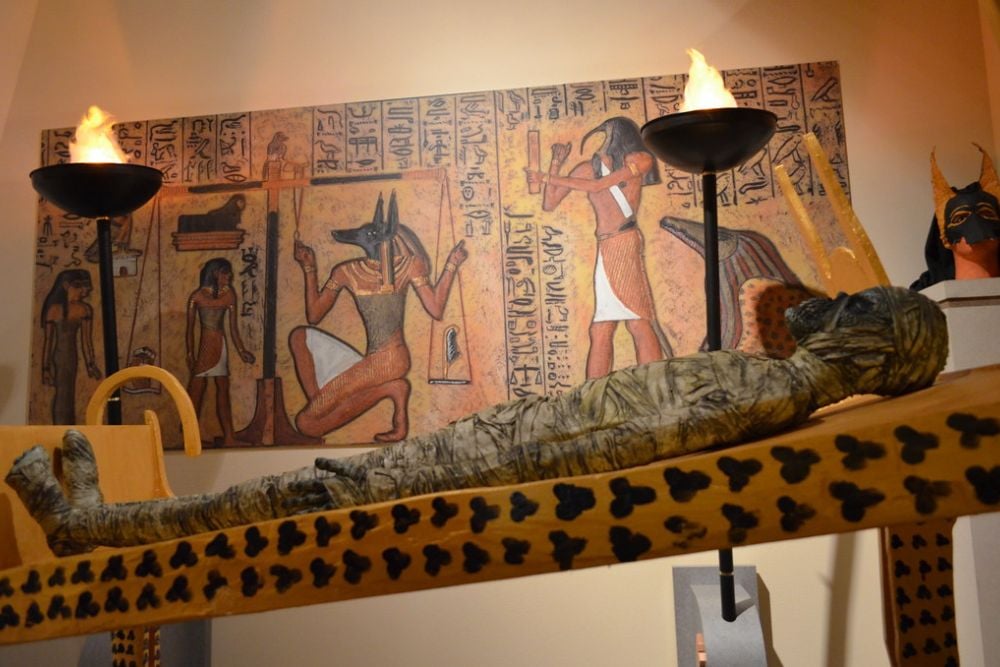
Modern funeral practices draw heavily from ancient Egyptian death ceremonies. Egyptians pioneered the use of flowers at funerals, believing certain blooms would help guide souls to the afterlife.
They also established the tradition of viewing the deceased before burial, allowing family and friends to pay final respects.
Roman Birthday Celebrations

Blowing out birthday candles started with ancient Romans who believed the smoke carried prayers and wishes to the gods above. They’d light candles on cakes and make a wish before extinguishing them, hoping their desires would be granted.
Romans also popularized the idea of birthday parties as community celebrations rather than private affairs.
Greek Olympic Games
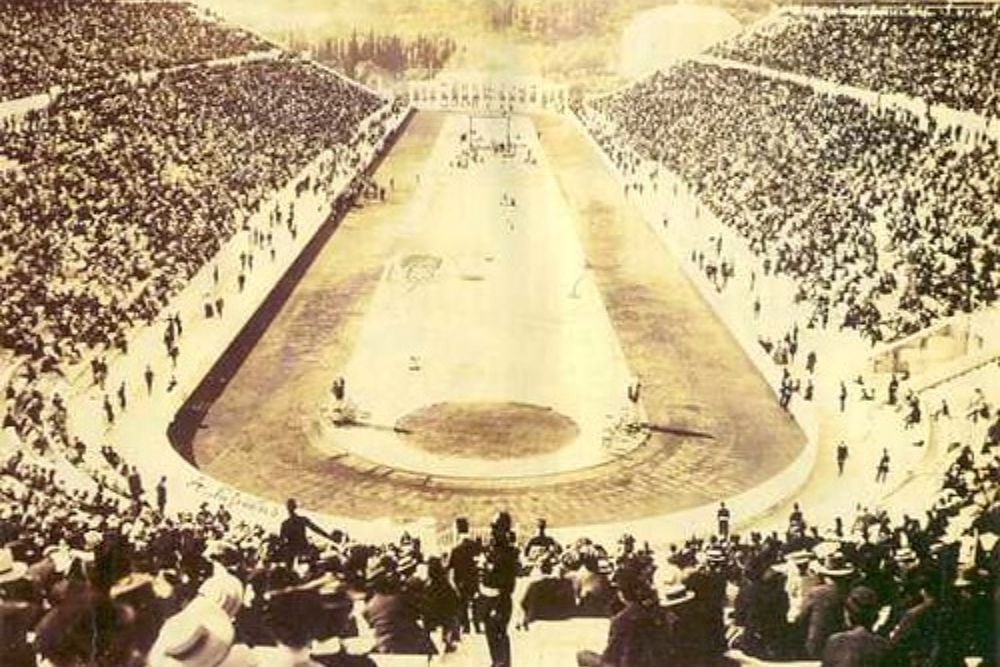
Our modern sports traditions stem from ancient Greek Olympic ceremonies. Greeks established the practice of lighting an Olympic flame and carrying it to the competition site — symbolizing the theft of fire from the gods.
They also created victory ceremonies with laurel wreaths for winners, which evolved into our medal presentations.
Viking Feast Rituals
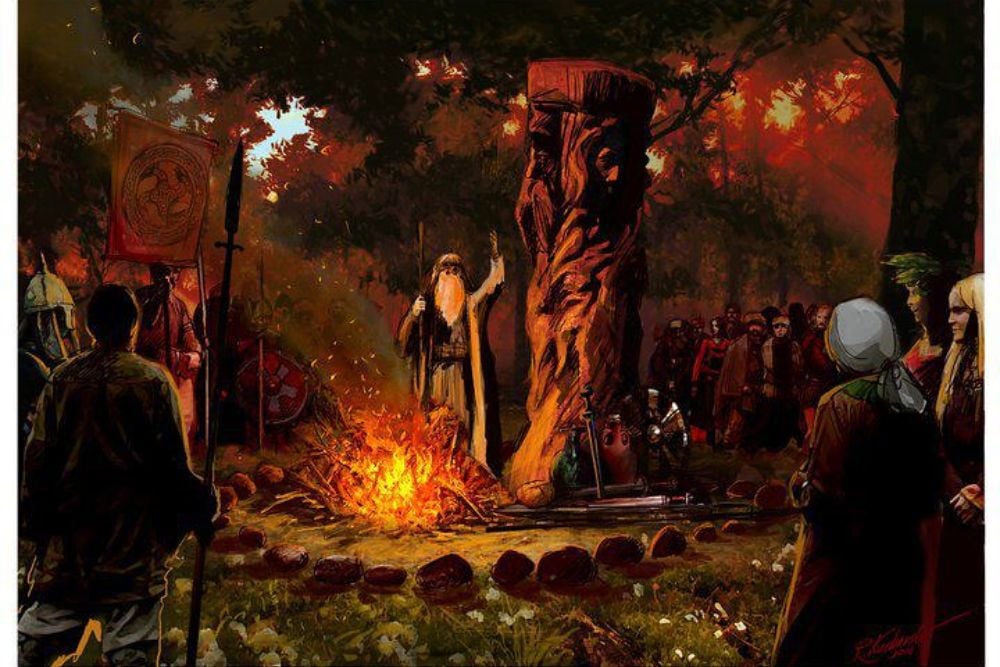
Thanksgiving dinner traditions come largely from Viking feast customs. Vikings would gather their entire community for massive harvest celebrations, featuring long tables laden with seasonal foods.
They established the tradition of going around the table to share what they were grateful for, believing this would ensure continued prosperity.
Aztec New Year Ceremonies

New Year’s resolutions trace back to Aztec rituals of renewal and purification. Aztecs would spend days before their new year making promises to their gods and cleaning their homes thoroughly — believing starting fresh would bring good fortune in the coming year.
Roman Coming of Age Rites

Modern graduation ceremonies mirror ancient Roman coming-of-age rituals. Roman boys would receive a special toga and participate in community ceremonies marking their transition to adulthood — while the tradition of wearing caps and gowns during graduations comes directly from these Roman customs, as does the practice of family gatherings to celebrate academic achievements.
Ancient Persian Gift Exchange
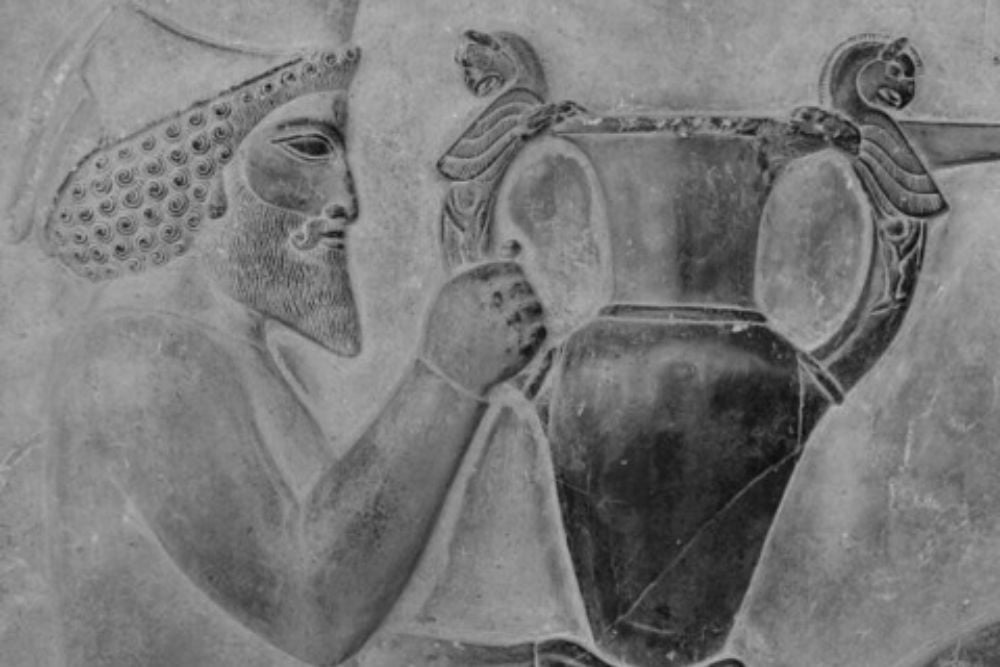
Holiday gift-giving traditions originated with ancient Persian customs during their winter solstice celebrations. Persians would exchange presents to strengthen social bonds and show appreciation for family and friends.
They believed giving gifts during the darkest time of year would encourage the return of light and warmth.
Egyptian Harvest Festivals

Modern county fairs and harvest festivals come from ancient Egyptian celebrations of successful crops. Egyptians would gather their communities for games, competitions, and feasting after bringing in their harvests.
They established traditions of displaying their best produce, competing in various contests, yet always sharing food with neighbors.
Roman Retirement Customs

The tradition of retirement parties and gold watch presentations stems from Roman military discharge ceremonies. Roman soldiers would receive special gifts and community recognition when they completed their service, marking their transition from military to civilian life.
The practice of collecting money for retirement gifts also has Roman origins, where communities would pool resources to honor departing soldiers.
Greek Hospitality Rituals
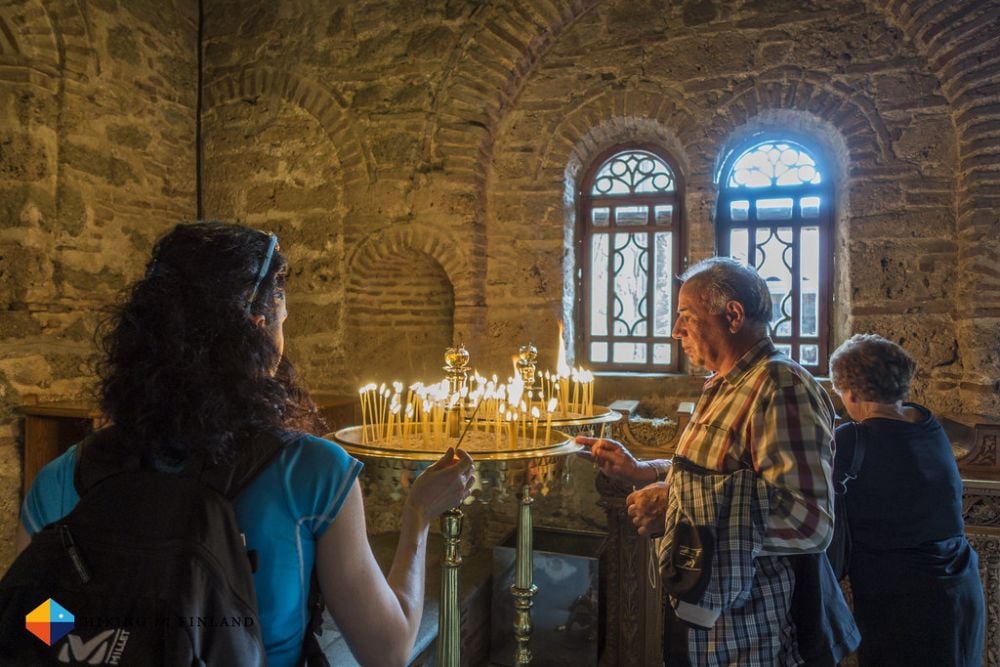
Our customs around hosting guests come from ancient Greek hospitality traditions called ‘xenia.’ Greeks believed that any stranger could be a god in disguise, so they developed elaborate rituals for welcoming visitors.
They would offer food, drink, and shelter without asking questions, establishing patterns we still follow when entertaining guests.
Roman Valentine Customs

Valentine’s Day traditions trace back to Roman fertility festivals called Lupercalia. Romans would draw names from jars to pair up for the duration of the festival, leading to many marriages.
They also exchanged handwritten notes expressing affection, which evolved into our modern Valentine cards.
Celtic Seasonal Celebrations
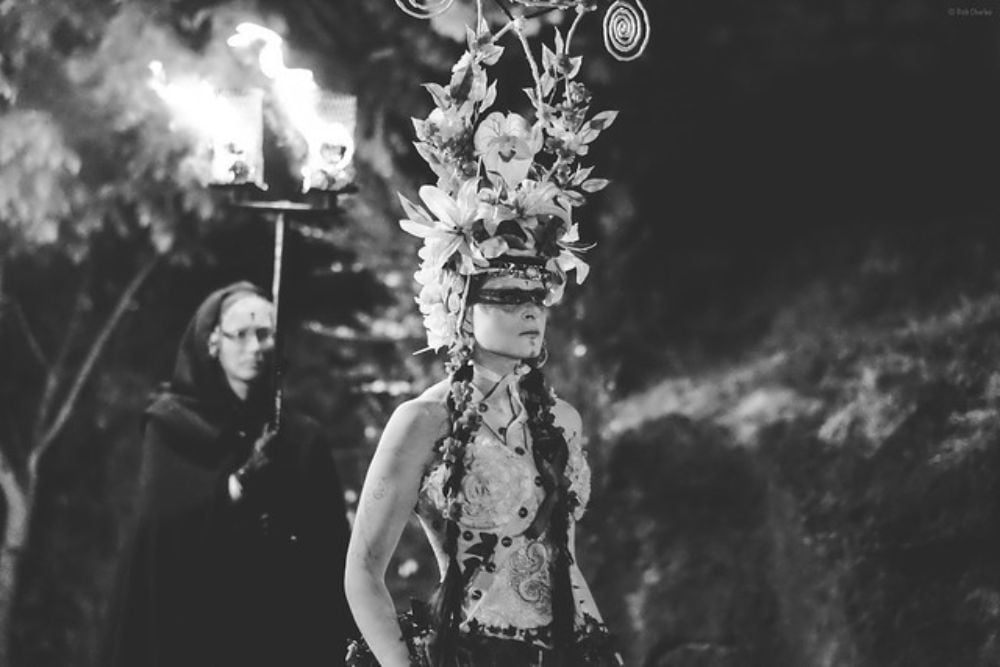
Many of our seasonal traditions come from Celtic quarter-day festivals that marked important transitions in their agricultural calendar. Celtics celebrated the midpoint between solstices and equinoxes with specific rituals for each season.
Their spring-cleaning traditions, summer bonfires, autumn harvest celebrations, and winter light festivals all evolved into modern seasonal customs.
The Thread That Binds Yesterday to Today
These ancient rituals remind us that human nature hasn’t changed much over the millennia. People have always needed ways to mark important moments, build community connections, and find meaning in life’s transitions.
While the religious significance may have faded, the underlying human needs these rituals addressed remain constant. Our modern traditions serve the same purposes they did thousands of years ago, just wrapped in contemporary packaging that makes sense for our current world.
More from Go2Tutors!

- The Romanov Crown Jewels and Their Tragic Fate
- 13 Historical Mysteries That Science Still Can’t Solve
- Famous Hoaxes That Fooled the World for Years
- 15 Child Stars with Tragic Adult Lives
- 16 Famous Jewelry Pieces in History
Like Go2Tutors’s content? Follow us on MSN.



