15 Military Tactics Still Used From Ancient Times
Military strategists often say that while weapons and technology evolve, the fundamental principles of warfare remain remarkably consistent. Ancient generals devised brilliant tactics that modern military leaders continue to study and implement today, despite thousands of years of advancement in weaponry and communications.
Here is a list of 15 military tactics from ancient times that remain relevant on today’s battlefields.
Flanking Maneuvers
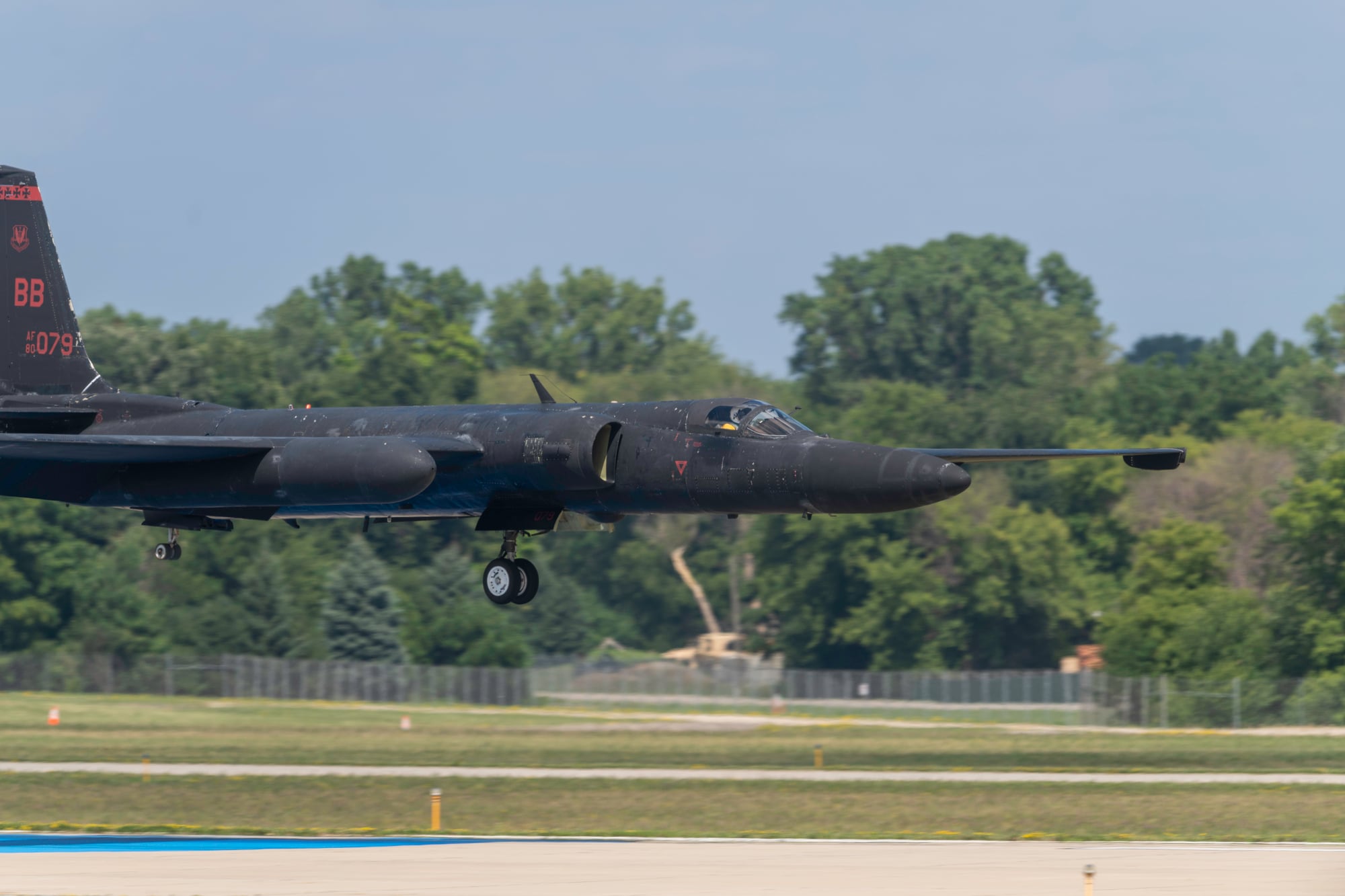
The concept of attacking an enemy from the side rather than head-on dates back to early warfare. Alexander the Great mastered this at the Battle of Issus in 333 BCE, crushing Persian forces by attacking their vulnerable sides.
Modern armies still prioritize flanking because it exploits the enemy’s limited field of vision and defensive capability, proving that sometimes the oldest approaches work best.
Reconnaissance
Ancient armies from Rome to China employed scouts to gather intelligence about terrain, enemy positions, and strength. The Roman explorers would venture ahead of the main forces to report back critical information.
Today’s reconnaissance has evolved with drones and satellites, but the fundamental purpose remains unchanged – knowing your battlefield and your enemy before engagement.
Like Go2Tutors’s content? Follow us on MSN.
Forced Marches
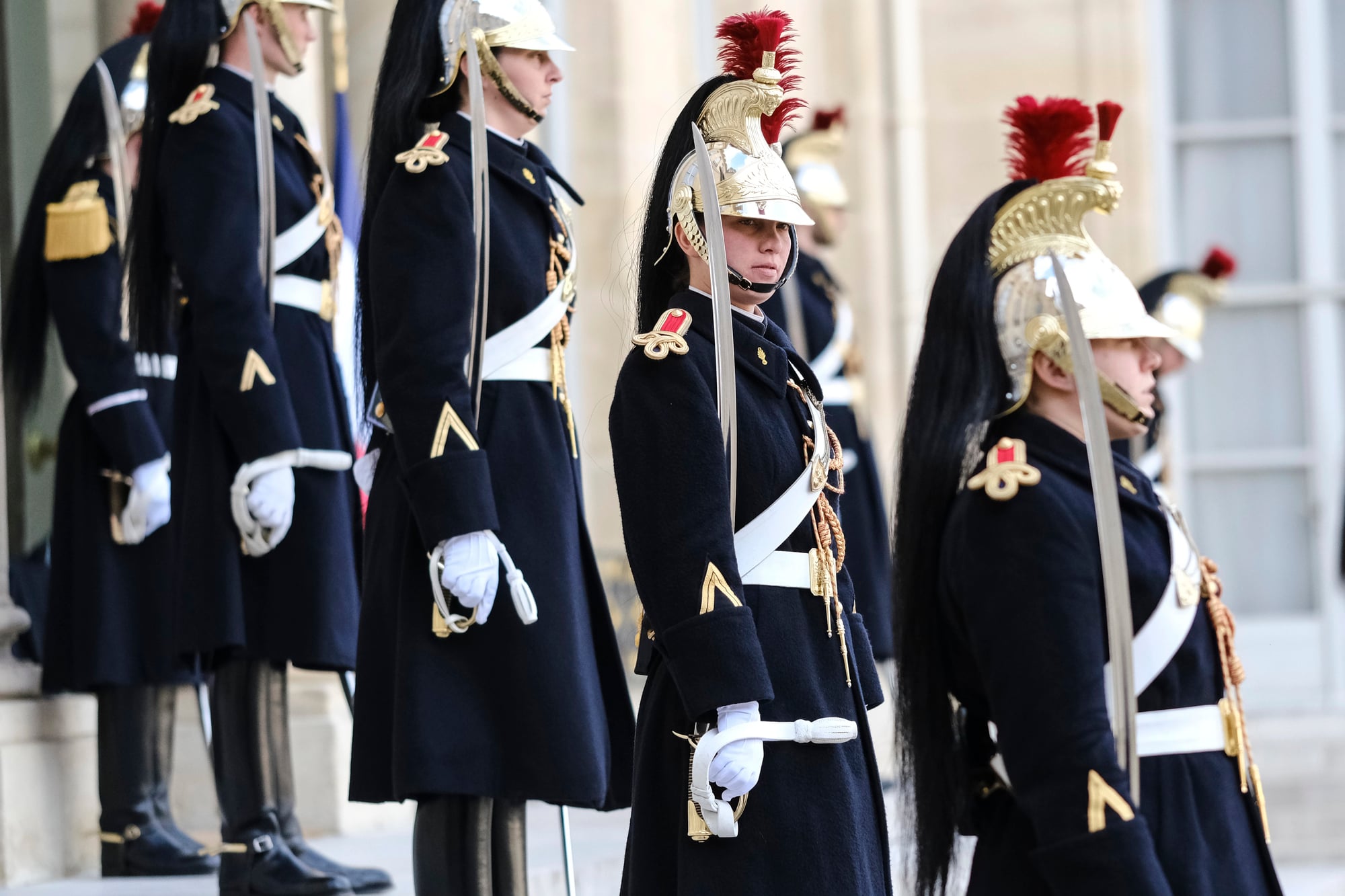
Caesar’s legions were famous for their ability to cover 25-30 miles daily when needed, often surprising enemies who didn’t expect such rapid movement. Modern special forces units still train extensively for quick deployment and operation behind enemy lines, understanding that speed creates tactical advantage just as it did centuries ago.
Night Operations
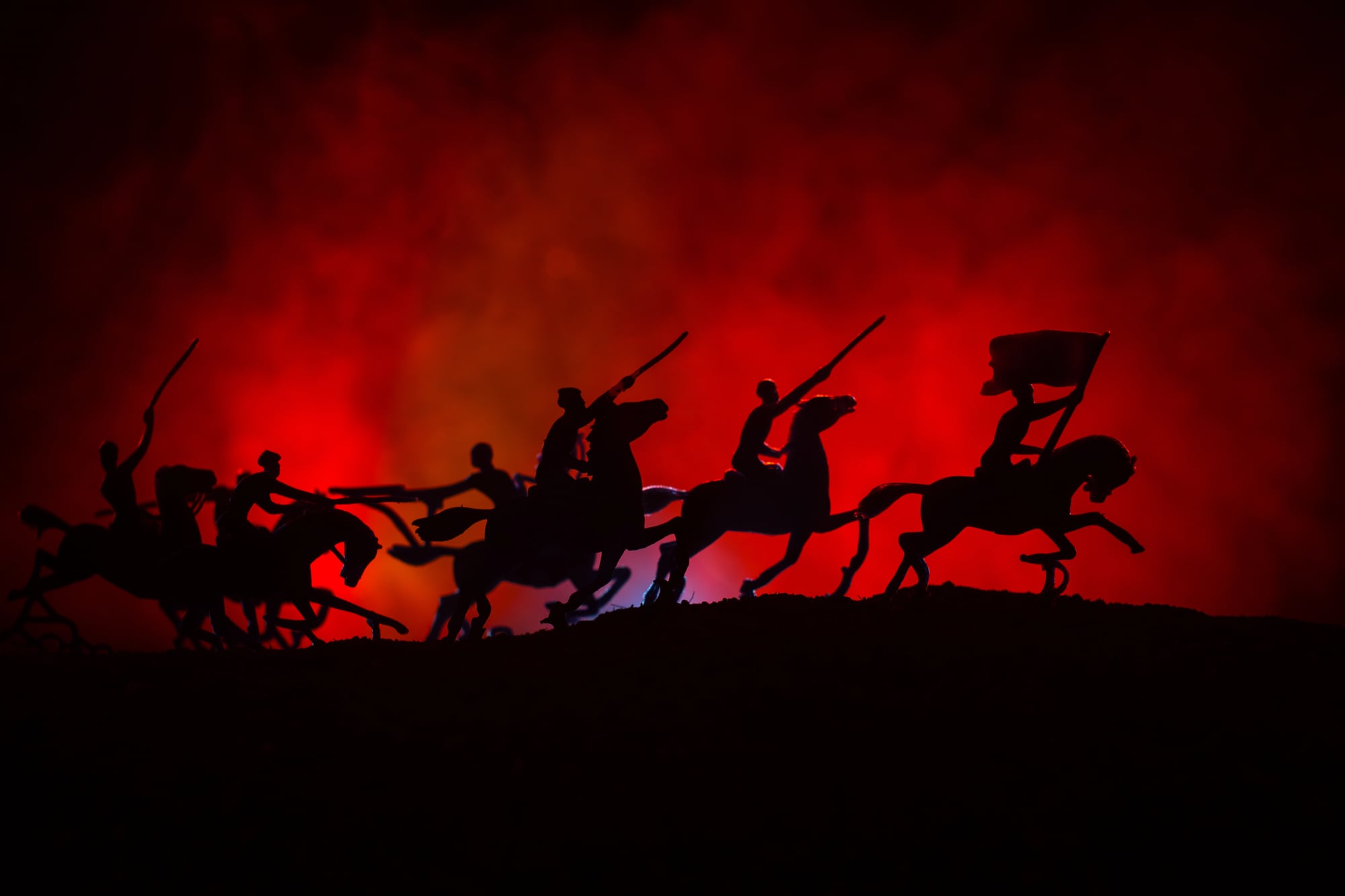
Ancient commanders like Hannibal recognized darkness as a powerful ally for surprise attacks and stealthy movements. The Carthaginian general used night maneuvers during his famous crossing of the Alps to outmaneuver Roman forces.
Today, night vision technology has enhanced this capability, but the tactical principle of using darkness for concealment remains identical.
The Feigned Retreat

Mongol horsemen under Genghis Khan perfected the art of pretending to flee, only to turn and overwhelm pursuing enemies when they broke formation. This deception tactic created chaos and exploited the psychology of overconfident opponents.
Modern militaries continue to employ strategic withdrawals to lure enemies into unfavorable positions.
Like Go2Tutors’s content? Follow us on MSN.
Scorched Earth
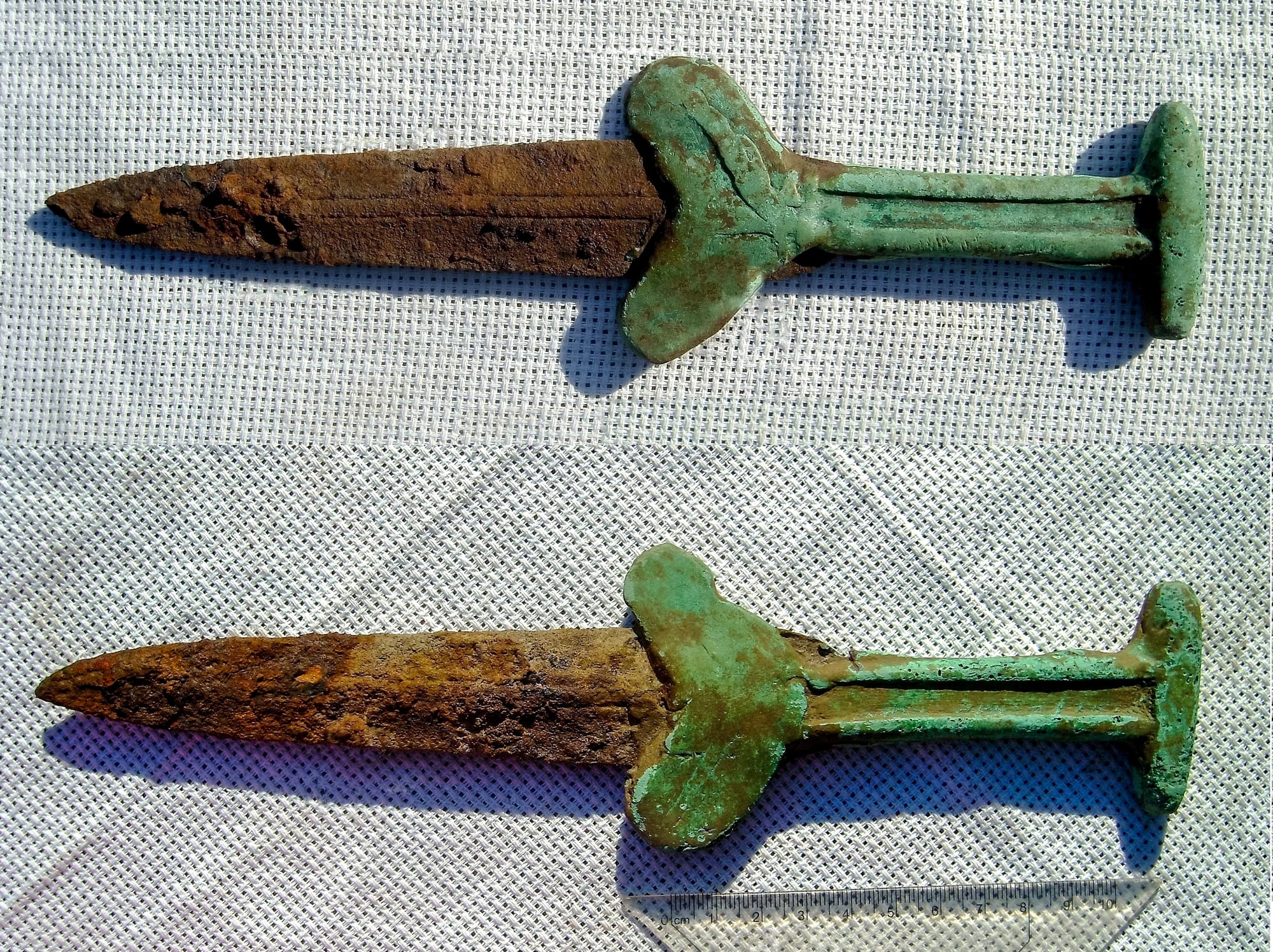
When facing the massive Persian army, Scythian forces retreated while destroying crops, poisoning wells, and removing resources. This ancient tactic denied the enemy sustenance and shelter, effectively using the environment as a weapon.
Various forms of resource denial remain part of contemporary military doctrine, especially in asymmetric warfare scenarios.
Strategic Reserves
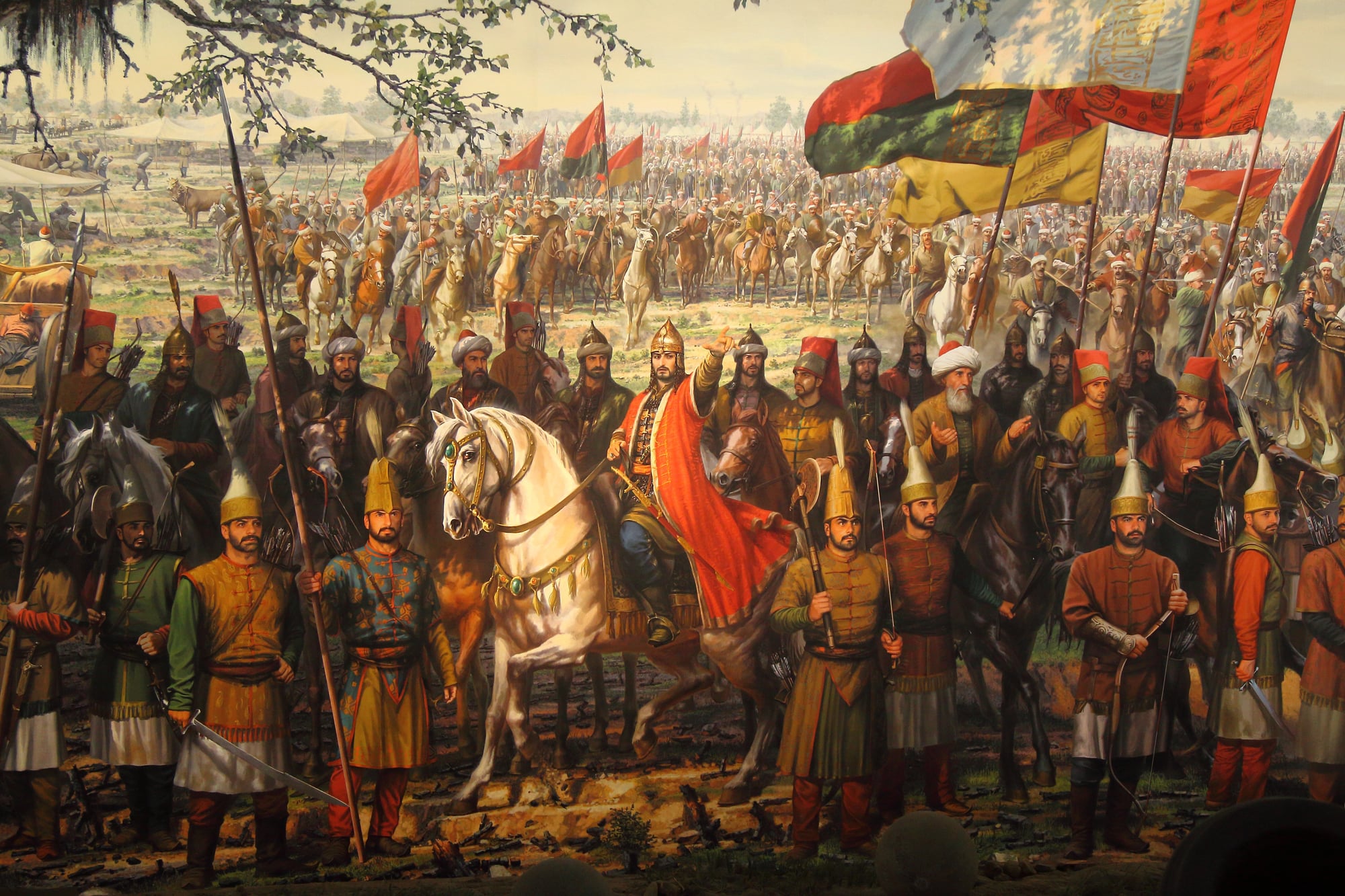
The Byzantine Empire routinely held back elite units during initial battlefield engagements, deploying them at critical moments to turn the tide. Modern commanders similarly maintain reserve forces, understanding that fresh troops introduced at the right moment can exploit enemy exhaustion or vulnerabilities that appear during battle.
Encirclement

The Battle of Cannae in 216 BCE saw Hannibal completely surround and destroy a much larger Roman army through careful positioning and patience. This double envelopment tactic has influenced military thinking for millennia, with modern versions appearing in blitzkrieg strategies and numerous 20th-century conflicts.
Like Go2Tutors’s content? Follow us on MSN.
Ambush Tactics

From ancient forest tribes to desert nomads, fighters have long used terrain knowledge to set deadly traps for unsuspecting enemies. The Germanic tribes’ ambush of Roman legions in the Teutoburg Forest changed the course of European history.
Modern guerrilla forces and conventional units alike still employ ambushes, recognizing their effectiveness against superior forces.
Deception Operations
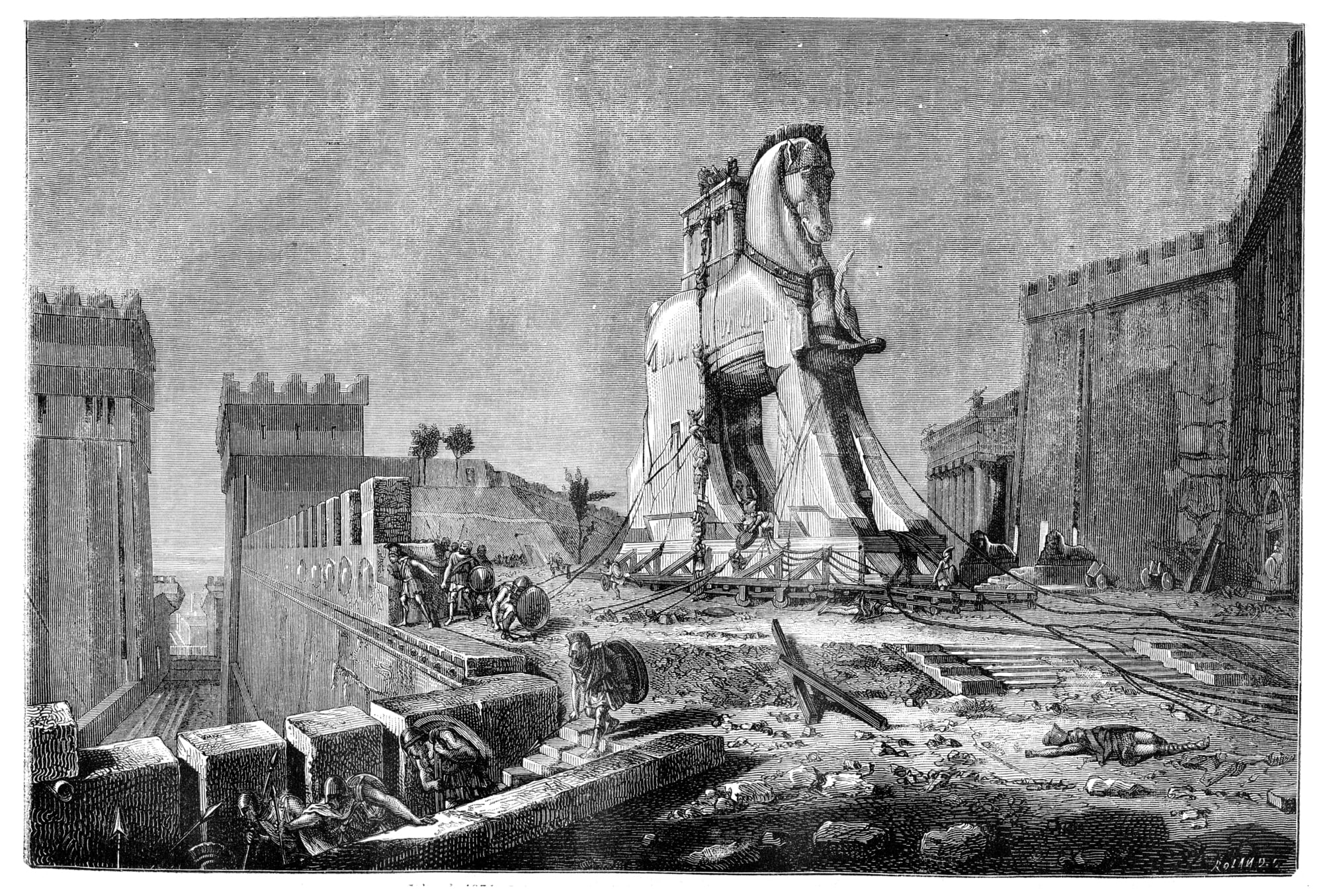
The Trojan Horse stands as perhaps the most famous military deception in history, but ancient armies regularly employed various forms of misdirection. Creating dust clouds to exaggerate force size, displaying fake campfires, and spreading disinformation all have modern equivalents in electronic warfare and psychological operations today.
Combined Arms
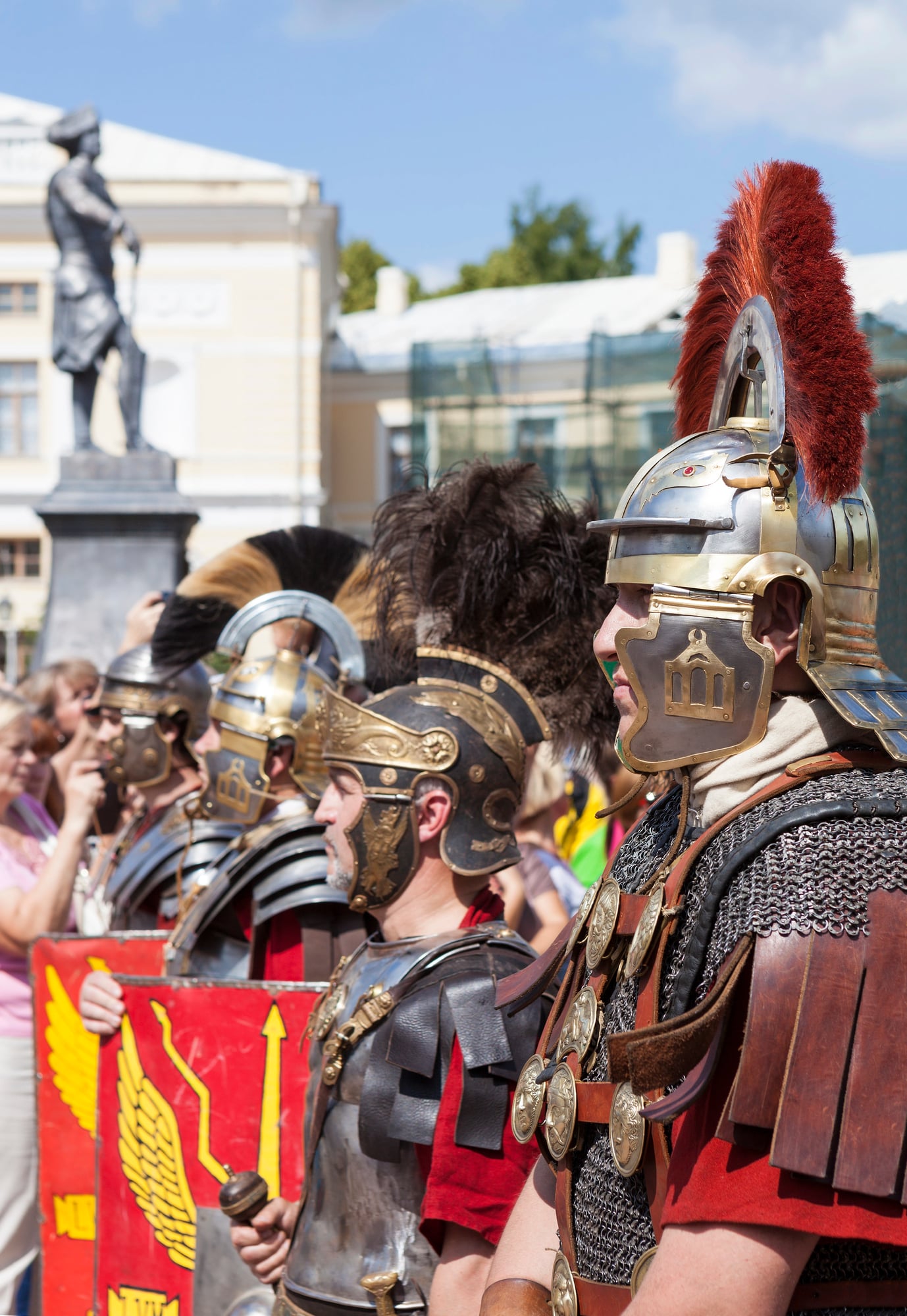
The Macedonian army under Philip II and Alexander combined heavy infantry, cavalry, and light troops to create flexible fighting forces where each unit type compensated for the others’ weaknesses. Today’s military doctrine emphasizes synchronized operations between infantry, armor, artillery, and air support—a direct evolution of ancient combined arms philosophy.
Like Go2Tutors’s content? Follow us on MSN.
Supply Chain Management

Alexander’s campaigns stretched thousands of miles from Macedonia because he mastered logistics and supply. Ancient armies that failed to secure reliable supply routes often faced defeat through starvation rather than combat.
Modern military planners still consider logistics their top priority, knowing that sophisticated weapons mean nothing without ammunition, fuel, and food.
Psychological Warfare
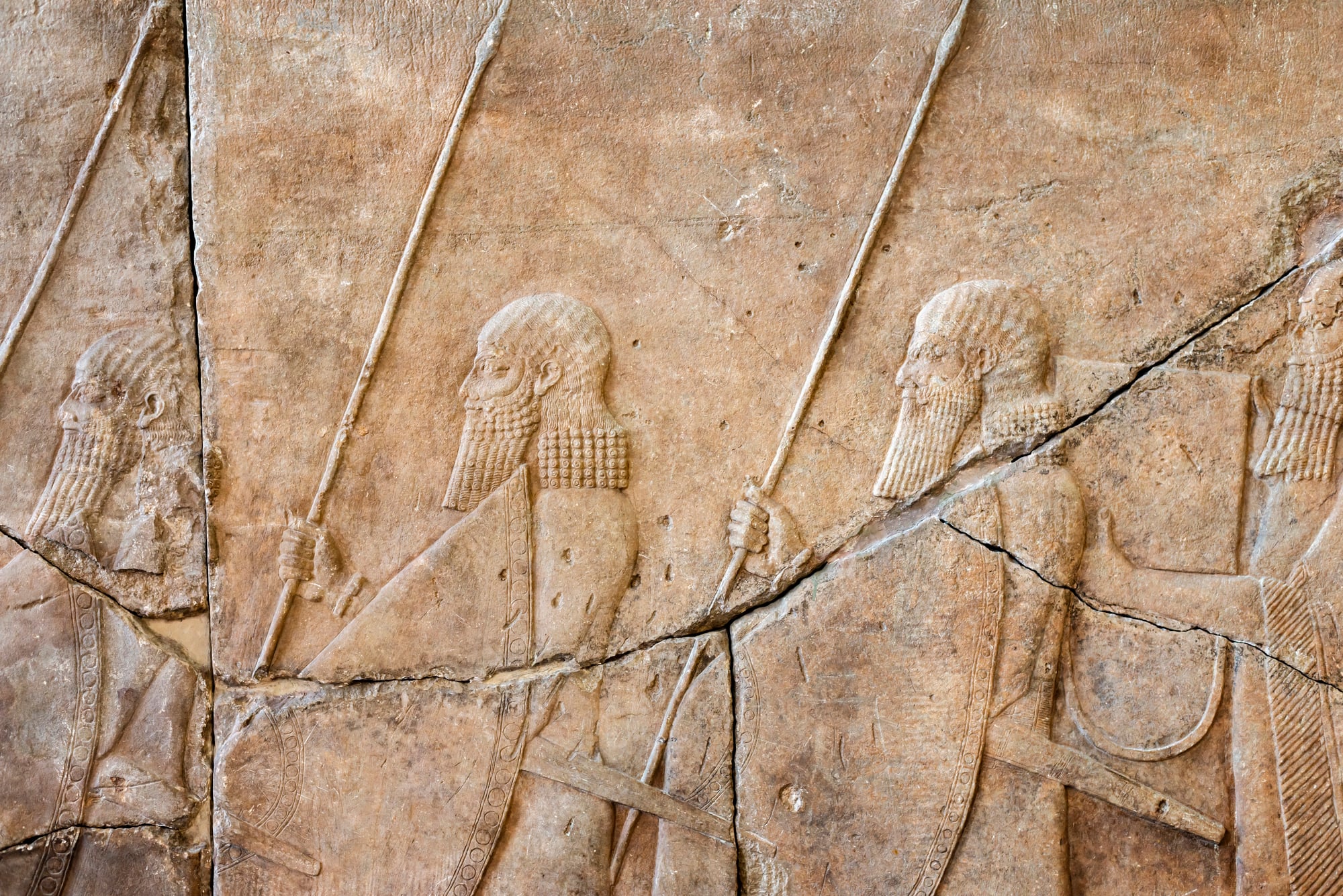
Ancient Assyrians were masters at intimidation, often displaying gruesome scenes of punishment to terrorize potential resisters. Psychological tactics aimed at breaking enemy morale before physical combat begins remain essential components of military strategy, though methods have evolved from physical displays to information operations.
Decisive Battle Focus
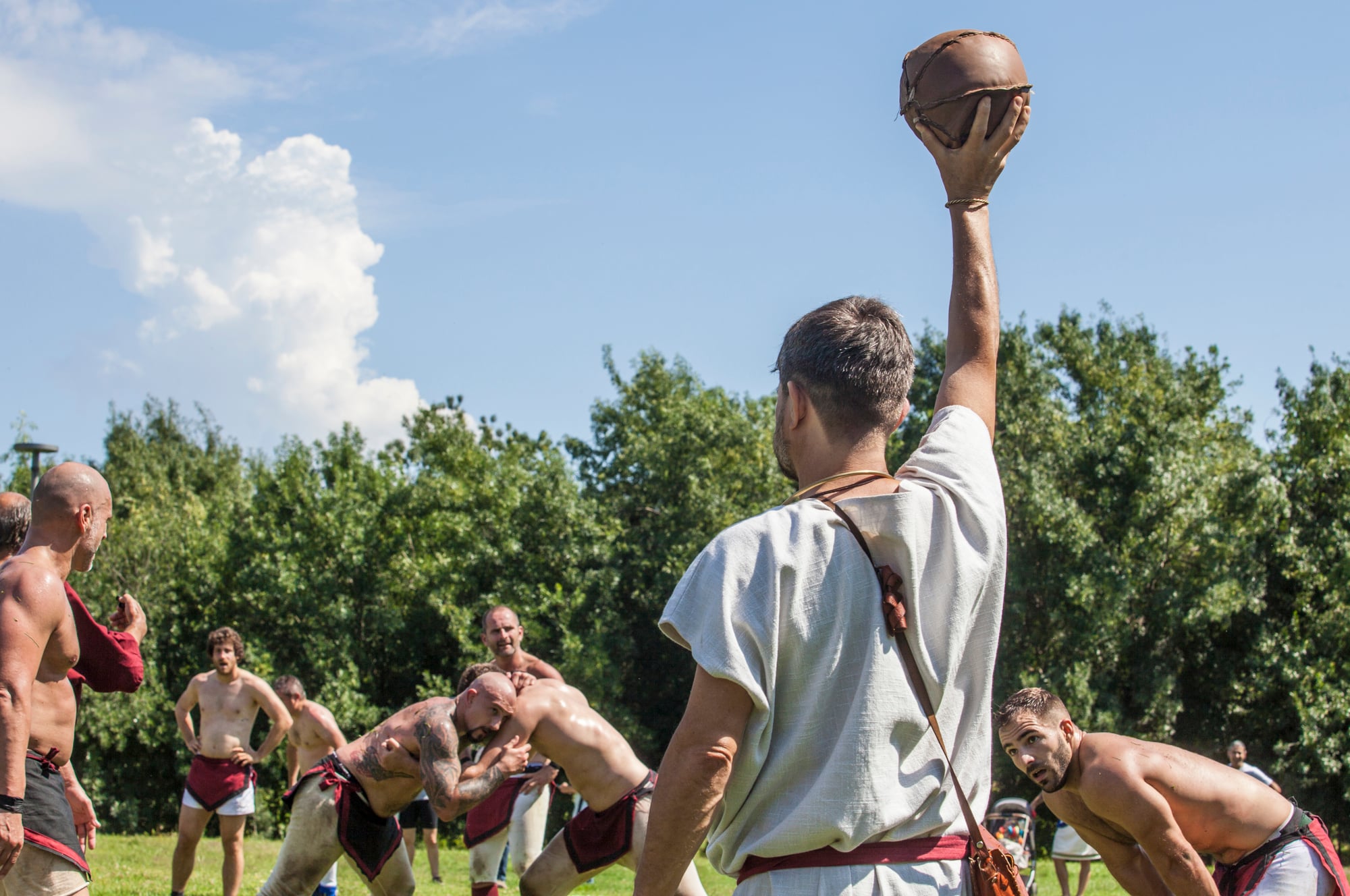
Many ancient commanders sought the single, decisive engagement that would determine a campaign’s outcome. The Roman approach often centered on forcing major battles rather than prolonged campaigns.
While modern warfare has grown more complex, military leaders still seek decisive engagements that can achieve strategic objectives efficiently.
Like Go2Tutors’s content? Follow us on MSN.
Defensive Fortifications

From China’s Great Wall to Roman forts along their empire’s borders, ancient civilizations invested enormous resources in static defenses. Though modern weapons have reduced their effectiveness, the principles behind fortifications persist in hardened bunkers, defensive perimeters, and strategic barrier systems deployed by contemporary forces.
Timeless Principles of War

Looking at these ancient tactics reveals something profound about military strategy. While our weapons have evolved from spears and swords to guided missiles and cyber attacks, the fundamental principles of warfare remain largely unchanged.
The general who understands positioning, timing, psychology, and logistics holds the same advantages today as commanders did thousands of years ago. The persistence of these ancient methods doesn’t suggest a lack of innovation in military thinking.
Rather, it demonstrates that certain tactical principles are so fundamentally sound that they transcend technological evolution. Modern military academies still study ancient battles because, at its core, warfare continues to be defined by human decisions, geographical constraints, and the universal search for advantage over adversaries.
More from Go2Tutors!

- 18 Unexpectedly Valuable Collectibles You Might Have Lying Around
- 20 Little-Known Historical Battles That Had Huge Consequences
- 20 Historical Artifacts That Scientists Can’t Explain
- 15 Inventions That Were Immediately Banned After Being Created
- 20 Actors Who Were Almost Cast in Iconic Roles
Like Go2Tutors’s content? Follow us on MSN.



