Hidden Secrets of Famous Landmarks
Famous landmarks draw millions of visitors each year, but most people only see what’s on the surface.
Behind the grand facades and well-photographed exteriors lie hidden rooms, secret passages, and spaces that rarely make it into tourist brochures.
These concealed features tell stories of engineering ingenuity, historical necessity, and sometimes just plain quirkiness.
Here is a list of hidden secrets lurking inside the world’s most recognizable landmarks.
Eiffel Tower’s Private Apartment
When Gustave Eiffel designed his iconic tower in 1889, he built himself a secret apartment at the very top.
The cozy space served as both his private office and a place to entertain distinguished guests like Thomas Edison.
Parisians actually offered him serious money to rent it for just one night, but he always refused.
The apartment remained his exclusive retreat until his death, and today visitors can peek inside to see wax figures of Eiffel, his daughter, and Edison gathered around a table.
Mount Rushmore’s Hall of Records

Behind Abraham Lincoln’s carved head sits a doorway leading to an 18-foot chamber called the Hall of Records.
Sculptor Gutzon Borglum envisioned this space as a repository for America’s most important documents, hoping future civilizations would discover the story of how the monument came to be.
He died before completing it, but in 1998, copies of the Declaration of Independence, Constitution, and Bill of Rights were sealed inside a titanium vault behind a 1,200-pound granite wall.
The chamber remains off-limits to tourists.
Colosseum’s Underground Network

The Roman Colosseum hides an elaborate two-level maze of tunnels and chambers beneath its arena floor called the hypogeum.
Gladiators waited in dim corridors while exotic animals from across the empire prowled in stone cages above them.
Engineers designed sophisticated pulley systems and trap doors that could hoist fighters and beasts onto the sand in dramatic fashion, creating spectacles that left 50,000 spectators breathless.
These underground passages only opened to the public in 2021 after a major restoration project, and daily visitor numbers remain strictly limited.
Empire State Building’s 103rd Floor

While everyone knows about the 102nd-floor observatory, few realize there’s a secret 103rd floor above it.
This ultra-exclusive outdoor platform was originally designed as a mooring mast for airships, though that never quite worked out.
Today it serves as a vertigo-inducing photo spot for VIPs and celebrities, featuring only a knee-high railing between visitors and the open sky.
The views stretch across six states on clear days, but regular tourists don’t get access.
Great Wall’s Secret Doors
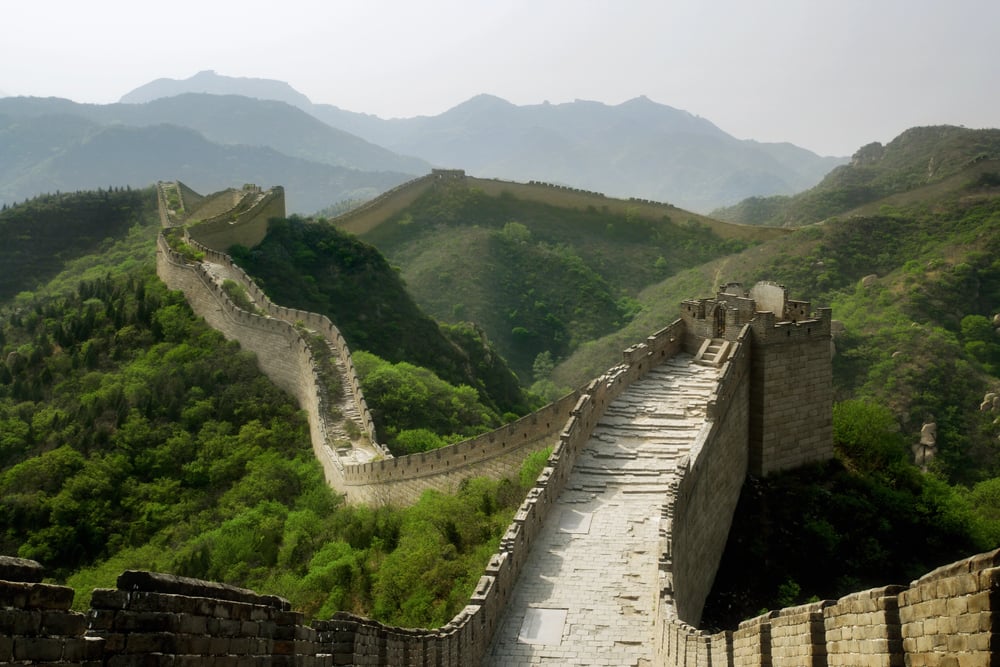
Recent research uncovered over 200 hidden doors camouflaged throughout the Great Wall of China.
These passages were so cleverly concealed that enemies couldn’t spot them from the outside, with the exterior faces disguised to match surrounding brickwork perfectly.
Soldiers used them for surprise attacks, espionage missions, and even trade with neighboring tribes.
Some doors only allowed one person through at a time and required secret codes for reentry.
The discovery shattered the myth that the wall was purely defensive, revealing it actually functioned as a complex communication and commerce network.
Statue of Liberty’s Abandoned Torch Room
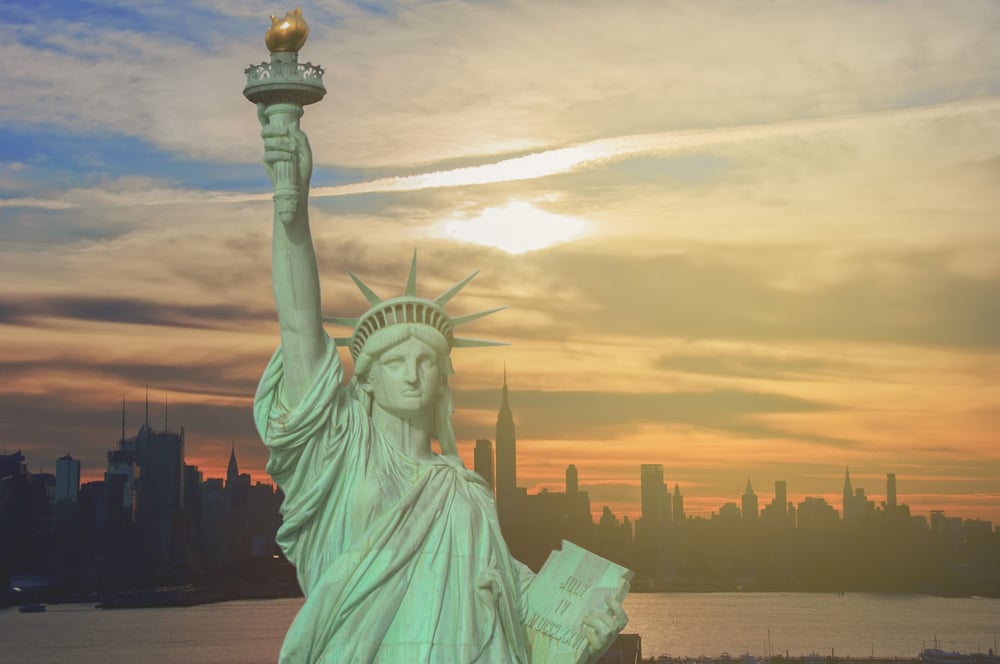
A small chamber inside Lady Liberty’s torch once offered breathtaking views of New York Harbor.
Visitors could climb up and peer out until 1916, when German agents bombed a nearby ammunition depot.
The explosion sent debris crashing into the statue’s raised arm, making the steep staircase unsafe.
The room has remained closed ever since, though a webcam now lets curious folks see what they’re missing.
Club 33 at Disneyland

Tucked behind an unmarked door in New Orleans Square sits Disneyland’s most exclusive secret.
Club 33 is a members-only restaurant where alcohol flows freely in a park that’s otherwise dry.
Getting in requires an initiation fee that can hit $100,000, plus annual dues reaching $30,000, and the waitlist stretches about six years.
The club’s activities remain shrouded in secrecy, and most park guests walk right past without noticing the small ’33’ plaque marking its entrance.
Lincoln Memorial’s Undercroft

Three stories of caverns hide beneath the Lincoln Memorial’s marble floors, complete with naturally formed stalactites up to nine feet tall.
Construction workers stumbled upon these chambers in the 1970s while installing an elevator.
The space includes 122 concrete support pillars anchoring the memorial to bedrock, many covered in graffiti from workers who built the monument.
Some sketches depict Woodrow Wilson and the construction foreman, offering a raw glimpse into the lives of those who created this national treasure.
Trafalgar Square’s Tiny Police Station

London’s smallest police station hides in plain sight at the southeast corner of Trafalgar Square.
Built in 1926 as a watch post during frequent protests and riots, the structure looks more like a decorative lamppost than a functional building.
It could barely fit one officer or two prisoners at a time.
Today it serves a much less exciting purpose as a broom closet for Westminster Council cleaners.
Washington Square Arch’s Hidden Attic

The elegant arch in New York’s Washington Square Park contains both a spiral staircase and a 17-foot attic space with spectacular views of the city.
Built in 1889 to celebrate George Washington’s inauguration centennial, the structure kept its interior secret from most visitors.
The attic space remains closed to the public, though it would make an incredible observation deck if anyone ever decided to open it up.
Grand Central Terminal’s Tennis Court

A full-sized tennis court has operated on the upper levels of Grand Central Terminal since the 1960s.
The Vanderbilt Tennis Club includes the main court, a junior court, and a fitness room, letting members squeeze in a match before catching their train.
Most commuters rushing through the terminal below have no idea people are playing tennis somewhere above their heads.
Radio City Music Hall’s Secret Apartment
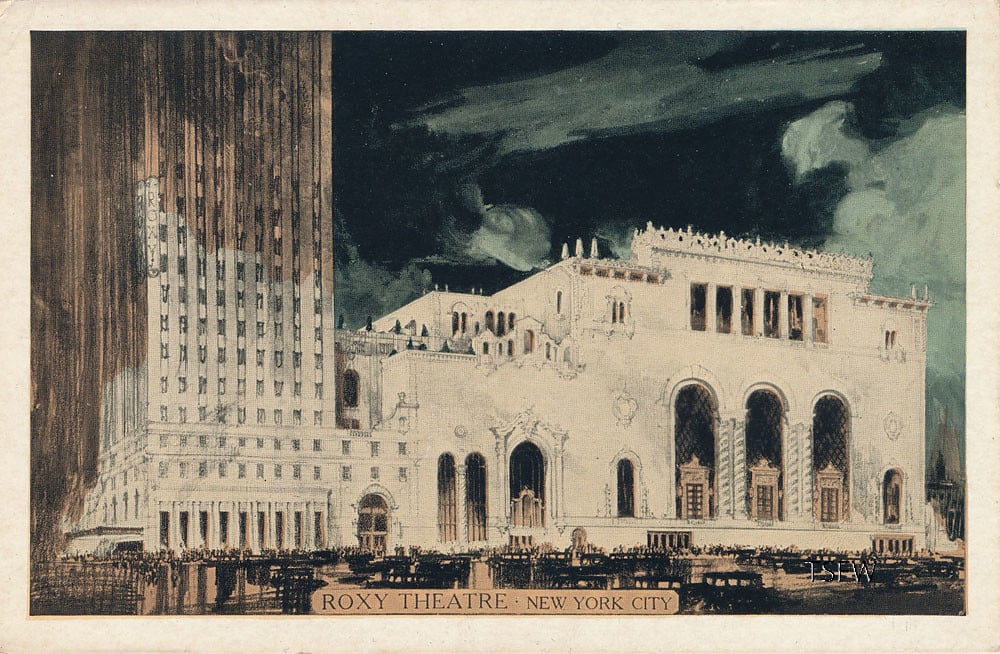
High above Radio City Music Hall sits a luxurious apartment with 20-foot ceilings that was gifted to showman Samuel ‘Roxy’ Rothafel by the building’s architect and interior designer.
The opulent space remained perfectly maintained over the decades.
Today, fans of The Rockettes can book it for VIP receptions or rent the entire apartment for private events, though most audience members watching shows below never suspect it exists.
New Yorker Hotel’s Art Deco Tunnel

A gorgeously tiled Art Deco tunnel runs beneath 34th Street, connecting the New Yorker Hotel’s lobby to Penn Station.
Built so guests could reach trains without braving New York weather, the passage is now filled with old hotel furniture, excess carpets, and forgotten fittings.
Thousands of people walk over it daily without knowing this architectural gem sits just below their feet.
Disneyland’s Cinderella Castle Suite

Small stained glass windows on the fourth floor of Cinderella’s Castle in Disney World illuminate a 650-square-foot hotel suite that’s almost impossible to book.
Disney only offers it through rare contests and special promotions rather than regular reservations.
When the suite debuted in 2006 as part of the Year of a Million Dreams promotion, contest winners got to sleep inside the most magical bedroom in the entire park.
Colosseum’s Rice Mortar Secret
Ancient Roman engineers used an unexpected ingredient to make the Colosseum’s construction nearly indestructible: sticky rice flour.
This glutinous mixture acted like cement, creating waterproof mortar so strong that even determined weeds couldn’t penetrate the joints between bricks.
Workers also carved their names and quality control information into bricks, establishing a system where officials knew exactly who to blame if construction failed.
These innovations helped sections of the amphitheater survive for two millennia.
Where Past Meets Present

These hidden features transform famous landmarks from mere photo opportunities into layered historical puzzles.
Secret apartments reveal how designers claimed the best views for themselves, while underground chambers expose the gritty machinery behind ancient entertainment.
Even abandoned spaces like the Statue of Liberty’s torch room and sealed passages in the Great Wall carry stories about safety concerns and strategic warfare that shaped how we experience these monuments today.
The next time you visit a famous landmark, remember that what you see represents only a fraction of what’s actually there.
More from Go2Tutors!

- The Romanov Crown Jewels and Their Tragic Fate
- 17 Halloween Costumes Once Considered Taboo
- Famous Hoaxes That Fooled the World for Years
- 15 Child Stars with Tragic Adult Lives
- 16 Famous Jewelry Pieces in History
Like Go2Tutors’s content? Follow us on MSN.