15 most famous US mansions in history
Big houses have always been a sign of power and money. But in some cases, they also tell stories about the people who lived there, the history they saw, and the things that shaped the country.
Some of these mansions are known for their beauty. Others are remembered for what happened inside their walls. Let’s take a walk through the 15 most famous mansions in the US and see why they’ve stood the test of time.
Now, get ready to step through grand doors and into American history. Each one of these mansions has a story to tell.
The White House (Washington, D.C.)

This is probably the most famous house in the country. The White House has been home to every U.S. president since John Adams in 1800.
More than just a house, it’s also a workplace, a meeting place for world leaders, and a symbol of the nation. Every corner has seen major moments in U.S. history.
It’s not just where leaders live—it’s where history lives too.
Biltmore Estate (Asheville, North Carolina)
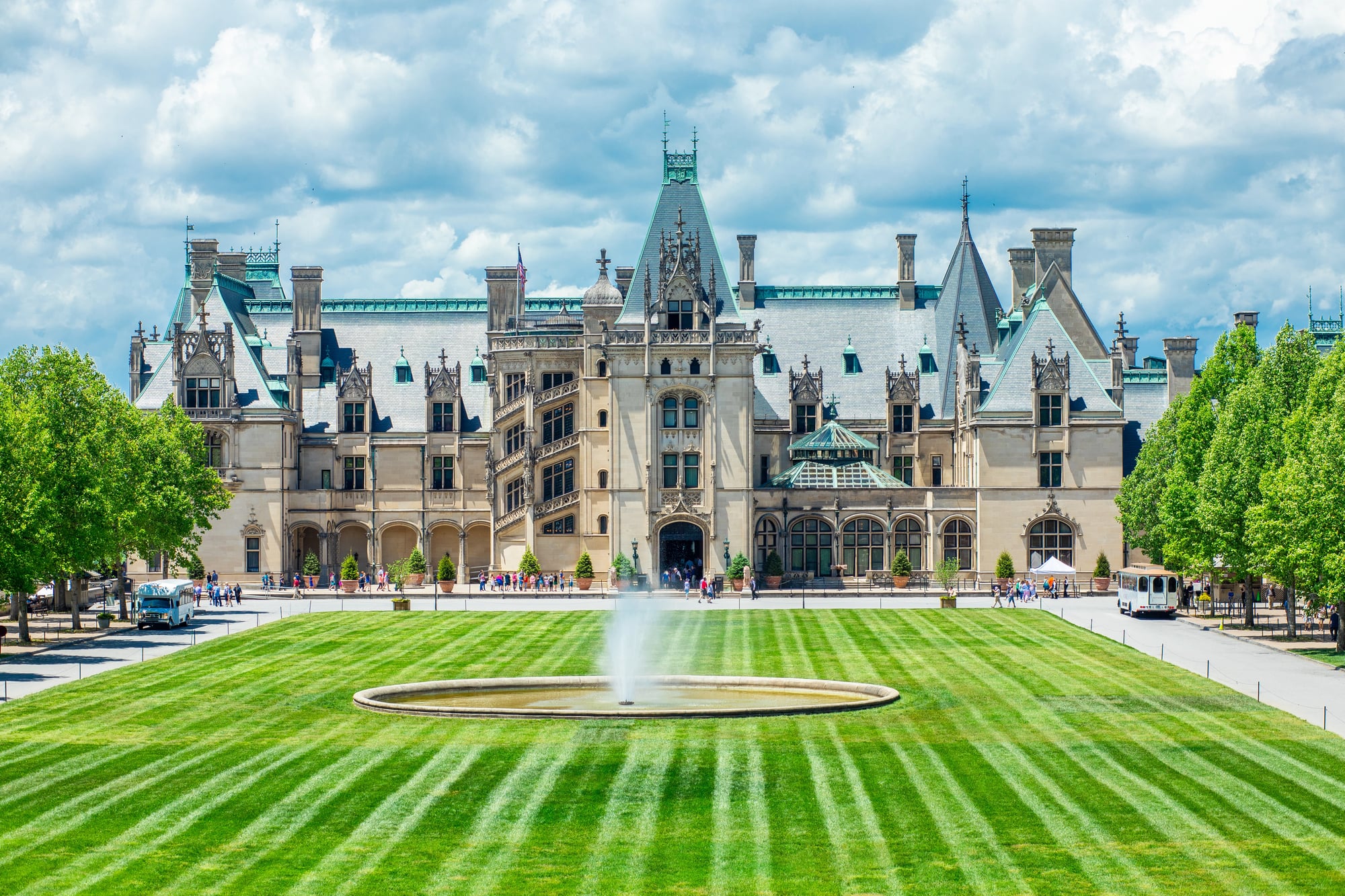
Built by George Washington Vanderbilt II in the late 1800s, this is the largest privately owned home in the U.S. The estate has 250 rooms, including 35 bedrooms and 43 bathrooms.
It looks like something out of a European storybook. Today, people visit it like a museum, walking through rooms filled with art, antiques, and luxury.
The views from the estate are just as stunning as the building itself.
Like Go2Tutors’s content? Follow us on MSN.
Monticello (Charlottesville, Virginia)
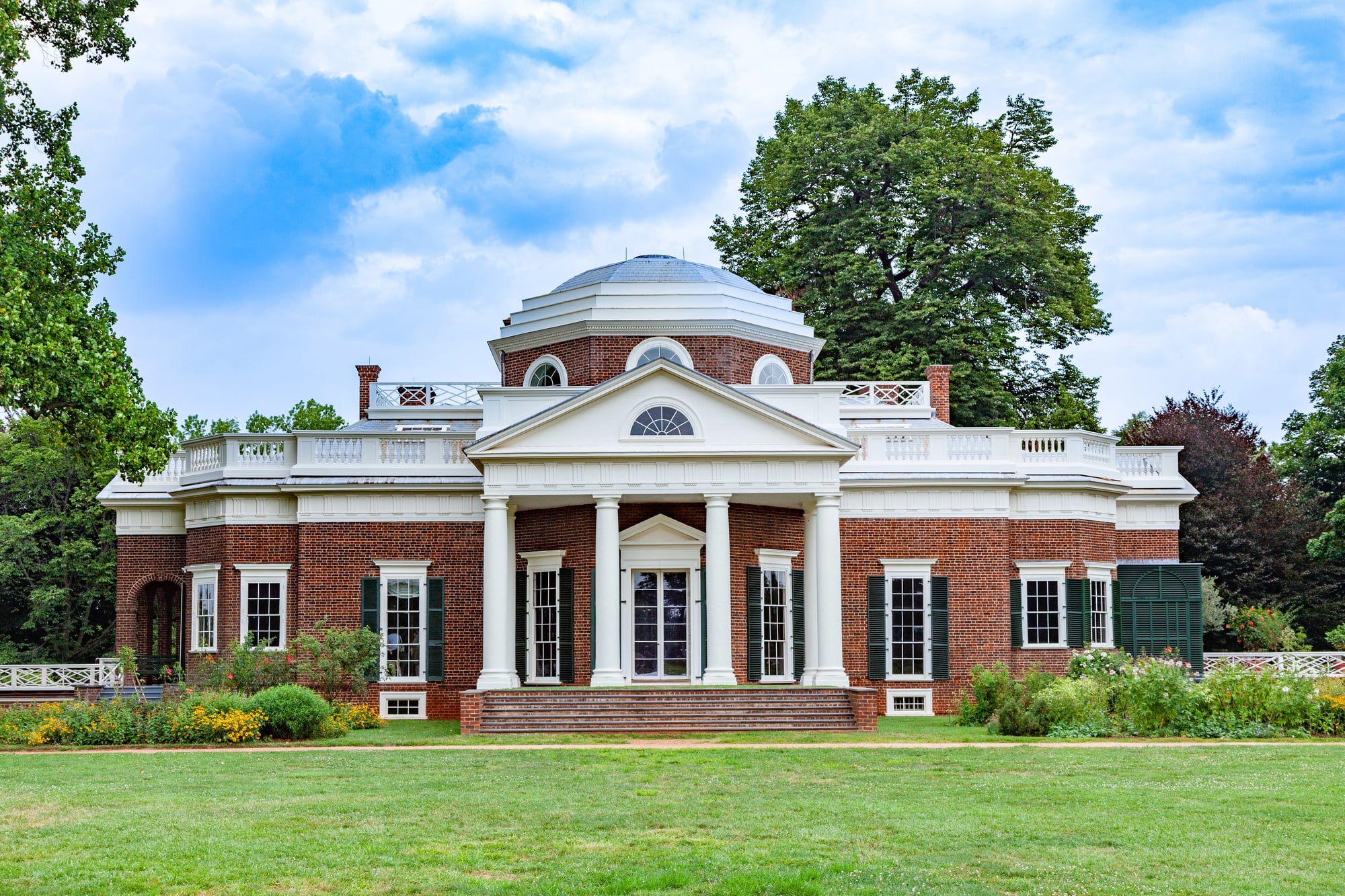
This was the home of Thomas Jefferson, the third U.S. president. Jefferson designed it himself, which shows his love for architecture and invention.
The house has many clever features like hidden staircases and special windows. It also reflects the complicated history of the time, including slavery.
Monticello is now a place where people learn about both Jefferson’s ideas and his contradictions.
Hearst Castle (San Simeon, California)
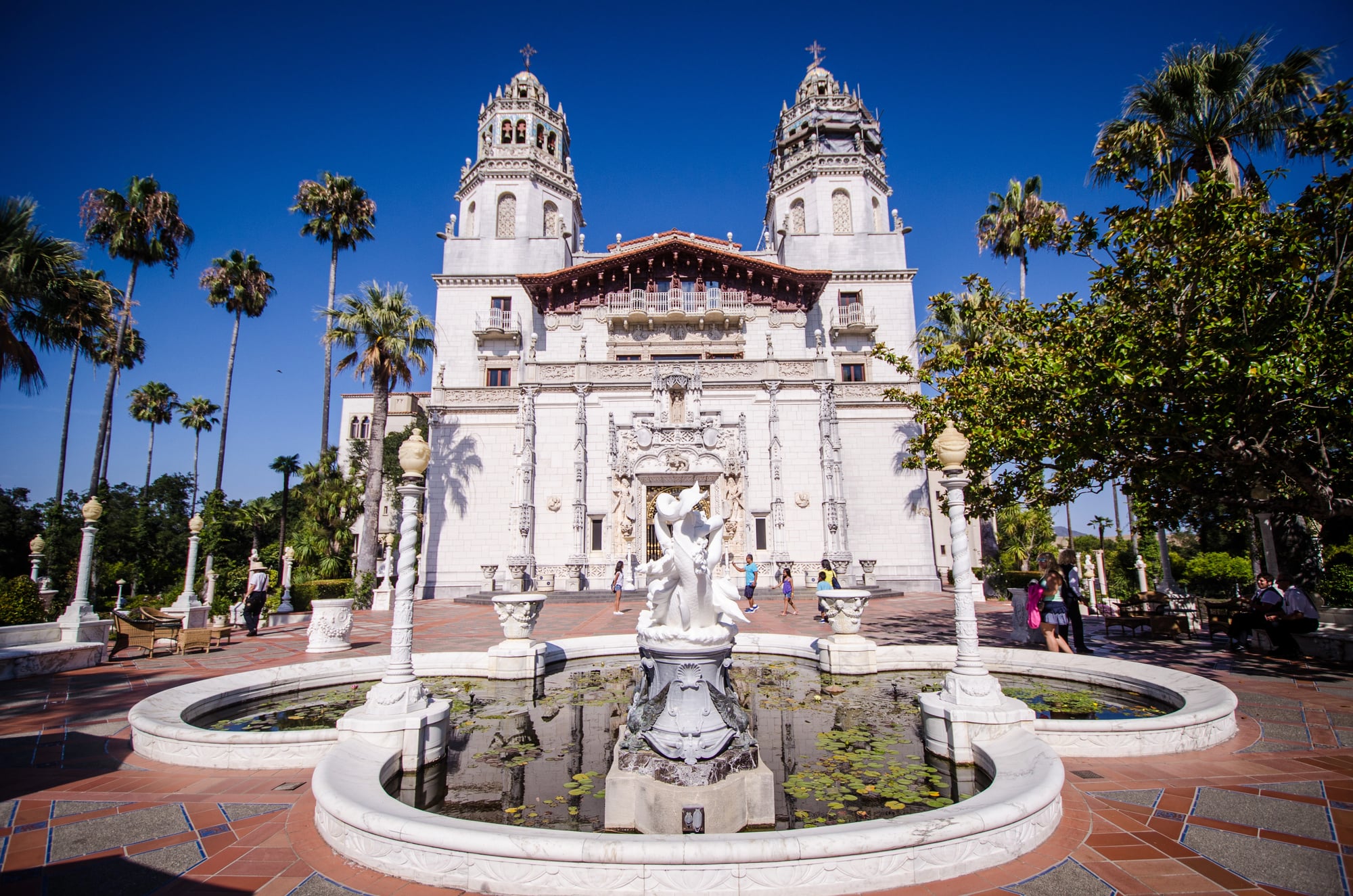
William Randolph Hearst built this grand estate on a hill with views of the ocean. It has more than 100 rooms, outdoor pools, and even a zoo.
Celebrities and important guests used to stay there often. It’s full of expensive art and furniture from around the world.
The mansion shows how big money could buy just about anything in the early 1900s.
Like Go2Tutors’s content? Follow us on MSN.
Graceland (Memphis, Tennessee)
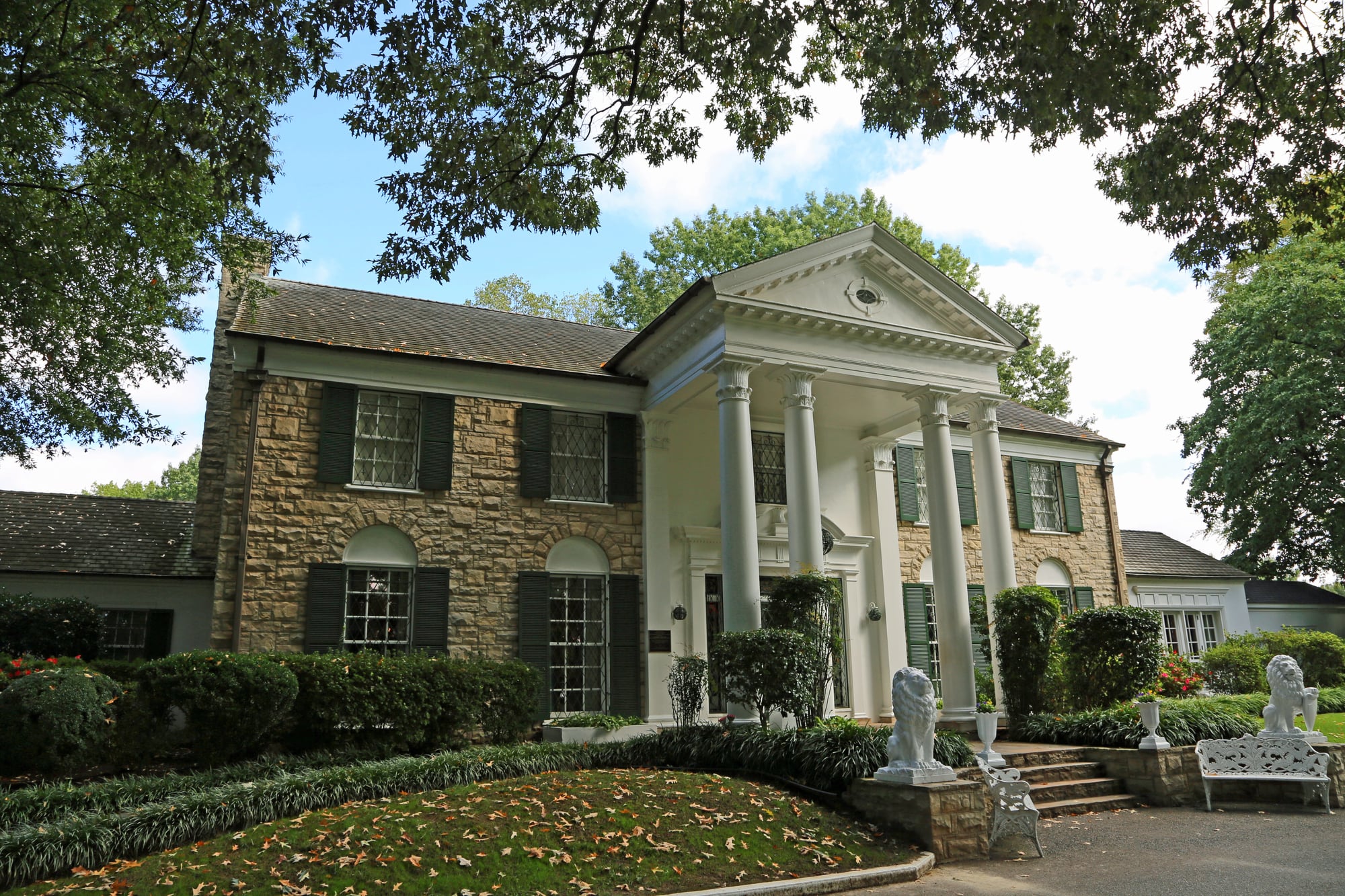
This was Elvis Presley’s home, and it became a place of legend after his death. Fans from all over the world visit Graceland to see where the King of Rock ‘n’ Roll lived.
The house is full of 1970s style, including the famous “Jungle Room.” It’s not fancy like some other mansions, but its charm comes from Elvis himself.
Graceland feels personal in a way that’s hard to forget.
Like Go2Tutors’s content? Follow us on MSN.
Mount Vernon (Mount Vernon, Virginia)
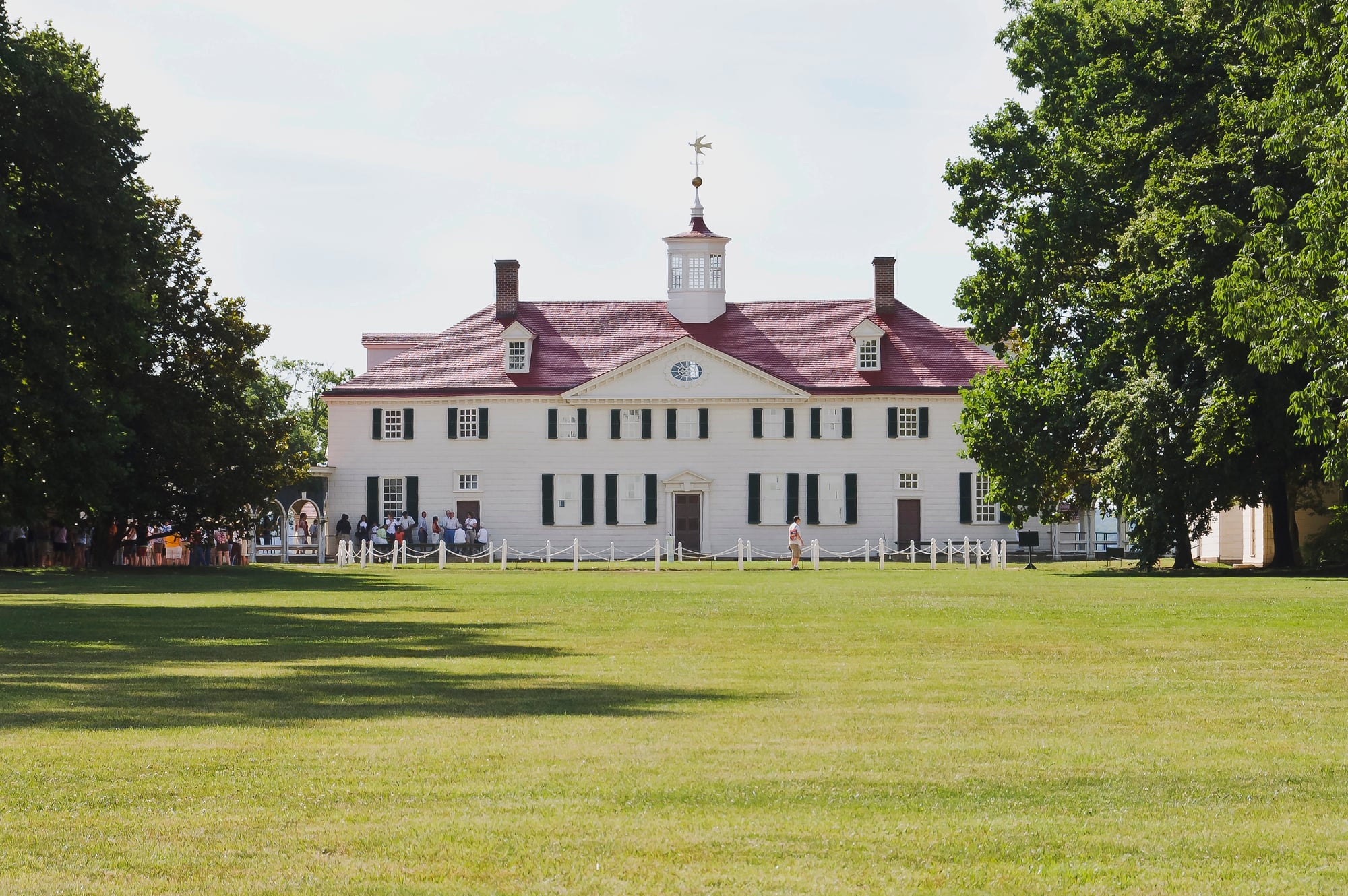
George Washington’s home sits on the banks of the Potomac River. It’s not huge compared to others, but its history makes it priceless.
Washington spent years here before and after becoming the first U.S. president. The mansion and its grounds are kept just like they were in the 1700s.
Visitors today can walk the same paths he once did.
The Breakers (Newport, Rhode Island)
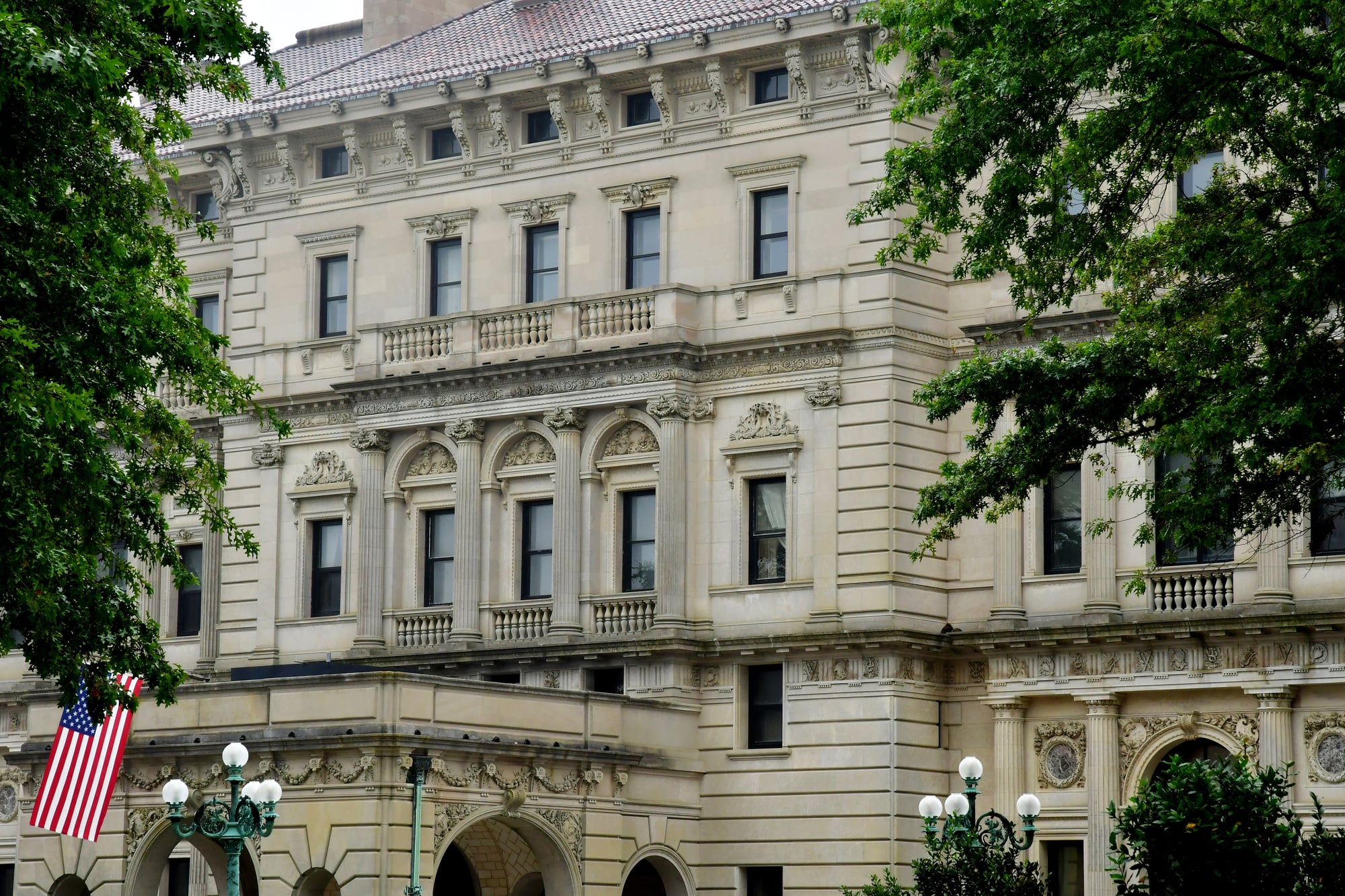
Built by the Vanderbilt family, this summer “cottage” is more like a palace. It was designed to impress, with gold-covered rooms and giant halls.
The mansion sits near the ocean, giving it amazing views. The inside feels like Europe, full of marble and fine art.
It’s a clear sign of how rich families lived during the Gilded Age.
Vizcaya Museum and Gardens (Miami, Florida)
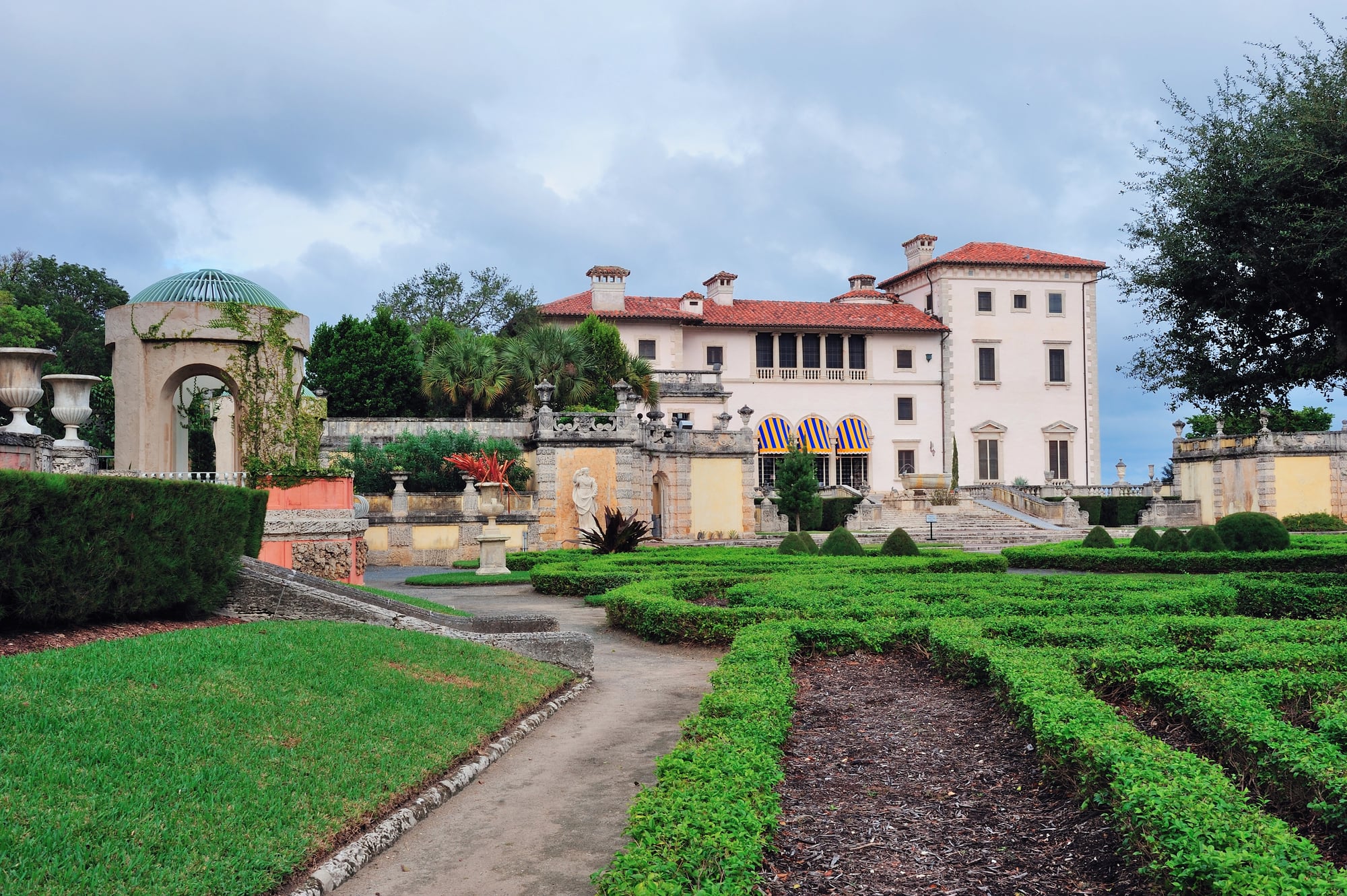
This estate mixes Italian style with tropical Florida views. It was the winter home of James Deering, a rich businessman in the early 1900s.
The house is filled with European antiques and artwork. Outside, the gardens are just as beautiful, with fountains and quiet paths.
It feels like a peaceful escape from the busy city.
Like Go2Tutors’s content? Follow us on MSN.
Meadow Brook Hall (Rochester Hills, Michigan)
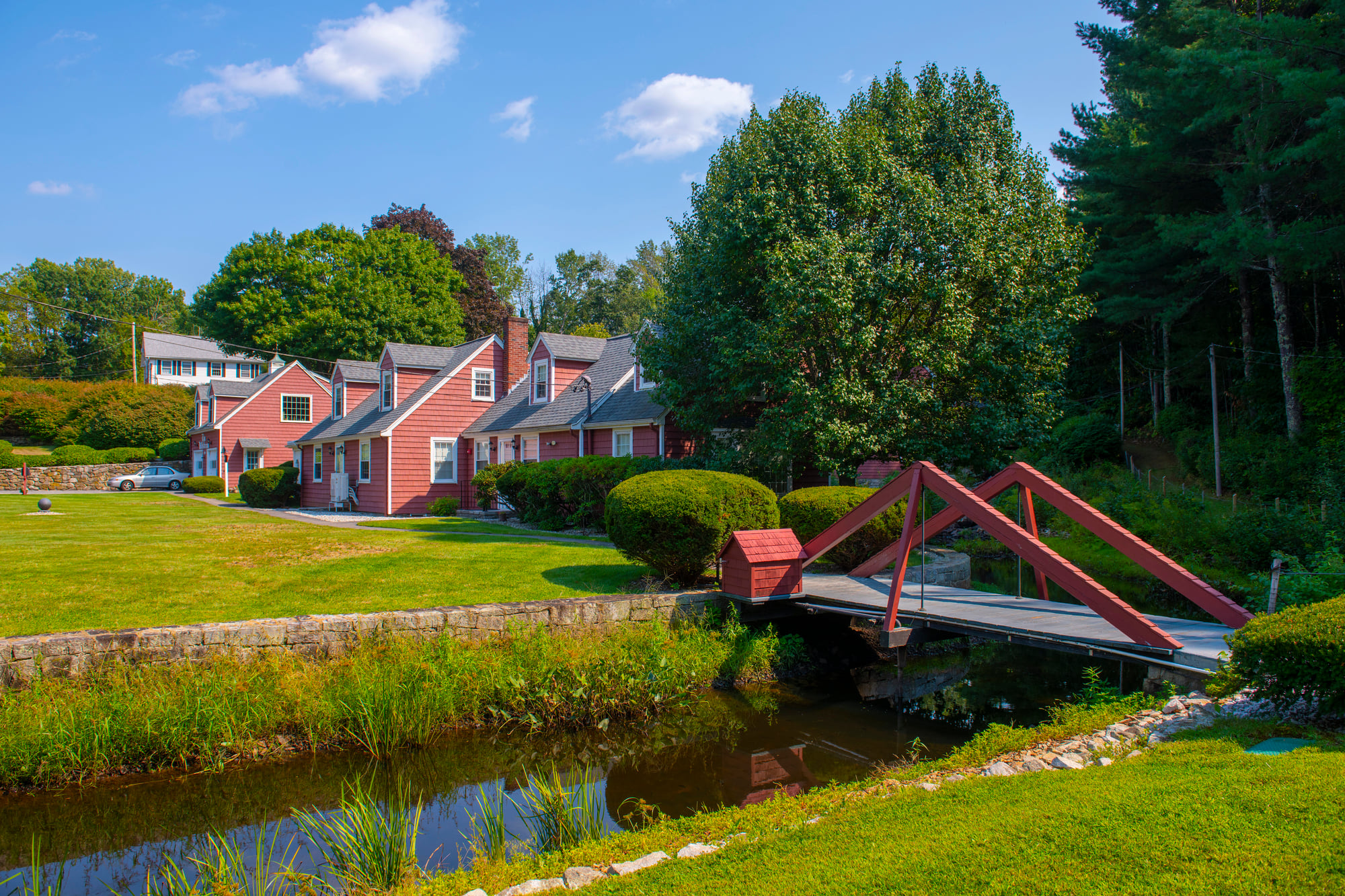
This 1920s mansion was home to Matilda Dodge Wilson, widow of the Dodge automobile co-founder. It has 110 rooms and mixes American style with touches of European design.
Every room is filled with beautiful details, from wood carvings to fine fabrics. The house shows the power of the auto industry during that time.
It’s now open for events and tours.
Oak Alley Plantation (Vacherie, Louisiana)
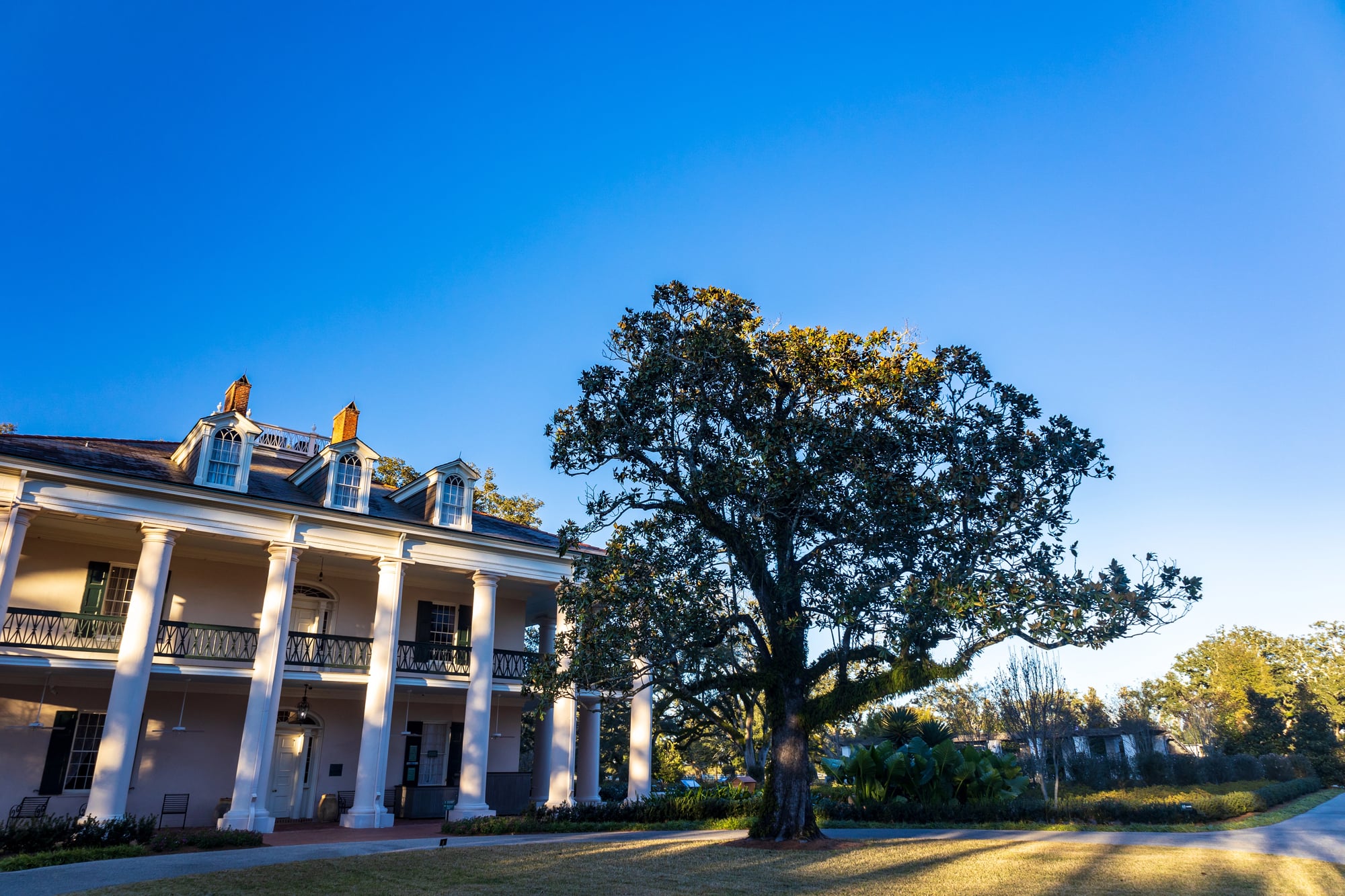
Known for its long path lined with oak trees, this mansion is full of southern charm. The house was built in the 1800s and is often used in movies and TV shows.
Inside, visitors can see how life looked during the plantation era. But the tour also talks about the lives of enslaved people who worked there.
It offers a fuller picture of the past.
Like Go2Tutors’s content? Follow us on MSN.
Winchester Mystery House (San Jose, California)
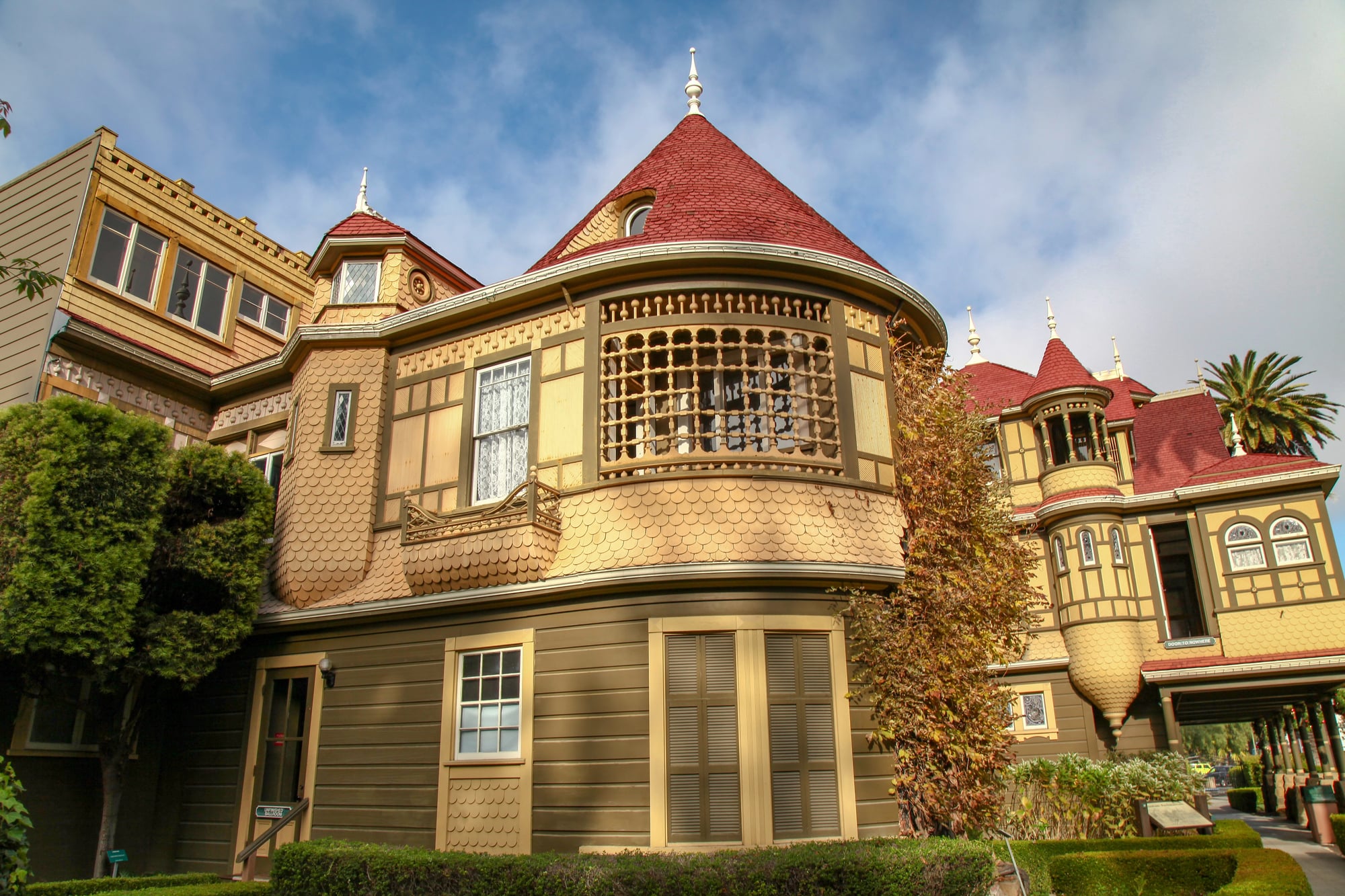
This mansion is famous not for wealth, but for its odd design. Sarah Winchester, heir to a gun company, kept adding rooms and hallways to it nonstop.
Some stairs lead to nowhere, and some doors open into walls. People say she did it to confuse spirits.
Whether true or not, it’s one of the strangest homes ever built.
Lyndhurst Mansion (Tarrytown, New York)
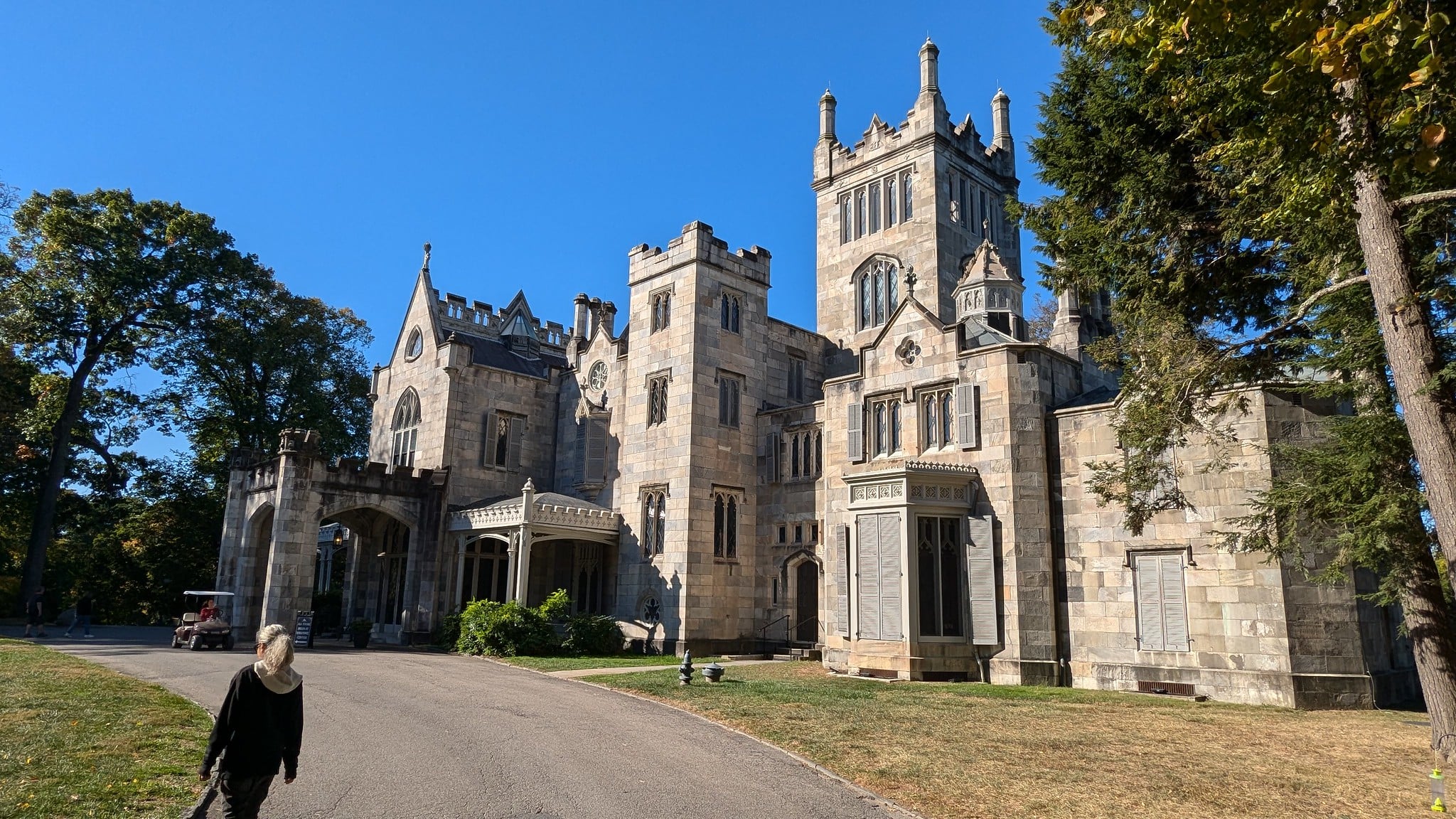
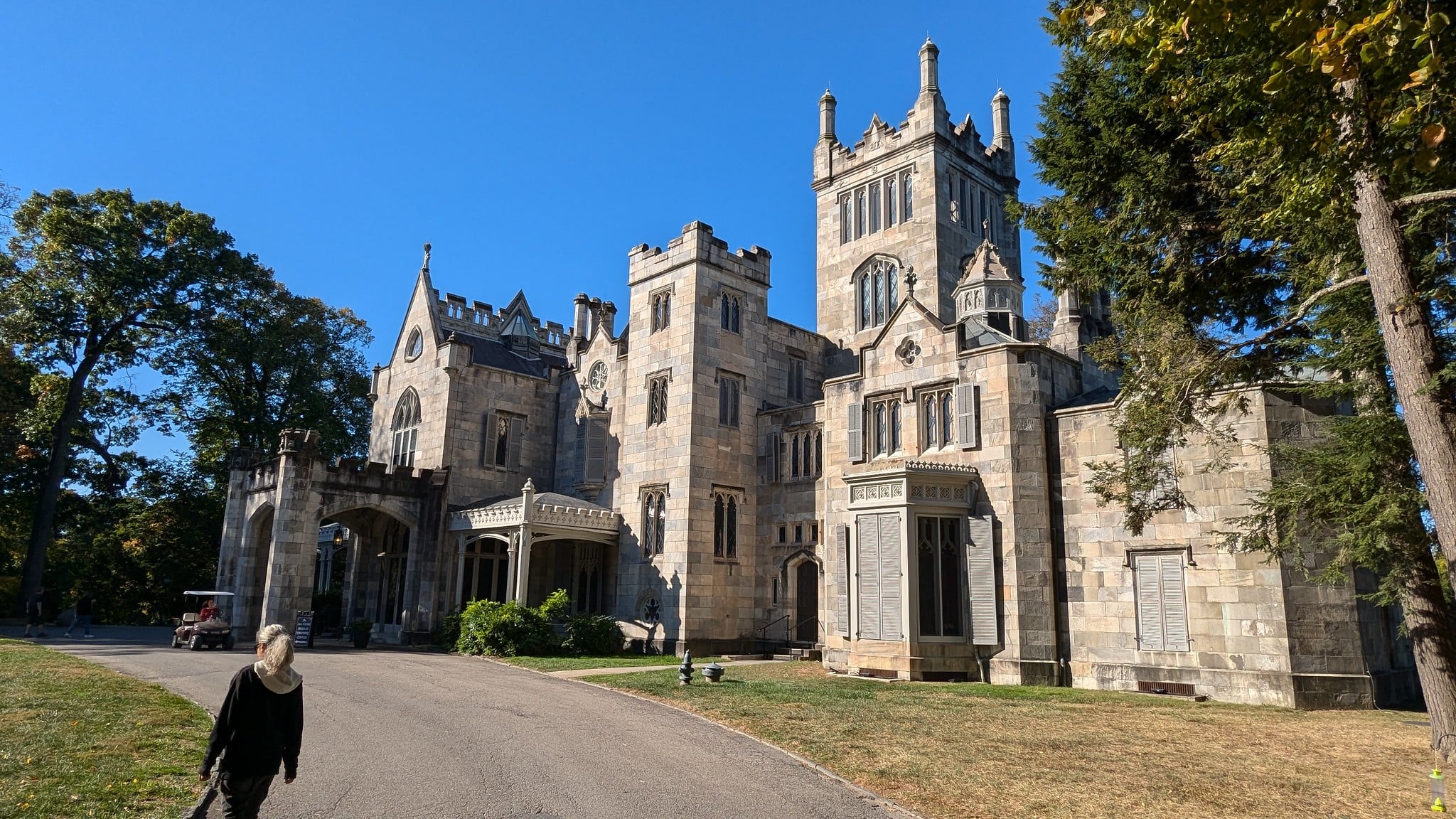
Built in the 1830s, this Gothic-style home looks like something out of an old storybook. It has tall towers, dark wood, and pointed arches.
The mansion sits on a hill with views of the Hudson River. Over the years, rich families owned it, and each left their mark.
Today, it feels like stepping into another time.
Filoli (Woodside, California)

This peaceful estate near San Francisco has both a grand mansion and beautiful gardens. It was built in the early 1900s by a gold mining family.
The home is filled with classic style, and the gardens are carefully kept year-round. Filoli is a place where elegance meets nature.
Many people visit just to walk the grounds and relax.
Like Go2Tutors’s content? Follow us on MSN.
Longwood (Natchez, Mississippi)
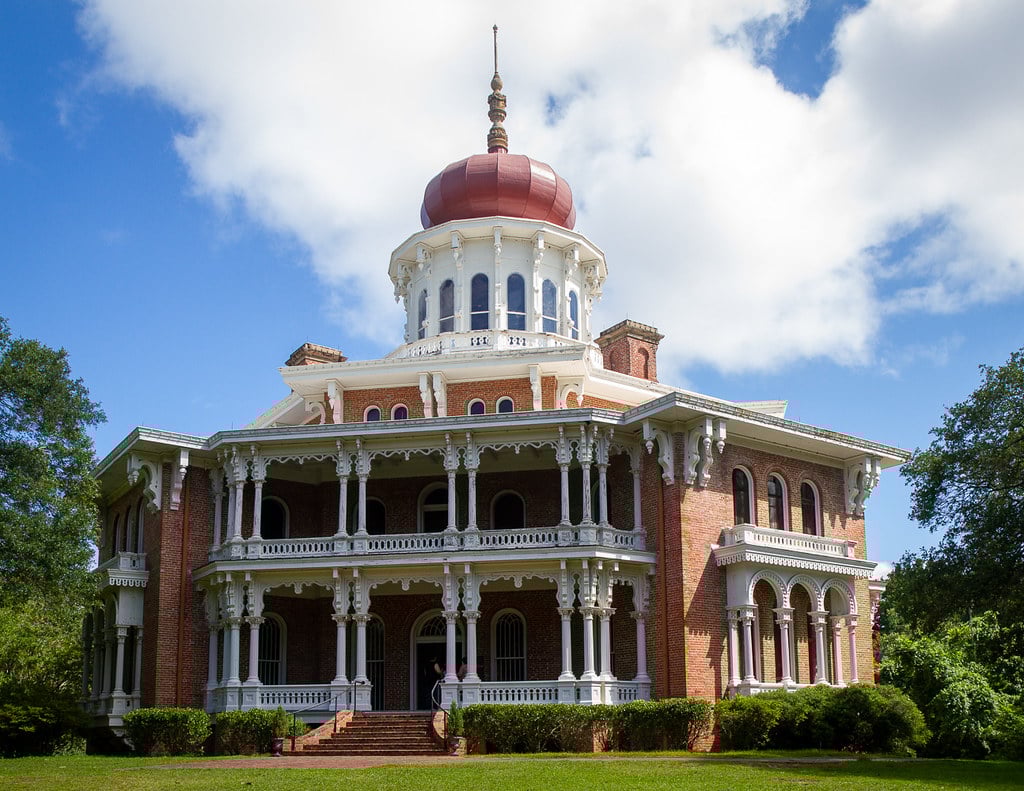
This is the largest octagon-shaped house in the U.S., but it was never finished. Construction stopped during the Civil War, so only the basement was completed.
Even though it’s unfinished, people love visiting it because of its unique shape and history. The empty upper floors show how life changed quickly during war.
Longwood feels like a time capsule frozen in place.
Nemours Estate (Wilmington, Delaware)
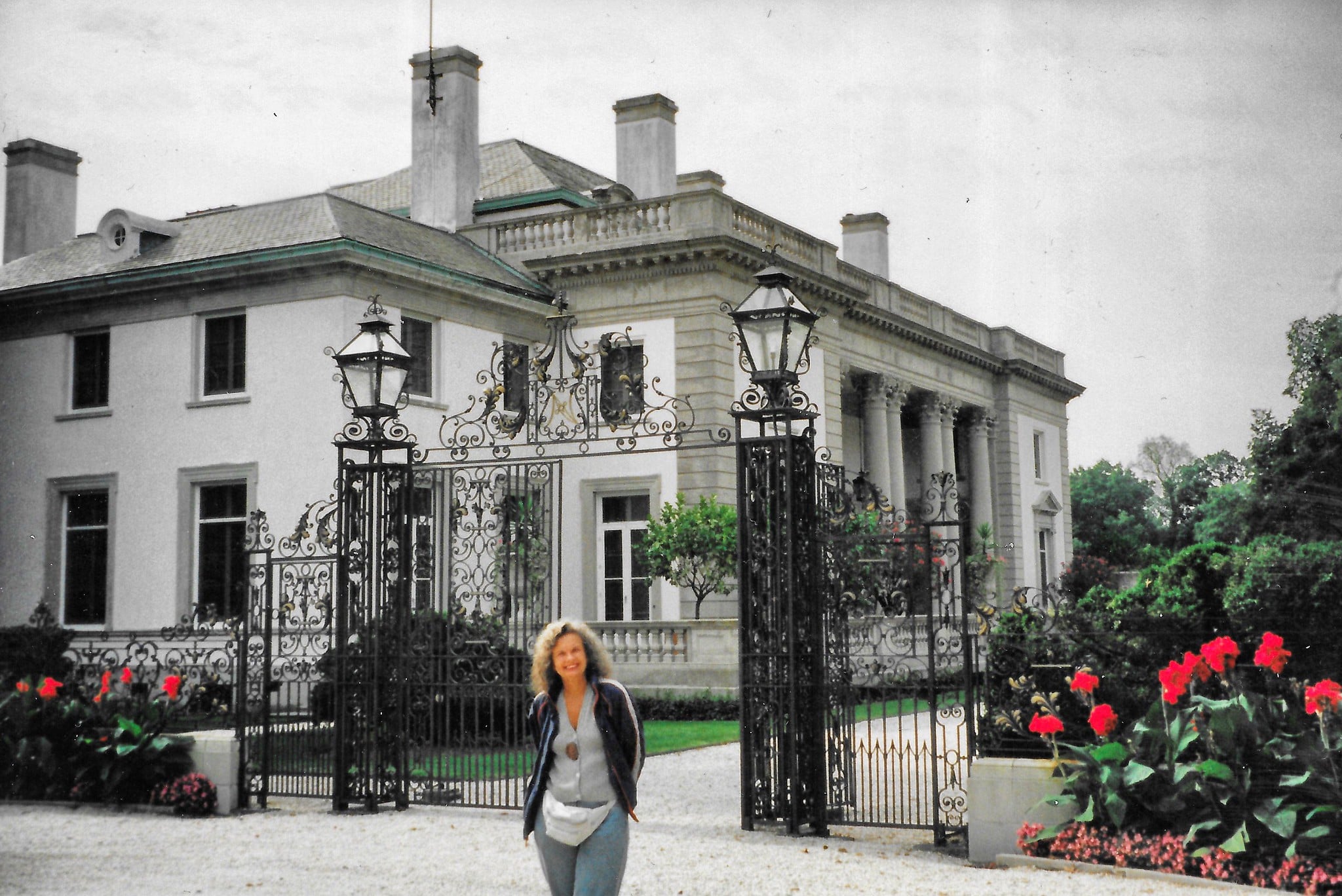
Alfred I. du Pont built this mansion for his second wife, and it looks like a French palace. The house has 77 rooms and is full of expensive furniture and art.
The gardens outside are just as fancy, with fountains, statues, and trimmed hedges. It shows how some families in the U.S. wanted their homes to look like those in Europe.
Everything about it says wealth and romance.
History’s homes still speak today
These mansions aren’t just big buildings with pretty walls. They each hold memories, decisions, and stories that shaped different parts of American life.
Some represent wealth, others power, and a few remind us of the country’s struggles. Walking through them is like walking through time—each one offers a different lesson.
More from Go2Tutors!

- 16 Historical Figures Who Were Nothing Like You Think
- 12 Things Sold in the 80s That Are Now Illegal
- 15 VHS Tapes That Could Be Worth Thousands
- 17 Historical “What Ifs” That Would Have Changed Everything
- 18 TV Shows That Vanished Without a Finale
Like Go2Tutors’s content? Follow us on MSN.