Old Festivals That Shaped Regional Identity
Every region has its own personality, and that character didn’t just appear out of nowhere. It was built over time through shared experiences, traditions, and gatherings that brought people together.
Festivals played a huge role in creating these unique identities, giving communities a chance to celebrate their values, history, and way of life. Let’s look at some of the old festivals that helped define the places we know today.
Mardi Gras in New Orleans
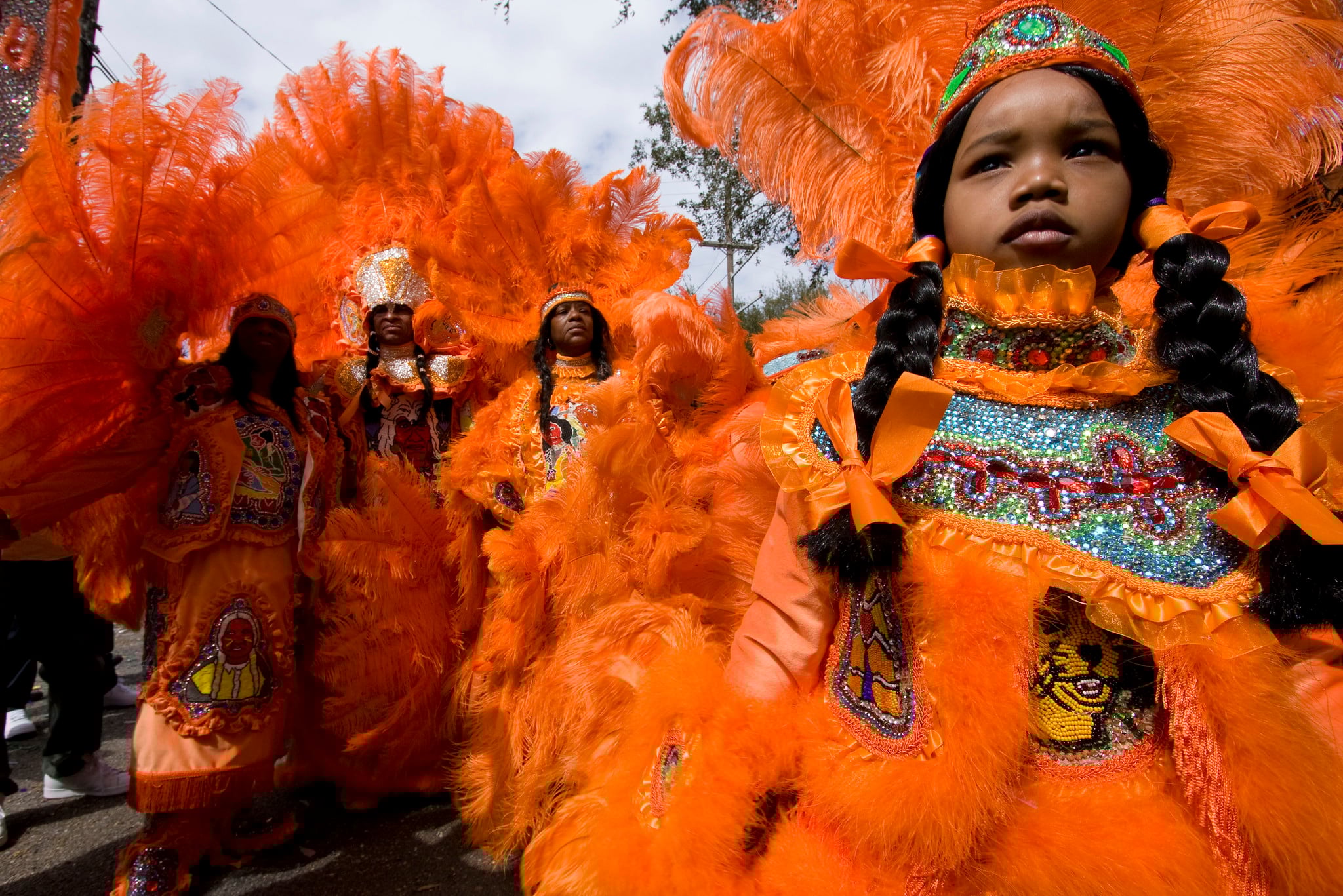
Long before it became a famous tourist attraction, Mardi Gras was how New Orleans showed the world it was different from everywhere else. The festival brought together French, Spanish, African, and Caribbean traditions into something completely new.
Streets filled with parades, music, and people from all walks of life mixing together in ways that weren’t common in other American cities. This celebration of diversity and excess became central to how New Orleans saw itself, and it still defines the city’s spirit of letting loose and embracing life.
Carnival in Rio de Janeiro
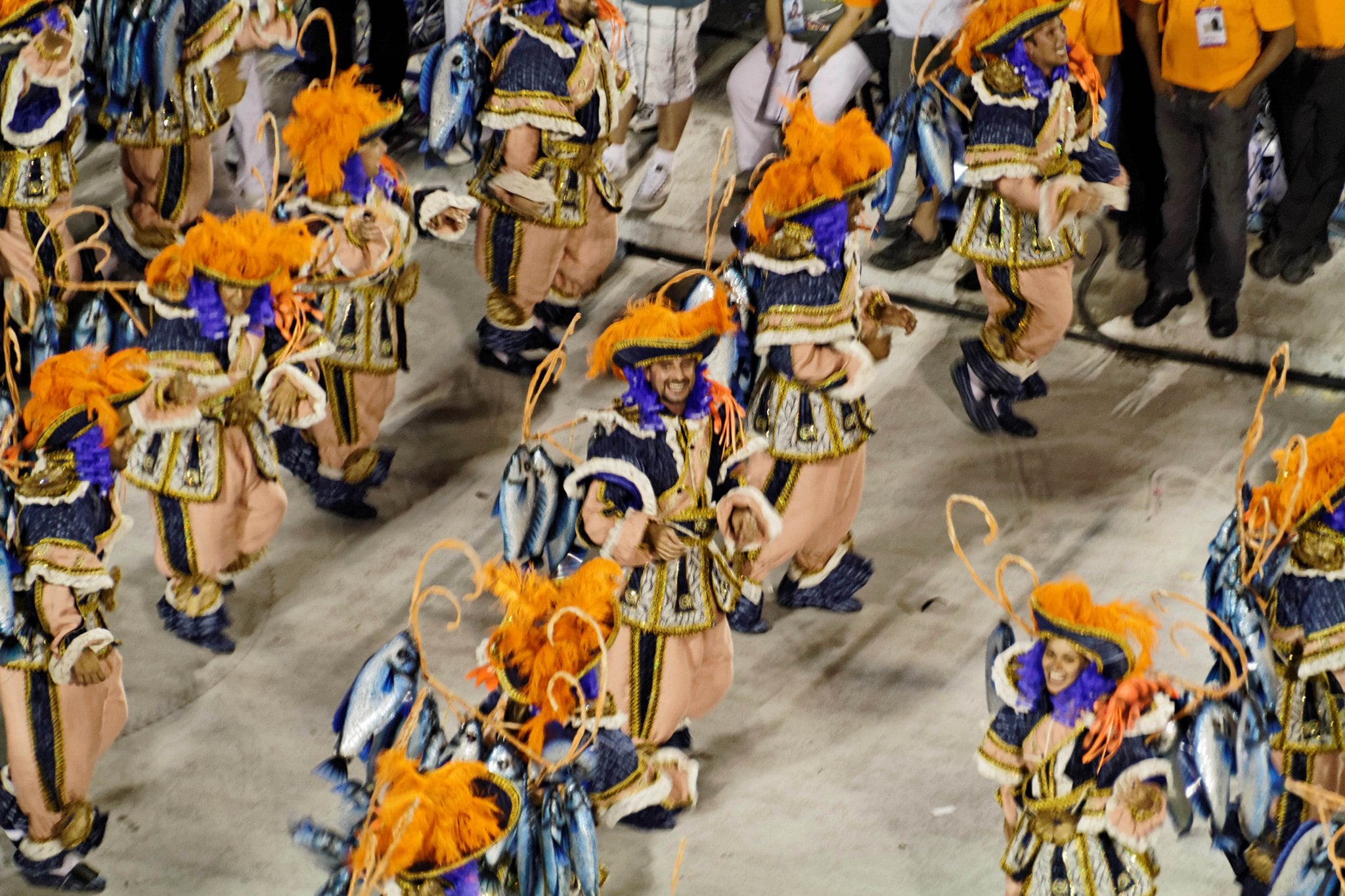
Rio’s Carnival transformed from small street parties into the massive celebration that made Brazil famous worldwide. The festival gave enslaved Africans and their descendants a space to preserve their cultural traditions through music and dance.
Samba schools formed in poor neighborhoods and became sources of pride and identity for communities that society often ignored. Carnival showed that Brazil’s real culture came from its Black and mixed-race population, not just its European colonizers, and that shift in perspective changed how Brazilians understood themselves.
Oktoberfest in Bavaria
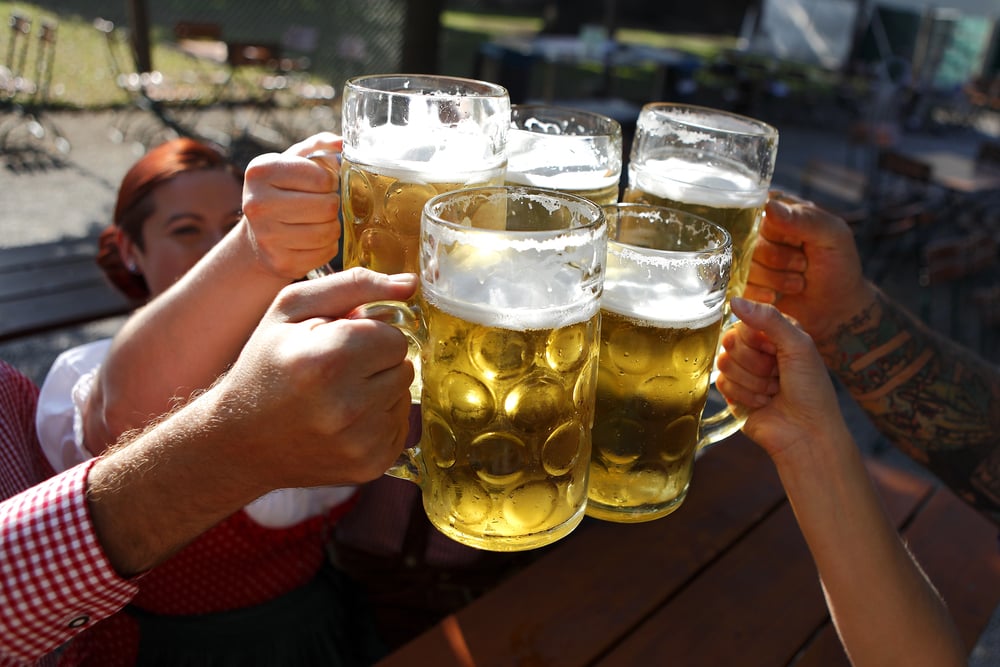
What started as a royal wedding celebration in 1810 became the event that defined Bavarian culture for the rest of the world. Oktoberfest turned beer brewing from a simple trade into an art form that Bavarians took serious pride in.
The festival brought together farming communities, city dwellers, and eventually people from across Germany to celebrate shared traditions. It gave Bavaria a distinct identity within Germany, one that was more relaxed and fun-loving than the stereotype of Germans being too serious and rigid.
Dia de los Muertos in Mexico
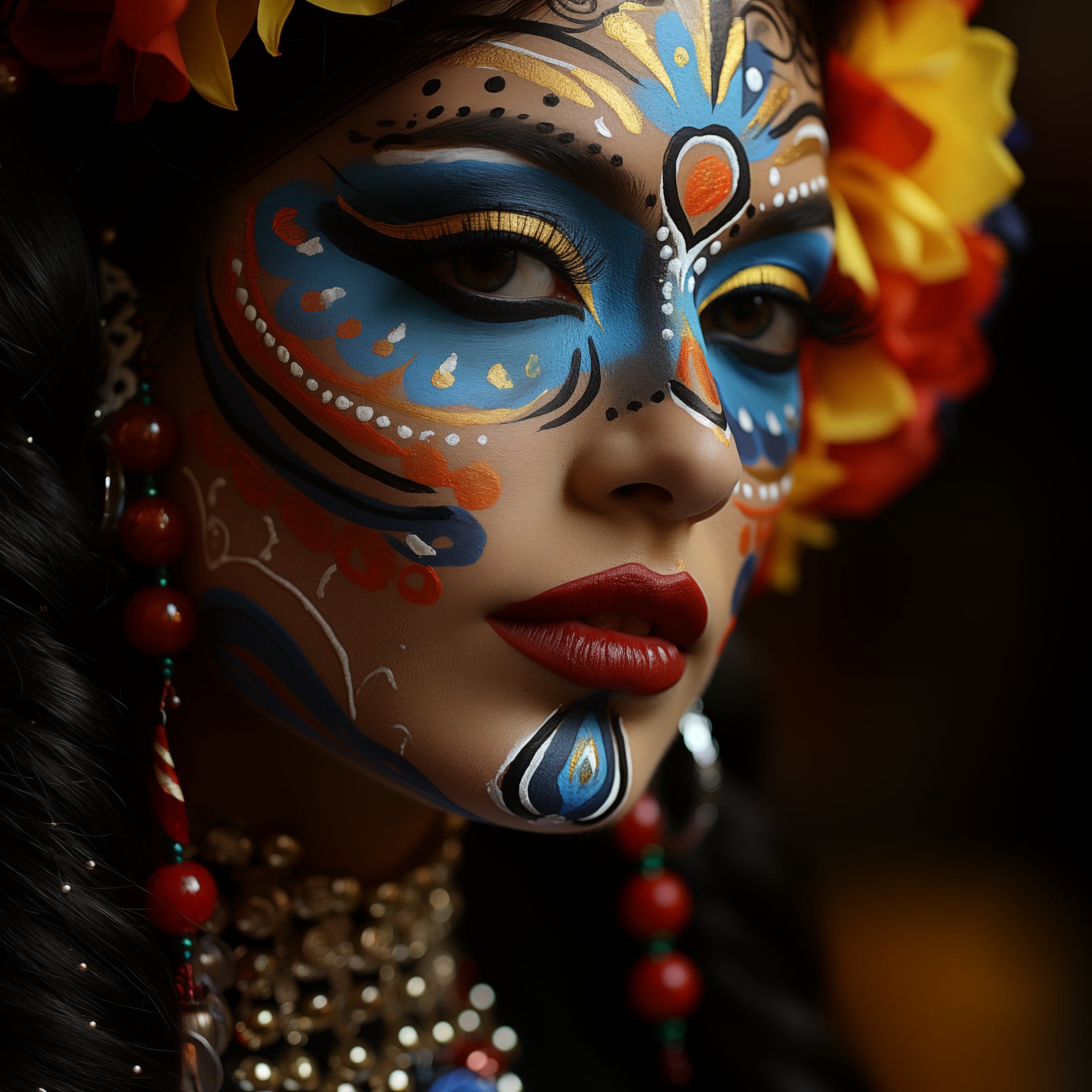
This ancient festival blended indigenous Aztec traditions with Catholic beliefs to create something uniquely Mexican. Dia de los Muertos taught Mexicans to face death with humor and celebration rather than fear and sadness.
Families built altars, shared meals, and told stories that kept their ancestors alive in memory. The festival reinforced the idea that Mexican culture was a mixture of old and new, indigenous and Spanish, and that this combination made it stronger rather than weaker.
Chinese New Year across Asia
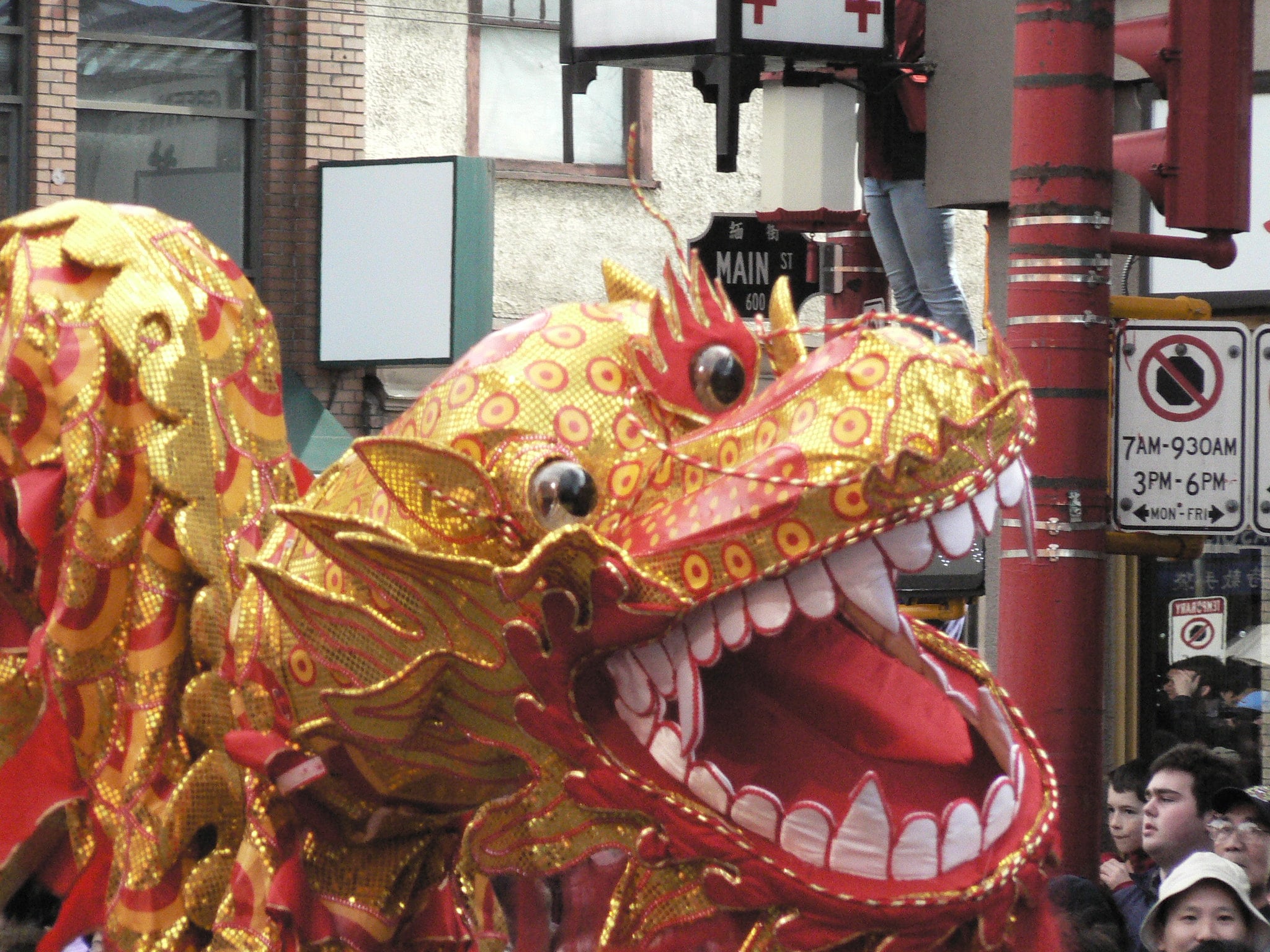
Chinese New Year spread far beyond China’s borders and helped Chinese immigrant communities maintain their identity in foreign lands. The festival gave families a reason to gather, follow old customs, and pass traditions to younger generations who were growing up in different cultures.
Lion dances, red envelopes, and special foods became ways for Chinese communities to mark their presence and show pride in their heritage. In places like San Francisco, Singapore, and Vancouver, Chinese New Year celebrations helped shape the multicultural identity of entire cities.
Holi in Northern India

Holi’s explosion of colors and breaking down of social barriers reflected the values of communities across northern India. The festival let people temporarily forget about caste, class, and status, which were usually rigidly enforced.
This one day of equality and joy showed that people dreamed of a more open society even when they couldn’t achieve it year-round. Holi became a symbol of hope and possibility that shaped how northern Indians thought about community and fairness.
Burning Man in Nevada
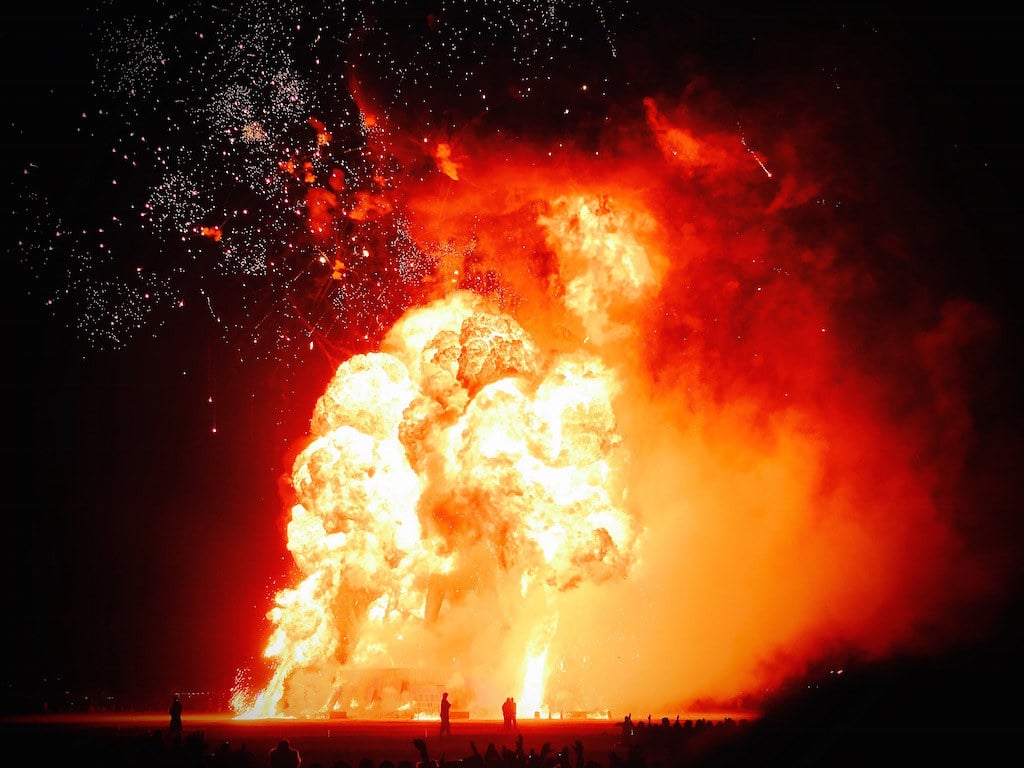
This modern festival created a temporary city in the desert that rejected capitalism and embraced radical self-expression. Burning Man gave artists, dreamers, and outsiders a place where their weird ideas were welcomed instead of dismissed.
The festival’s principles of gifting, community, and leaving no trace shaped the identity of Silicon Valley and influenced tech culture’s ideals of innovation and disruption. What started as a small gathering on a San Francisco beach became a defining event for people who wanted to imagine new ways of living.
Crop Over in Barbados
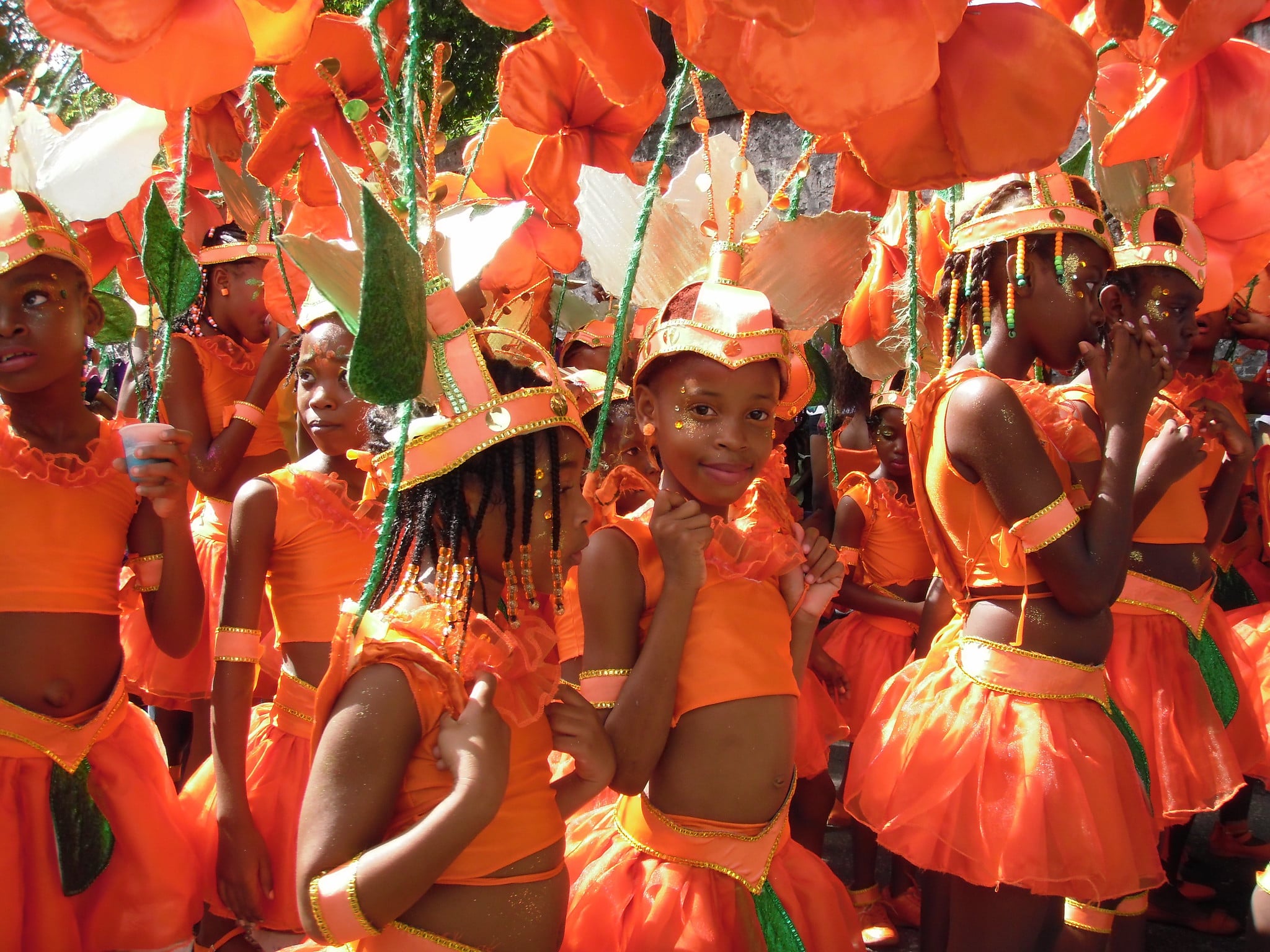
This harvest festival kept alive the memory of slavery while celebrating freedom and resilience. Crop Over started during colonial times when enslaved people marked the end of the sugar cane harvest with music and dance.
After slavery ended, Barbadians revived the festival as a way to honor their ancestors and celebrate their survival. The event became central to Barbadian identity, showing that the island’s culture came from strength in the face of hardship rather than just beaches and tourism.
Up Helly Aa in Shetland Islands
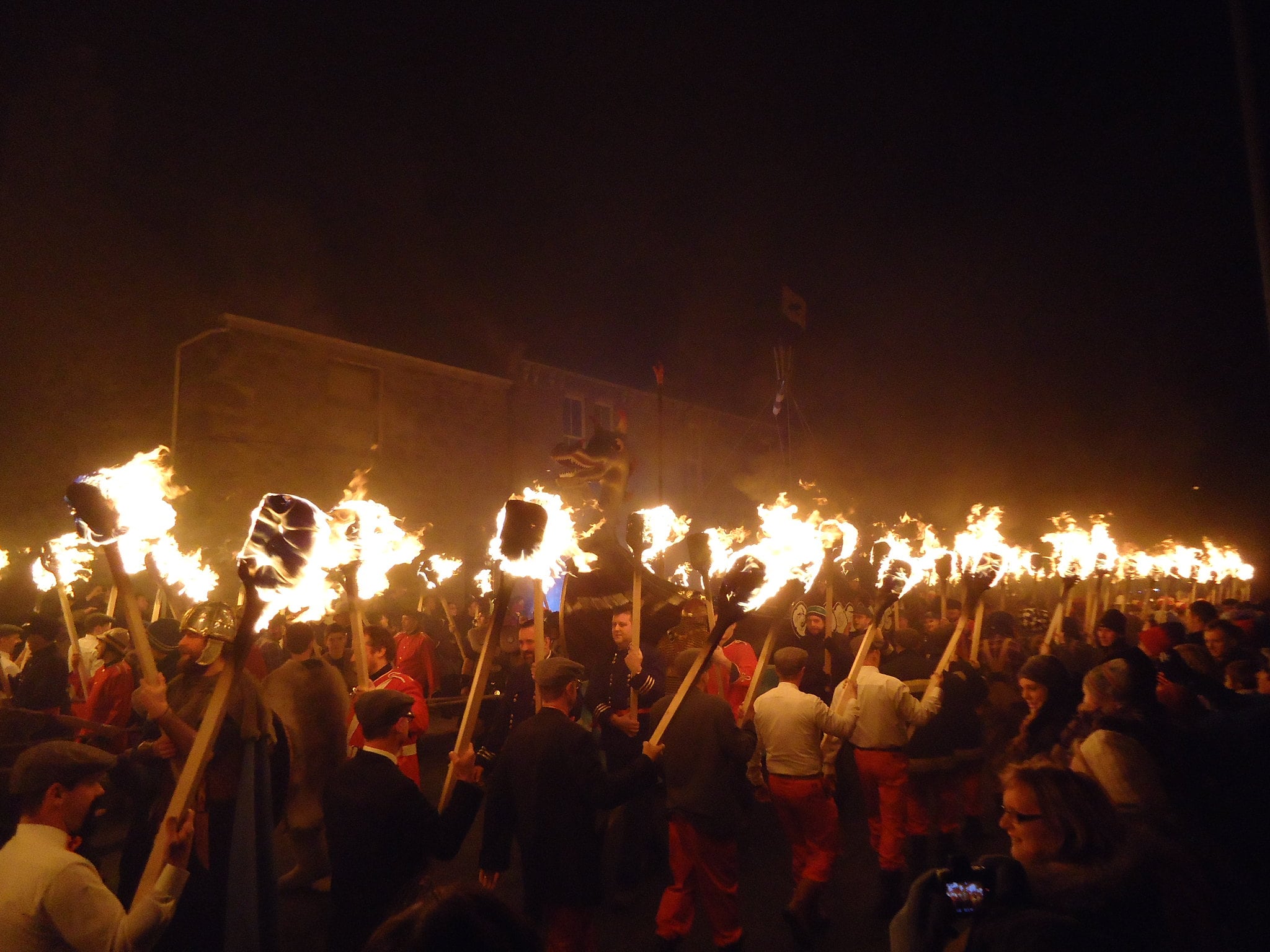
This Viking fire festival in Scotland’s remote islands celebrated Norse heritage that most of Britain had forgotten. Up Helly Aa involved building a replica Viking ship and burning it in a spectacular nighttime ceremony.
The festival gave Shetlanders a way to assert their unique history and resist being lumped in with mainland Scotland. It reminded everyone that these islands had been Norwegian territory longer than they’d been Scottish, and that distinct past deserved recognition.
Notting Hill Carnival in London
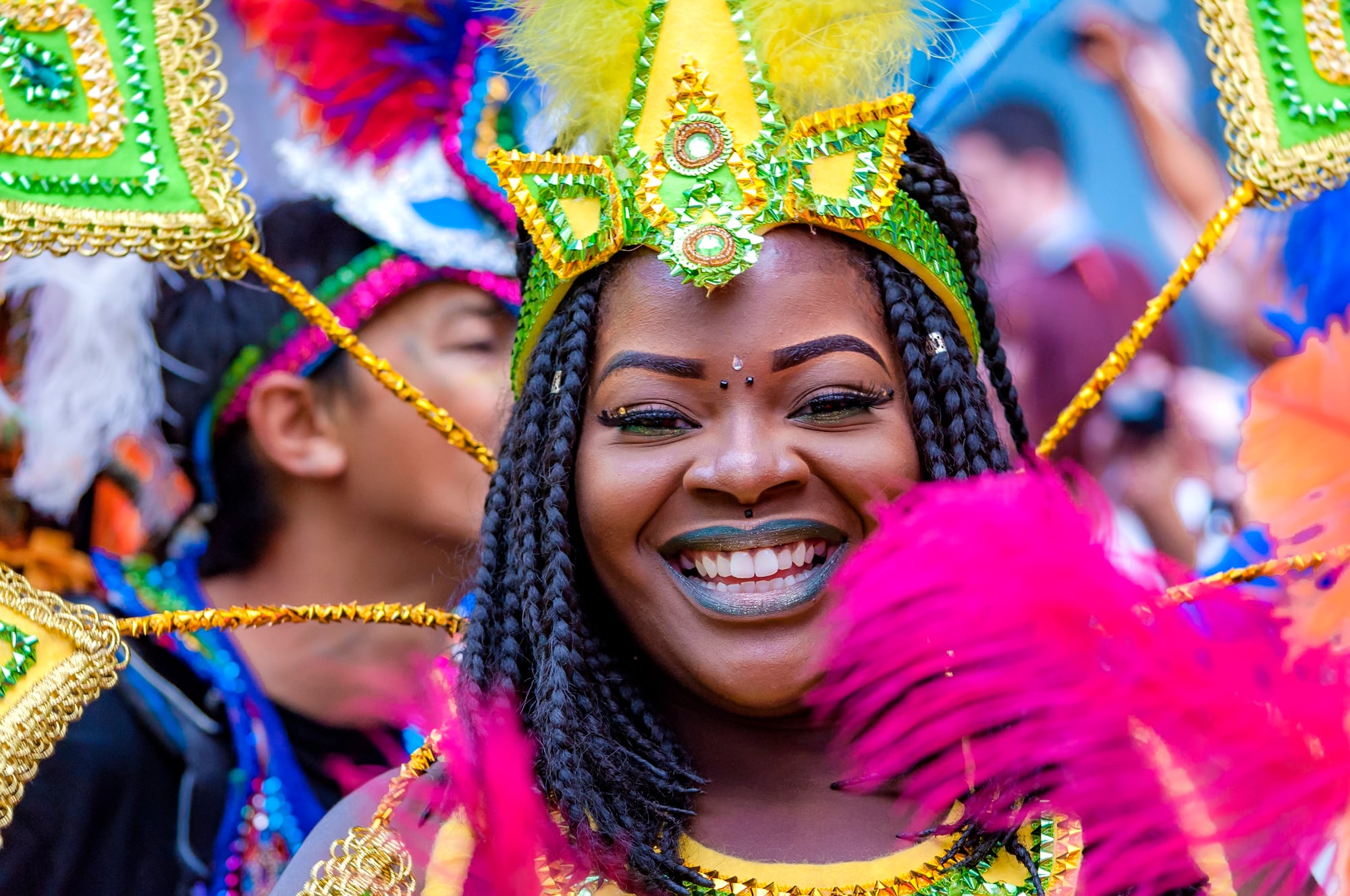
Caribbean immigrants created this festival in the 1960s to fight back against racism and celebrate their culture in a city that often rejected them. Notting Hill Carnival filled London streets with steel drums, jerk chicken, and bright costumes that couldn’t be ignored.
The event forced Londoners to acknowledge that Britain was becoming a multicultural society whether they liked it or not. Over time, the carnival became a symbol of London’s diversity and helped reshape British identity to include people of all backgrounds.
Fastnacht in Switzerland and Germany
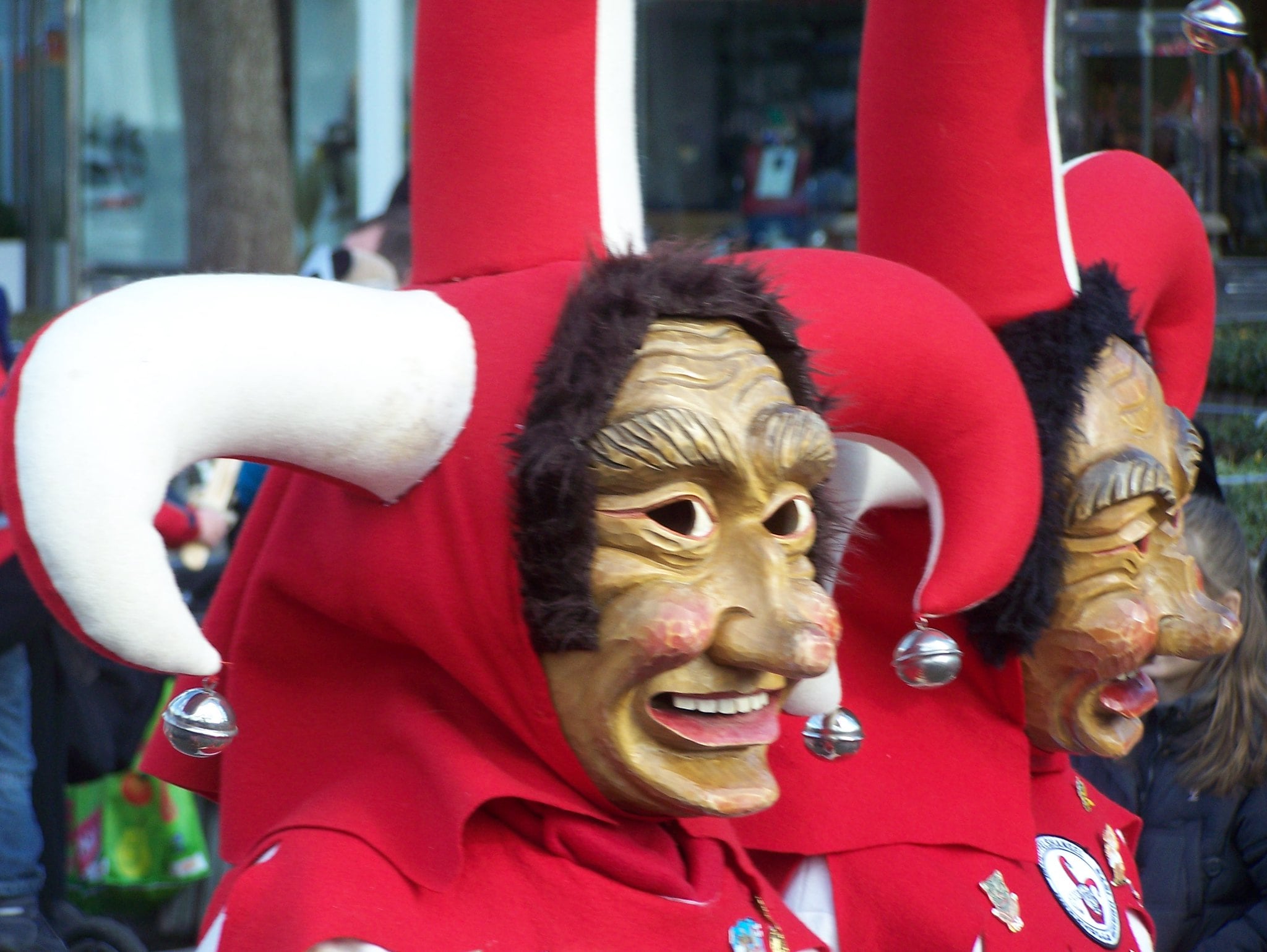
This pre-Lenten festival lets people mock authority figures and break social rules before the serious season of Lent begins. Communities created elaborate costumes and performed satirical skits that criticized politicians, church leaders, and wealthy citizens.
Fastnacht gave ordinary people a sanctioned outlet for frustration with those in power. The festival reinforced the idea that Swiss and German communities valued free expression and weren’t afraid to laugh at their leaders.
Inti Raymi in Cusco
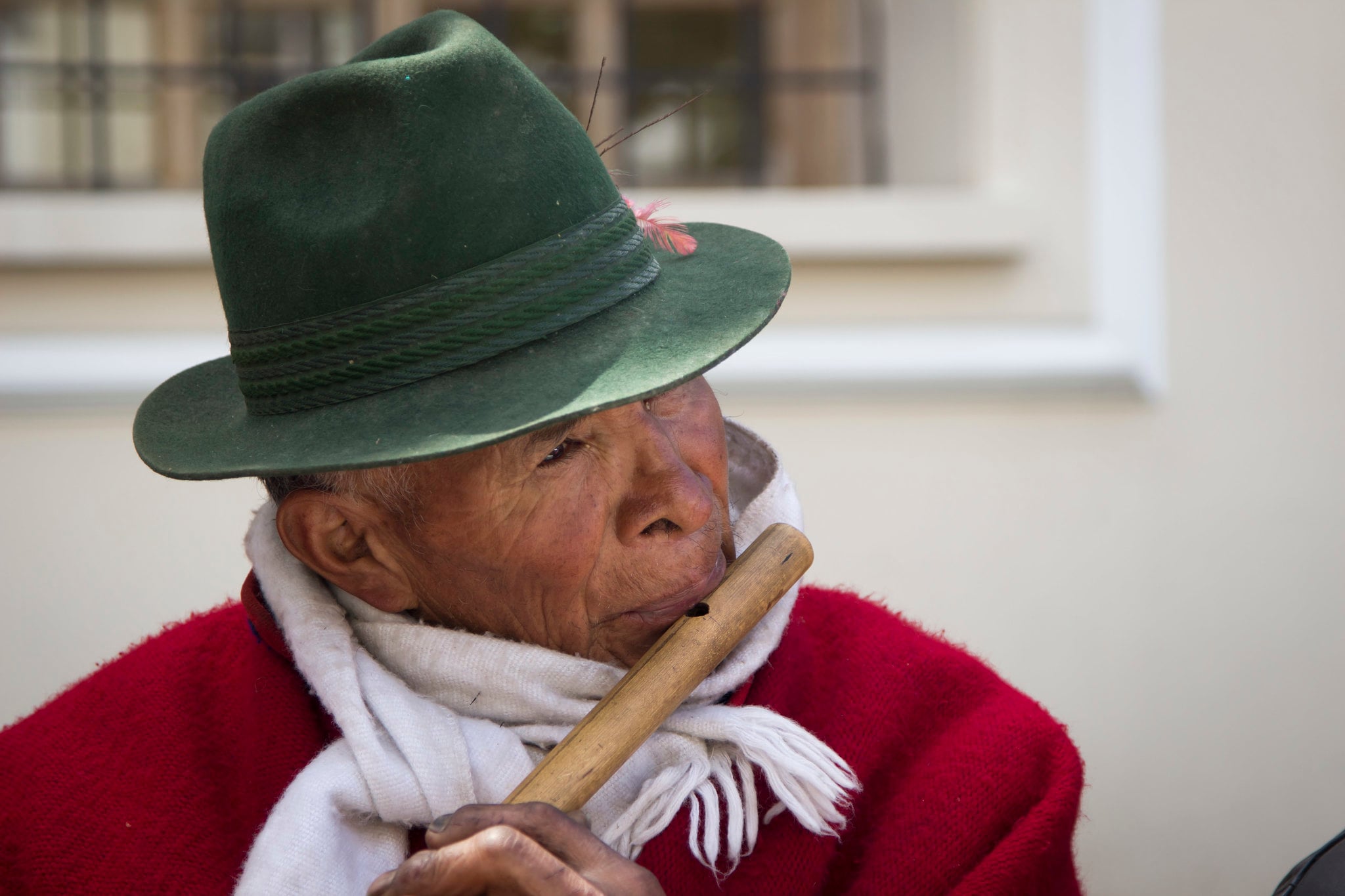
This Incan sun festival was banned by Spanish colonizers but survived in secret and eventually returned as a public celebration. Inti Raymi became a powerful statement of indigenous pride in Peru and a rejection of centuries of cultural suppression.
The festival attracted thousands of people to Cusco each year and made the city’s Incan heritage impossible to ignore. It helped shift Peru’s national identity to embrace indigenous roots instead of trying to erase them.
Thanksgiving in New England

This harvest festival created a shared founding myth for American colonists and later the entire United States. Thanksgiving emphasized cooperation, gratitude, and plenty in ways that shaped American self-image.
The festival spread from New England to become a national holiday that reinforced ideas about American generosity and abundance. Over time, it became one of the few holidays that almost all Americans celebrated regardless of religion or background, helping create a sense of national unity.
Songkran in Thailand
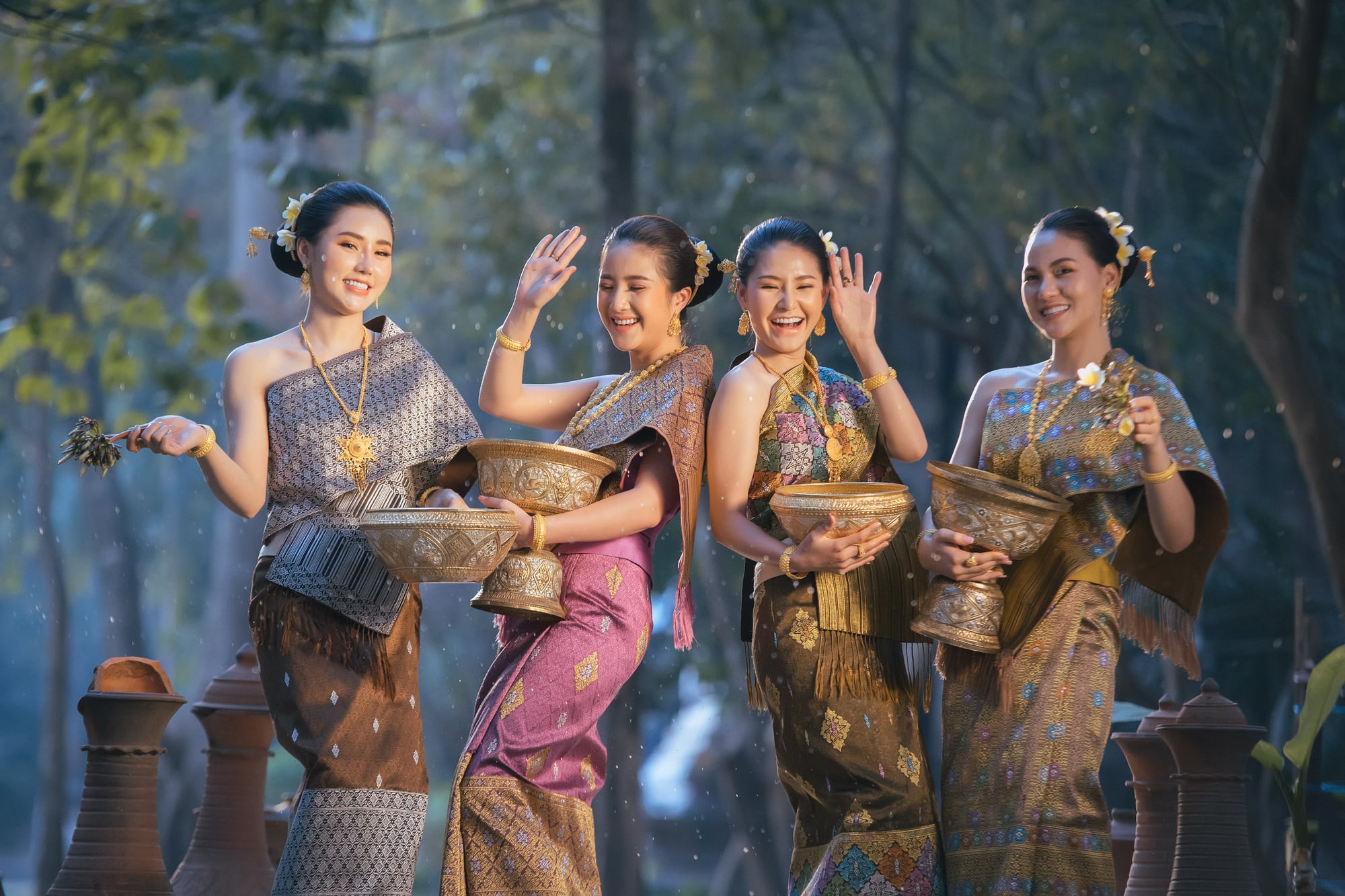
This water festival marked the Thai New Year and celebrated the country’s Buddhist values of cleansing and renewal. Songkran brought entire communities into the streets for good-natured water fights that broke down barriers between strangers.
The festival showed that Thai culture valued playfulness and community connection as much as it valued respect for tradition. It became one of the most recognizable symbols of Thai identity and attracted visitors from around the world who wanted to experience that joyful spirit.
Junkanoo in the Bahamas
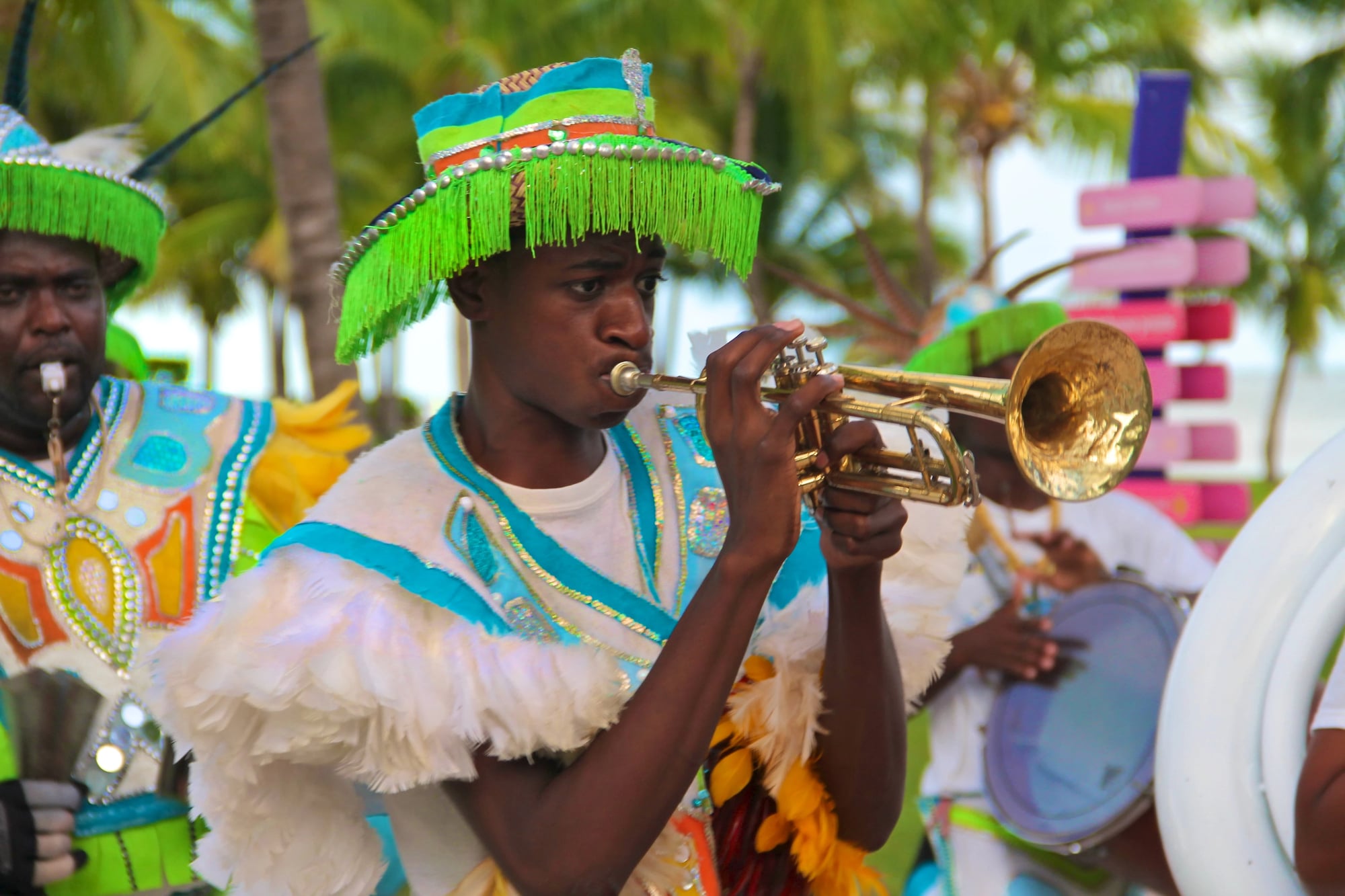
This festival emerged from the brief holiday enslaved people received around Christmas and became the Bahamas’ most important cultural event. Junkanoo featured elaborate costumes, goatskin drums, and brass instruments in parades that lasted through the night.
The festival preserved African traditions that slavery had tried to destroy and showed that Bahamian culture was rooted in resilience and creativity. It gave the islands a distinct identity separate from both American and British Caribbean culture.
Running of the Bulls in Pamplona

This risky custom shaped how foreigners and residents viewed Pamplona along with the Basque area. Devotion to San Fermin mixed with daring behavior thought to reflect male identity in Spain.
Crowds sprinted down tight alleys before stampeding bulls—proving fearlessness in a way some saw as exciting, others just crazy. It thrust Pamplona into the global spotlight while building up an idea of Spain as bold and full-throttle.
Festivals That Built Identity

Those ancient festivities weren’t just about fun for a short stretch every year. Instead, they built common experiences, kept fading customs from vanishing, and offered towns a voice—showing who they are and what matters most.
A handful shifted slowly, adjusting to fresh situations yet holding tight to their main goal. The celebrations still around today prove local culture isn’t stuck—it’s reshaped again and again by the rites folks decide to keep going.
More from Go2Tutors!

- The Romanov Crown Jewels and Their Tragic Fate
- 13 Historical Mysteries That Science Still Can’t Solve
- Famous Hoaxes That Fooled the World for Years
- 15 Child Stars with Tragic Adult Lives
- 16 Famous Jewelry Pieces in History
Like Go2Tutors’s content? Follow us on MSN.



