15 Optical Illusions That Fooled Entire Populations
Optical illusions aren’t just parlor tricks or fun images from childhood books. Some of them have changed the way people saw the world—literally—and in some cases, influenced public opinion, sparked debate, or even shaped history.
These illusions weren’t just about lines or colors; they reached large groups of people, caused confusion, and sometimes led to wild conclusions. Here’s a list of 15 optical illusions that managed to fool entire populations—sometimes for years.
The Dress

In 2015, a photo of a dress went viral for a surprisingly polarizing reason—some saw it as white and gold, others as blue and black. The argument wasn’t just internet chatter; scientists and psychologists weighed in to explain the phenomenon.
It all came down to how people’s brains interpreted lighting and context.
The Moon Illusion
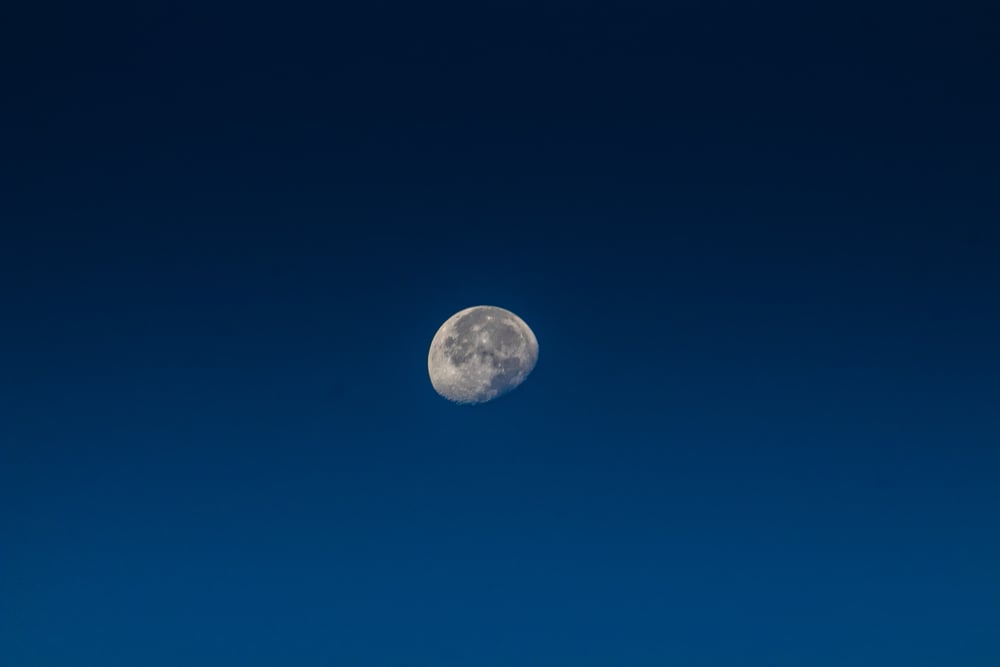
The moon appears much larger when it is close to the horizon than when it is high in the sky. It’s really a trick of perspective, but thousands of people have thought it’s physically closer or larger.
The moon appears enormous to the brain because it is compared to horizon-based items like trees or buildings.
The Ames Room

Entire museum tours have been thrown off by this mind-bender. The Ames Room is specially built so people look like they grow or shrink as they walk across the space.
The room appears normal, but it’s actually shaped like a trapezoid, with slanted walls and a distorted floor.
Fata Morgana

Sailors, desert travelers, and even modern-day drivers have fallen for this mirage. Fata Morgana makes distant objects—like ships or coastlines—appear to float, stretch, or stack in impossible ways.
It’s a natural distortion caused by layers of warm and cool air bending light.
The Rotating Snakes
At first glance, the image looks like it’s gently spinning. But it’s completely still.
This illusion works by tricking your brain with contrasting colors and pattern changes, making your eyes do all the movement for you.
The Leaning Tower Illusion
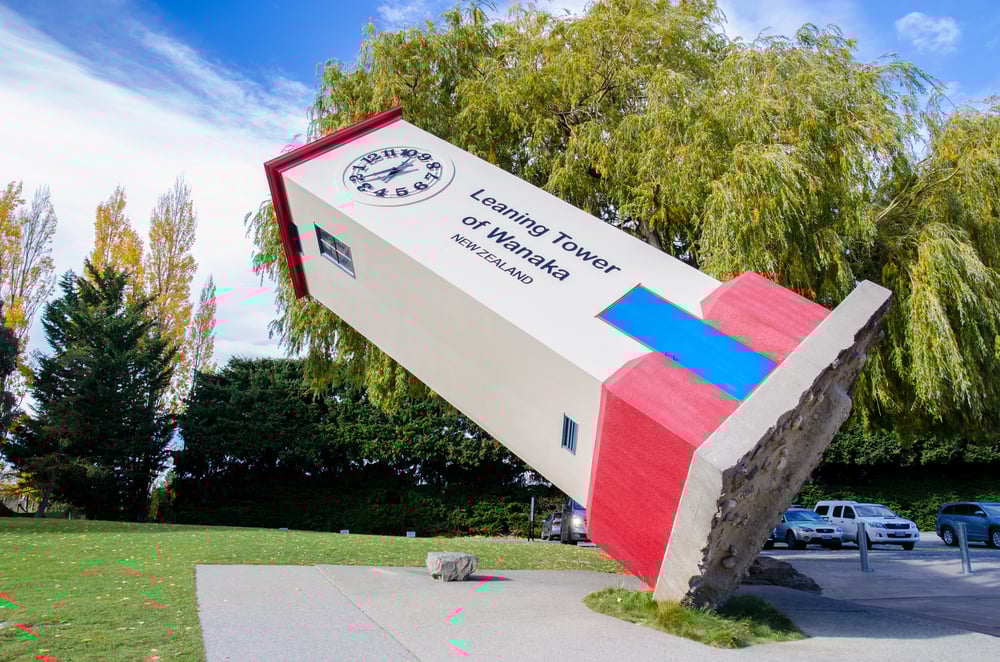
Two side-by-side images of the Leaning Tower of Pisa look like they’re tilting at different angles. In reality, they’re identical.
The illusion happens because your brain expects objects in 3D space to converge, so it interprets the towers as leaning away from each other.
Mirage Cities Over Lakes

Residents near Lake Michigan and China’s Poyang Lake have reported seeing entire cities floating above the water. These ghostly skylines aren’t fantasy—they’re caused by temperature inversions that bend light across the lake.
The effect is so convincing that people once thought they were seeing visions or signs.
The Checker Shadow
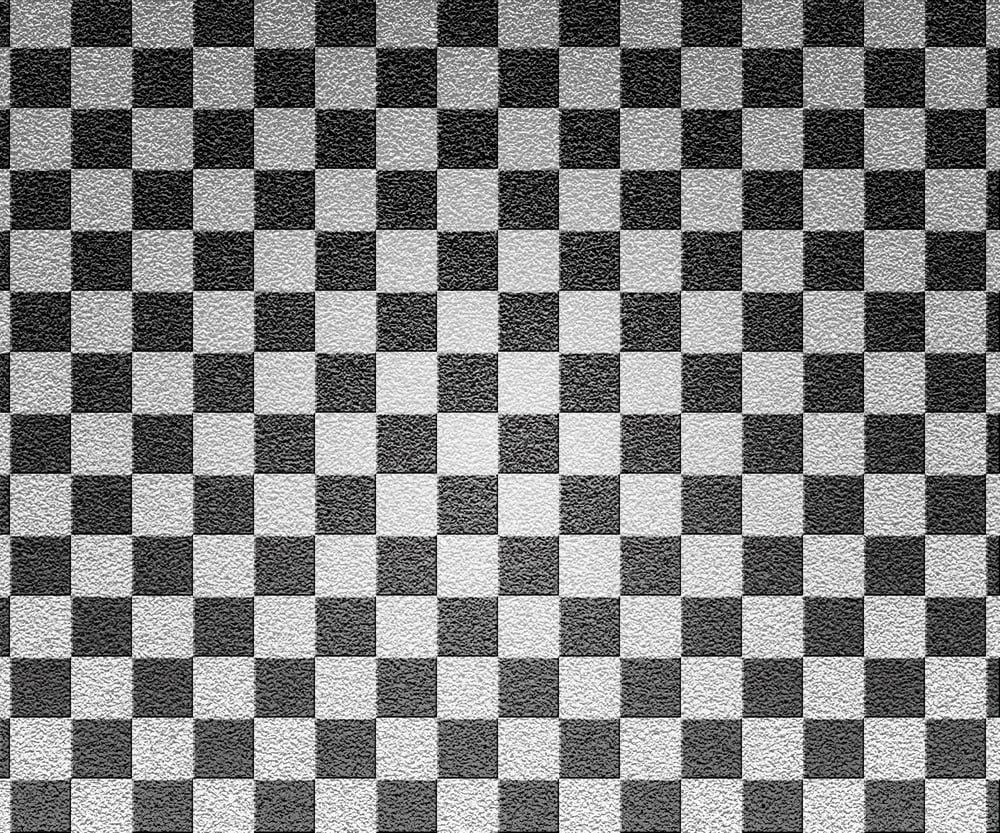
In this illusion, two squares labeled A and B look completely different in color. But they’re the exact same shade.
The brain, trying to adjust for shadows and lighting, alters perception so dramatically that it becomes hard to believe the truth—even when it’s proven.
The Hollow Mask

Even when you know the mask is hollow and concave, your brain refuses to see it that way. Human brains are hardwired to recognize faces as convex, so a hollow one pops out unnaturally.
This illusion has been used in psychological testing, including research on schizophrenia.
The Café Wall

Bricks and lines look like they’re sloping or warping, but everything is perfectly straight. This illusion messes with your perception using staggered lines and contrast.
It became so well-known that it was named after a tiled wall outside a café in England.
The Spinning Dancer

People have stared at this silhouette for hours, arguing which way it spins. Some swear it turns clockwise, others say counterclockwise.
The brain struggles because the figure lacks depth cues, so it flips your perception based on focus and imagination.
UFO Sightings

Many supposed UFO sightings were later revealed to be reflections, light patterns, or camera tricks. In the late 1940s and 50s, shiny disks in the sky stirred national hysteria.
In several cases, weather balloons or reflections off jet canopies created the illusion of flying objects.
Road Mirages

Driving on a hot highway and seeing what looks like water up ahead is common, especially in the summer. It’s not actual water, but light bending due to heat rising off the surface.
The shimmering ‘pools’ are so realistic, they’ve confused drivers for decades.
The Troxler Effect

Stare at a single point for a while, and nearby objects seem to fade or disappear. This happens because the brain tunes out unchanging information to focus on movement or new input.
Entire groups in focus experiments have experienced ‘invisible’ shapes vanishing before their eyes.
The Blue and Red Spiral

At first, it looks like there are two spirals—one blue and one red. But they’re actually the same spiral, interwoven.
The use of alternating stripes and careful spacing tricks the eye into separating them, even though they follow the same path.
Seeing Beyond the Surface

Optical illusions reveal more than just visual quirks—they show how easily perception can be shaped by environment, assumptions, and context. From ancient mirages that inspired myths to viral internet debates, these illusions have touched millions.
Even in a world full of technology and science, the human brain is still prone to playful misdirection. What we see isn’t always what’s actually there—and sometimes, that’s the most revealing truth of all.
More from Go2Tutors!

- The Romanov Crown Jewels and Their Tragic Fate
- 13 Historical Mysteries That Science Still Can’t Solve
- Famous Hoaxes That Fooled the World for Years
- 15 Child Stars with Tragic Adult Lives
- 16 Famous Jewelry Pieces in History
Like Go2Tutors’s content? Follow us on MSN.



