Gadgets That Defined the Y2K Era
The turn of the millennium brought more than just calendar anxiety. Technology exploded in ways that changed how people worked, played, and connected.
If you owned any of these devices between 1998 and 2005, you lived through one of the most transformative periods in consumer tech history. These weren’t just products.
They were status symbols, conversation starters, and glimpses into a future that was arriving faster than anyone expected.
The iPod Changed Music Forever
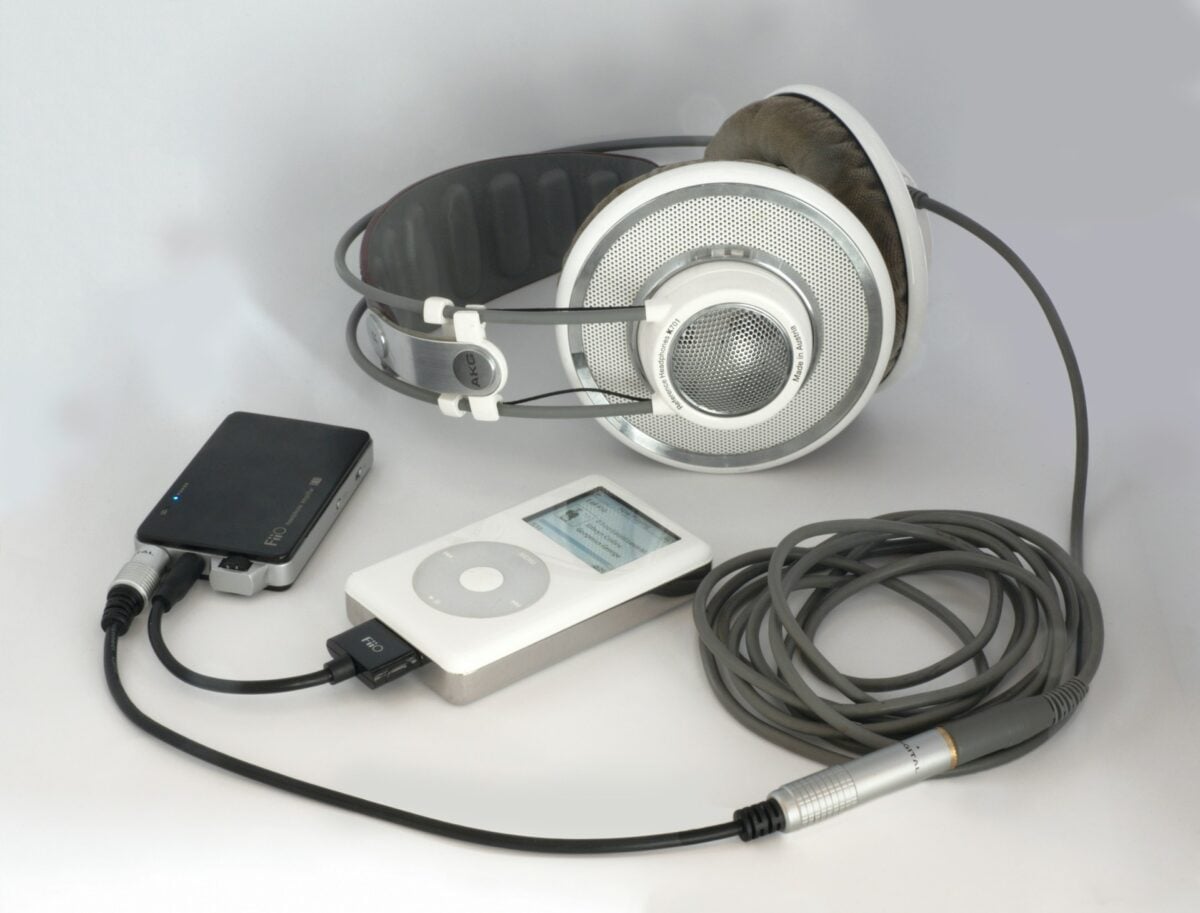
Apple released the iPod in 2001, and suddenly carrying your entire music library in your pocket became real. Before this, you picked a few CDs or loaded songs onto bulky MP3 players with terrible interfaces.
The iPod held 1,000 songs and had that scroll wheel that just worked. You couldn’t really explain it to someone who never used one, but spinning through your albums felt natural, almost meditative.
By 2004, the white earbuds became so recognizable that you could spot another iPod user from across the street.
Nokia 3310 Survived Everything

Drop it down the stairs. I accidentally sit on it.
Leave it in the rain. The Nokia 3310 didn’t care.
This phone became legendary for being practically indestructible, which mattered when phones cost real money and you didn’t upgrade every year. The battery lasted for days, sometimes a full week if you weren’t texting constantly.
And Snake? That game consumed hours of people’s lives during boring meetings and long commutes. The phone itself was chunky and basic, but that simplicity became its strength.
BlackBerry Owned the Business World

When the BlackBerry hit mainstream adoption around 2003, it created an entirely new problem: email addiction. Professionals could suddenly check messages anywhere, anytime.
That little keyboard, those tiny keys that somehow worked, turned the device into a productivity machine. People called it “CrackBerry” because checking your email became compulsive.
The trackball navigation felt precise and fast. For a few years, carrying a BlackBerry meant you were important, connected, making things happen.
Digital Cameras Made Photography Accessible

Film photography required commitment. You shot 24 or 36 pictures, finished the roll, paid for developing, and hoped something turned out well.
Digital cameras changed everything. You could take hundreds of photos, delete the bad ones instantly, and never pay for film again.
The early models had terrible resolution by today’s standards, but seeing your photo immediately on that tiny LCD screen felt like magic. By 2003, decent digital cameras cost less than $300, and suddenly everyone became a photographer.
PlayStation 2 Dominated Gaming
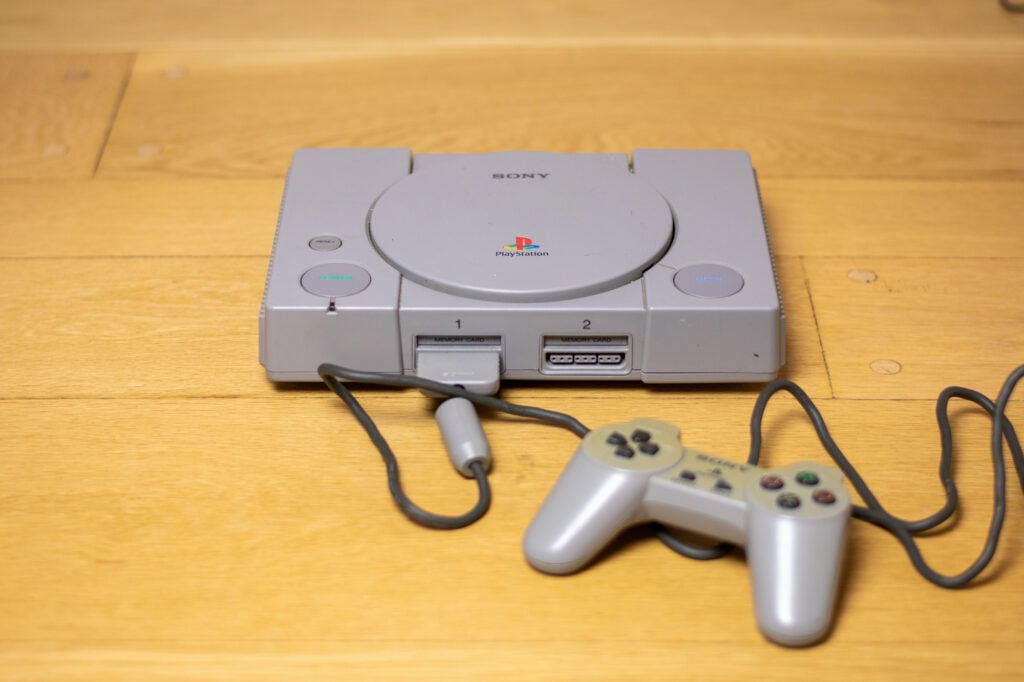
Sony’s PlayStation 2 wasn’t just a console. It played DVDs when DVD players cost hundreds of dollars separately.
This made it an entertainment system that happened to play the best games of the generation. Grand Theft Auto, Final Fantasy, Metal Gear Solid—the library was massive.
The slim black design looked modern and sophisticated compared to the bulky gray boxes of previous generations. More than 155 million units sold, making it the best-selling console ever made. That record still stands.
The Motorola Razr Redefined Cool
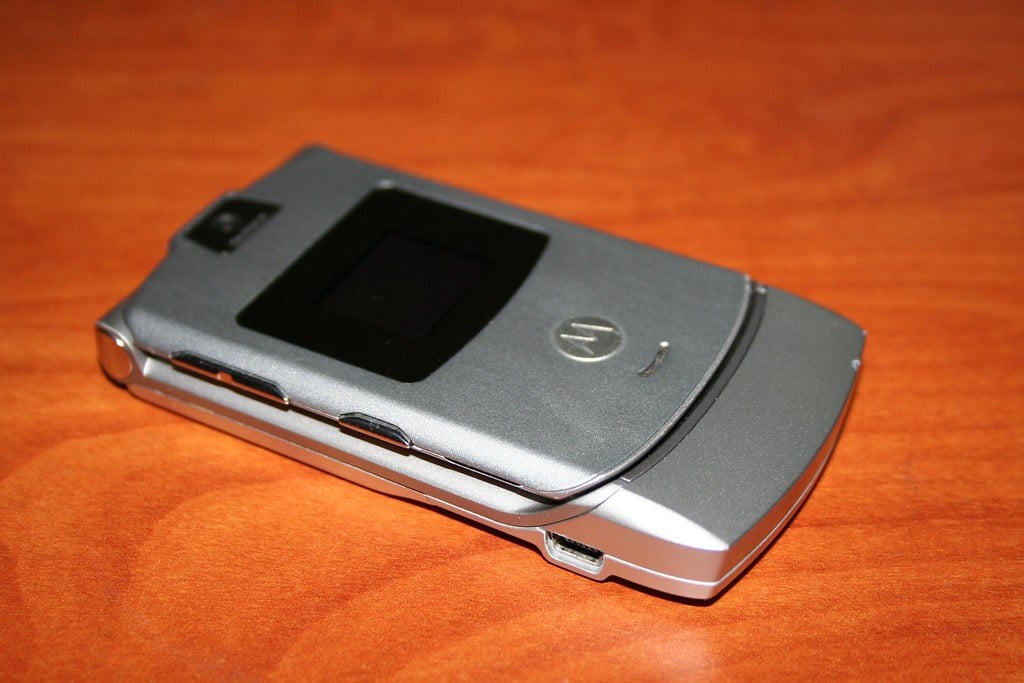
Flip phones existed before the Razr, but none looked like this. Released in 2004, the Razr was impossibly thin at 13.9mm, made of metal, and felt premium in a way phones rarely did.
Flipping it open to answer a call never got old. Snapping it shut to hang up? Even better.
The external screen lets you check who was calling without opening it, which seems basic now but felt sophisticated then. Within two years, over 50 million people owned one.
It became the phone that made flip phones actually desirable.
USB Flash Drives Killed Floppy Disks
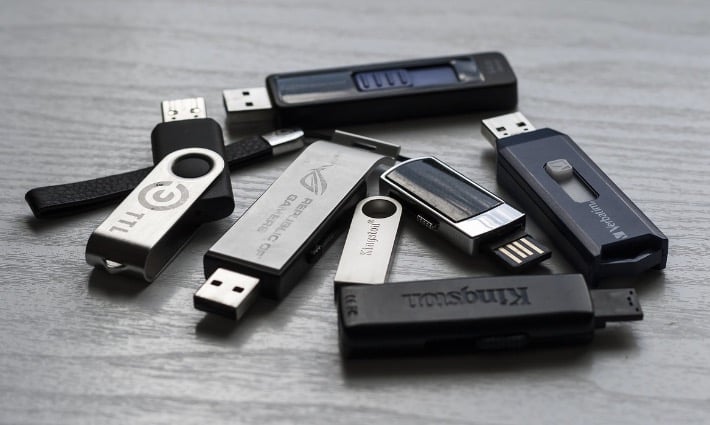
Remember floppy disks? Those things held 1.44MB, which stopped being useful around 1999 when file sizes exploded. USB flash drives showed up and changed everything.
Early ones held 64MB or 128MB, but that was massive compared to floppies. You could carry your entire college thesis, work presentations, and photo collection on something the size of your thumb.
And they plugged into any computer with a USB port, which was everywhere by 2002. Zip drives and rewritable CDs became obsolete almost overnight.
The convenience was absurd. No more burning CDs for every file transfer.
No more bringing your entire laptop just to show someone a document. These little drives fit on keychains, and people treated them like miniature hard drives.
TiVo Changed Television Habits

Before TiVo, you watched TV on the network’s schedule or you missed it. Recording shows meant setting a VCR timer and hoping you got the time right.
TiVo lets you pause live television, record shows without tapes, and skip commercials with a few button presses. The interface was clean and simple compared to other DVRs.
That little blooping sound it made when you used it became iconic. Critics said it would kill traditional TV advertising.
They weren’t entirely wrong.
Palm Pilots Pioneered Personal Organization

Palm Pilots weren’t phones, but they computerized your calendar, contacts, and to-do lists in a way nothing else did. The stylus and handwriting recognition—called Graffiti—took some learning, but once you got it, writing on the screen became faster than typing.
Syncing it with your computer keeps everything updated. Business professionals and tech enthusiasts carried these everywhere.
They proved people wanted computing on the go, even if it wasn’t a phone. The form factor and concept influenced everything that came after.
CD Players Went Portable with Anti-Skip
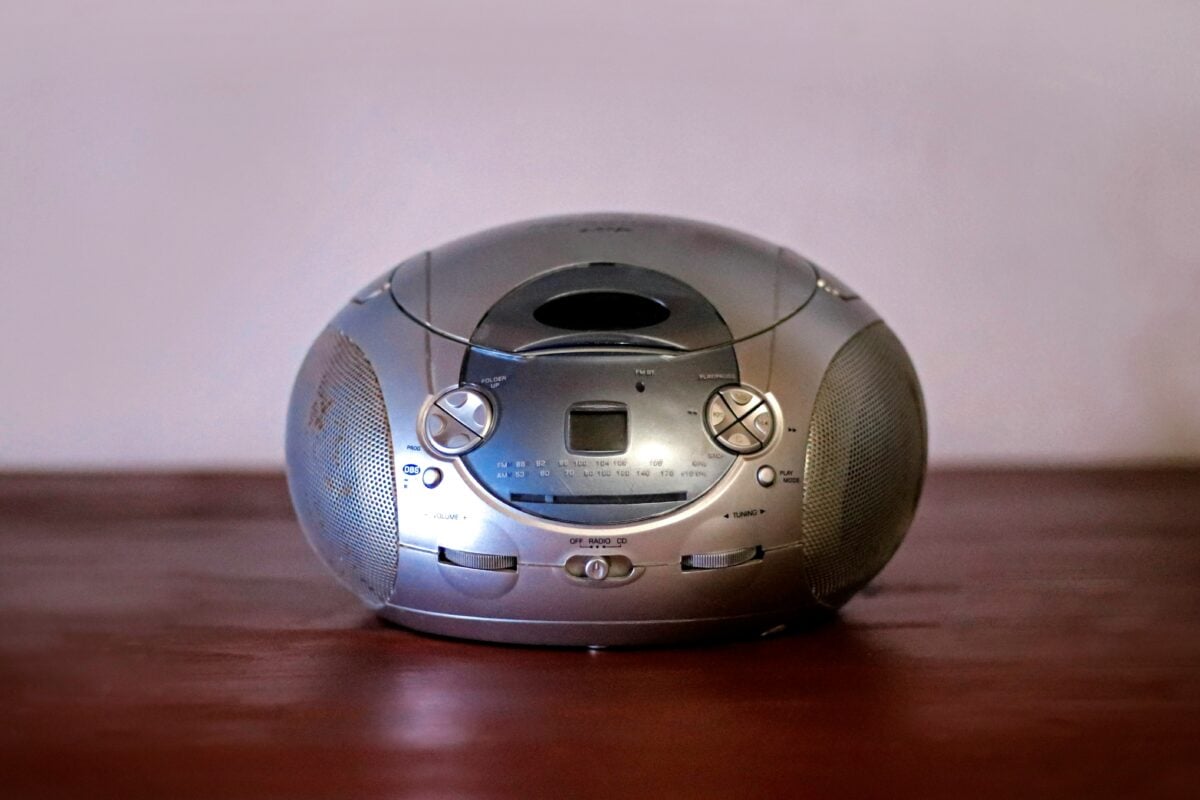
Portable CD players existed in the early ’90s, but they were terrible. One bump and the music skipped.
By 2000, anti-skip technology improved enough that you could actually jog with one. Sony’s Walkman CD players dominated, with 40-second skip protection that actually worked.
You still had to carry CDs, which was annoying, and batteries drained quickly, but the sound quality beat cassettes. For a few years, before MP3 players took over, a portable CD player and a big Case Logic full of discs was the standard setup.
Game Boy Advance Brought Color Gaming

Nintendo’s Game Boy dominated handheld gaming through the ’90s, but the screen was grainy and green-tinted. The Game Boy Advance launched in 2001 with a color screen, better graphics, and a library that included classic Nintendo franchises.
The original model had no backlight, which made playing in any dim setting impossible, but that got fixed with later versions. Pokémon games sold millions of units.
The ability to link multiple devices for multiplayer gaming created social experiences around gaming that phones couldn’t replicate at the time. The thing was small enough to fit in a pocket but substantial enough to hold comfortably.
Battery life stretched for 15 hours. Kids begged their parents for these, and plenty of adults kept one hidden in their desk drawer.
Early Smartphones Struggled but Persisted

Before the iPhone, smartphones existed but weren’t great. Palm Treos combined Palm Pilot functionality with phone capabilities.
Windows Mobile devices had tiny styluses and menus that required patience to navigate. The Nokia 9210 Communicator folded open to reveal a keyboard and screen, looking like something from a spy movie.
These devices tried to do everything, but compromises made them frustrating. Email worked, sort of.
Web browsing was painful. They were expensive and complicated, but they showed what was coming.
The people who carried them dealt with crashes, short battery life, and constant charging, but they got a taste of having a computer in their pocket.
Digital Cameras Spawned Photo Sharing

Once everyone had digital cameras, the next problem was sharing photos. Burning CDs worked but felt outdated.
Email had attachment size limits. Services like Shutterfly and Snapfish popped up, letting you share albums online and order prints without leaving your house.
Photo kiosks appeared in drugstores where you could print pictures from memory cards in minutes. This period marked the shift from physical photo albums to digital collections, though most people still printed their favorites because looking at photos on a computer screen didn’t feel the same.
MP3 Players Before Apple
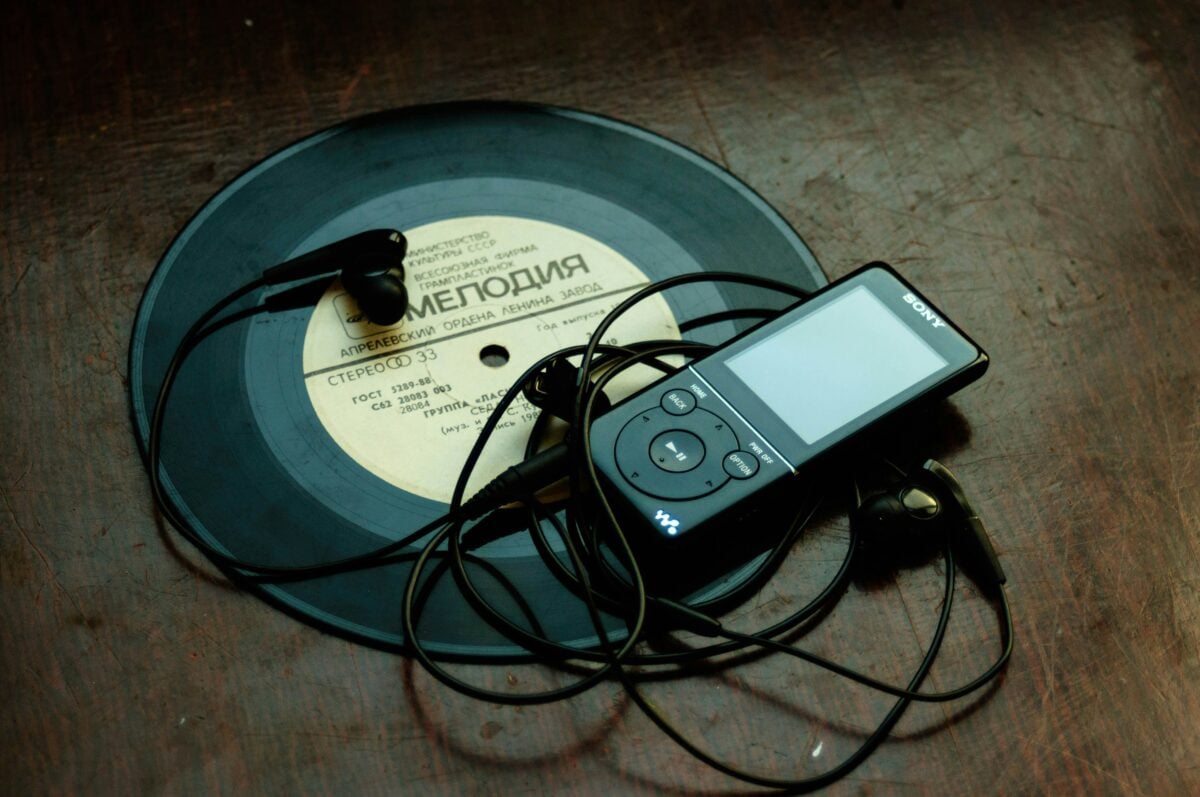
Few remember how crowded the digital music scene once felt. Not long ago, gadgets that stored tunes popped up like weeds.
Creative Labs tossed their hat in with the Nomad Jukebox – a boxy thing pretending to be both storage and stereo. Over on another shelf, Diamond Rio showed early promise, though its tiny body managed just 32MB of sound.
Most of these machines stumbled under their own weight – awkward shapes, buttons in odd places, menus that made little sense. Getting songs onto them meant wrestling with programs few understood.
Yet they functioned. For those who cracked the system, carrying fifty or even a hundred tracks on something tinier than a Walkman seemed unreal at first.
These devices opened doors Apple later walked through, though their own moment in the spotlight stayed just out of reach.
When Tech Seemed New

Peering into the past, those tools meant something deeper than new features alone. Right then, life online slipped into pockets, turned intimate, spread everywhere.
Connection began feeling necessary, music moved with you, photos snapped without delay. Even so, gadgets from the early 2000s had flaws – power didn’t last, displays felt cramped, space ran short – yet they functioned just right to make retreat impossible.
From such machines grow all the things now resting in your hands. People showed they liked gadgets moving with them, slipping into daily routines without needing a fixed seat.
This change – bigger than any one device – shaped the time, becoming the quiet foundation for what unfolded next.
More from Go2Tutors!

- 16 Historical Figures Who Were Nothing Like You Think
- 12 Things Sold in the 80s That Are Now Illegal
- 15 VHS Tapes That Could Be Worth Thousands
- 17 Historical “What Ifs” That Would Have Changed Everything
- 18 TV Shows That Vanished Without a Finale
Like Go2Tutors’s content? Follow us on MSN.