15 Most Invasive Species Around The World
Balance keeps every living place on our planet steady. A fresh creature showing up in unfamiliar territory might wreck things quicker than imagined.
Take a moment to see which invaders cause the most harm to local wildlife, greenery, and natural systems across the planet.
Cane Toad
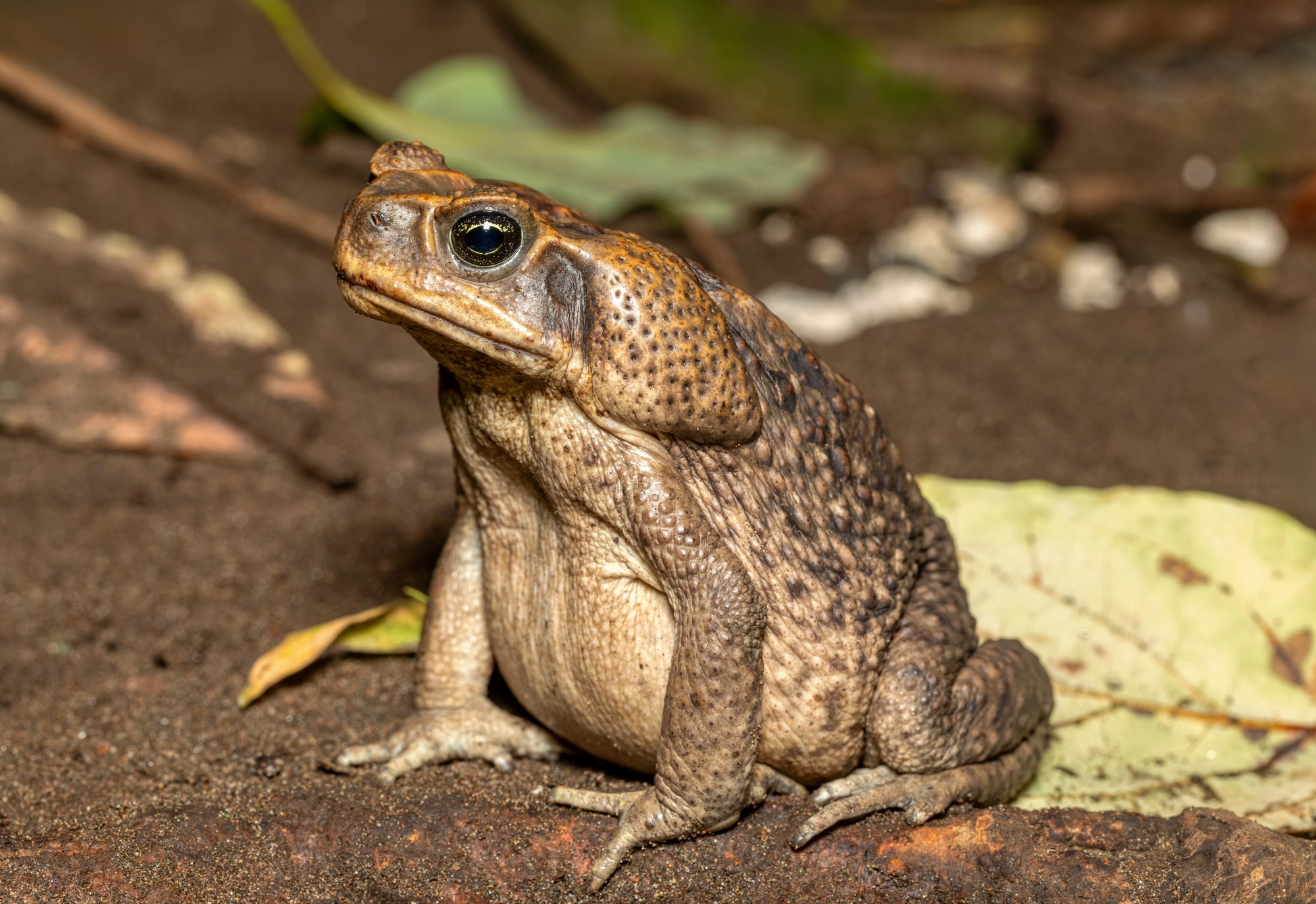
Back in 1935, people shipped cane toads to Australia hoping they’d fix beetle problems on sugar cane fields – big mistake. From those early days, things spiraled fast; today, more than two hundred million hop through the land.
Poison oozes out from glands behind their heads, strong enough to drop snakes, wipe out lizards, even kill family dogs. Because no native hunter here ever adapted to deal with such danger, most animals can’t touch them safely.
They travel steadily forward, never stopping, always spreading wider across the continent.
Burmese Python
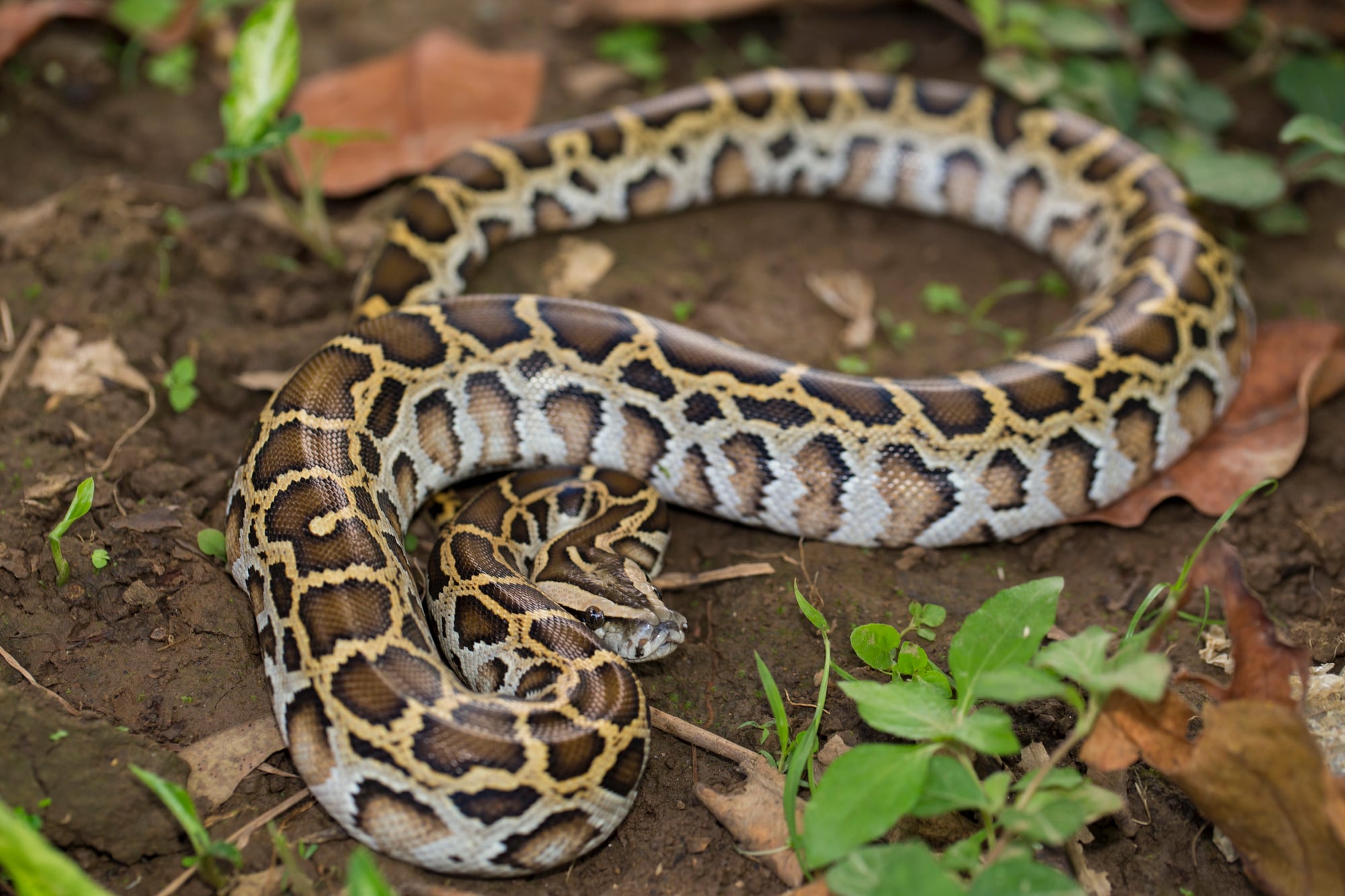
Slithering through Florida’s Everglades is a growing crisis. Once kept as pets, Burmese pythons now rule vast stretches of the wetlands.
Deer vanish, birds disappear, rabbits grow scarce – nearly every small creature becomes prey. Since the snakes showed up, native mammal numbers have plummeted more than 90 percent.
Life there keeps changing, one meal at a time.
Lionfish
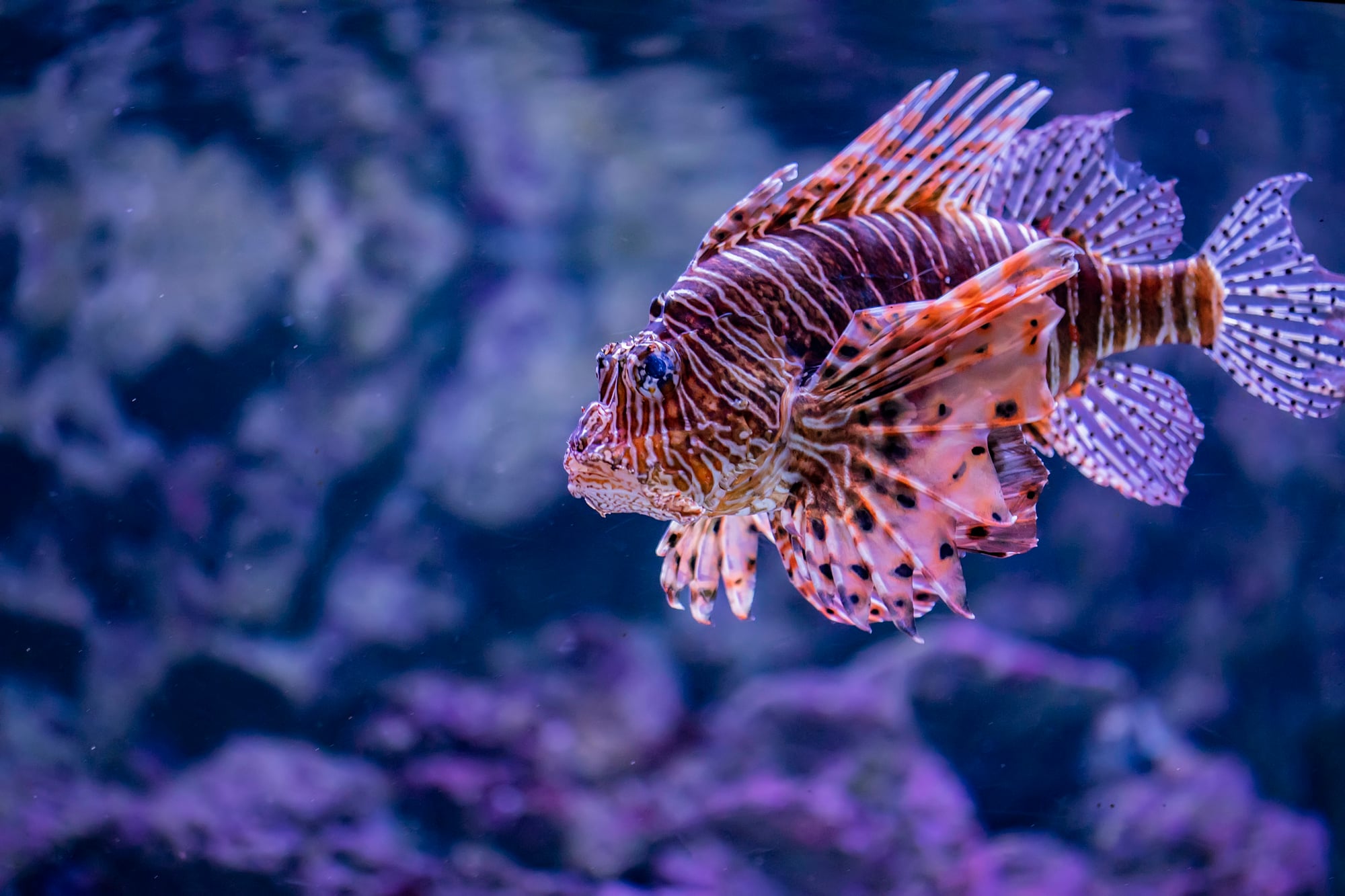
Beautiful to see, yet causing harm in Atlantic waters – lionfish began appearing off the eastern United States during the 1980s. Originally from the Indo-Pacific region, these invaders moved fast, reaching much of the Caribbean Sea and spreading into the Gulf of Mexico.
Instead of coexisting, they consume small fish from almost any kind, stopping future generations from thriving. Within just five weeks, one lionfish alone has been observed cutting down baby fish numbers on coral reefs by nearly four-fifths.
Asian Carp

Back in the 70s, people moved Asian carp to America so they could clear pond scum on aquaculture sites. Once loose in the Mississippi, things quickly spiraled beyond control.
With a massive appetite for plankton, these invaders leave little behind for local fish, unraveling aquatic networks bit by bit. When startled, certain types leap wildly into the air – catching them off guard often means bruises for those on boats.
European Starling
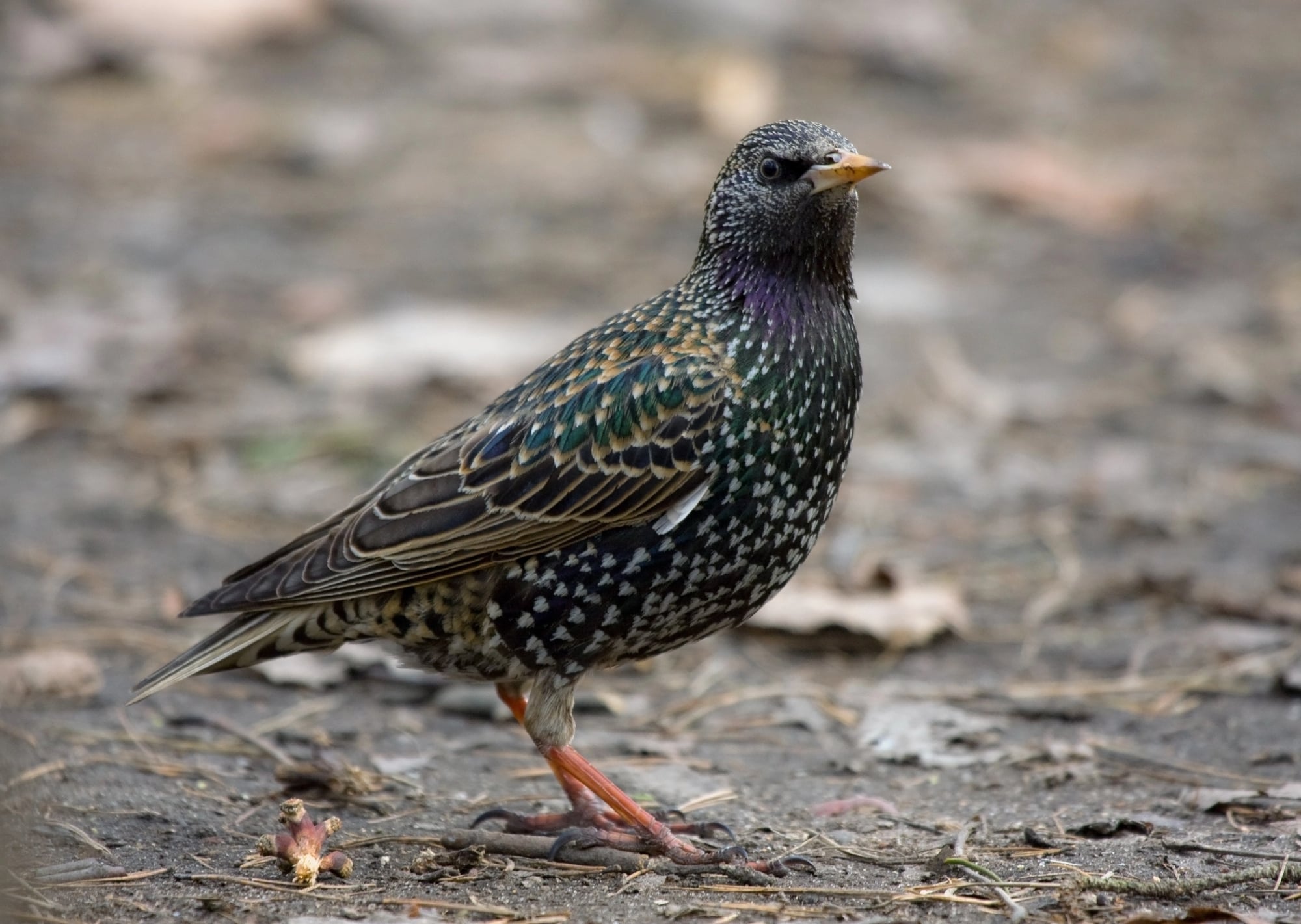
Back then, in 1890, Eugene Schieffelin set free 100 European starlings into Central Park – his odd goal was tying American wildlife to Shakespeare’s writings. Now, more than two hundred million of them spread across North America, thanks to that moment.
Nesting sites become battle zones where starlings drive off woodpeckers, bluebirds, and others just trying to raise young. Farm fields suffer yearly, hit hard by these birds feeding in vast groups.
A single act, fueled by literature, reshaped ecosystems from city parks to open farmland.
Brown Tree Snake
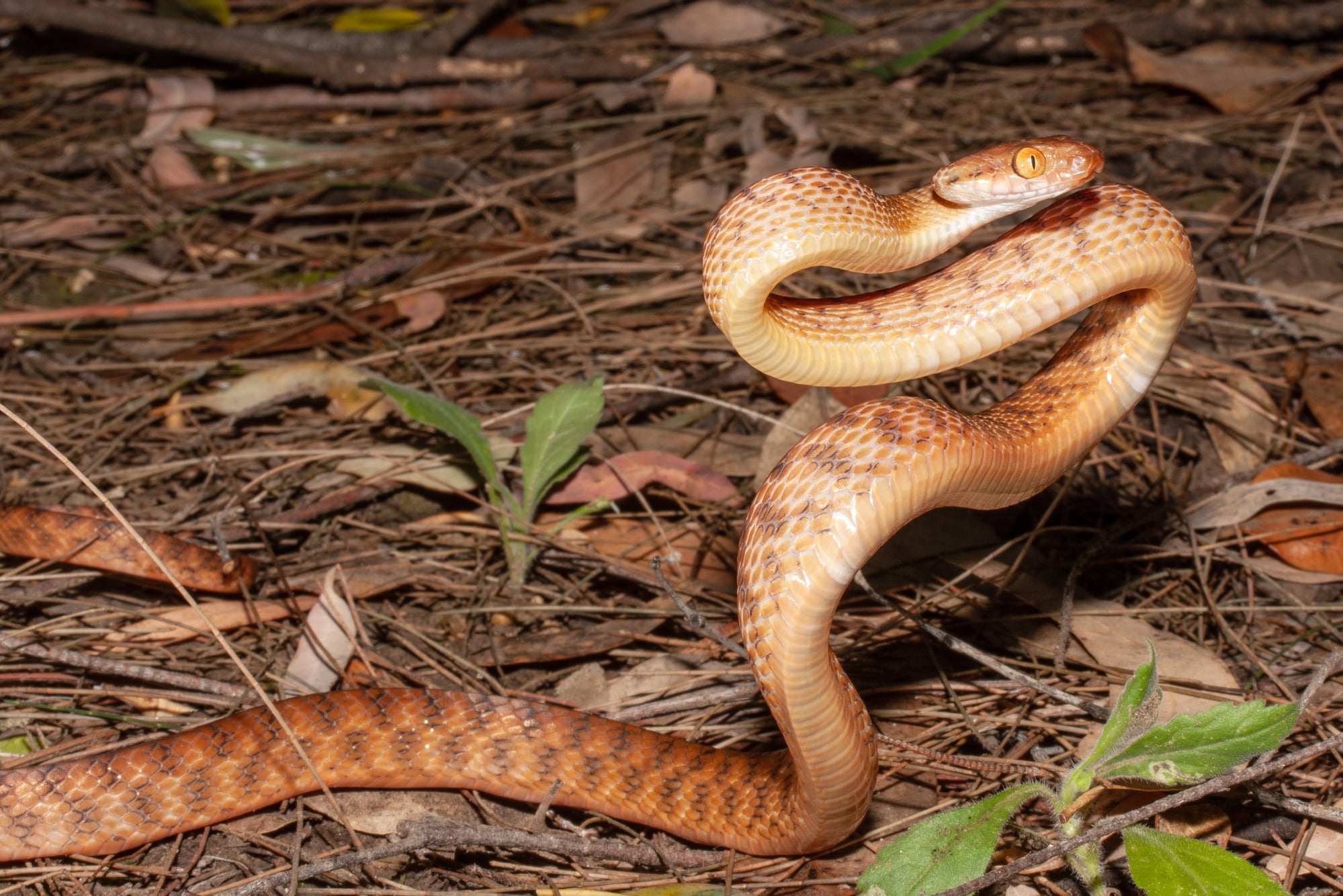
After World War II, the brown tree snake probably slipped into Guam tucked inside military shipments. Hidden stowaway that it was, it ended up eliminating ten out of twelve native forest birds on the island – some vanished without a trace.
Even now, electricity cuts happen often since the snakes crawl onto power lines. Without birdsong, the forests feel emptier, their silence echoing through ecosystems even decades later.
Kudzu
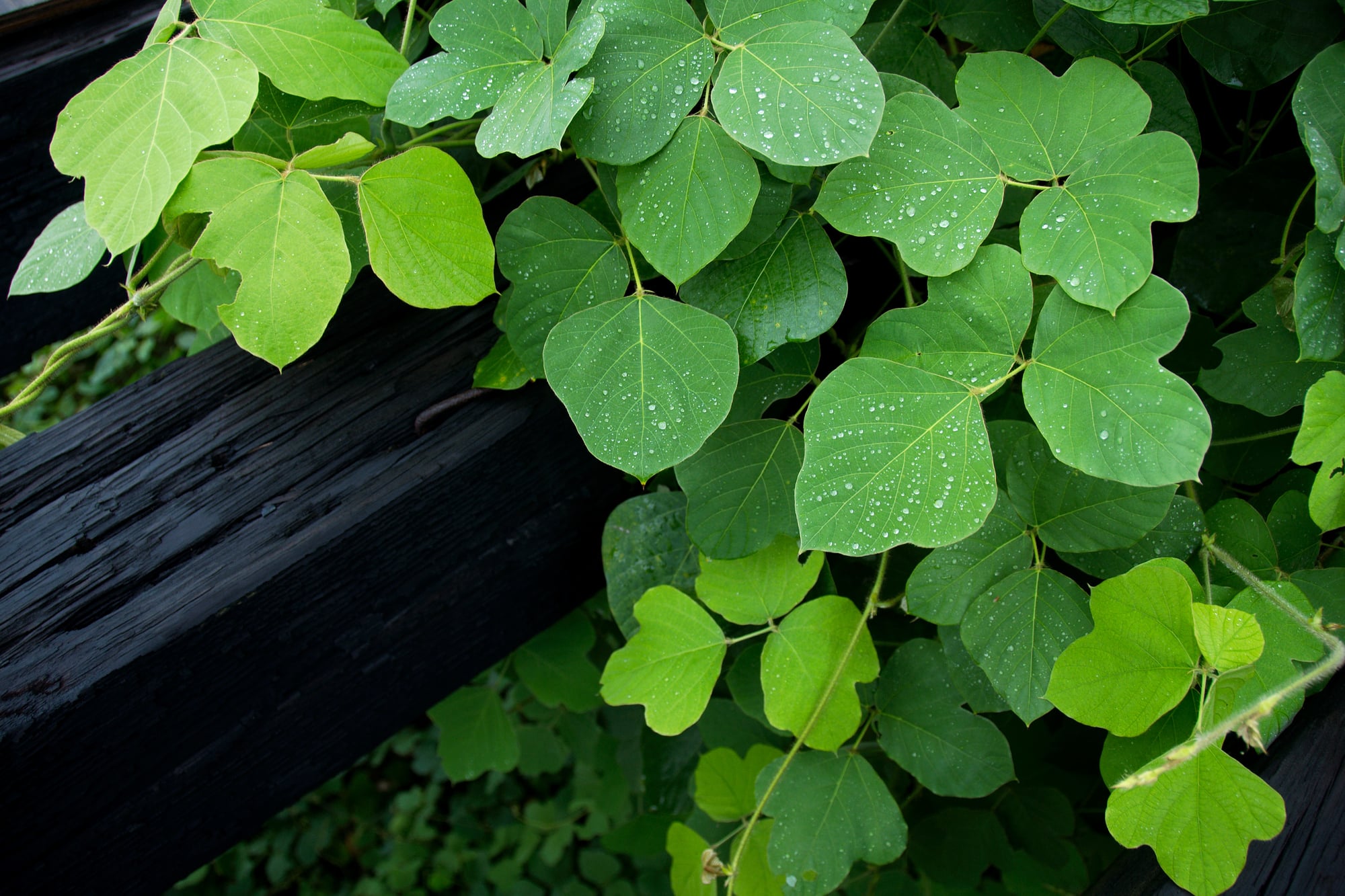
From Japan and China, kudzu arrived in the southern U.S., pushed hard in the 1930s and ’40s as an erosion fix. Yet during hot stretches, it surges ahead – up to twelve inches each day – climbing over trees, homes, everything nearby.
Sunlight fades beneath its thick leaves, starving local plants below until they die out. Across the Southeast today, countless acres lie buried under its spread, still creeping forward without pause.
Water Hyacinth

Thick carpets of water hyacinth spread quickly across lakes and rivers, shutting out light below. Underwater plants struggle without sun, then oxygen drops when they die off.
Fish begin to suffocate, along with many small creatures living beneath the surface. Boats can barely move where the weeds pile up in tangled clumps.
Farming areas lose clean flow through channels blocked by green cover. People who rely on fishing watch their income shrink as harvests fail.
Across stretches of Asia and Africa, daily survival has grown harder since the plant took hold.
Zebra Mussel
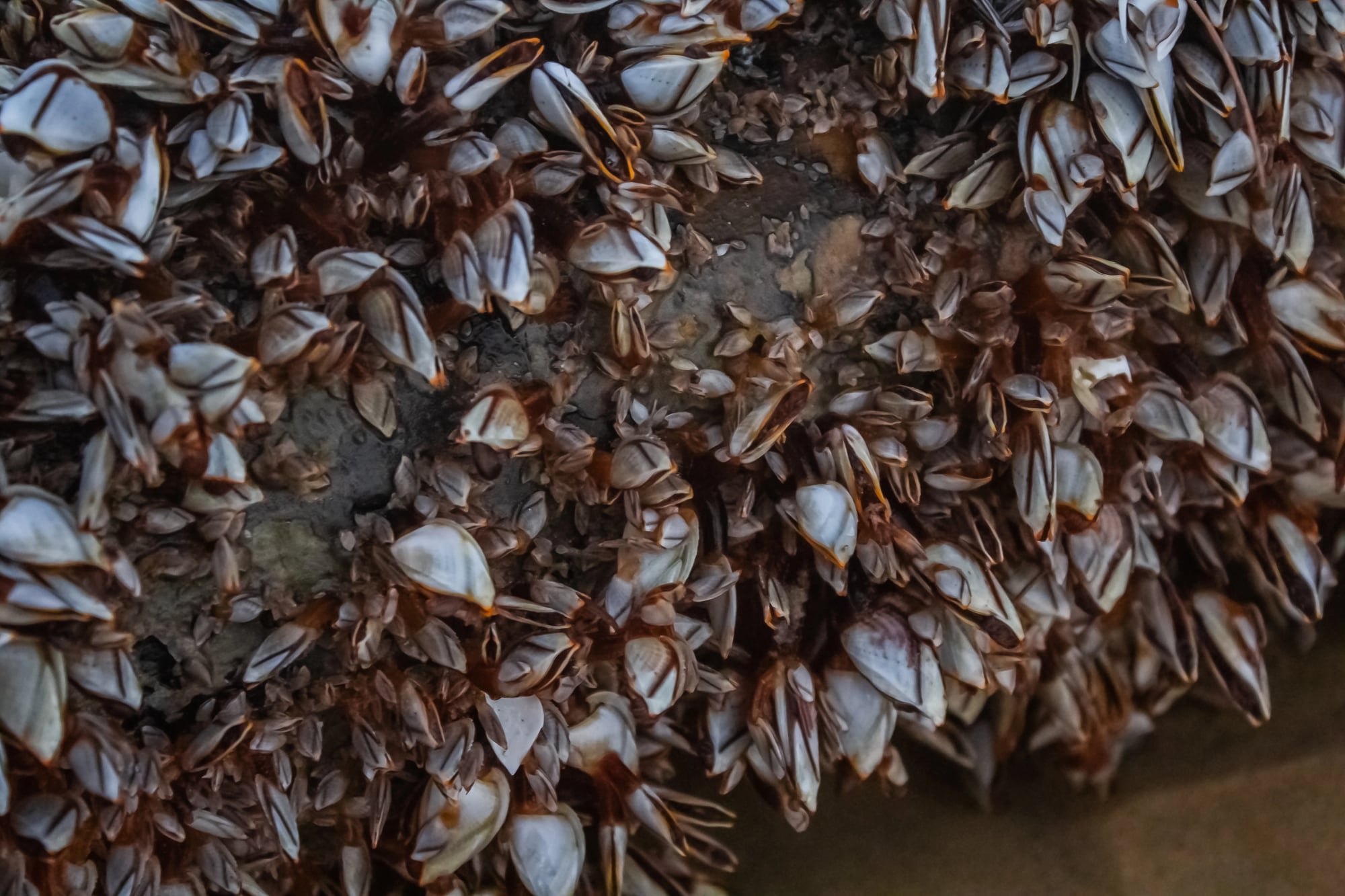
Zebra mussels arrived in the Great Lakes in the late 1980s, likely carried in the ballast water of ships coming from Europe. They filter enormous amounts of water and strip out the plankton that native fish and mussels depend on for food.
They also attach to pipes, boat engines, and water treatment infrastructure, causing billions of dollars in damage each year. A single female zebra mussel can produce up to one million eggs annually, making control nearly impossible.
Red Fire Ant
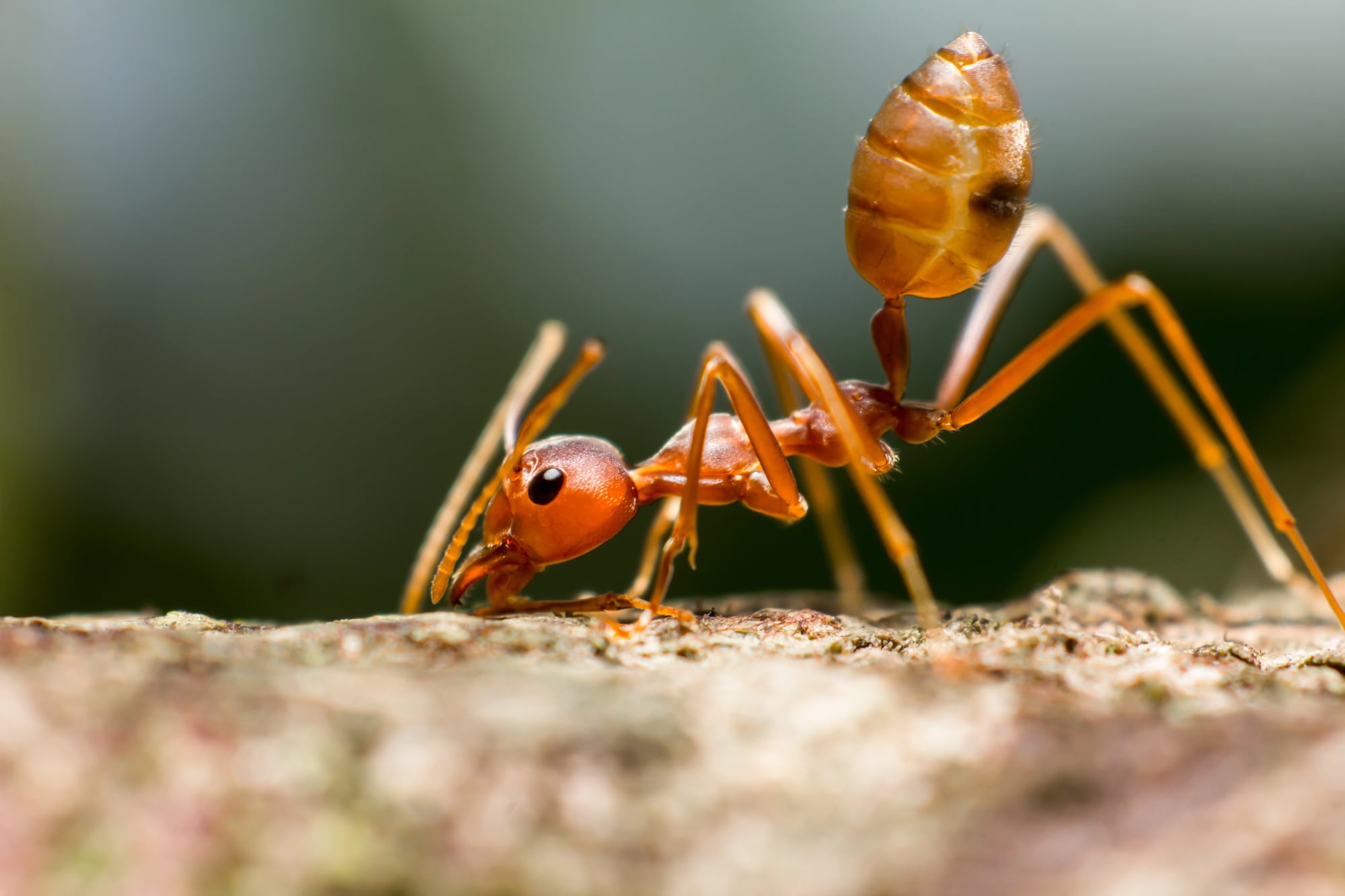
Red fire ants from South America arrived in the United States in the 1930s and have since spread across the South and into parts of the West. Their stings are painful and can cause severe allergic reactions in people and animals.
They damage crops, attack young livestock, and destroy the nests of ground-nesting birds. The United States alone spends around 6 billion dollars a year dealing with the damage these ants cause.
Giant African Snail
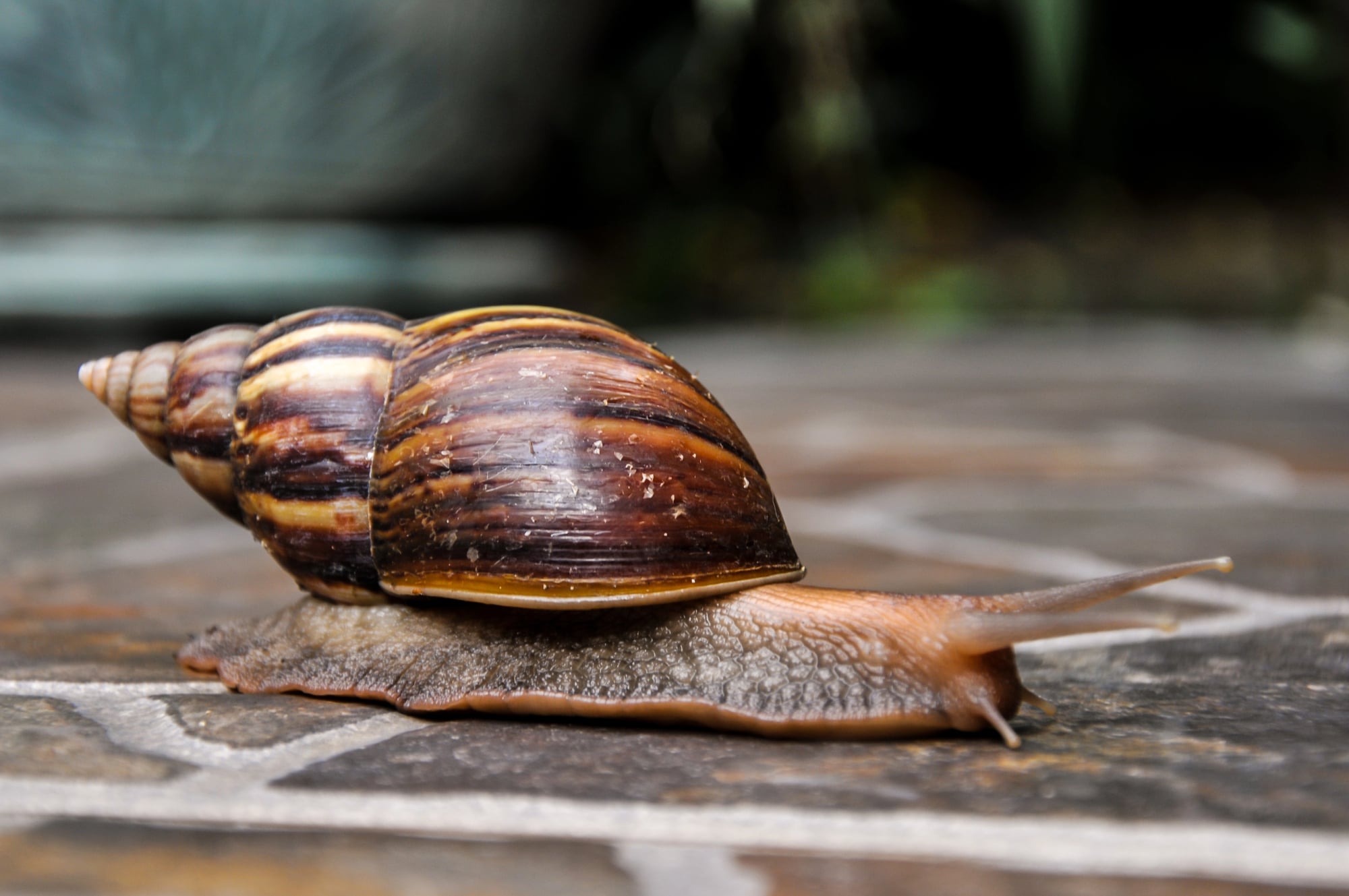
The giant African snail is one of the most destructive land snails in the world. It eats over 500 types of plants and can also consume plaster and stucco from buildings to get calcium for its shell.
Found across parts of Asia, the Caribbean, and the Pacific Islands, it spreads quickly and carries a parasite that can cause meningitis in humans. One infected region in Florida required years of intense effort and millions of dollars to bring the population under control.
Common Carp
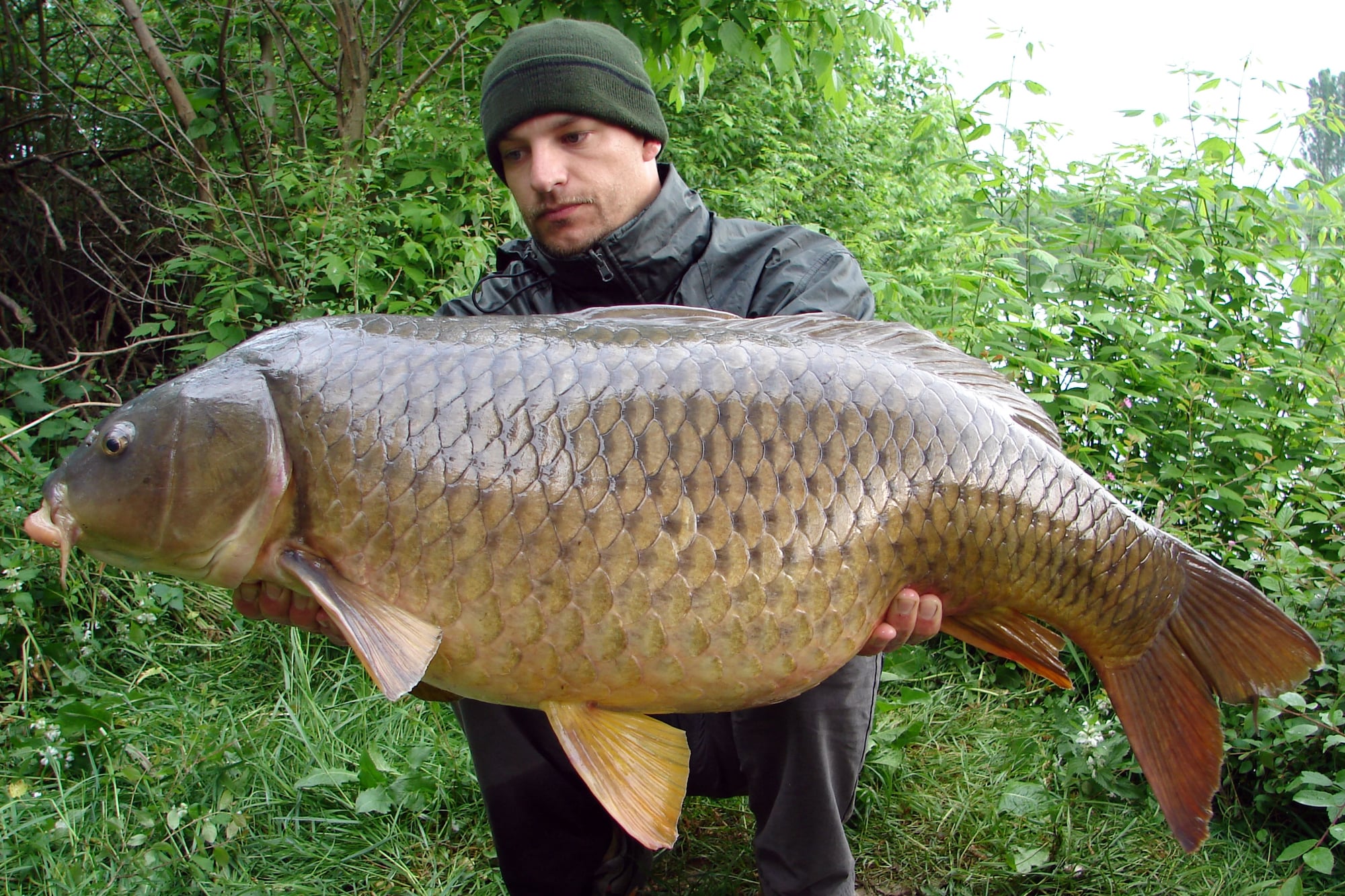
Common carp were introduced across North America and Australia as a food source in the 1800s and have since taken over freshwater systems in both places. They dig up river and lake beds while feeding, stirring up sediment that muddies the water and destroys plant life that native species depend on.
In Australia, they now make up over 90 percent of fish in some river systems. The Murray-Darling River system, one of Australia’s most important waterways, has been severely impacted by their presence.
Nutria
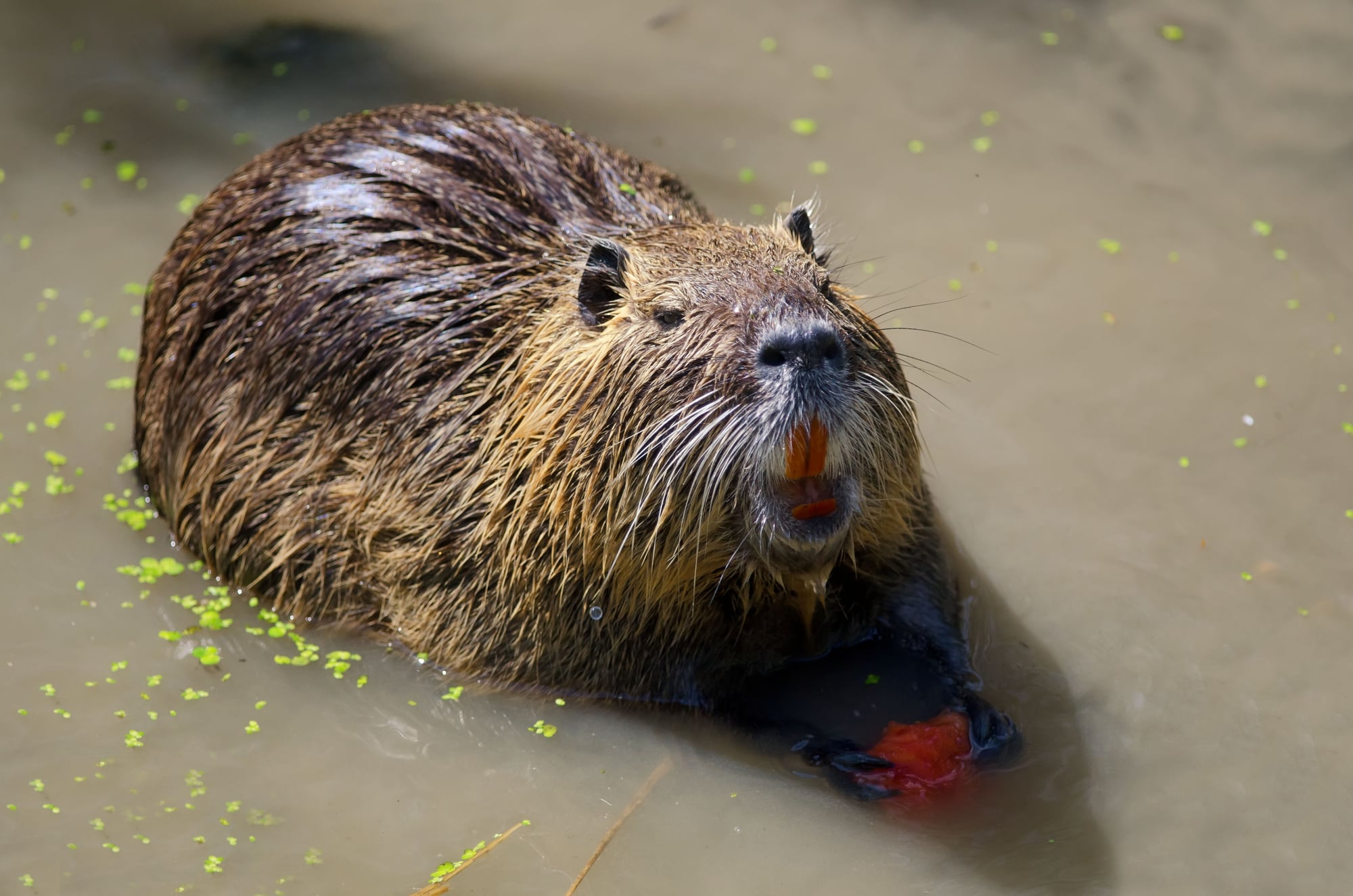
Nutria look like a cross between a beaver and a giant rat and were originally farmed in Louisiana for their fur. When the fur market collapsed in the 1940s, many were released into the wild.
They eat the roots of marsh plants, which causes entire wetland areas to collapse into open water. Louisiana has lost significant portions of its coastal marshes partly because of nutria, and restoration efforts continue to cost the state millions of dollars annually.
Japanese Knotweed
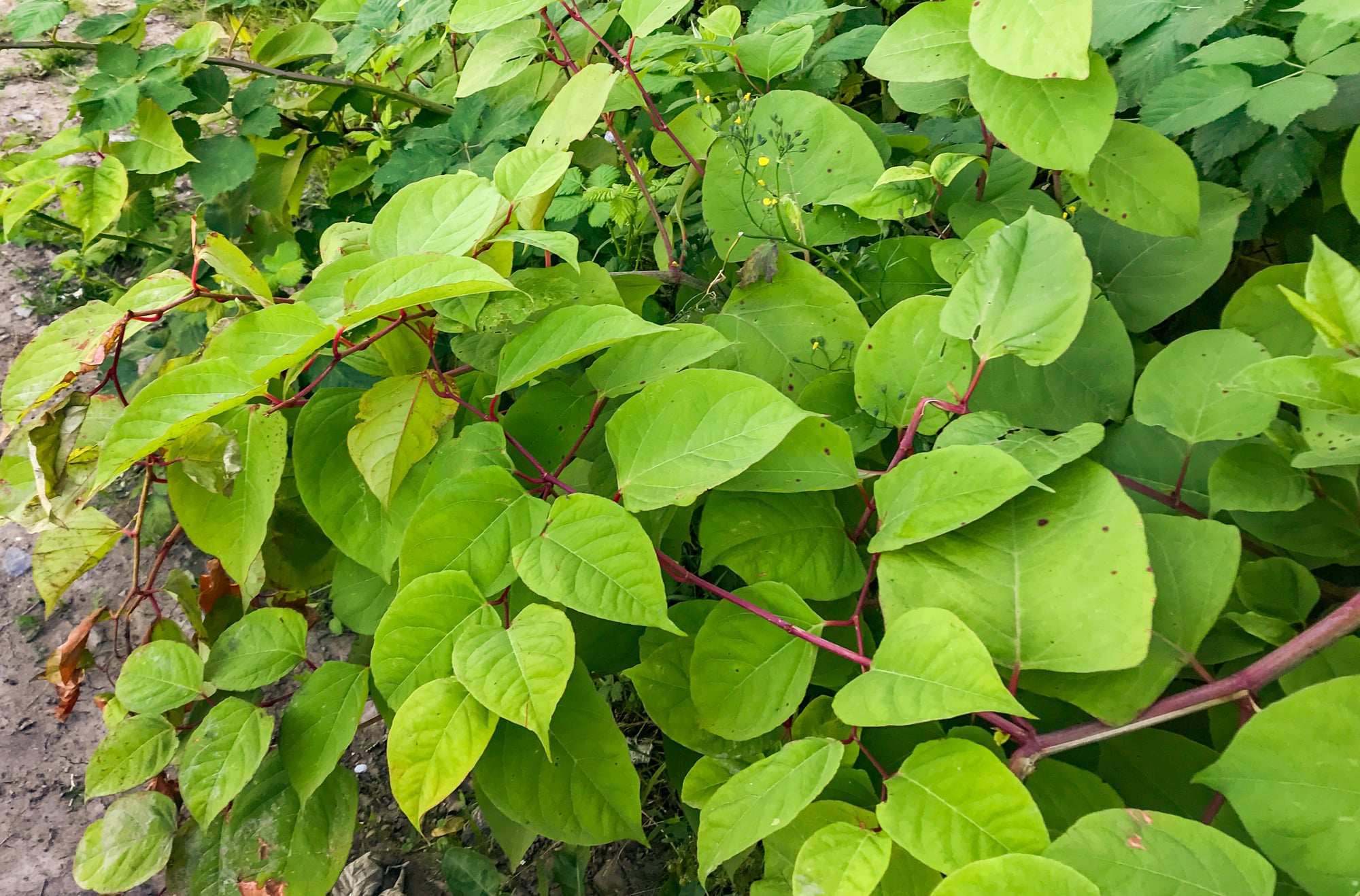
Japanese knotweed is a plant so tough it can crack through concrete, asphalt, and building foundations as it grows. Brought to Europe and North America in the 1800s as an ornamental plant, it now grows aggressively along roadsides, riverbanks, and in gardens across both continents.
It is extremely difficult to kill, with roots that can go 10 feet deep and spread 65 feet out from the main plant. In the United Kingdom, having knotweed on a property can reduce its value and even make it harder to sell.
Feral Pig

Feral pigs exist on every continent except Antarctica and cause some of the most wide-ranging damage of any invasive species. They tear up soil while searching for food, destroying crops, native plants, and ground-nesting bird habitats in the process.
They carry diseases like swine brucellosis that can spread to livestock and, in rare cases, to humans. The United States alone has an estimated 6 million feral pigs causing around 2.5 billion dollars in agricultural damage every year.
The Cost Of Not Paying Attention
Invasive species do not ask permission before arriving, and they rarely come alone. Many of these creatures and plants entered new environments because of human choices, whether intentional or careless, and the damage they leave behind takes decades and billions of dollars to even partially undo.
The cane toad, the knotweed, the feral pig, all of them thrive because new environments gave them room to grow without the natural checks they faced at home. Understanding how they spread and why they succeed is the first real step toward keeping ecosystems intact for the next generation.
More from Go2Tutors!

- The Romanov Crown Jewels and Their Tragic Fate
- 13 Historical Mysteries That Science Still Can’t Solve
- Famous Hoaxes That Fooled the World for Years
- 15 Child Stars with Tragic Adult Lives
- 16 Famous Jewelry Pieces in History
Like Go2Tutors’s content? Follow us on MSN.



