15 Museums That Challenge Your Perception
Museums have evolved far beyond dusty display cases and velvet ropes. Today’s most innovative institutions are reshaping how we think about art, history, science, and human experience itself. These aren’t your typical quiet halls filled with ancient artifacts—they’re dynamic spaces designed to provoke, inspire, and completely flip your understanding of the world.
Here is a list of 15 museums that will challenge everything you thought you knew about what a museum can be.
Museum of Broken Relationships

— Photo by photosounds
Located in Zagreb, Croatia, this museum turns heartbreak into art. Visitors walk through displays of ordinary objects—a wedding dress, a prosthetic leg, an ax used to destroy an ex’s furniture—each accompanied by anonymous stories of love gone wrong. The collection proves that universal human experiences can be just as powerful as any masterpiece hanging in the Louvre. What makes this place truly remarkable is how it transforms personal pain into collective healing, showing that our most private moments often connect us to strangers across the globe.
International Spy Museum
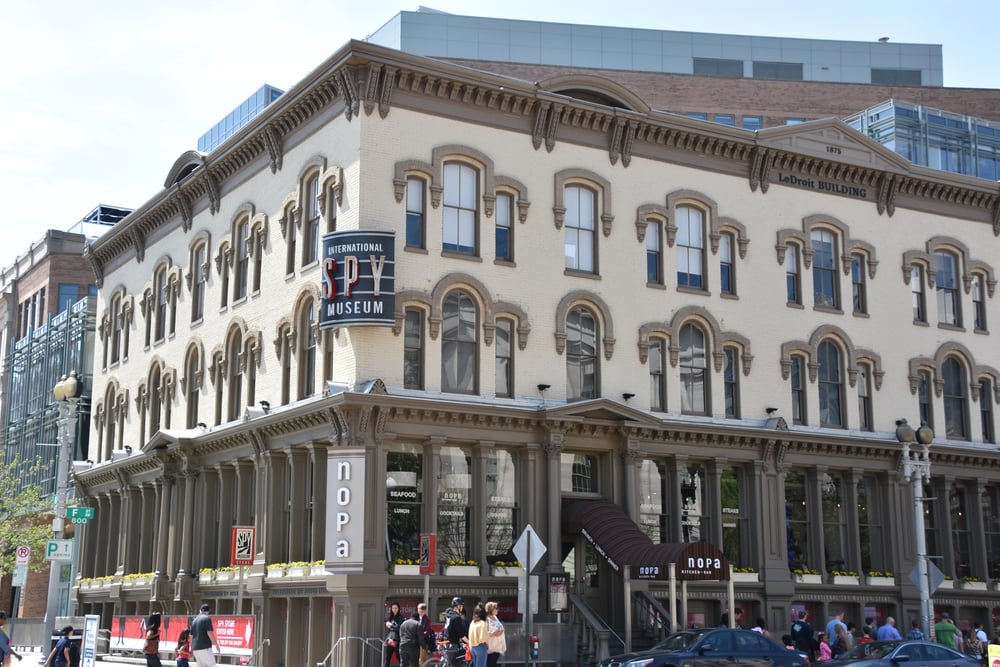
— Photo by sainaniritu
Washington D.C.’s temple to espionage pulls back the curtain on the world’s second-oldest profession. You’ll discover that real spies rarely look like James Bond and that some of history’s most effective agents were ordinary people who blended into the background perfectly. The museum houses the largest collection of international spy artifacts ever displayed publicly, including everything from Cold War-era surveillance equipment to modern cyber warfare tools. Walking through these exhibits makes you realize that the line between paranoia and prudence might be thinner than you’d like to think.
Museum of Death

This Los Angeles institution confronts humanity’s ultimate taboo head-on. The museum houses everything from crime scene photos to execution equipment, forcing visitors to grapple with mortality in ways most of us spend our lives avoiding. Rather than being morbid for shock value, the exhibits explore how different cultures approach death and dying. The experience often leaves people with a strange sense of peace, having faced their fears about the inevitable in a controlled environment.
Icelandic Phallological Museum
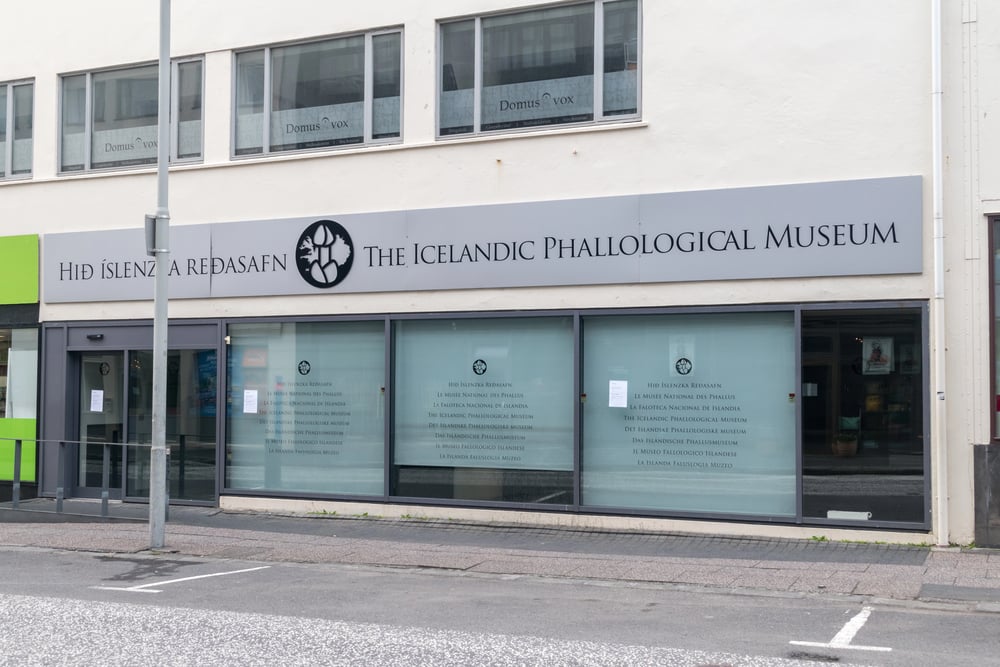
— Photo by Robson90
Reykjavik’s most unusual attraction houses the world’s largest collection of mammalian reproductive organs, featuring specimens from over 200 species. What starts as nervous laughter often evolves into genuine scientific curiosity as visitors learn about evolutionary biology and reproductive strategies across the animal kingdom. The museum’s academic approach transforms what could be merely juvenile into something genuinely educational. It’s a perfect example of how confronting taboos in a scholarly setting can expand our understanding of the natural world.
Museum of Jurassic Technology
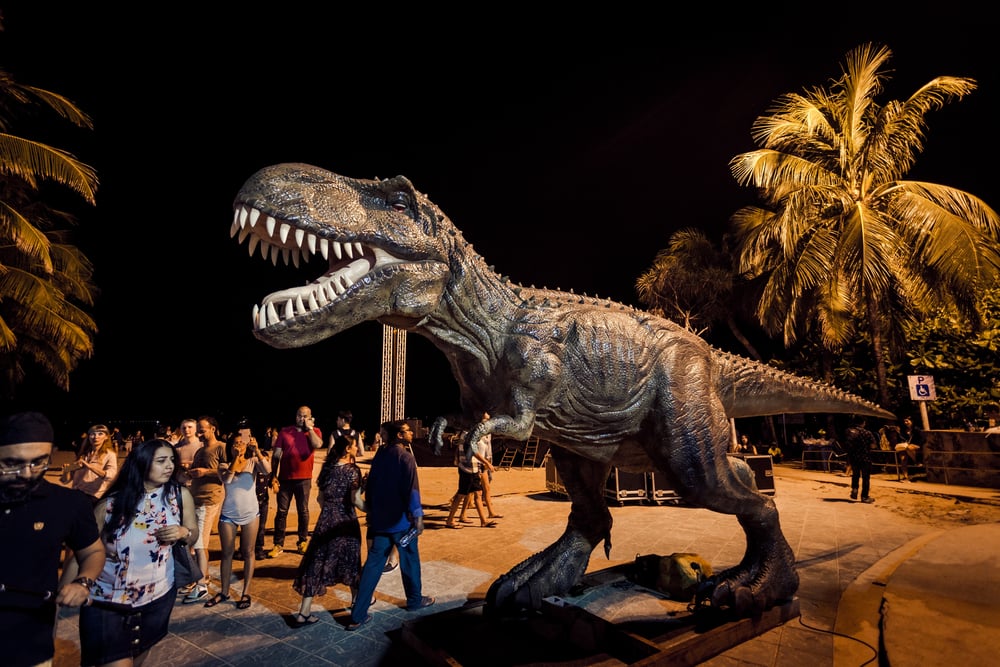
This Los Angeles enigma blurs the line between fact and fiction so skillfully that visitors often leave questioning the nature of truth itself. Exhibits range from scientifically accurate displays about extinct animals to completely fabricated stories presented with museum-quality seriousness. The institution challenges our faith in institutional authority and expert knowledge by making everything look equally credible. Spending time here teaches you to approach information with healthy skepticism, regardless of how official the source appears.
Sulabh International Museum of Toilets

New Delhi’s celebration of sanitation history might sound like a joke, but it addresses one of humanity’s most serious challenges. The museum traces the evolution of waste management from ancient civilizations to modern times, highlighting how proper sanitation has shaped public health and urban development. Visitors discover that the history of toilets is essentially the history of civilization itself. The exhibits make a compelling case that basic human dignity often starts with access to clean, private facilities.
Mütter Museum
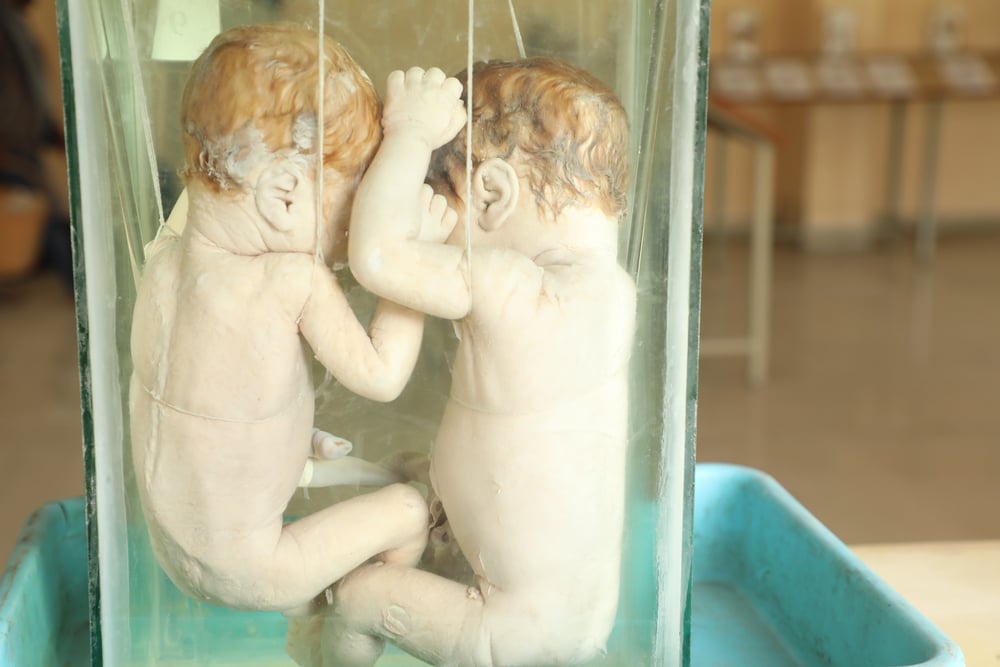
Philadelphia’s collection of medical oddities and anatomical specimens challenges visitors to confront the fragility and strangeness of the human body. The museum houses everything from conjoined twins preserved in formaldehyde to a wall of skulls showing the effects of various diseases and injuries. Rather than being purely macabre, the displays illuminate how medical science has advanced through careful study of human abnormalities. The experience often leaves visitors with a deeper appreciation for their own health and the complexity of human biology.
Torture Museum

— Photo by Nicknick_ko
Amsterdam’s exploration of humanity’s capacity for cruelty forces visitors to confront uncomfortable truths about human nature. The museum displays instruments of torture from various time periods and cultures, showing how societies have justified inflicting pain on fellow humans. What emerges isn’t just horror at past practices, but recognition of how easily civilized societies can slip into barbarity. The exhibits serve as a powerful reminder that human rights require constant vigilance to protect.
House on the Rock

This Wisconsin attraction defies categorization, combining genuine antiques with bizarre fabrications in ways that challenge visitors’ sense of reality. The sprawling complex includes everything from the world’s largest carousel to a room filled with thousands of angels hanging from the ceiling. Owner Alex Jordan created an environment where the line between collection and hallucination becomes completely blurred. Walking through these spaces feels like entering someone else’s fever dream, yet the craftsmanship and attention to detail are undeniably real.
Museum of Bad Art

This traveling collection celebrates the sincere failures of amateur artists with the same reverence most museums reserve for masterpieces. The curators genuinely believe that bad art deserves preservation and study, arguing that failed attempts often reveal more about human creativity than polished successes. Visitors find themselves laughing at first, then gradually developing appreciation for the courage it takes to create anything at all. The museum challenges elitist notions about what deserves cultural preservation and who gets to decide artistic value.
Meguro Parasitological Museum

Tokyo’s shrine to parasites transforms disgust into fascination through careful scientific presentation. The museum houses over 300 species of parasites, including some specimens that stretch several feet long. Visitors learn how these organisms have shaped human evolution and continue to influence global health patterns. The experience proves that even the most revolting aspects of nature become beautiful when viewed through the lens of scientific understanding.
Museum of Broken Dreams

Located in Los Angeles, this institution collects the remnants of failed businesses, abandoned projects, and unrealized ambitions. Displays include everything from prototype products that never made it to market to business plans for companies that folded before launch. The museum reframes failure as an essential part of human progress rather than something to be ashamed of. Visitors often leave feeling more willing to take risks, having seen how even spectacular failures contribute to the larger story of human achievement.
Winchester Mystery House

— Photo by EWYMedia
This San Jose mansion challenges visitors’ understanding of architecture, logic, and obsession all at once. Sarah Winchester spent 38 years continuously building onto her house, creating a labyrinth of stairs that lead nowhere, doors that open onto walls, and rooms with no apparent purpose. The result is a physical manifestation of grief, guilt, and possibly madness that forces visitors to question the nature of rational design. Walking through these impossible spaces feels like entering a three-dimensional puzzle designed by someone operating under completely different rules.
Museum of Miniatures
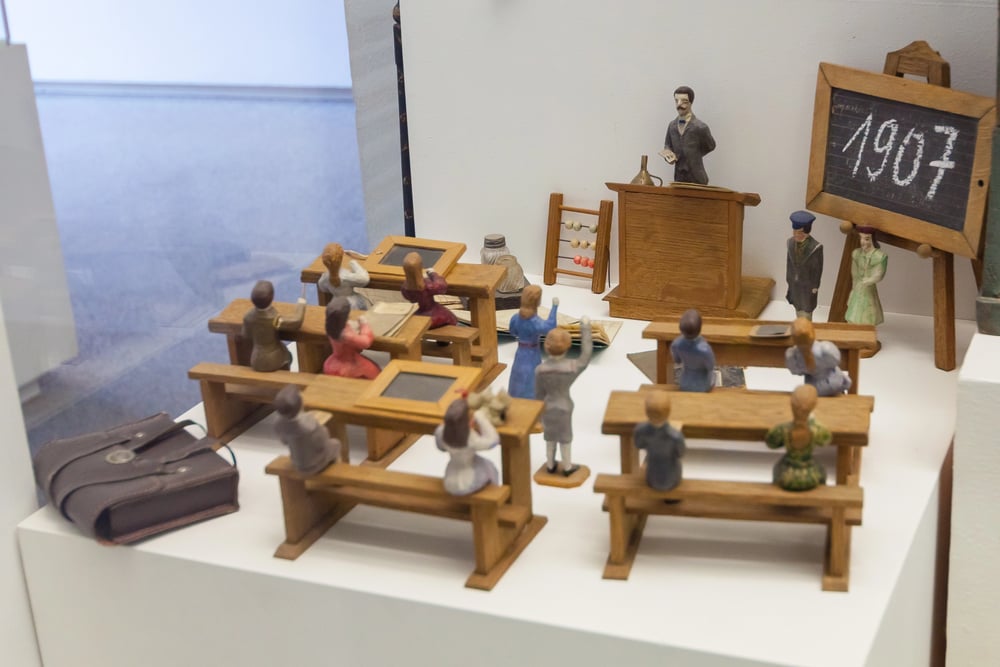
St. Petersburg’s celebration of incredibly small art challenges assumptions about scale and significance. The museum houses sculptures so tiny they fit inside the eye of a needle, yet each piece demonstrates extraordinary technical skill and artistic vision. Visitors need microscopes to fully appreciate the detail in these works, creating an intimate viewing experience unlike anything in traditional museums. The collection proves that artistic impact has nothing to do with physical size and everything to do with the precision of execution.
International Museum of Surgical Science
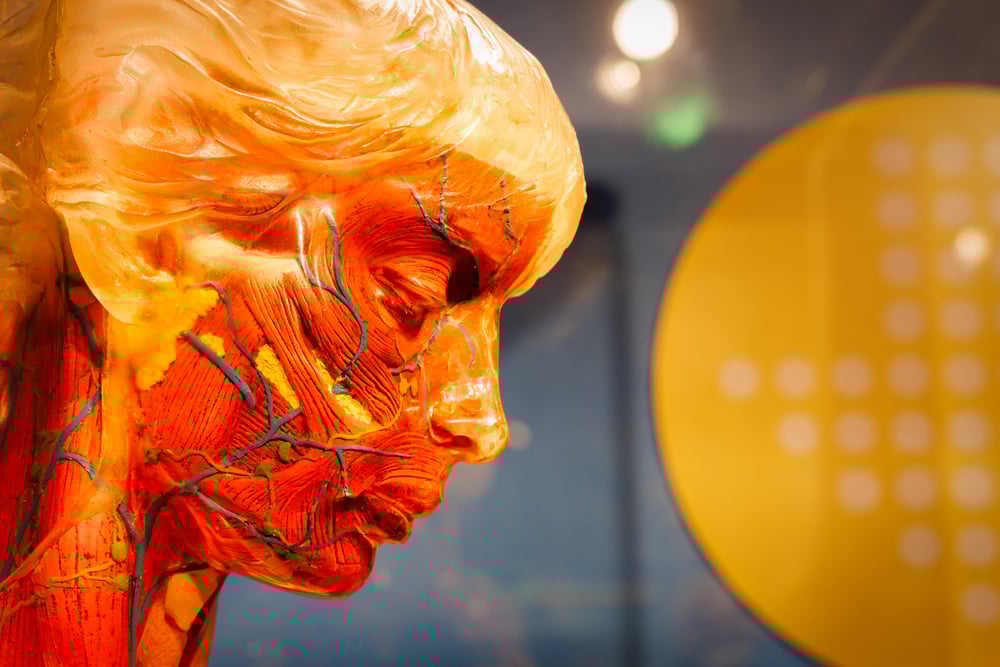
— Photo by BillChizekPhotography@gmail.com
Chicago’s exploration of medical history through surgical instruments and techniques challenges visitors to appreciate the evolution of healing. The museum displays everything from ancient trepanation tools to modern robotic surgery equipment, showing how humans have always sought to heal each other despite limited understanding. Visitors often develop newfound respect for medical professionals after seeing the primitive conditions under which surgery was once performed. The exhibits demonstrate that what we consider barbaric today was once the height of medical sophistication.
The Evolution of Wonder
— Photo by diegograndi
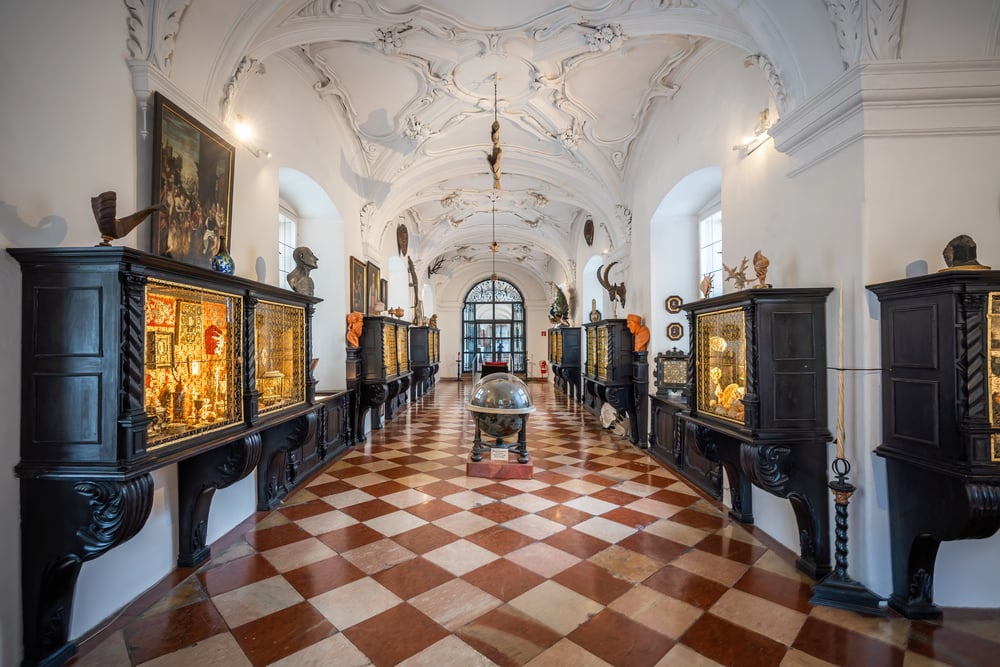
These 15 institutions prove that museums can be more than repositories for artifacts—they can be spaces for questioning, challenging, and completely reshaping how we see the world. Each one takes visitors on a journey that begins with curiosity and ends with a fundamentally altered perspective on familiar subjects. They remind us that the most powerful learning happens when we’re willing to have our assumptions challenged and our comfort zones expanded. In an age of increasing polarization, these museums serve as crucial spaces where people can safely encounter ideas that might otherwise seem threatening or foreign.
More from Go2Tutors!

- 16 Historical Figures Who Were Nothing Like You Think
- 12 Things Sold in the 80s That Are Now Illegal
- 15 VHS Tapes That Could Be Worth Thousands
- 17 Historical “What Ifs” That Would Have Changed Everything
- 18 TV Shows That Vanished Without a Finale
Like Go2Tutors’s content? Follow us on MSN.