13 Vacation Spots That Were Once Forbidden
Some of today’s hottest travel destinations have wild histories as completely off-limits territories. These places got banned for all sorts of reasons—military operations, political drama, religious restrictions, or they were just too dangerous for regular folks to visit safely.
Here’s a list of 13 vacation spots that were once totally forbidden to tourists.
Cuba
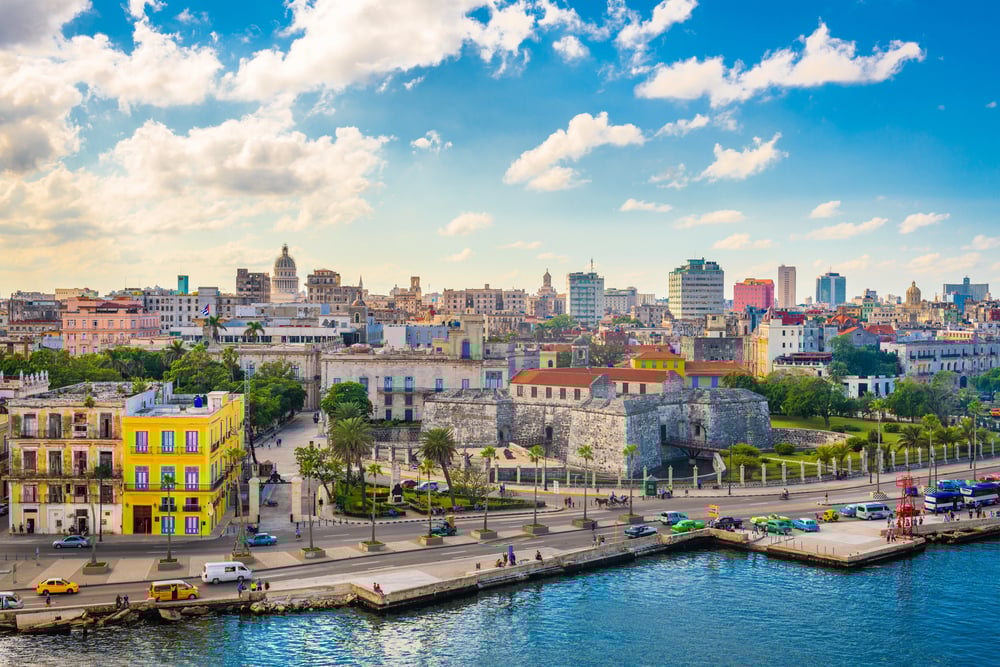
— Photo by sepavone
American tourists couldn’t set foot in Cuba for nearly six decades thanks to the U.S. trade embargo that kicked in around 1960. This island paradise—sitting just 90 miles from Florida—became completely forbidden after the Cuban Revolution turned everything upside down. These days, while restrictions haven’t disappeared entirely, Americans can actually visit Cuba under specific categories like educational trips. Those vintage cars cruising Havana’s streets and those untouched beaches? They’re finally within reach again.
Berlin
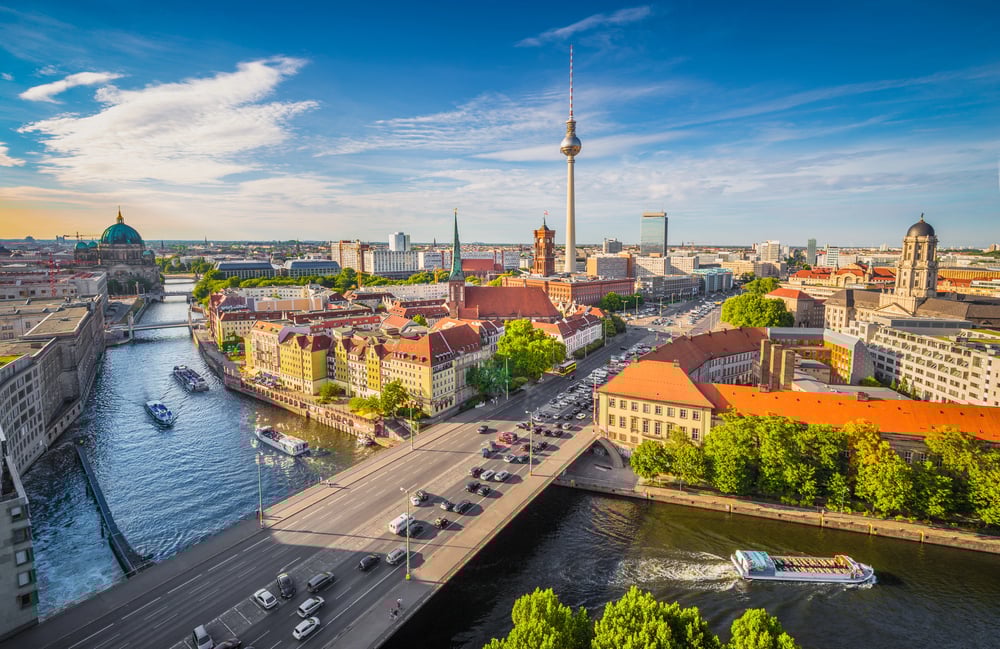
The Berlin Wall didn’t just split a city in half—it created one of the planet’s most forbidden vacation spots for almost thirty years. Between 1961 and 1989, East Berlin was completely off-limits to Western tourists, with armed guards who meant business standing ready to stop anyone trying to cross. When that wall finally came down, Berlin transformed into a unified destination where visitors can wander freely between what used to be two totally separate worlds, checking out both the Brandenburg Gate and chunks of the wall that still stand.
Myanmar
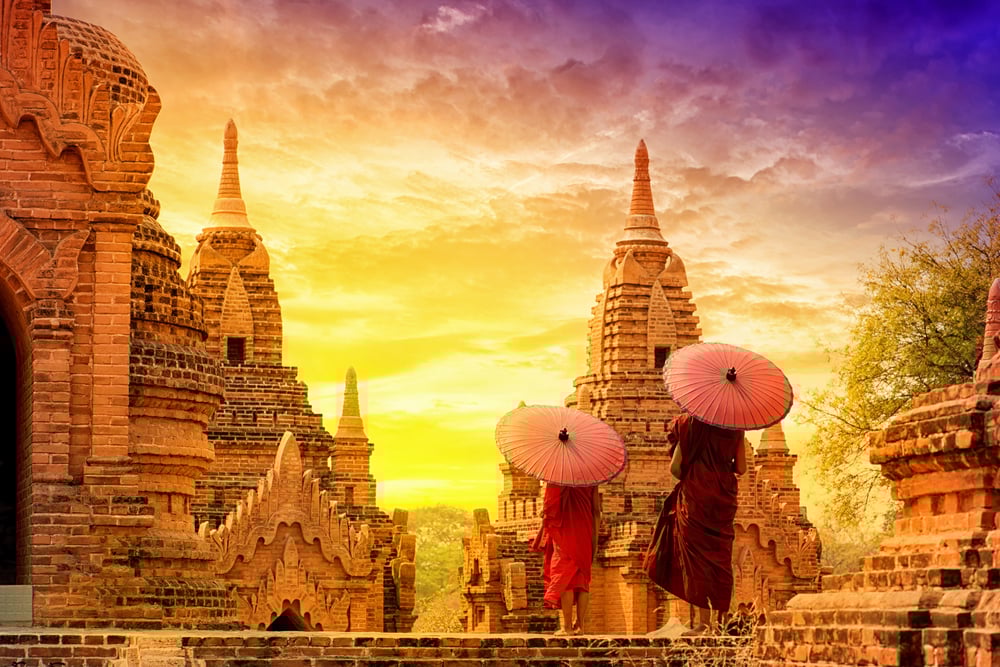
Myanmar’s military rulers kept their country locked up tight for decades, turning it into one of Asia’s biggest mysteries. The government’s isolationist approach meant only a tiny number of organized tours got permission—and even those came with government babysitters watching every move. Political shifts starting in 2011 opened Myanmar’s doors to independent travelers, revealing incredible sights like Bagan’s ancient temples and Inle Lake’s floating gardens that had been hidden for so long.
Tibet
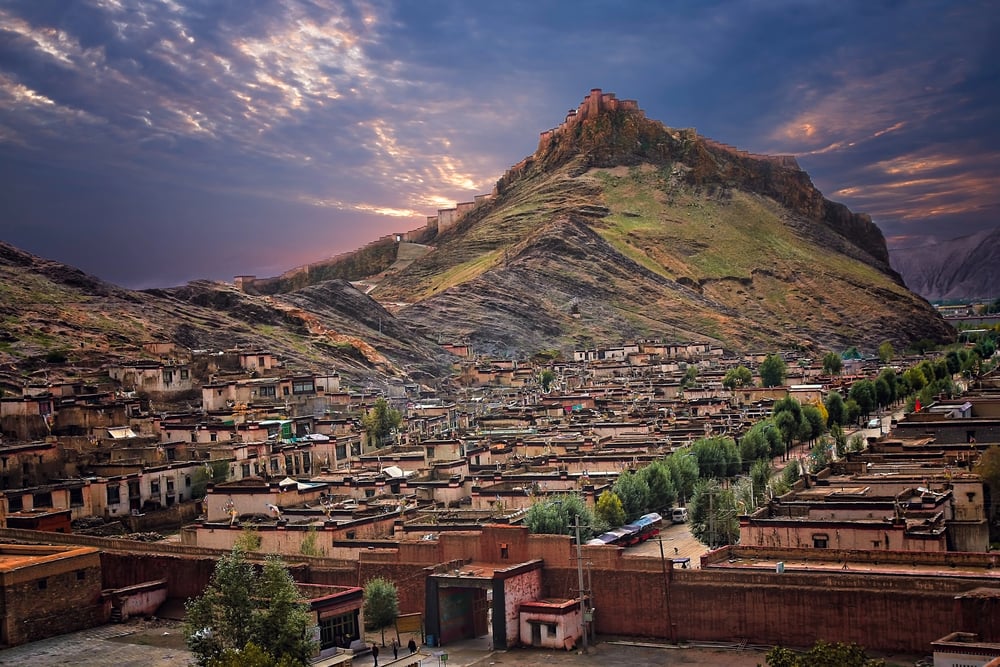
China’s grip on Tibet has turned this mountain region into a politically charged destination for decades. Foreign tourists found independent travel nearly impossible, facing strict permit requirements and mandatory government guides controlling every aspect of their visit. While organized tours can now explore Tibet, the region keeps its mystique as a place where ancient Buddhist traditions meet those dramatic Himalayan peaks.
Bhutan
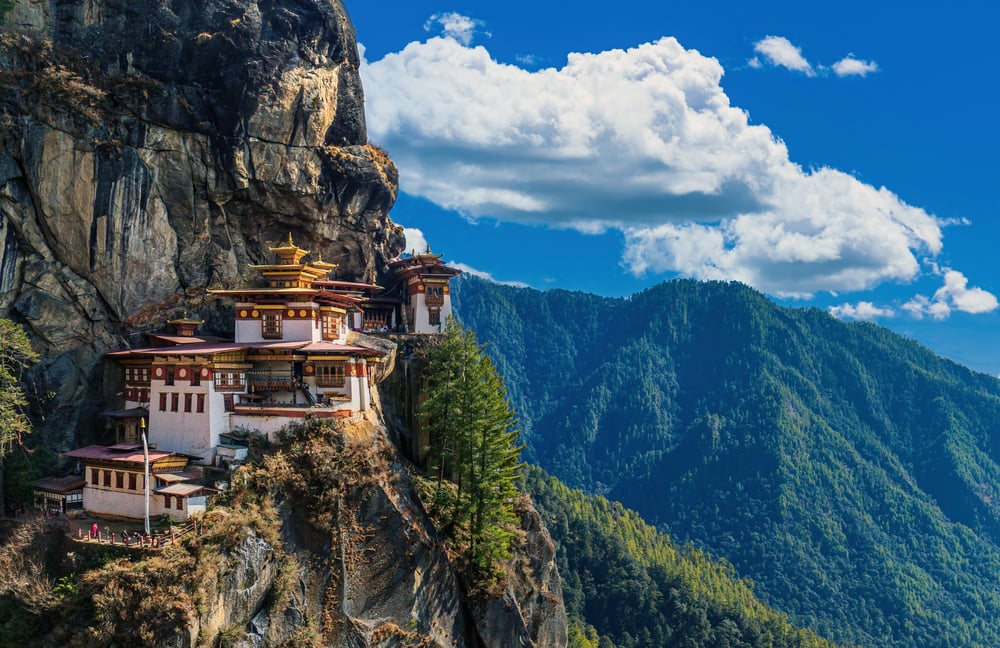
This tiny Himalayan kingdom deliberately kept tourists away through its ‘high value, low impact’ policy—basically charging visitors huge daily fees that made most people think twice. It wasn’t technically a ban, but those costs made Bhutan effectively forbidden to anyone traveling on a budget. The country has started allowing independent travelers recently, though it still caps visitor numbers to protect its unique culture and pristine environment.
Albania
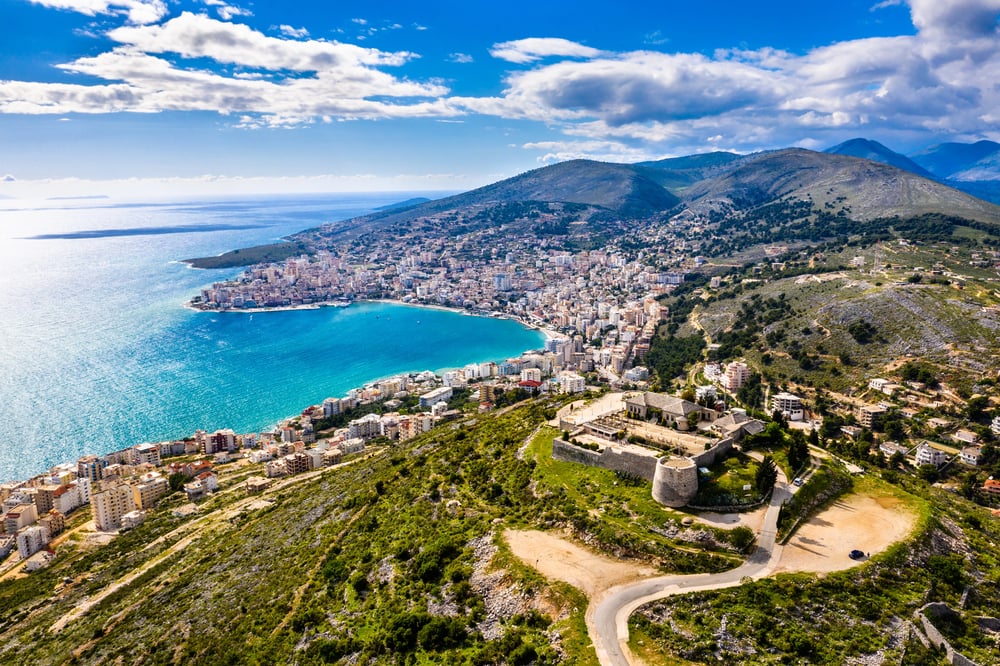
Communist Albania under Enver Hoxha was Europe’s most isolated country—completely sealed off from Western tourists between 1944 and 1990. That paranoid regime built thousands of concrete bunkers everywhere and banned almost all foreign contact, making Albania feel like some lost corner of Europe. Today’s travelers can explore the Albanian Riviera’s gorgeous beaches and discover a country that still feels refreshingly undiscovered compared to the packed Mediterranean hotspots nearby.
Iran
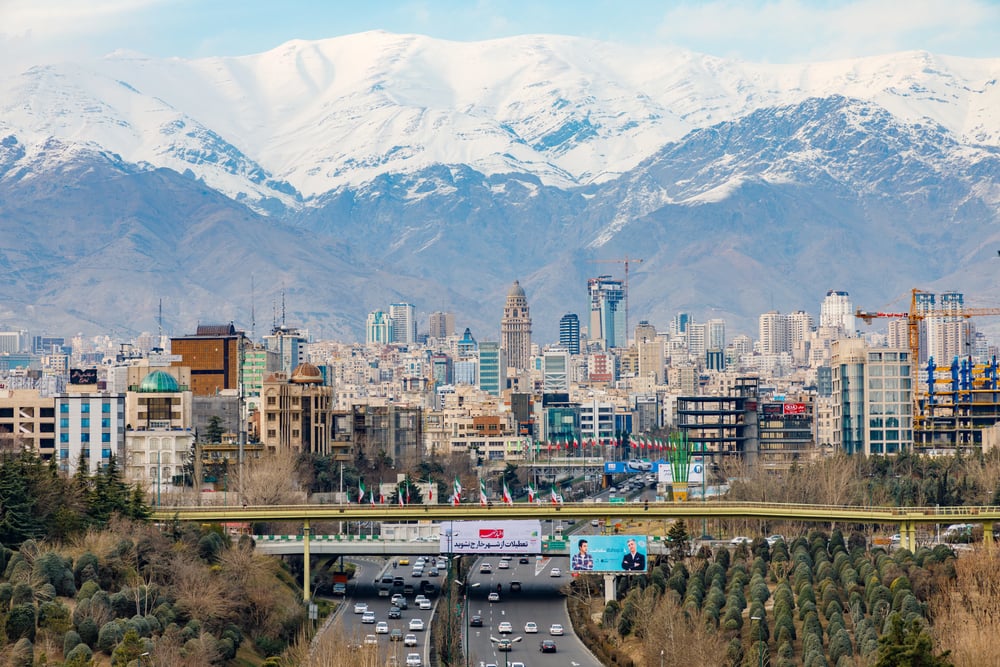
Political tensions and international sanctions made Iran feel like forbidden territory for Western travelers for decades. The 1979 revolution and messy diplomatic relations afterward created an atmosphere where most tourists just stayed away completely. Despite ongoing political complications, Iran has become much more accessible to independent travelers—revealing Persian architecture in Isfahan and ancient Persepolis ruins to those willing to deal with the visa paperwork.
Saudi Arabia
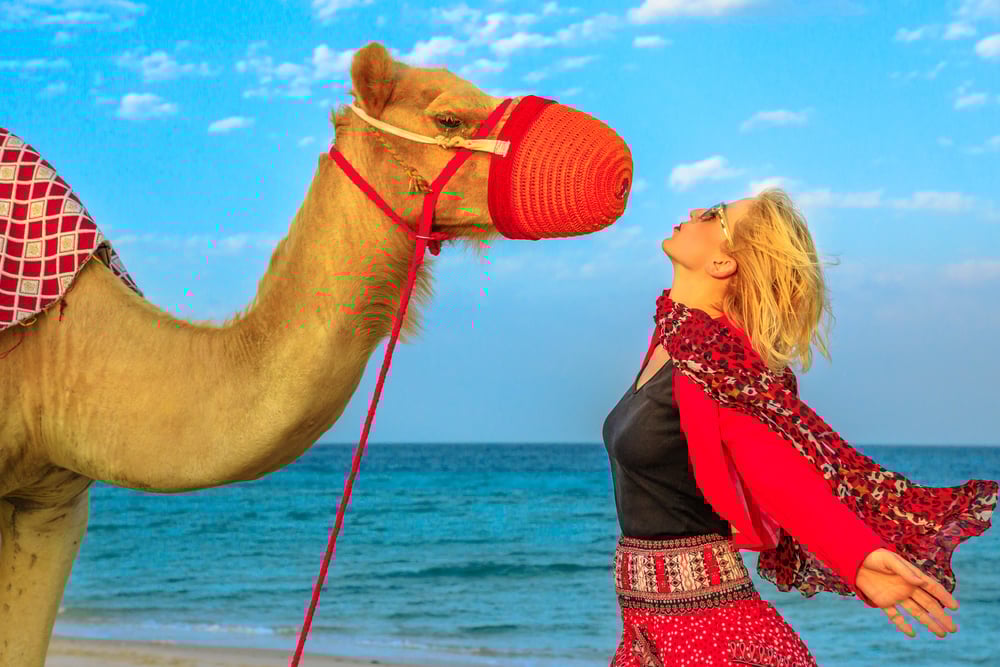
Saudi Arabia ran one of the world’s tightest tourist visa policies, essentially banning leisure travel for decades. The kingdom only handed out visas for business trips, religious pilgrimages, or family visits—keeping its vast deserts and ancient cities hidden from curious travelers. Tourist visas introduced in 2019 finally opened up incredible destinations like AlUla’s rock formations and the futuristic NEOM city project to international visitors.
Easter Island
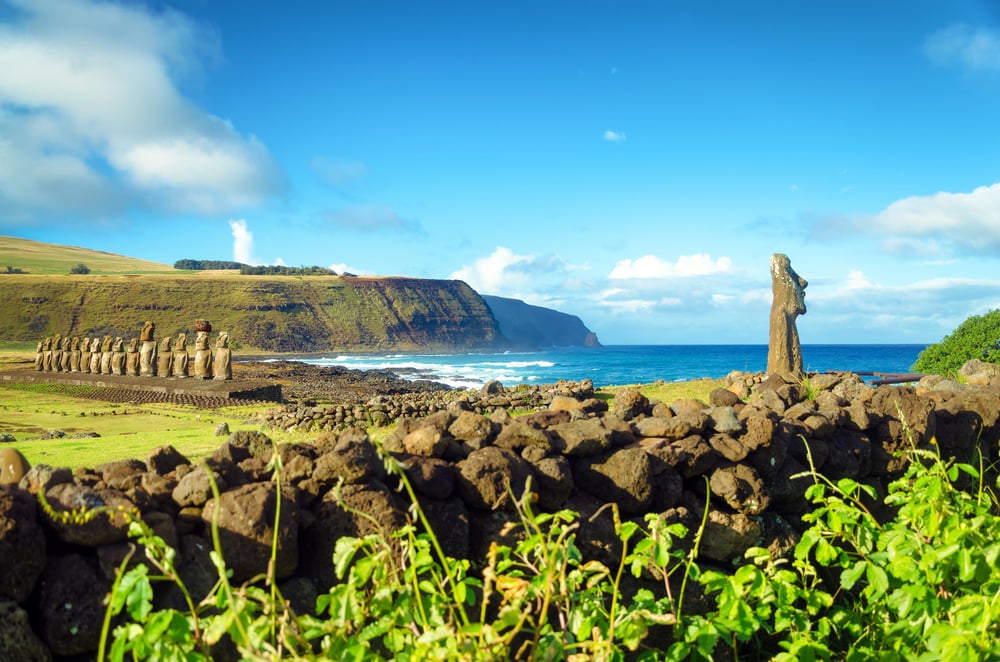
Chile’s remote Easter Island wasn’t exactly forbidden, though its extreme isolation made it practically unreachable until regular flights started in the 1960s. Those famous moai statues stayed largely unknown to the outside world—only occasional research expeditions made it to this tiny speck in the Pacific. Regular flights from Santiago now make it possible to see these mysterious stone figures up close, even though the journey still takes some serious planning.
North Korea
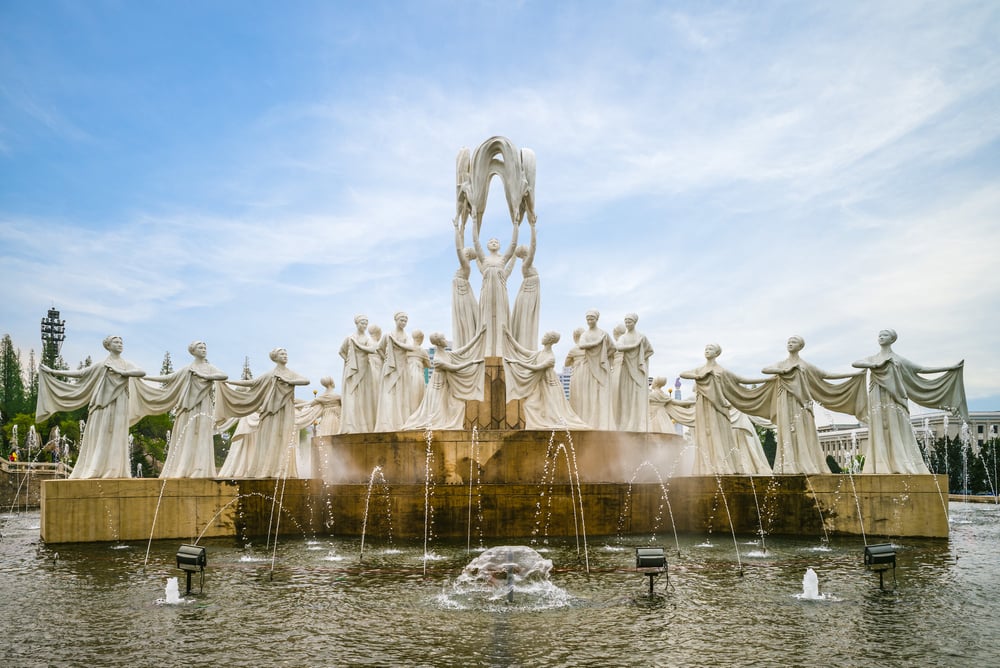
North Korea is one of the world’s most restricted destinations, where independent travel simply doesn’t exist and all visits must go through heavily monitored official tours. The DPRK has stuck to its isolationist policies since the 1950s, keeping it forbidden territory for most of the planet. Some tour operators offer glimpses of Pyongyang and the DMZ, but visitors only see what the government decides they should see.
Socotra Island

— Photo by vampy1
This UNESCO World Heritage site off Yemen’s coast was effectively forbidden due to its remote location and total lack of infrastructure. Political chaos in Yemen made the island even more unreachable, keeping its otherworldly dragon’s blood trees and pristine beaches completely hidden. Recent transportation improvements have made it possible for adventurous travelers to reach this ‘Galápagos of the Indian Ocean,’ though it still demands considerable planning and patience.
Faroe Islands

The Faroe Islands weren’t technically off-limits, yet Denmark’s remote Atlantic territory stayed largely unknown to tourists until recent decades. Limited transport options and minimal tourism infrastructure meant these dramatic islands with their iconic grass-roof houses remained off most travelers’ radar entirely. New airports and better ferry connections have transformed the Faroes into an accessible destination for those seeking Nordic wilderness and traditional village life.
Chernobyl Exclusion Zone
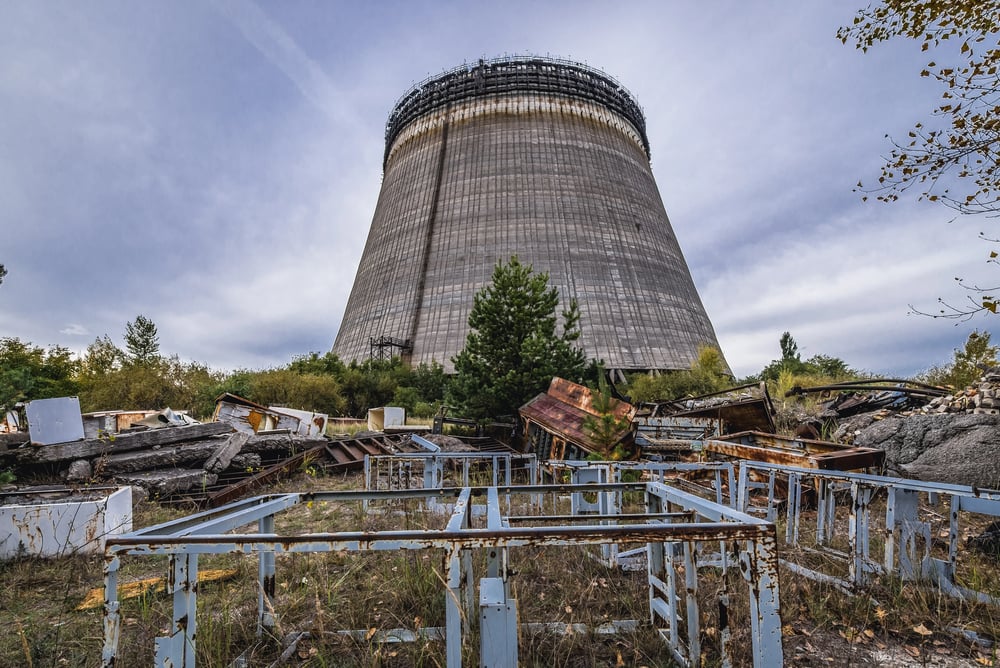
The area surrounding Chernobyl’s nuclear power plant became one of Earth’s most forbidden zones after the 1986 disaster sealed it off due to radiation contamination. For decades, this 30-kilometer exclusion zone stayed completely off-limits to civilians, accidentally creating a wildlife preserve where nature reclaimed abandoned towns. Guided tours now let visitors explore Pripyat and surrounding areas, offering a haunting look at this frozen moment in history.
When Barriers Become Bridges

These once-forbidden destinations show us how political walls, natural obstacles, and human fears can turn ordinary places into extraordinary adventures. What makes these locations compelling today isn’t just their beauty—it’s how their restricted past preserved unique cultures, untouched landscapes, and authentic experiences that mass tourism might’ve ruined otherwise. Moving from forbidden to accessible has created something special: travel that carries historical weight and genuine discovery. For today’s travelers, these places offer what’s becoming increasingly rare—the chance to witness destinations that stayed hidden from the world for decades, complete with all their mysteries intact.
More from Go2Tutors!

- 16 Historical Figures Who Were Nothing Like You Think
- 12 Things Sold in the 80s That Are Now Illegal
- 15 VHS Tapes That Could Be Worth Thousands
- 17 Historical “What Ifs” That Would Have Changed Everything
- 18 TV Shows That Vanished Without a Finale
Like Go2Tutors’s content? Follow us on MSN.