15 Mysterious Shipwrecks Divers Still Explore
Beneath the world’s vast oceans lie silent testimonies to maritime disasters – ghostly vessels frozen in time on the seafloor. These shipwrecks, some centuries old yet others from recent decades, continue to captivate explorers and divers who brave challenging conditions to uncover their secrets.
From luxury liners to warships, these underwater time capsules offer glimpses into our past while raising questions that remain unanswered. Here’s a look at 15 of the most fascinating shipwrecks still visited by divers today.
The Antikythera Wreck
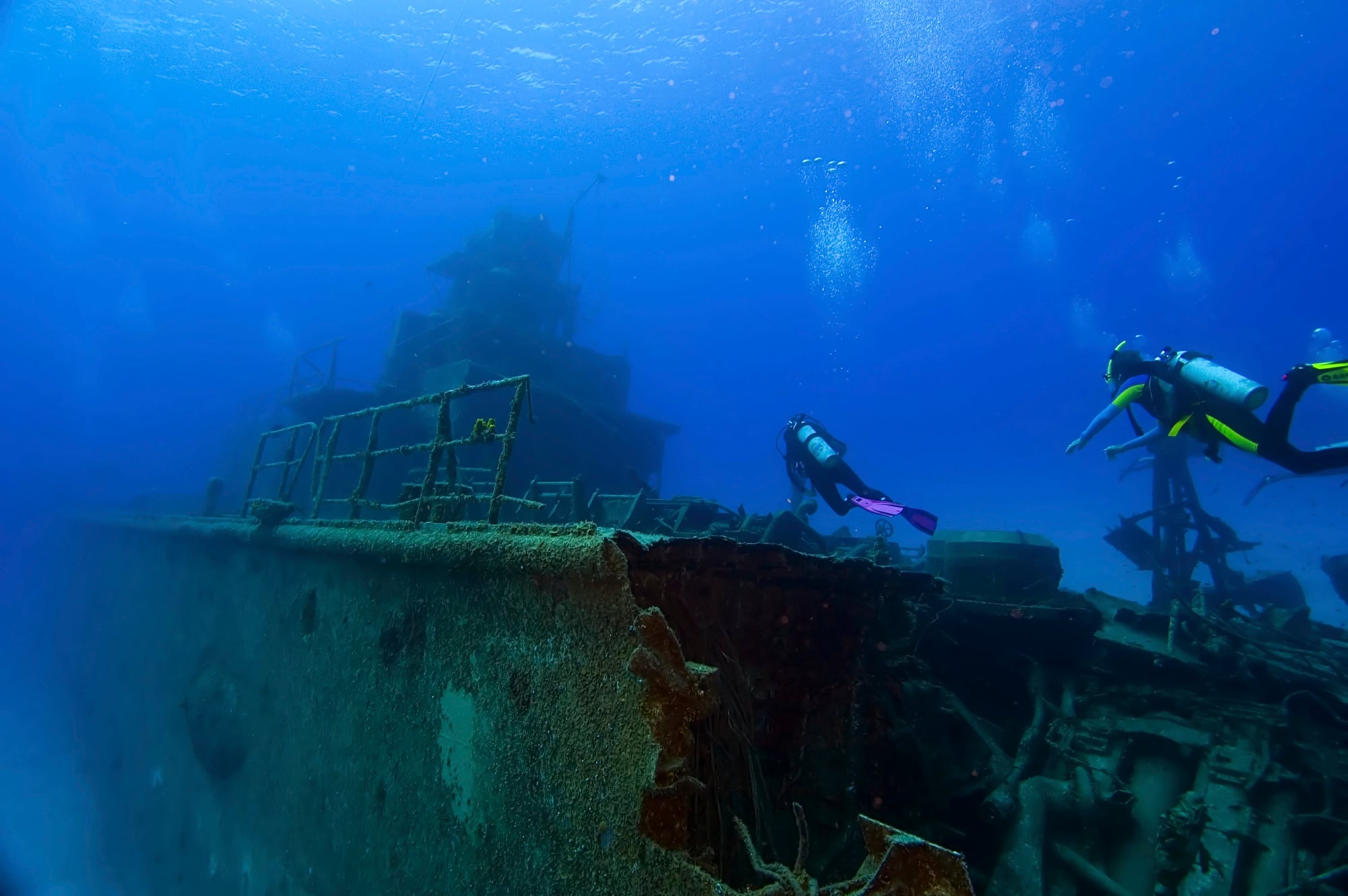
Dating back to approximately 60 BCE, this ancient Roman-era shipwreck near Greece yielded the Antikythera Mechanism – often described as the world’s first analog computer. Discovered by sponge divers in 1900, the site continues to reveal treasures ranging from marble statues to gold jewelry – despite challenging currents at depths around 150 feet.
Modern expeditions now employ cutting-edge technology to uncover new artifacts while battling difficult underwater conditions.
RMS Titanic
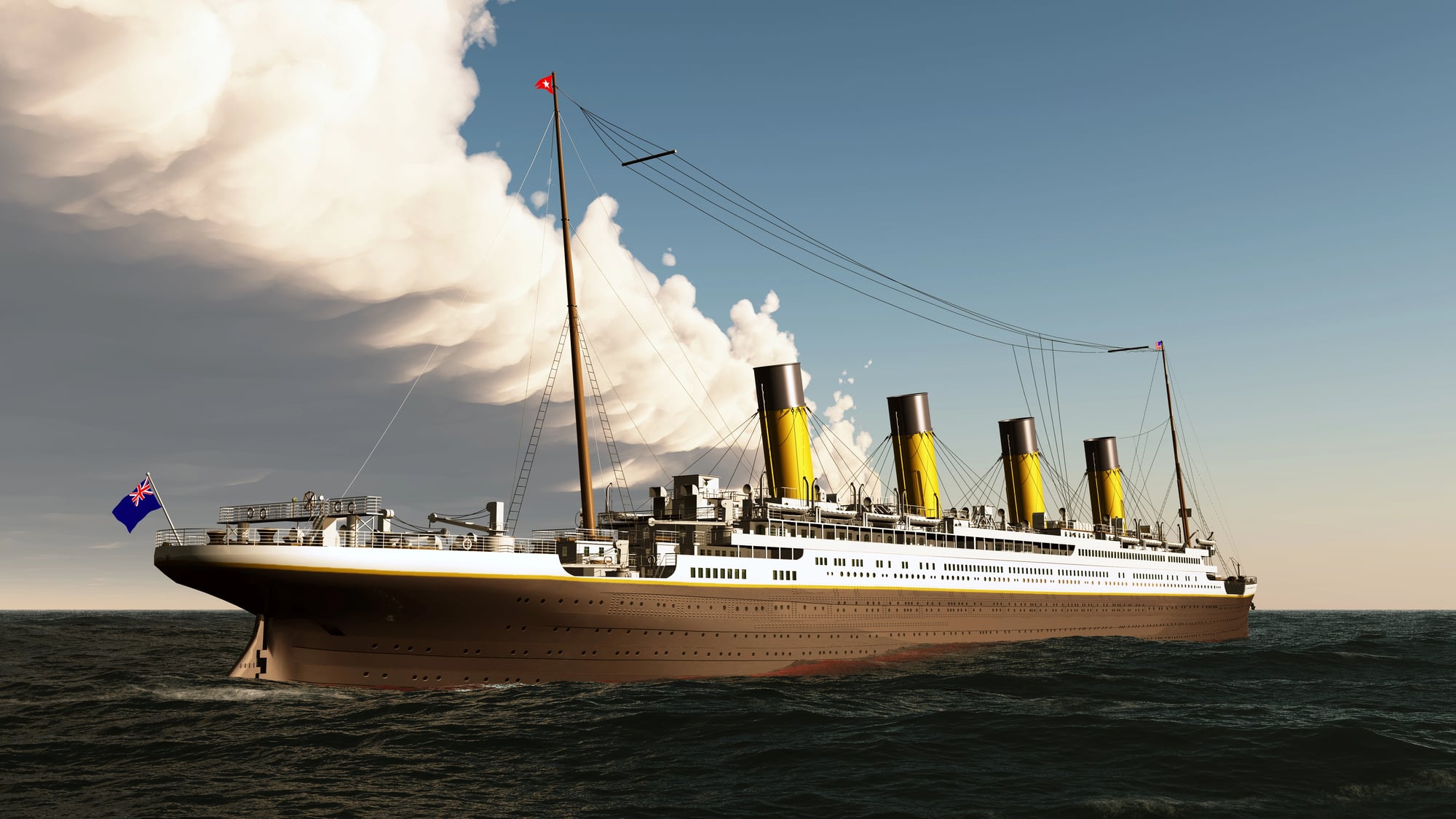
The most renowned shipwreck in history sits 12,500 feet beneath the North Atlantic, accessible only by specialized deep-sea submersibles. This supposedly “unsinkable” luxury liner struck an iceberg in 1912 and sank with tremendous loss of life, a catastrophe that still haunts our collective imagination.
Since its discovery in 1985, the wreck has been deteriorating rapidly due to metal-eating bacteria coupled with relentless deep-ocean currents.
USS Monitor

This revolutionary Civil War ironclad sank during an 1862 storm off North Carolina – claiming 16 sailors’ lives. Rediscovered in 1973 as America’s first National Marine Sanctuary, the Monitor rests in 230 feet of water.
Though much of the ship has deteriorated, its famous revolving gun turret was successfully raised in 2002. These days, only trained technical divers can visit the protected site because of strong currents and the wreck’s increasingly fragile condition.
Vasa

Sweden’s ornate 17th-century warship Vasa isn’t explored underwater – it was raised almost intact in 1961. The vessel embarrassingly capsized during its 1628 maiden voyage in Stockholm harbor, a mortifying engineering disaster for the Swedish crown.
Cold, low-salinity Baltic waters preserved the ship remarkably well for 333 years. Now housed in Stockholm’s Vasa Museum, it provides an unparalleled glimpse into naval architecture from that period.
SS Andrea Doria

Known as the “Mount Everest of Shipwreck Diving,” this Italian luxury liner sank in 1956 following a collision near Nantucket. At depths between 160-250 feet, the Andrea Doria has tragically claimed over 20 divers’ lives due to fierce currents, entanglement hazards, and dismal visibility.
The ship’s elegant artifacts – particularly porcelain dishes – have long attracted collectors, though ongoing deterioration has rendered the vessel increasingly unstable and dangerous.
SS Thistlegorm
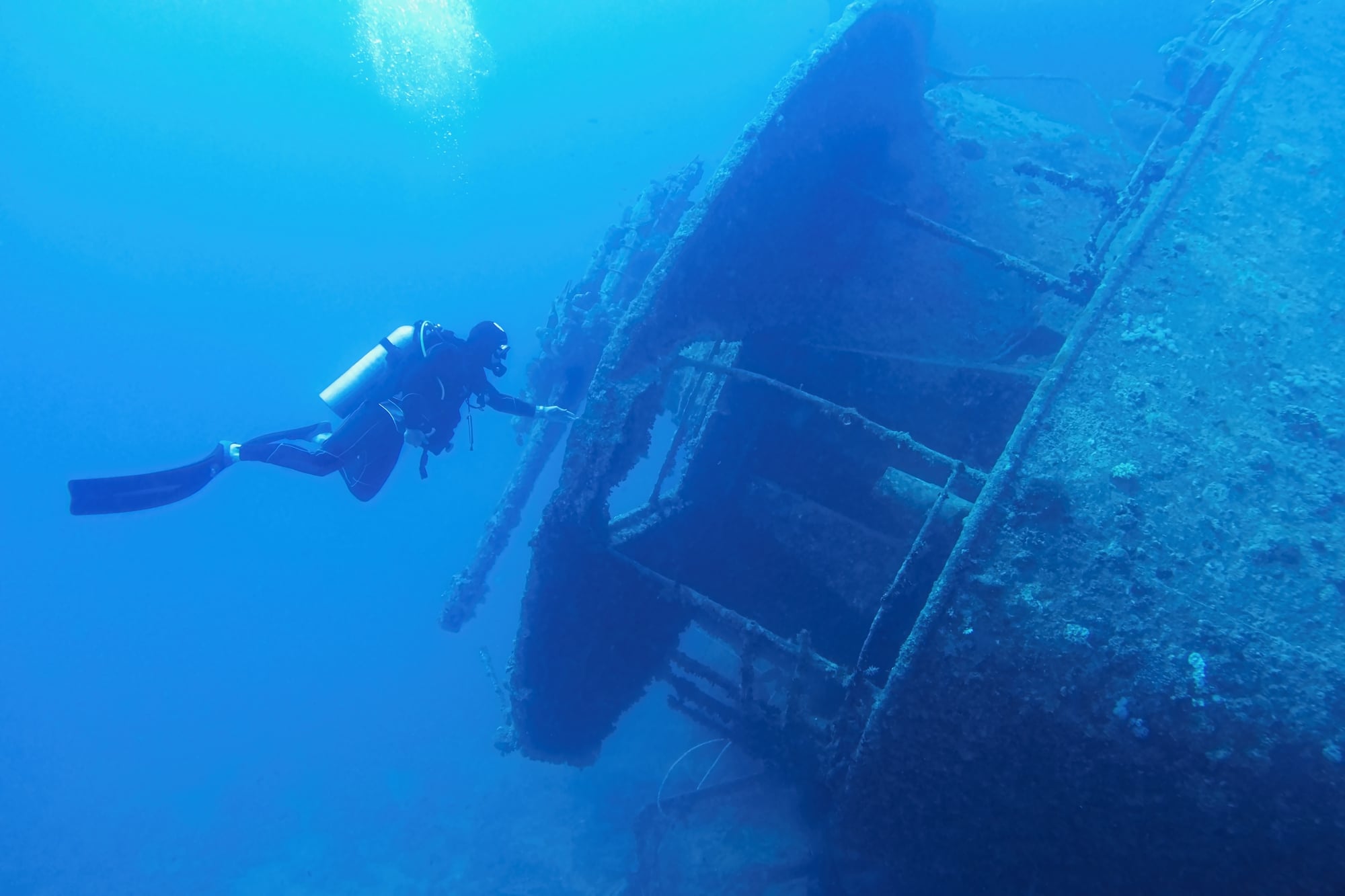
This British merchant ship in the Red Sea was bombed by German aircraft in 1941 while transporting war supplies. Jacques Cousteau rediscovered it in the 1950s, and it’s now among the world’s most popular wreck dives.
What makes this site extraordinary isn’t just the vessel but its cargo – trucks, motorcycles, rifles, and even steam locomotives remain perfectly preserved in the ship’s holds. Its moderate depth (100 feet) combined with crystal-clear waters makes it accessible to recreational divers.
HMHS Britannic
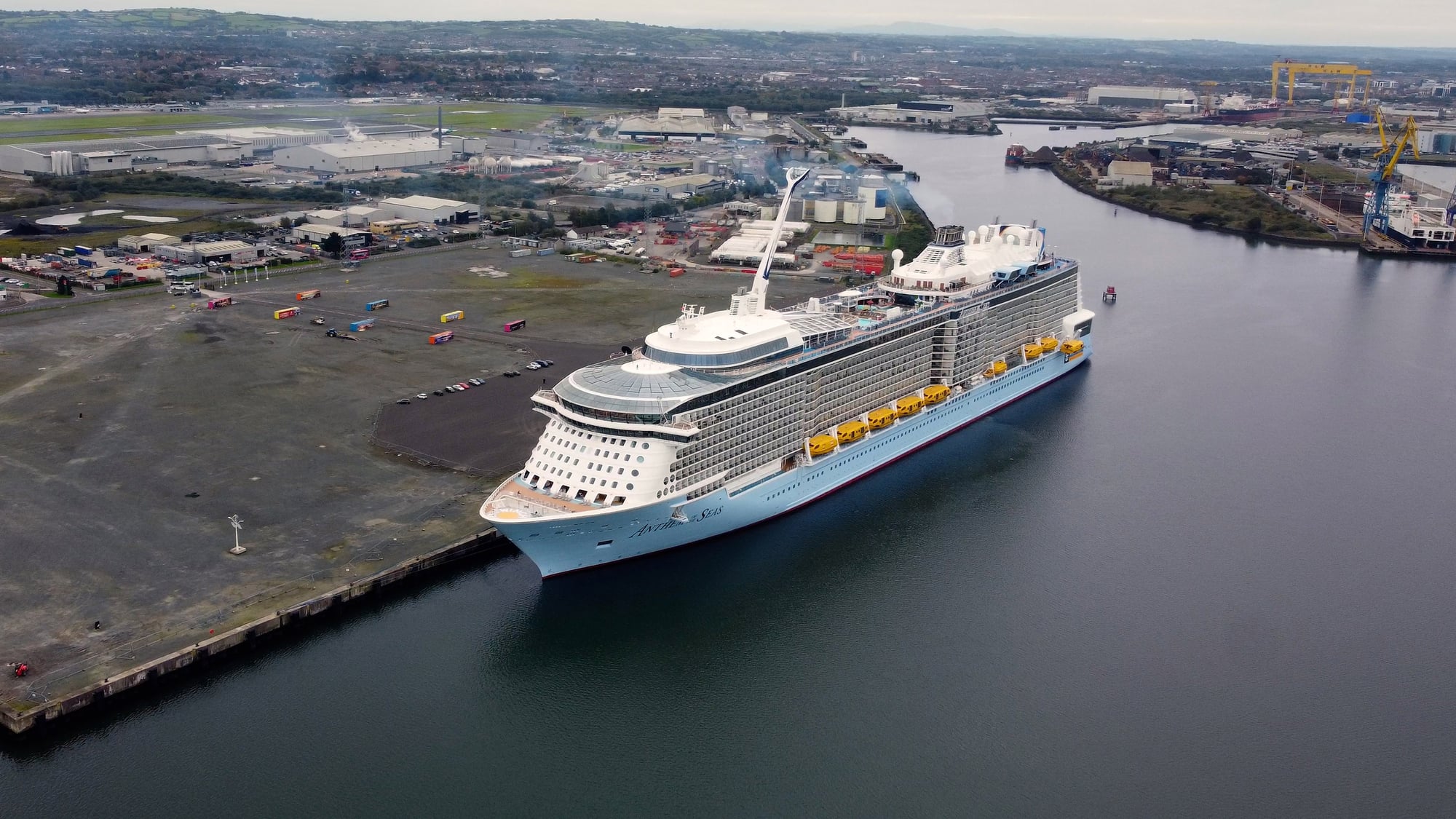
Titanic’s lesser-known sister struck a mine in 1916 while serving as a WWI hospital ship. Lying in 400 feet of water near Greece, the Britannic remains remarkably intact compared to her famous sibling.
Her significant depth means only highly trained technical divers with specialized equipment can visit. Those who make the journey report seeing medical equipment still visible among the ghostly wreckage – a haunting underwater time capsule from the Great War.
USS Arizona
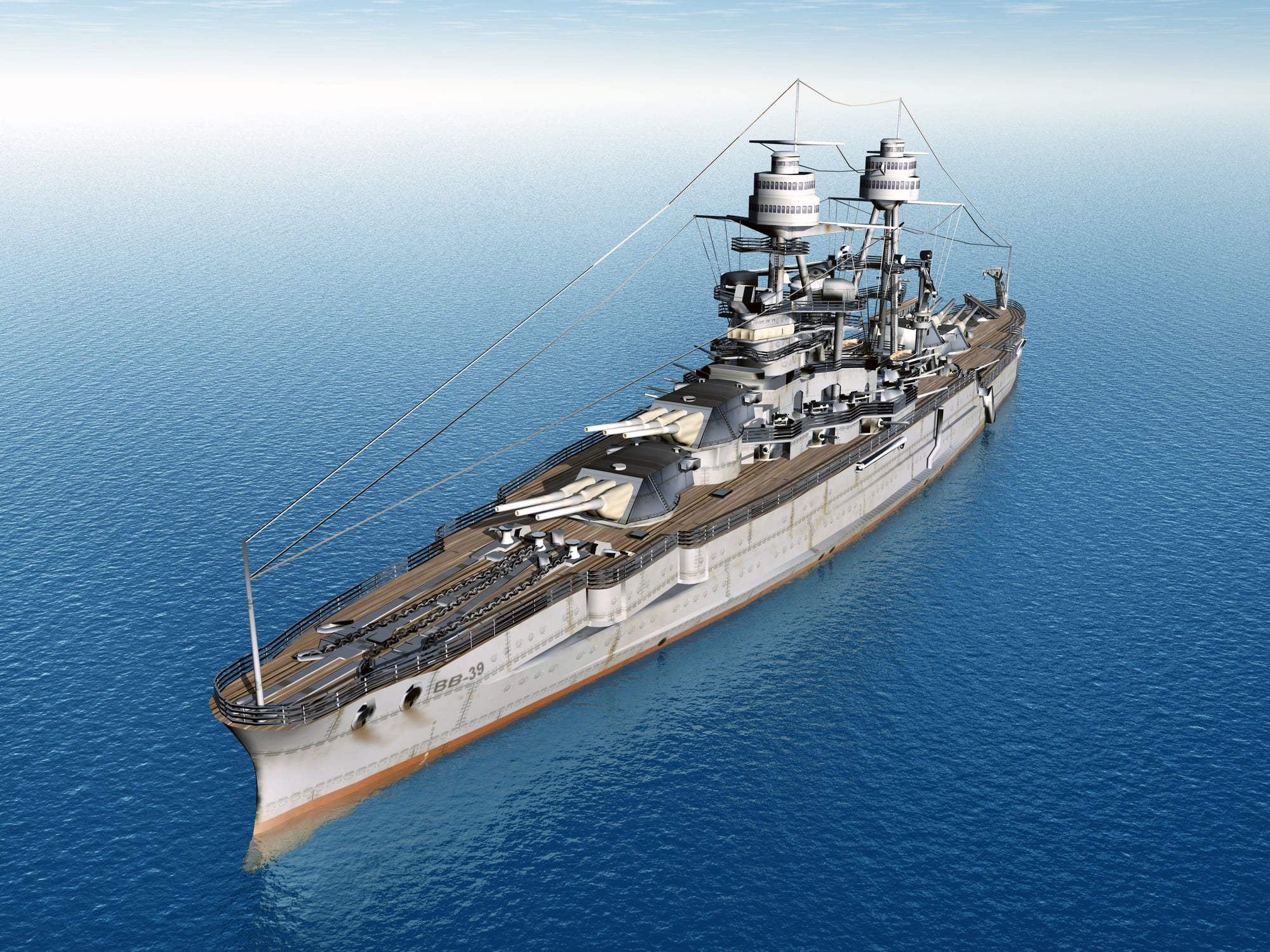
This American battleship wasn’t lost to the sea but to the Japanese attack on Pearl Harbor in 1941. She remains where she sank, serving as both memorial and tomb for 1,177 sailors and Marines.
Diving operations are strictly limited to research and maintenance – recreational diving is prohibited out of respect for those entombed within. Oil still seeps from her bunkers, often called “the tears of the Arizona,” more than eight decades after the attack that propelled America into WWII.
Yonaguni Monument

Natural formation or ancient structure? This underwater mystery off Japan has divided scientific opinion since its discovery in 1987. The site features massive stone formations with straight edges, sharp corners, and what appear to be terraces and steps – all at about 100 feet depth.
Some scholars believe it’s artificial and could predate Egyptian pyramids by over 10,000 years old. The monument attracts adventurous divers willing to battle strong currents to witness this enigmatic underwater anomaly firsthand.
Truk Lagoon

This Micronesian lagoon contains an entire Japanese fleet sunk during a devastating American attack in 1944. The “Ghost Fleet of Truk Lagoon” encompasses over 60 wrecks – from aircraft carriers to patrol boats – creating the world’s largest congregation of shipwrecks.
Divers can explore vessels still loaded with tanks, aircraft, and ammunition. Warm tropical waters have transformed these war machines into vibrant artificial reefs teeming with marine life – an eerie blend of military history and underwater beauty.
Mary Rose
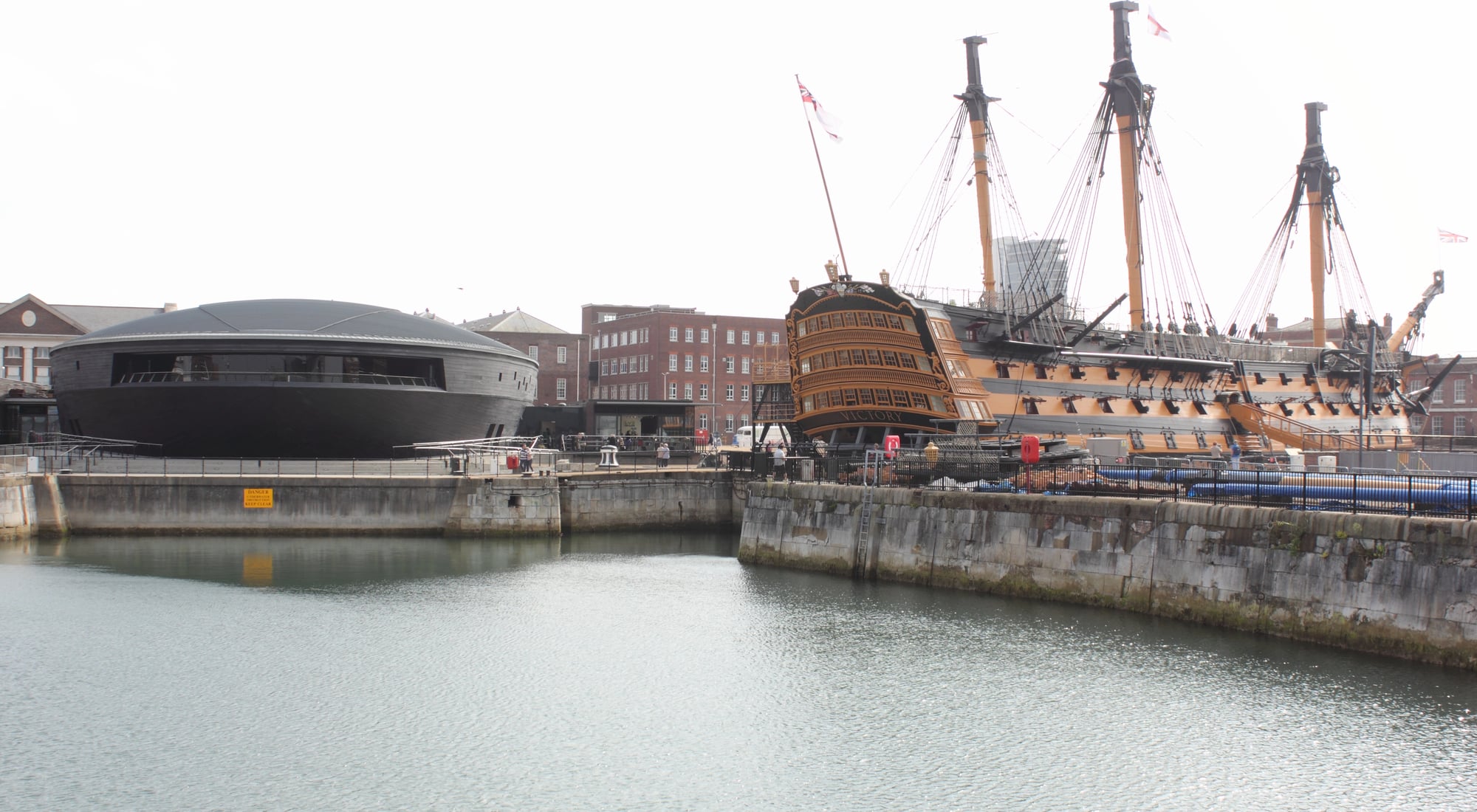
King Henry VIII’s flagship sank in 1545 during a battle with the French, as the monarch watched helplessly from shore. After 437 years underwater, the Mary Rose was raised in 1982 in an operation broadcast live to millions worldwide.
The painstaking conservation of this Tudor warship has revealed unprecedented insights into 16th-century maritime life. Archaeological diving continues at the site where part of the structure remains embedded in the seafloor, yielding fascinating discoveries decades after the main excavation.
German High Seas Fleet at Scapa Flow

Instead of surrendering to the Allies after Germany’s defeat in World War I, the German fleet that had been detained in 1919 sank themselves dramatically in Scotland’s Scapa Flow. Europe’s top wreck diving destination is made up of a number of enormous battleships and cruisers that survived the 74 ships that perished.
Unlike ships lost in battle, these purposefully sunk ships have remarkably undamaged architecture. Although frigid water, poor visibility, and depths over 100 feet necessitate advanced skills and appropriate equipment, divers can explore enormous gun turrets and control rooms.
USS Oriskany

This aircraft carrier, known as the “Great Carrier Reef,” was the largest ship ever intentionally sunk for this purpose when it was sunk off the coast of Florida in 2006 as an artificial reef. The Vietnam-era destroyer, which is 911 feet long, provides divers with a contemporary navy vessel to investigate.
As the island superstructure extends to 84 feet below the surface and its flight deck sits at 145 feet, both technical and recreational divers can explore various areas of this enormous underwater spectacle.
MS Zenobia

This ferry capsized during her 1980 maiden voyage due to computer failures, sinking near Cyprus with over 100 trucks still chained to her decks. Thankfully, no lives were lost, but the 584-foot vessel became the Mediterranean’s premier wreck dive.
Recreational divers typically explore upper decks and truck cargo, while technical divers venture into engine rooms and lower decks. The wreck’s relatively recent age means features remain intact – from stairwells to trucks still containing their original cargo.
Fujikawa Maru
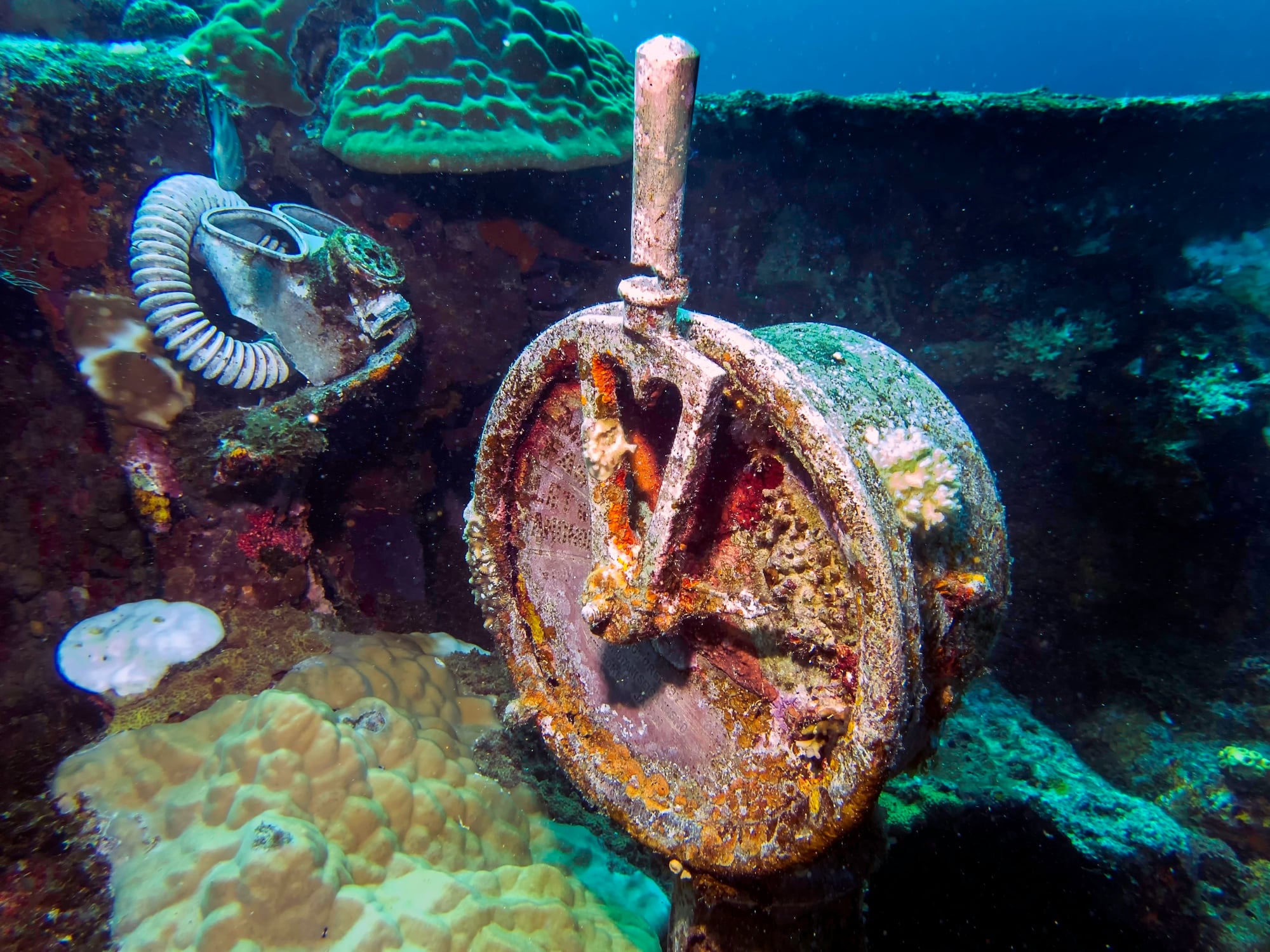
Among Truk Lagoon’s many wrecks, this WWII aircraft transport stands out for its perfect accessibility and intrigue. The 437-foot freighter rests upright with her deck at just 60 feet – ideal for recreational divers.
What makes Fujikawa special are its remarkably preserved features: a machine shop with intact tools and partially assembled Japanese fighter planes in her forward hold. The ship’s guns, bridge, and superstructure remain largely intact, creating an immersive historical experience surrounded by colorful tropical marine life.
The Allure of the Deep

These 15 shipwrecks represent just a fraction of the estimated three million vessels scattered across the ocean floor. Each tells a unique story, offering underwater explorers tangible connections to history.
While technology has made these sites more accessible, many remain challenging to reach due to extreme depth, treacherous currents, structural deterioration, or legal protections. The preservation of these underwater time capsules raises complex questions about salvage rights, respect for maritime graves, and balancing research with environmental protection.
As climate change accelerates the deterioration of once well-preserved wrecks, documenting these sites becomes increasingly urgent – even as exploring the ocean’s mysterious depths remains as challenging and dangerous as ever.
More from Go2Tutors!

- The Romanov Crown Jewels and Their Tragic Fate
- 13 Historical Mysteries That Science Still Can’t Solve
- Famous Hoaxes That Fooled the World for Years
- 15 Child Stars with Tragic Adult Lives
- 16 Famous Jewelry Pieces in History
Like Go2Tutors’s content? Follow us on MSN.



