16 Outfits Once Worn Only for Strange Rituals
Throughout history, fashion has served purposes far beyond mere style or warmth. Many garments we casually wear today once held deeply spiritual significance, marked social status, or played crucial roles in ancient ceremonies.
From the everyday hoodie to formal wedding attire, countless pieces in our modern wardrobes trace their origins back to ritual practices that would seem quite peculiar by today’s standards. Let’s explore 16 outfits that began their fashion journey in the realm of sacred ceremonies, mystical traditions, and cultural rituals.
Here is a list of 16 garments that transformed from ritualistic wear to everyday fashion.
White Wedding Dresses
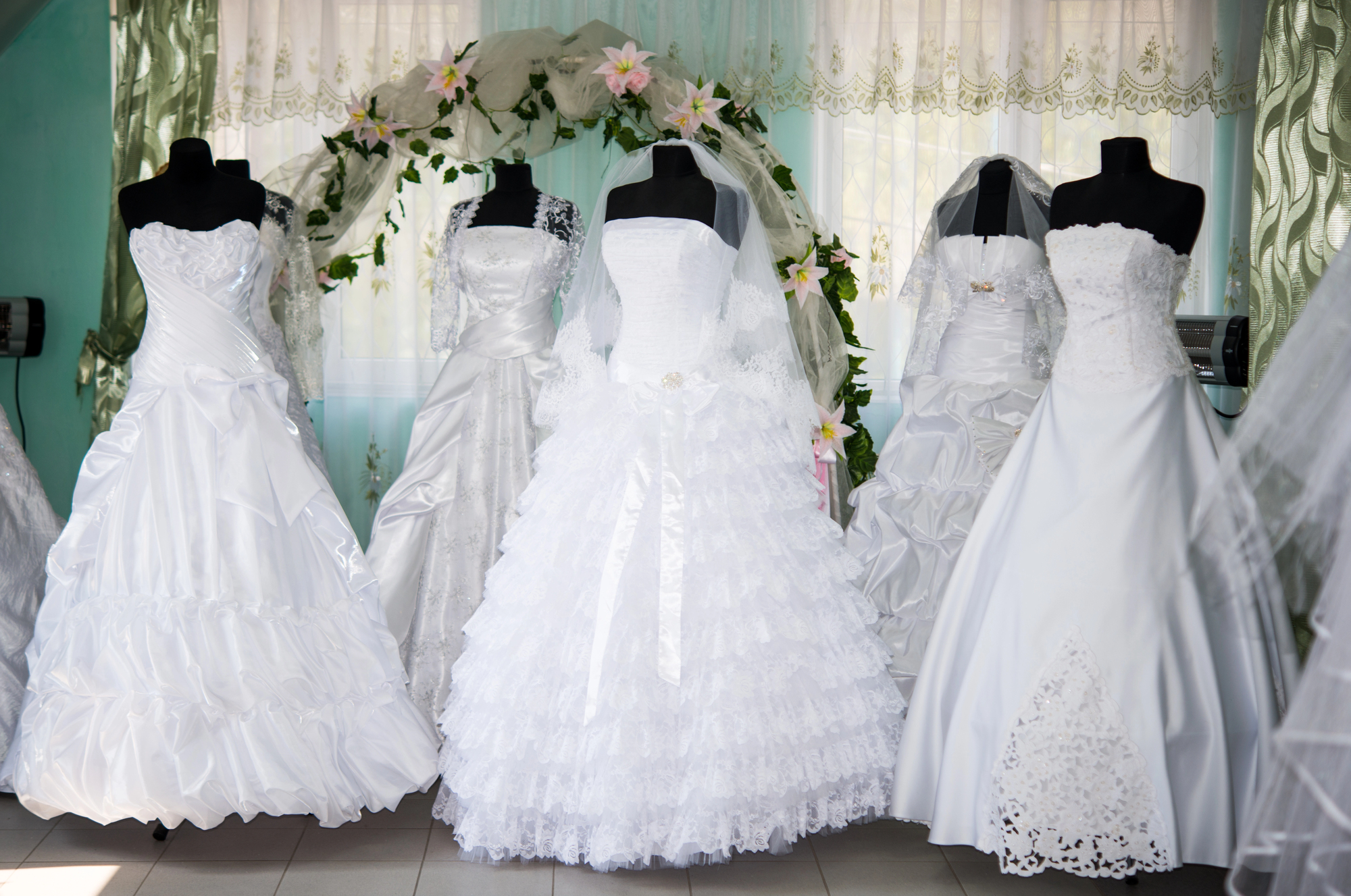
The white wedding dress wasn’t always about purity or tradition. Ancient Romans wore white as a symbol of celebration and joy, but the modern white wedding dress actually started as a funeral ritual in some cultures.
Celtic brides wore white to symbolize their ‘death’ as maidens before being ‘reborn’ as wives. Queen Victoria popularized the white wedding dress in 1840, but she was actually following an ancient practice where brides dressed as sacrificial offerings to ensure fertility.
The flowing white fabric was meant to mimic burial shrouds, representing the end of one life phase and the beginning of another.
Academic Graduation Gowns

Those flowing black robes you wear at graduation have roots in medieval religious ceremonies. University scholars in the 12th century were essentially clergy members who took vows similar to monks.
Their long, hooded robes served as both protection from cold stone buildings and symbols of their scholarly devotion. The different colored hoods and tassels originally indicated which religious order the scholar belonged to.
Back then, receiving a degree was literally a religious ritual where you pledged your intellectual pursuits to God.
Tuxedos and Formal Evening Wear
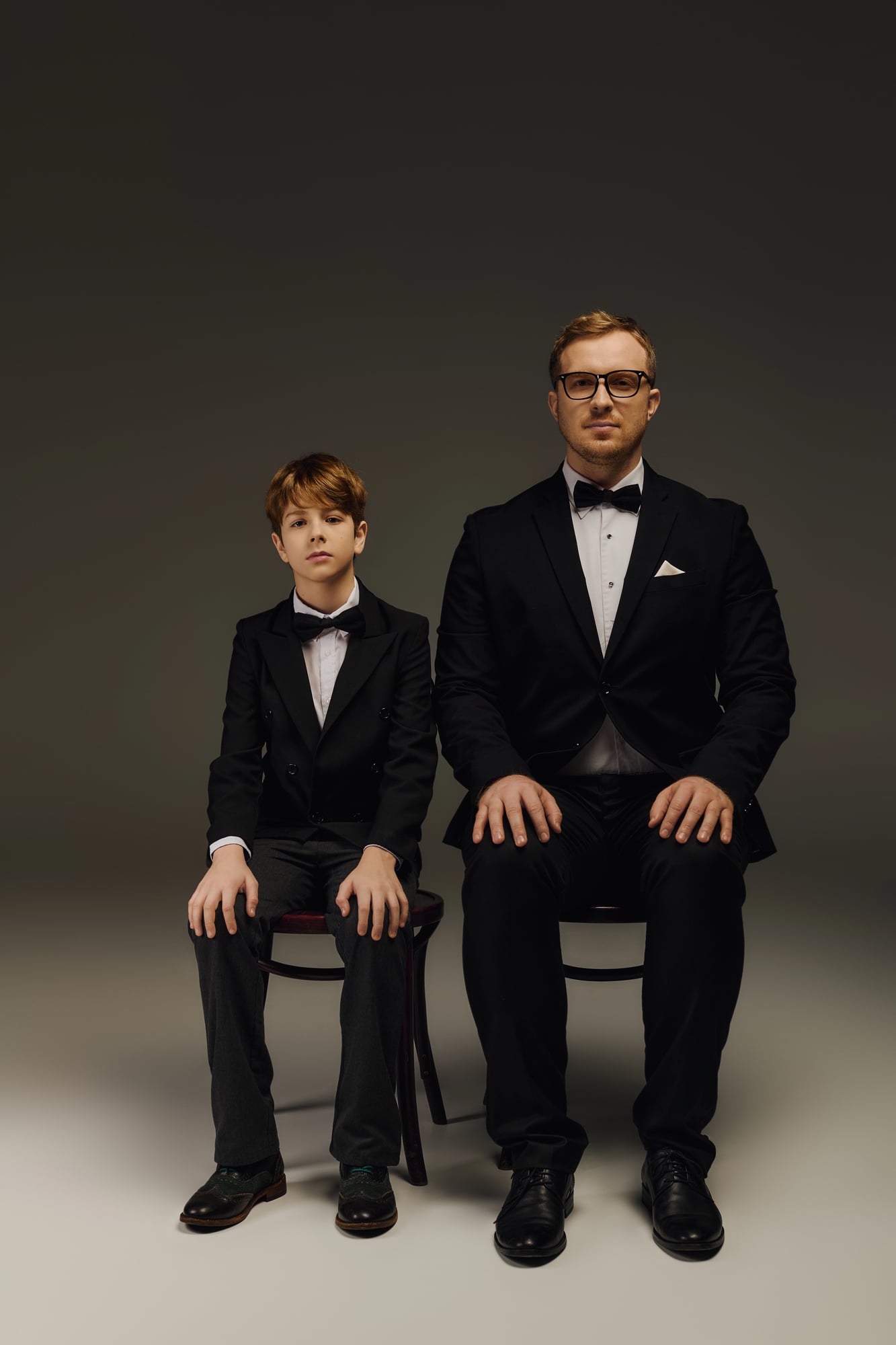
The modern tuxedo evolved from smoking jackets worn during Victorian séances and occult gatherings. Wealthy gentlemen would change into these special ‘smoking suits’ before conducting spiritual communication sessions.
The satin lapels weren’t just for show – they helped deflect negative spiritual energy, according to 19th-century believers. The bow tie replaced regular neckties because mediums claimed long ties could be grabbed by restless spirits.
These formal gatherings were serious mystical affairs, complete with specific dress codes to protect participants from supernatural interference.
Denim Jeans

Before becoming the ultimate casual wear, denim jeans served as protective ritual garments for gold miners. But here’s the twist – many miners weren’t just digging for gold.
They practiced a form of earth mysticism, believing certain locations held spiritual power. The indigo dye used in denim was considered sacred by various cultures and was thought to ward off evil spirits lurking underground.
Miners would bless their jeans before entering mines, treating them as magical armor. The copper rivets weren’t just practical – they were believed to conduct positive earth energy.
High Heels
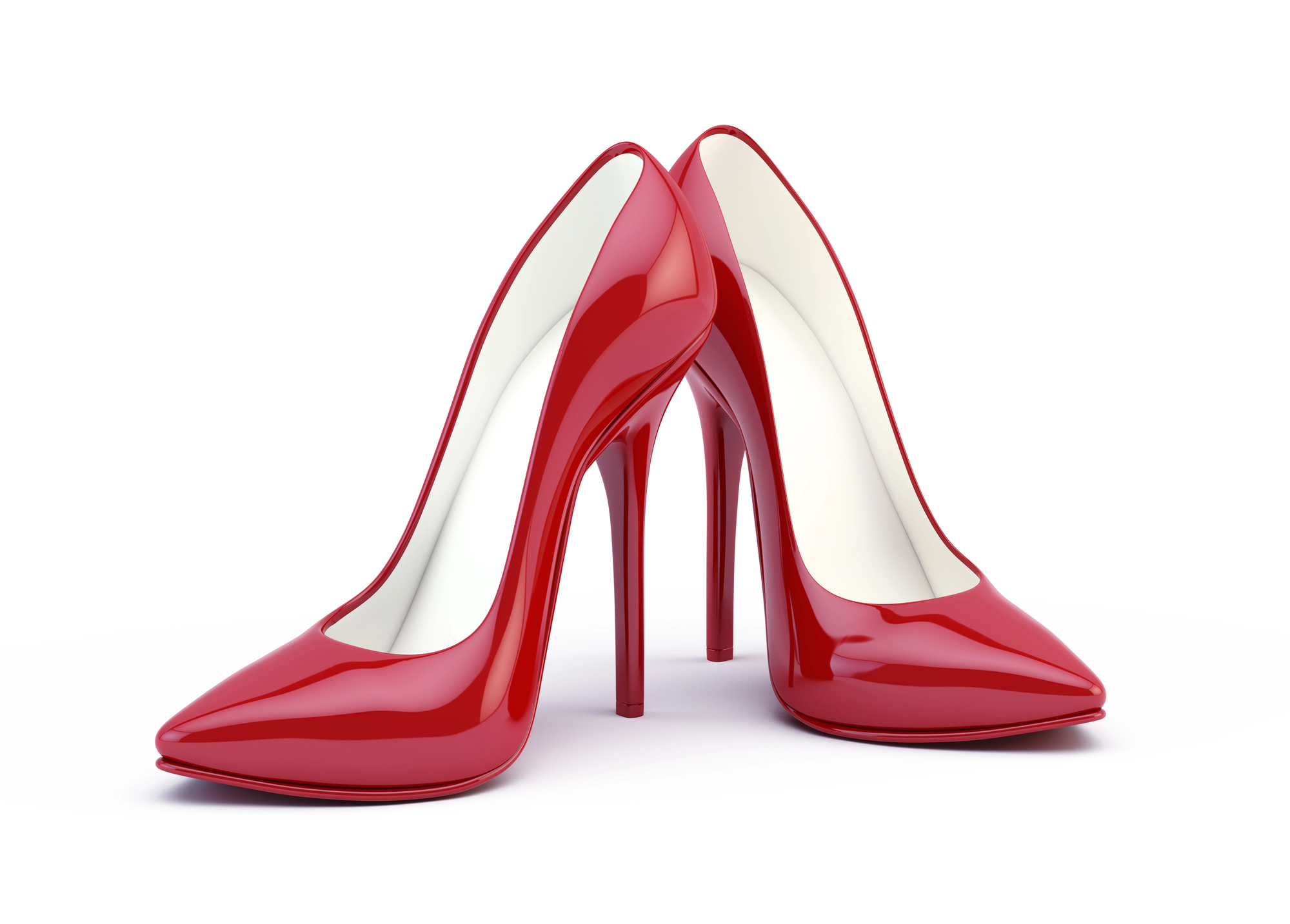
High heels started as ritual footwear for Persian horse-riding ceremonies honoring war gods. Persian cavalry wore heeled boots during religious processions, believing the elevation brought them closer to divine powers.
The practice spread to European courts, where nobles adopted heels for elaborate ceremonial dances dedicated to various deities. These weren’t fashion statements – they were spiritual tools.
The higher you stood, the closer you were to heaven, making heels essential for any ritual involving divine communication.
Hooded Sweatshirts

The hoodie’s ancestor was the monk’s cowl, designed for specific prayer rituals. Medieval monks pulled their hoods up during silent meditation to create a personal prayer space and block distractions.
Different monastic orders had different hood styles, each serving unique spiritual purposes. The Benedictines used deep hoods for contemplative prayer, while Franciscans wore pointed hoods during penance rituals.
Modern hoodies still serve that same purpose of creating personal space, though we use them more for Netflix binges than divine contemplation.
Ballet Tutus and Leotards
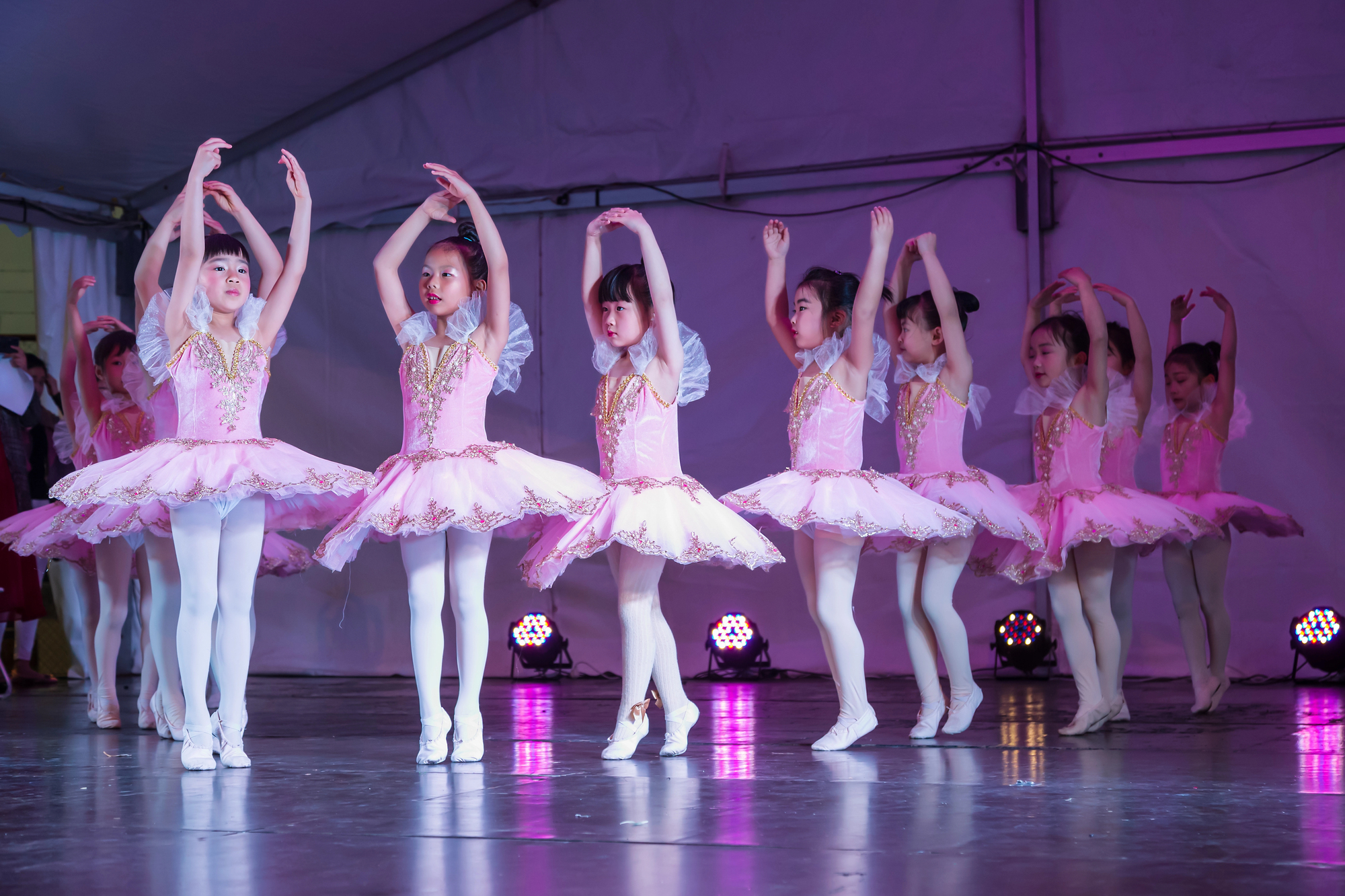
Renaissance royal ceremonies intended to channel celestial forces gave rise to ballet attire. During seasonal festivities, dancers donned particular clothing, with each layer signifying a distinct aspect of spirituality.
The numerous layers of the tutu represented the different heavenly spheres that dancers would journey through. The origin of leotards can be traced back to acrobatic priests who required adaptable garments for their athletic prayer practices.
These were religious dances that were thought to affect the weather, crops, and royal fortunes; they were not amusement shows.
Three-Piece Suits
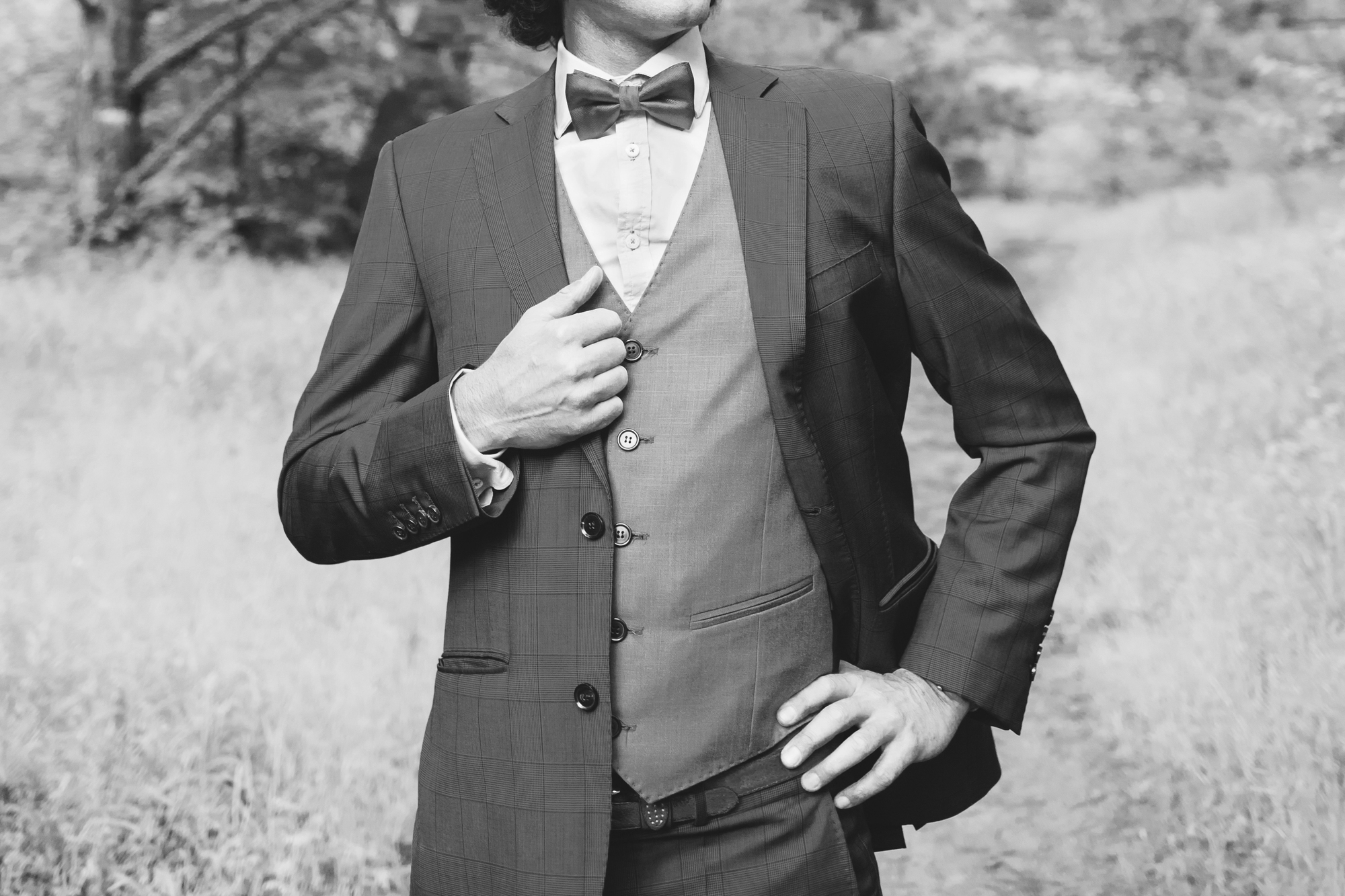
Protestant religious events, in which men showed their spiritual merit by dressing appropriately, are where the contemporary business suit got its start. The jacket demonstrated external respectability, the vest symbolized the purity of the heart, and the matching pants denoted moral coherence.
Puritans believed that appropriate dress helped channel divine favor for commercial operations, therefore they established stringent dress requirements for worship. Wearers were reminded of their mortality and the necessity of spiritual humility by the necktie, which served as a metaphorical noose.
Leather Jackets
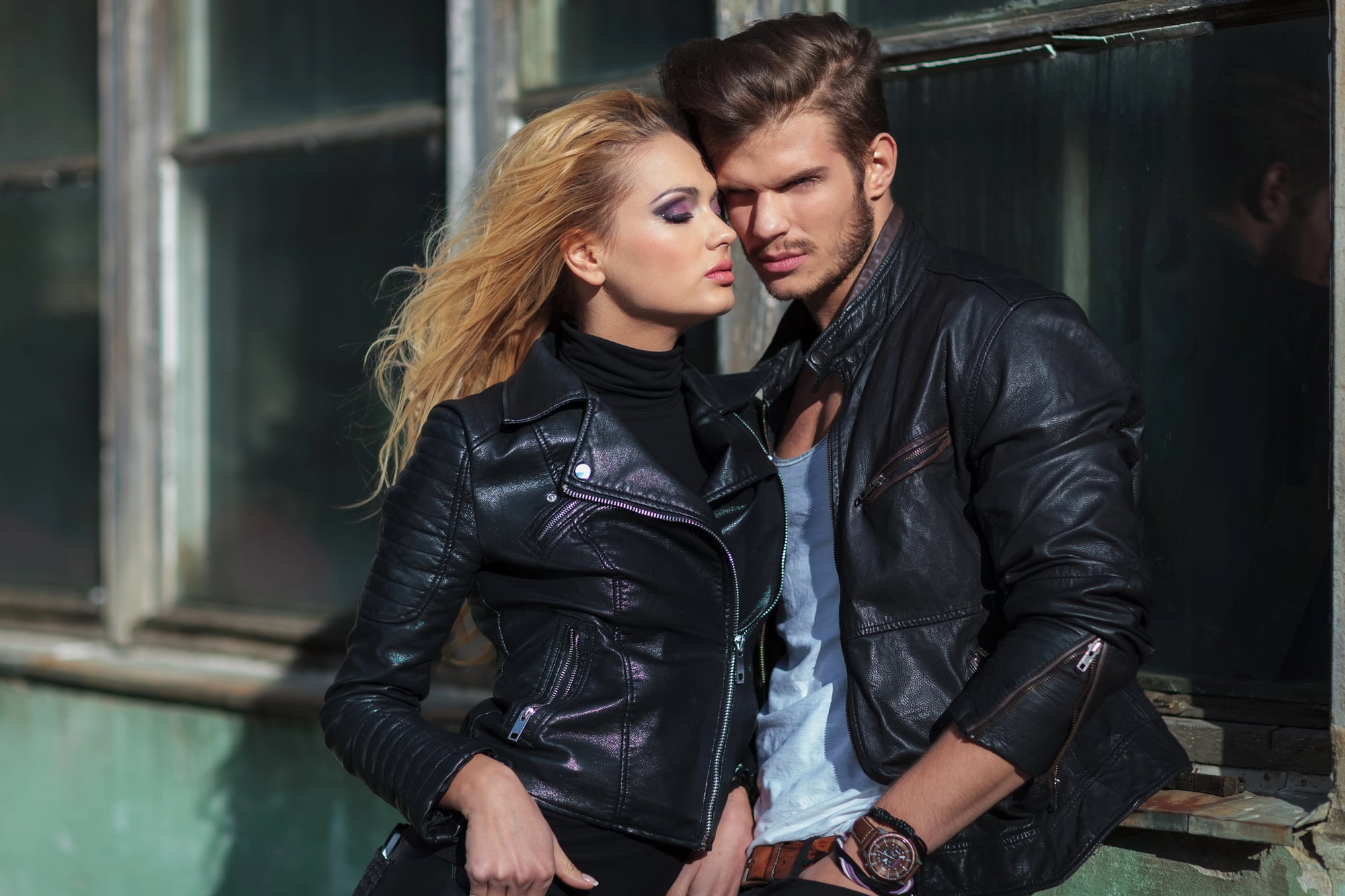
Leather jackets trace back to shamanic rituals where wearing animal skins allowed spiritual transformation. Ancient shamans believed they could absorb the animal’s spirit and power through prolonged contact with its hide.
Motorcycle culture unknowingly adopted this tradition – early bikers wore leather as protection, but many also believed it connected them to the ‘spirit of the road.’ Various Native American tribes had similar practices, with specific animals chosen for different spiritual journeys.
That rebellious feeling you get wearing leather might be an ancestral memory of shamanic empowerment.
Ties and Neckties
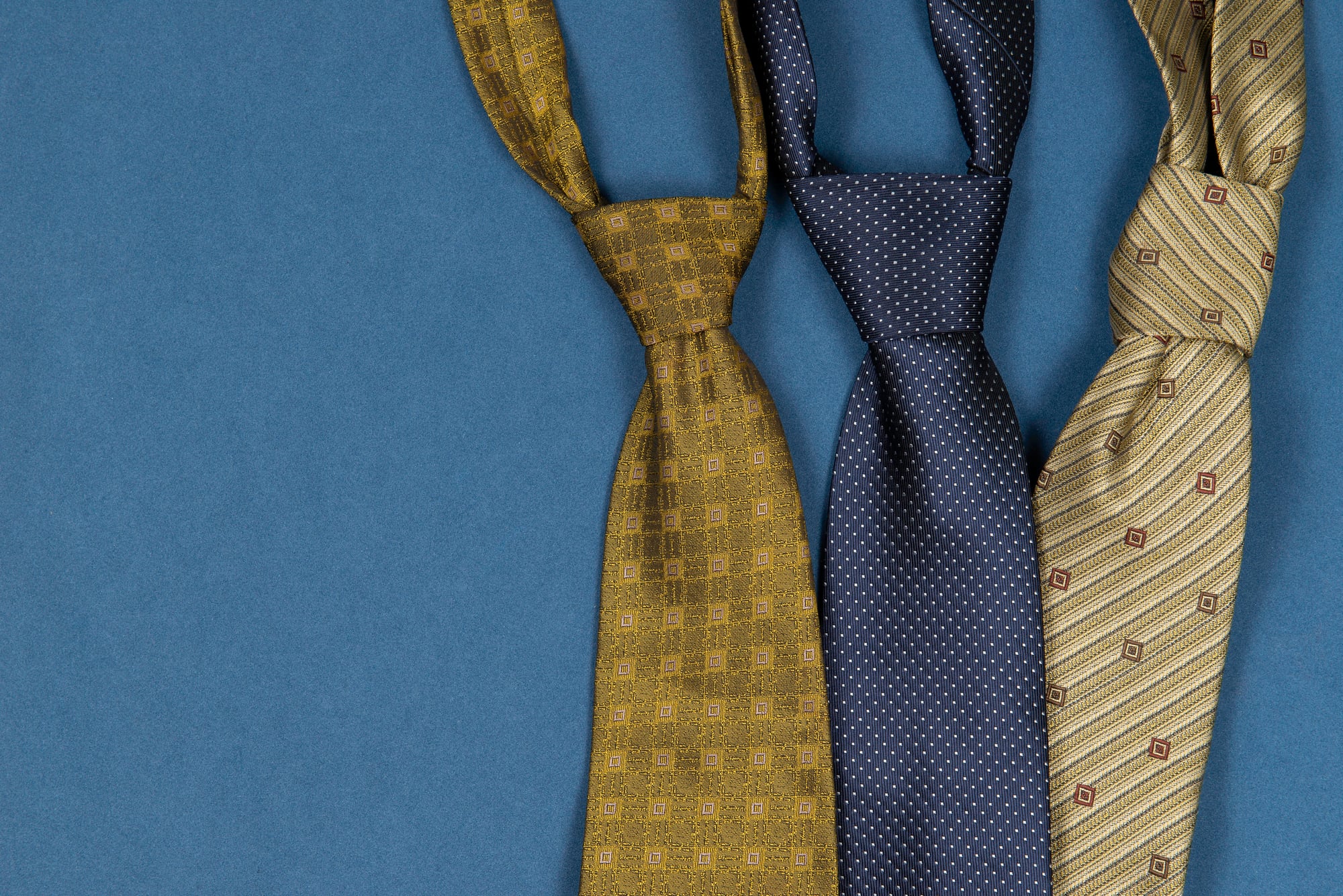
Neckties began as protective amulets worn during Croatian military rituals. Soldiers wrapped cloth around their necks not just for warmth, but as spiritual protection before battle.
Each knot pattern had specific meanings and was believed to provide different types of divine protection. French soldiers adopted this practice, turning it into a fashion statement, but many still performed small blessing rituals when tying their cravats.
The modern Windsor knot actually derives from a Croatian blessing ceremony meant to ensure safe return from war.
Little Black Dresses

The little black dress wasn’t always chic – it started as a mourning ritual wear that evolved into something much more complex. Victorian women wore black for extensive mourning periods, but certain societies had specific black dress codes for communicating with deceased relatives.
Spiritualists in the late 1800s wore particular black garments during séances, believing the color helped them connect with spirits. Coco Chanel revolutionized this concept, but many women still felt a mysterious power when wearing black that they couldn’t quite explain.
Flannel Shirts

Flannel shirts originated from Scottish highland rituals where clan members wore specific wool patterns during seasonal ceremonies. Each tartan pattern wasn’t just decorative – it represented different spiritual protections and clan totems.
Highland Scots performed group rituals wearing their ceremonial flannels, believing the wool carried the power of their ancestral lands. Lumberjacks later adopted flannel for practical reasons, but many logging camps maintained quasi-ritualistic traditions around their work shirts, treating them as protective talismans against forest dangers.
Athletic Sneakers

Modern sneakers evolved from Native American moccasins designed for spiritual vision quests. Soft-soled shoes allowed participants to ‘feel’ the earth’s energy during long ceremonial walks.
Different tribes had specific footwear for different spiritual purposes – some for healing ceremonies, others for hunting rituals, and special designs for coming-of-age trials. The rubber sole was actually a modern attempt to recreate that spiritual connection to the ground.
Many early sneaker designs unconsciously copied traditional moccasin patterns that had deep religious significance.
Pencil Skirts

The fitted pencil skirt originated from ancient fertility rituals where women wore restrictive garments to symbolize their transition from maidenhood to motherhood. The tight fit represented the transformation process, while the narrow hem symbolized focused feminine power.
Various cultures had similar practices – Greek priestesses wore fitted garments during specific goddess ceremonies, and Roman women had ritual dress codes for marriage preparations. The modern pencil skirt still carries that sense of feminine transformation, though most wearers don’t realize they’re channeling ancient fertility magic.
Polo Shirts

Polo shirts began as ritual garments for equestrian ceremonies honoring horse spirits. Persian and later European nobles wore specific collared shirts during elaborate horse blessing rituals.
The collar could be turned up during prayers to create a spiritual barrier around the neck. The side slits weren’t just for riding comfort – they represented openings for spiritual energy to flow freely during mounted ceremonies.
Many polo players still perform small rituals with their shirts before matches, unconsciously continuing ancient traditions of seeking favor from equestrian spirits.
Yoga Pants and Activewear

Yoga pants obviously connect to yoga’s spiritual origins, but the specific designs we wear today trace back to even older temple dancer traditions. Ancient temple dancers wore fitted, flexible garments during religious ceremonies where they embodied various deities through movement.
These clothes needed to move like a second skin to allow proper spiritual channeling. Different stretching and breathing rituals required specific clothing styles to facilitate energy flow.
Modern activewear designers unknowingly recreated many of these ancient patterns when developing performance fabrics for contemporary spiritual practices.
From Sacred to Street Style
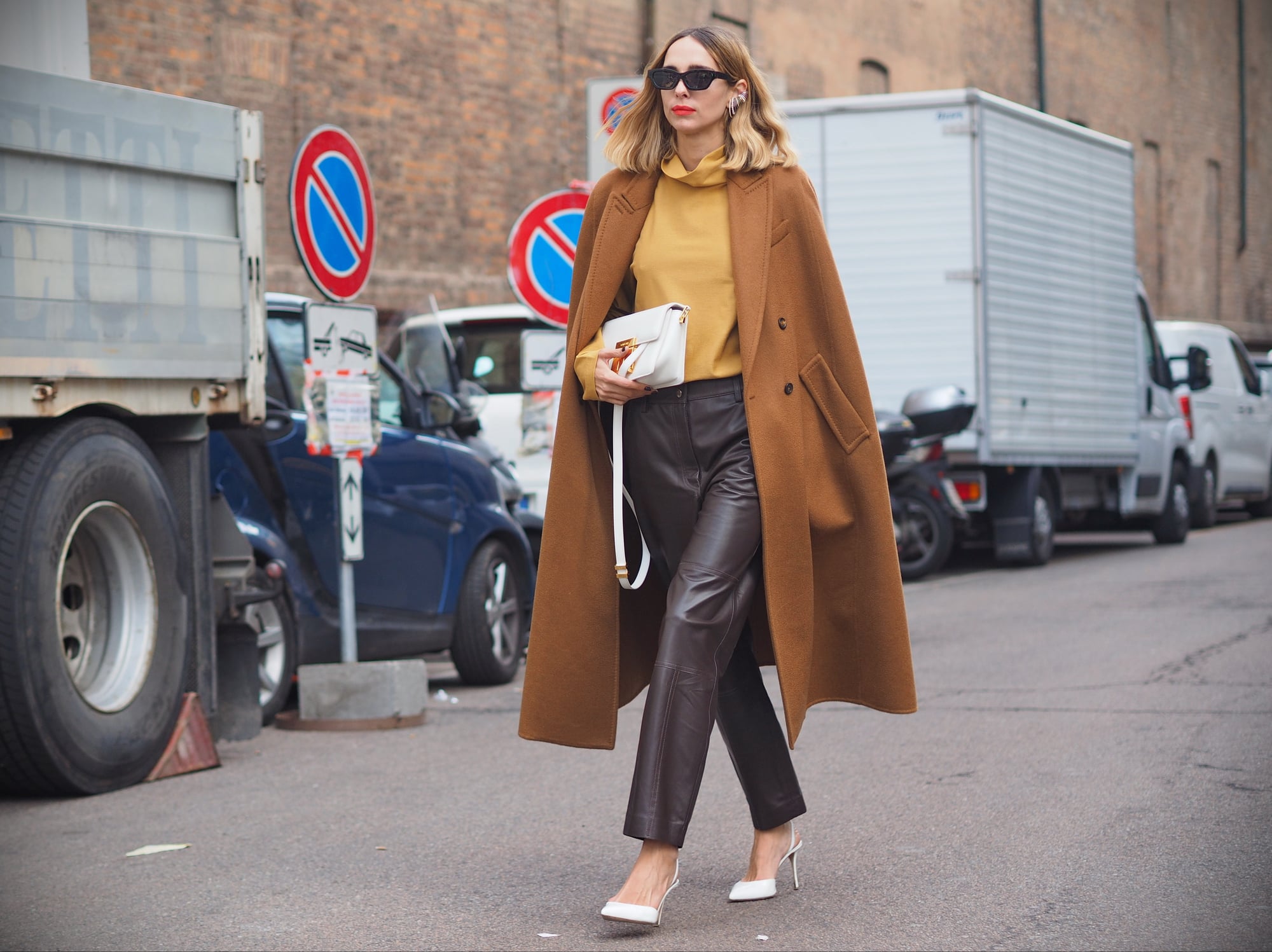
What makes this transformation from ritual to ready-to-wear so fascinating is how these garments retained elements of their original power. We still feel different wearing formal attire, still find comfort in our hoodies, and still feel confident in leather jackets.
Perhaps clothing carries a kind of cultural memory – the psychological impact of these garments stems from thousands of years of people believing in their special properties.
Today we might not perform elaborate blessing ceremonies before getting dressed, but we still choose our outfits based on the feelings and energy we want to project, making our daily dressing routine a kind of modern ritual in itself.
More from Go2Tutors!

- The Romanov Crown Jewels and Their Tragic Fate
- 13 Historical Mysteries That Science Still Can’t Solve
- Famous Hoaxes That Fooled the World for Years
- 15 Child Stars with Tragic Adult Lives
- 16 Famous Jewelry Pieces in History
Like Go2Tutors’s content? Follow us on MSN.



