15 Natural Disasters That Created Tourist Attractions
When we think of natural disasters, images of destruction and devastation typically come to mind. However, nature has a peculiar way of transforming catastrophe into wonder, leaving behind geological formations and landscapes that draw millions of visitors each year. These remnants of Earth’s violent past have become some of our most fascinating destinations.
Here is a list of 15 natural disasters that inadvertently created some of the world’s most remarkable tourist attractions.
Yellowstone Caldera

The Yellowstone supervolcano’s last major eruption occurred around 640,000 years ago, creating the massive caldera that now forms the heart of Yellowstone National Park. This ancient catastrophe left behind a 30 by 45-mile depression filled with geothermal wonders that attract over four million visitors annually.
The eruption was so powerful it ejected material across most of North America, yet today its legacy provides us with Old Faithful, hot springs, and a diverse ecosystem unlike anywhere else on Earth.
Mount Vesuvius and Pompeii
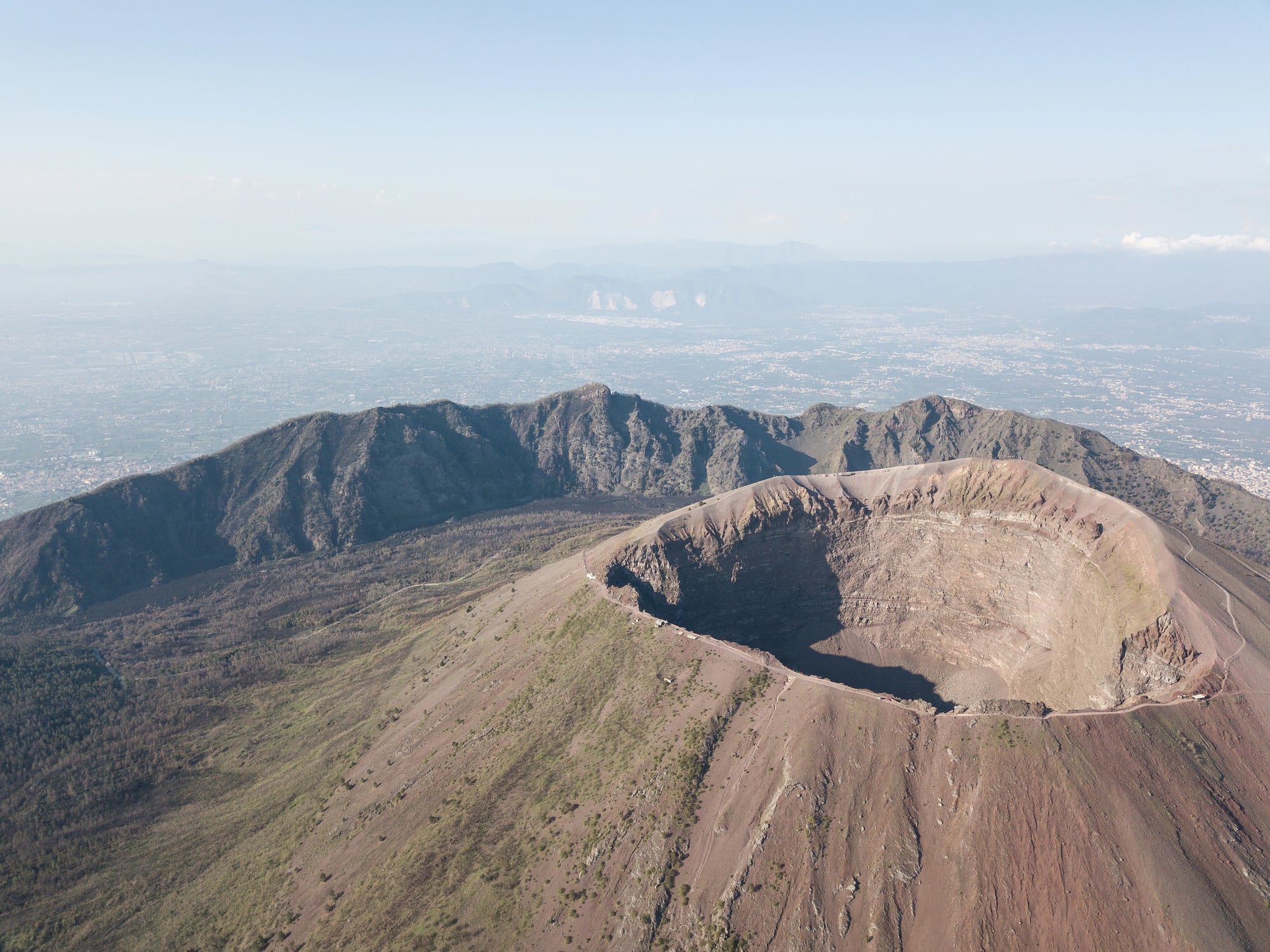
The infamous eruption of Mount Vesuvius in 79 AD buried the Roman cities of Pompeii and Herculaneum under layers of volcanic ash and pumice. This tragic event preserved these ancient settlements in remarkable detail, creating an archaeological treasure trove that offers an unparalleled glimpse into daily Roman life.
Modern visitors can walk the same streets where Romans lived nearly two thousand years ago, making Pompeii one of Italy’s most visited archaeological sites.
Crater Lake

Oregon’s stunning Crater Lake formed when Mount Mazama collapsed during a violent volcanic eruption. The resulting caldera gradually filled with rainwater and snowmelt, creating one of the deepest and clearest lakes in the world.
The lake’s intense blue color and the dramatic rim drive surrounding it make Crater Lake National Park a bucket-list destination for nature lovers and photographers.
Santorini Caldera

The Greek island of Santorini owes its distinctive crescent shape to a massive volcanic eruption that may have contributed to the collapse of the Minoan civilization. This ancient disaster created the dramatic cliffs and unique landscape that now make Santorini one of the Mediterranean’s most romantic destinations.
The white-washed buildings perched on volcanic cliffs overlooking the azure Aegean Sea create postcard-perfect views that attract honeymooners and travelers from around the globe.
Giant’s Causeway

Northern Ireland’s Giant’s Causeway formed during intense volcanic activity that created its famous hexagonal basalt columns. This ancient eruption cooled slowly, allowing the lava to crack into the geometric patterns we see today.
The site’s mythical appearance has inspired legends of giants crossing between Ireland and Scotland, making it both a geological wonder and a cultural landmark.
Devils Tower

Wyoming’s Devils Tower rose from the earth through volcanic activity, though the exact formation process remains debated among geologists. This striking monolith stands high above the surrounding plains, creating an otherworldly landmark that attracts rock climbers and tourists alike.
The tower gained additional fame as the alien landing site in the movie ‘Close Encounters of the Third Kind’, cementing its place in popular culture.
Meteor Crater

Arizona’s Meteor Crater formed when a massive iron meteorite slammed into Earth at tremendous speed. The impact created a bowl-shaped depression nearly a mile wide and hundreds of feet deep, preserving one of the best-preserved meteor impact sites on the planet.
Today, visitors can peer into this cosmic scar and learn about the violent forces that shaped our planet’s surface.
Mount St. Helens

The eruption of Mount St. Helens in Washington State was one of the most documented volcanic events in modern history. The catastrophic blast flattened vast forests and dramatically altered the mountain’s profile, reducing its height significantly.
The Mount St. Helens National Volcanic Monument now allows visitors to witness nature’s recovery process and learn about volcanic activity through interactive exhibits and hiking trails.
Antelope Canyon

Arizona’s stunning Antelope Canyon formed through millions of years of flash flood erosion in the Navajo sandstone. These sudden desert floods carved narrow slot canyons with flowing, wave-like walls that create an almost ethereal environment.
The interplay of light filtering down through the narrow openings creates photography opportunities that have made Antelope Canyon one of the most photographed slot canyons in the world.
Niagara Falls

While Niagara Falls continues to evolve today, the falls formation began as glacial meltwater carved through the Niagara Escarpment. The massive glacial floods at the end of the last ice age created the initial channel that would become one of North America’s most famous natural attractions.
The falls continue to erode backwards at a steady pace, ensuring this natural wonder will keep changing for generations to come.
Mammoth Hot Springs
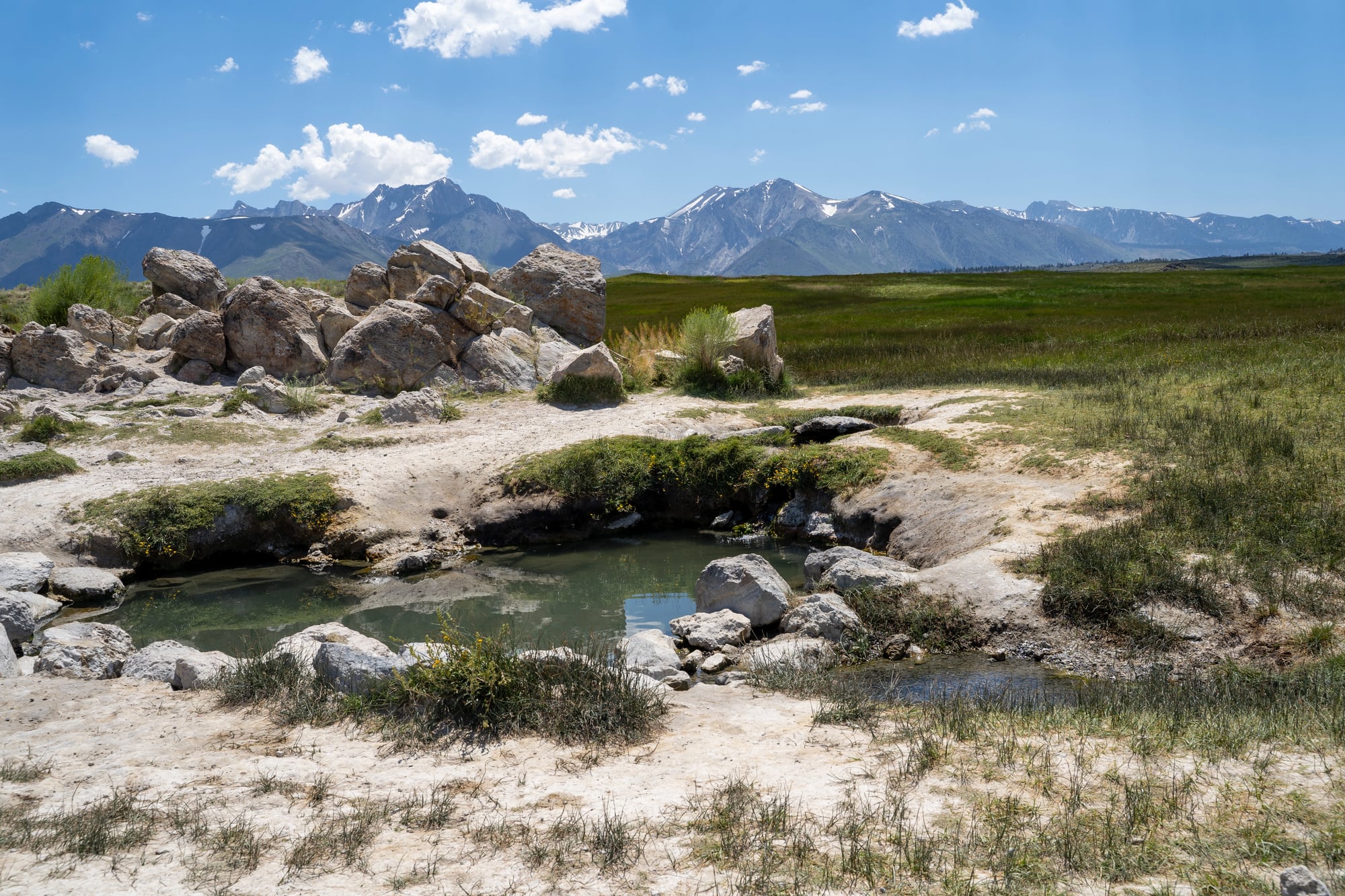
Yellowstone’s Mammoth Hot Springs terraces formed through thousands of years of geothermal activity depositing calcium carbonate in striking stepped formations. These limestone terraces create an otherworldly landscape that resembles frozen waterfalls, constantly changing as hot springs shift their flow patterns.
The springs’ unique ecosystem supports heat-loving bacteria that paint the terraces in vibrant colors ranging from yellow to orange to green.
Valley of Ten Thousand Smokes

Alaska’s Valley of Ten Thousand Smokes formed during the massive Novarupta eruption, one of the largest volcanic events of the modern era. The eruption filled this valley with hundreds of feet of volcanic ash and pumice, creating countless steam vents that gave the valley its evocative name.
Though most of the fumaroles have cooled, the valley remains a stark reminder of volcanic power and serves as a fascinating destination within Katmai National Park.
Shiprock
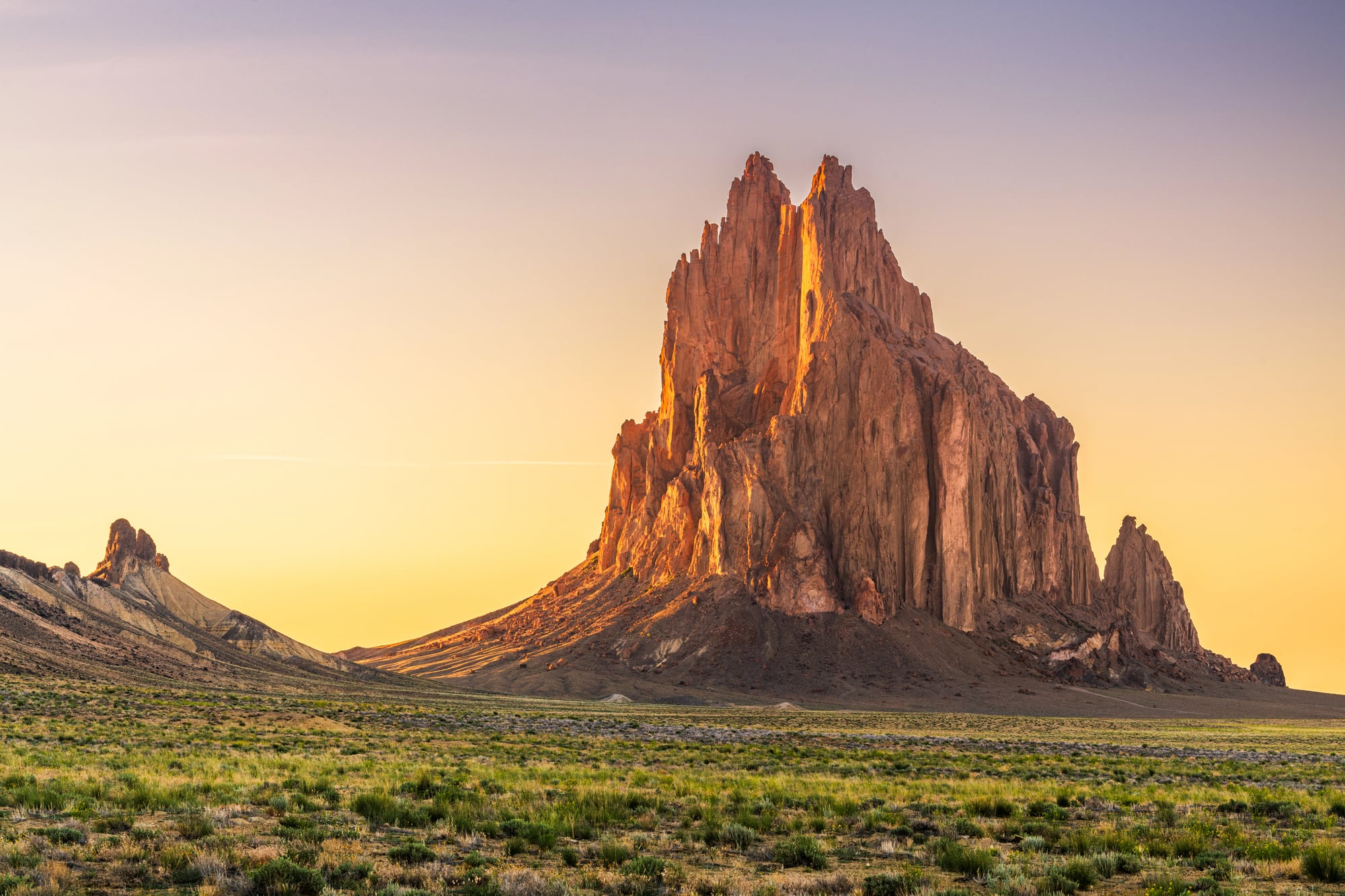
New Mexico’s Shiprock formed as the neck of an ancient volcano, with surrounding softer rock eventually eroding away to reveal this dramatic spire. Standing tall above the desert floor, this volcanic plug creates a landmark visible for miles across the Four Corners region.
The formation holds deep cultural significance for the Navajo people and attracts photographers and geology enthusiasts from around the world.
Mono Lake Tufa Towers
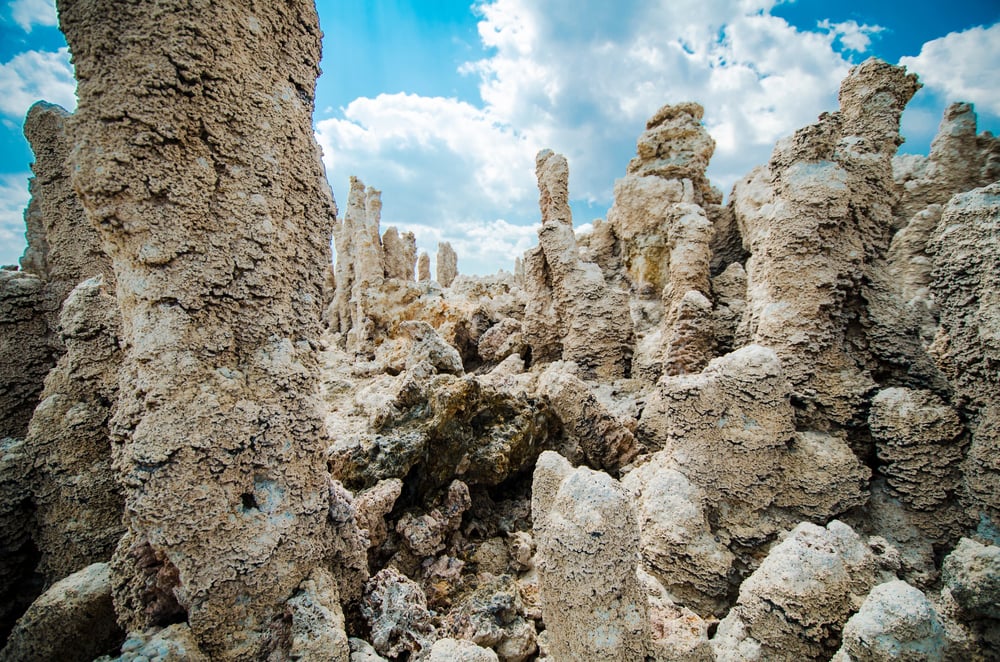
California’s Mono Lake tufa towers formed as underwater springs deposited calcium carbonate in the lake’s alkaline waters. When Los Angeles began diverting water from the lake’s tributary streams, the dropping water level exposed these limestone sculptures to create an alien-like landscape.
The towers now rise from the lake’s surface like ancient ruins, providing a unique backdrop for photography and a habitat for millions of migratory birds.
Mount Rushmore’s Granite Face

While Mount Rushmore’s famous presidential faces are human-made, the mountain itself formed through ancient geological disasters including massive granite intrusions and millions of years of erosion. The Harney Peak granite that makes up Mount Rushmore formed through intense heat and pressure deep within the Earth’s crust.
This durable granite provided the perfect canvas for sculptor Gutzon Borglum’s ambitious project, creating one of America’s most recognizable monuments.
Beauty Born from Chaos

These destinations remind us that Earth’s most violent moments often create its most beautiful places. From ancient volcanic eruptions to glacial floods, the disasters that once terrorized early inhabitants have become the natural wonders we travel thousands of miles to experience.
Perhaps there’s something profound in how time transforms destruction into beauty, teaching us that even from catastrophe, something remarkable can emerge. The next time you visit one of these incredible places, take a moment to appreciate the powerful forces that shaped them and the resilience of both nature and humanity in finding wonder where once there was only chaos.
More from Go2Tutors!

- The Romanov Crown Jewels and Their Tragic Fate
- 13 Historical Mysteries That Science Still Can’t Solve
- Famous Hoaxes That Fooled the World for Years
- 15 Child Stars with Tragic Adult Lives
- 16 Famous Jewelry Pieces in History
Like Go2Tutors’s content? Follow us on MSN.