15 Natural Phenomena That Can Only Be Seen Once a Year
Our world showcases spectacular natural events throughout the seasons, but certain extraordinary displays make brief annual appearances. Many travelers arrange entire vacations around witnessing these momentary wonders.
These rare occurrences—from animal migrations to celestial displays—demonstrate nature’s remarkable timing and precision.
The natural world operates according to its own schedule, delivering special performances just once per year. Below you’ll find 15 natural phenomena visible only during specific annual timeframes.
Firefall at Yosemite
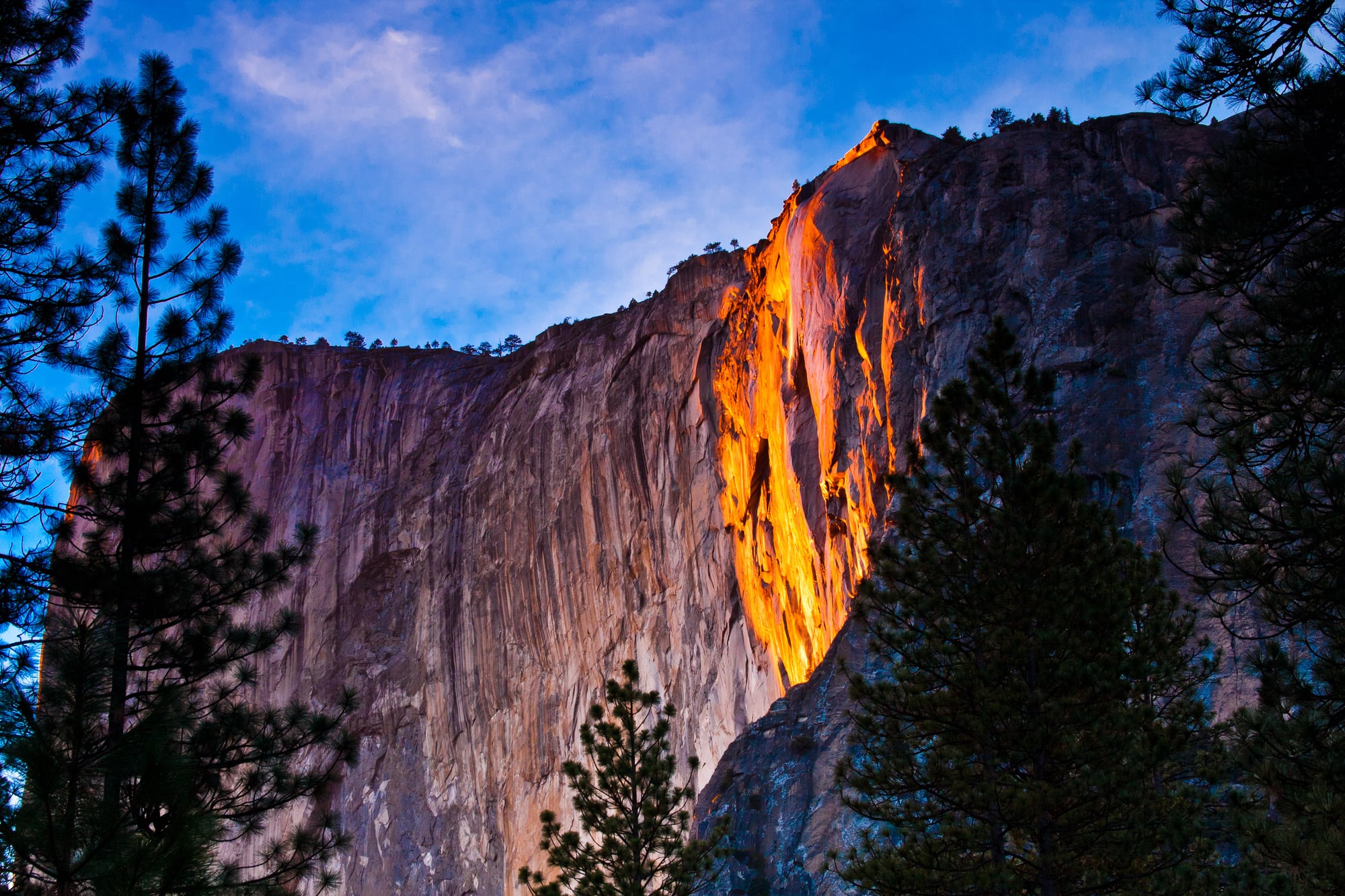
The setting sun strikes Horsetail Fall in Yosemite at exactly the right angle for approximately two weeks each February, creating an illusion of flowing fire down the rockface. This stunning display requires specific conditions: sufficient water from snowmelt and cloudless skies at sunset.
Lasting merely ten minutes per evening during this narrow yearly window, the orange glow attracts photographers from across the globe.
Monarch Butterfly Migration
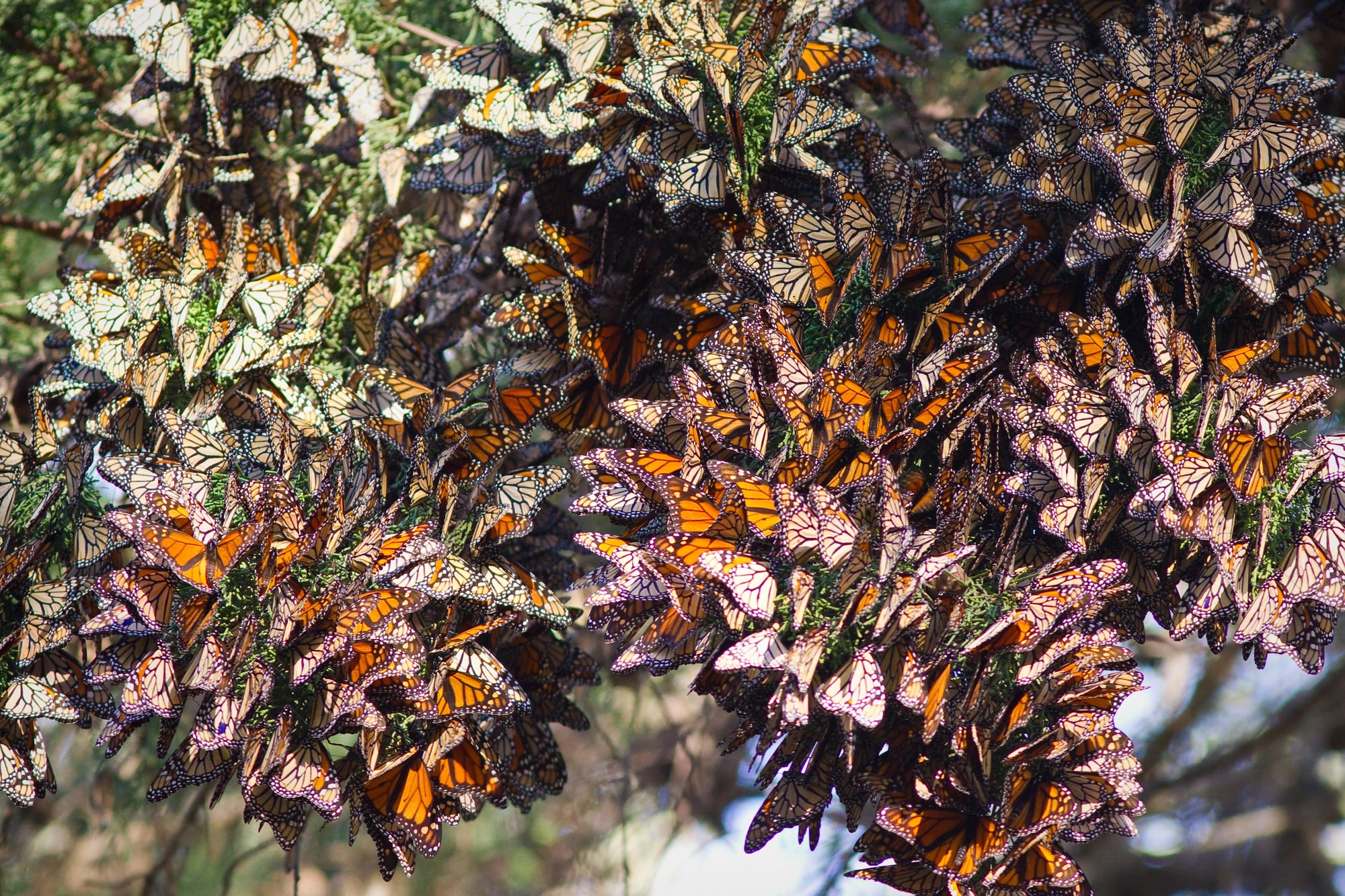
Millions of monarch butterflies travel up to from Canada and the US to Mexico’s oyamel fir forests every autumn. Their dense clusters on tree branches transform entire forest sections into vibrant orange blankets that seem to breathe with collective movement.
This spectacular gathering becomes visible only from November through March, with January typically offering the most impressive displays of these fragile insects.
Like Go2Tutors’s content? Follow us on MSN.
Cherry Blossom Season
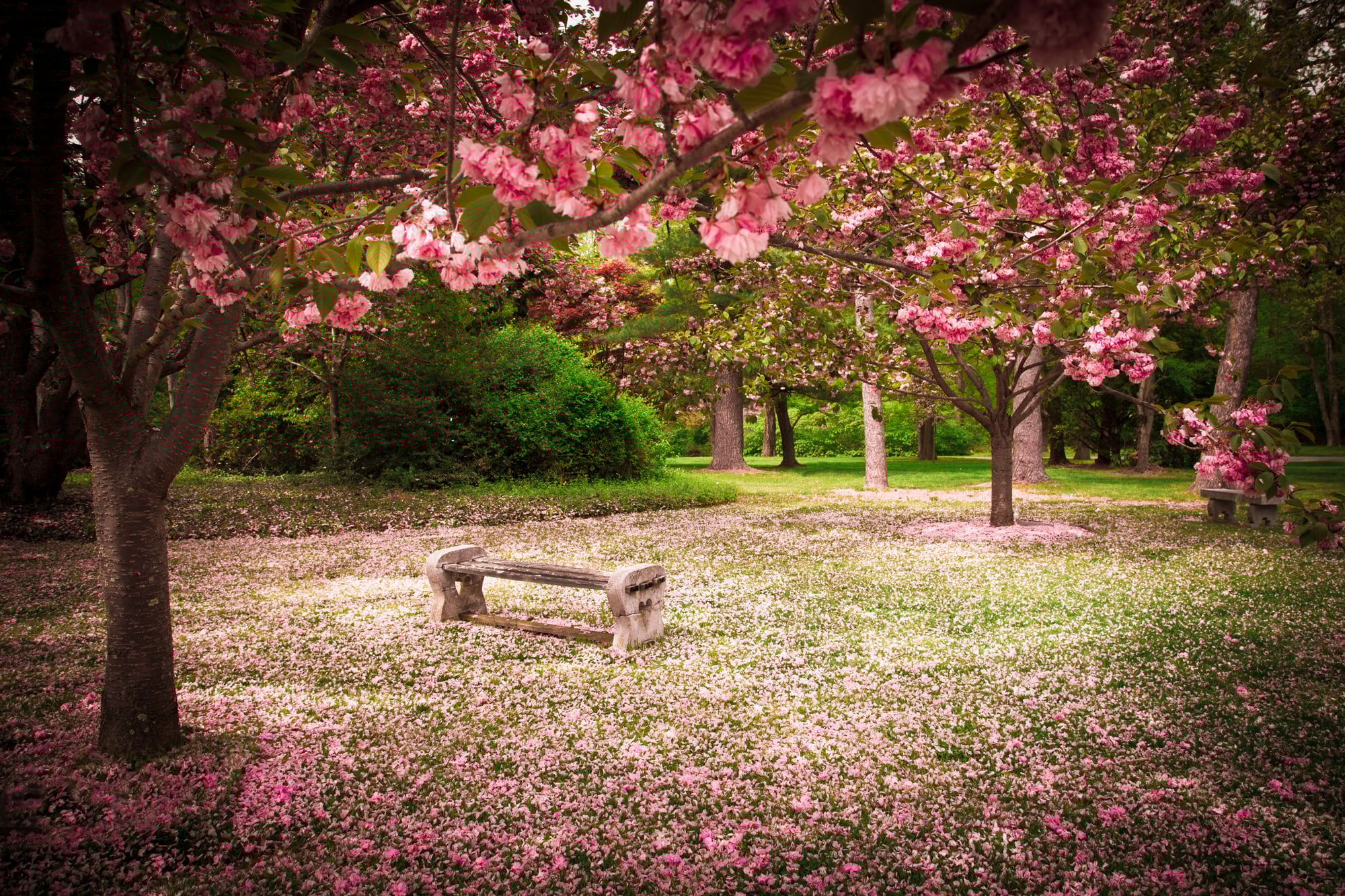
For approximately one week each spring, Japan’s famous sakura transform the country into a delicate pink dreamscape. The Japanese Meteorological Agency carefully tracks the “cherry blossom front” as it progresses northward from March to May.
This short flowering period holds deep cultural significance – locals celebrate with hanami gatherings while reflecting on the fleeting nature of beauty in Japanese tradition.
Manhattanhenge
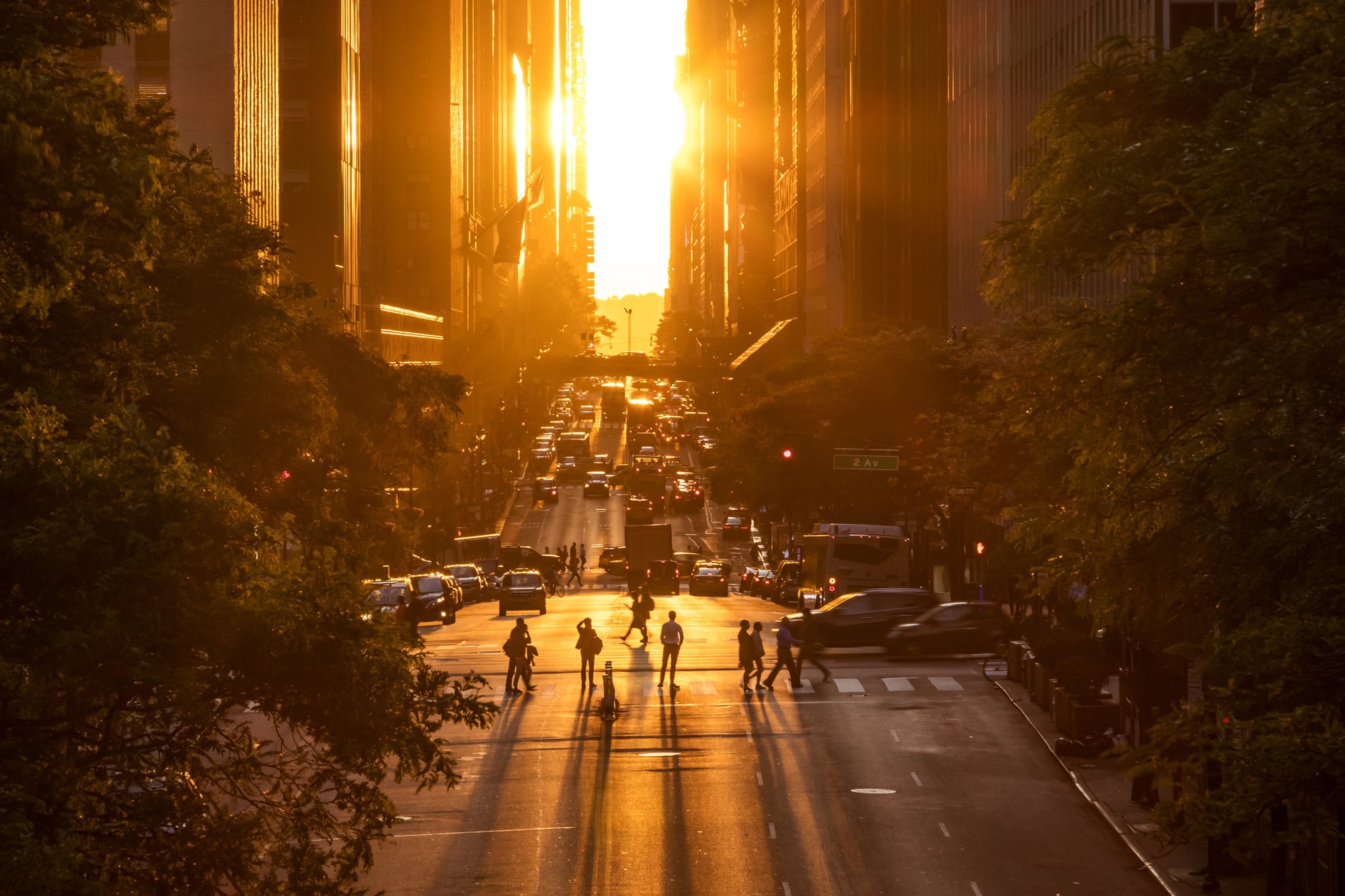
The setting sun perfectly aligns with Manhattan’s east-west street grid twice annually – creating dramatic golden corridors through New York City’s urban landscape. This modern astronomical alignment happens around May and July when sunlight floods straight down the city’s cross streets.
The warm glow reflecting off glass buildings transforms ordinary avenues into canyons of amber light – attracting crowds of onlookers and photography enthusiasts.
Grunion Run
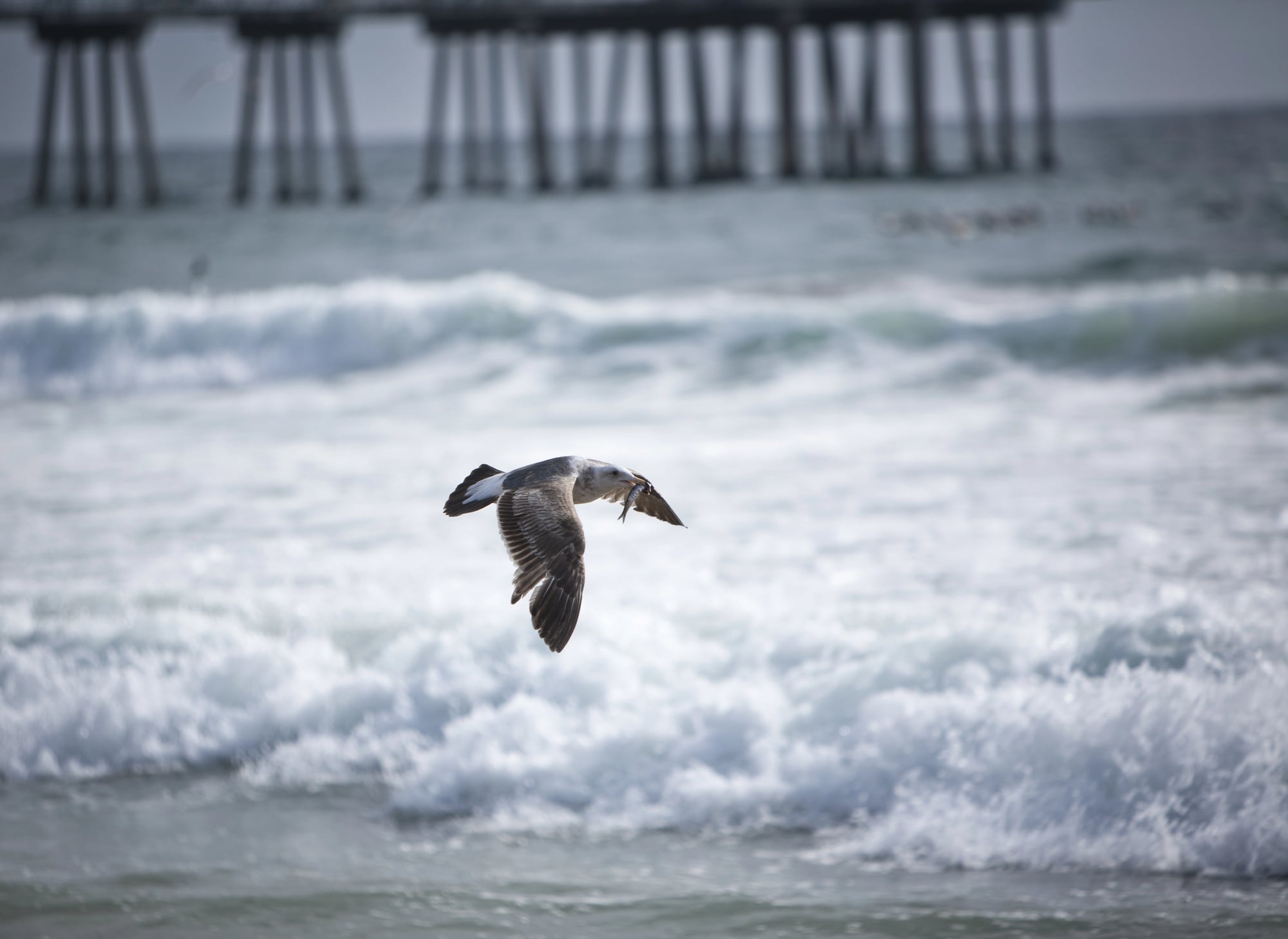
Following full and new moons during spring and summer, thousands of silvery grunion fish ride waves onto Southern California beaches during an unusual mating ritual. Females burrow tail-first into wet sand to deposit eggs – while males curl around them for fertilization before both catch retreating waves back to sea.
This fascinating reproductive event occurs for just several hours during peak nights between March and August – drawing curious spectators to midnight shores.
Like Go2Tutors’s content? Follow us on MSN.
Auroras During Equinox
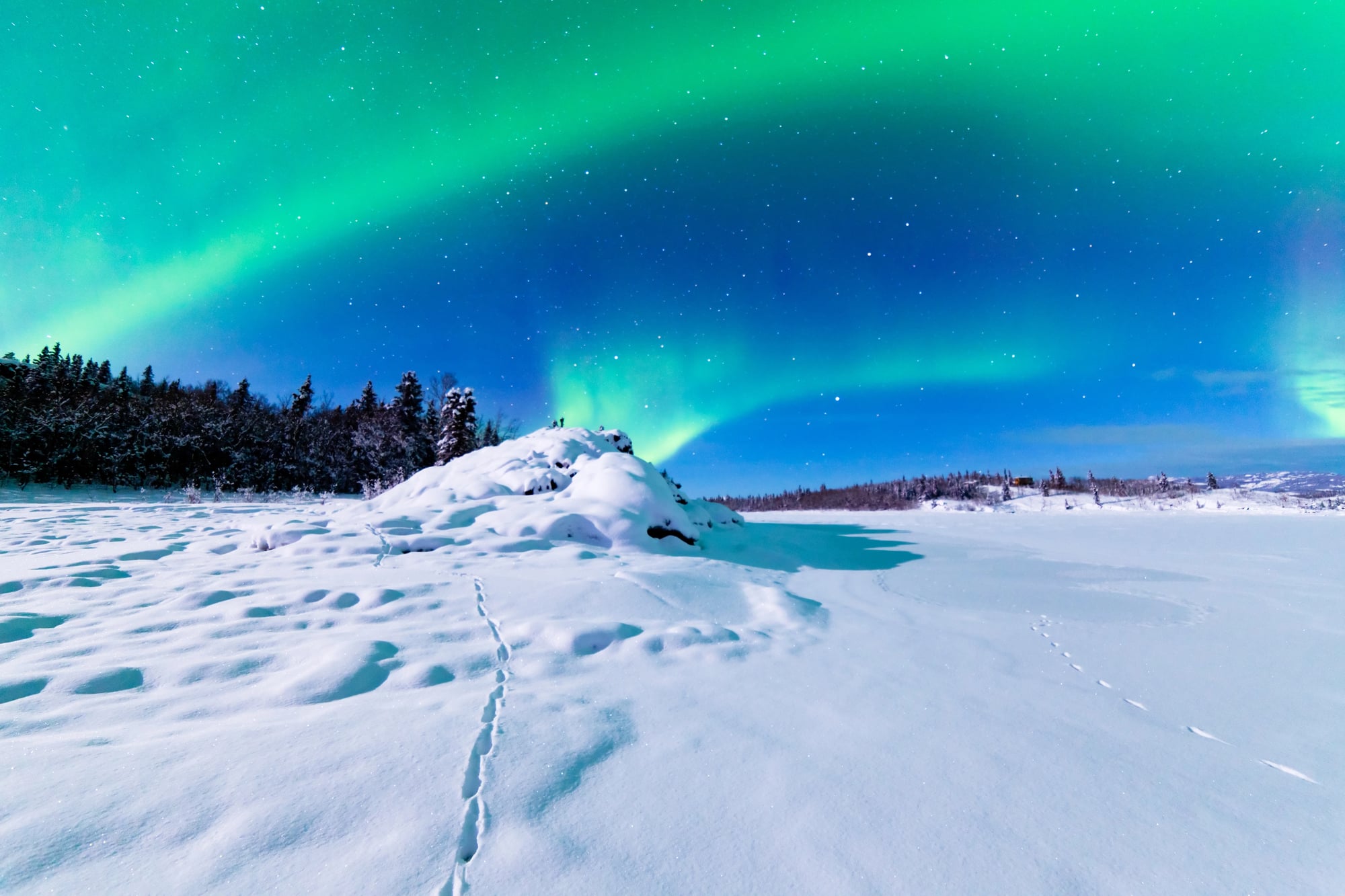
Auroras appear year-round in polar regions but reach maximum intensity during spring and fall equinoxes. Earth’s magnetic field alignment becomes especially susceptible to solar particles during these periods – generating more dramatic atmospheric light displays.
Your best opportunity for witnessing these ethereal curtains of color comes in late March and September – when green, purple, and blue lights dance across night skies in places like northern Norway and Alaska.
Great Migration River Crossings
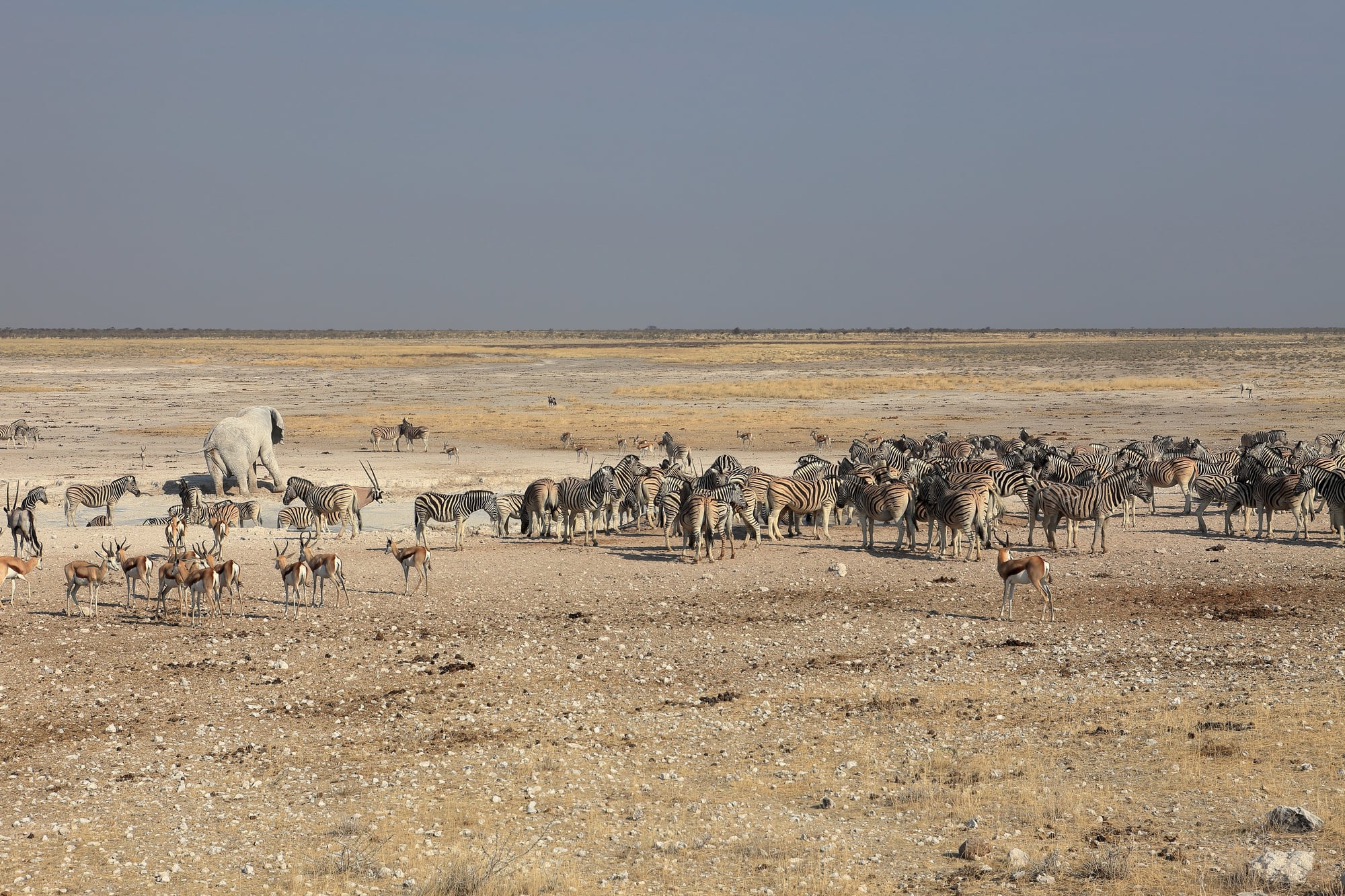
Between July and September, more than a million wildebeest—accompanied by zebras and gazelles—attempt dangerous crossings of the crocodile-infested Mara River. These dramatic events represent the most hazardous segment of their annual migration circuit through Tanzania and Kenya.
Visitors might wait days for these unpredictable crossings, which happen in mere minutes but showcase nature’s most intense survival drama playing out in real time.
Moonshadow at Mount Fuji
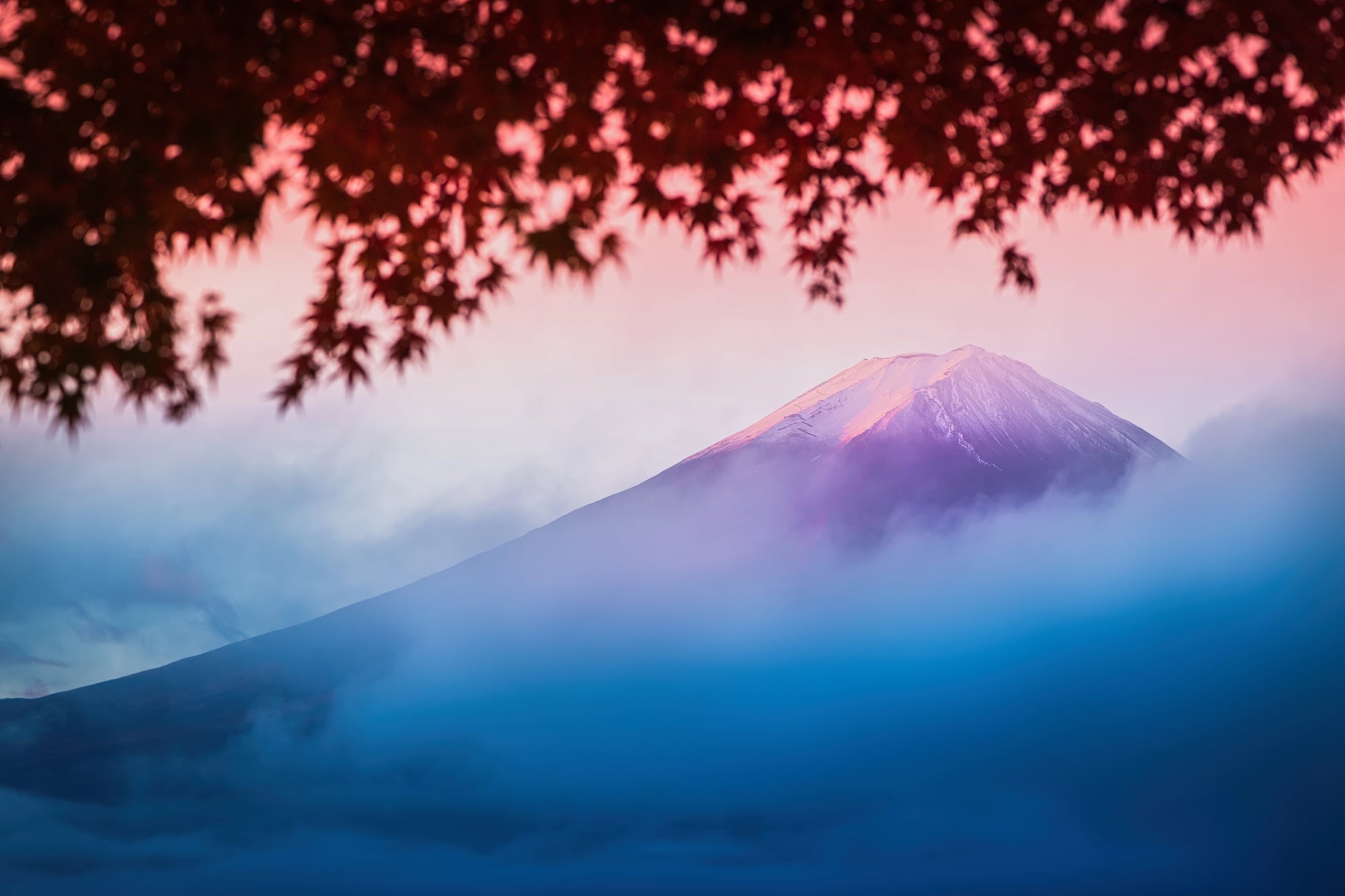
For many days in late summer, the rising moon precisely lines up behind Mount Fuji, producing a breathtaking “pearl crown” image when seen from certain locations. Photography enthusiasts estimate precise locations weeks in advance to catch this uncommon alignment.
It lasts only minutes when lunar motions momentarily harmonize mountain and sky.
Like Go2Tutors’s content? Follow us on MSN.
Flowering Desert
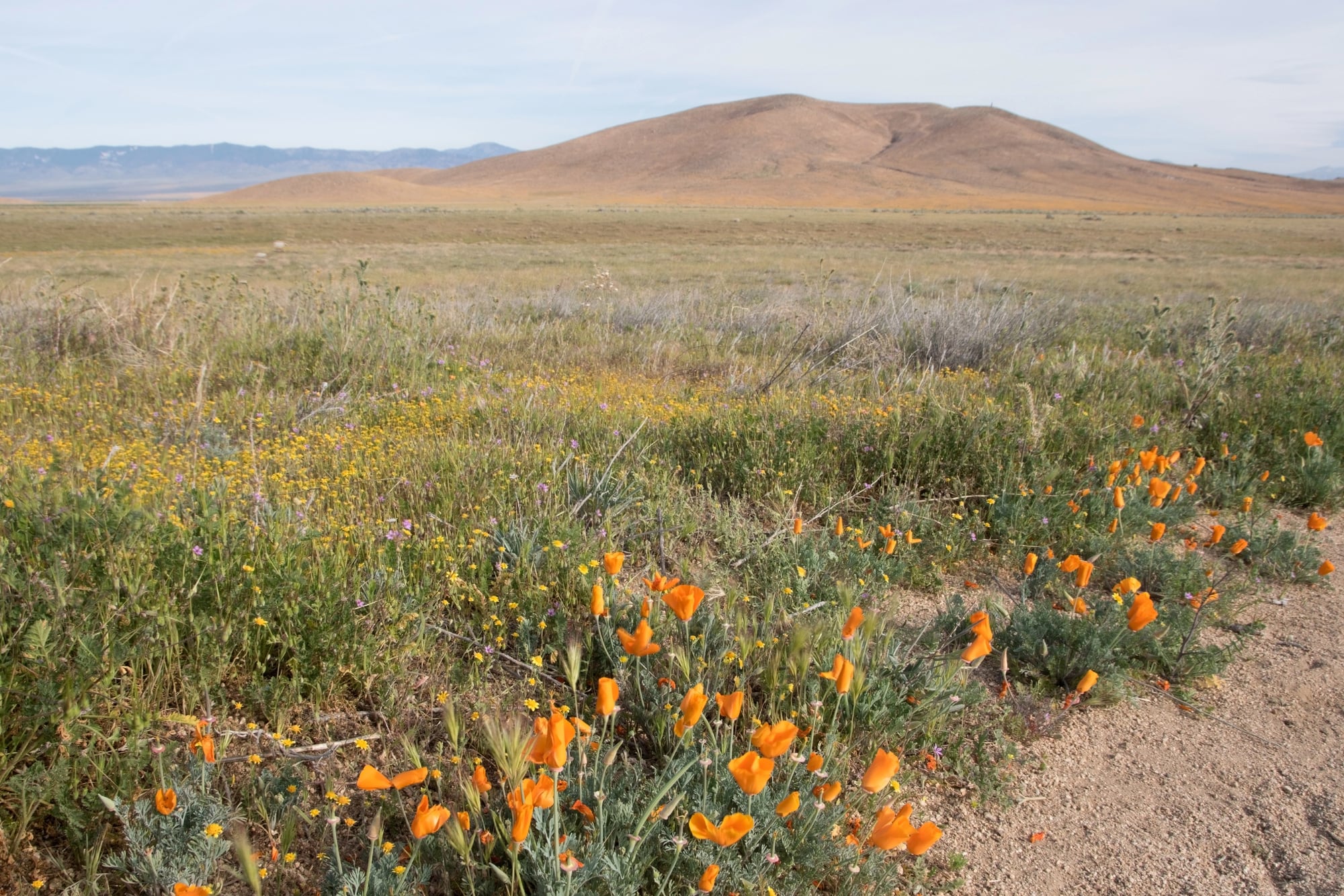
One of Earth’s driest places – Chile’s Atacama Desert – occasionally bursts into carpets of wildflowers after rare rainfall events. While major transformations happen every five to seven years, smaller annual flowerings occur in certain areas when conditions align.
Purple malva flowers convert seemingly lifeless landscapes into vibrant displays – a dramatic contrast against the desert’s usual barren appearance that fades almost as quickly as it emerges.
Synchronous Fireflies
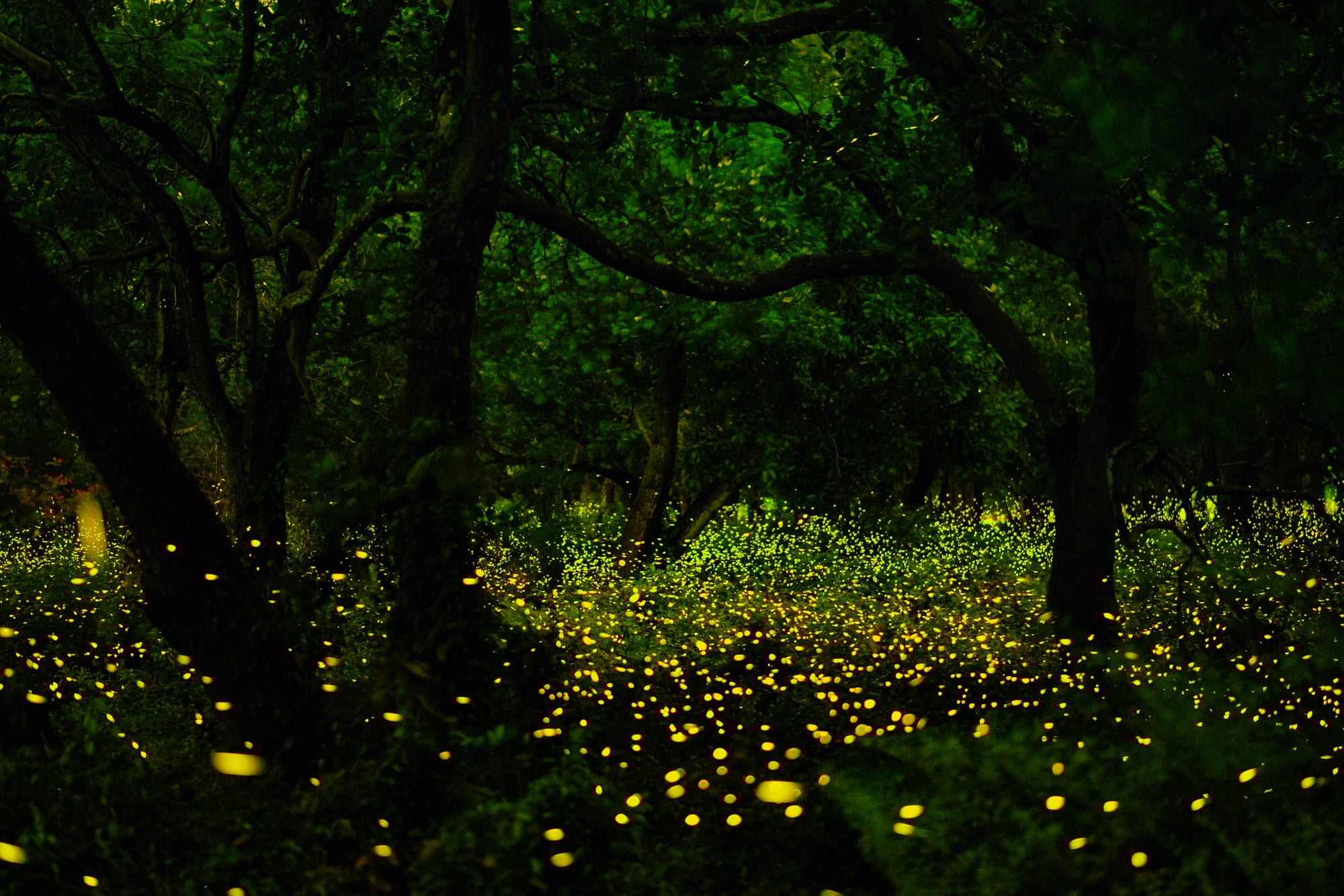
Thousands of fireflies in the Great Smoky Mountains flash in perfect unison for approximately two weeks each summer – creating waves of light pulsing through dark forests. This exceptional synchronization occurs during their mating season, typically from late May to early June.
Few firefly species worldwide demonstrate this coordinated behavior – making this yearly light performance a rare wonder that attracts thousands of visitors to eastern Tennessee.
Horsetail Migration
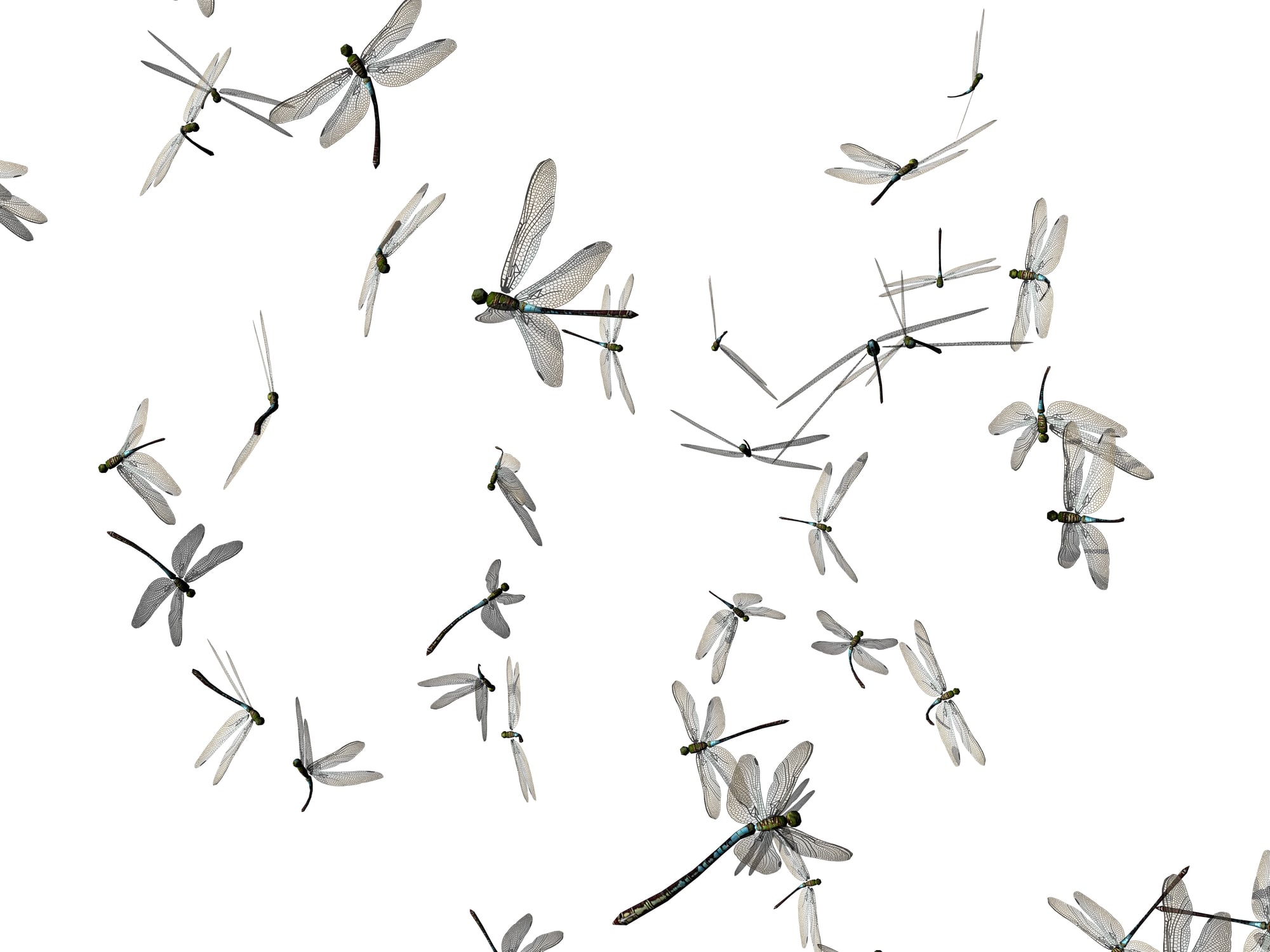
Billions of globe skimmer dragonflies complete the world’s longest insect migration every spring, journeying over between India and Africa. These lightweight insects follow seasonal rainfall patterns, arriving precisely when temporary water bodies form after monsoons.
Massive swarms sometimes darken skies as they track rain systems across the Indian Ocean, with peak movements occurring during April and May when conditions favor their incredible journey.
Like Go2Tutors’s content? Follow us on MSN.
Light Pillars
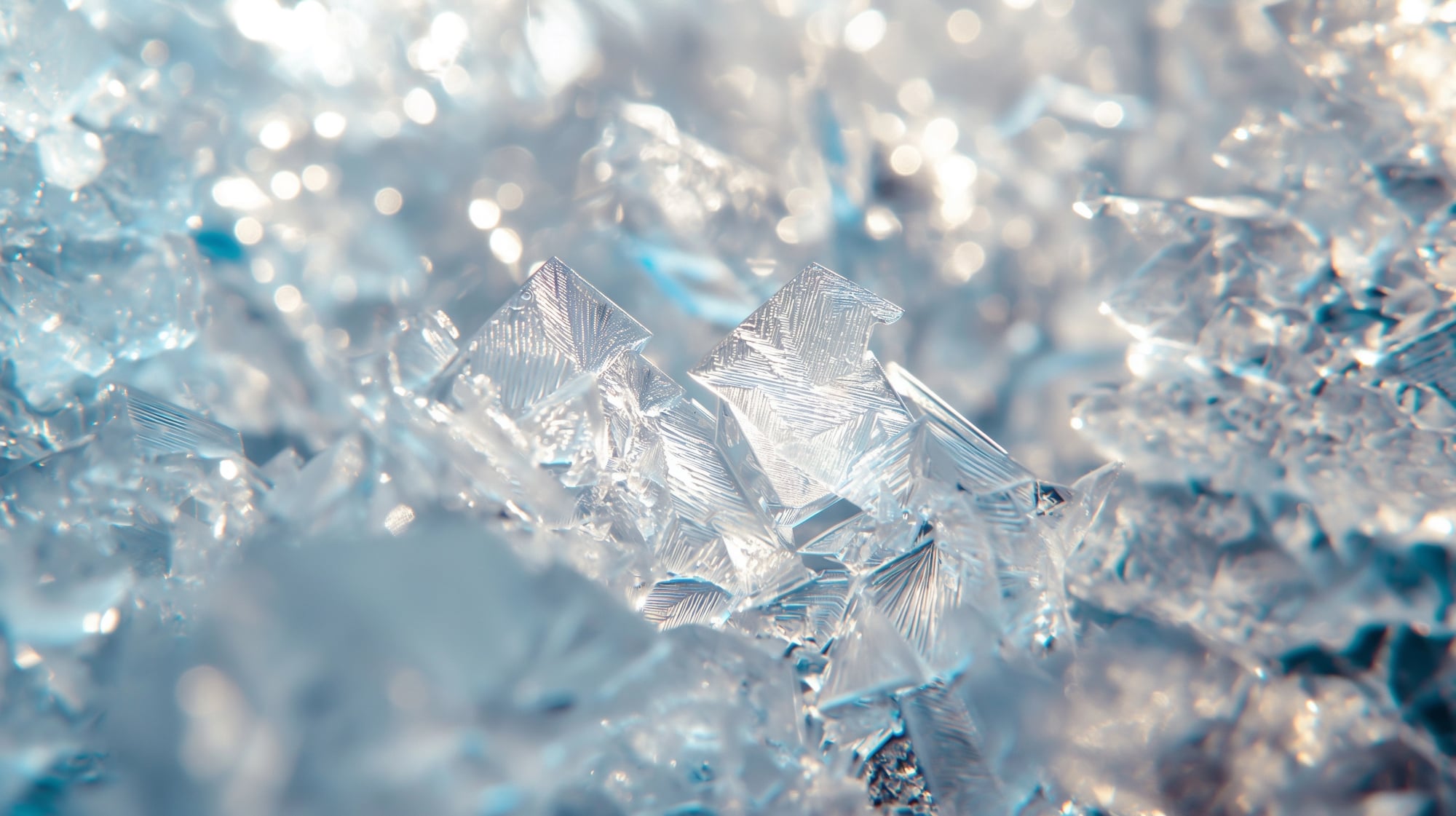
Flat ice crystals form in the atmosphere during the coldest winter nights, reflecting city lights upward, producing spectacular luminous columns stretching toward the stars. These light pillars appear most frequently during January and February, when temperatures plummet well below freezing.
This atmospheric phenomenon transforms ordinary artificial lighting into ethereal vertical beams that appear to support the night sky itself.
Catatumbo Lightning
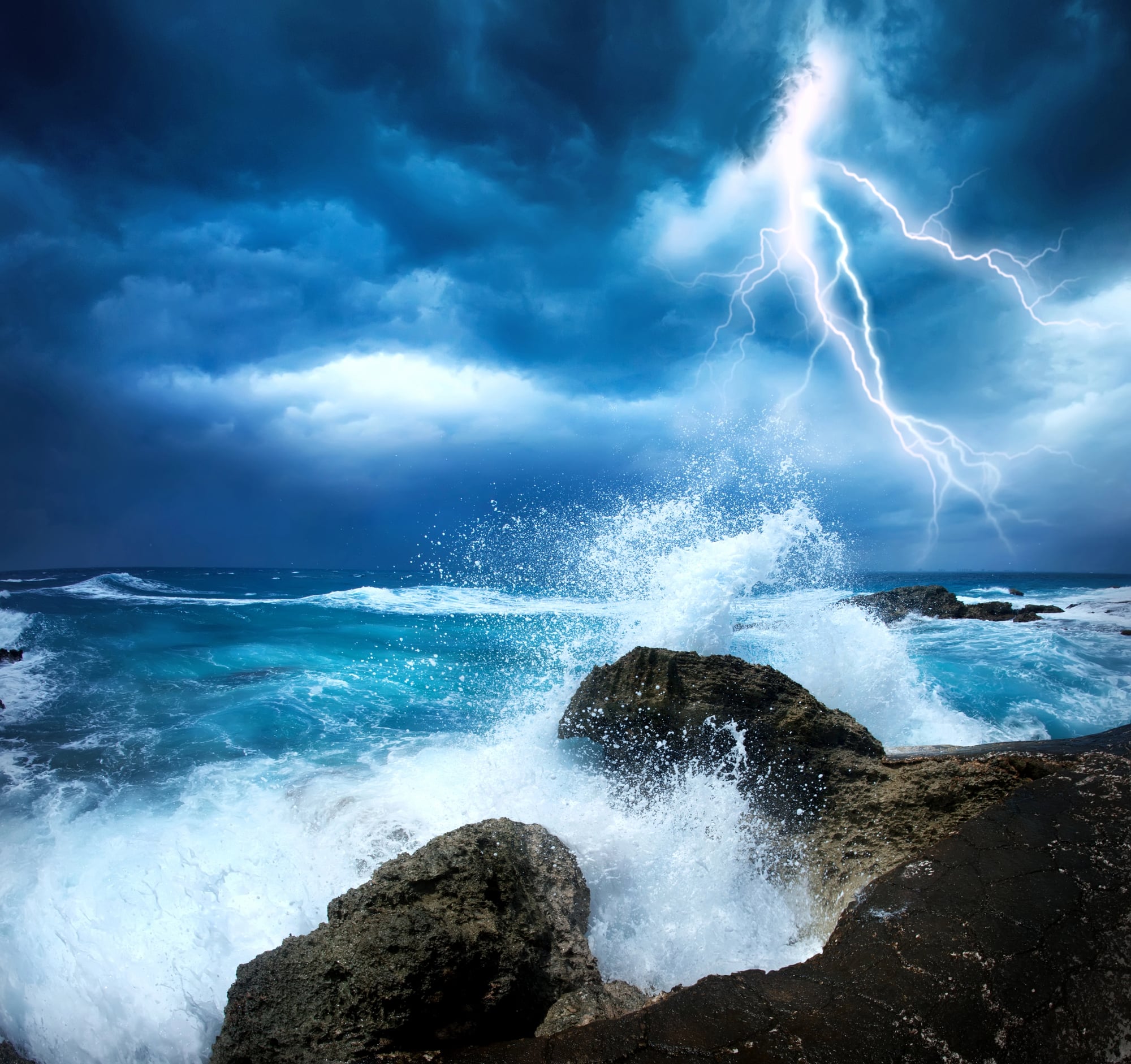
For about evenings a year, spectacular lightning storms consistently light up the skies over Lake Maracaibo in Venezuela. This phenomenon reaches its greatest intensity in October and November, when there are around lightning strikes per minute for up to hours every night.
This meteorological extravaganza, which is the most dependable concentration of thunderstorm activity in one place on Earth, is produced by distinct wind patterns and geographical factors.
Mountain Shadow
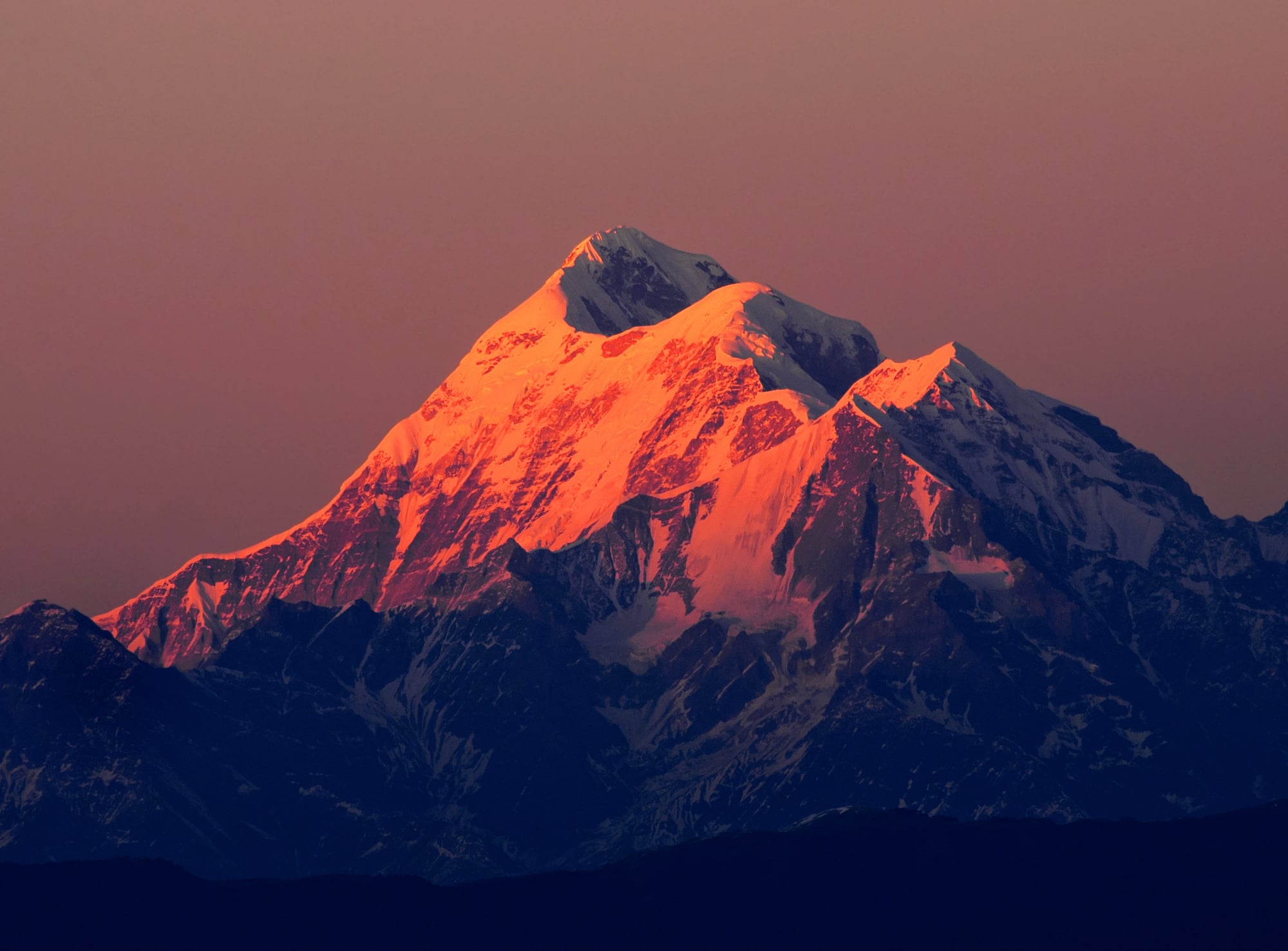
Japan’s Mount Fuji casts a perfectly symmetrical triangular shadow across the landscape and into the sky during sunrise near the spring and fall equinoxes. This unusual optical effect, sometimes called Buddha’s Halo, happens when conditions allow the mountain’s conical shadow to project against morning mist.
Similar phenomena occur with other prominent peaks worldwide, each during specific annual periods determined by solar positioning and local topography.
Like Go2Tutors’s content? Follow us on MSN.
Red Crab Migration
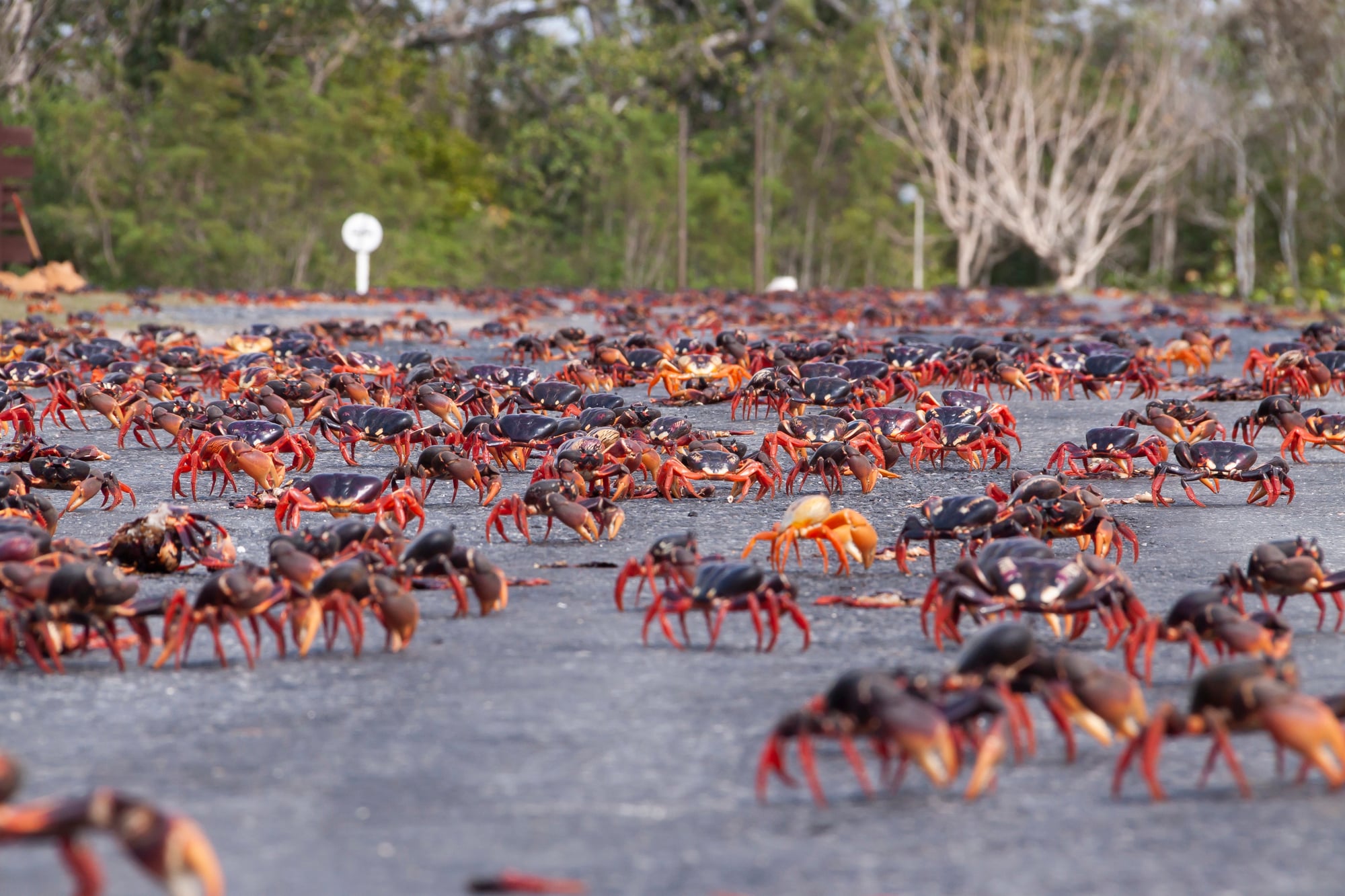
Approximately million red crabs emerge from Christmas Island’s forests between October and December to march collectively toward the ocean for breeding. Roads, beaches and forests transform into moving crimson carpets as these crustaceans follow ancient reproductive patterns triggered by rainfall and lunar cycles.
The migration culminates during the final quarter moon of November or December when females release their eggs into seawater, completing another cycle in this extraordinary annual event.
The Clockwork of Natural Cycles
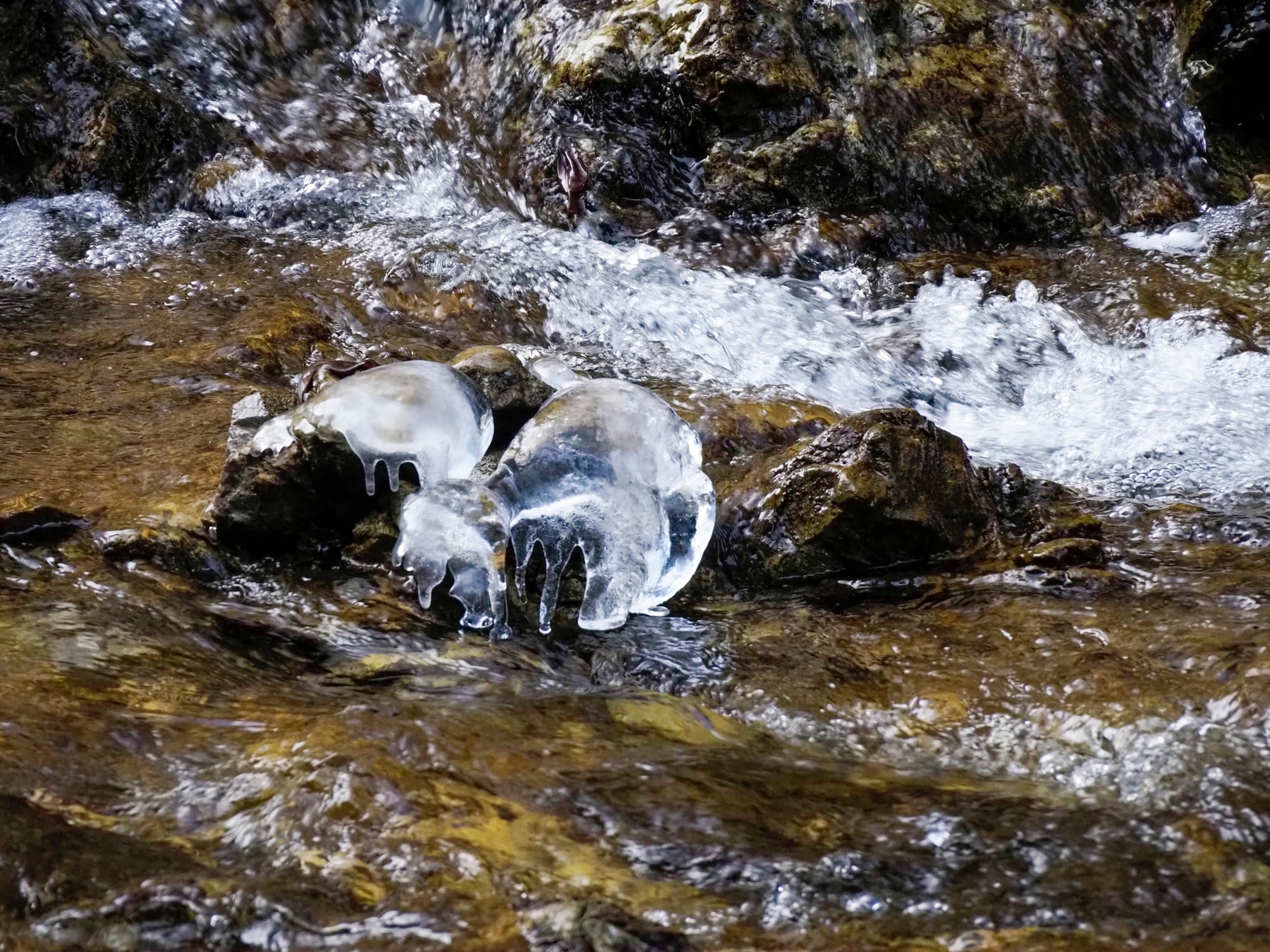
These remarkable annual events reveal nature’s extraordinary choreography and flawless timing. From complex celestial alignments to deeply encoded biological imperatives, these phenomena follow schedules far older than human calendars.
Those fortunate enough to experience these fleeting moments often describe a profound connection to our planet’s ancient rhythms and newfound appreciation for natural spectacles that cannot be rescheduled, delayed, or artificially duplicated in any meaningful way.
More from Go2Tutors!

- 18 Unexpectedly Valuable Collectibles You Might Have Lying Around
- 15 Things Every Teenager in the ’70s Did That Teens Today Wouldn’t Understand
- 15 Strange Things People Have Tried to Ban (And Failed)
- 15 Inventions That Were Immediately Banned After Being Created
- 20 Actors Who Were Almost Cast in Iconic Roles
Like Go2Tutors’s content? Follow us on MSN.



