14 Traditions That Started as Practical Jokes
Many of our most beloved customs and traditions have surprisingly mischievous origins. The solemn ceremonies and cheerful celebrations we participate in today often began as someone’s idea of a good laugh.
What we now consider cultural touchstones were once clever pranks or lighthearted jests that somehow stuck around. Here is a list of 14 traditions that actually began as practical jokes, proving that yesterday’s prank can become tomorrow’s cherished custom.
April Fools’ Day

The granddaddy of all prank-based traditions dates back centuries. France’s switch from the Julian to Gregorian calendar in the 1500s moved New Year’s Day from April 1 to January 1, but news traveled slowly in those days.
People who missed the memo and continued celebrating in April became targets of jokes and hoaxes, earning the nickname ‘April fools.’ The tradition of playing pranks on this day spread throughout Europe and eventually worldwide, making it the one day when trickery is not just tolerated but expected.
Groundhog Day

This weather prediction ceremony began as Pennsylvania Dutch settlers’ good-natured mockery of superstitious neighbors. German immigrants who believed badgers could predict weather found no badgers in America, so they substituted groundhogs as a joke.
Local newspapers amplified the prank in the late 1800s by reporting on the groundhog’s ‘official’ predictions. The tradition gained unstoppable momentum when the town of Punxsutawney organized formal ceremonies, transforming a silly frontier joke into an annual media event that draws thousands of spectators.
Like Go2Tutors’s content? Follow us on MSN.
Oktoberfest
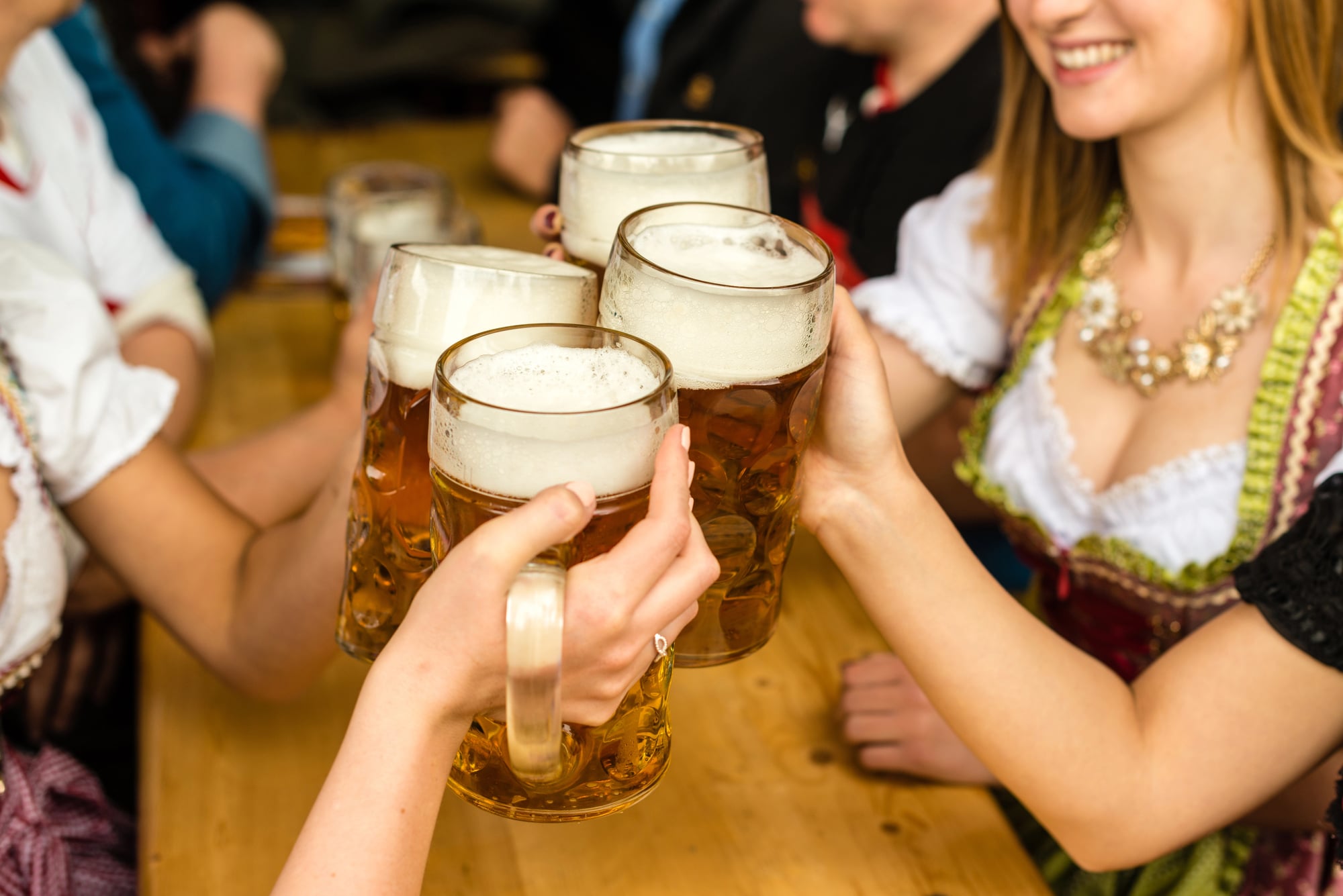
The world’s largest beer festival originated from a practical joke that went wonderfully right. In 1810, Crown Prince Ludwig of Bavaria invited Munich’s citizens to his wedding festivities but deliberately understocked the beer supply.
When guests complained, he declared an impromptu competition for local brewers to create new beer recipes on short notice. The hastily organized celebration was such a hit that townspeople demanded its return the following year.
Running of the Bulls

This famous Spanish tradition began as a prank by mischievous butchers in the 13th century. Deliverymen needed to transport bulls from outside Pamplona to the city’s bullfighting arena but found the animals stubbornly resistant.
A group of young butchers decided to speed things up by startling the bulls, causing them to charge through town while daring each other to run alongside. Townspeople found the spectacle so entertaining that it evolved into an official part of the San Fermín festival.
Burning Man

This famous desert gathering began in 1986 when Larry Harvey and friends built a wooden figure on San Francisco’s Baker Beach as a spontaneous prank. They had no permits or plan beyond surprising beachgoers with their impromptu bonfire art.
When police eventually shut down the beach burning, the event relocated to Nevada’s Black Rock Desert where it grew into a massive weeklong festival. The original joke of building and burning a wooden man now attracts 70,000 participants who create an entire temporary city dedicated to art and self-expression.
Like Go2Tutors’s content? Follow us on MSN.
Mardi Gras Beads
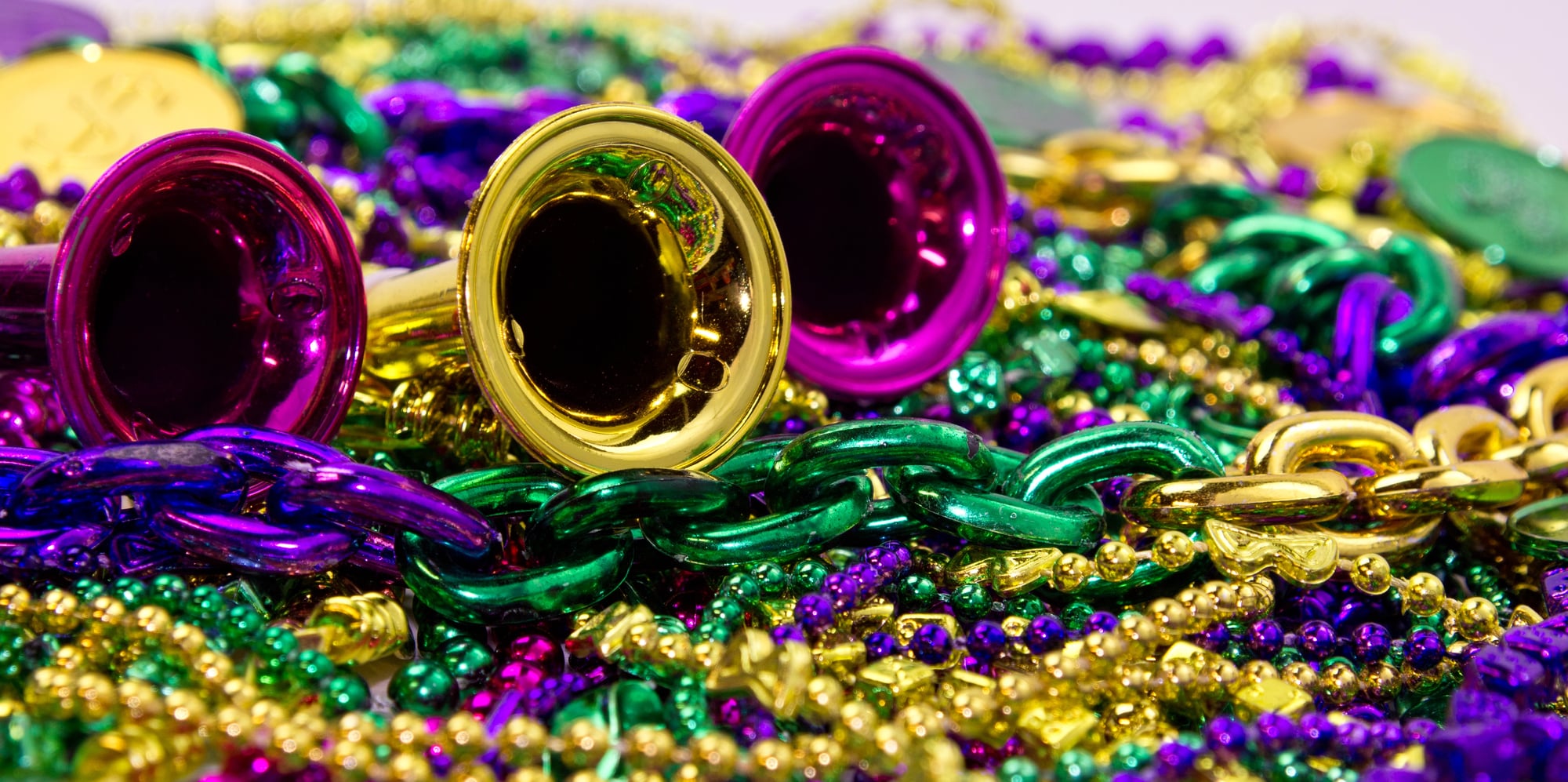
The tradition of throwing beads during Mardi Gras parades originated as a joke by a krewe (parade organization) in the 1880s New Orleans. A parade participant dressed as Santa Claus tossed worthless glass necklaces into crowds as a spoof of gift-giving.
Spectators went wild for these trinkets, creating unexpected demand. Subsequent parades incorporated more bead-throwing, and by the 1920s, the practice had become a mandatory tradition.
The Freshman Beanie

College traditions of making first-year students wear distinctive beanies or caps began as upperclassmen’s pranks at American universities in the early 1900s. Sophomores would force embarrassing headwear on newcomers as a form of gentle hazing.
University administrators, rather than stopping the practice, institutionalized it to foster school spirit. These mandatory beanies remained common until the 1960s when student rebellions largely ended the tradition.
Hawaiian Shirt Friday

The now-ubiquitous ‘casual Friday’ dress code has roots in a practical joke played on Hawaiian business culture. In 1962, a shirtmaker created garishly bright patterns specifically to mock proper business attire.
The Hawaiian Fashion Guild later launched ‘Operation Liberation’ as a tongue-in-cheek campaign, sending two bright shirts to every member of Hawaii’s legislature. The joke backfired when politicians embraced the comfortable alternative, eventually leading to widespread acceptance of ‘Aloha Friday.’
Like Go2Tutors’s content? Follow us on MSN.
Trick-or-Treating

This Halloween staple evolved from a medieval prank known as ‘souling.’ Poor citizens would visit wealthy homes on All Hallows’ Eve, promising to pray for dead relatives in exchange for food.
If denied, visitors would play tricks on homeowners, like switching gate signs or blocking chimneys. The practice transformed as it reached America, where neighborhood children continued the tradition of performing mischief if treats weren’t provided.
White Elephant Gift Exchange

This holiday party favorite originated from an ancient Siamese king’s deliberately terrible gifts. According to legend, the king would present rare albino elephants to courtiers who had displeased him.
These animals were considered sacred and couldn’t be worked or disposed of, creating an expensive burden for the recipient. The modern gift exchange mimics this royal prank by encouraging participants to regift unwanted items or purchase intentionally useless presents.
Baby Showers
The tradition of showering expectant mothers with gifts began as a prank on first-time mothers in Victorian England. Experienced mothers would invite a pregnant woman to tea, then surprise her with absurdly impractical parenting advice and gifts with hidden practical jokes.
These ‘showers of advice’ gradually evolved into genuine gift-giving events as communities recognized the actual value of supporting new parents. The prankish origins remain in certain baby shower games that good-naturedly mock the challenges of parenthood.
Like Go2Tutors’s content? Follow us on MSN.
Maypole Dancing
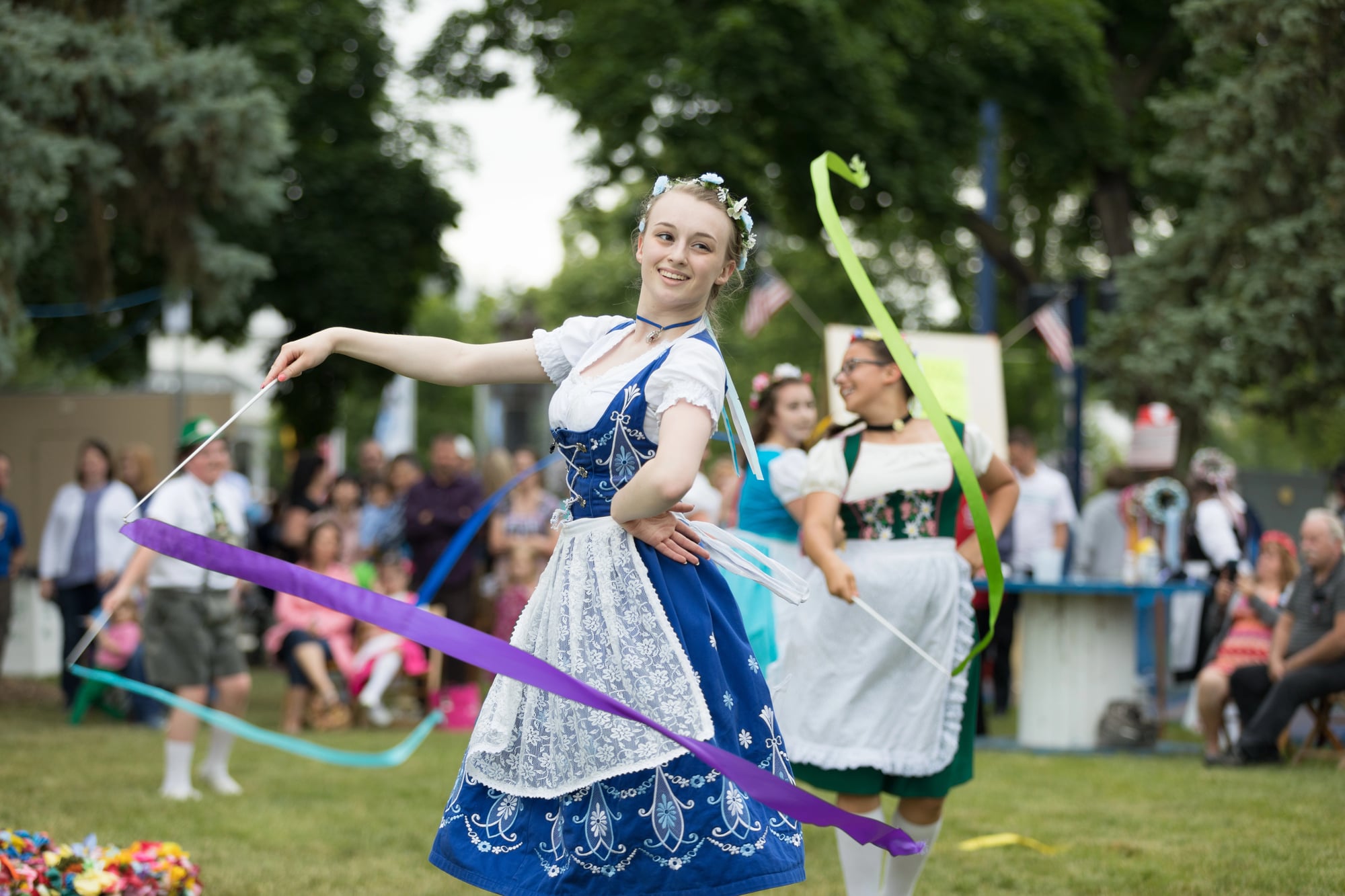
This spring tradition began as a medieval youth’s mockery of formal court dances. Village teenagers would erect poles and attach ribbons as parodies of the elaborate dances performed by nobility, deliberately tangling themselves in chaotic patterns.
Local authorities initially attempted to ban these events but eventually incorporated them into sanctioned spring festivals. The joke dances evolved into the coordinated weaving patterns we associate with maypoles today.
Wedding Cans

Tying cans to newlyweds’ getaway cars began as a frontier prank in early American settlements. Neighbors would attach noisemakers to departing couples’ wagons or horses as a way to publicly announce their marriage status and prevent a quiet escape from the community.
The loud announcement prevented newlyweds from slipping away unnoticed to their honeymoon. Modern celebrations continue this tradition with decorated vehicles, preserving the good-natured embarrassment that has characterized wedding pranks across cultures.
Mistletoe Kissing

This Christmas tradition traces back to Norse mythology but gained its modern form through Victorian-era practical jokes. Young men in 1800s England would secretly hang mistletoe in doorways, then claim the right to kiss any woman caught standing beneath it.
The prank spread to formal holiday parties where it served as socially acceptable matchmaking. The tradition has evolved from its somewhat problematic origins into a more consensual custom, now symbolizing holiday romance rather than forced affection.
Like Go2Tutors’s content? Follow us on MSN.
From Pranks to Permanence

These traditions remind us how human culture often preserves what makes us laugh. A moment of mischief can evolve into centuries of celebration when the joke resonates with something deeper in our collective experience.
Next time you participate in a seemingly serious tradition, consider whether you might actually be the punchline of a centuries-old practical joke that proved too good to forget.
More from Go2Tutors!

- 16 Restaurant Chains That Went Too Fast
- 12 Things Sold in the 80s That Are Now Illegal
- 15 Strange Things People Have Tried to Ban (And Failed)
- 16 Collectibles People Tossed Out Too Soon
- 17 Myths from Your Childhood That Were Actually Based on Real Things
Like Go2Tutors’s content? Follow us on MSN.