Weird Global Wedding Traditions
Most people think their own wedding customs are normal. The white dress, the cake, the first dance—these things feel natural when you grow up with them.
But step outside your culture and you realize just how strange some traditions really are. What passes for a heartfelt gesture in one country can look downright bizarre somewhere else.
Every culture has found its own way to celebrate marriage. Some of these customs make sense when you know the history behind them.
Others leave you scratching your head no matter how much context you get. The traditions below show just how creative humans can be when marking one of life’s biggest moments.
Germans Love Breaking Things

German couples face a pre-wedding tradition called Polterabend, where guests smash dishes and porcelain on the ground. Not during the reception—before the wedding even happens.
Friends and family bring old plates, cups, and vases specifically to destroy them in the couple’s driveway or yard. The noise supposedly scares away evil spirits.
But the real test comes after the smashing. The bride and groom sweep up all the broken pieces together, which serves as their first official act of teamwork.
The more stuff people break, the better luck you supposedly have. Just don’t bring any glass or mirrors—those actually bring bad luck.
Scotland’s Pre-Wedding Humiliation Ritual

Scottish couples sometimes endure blackening, a tradition that borders on torture. Friends ambush the bride or groom before the wedding and cover them in everything disgusting they can find.
Spoiled milk, rotten eggs, tar, feathers, flour—nothing is off limits. After coating the person head to toe in this mixture, the group parades them through town.
The victim gets tied to a tree or vehicle and driven around while people honk and cheer. The belief is that if you can handle this humiliation together, marriage will be easy.
The practice happens less often now, but some communities still keep it alive.
French Couples Eat Garbage

French tradition includes something called la soupe, where wedding guests collect leftover food, drinks, and whatever else they find into a toilet bowl or chamber pot. Then they make the newlyweds eat from it.
The mixture typically contains champagne, chocolate, and bits of food, though some versions include less appetizing additions. The couple stands in their nightclothes while guests watch them consume this concoction.
The idea is to give them strength for their wedding night, though how eating from a toilet helps remains unclear.
Korean Grooms Get Their Feet Beaten

At Korean weddings, friends of the groom grab him before he can escape the reception. They remove his shoes and socks, tie his ankles together with rope, and proceed to beat the soles of his feet with dried fish or a stick.
During this beating, the tormentors quiz the groom about random facts or questions about his bride. The tradition supposedly tests his knowledge and strength before married life begins.
The beating continues until the groom satisfies his friends with correct answers or until they decide to show mercy.
India’s Stolen Shoe Game

Indian weddings feature a playful tradition where the bride’s sisters and female relatives try to steal the groom’s shoes. When the groom arrives at the wedding venue, he removes his shoes before entering the mandap (wedding altar).
That’s when the theft attempt begins. The groom’s side defends the shoes while the bride’s side schemes to grab them.
When the ceremony ends, the groom needs his shoes to leave—but he has to negotiate with whoever successfully stole them. The ransom can range from small amounts of money to expensive gifts, depending on how tough the negotiators are.
Crying Brides of China

Women from the Tujia ethnic group in China start crying on purpose a month before their wedding. The bride cries for an hour every day.
Ten days into this crying marathon, her mother joins in. Ten days later, her grandmother starts crying too.
Eventually, every female in the family is sobbing together. The crying shows love and gratitude for the family the bride is leaving.
Different tones and pitches convey different emotions. Women actually learn this crying technique as a skill, and people judge a bride by how well she can cry.
A bride who can’t cry properly faces criticism.
Kidnapped Brides of Romania
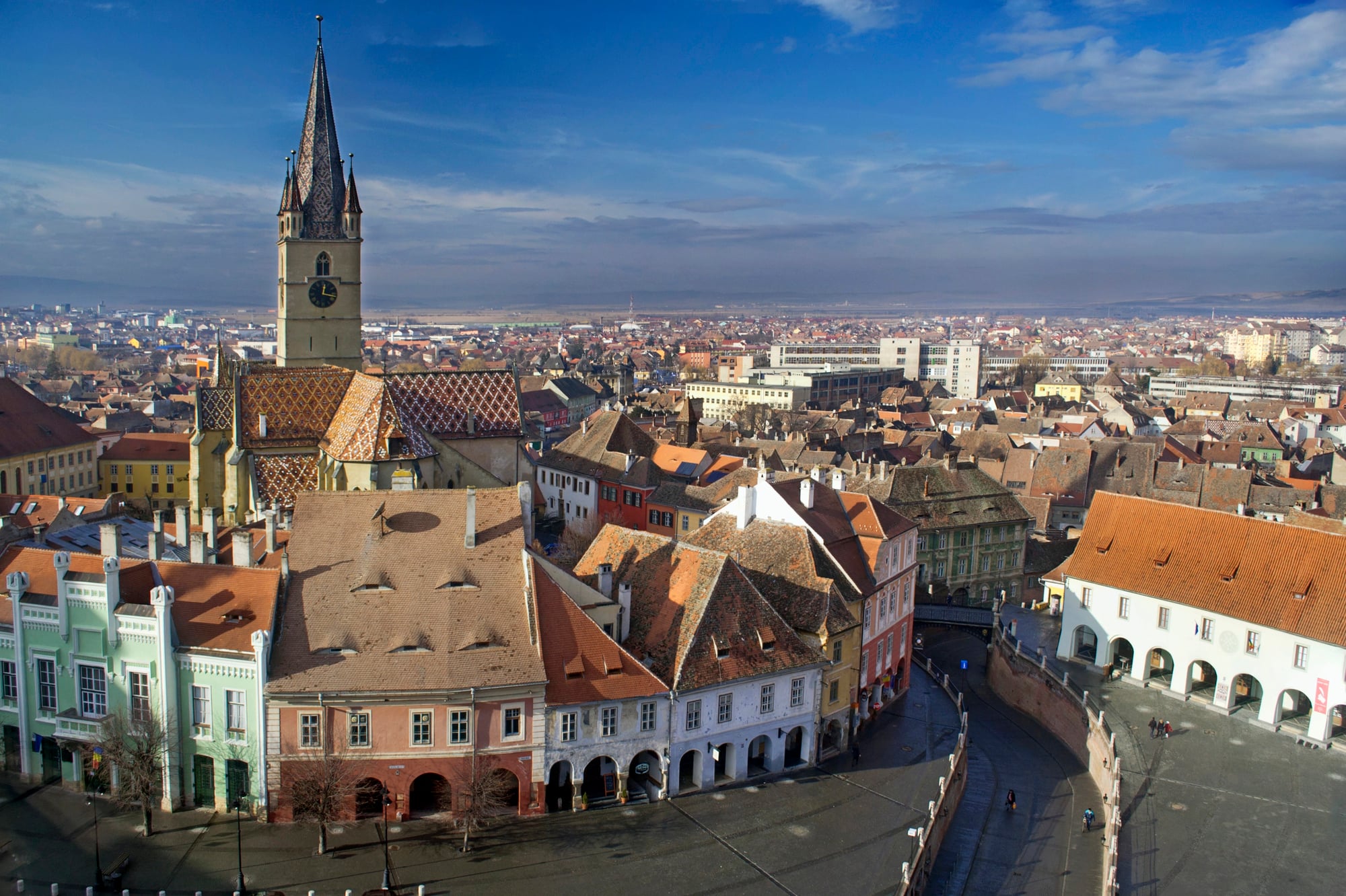
Some Romanian Romani communities practice a tradition where the groom must “kidnap” his bride. He stages this fake abduction with the help of friends, though the bride knows it’s coming.
The groom swoops in, grabs the bride, and carries her away from her family. The bride’s family then demands ransom, usually in the form of alcohol or money.
The groom pays up, which proves he can provide for his future wife. The whole thing resembles theater more than actual kidnapping, but it still forms a central part of the wedding celebration for families who observe this custom.
Borneo’s Toilet Ban

Couples from the Tidong community in Borneo face an unusual post-wedding challenge. For three days and nights after the ceremony, the bride and groom can’t use the bathroom. At all.
Family members watch the couple to enforce this rule. They give the newlyweds minimal food and water to help them last.
The belief is that breaking this tradition brings bad luck—failed crops, infidelity, or early death. After three days, the couple can finally relieve themselves, and the family throws a celebratory feast.
Greece’s Sweet Attack

Greek wedding guests pin money to the bride and groom’s clothing while they dance. But in some regions, the tradition includes an extra step—guests smash plates on the ground during the reception.
The louder and more enthusiastic the plate-smashing, the stronger the blessing. Some families take this further by coating the groom in honey and feathers before the wedding.
Friends roll him in both, and he has to attend the wedding ceremony sticky and covered in plumage. The ordeal supposedly proves his commitment to the marriage.
Wales and the Wooden Spoon

Welsh tradition involves the groom carving an elaborate wooden spoon for his bride. He spends months before the wedding creating intricate designs that represent his feelings and plans for their future.
The spoon becomes a symbol of his ability to provide. The more detailed and complex the carving, the more impressed the bride’s family will be.
Some of these spoons become family heirlooms passed down through generations. The handles often feature symbols like hearts, wheels, or keys, each carrying specific meaning about the marriage ahead.
Congo’s Straight Faces

In the Congolese Kongo tribe, brides and grooms are not allowed to smile on their wedding day. Not during the ceremony, not during photos, not during the reception.
If either person smiles, it shows they’re not serious about the marriage. The couple maintains stone-cold expressions from start to finish.
Guests can celebrate and enjoy themselves, but the bride and groom must look solemn. Only after the wedding ends can the couple finally relax and smile.
The tradition tests their self-control and commitment.
Mauritanian Force-Feeding

Some Mauritanian families used to force-feed young brides to fatten them up before marriage. The practice has declined, but some communities still view larger women as more desirable brides.
Families would have young girls consume thousands of extra calories daily. The fattening process started years before the wedding and continued right up to the ceremony.
The fuller the bride looked, the wealthier her family appeared. This tradition caused serious health problems, and education campaigns have worked to end it, though it persists in remote areas.
Sweden’s Kissing Free-for-All

Swedish weddings have a tradition that tests the newlyweds’ trust. When the bride leaves the room, all the women in attendance get to kiss the groom.
When the groom steps out, every man at the wedding can kiss the bride. The kissing happens throughout the reception, creating multiple opportunities for this strange custom.
The tradition supposedly strengthens the bond between the couple and their community. Whether it actually builds trust or just creates awkward moments depends on who you ask.
Venezuela’s Early Exit

Venezuelan couples try to sneak out of their reception without anyone noticing. If they successfully leave without getting caught, they supposedly have good luck.
But guests watch the couple closely, making escape difficult. The game adds excitement to the end of the reception.
Guests who catch the couple trying to leave consider it a victory. The couple who makes it out undetected can feel proud of their stealth skills.
Either way, the tradition turns the wedding’s end into one final celebration.
Marriage as Living Theater

These traditions reveal something true about how different cultures think about commitment. Some focus on tests of endurance.
Others emphasize public humiliation or physical challenges. A few simply want to make the couple laugh or squirm before starting their new life together.
What seems bizarre from the outside often carries deep meaning for the people who practice it. The German couple sweeping up broken dishes learns cooperation.
The Korean groom getting his feet beaten proves his resilience. The Chinese bride crying for a month honors her family.
You probably wouldn’t choose most of these traditions for your own wedding. But they remind you that the familiar customs you grew up with look just as strange to someone from another culture.
Marriage traditions are always about the same things—love, family, commitment, and marking the start of something new. The methods just vary wildly.
More from Go2Tutors!

- The Romanov Crown Jewels and Their Tragic Fate
- 13 Historical Mysteries That Science Still Can’t Solve
- Famous Hoaxes That Fooled the World for Years
- 15 Child Stars with Tragic Adult Lives
- 16 Famous Jewelry Pieces in History
Like Go2Tutors’s content? Follow us on MSN.