16 Government Programs That Backfired Spectacularly
Government programs start with the best intentions—solving problems, helping citizens, and making life better for everyone. But sometimes these well-meaning policies create bigger problems than they solve, proving that the road to policy disaster is paved with good intentions and unintended consequences.
From economic schemes that crashed economies to social programs that hurt the people they meant to help, history is full of examples where government intervention went horribly wrong. Here is a list of 16 government programs that backfired spectacularly.
Prohibition (1920–1933)

Banning alcohol was supposed to reduce crime and improve public morals, but it created the opposite effect. The policy gave rise to organized crime, speakeasies, and a black market that made alcohol more dangerous and crime more profitable than ever before.
Urban Renewal Program (1949–1974)

This federal program aimed to revitalize struggling inner cities by tearing down ‘blighted’ neighborhoods and replacing them with modern developments. Instead, it destroyed historic communities, displaced hundreds of thousands of low-income families, and removed small businesses, earning the nickname ‘Negro removal’ for its disproportionate impact on minority communities.
The Cobra Effect in British India (Early 1900s)

When the British government offered bounties for dead cobras to reduce snake populations, entrepreneurial locals started breeding cobras to collect the rewards. Once the program ended, they released their now-worthless snakes, making the original problem worse than before.
War on Drugs (1971–present)

Started to reduce drug use and crime, this massive enforcement effort has led to mass incarceration, destroyed communities, and failed to significantly reduce drug availability. The policy created a prison-industrial complex while drug problems persisted and cartels grew more powerful.
Rent Control Policies (Various, Ongoing)

Designed to keep housing affordable, rent control laws often reduce the supply of rental housing and discourage maintenance. Landlords convert properties or let them deteriorate, ultimately making housing shortages worse and reducing the quality of available units.
Cash for Clunkers (2009)

This program offered money for trading in old cars to stimulate the auto industry and reduce emissions. Many drivers simply bought another used, high-emission car, which ended up worsening pollution, while destroying perfectly functional vehicles that could have served lower-income buyers.
China’s One-Child Policy (1979–2015)

This population control program aimed to curb overpopulation, but it created lasting social and demographic problems. Millions of forced abortions and sterilizations occurred, and a strong preference for boys led to a massive gender imbalance.
Decades later, China faces a shrinking workforce, an aging population, and millions of unmarried men—a crisis created by the very policy meant to secure the country’s future.
Biofuel Mandates (2000s–Present)

Requiring ethanol in gasoline was meant to reduce dependence on foreign oil and cut emissions. Instead, it drove up food prices by diverting corn from food to fuel production, while studies showed minimal environmental benefits and potential increases in certain pollutants.
Minimum Wage Laws (Various, Ongoing)

While intended to help low-income workers, overly aggressive minimum wage increases can price inexperienced workers out of the job market. Some businesses respond by cutting hours, reducing staff, or accelerating automation, potentially hurting the very people the policy meant to help.
Operation Fast and Furious (2006–2011)

This U.S. program was designed to track illegal gun sales by allowing firearms to be sold to suspected traffickers in hopes of tracing them to criminal networks. But agents quickly lost track of the weapons.
Hundreds of guns ended up in the hands of criminals, and at least one was found at the scene of a U.S. Border Patrol agent’s death. Instead of dismantling cartels, the operation armed them.
Steel Import Quotas (1969–1974)

The United States imposed quotas on steel imports to protect steel companies and steelworkers from lower-priced competition, but they also made less expensive steel available to U.S. automakers. This helped one industry while hurting others that depended on affordable steel, ultimately costing more jobs than it saved.
Three Strikes Laws (1990s–Present)

These mandatory sentencing laws were designed to reduce crime by keeping repeat offenders in prison longer. While they may have deterred some crime, they also led to prison overcrowding, massive costs, and disproportionate sentences for relatively minor third offenses, without significantly improving public safety.
Corn Laws in Britain (1815–1846)
These tariffs on imported grain were meant to protect British farmers from foreign competition. Instead, they kept food prices artificially high, hurt consumers, and led to economic inefficiency while benefiting only wealthy landowners at everyone else’s expense.
Federal Flood Insurance Program (1968)
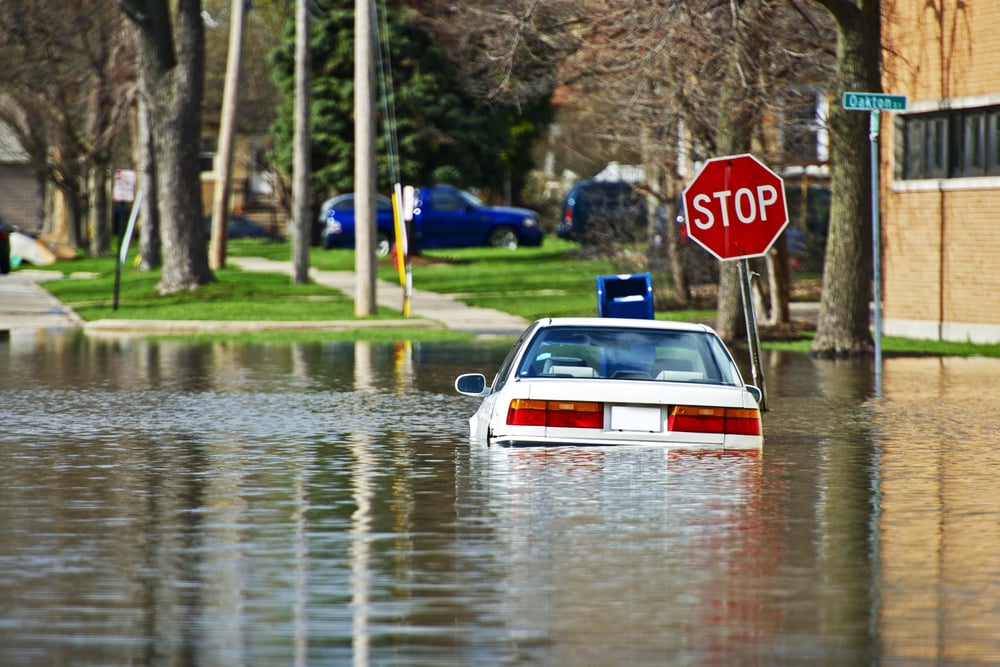
Created to help homeowners in flood-prone areas, this program inadvertently encouraged development in dangerous flood zones by making insurance artificially cheap. It subsidized risky building decisions and increased overall flood damage costs while putting more people in harm’s way.
Urban Housing Projects (1930s–Present)

Large-scale public housing developments like Chicago’s Cabrini-Green were built to provide decent housing for the poor. Many areas became concentrated areas of poverty, crime, and social problems, isolating residents from opportunities and creating new forms of segregation rather than solving housing issues.
No Child Left Behind (2001)

This education reform was designed to improve student achievement through standardized testing and accountability measures. Instead, it led to ‘teaching to the test,’ narrowed curricula, and gaming of statistics while failing to significantly improve educational outcomes, particularly for disadvantaged students.
When Good Intentions Meet Reality
These policy failures remind us that complex systems rarely respond to simple solutions the way planners expect them to. The law of unintended consequences shows that government actions always have effects that are unanticipated or unintended, often creating new problems while trying to solve old ones.
Each of these programs seemed logical on paper, but real-world implementation revealed flaws that their creators never anticipated. The lesson isn’t that the government should never try to solve problems, but that policymakers need to think more carefully about how people might respond to incentives and what could go wrong when good intentions meet the messy reality of human behavior.
More from Go2Tutors!

- 16 Restaurant Chains That Went Too Fast
- 12 Things Sold in the 80s That Are Now Illegal
- 15 Strange Things People Have Tried to Ban (And Failed)
- 16 Collectibles People Tossed Out Too Soon
- 17 Myths from Your Childhood That Were Actually Based on Real Things
Like Go2Tutors’s content? Follow us on MSN.



