15 Odd Laws That Only Apply to Soldiers
When civilians break the law, they face the regular justice system. But soldiers operate under an entirely different set of rules called the Uniform Code of Military Justice, and some of these laws are downright bizarre. While most UCMJ articles mirror civilian law, there are plenty that exist nowhere else in American legal code.
Military life demands discipline and order that civilian life simply doesn’t require. The result is a legal framework that covers everything from how you wear your uniform to what you can say about your commanding officer.
Here is a list of 15 odd laws that only apply to soldiers.
Dueling Is Strictly Forbidden
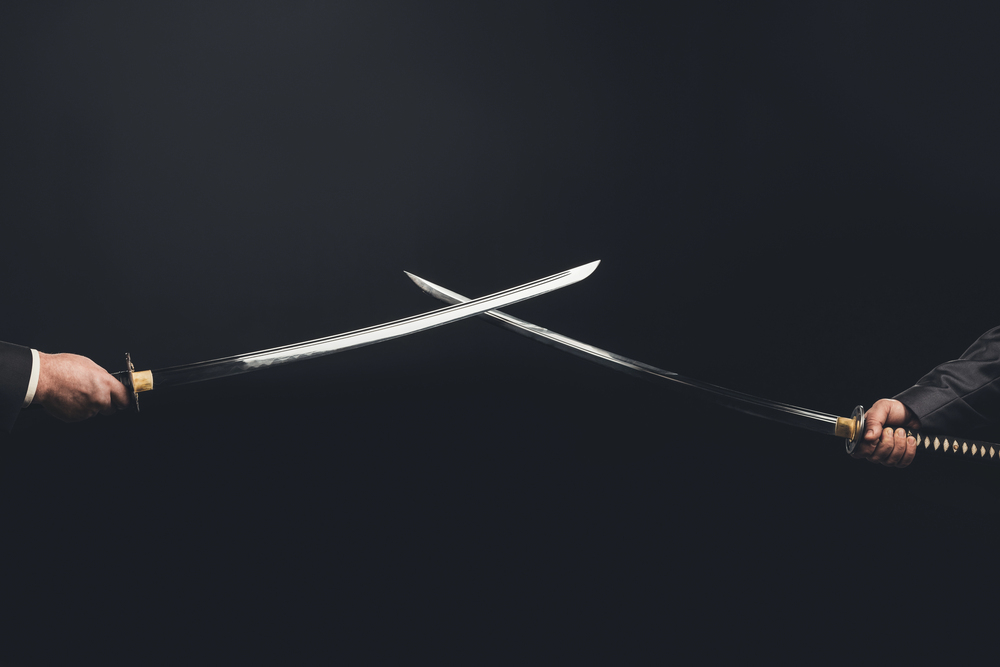
Under Article 114 of the UCMJ, soldiers cannot challenge anyone to a duel, whether with swords, pistols, or even fists. This isn’t just about participating in duels either. You can also be punished for promoting a duel, helping arrange one, or failing to report knowledge of a planned duel. The maximum punishment includes dishonorable discharge, loss of all pay, and up to one year in prison.
Straggling During Marches Is a Crime
— Photo by dpreezg
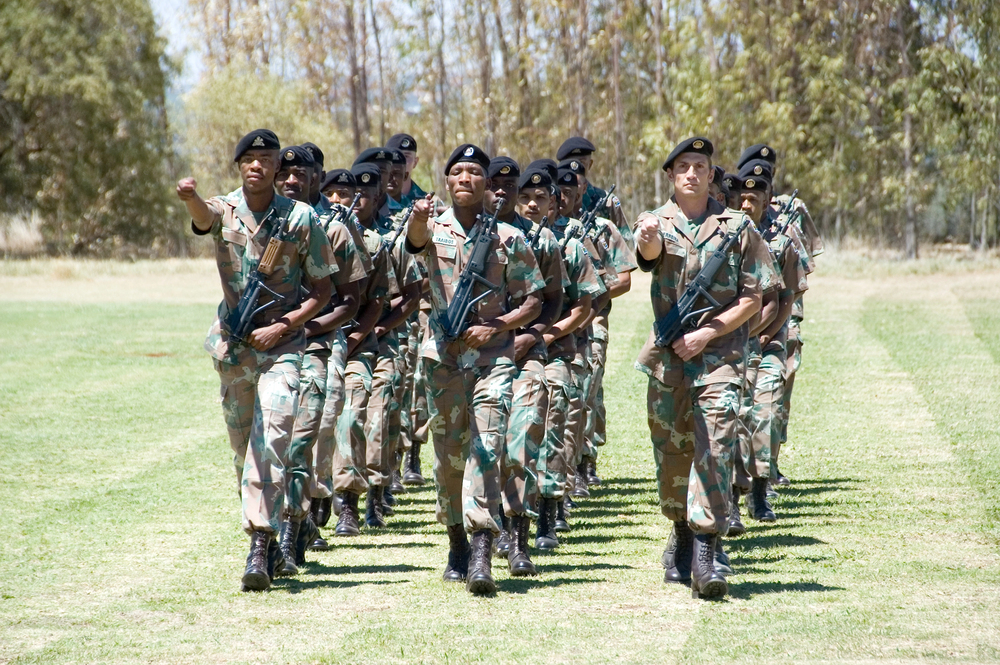
Falling behind during marches, runs, or training exercises can land you in legal trouble under Article 134. ‘Straggle’ officially means ‘to wander away, to stray, to become separated from, or to lag or linger behind’. While most stragglers just get yelled at by their sergeants, this offense carries a maximum punishment of three months confinement and forfeiture of two-thirds pay per month for three months.
Wearing Wrong Insignia Is Criminal
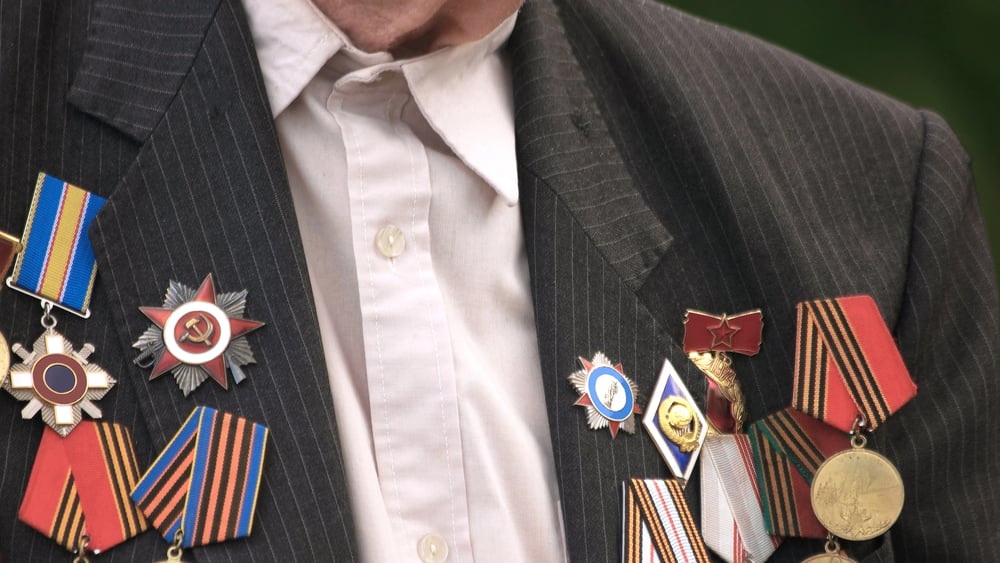
Article 106a specifically prohibits military members from ‘wearing unauthorized insignia, decoration, badge, ribbon, device, or lapel button’. This means putting on the wrong rank, wearing ribbons you didn’t earn, or even sporting an unauthorized unit patch can result in court-martial proceedings. The military takes uniform regulations seriously because they represent earned achievements and proper chain of command.
Jumping Off Military Vessels Is Illegal
— Photo by oqtave
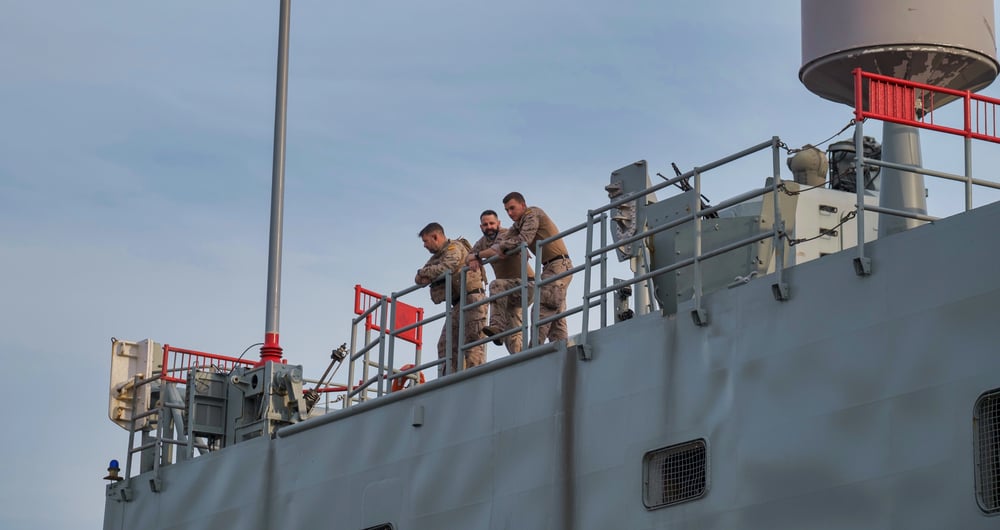
Intentionally jumping from any vessel being used by the U.S. military into water is a crime punishable by court-martial. This applies to any vessel operated by or under control of any branch of the armed forces, whether at sea or in port, and carries a maximum punishment of dishonorable discharge, forfeiture of all pay and allowances, and up to two years of confinement. Official Navy ‘Swim Calls’ are obviously exempt from this rule.
Drinking With Prisoners Is Prohibited
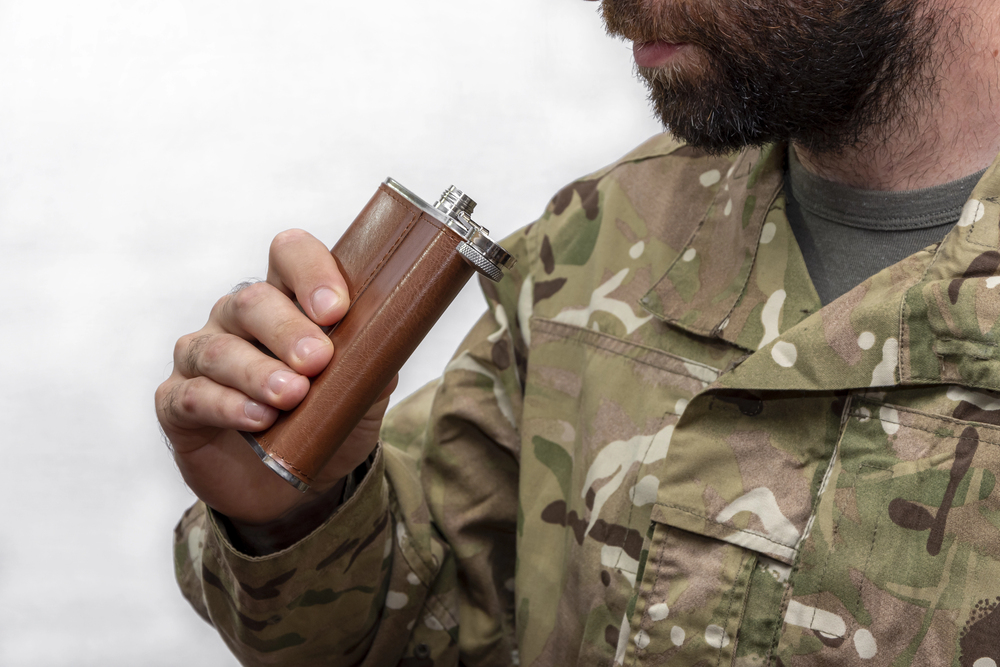
Under Article 96, ‘Any person subject to this chapter who unlawfully drinks any alcoholic beverage with a prisoner shall be punished as a court-martial may direct’. The maximum punishment includes three months of confinement and forfeiture of two-thirds pay per month for three months. This rule exists because prisoners in military custody are technically considered on duty while serving time, making any drinking incident a ‘drunk on duty’ offense.
Adultery Remains a Court-Martial Offense

Adultery is punishable under UCMJ Article 134, with a maximum punishment of dishonorable discharge, forfeiture of all pay and allowances, and confinement for up to one year. For a conviction, three things must be proven: proof of the intimate act, that either party was married to someone else, and that the conduct was detrimental to the reputation of the armed forces. This law recognizes that personal conduct can impact military readiness and unit cohesion.
Using Profanity Can Be Criminal

Under the original UCMJ until 2019, ‘Indecent Language’ was actually a criminal, non-capital offense under Article 134. Even today, under Paragraph 89 of Article 134, indecent language is prohibited within the military. This means the everyday swearing that troops use with each other can technically result in disciplinary action, though enforcement varies widely depending on context and command.
Contempt Toward Officials Is Forbidden
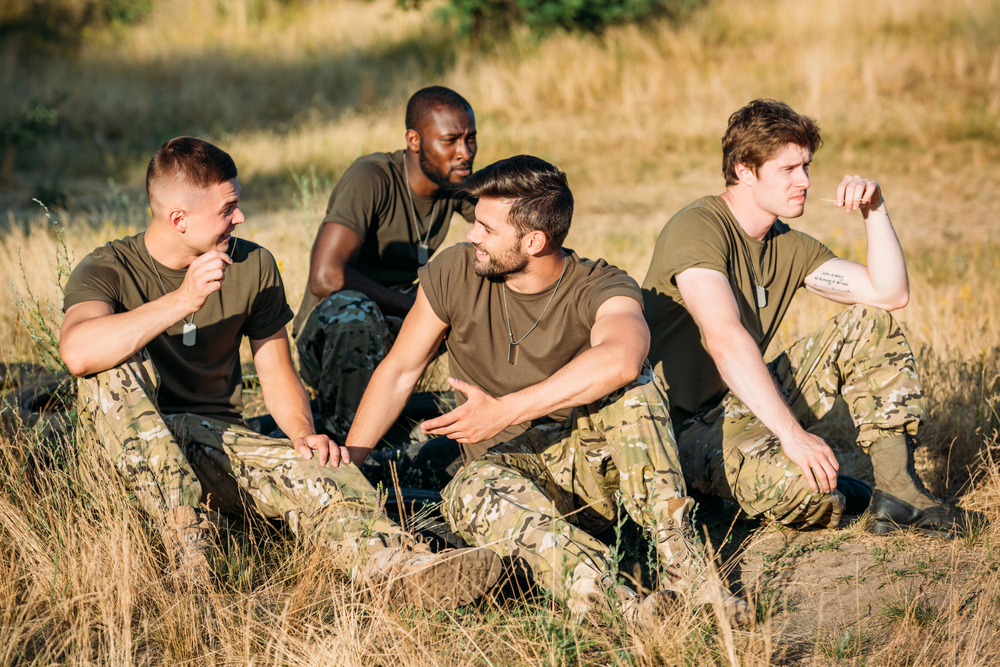
Under Article 88, service members are not permitted to voice contempt against an official, meaning enlisted or lower ranked persons than a particular official are forbidden from using derogatory words against important officials. This goes beyond basic insubordination and covers public criticism of military and civilian leadership. The rule ensures that the chain of command maintains its authority and prevents undermining of military leadership.
Certain Shoes Are Banned
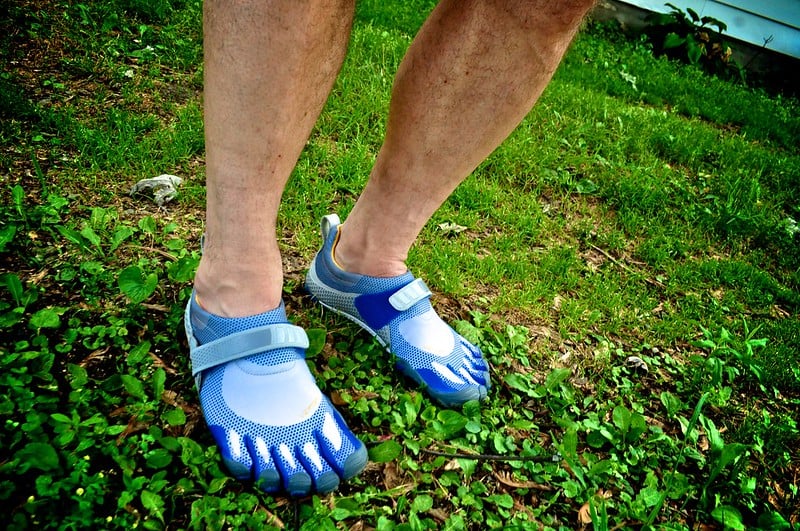
The Army specifically banned FiveFingers sneakers under ALARACT 241/2011, stating that ‘Only those shoes that accommodate all five toes in one compartment are authorized for wear’. While this might seem petty, uniform regulations serve multiple purposes including safety, unit cohesion, and maintaining professional appearance. The military has detailed rules about almost every piece of clothing and equipment soldiers can wear.
Fraternization Has Specific Legal Consequences
— Photo by UCKAHDEP
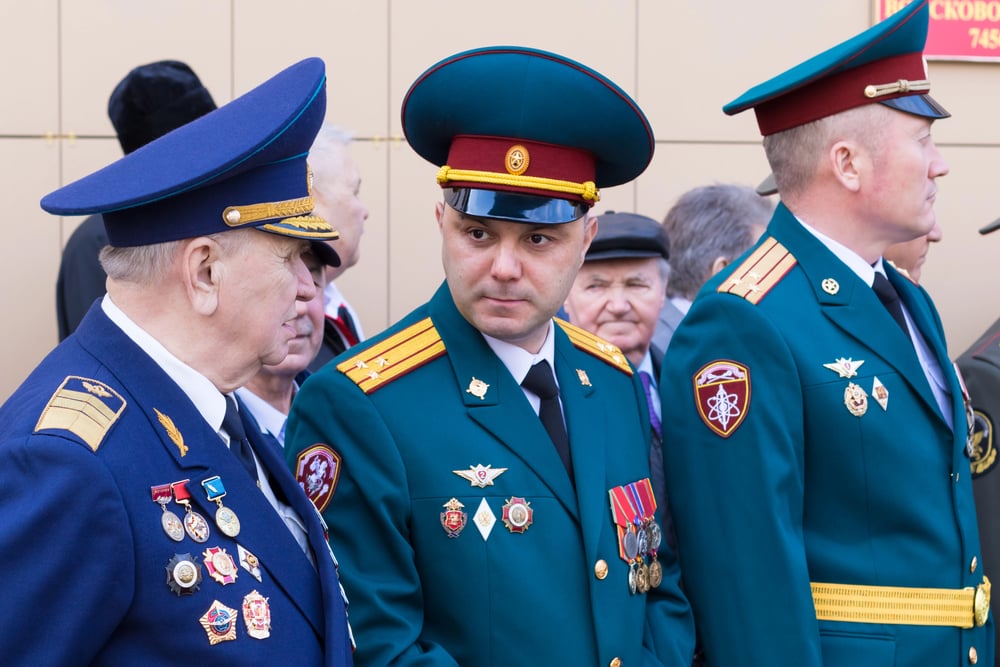
Fraternization involves forming inappropriate relationships between people of different ranks or with those not accepted within the armed forces. The maximum punishment for fraternization includes confinement for 2 years, forfeiture of all allowances and pay, and dismissal from service. This law exists to prevent favoritism, maintain proper command structure, and ensure that personal relationships don’t interfere with military effectiveness.
Animal Abuse Carries Severe Military Penalties
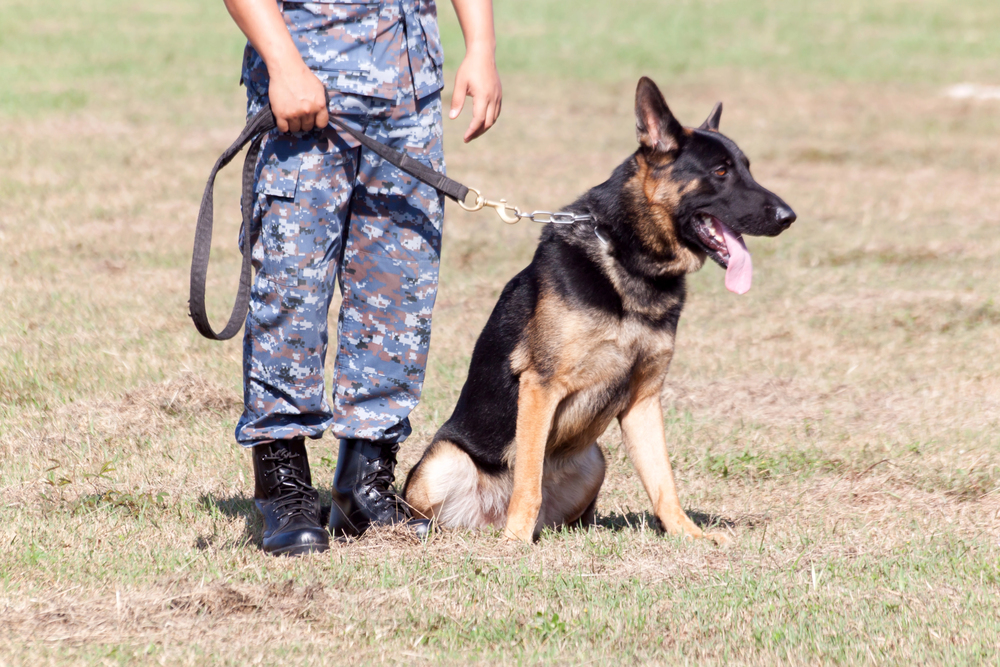
Under Article 134, abuse, abandonment, or neglect of an animal can result in a year of confinement, losing all pay and allowances, and a bad conduct discharge. More serious acts involving animals can result in 5 years of confinement, losing all pay and allowances, and a dishonorable discharge. The military often works with animals in various capacities, and proper treatment reflects on military values and discipline.
Making Disloyal Statements Is Prosecutable
Making disloyal statements is one of the acts likely to be tried under Article 134. This doesn’t just mean criticism of military policy, but extends to statements that could undermine military effectiveness or morale. The balance between free speech and military necessity creates a unique legal environment where certain expressions that would be protected in civilian life become criminal offenses in uniform.
Kidnapping Falls Under Military Justice
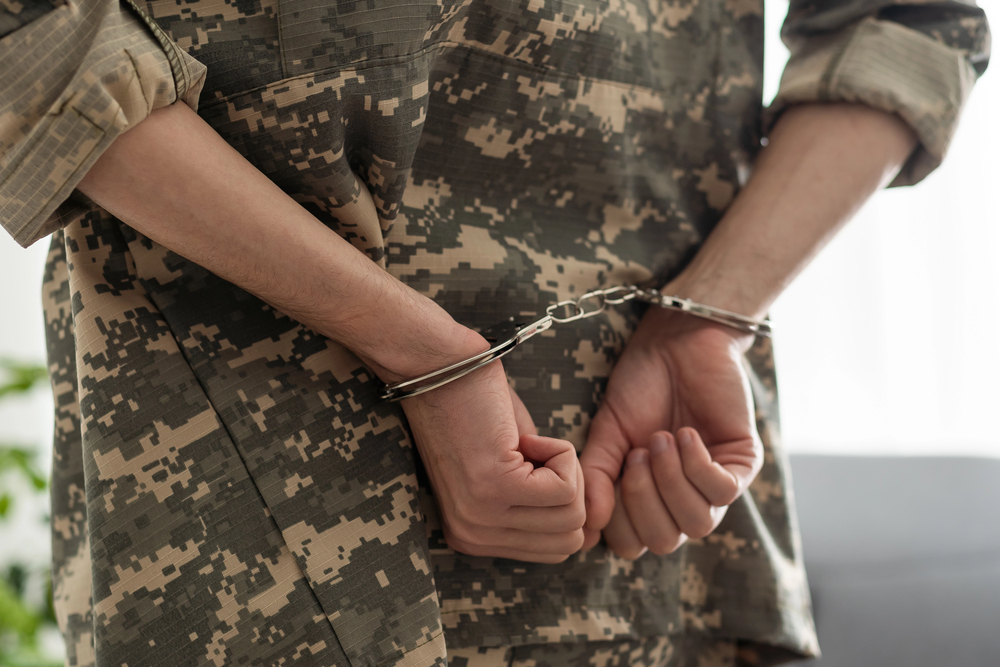
Kidnapping is among the 54 crimes covered under Article 134. While kidnapping is obviously illegal in civilian courts too, military personnel face prosecution under the UCMJ rather than civilian authorities. This ensures that military justice handles cases involving service members quickly and according to military standards, maintaining good order and discipline within the ranks.
Gambling With Subordinates Is Regulated
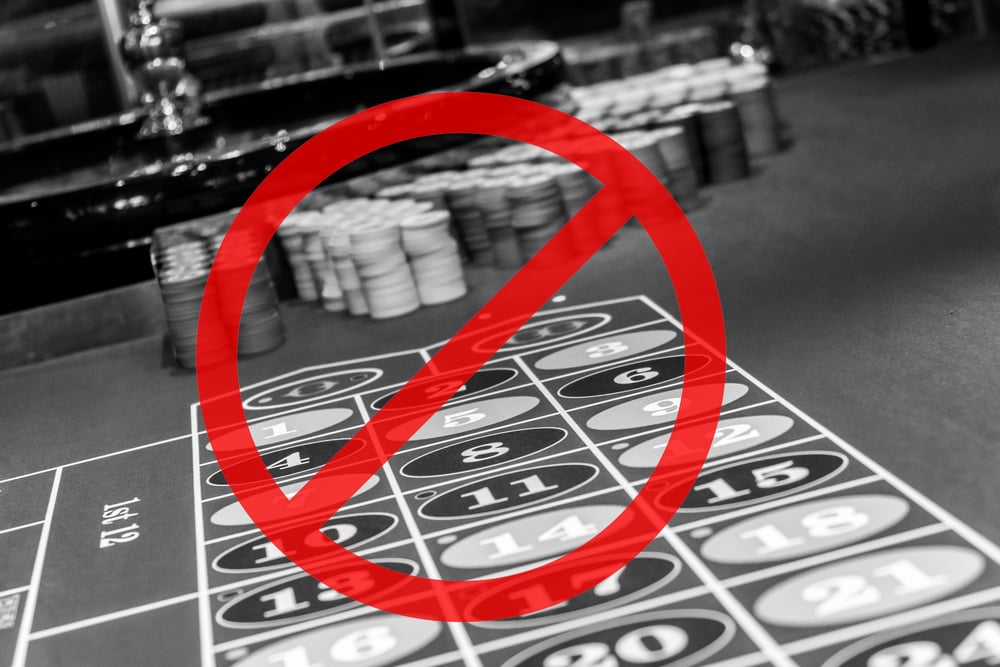
Military regulations specifically address gambling between people of different ranks. This prevents exploitation of junior enlisted members by their superiors and maintains proper command relationships. Like fraternization rules, these gambling restrictions exist to prevent the erosion of military hierarchy and ensure that personal financial relationships don’t compromise professional military relationships.
Being Drunk While a Prisoner Is Double Jeopardy

Military personnel who are prisoners are considered on duty while serving time, so any prisoner caught drunk faces charges for being drunk on duty. This creates a unique situation where incarcerated soldiers face additional punishment for alcohol consumption that wouldn’t apply to civilian prisoners. The rule reinforces that military service continues even during punishment, maintaining discipline throughout the correctional process.
When Military Order Meets Modern Reality
These unusual laws reflect the military’s need to maintain discipline, order, and effectiveness in ways that civilian society doesn’t require. While some seem outdated or overly strict, they serve the broader purpose of creating a unified fighting force where personal conduct directly impacts mission readiness. The UCMJ continues evolving to address new challenges while preserving the fundamental principle that military service demands higher standards than civilian life. Understanding these unique legal requirements helps explain why military culture operates so differently from the civilian world most Americans know.
More from Go2Tutors!

- The Romanov Crown Jewels and Their Tragic Fate
- 13 Historical Mysteries That Science Still Can’t Solve
- Famous Hoaxes That Fooled the World for Years
- 15 Child Stars with Tragic Adult Lives
- 16 Famous Jewelry Pieces in History
Like Go2Tutors’s content? Follow us on MSN.



