15 of the World’s Most Unusual Elevator Systems
Most people think of elevators as those boring metal boxes that take you up and down buildings. But around the world, engineers and architects have created some truly wild vertical transportation systems that would make your average office elevator seem downright prehistoric by comparison.
From elevators that move sideways to ones that hang off the outside of cliffs, these mechanical marvels prove that getting from point A to point B doesn’t have to be ordinary. Here is a list of 15 of the world’s most unusual elevator systems that will change how you think about vertical travel.
The Bailong Elevator
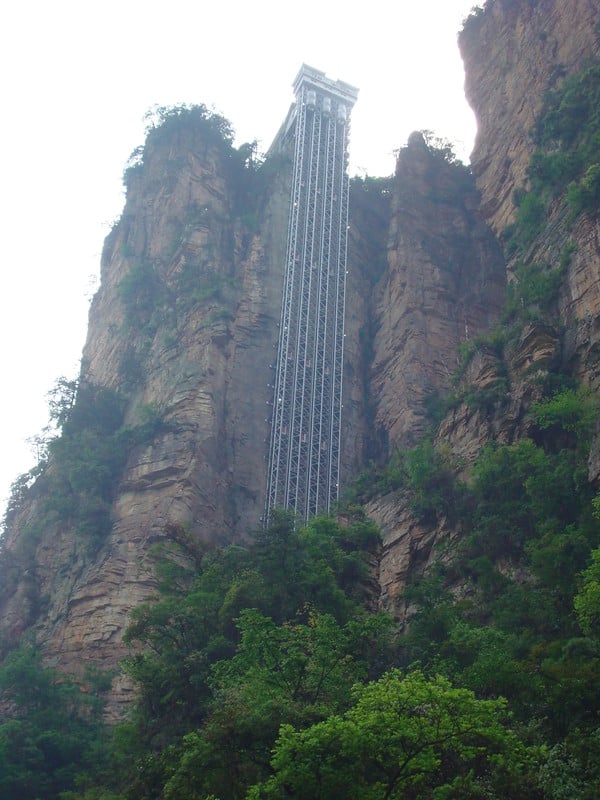
Jutting out from a cliff face in China’s Zhangjiajie National Forest Park, the Bailong Elevator looks like something from a science fiction movie. This glass-walled beast shoots visitors 1,070 feet straight up the side of a sandstone pillar in less than two minutes. The engineers basically built a skyscraper elevator and stuck it on the outside of a mountain, giving riders a heart-stopping view of the valley floor shrinking below them.
Aquadom’s Cylindrical Elevator
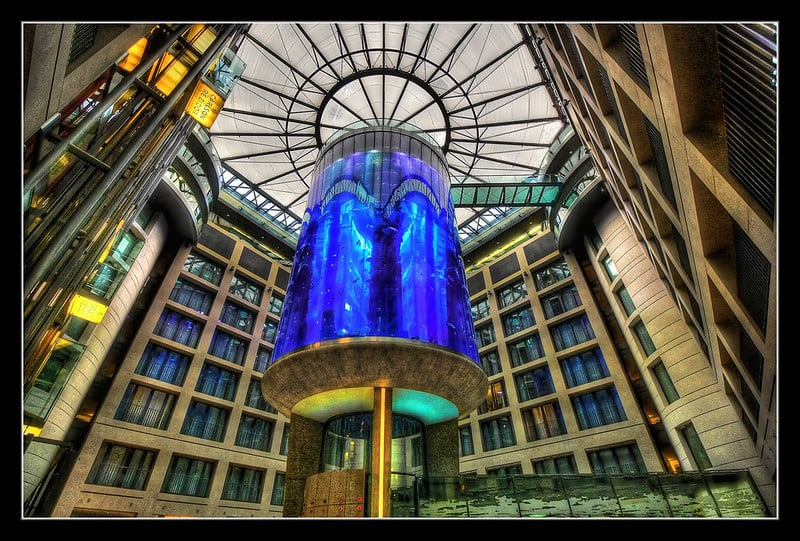
Berlin’s Radisson Hotel houses what might be the world’s most aquatic elevator experience. The AquaDom elevator travels through the center of a massive cylindrical aquarium that holds 264,000 gallons of saltwater and over 1,500 tropical fish. Passengers get a 360-degree underwater view as they rise through this artificial ocean, making it feel more like a submarine voyage than a typical elevator ride.
The Lacerda Elevator
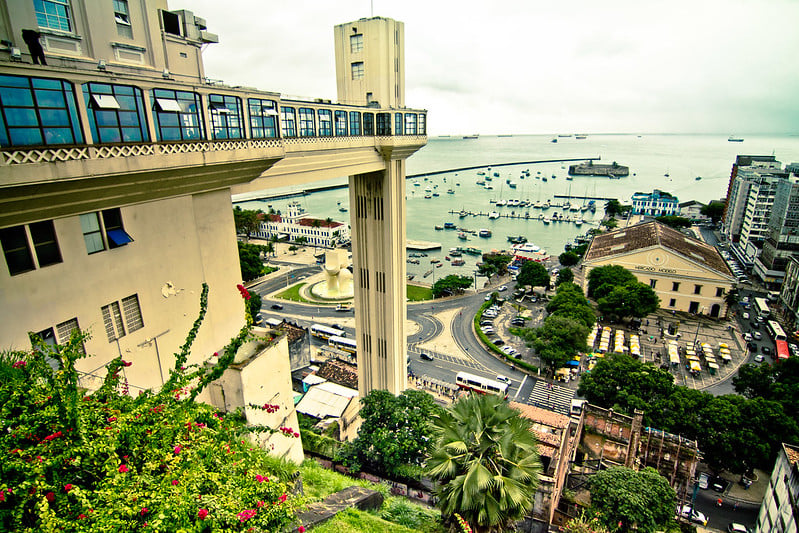
Salvador, Brazil’s Lacerda Elevator connects the upper and lower parts of the city with an Art Deco tower that’s become as much a landmark as it is transportation. Built in 1873 and renovated multiple times, this 236-foot elevator moves about 900,000 people per month between the coastal area and the clifftop historic district. It’s basically the city’s vertical main street, proving that elevators can be both functional and iconic.
Santa Justa Elevator

Lisbon’s Santa Justa Elevator stands like a Gothic cathedral made of iron and brass, transporting people 150 feet above the Portuguese capital. This 1902 creation by Raoul Mesnier du Ponsard features ornate ironwork that would make the Eiffel Tower jealous. The elevator connects the lower Baixa district with the higher Largo do Carmo, and its observation deck offers panoramic views that make the slightly swaying ride worthwhile.
The Hammetschwand Lift
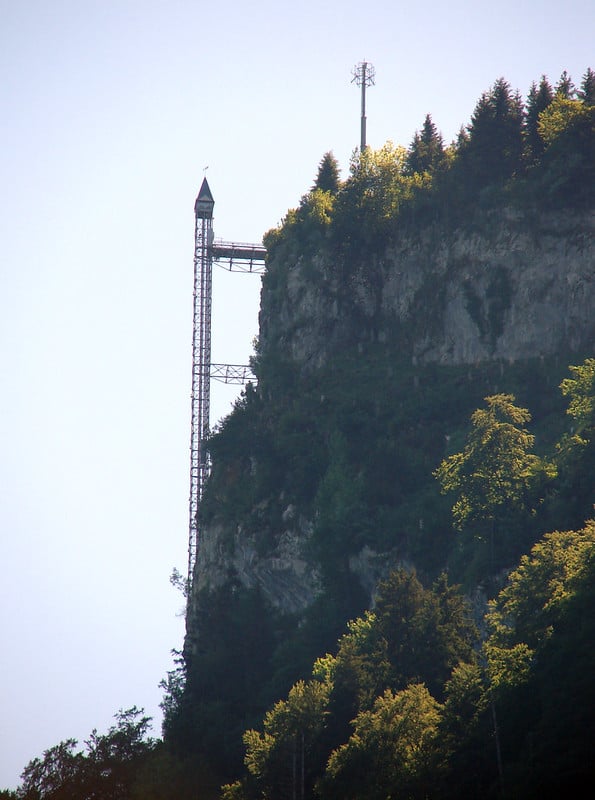
Switzerland’s Hammetschwand Lift claims the title of Europe’s highest outdoor elevator, climbing 500 feet up the side of the Bürgenstock mountain. This exposed elevator feels more like riding a construction crane than a passenger lift, with nothing but alpine air and spectacular views of Lake Lucerne surrounding the small car. The Swiss built this thing in 1905, proving that even a century ago, they weren’t afraid of heights.
Taipei 101’s High-Speed Elevators

Taiwan’s Taipei 101 skyscraper houses elevators that move so fast they could practically qualify as rocket ships. These Otis-manufactured speed demons can hit 37.7 miles per hour, rocketing from the ground floor to the 89th floor in just 37 seconds. The cars use pressurization systems similar to aircraft to keep passengers’ ears from popping during the rapid ascent, making it feel more like a launch than a lift.
The Gateway Arch Tram
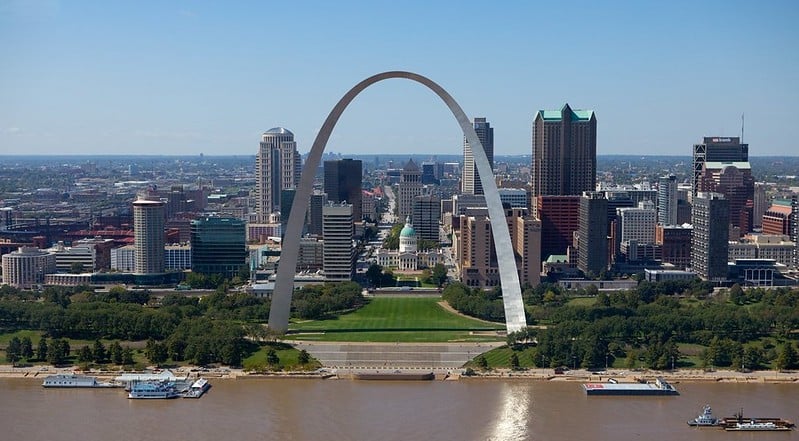
St. Louis’s Gateway Arch contains a transportation system that’s part elevator, part roller coaster, and entirely unique. Small pod-like cars travel along curved tracks inside the arch’s legs, carrying passengers 630 feet to the top while constantly adjusting their orientation to stay level. The ride takes four minutes and feels like being inside a slow-motion carnival ride designed by aerospace engineers.
Paternosters

These continuously moving elevators operate like vertical conveyor belts, with doorless cars that never stop moving. Passengers hop on and off these circulating cabins as they please, though timing is everything unless you want to take an unplanned trip to the basement. Most paternosters have been removed for safety reasons, but a few still operate in European buildings, offering a glimpse into early 20th-century vertical transportation philosophy.
The Eiffel Tower’s Glass-Floor Elevator
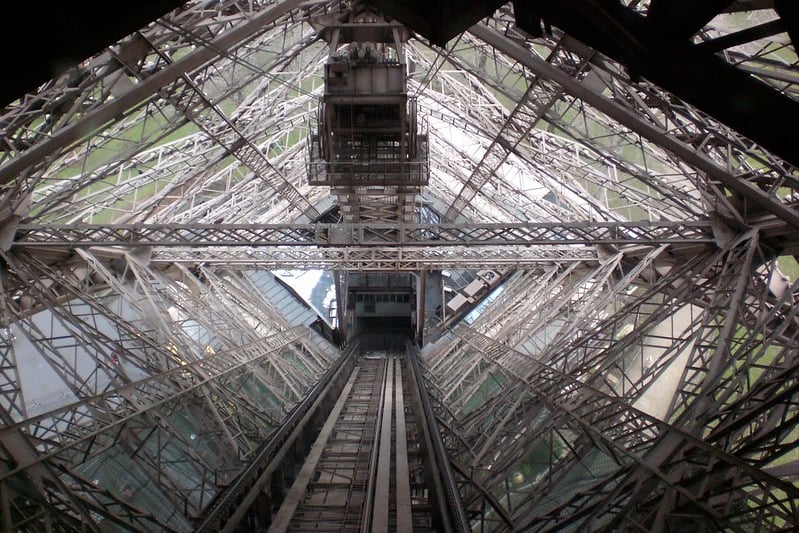
The Eiffel Tower’s renovated elevator system includes cars with glass floors that turn the ride into a vertigo-inducing experience. As visitors ascend the 1,063-foot tower, they can look straight down through the transparent floor and watch Paris shrink beneath their feet. The French basically turned their most famous landmark into the world’s tallest elevator with a view, proving that even century-old structures can get modern upgrades.
Falkirk Wheel
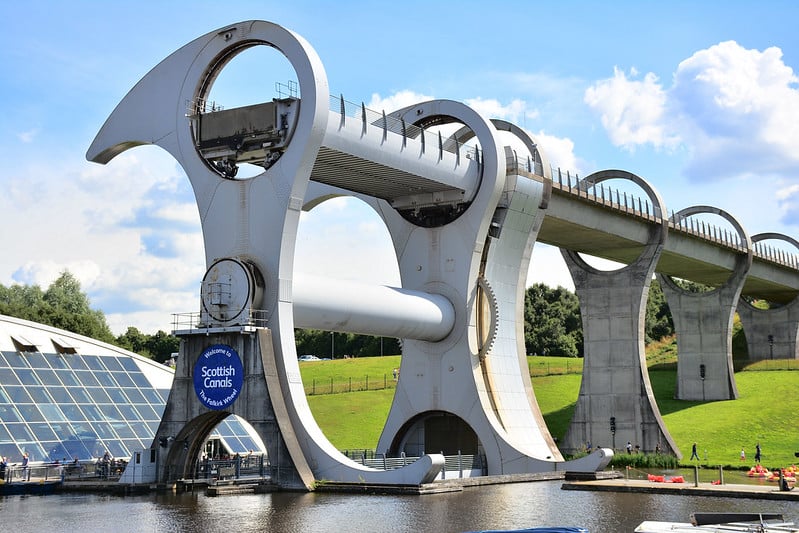
Scotland’s Falkirk Wheel isn’t technically an elevator, but it lifts boats 79 feet between two canal systems using a rotating mechanism that looks like a giant Celtic knot made of steel. This engineering marvel uses the same amount of energy as boiling eight kettles of water to lift 600-ton boats, making it one of the most efficient lifting systems ever created. It’s basically an elevator for waterways, proving that the concept of vertical transportation extends far beyond moving people.
The CN Tower’s EdgeWalk Elevator
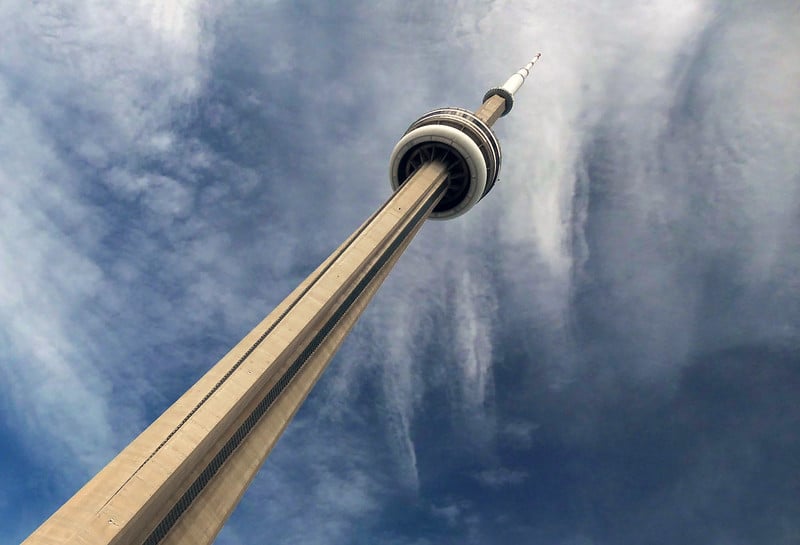
Toronto’s CN Tower features an elevator that takes thrill-seekers to a platform where they can walk around the outside of the structure 1,168 feet above the ground. The elevator ride itself is just the beginning of the adventure, delivering visitors to what’s essentially a controlled falling experience with safety harnesses. This system turns the elevator into a launching pad for one of the world’s highest outdoor walks.
Otis Test Tower Elevators
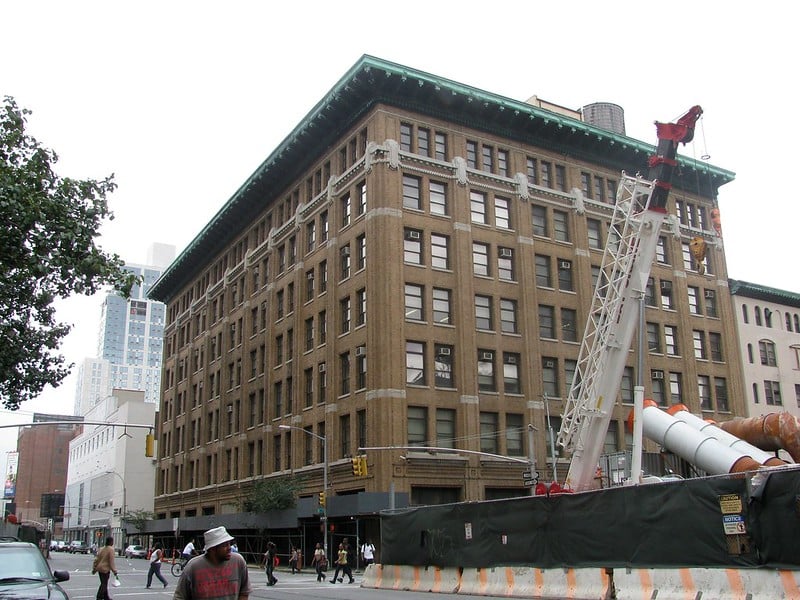
Connecticut’s Otis Test Tower houses elevators that move at speeds up to 55 miles per hour, making them among the fastest in the world. These aren’t for public use but rather for testing elevator technology under extreme conditions. Engineers use this 385-foot tower to push the boundaries of vertical transportation, creating systems that make regular elevators look like they’re moving through molasses.
Inclinator Railway Systems

Pittsburgh’s inclined railways, particularly the Duquesne Incline, represent some of the steepest elevator-like systems in America. These cable cars climb grades of up to 30 degrees, essentially functioning as diagonal elevators that carry both pedestrians and vehicles up impossibly steep hillsides. The 1877 Duquesne Incline still uses its original machinery, proving that sometimes the old ways work best for conquering challenging terrain.
The London Eye Pods
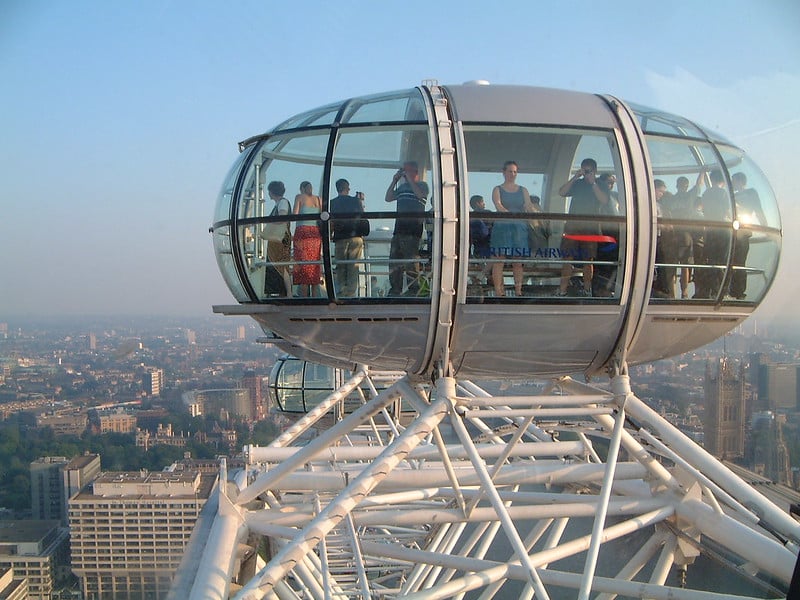
London’s observation wheel uses a system of 32 passenger pods that continuously rotate while maintaining a level orientation through a complex bearing system. Each pod essentially functions as a slow-motion elevator that moves in a circle rather than straight up, taking 30 minutes to complete one revolution. The engineering ensures that passengers never feel like they’re tilting, even though they’re traveling in a 443-foot-diameter circle.
Outdoor Cliff Elevators
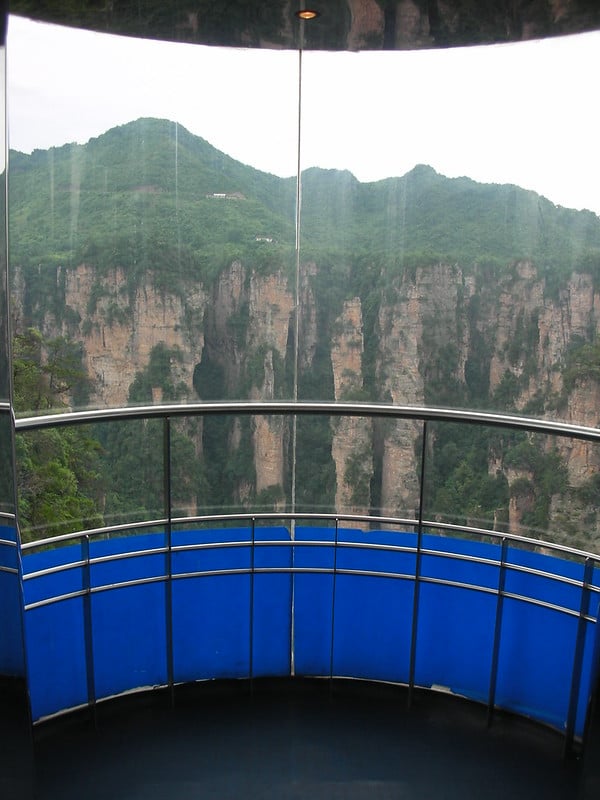
Various locations around the world feature elevators built directly into cliff faces, including the Zhangjiajie area’s multiple installations and similar systems in other mountainous regions. These outdoor elevators expose passengers to the elements while providing access to previously unreachable viewpoints and hiking trails. They represent the ultimate marriage of engineering ambition and natural beauty, though riding them requires a certain comfort level with heights and weather.
Engineering Meets Adventure
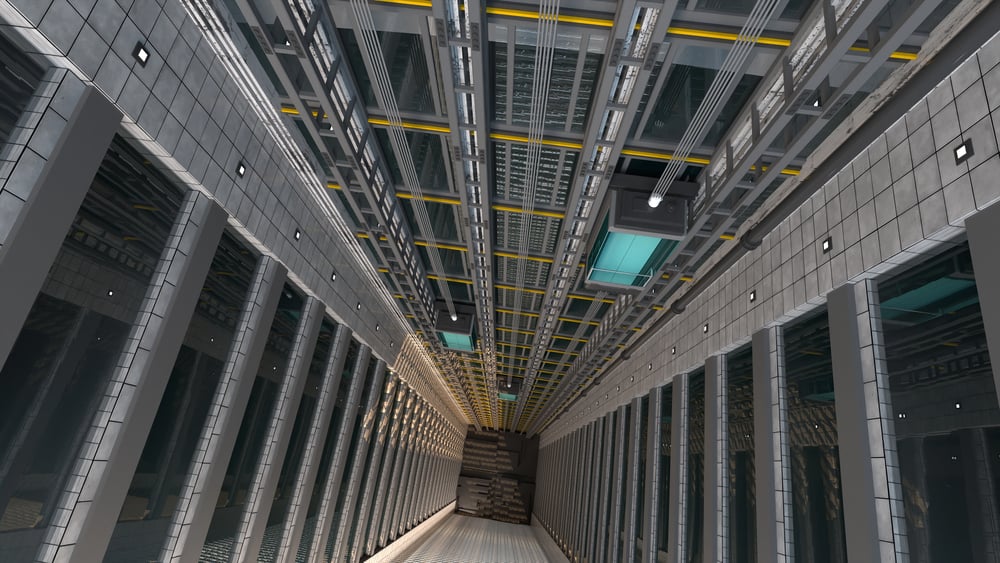
These unusual elevator systems prove that vertical transportation has evolved far beyond simple up-and-down movement in enclosed spaces. Engineers continue pushing boundaries by combining traditional lifting mechanisms with innovative designs that challenge our expectations of what an elevator can be. Whether they’re moving through aquariums, up cliff faces, or around giant wheels, these systems show that the future of vertical travel will likely be far more interesting than anything we can imagine today. The next time you step into a regular elevator, remember that somewhere in the world, someone is probably riding through a fish tank or up the side of a mountain.
More from Go2Tutors!

- 16 Historical Figures Who Were Nothing Like You Think
- 12 Things Sold in the 80s That Are Now Illegal
- 15 VHS Tapes That Could Be Worth Thousands
- 17 Historical “What Ifs” That Would Have Changed Everything
- 18 TV Shows That Vanished Without a Finale
Like Go2Tutors’s content? Follow us on MSN.



