15 Older Parenting Rules That Would Raise Eyebrows Today
Grandma’s child-rearing playbook looks mighty different from today’s parenting manuals. Back then, what passed for normal would horrify most modern parents. As decades pass, our understanding of kids’ needs shifts dramatically—sometimes for the better, occasionally just following the latest trend.
Take a walk through yesterday’s parenting approaches that’d get sideways glances (or maybe a visit from social services) nowadays.
Children Should Be Seen and Not Heard

When adults got together, parents in the old school silenced their children. Tables for dinner? Quiet areas for young children.
As a 7-year-old, do you have an opinion? Hold it within until someone bothered to inquire, which wasn’t often. Eventually, psychologists discovered that allowing children to talk actually improves the development of their brains. Figure it out.
Spanking as Standard Discipline

Wooden spoons weren’t just for cooking back then. Belts came off waists. Schools kept paddles handy. Misbehave? Expect a whack.
Grandparents still mutter about kids these days needing “a good walloping.” Meanwhile, research keeps piling up showing that physical punishment messes with kids’ heads while teaching nothing useful.
Babies Sleeping on Their Stomachs

Doctors once swore tummy-sleeping prevented choking. Turned out they got it catastrophically wrong.
Thousands of babies died before someone connected those dots. The 1990s “Back to Sleep” campaign flipped everything upside down—literally—and infant death rates plummeted.
Medical advice sometimes ages like milk, not wine.
Rigid Feeding Schedules

Parents who kept an eye on the clock forced hungry infants to wait because “the book said four hours.” Screaming infant? There must be another reason.
At 3.5 hours, it couldn’t be hunger! Contemporary physicians scoff at this antiquated method.
Babies are able to sense hunger without looking at their timepieces. It’s startling.
Leaving Kids in Car

Grocery shopping meant kids waited in the parking lot. Mom ran errands; the kids played I-spy through foggy windows.
Summer heat? Crack a window. Winter freeze? They’ll survive.
Nowadays this lands parents in handcuffs—temperature dangers, kidnapping risks, and laws have changed the game entirely.
Handling Crying with Minimal Comfort

“Let ’em cry or you’ll spoil ’em rotten!” Generations of exhausted parents believed that picking up crying babies created manipulative monsters.
Nurseries echoed with desperate wails while parents counted painful minutes.
Science eventually showed that crying babies actually need comfort, not lessons in loneliness.
Children Working Dangerous Jobs

Children used to work on production lines, sort coal in mines, and handle heavy farm equipment. Childhood disappeared into 12-hour shifts, fingers were crushed, and lungs filled with dust.
Safety concerns were subordinated to family survival. Eventually, child labor regulations acknowledged that perhaps it wasn’t the best idea for humanity to let 9-year-olds work in hazardous industries.
Smoking Around Children

Pregnant? Have a cigarette to calm those nerves! Baby sleeping? It’s the perfect time for a smoke break directly over the crib.
Hospital maternity wards had ashtrays. Car rides meant hotboxing the station wagon with everyone inside.
Nobody connected asthma attacks with dad’s two-pack habit until science spoiled the party.
Limited Supervision During Play
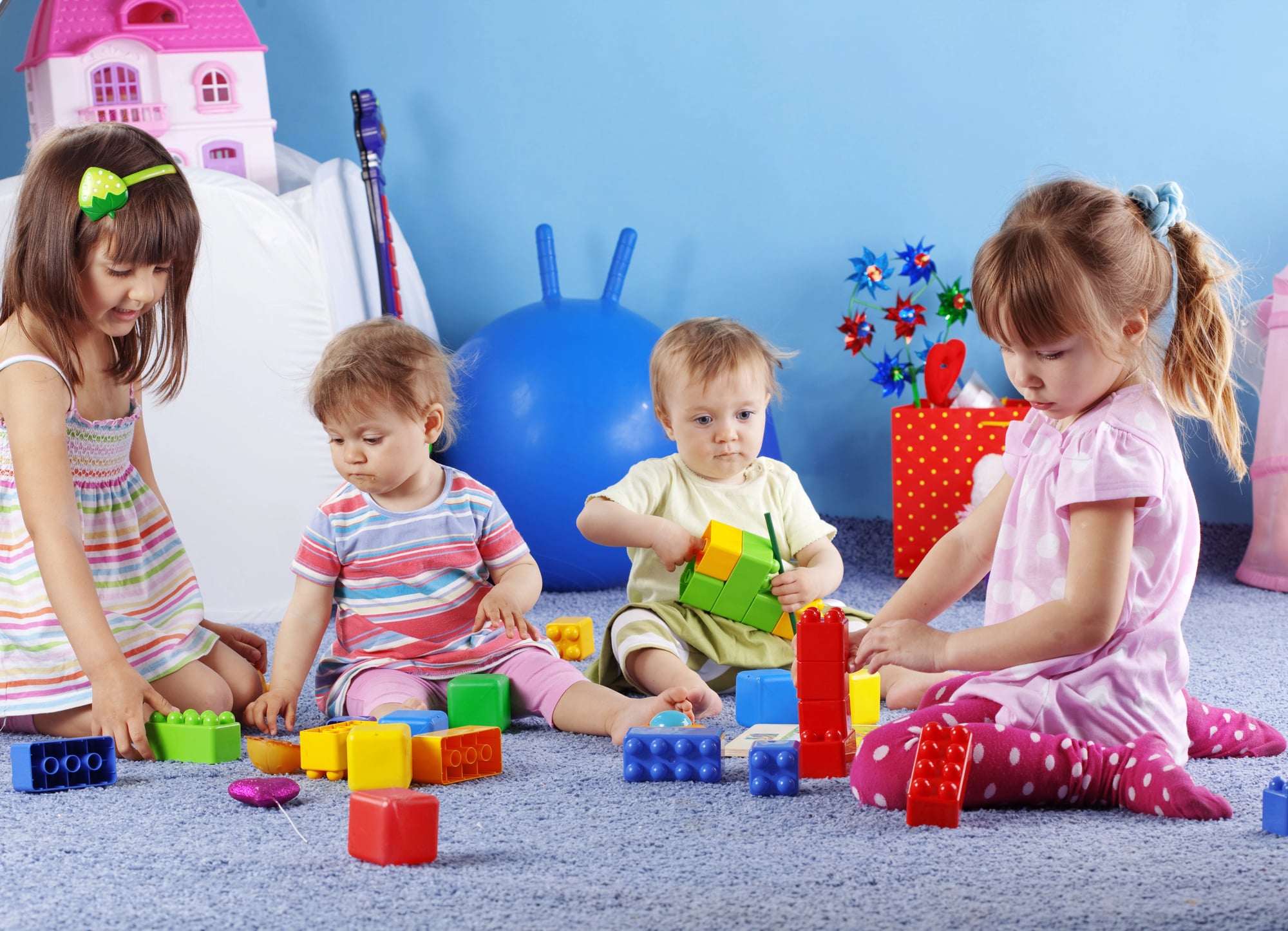
“Be home when streetlights come on” passed for acceptable supervision. Kids roamed neighborhoods freely, disappeared into woods, played in abandoned buildings, crossed busy streets.
Nobody knew where they were for hours. Modern parents get reported for letting kids walk to school alone—helicopter parenting replaced free-range childhoods.
Withholding Emotional Support

Boys got tough love—crying meant weakness. Girls learned to please others before themselves.
Feelings weren’t discussed; they were swallowed down with a stern “stop that nonsense.”
Today’s emotional intelligence focus would baffle previous generations who believed feelings were inconvenient distractions from proper behavior.
Sun Exposure Without Protection

Sunburns? Character-building experiences! Blistered shoulders and peeling noses came standard with childhood summers.
Parents actively sought to “tan those kids up” during vacations. Skin cancer wasn’t on anyone’s radar.
SPF might as well have been an alien language before dermatologists started waving melanoma photos at horrified parents.
Early Introduction of Solid Foods

Two-week-old babies got cereal mixed into bottles because grandma swore it helped with sleep. One-month-olds sampled mashed potatoes.
Allergies, digestive problems, choking hazards? Nobody connected those dots.
Pediatricians now wince at these tales while recommending waiting till 6 months for solid foods.
Pressuring Children to Clean Their Plates

Depression-era scarcity created the clean plate club. Wasting food was sinful—regardless of whether kids were actually hungry.
Fullness cues got overridden by guilt and threats about starving children elsewhere.
Obesity researchers later realized teaching kids to ignore bodily signals might possibly backfire in adulthood. Oops.
Limited Water Safety Measures

Swimming lessons meant getting tossed into deep water to “figure it out.” Sink or swim wasn’t just an expression—it was a literal teaching methodology.
Life jackets seemed optional for boat trips. Adults casually turned their backs on kids splashing in pools.
Drowning prevention consisted mainly of yelling “be careful” from shore.
Prioritizing Obedience Above All

Questioning parents meant disrespect. Rules existed without explanations.
“Because I said so” ended discussions. Perfect children obeyed instantly, no questions asked.
Critical thinking took a backseat to compliance. Parents ruled through fear rather than understanding.
Modern approaches that explain the reasoning behind rules would seem dangerously permissive to previous generations.
Yesterday’s Normal, Today’s Shocking

Parenting evolves through painful lessons. What seems obviously wrong today was yesterday’s conventional wisdom.
Our grandparents weren’t villains—they followed expert advice available then.
Current approaches will likely make future generations cringe too. Maybe the real parenting wisdom lies in staying humble about what we think we know for certain about raising tiny humans into functional adults.
More from Go2Tutors!

- The Romanov Crown Jewels and Their Tragic Fate
- 13 Historical Mysteries That Science Still Can’t Solve
- Famous Hoaxes That Fooled the World for Years
- 15 Child Stars with Tragic Adult Lives
- 16 Famous Jewelry Pieces in History
Like Go2Tutors’s content? Follow us on MSN.