15 Oldest Universities Still Operating
Higher education has roots that stretch back further than most people realize. While modern universities might seem like recent inventions with their gleaming campuses and digital classrooms, some institutions have been educating students for nearly a thousand years.
These ancient centers of learning survived wars, plagues, political upheavals, and countless social changes — yet they continue to welcome new students each fall. The oldest universities tell a story about human curiosity that refused to die.
They represent an unbroken chain of knowledge passed from one generation to the next, often through the darkest periods of history.
University of Bologna
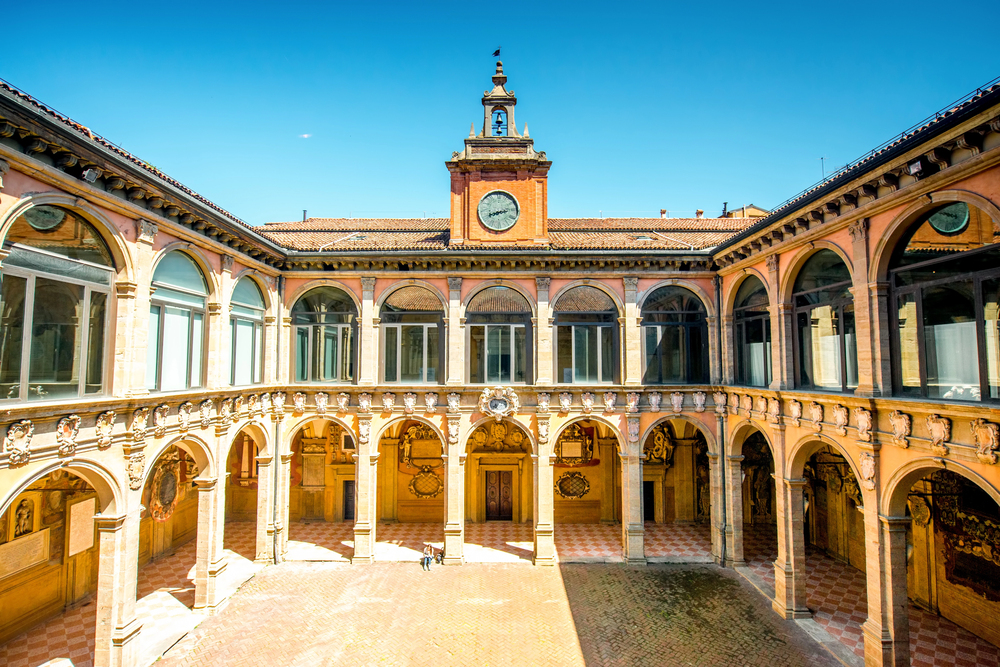
The University of Bologna earned its reputation the hard way. Founded in 1088, it became the first institution to call itself a university.
No grand opening ceremony, no royal decree — just scholars gathering to study law and medicine. Students came from across Europe to learn Roman law here.
They paid professors directly and could vote them out if lectures disappointed. The power dynamic was completely reversed from modern universities.
University of Oxford
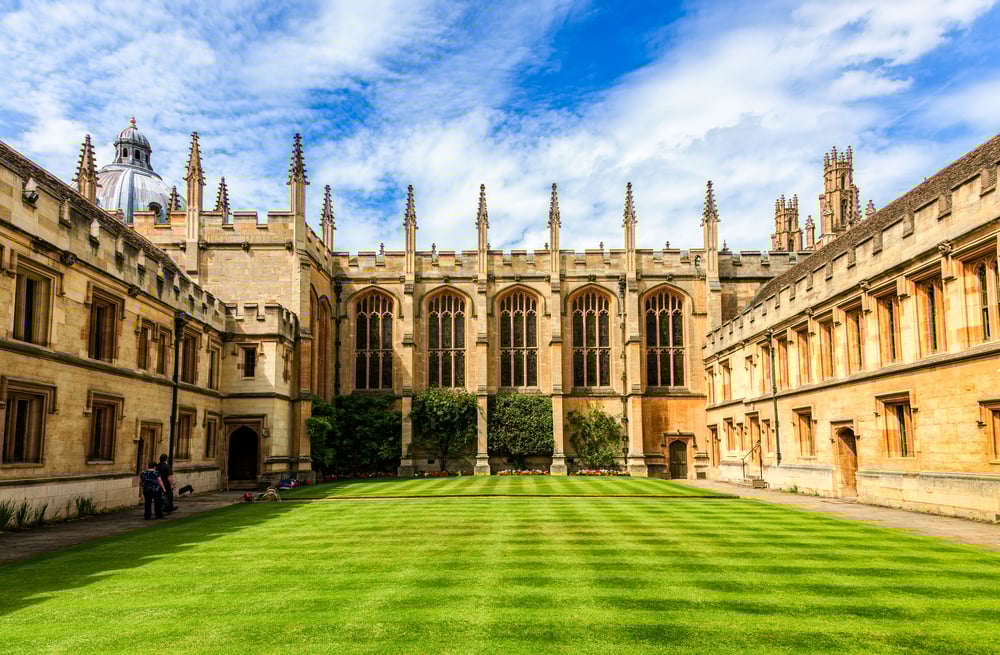
Nobody knows exactly when Oxford began (which is probably the most Oxford thing about Oxford), but teaching started there around 1096, and the university grew organically from informal gatherings of scholars who found the town convenient for learning. When English students were banned from the University of Paris in 1167, Oxford suddenly became the obvious alternative — and it’s been capitalizing on that fortunate timing ever since, growing into the systematic institution that would eventually give rise to its famous collegiate system.
The university survived everything from medieval plagues to modern world wars, adapting without losing its essential character (though one might argue that the adaptation has been grudging at times, given Oxford’s legendary resistance to change). And yet it keeps producing notable graduates.
Curious how stubbornness can look like wisdom when viewed from the right angle.
University of Salamanca
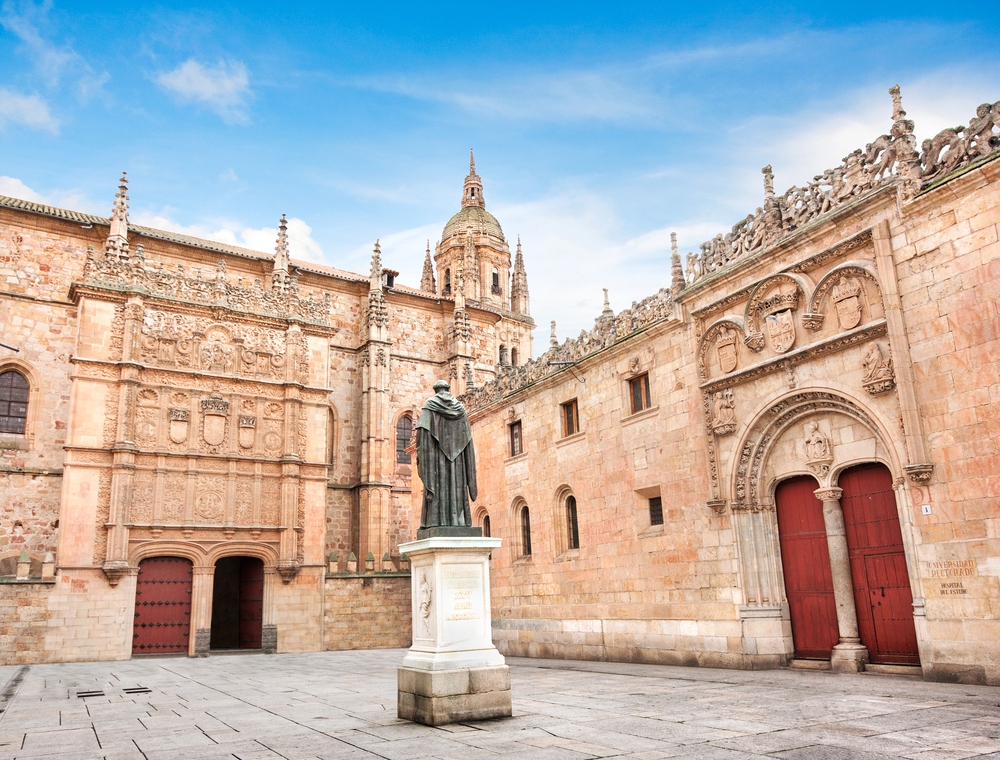
Picture a tree that grows in the same spot for centuries, its roots reaching deeper while its branches spread wider. The University of Salamanca, founded in 1134, planted itself in Spanish soil and refused to budge.
There’s something almost defiant about its persistence — weathering the rise and fall of empires, the Spanish Civil War, and countless smaller storms that would have toppled lesser institutions. The golden sandstone buildings seem to glow at sunset, as if the centuries of accumulated learning had somehow seeped into the very walls.
Students still walk the same corridors where scholars once debated whether the Earth was round, where Christopher Columbus presented his plans for westward exploration.
University of Paris (Sorbonne)
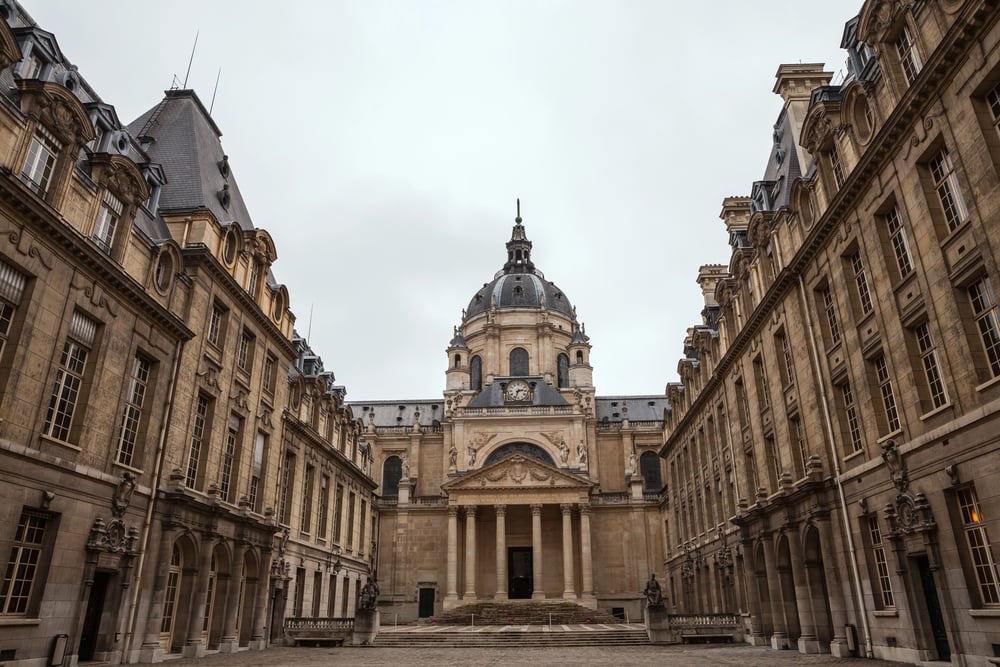
The University of Paris was inevitable. Founded around 1150, it emerged from the intellectual ferment of medieval Europe like steam rising from heated water.
The original institution was dissolved during the French Revolution — apparently, revolutionaries had opinions about ancient centers of learning. The modern Sorbonne carries the name and some of the tradition, but it’s essentially a reconstruction.
Still impressive, but with an asterisk that medieval institutions rarely escape.
University of Cambridge
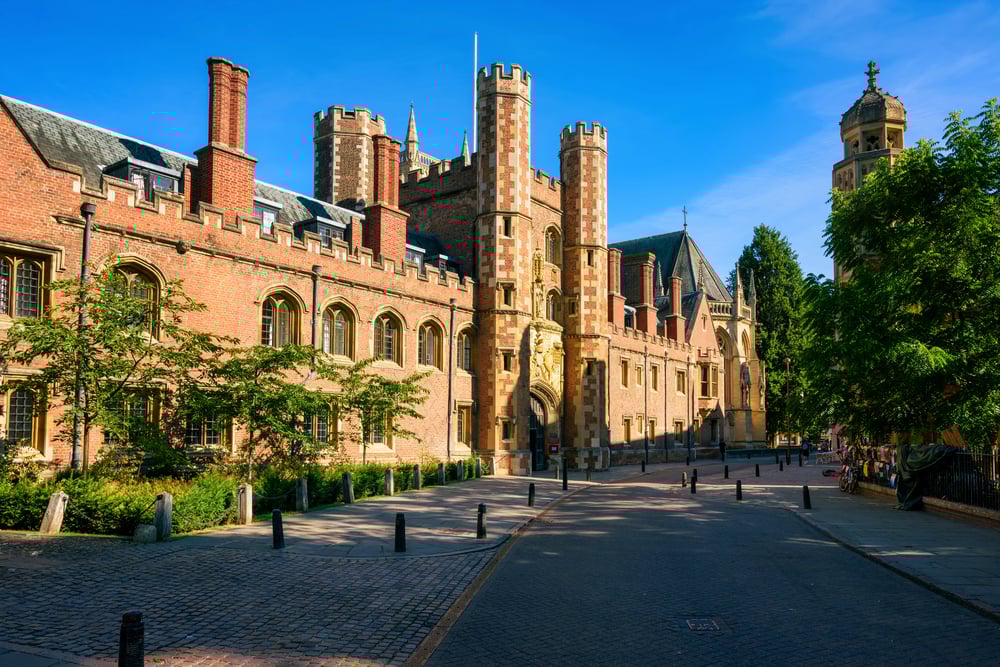
Cambridge exists because Oxford scholars had a disagreement that got out of hand (which, in 1209, meant someone ended up dead, and the surviving academics decided a change of scenery might be wise). So they packed up their books and relocated to a small market town north of London, where they founded what would become Oxford’s eternal rival — though calling it a rivalry undersells the genuine institutional hatred that has simmered between these two places for over 800 years.
The move turned out rather well for Cambridge, which proceeded to produce Newton, Darwin, Hawking, and a reasonable percentage of British prime ministers (along with an unreasonable number of people who are insufferably pleased with themselves about having attended Cambridge). The original Oxford crisis was forgotten, but the competitive edge never dulled.
Sometimes the best institutions are born from spite.
University of Padua
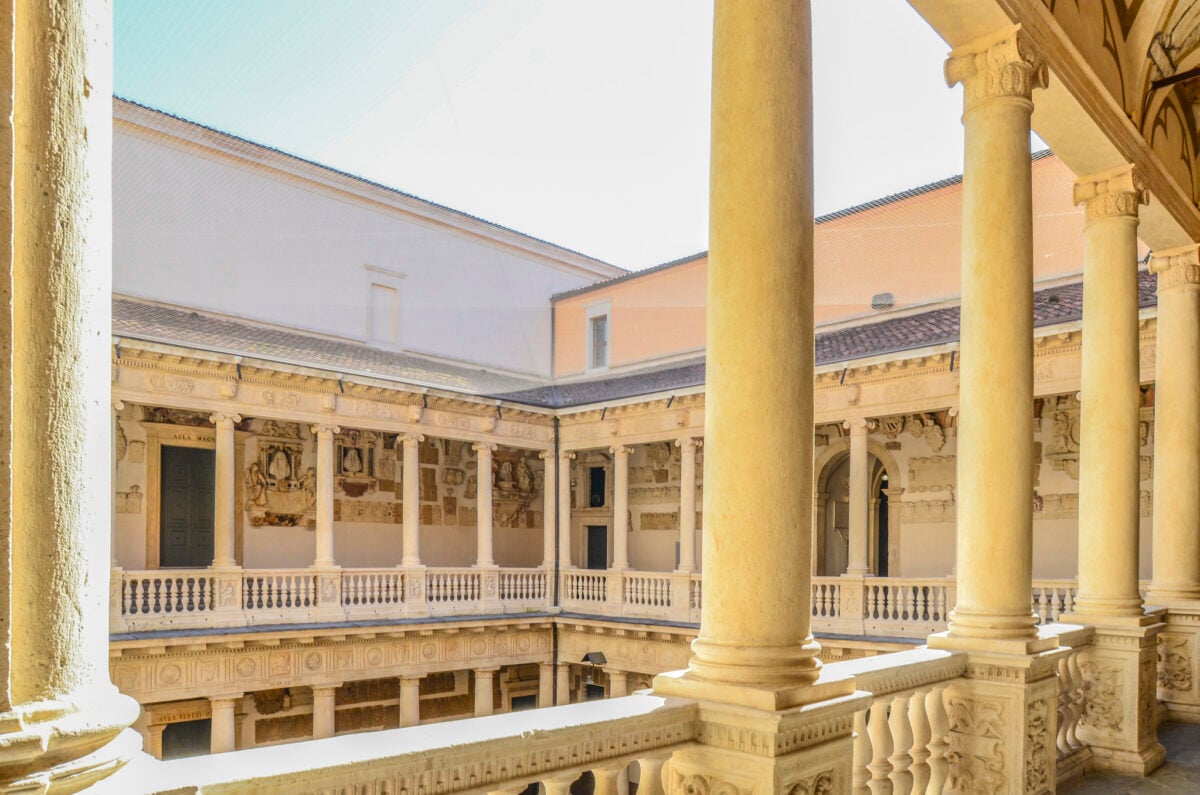
There’s a quiet intensity to institutions that know they changed the world. The University of Padua, founded in 1222, carries itself like someone who revolutionized medicine and astronomy but doesn’t feel the need to mention it every five minutes.
Galileo taught here. The first permanent anatomical theater was built within these walls.
Medical students still study anatomy using methods pioneered at Padua centuries ago. The university’s botanical garden, planted in 1545, continues to grow the same species that early researchers used to unlock the secrets of plant biology.
Some knowledge accumulates in libraries; other knowledge literally takes root.
University of Naples Federico II
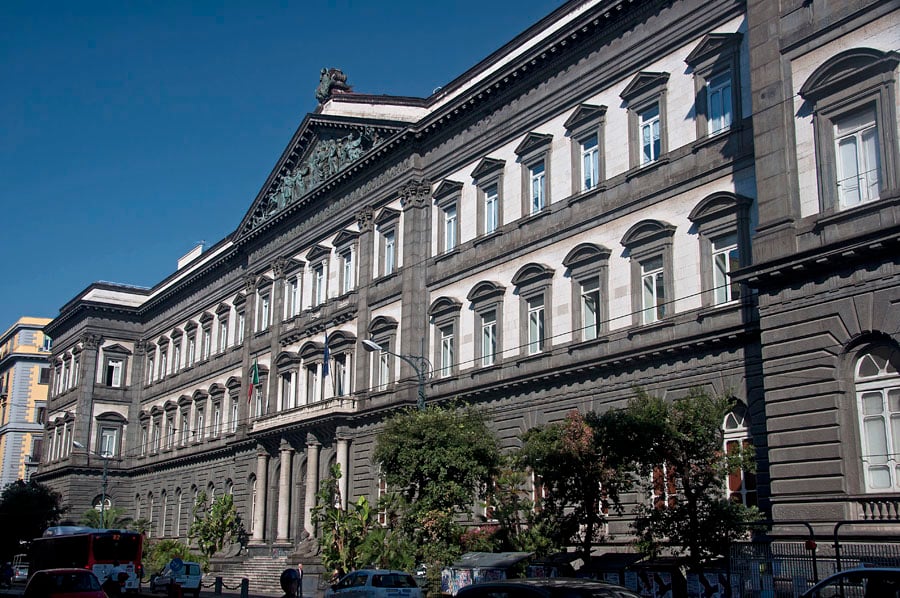
Emperor Frederick II founded this university in 1224 with a specific purpose: training administrators for his kingdom. Practical education, direct application, no nonsense.
The approach worked. Naples became a center for legal and medical studies that attracted students from across Europe.
The university survived the collapse of Frederick’s empire and kept educating students through every political change that followed. Turns out that focusing on useful skills creates lasting institutions.
University of Siena

Picture a university that grew up in the shadow of a more famous neighbor, developed its own character out of necessity, and ended up outlasting most of its contemporaries through sheer bloody-mindedness. The University of Siena, founded in 1240, never achieved the international reputation of Bologna or Paris, but it possessed something more valuable: the ability to adapt without losing its essential purpose (which, in an academic context, is rarer than it sounds).
The university became known for law and medicine, attracting students who wanted rigorous education without the pretensions that often accompanied more famous institutions. And perhaps that practical approach explains its longevity — institutions that focus on teaching students useful skills tend to remain relevant longer than those that get distracted by their own prestige.
Though to be fair, Siena’s campus in the heart of Tuscany doesn’t hurt when it comes to attracting international students.
University of Valladolid
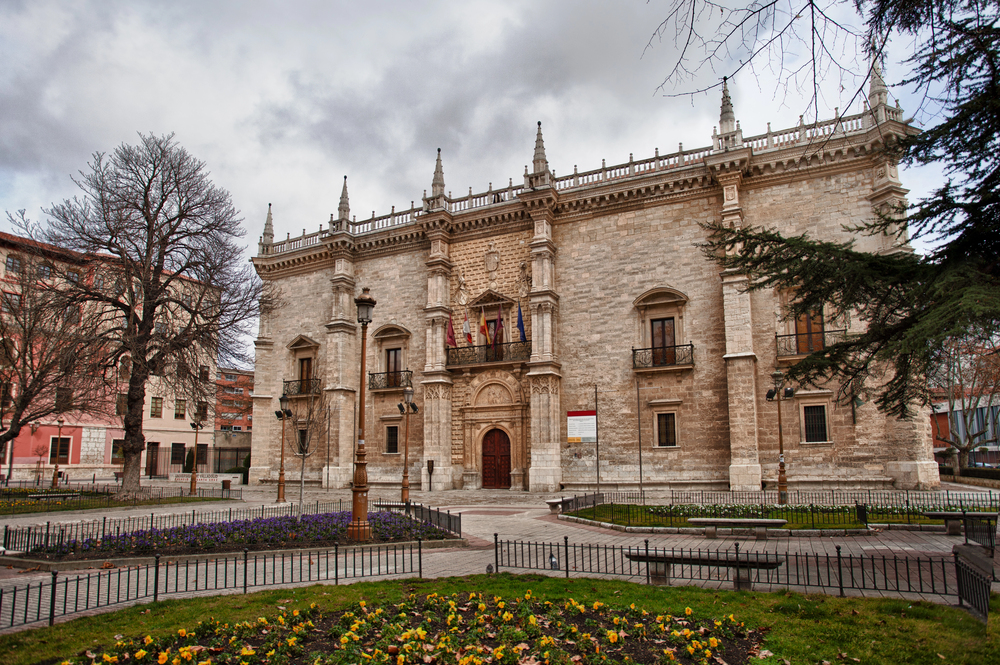
Founded in 1241, the University of Valladolid represents Spanish academic tradition at its most enduring. The institution established early excellence in theology and law that attracted scholars from across the Iberian Peninsula.
The university played a crucial role in the intellectual life of medieval Spain. It survived the Spanish Civil War, Franco’s dictatorship, and the transition to democracy without losing its academic focus.
Institutional stability turns out to be more valuable than institutional fame.
University of Coimbra
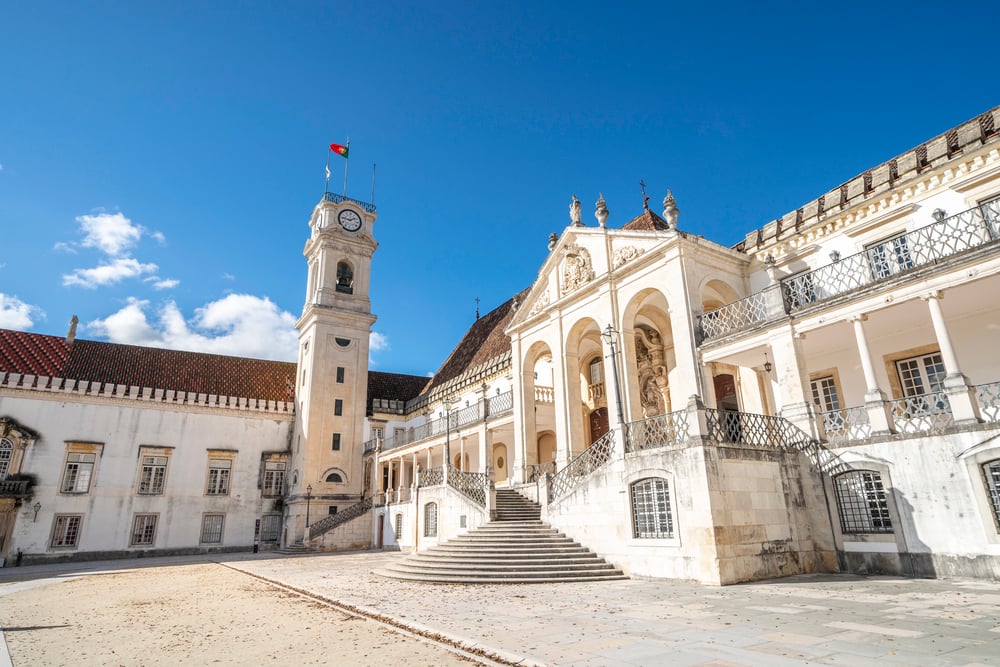
The University of Coimbra moved around Portugal before settling in its current location in 1537, which seems fitting for an institution founded in 1290 that couldn’t quite decide where it belonged. King Dinis established it in Lisbon, then relocated it to Coimbra, then moved it back to Lisbon, then finally returned it to Coimbra — a level of institutional indecision that would be remarkable if it weren’t so thoroughly Portuguese.
Despite the geographical uncertainty (or perhaps because of it), Coimbra developed into one of Europe’s most respected universities, particularly for law and theology. The library, built in the 18th century, remains one of the most beautiful in the world — though the bats that live there to control insects might be the only students who truly appreciate studying surrounded by such architectural grandeur.
The university’s influence extended far beyond Portugal, shaping intellectual life throughout the former Portuguese Empire.
Sapienza University of Rome
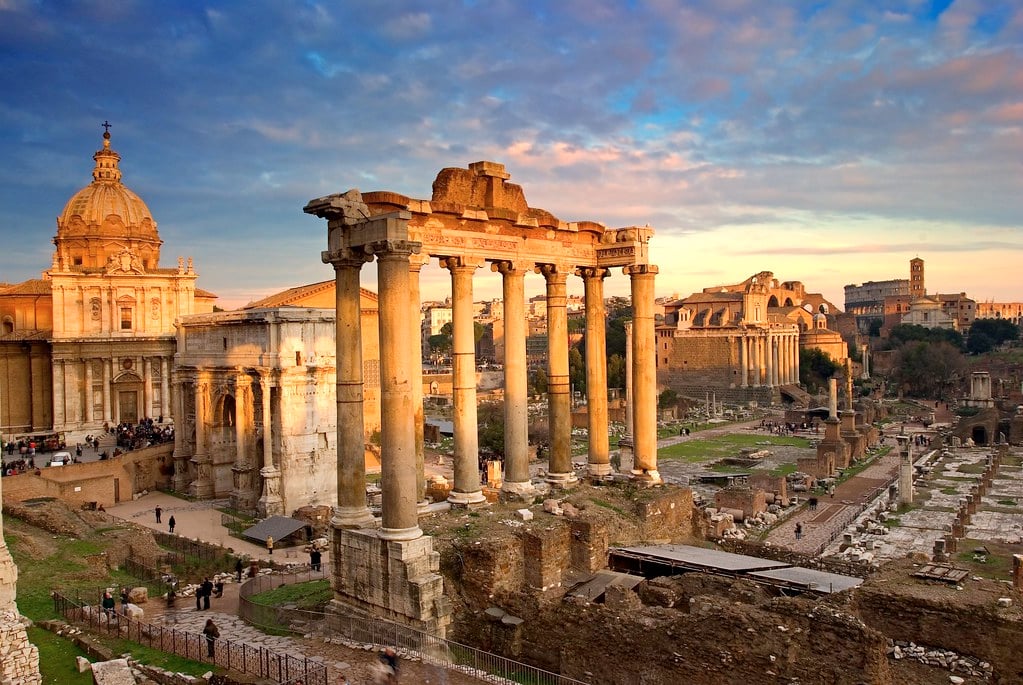
Rome had to have a university eventually. The city that once ruled the known world couldn’t remain an academic backwater forever.
Founded in 1303, Sapienza filled that gap with characteristic Roman confidence. The university never achieved the medieval prominence of Bologna or Paris, but it compensated with persistence.
Modern Sapienza enrolls over 100,000 students, making it one of the largest universities in Europe. Size has its own advantages when it comes to institutional survival.
University of Perugia
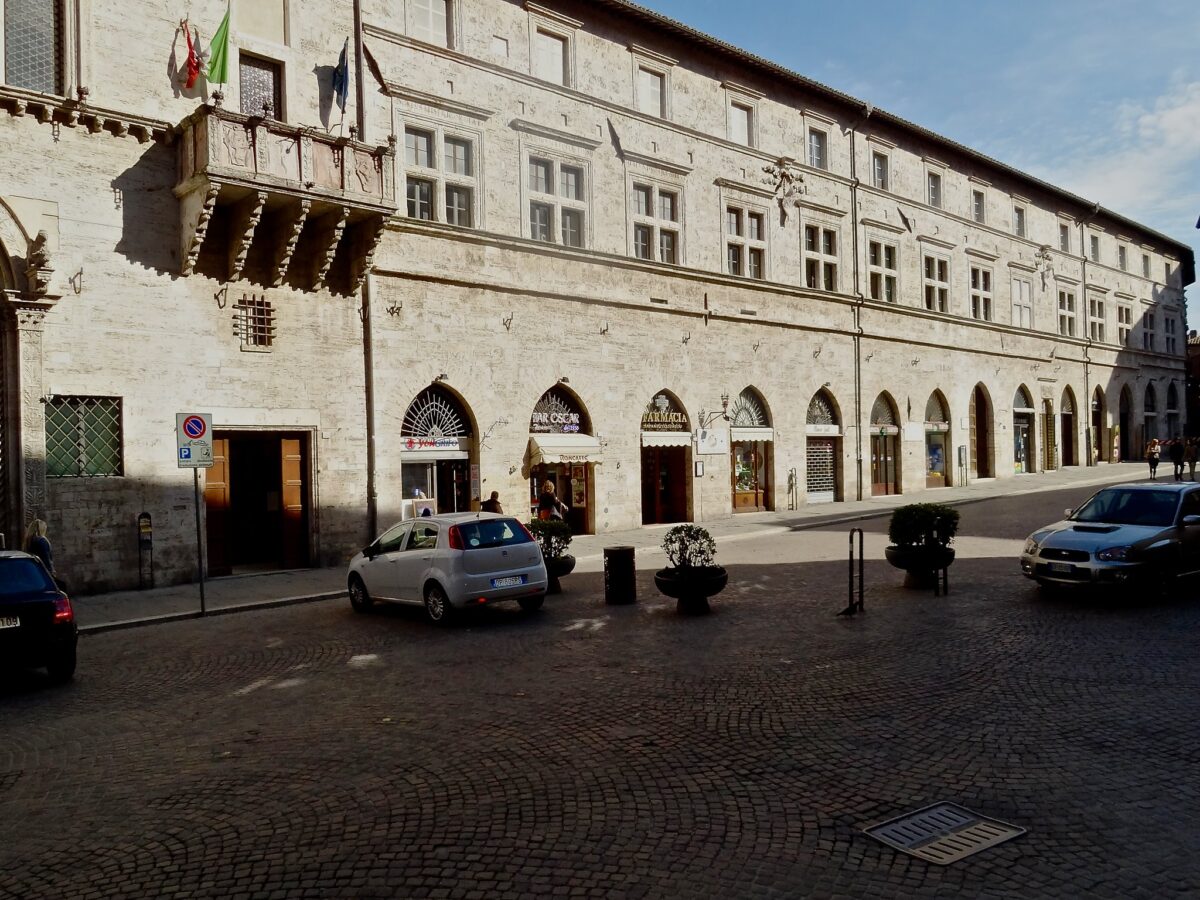
Established in 1308, the University of Perugia emerged during the height of medieval Italian city-state competition. Every major city needed a university to maintain cultural prestige and economic advantage.
Perugia focused on law and medicine, establishing a reputation for practical education that continues today. The university’s location in central Italy made it accessible to students from across the peninsula.
Geographic convenience often matters more than academic reputation when it comes to long-term survival.
University of Florence
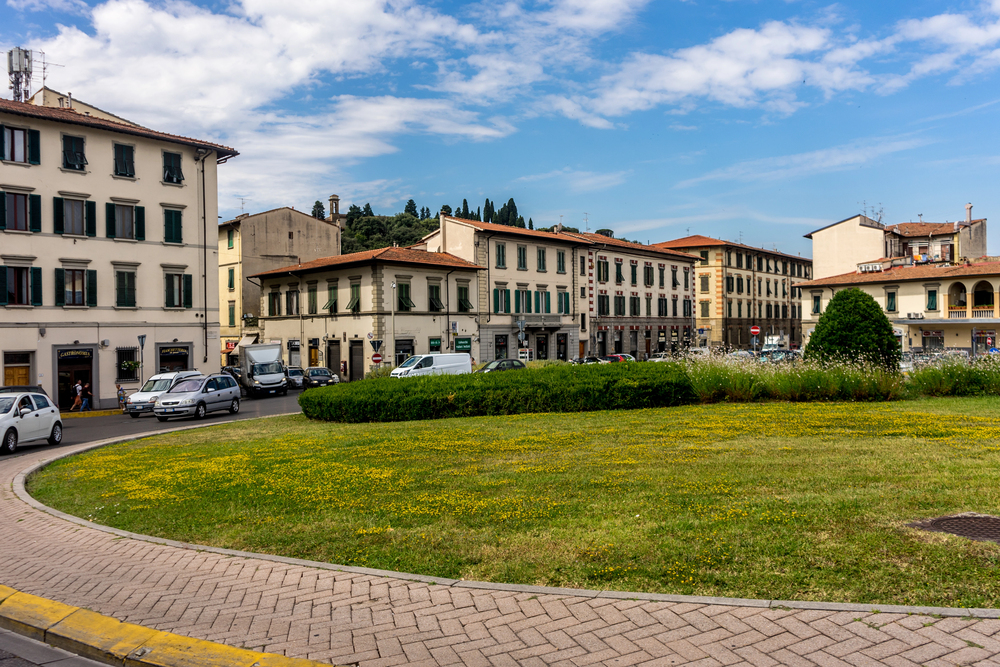
Florence waited until 1321 to establish its university, which seems late for a city that produced the Renaissance (but then again, the Florentines were probably too busy inventing modern banking and patronizing artists to worry about formal higher education until the cultural moment demanded it). When the university finally emerged, it carried the intellectual confidence of a city that had already proven its cultural significance through other means — Dante, Giotto, and the Medici family having established Florence’s reputation long before any professors arrived.
The university developed strengths in law, medicine, and literature that reflected Florentine priorities: practical skills for governance and commerce, combined with the humanistic learning that would later define Renaissance education. And perhaps that balance explains why the University of Florence survived when many medieval institutions failed — it never forgot that education should serve both intellectual curiosity and practical necessity, a lesson that remains relevant in contemporary higher education.
Charles University in Prague
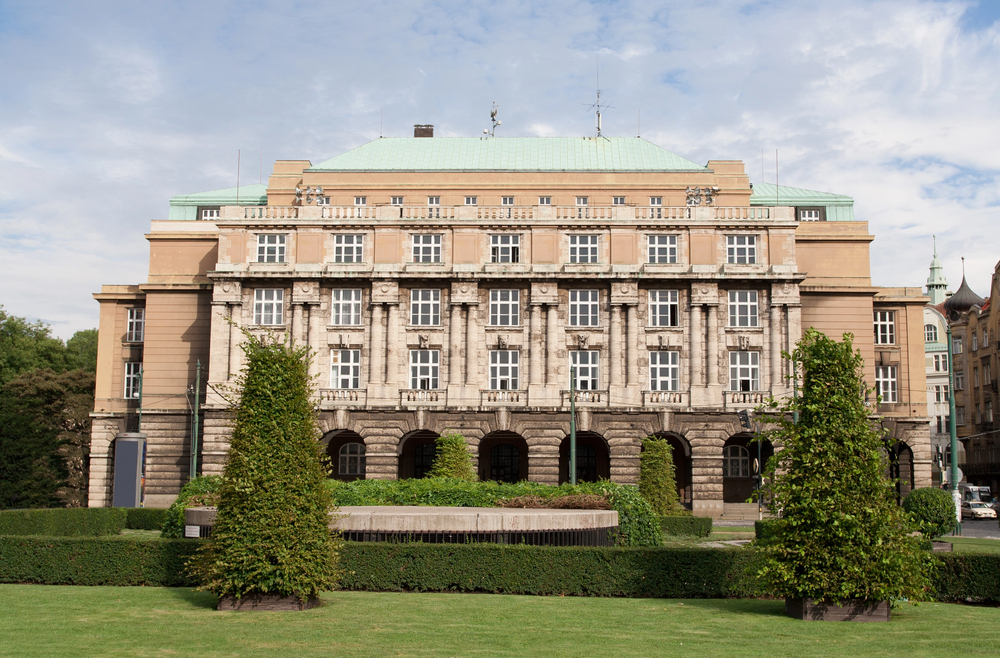
Charles IV founded this university in 1348 with imperial ambitions. The Holy Roman Emperor wanted Prague to rival Paris as a center of learning, so he established the first university in Central Europe and staffed it with the best scholars he could recruit.
The strategy succeeded beyond expectations. Charles University became the intellectual heart of Bohemia and attracted students from across the Holy Roman Empire.
The university survived the Hussite Wars, centuries of Habsburg rule, Nazi occupation, and communist dictatorship. Imperial foundations apparently create durable institutions.
Jagiellonian University
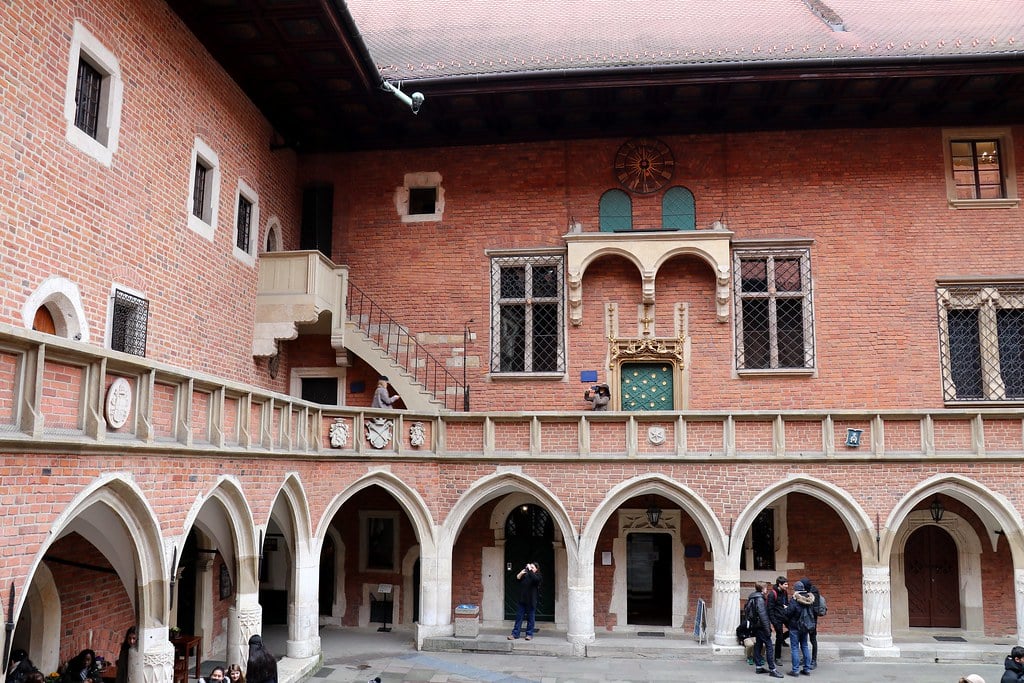
Casimir III established the Jagiellonian University in Krakow in 1364, making it the second oldest university in Central Europe. The institution began with a focus on law and liberal arts, later expanding into medicine and theology.
The university educated Copernicus, who developed his heliocentric theory while studying here. During World War II, Nazi forces arrested the entire faculty, but the university survived and rebuilt.
Polish academic tradition proved stronger than political oppression.
Times Change, Universities Endure

These ancient institutions share more than their age. They represent a particular kind of human stubbornness — the refusal to let knowledge die, even when the world seems determined to destroy everything valuable.
Wars ended, empires collapsed, and plagues swept across continents, but classes resumed each fall. Their survival wasn’t guaranteed or easy.
Each university made countless small decisions over the centuries that determined whether it would adapt or disappear. The ones that remain found ways to stay relevant while preserving their essential purpose: creating spaces where serious people could gather to think about difficult questions.
More from Go2Tutors!

- The Romanov Crown Jewels and Their Tragic Fate
- 13 Historical Mysteries That Science Still Can’t Solve
- Famous Hoaxes That Fooled the World for Years
- 15 Child Stars with Tragic Adult Lives
- 16 Famous Jewelry Pieces in History
Like Go2Tutors’s content? Follow us on MSN.