15 Optical Illusions That Break Your Brain
Your brain does an incredible amount of work interpreting visual information. Most of the time, it does this so smoothly that you don’t even notice the complex processing happening behind the scenes.
But optical illusions reveal the cracks in this system—moments when your brain’s shortcuts and assumptions lead you astray. These aren’t just party tricks.
They show how perception works, how your mind fills in gaps, makes predictions, and sometimes gets things spectacularly wrong. Each illusion exploits a different aspect of how your visual system processes the world.
The Hermann Grid
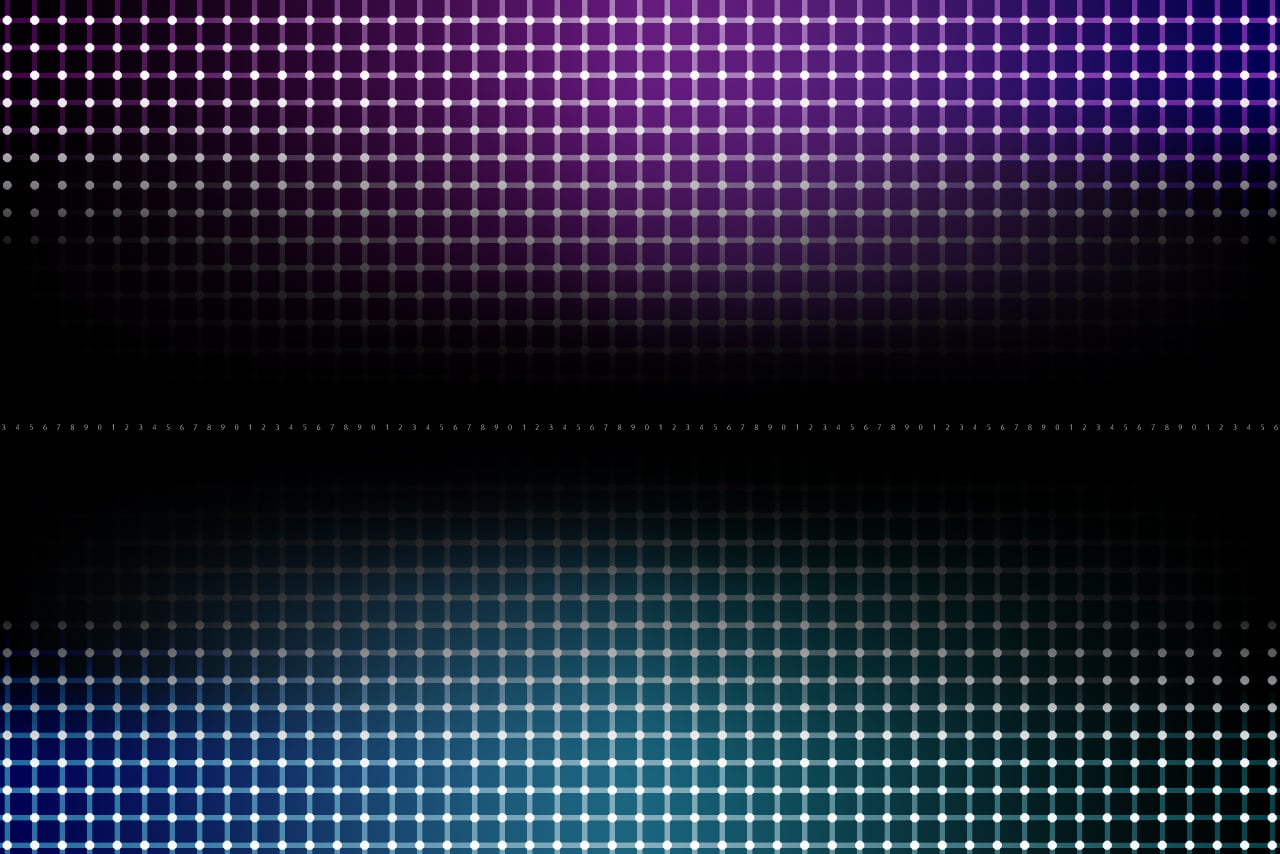
Stare at a grid of black squares on a white background, and you’ll see gray dots appear at the intersections. Look directly at any intersection, and the dots vanish.
This happens because of lateral inhibition—the way neurons in your retina suppress activity in neighboring cells. The effect creates phantom shadows that your brain interprets as real gray spots, but only in your peripheral vision where the processing is less precise.
The Cafe Wall Illusion
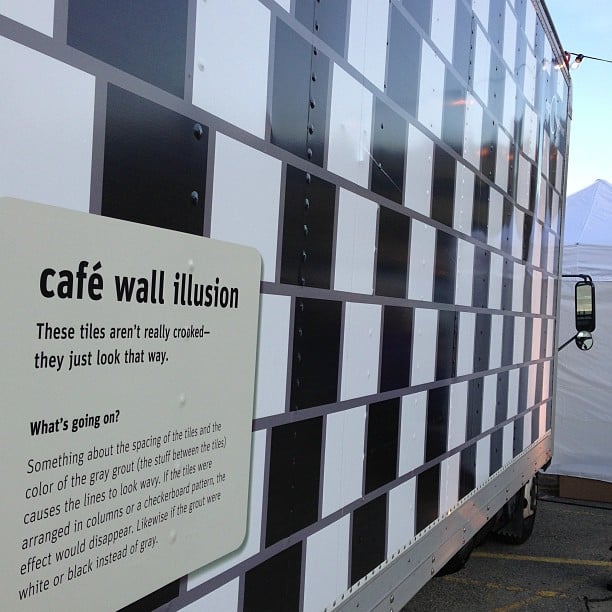
Parallel lines that appear to slope when surrounded by alternating black and white tiles. The lines stay perfectly horizontal, but your brain refuses to see them that way.
The illusion gets stronger when the mortar lines between the tiles are gray rather than white or black. Researchers still debate exactly why this happens, though most explanations involve how your visual system processes edges and boundaries.
The effect is so strong that even when you measure the lines with a ruler, your eyes still insist they tilt.
Motion Aftereffect
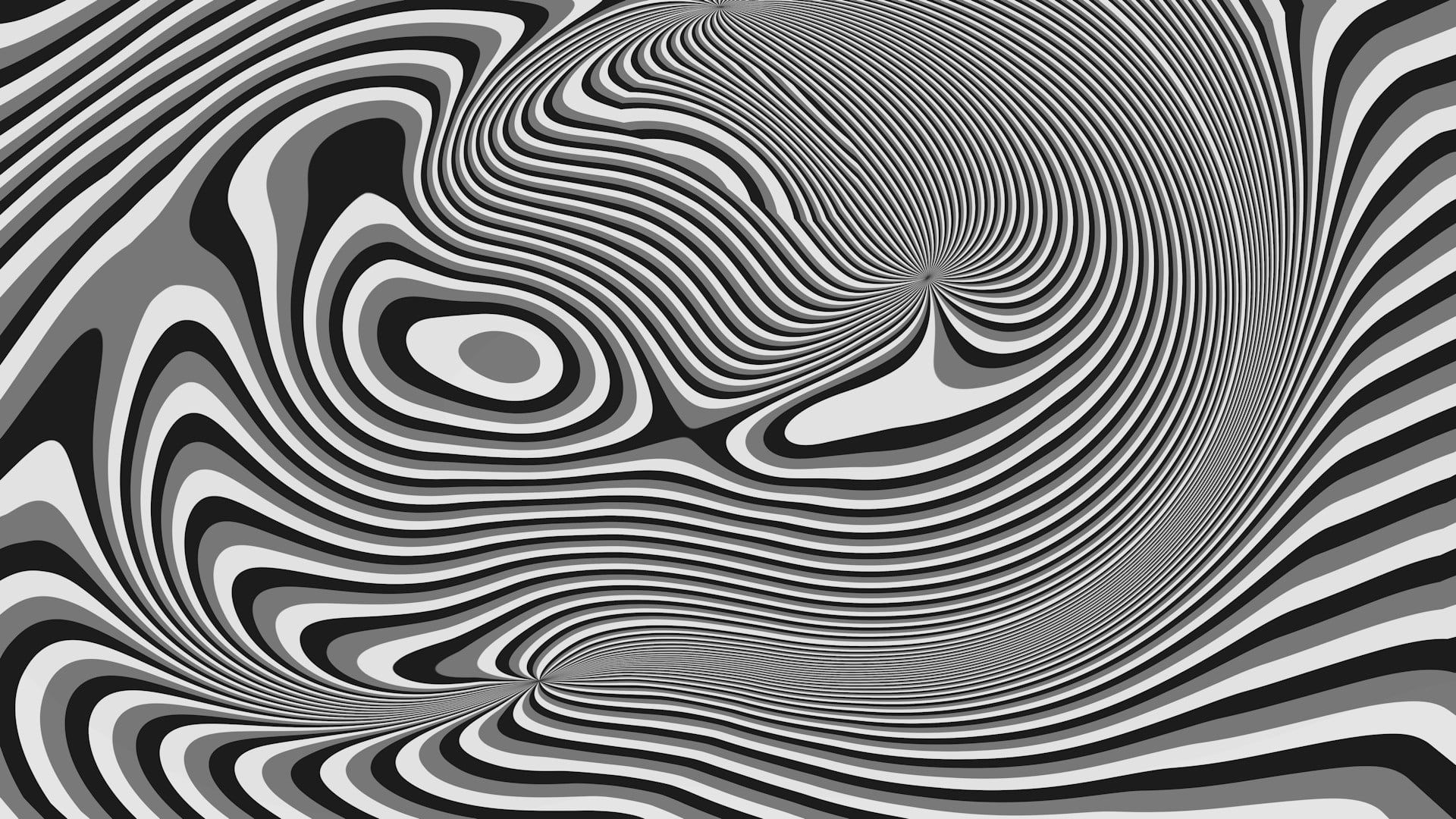
Watch a waterfall for thirty seconds, then look at the rocks beside it. The rocks appear to drift upward.
This happens because neurons that detect downward motion become fatigued, leaving the neurons that detect upward motion temporarily more active. Your brain interprets this imbalance as actual movement in the opposite direction.
The effect works with any consistent motion. Spiral patterns create particularly dramatic results—after watching a spiral rotate inward, stationary objects seem to expand outward.
Your brain essentially gets stuck in motion-processing mode even after the motion stops.
The Spinning Dancer

A silhouette of a dancer appears to spin clockwise or counterclockwise depending on how your brain interprets the depth cues. The figure provides no definitive information about which direction she’s rotating.
Your brain has to guess, and different people see different rotations. Some people can even switch between seeing clockwise and counterclockwise rotation at will, though most find one direction more stable than the other.
This illusion reveals how much your brain infers rather than directly perceives. The same visual information produces two completely different interpretations.
Adelson’s Checker Shadow
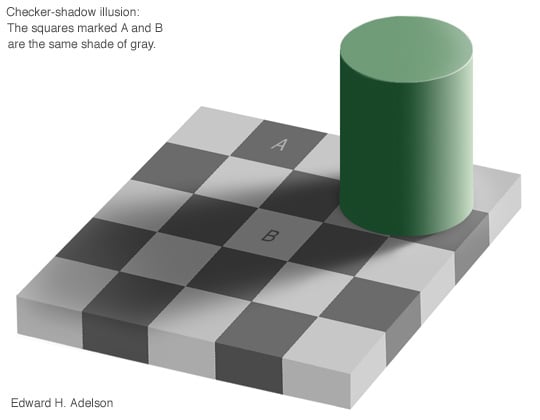
Two squares on a checkerboard appear to be completely different shades—one dark, one light. When you isolate them from their surroundings, they turn out to be the exact same shade of gray.
Your brain adjusts perceived brightness based on context and lighting conditions. It assumes the lighter-looking square sits in shadow, so it interprets that square as lighter than it actually is.
The dark square sits in bright light, so your brain sees it as darker. Even after you learn this fact, your eyes refuse to see the squares as the same shade.
The illusion persists because your brain’s brightness-correction system operates automatically, below conscious control.
The Impossible Trident

A three-pronged fork that can’t exist in three-dimensional space. The drawing works locally—each small section makes sense on its own.
But when you try to trace the entire object, the prongs shift between two and three in a way that defies physical reality. Your brain struggles because it tries to interpret the 2D drawing as a 3D object, but the visual information contains contradictions that make this impossible.
Rubin’s Vase
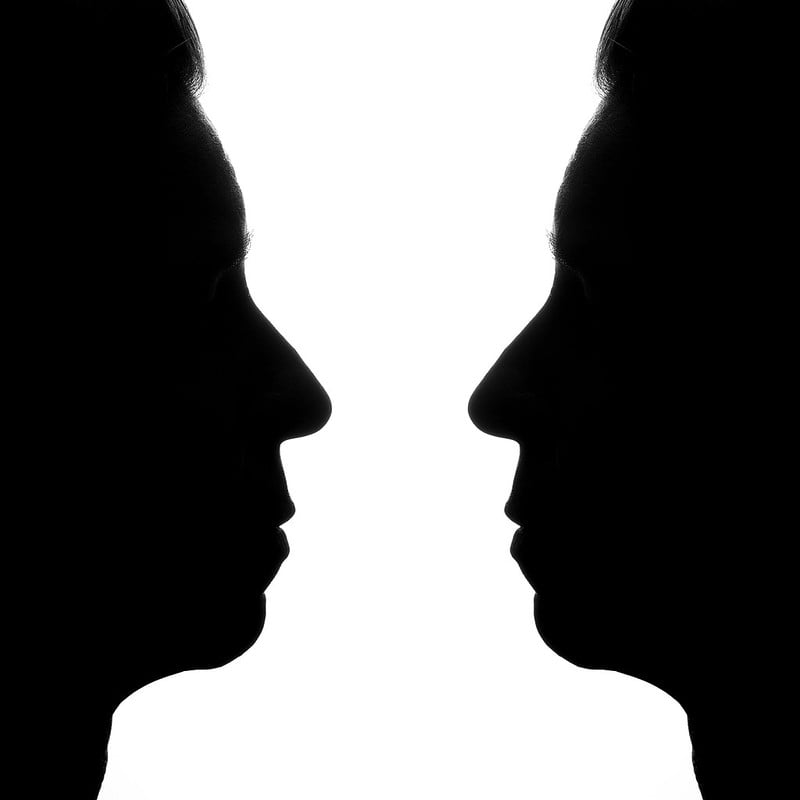
Look at the image and see either a vase or two faces in profile, but never both simultaneously. Your brain processes figures and backgrounds separately, and it can only designate one region as the figure at a time.
The illusion demonstrates how perception involves active choices about what counts as an object versus what counts as empty space. The same contour can belong to either the vase or the faces, but your brain has to commit to one interpretation.
The Ames Room
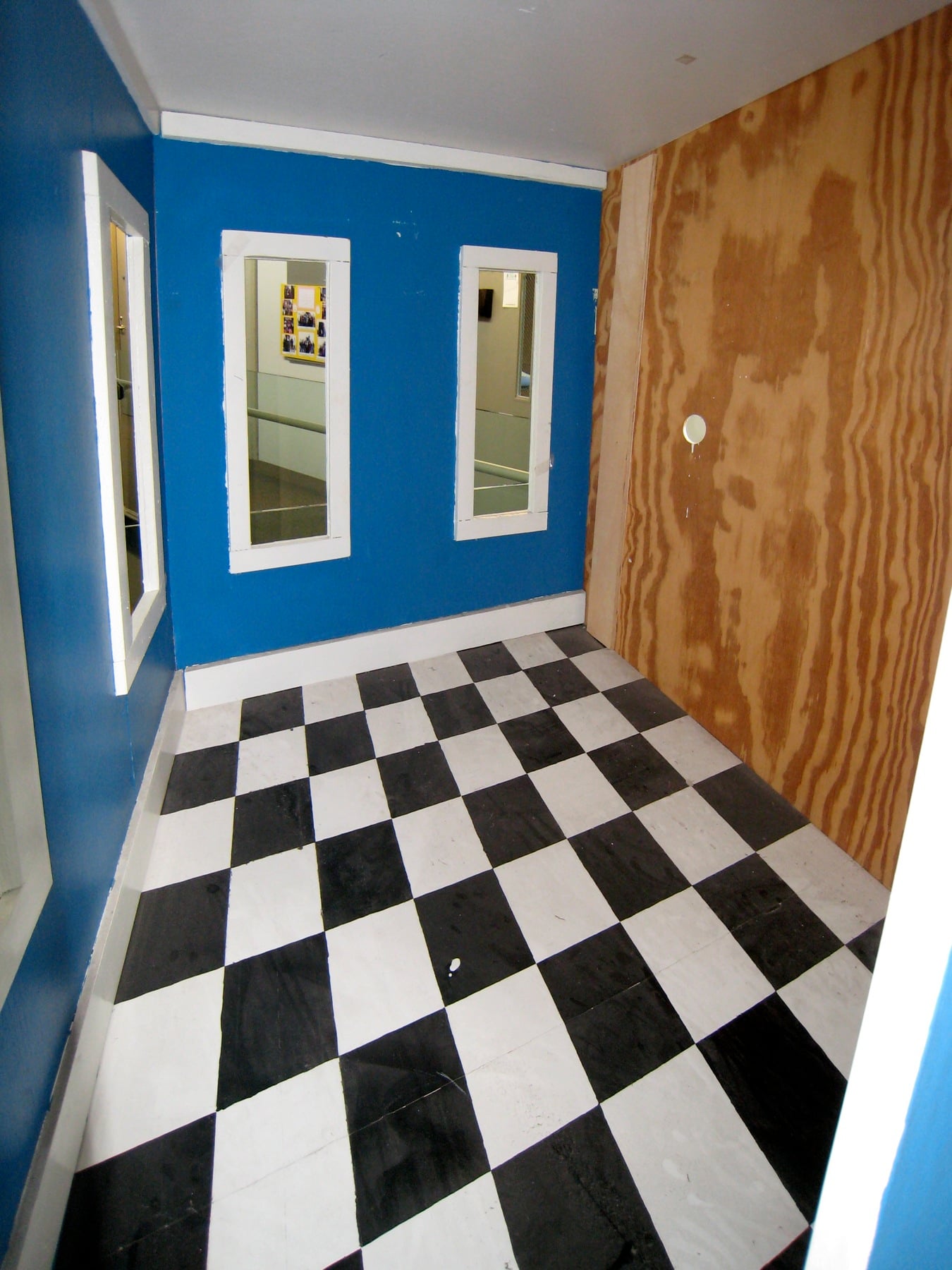
A distorted room that makes people appear to shrink or grow as they move from one corner to another. The room’s actual shape is trapezoidal, but it’s designed so that from one specific viewpoint, it looks perfectly rectangular.
Your brain assumes rooms have right angles and parallel walls, so it interprets the size differences as changes in the people rather than distortions in the room itself. The illusion works so powerfully because your assumption about rectangular rooms overrides other depth cues.
Even when you know the trick, the size changes still look real.
The Müller-Lyer Illusion
Two lines of equal length, one capped with inward-pointing arrows and one with outward-pointing arrows. The line with outward arrows appears longer.
This probably relates to how your brain interprets corners and depth. The outward arrows resemble the far corner of a room, while inward arrows look like the near corner of a building.
Your brain applies size constancy scaling—adjusting perceived size based on apparent distance.
Kanizsa Triangle
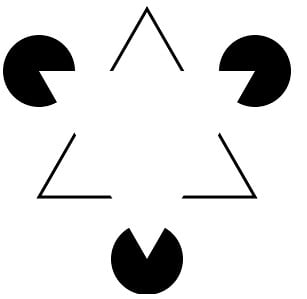
Three pac-man shapes arranged in a triangle pattern create the vivid impression of a white triangle covering three black circles. No triangle exists in the image.
Your brain fills in the missing contours because the arrangement suggests an object lying on top of other objects. This shows how perception isn’t just about processing what’s there—it’s about inferring what’s likely to be there based on patterns and expectations.
The illusory triangle often appears brighter than the surrounding white space, even though both regions are identical. Your brain adds details that don’t exist in the stimulus.
The Scintillating Grid
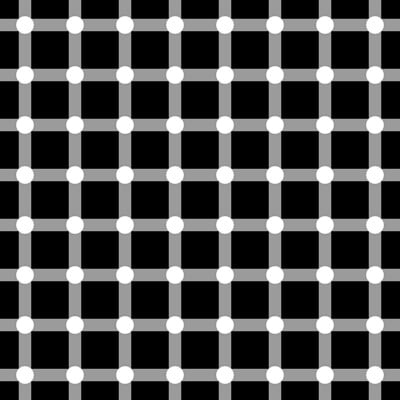
A grid pattern where white dots flash at the intersections when you’re not looking directly at them. Move your eyes, and the flashing dots follow.
Like the Hermann grid, this involves lateral inhibition in your retina. The effect combines with the way your eye makes tiny movements called microsaccades, creating the impression of sparkling or twinkling.
The dots appear and disappear rapidly, giving the grid an animated quality.
Motion Induced Blindness
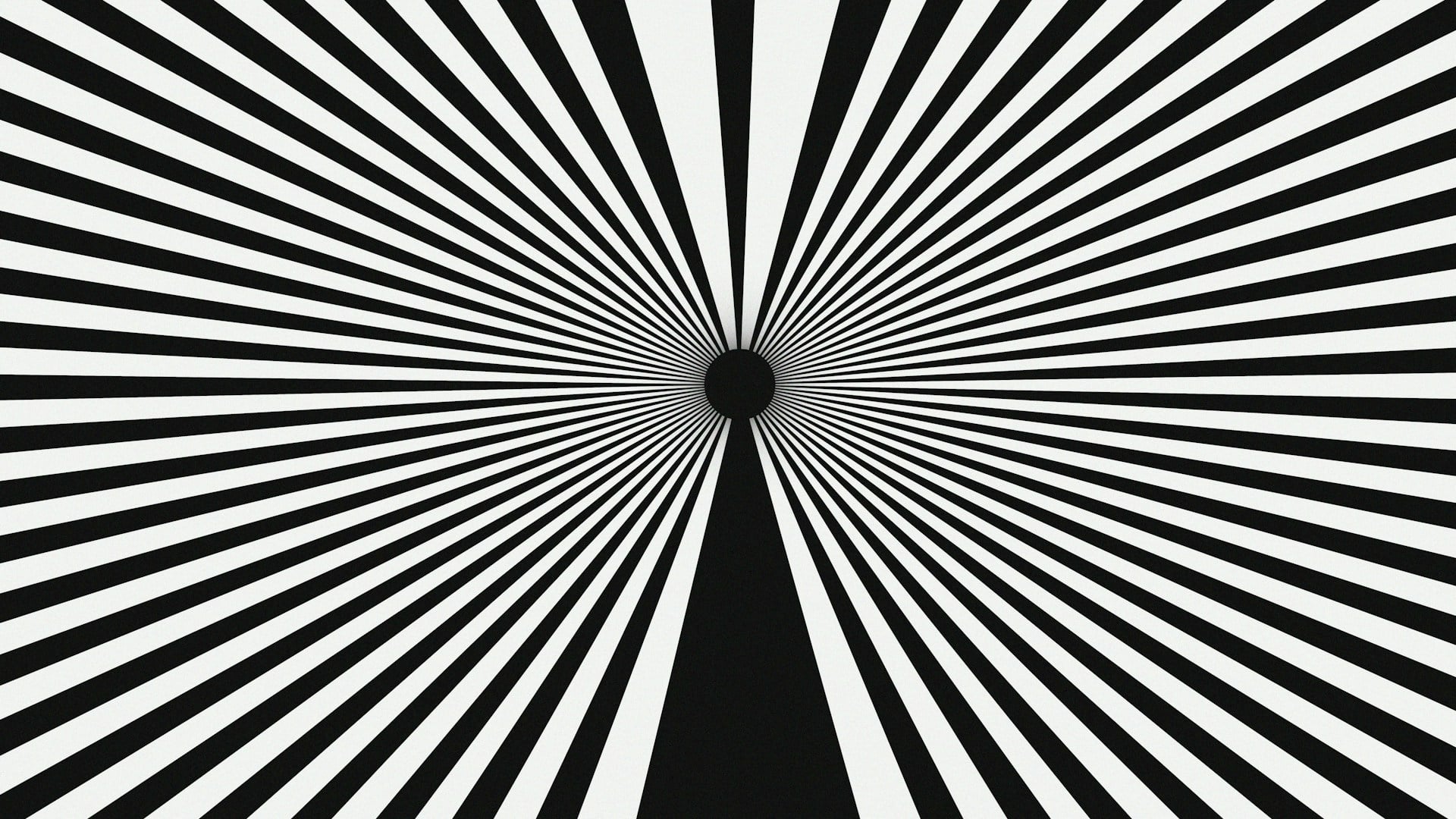
Stare at a central point while stationary objects sit in your peripheral vision, surrounded by moving dots. The stationary objects disappear and reappear periodically.
Your visual system prioritizes change and movement, and when you focus on one spot, stable objects in your periphery can fade from awareness. The objects don’t actually vanish—the image stays the same—but your brain stops registering them.
The Ponzo Illusion
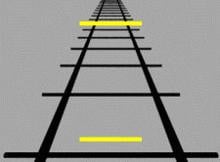
A pair of short straight marks sits across a narrowing gap, much like rails fading toward a faraway spot. Though both are exactly the same on paper, one seems stretched out.
This happens because your mind treats the slanting borders as tracks going forward in space. When it sees them that way, it adjusts how big things look based on where they seem to sit.
So the mark tucked nearer to the vanishing place gets judged as physically bigger, even though it isn’t. Funny thing happens when your eyes guess size based on depth clues.
A simple drawing tricks the mind just like real space would. The brain keeps adjusting, whether it should or not. Flat paper still feels three dimensional somehow.
Peripheral Drift Illusion
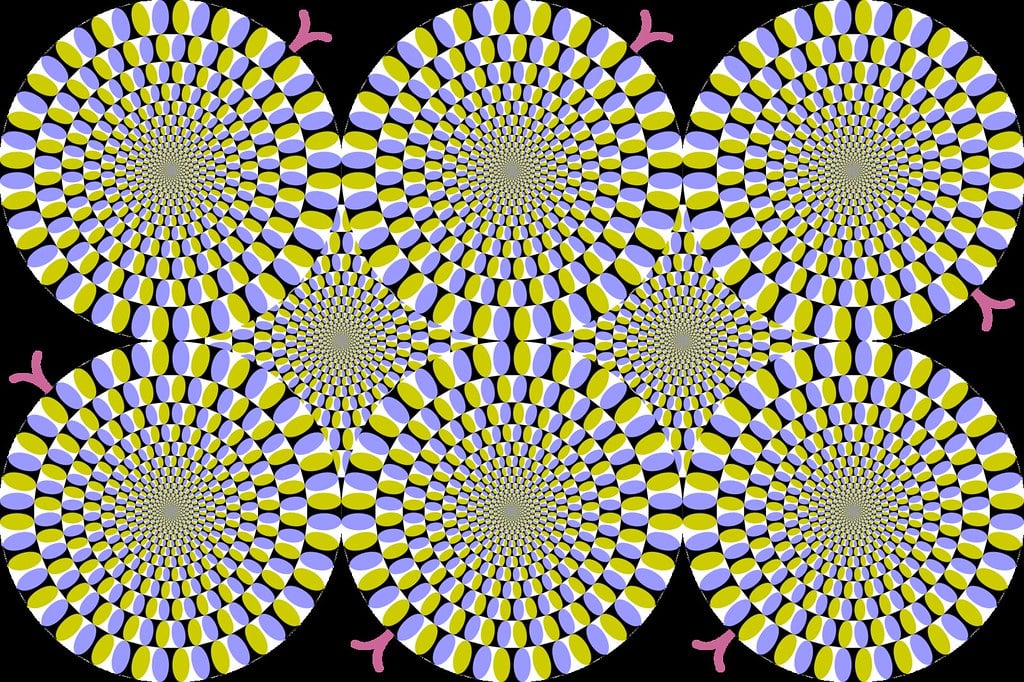
Staring off to the side makes some fixed shapes seem like they’re sliding or turning. Shift gaze straight toward them, then everything locks into place.
High contrast helps trigger this trick, especially if eyes wander across the picture. Scientists think certain nerve cells react faster than others when light shifts.
Because responses arrive unevenly, the brain reads movement where there is none.
The Ebbinghaus Illusion
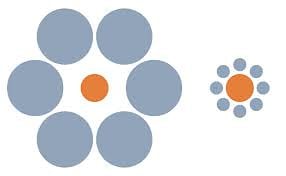
One circle sits inside big rings, another rests among tiny ones. Though equal, the one near larger shapes looks smaller.
Eyes see scale by what’s nearby instead of facts alone. Nearby loops shape how the main loop seems.
Context bends sight without asking first. Knowing the truth doesn’t stop the shift.
Brain tricks persist despite proof staring back. Size feels altered – always fooled, never fixed.
When Your Shortcuts Show
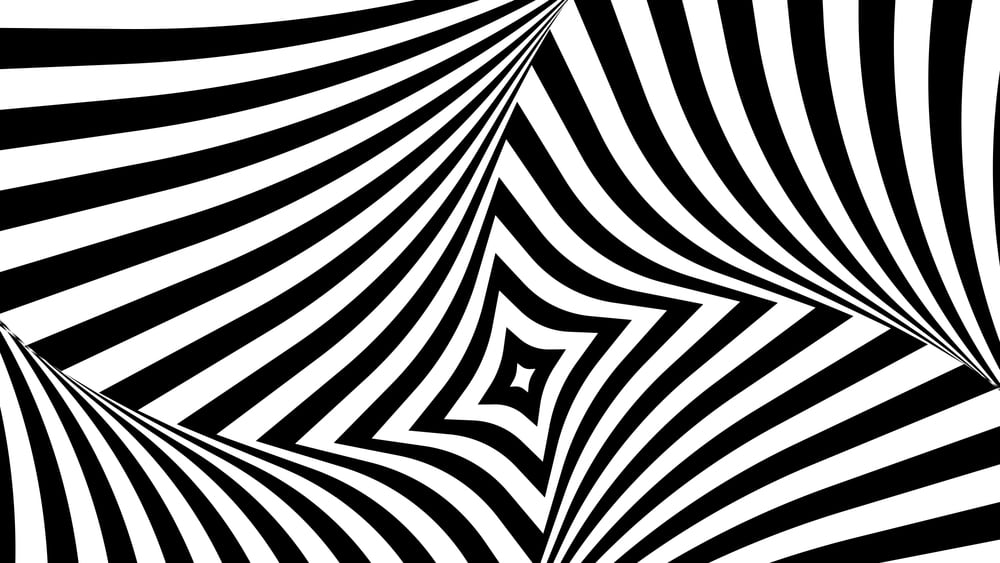
Your mind handles 3D scenes fast since it developed that way over time. Because of past encounters, it guesses, jumps ahead, skips steps, completes missing bits.
Usually those tricks succeed well. When what you see defies expectations, illusions expose the forecast before truth arrives.
Seeing past these illusions isn’t something you can decide to do. Hidden beneath awareness, they unfold in the mind’s unseen machinery, where images form before thought arrives.
This hidden choreography is why they captivate – exposing sight not as truth, but as quiet invention.
More from Go2Tutors!

- The Romanov Crown Jewels and Their Tragic Fate
- 13 Historical Mysteries That Science Still Can’t Solve
- Famous Hoaxes That Fooled the World for Years
- 15 Child Stars with Tragic Adult Lives
- 16 Famous Jewelry Pieces in History
Like Go2Tutors’s content? Follow us on MSN.



