17 Emojis That Mean Totally Different Things Now
Remember when emojis were simple? A smiley face meant happy, a heart meant love, and a thumbs up was just encouragement.
Those days are long gone. Digital communication has transformed these tiny symbols into a complex language with hidden meanings, generational divides, and cultural nuances that would make a linguist’s head spin.
What started as straightforward pictographs have evolved into something far more intricate. Here’s a list of 17 emojis that have completely changed their meaning in the modern digital landscape.
🍆 Eggplant

The innocent purple vegetable emoji has become one of the most notorious symbols in digital communication. Originally meant to represent the actual eggplant in cooking or gardening contexts — it’s now universally understood to represent something entirely different.
Social media platforms have even started blocking or flagging its use in certain contexts, making it the poster child for how emojis can take on lives of their own.
💀 Skull

Death and danger used to be this emoji’s primary association, yet Gen Z flipped the script completely. Now it’s the go-to symbol for expressing that something is hilariously funny — essentially replacing “I’m dying of laughter.”
You’ll see it plastered across TikTok comments and Instagram stories whenever someone finds content absolutely hilarious, turning a morbid symbol into the ultimate stamp of comedic approval.
🤡 Clown Face

Once a cheerful symbol representing circus performers and children’s entertainment — the clown emoji has morphed into a digital insult. It’s become the internet’s way of calling someone foolish or ridiculous without using words.
The transformation happened gradually as clowns in popular culture became more associated with horror movies and mockery than birthday parties.
👁️ Eye

This emoji used to simply represent vision or watching, though it’s developed much more complex meanings. On platforms like TikTok and Twitter — a single eye often signals that someone is keeping watch or paying close attention to drama.
It’s become shorthand for ‘I’m watching this situation unfold’ or ‘I see what you’re doing,’ adding an almost surveillance-like quality to conversations.
🧢 Baseball Cap

The humble baseball cap emoji has become a political statement in many contexts — specifically representing support for certain political figures or movements. What was once just athletic wear or casual fashion has transformed into a symbol loaded with political implications, showing how even the most mundane objects can become controversial in digital spaces.
🐸 Frog

Pepe the Frog’s internet fame completely changed how this amphibian emoji is perceived online. While it still represents actual frogs in nature contexts — it’s also become associated with internet meme culture and, unfortunately, some controversial online communities.
The innocent green creature now carries baggage that most people using it probably never intended.
🍑 Peach

Similar to the eggplant — this fruit emoji has taken on meanings far removed from actual peaches or healthy eating. The shape resembling human anatomy has made it a substitute for more explicit language, particularly in flirtatious or suggestive conversations.
Grocery stores posting about actual peach sales now have to navigate these unintended connotations.
✋ Raised Hand

Originally meant to represent stopping, greeting, or volunteering to answer a question — this emoji has found new life as a way to show support or agreement. It’s become the digital equivalent of raising your hand to say ‘me too’ or ‘I agree with this,’ especially in comment sections and group chats where people want to show solidarity.
🐍 Snake

Taylor Swift’s fans know exactly what happened here. Thanks to celebrity drama and social media feuds — the snake emoji transformed from representing actual reptiles to symbolizing betrayal or calling someone two-faced.
It became so associated with specific celebrity conflicts that using it now carries implications about loyalty and backstabbing that have nothing to do with actual snakes.
🤠 Cowboy Hat Face
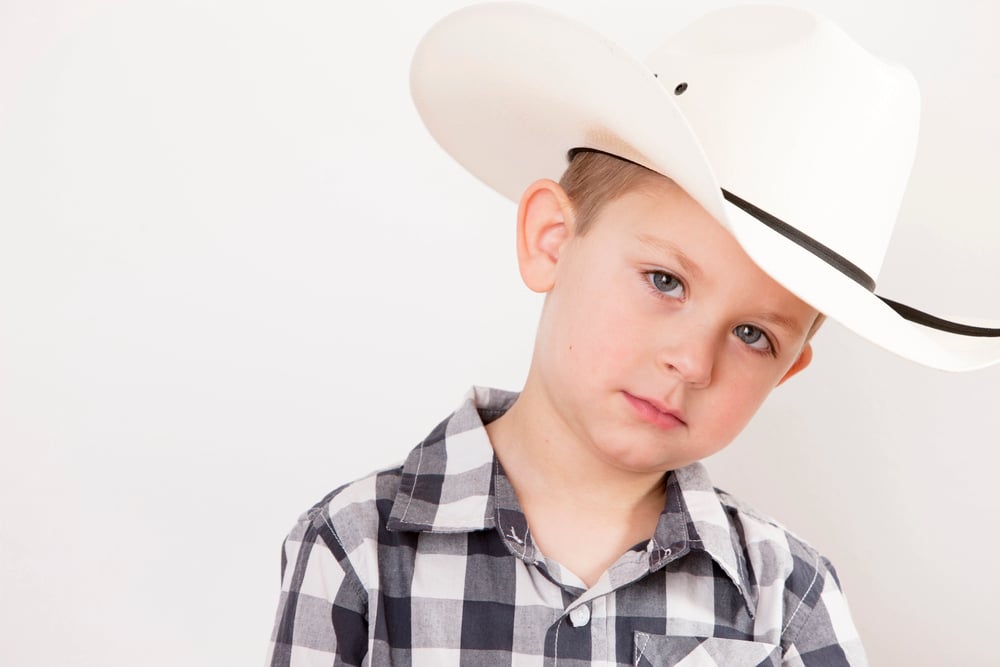
This cheerful Western character has become the internet’s way of expressing awkwardness or uncomfortable situations. Instead of representing cowboys or Western culture — it’s now used when someone wants to change the subject or acknowledge that things just got weird.
The slightly forced smile makes it perfect for those ‘well, this is awkward’ moments.
🗿 Moai

Easter Island’s famous stone heads have become a meme phenomenon, representing stoic indifference or deadpan humor. The emoji’s serious, unchanging expression makes it perfect for situations where someone wants to convey emotional numbness or ironic detachment.
It’s basically the digital equivalent of a stone-faced reaction to absurd situations.
👀 Eyes

These eyes have evolved into the ultimate ‘I’m watching’ symbol, though with layers of meaning depending on context. They can indicate interest, suspicion, flirtation, or just general nosiness.
The eyes have become so versatile that they’re used to react to everything from celebrity drama to friend’s social media posts, essentially replacing longer explanations with just a glance.
🤮 Face Vomiting

While still used to express actual nausea, this emoji has become the go-to symbol for expressing disgust with ideas, situations, or content rather than physical illness. It’s the internet’s way of saying ‘that’s gross’ or ‘I hate this’ about everything from bad takes on social media to disappointing news about favorite celebrities.
🎪 Circus Tent

Beyond representing actual circuses, this emoji has become internet slang for chaotic situations or drama. When someone’s life or a particular situation becomes a complete mess, the circus tent perfectly captures that ‘this is a circus’ feeling.
It’s evolved into shorthand for acknowledging when things have gotten completely out of control.
🐐 Goat

Thanks to the acronym GOAT (Greatest Of All Time), this farm animal has become the ultimate compliment in sports and entertainment. Instead of representing actual goats, it’s now used to celebrate exceptional talent or achievement.
Athletes, musicians, and content creators now receive goat emojis as the highest form of praise from their fans.
🍵 Teacup
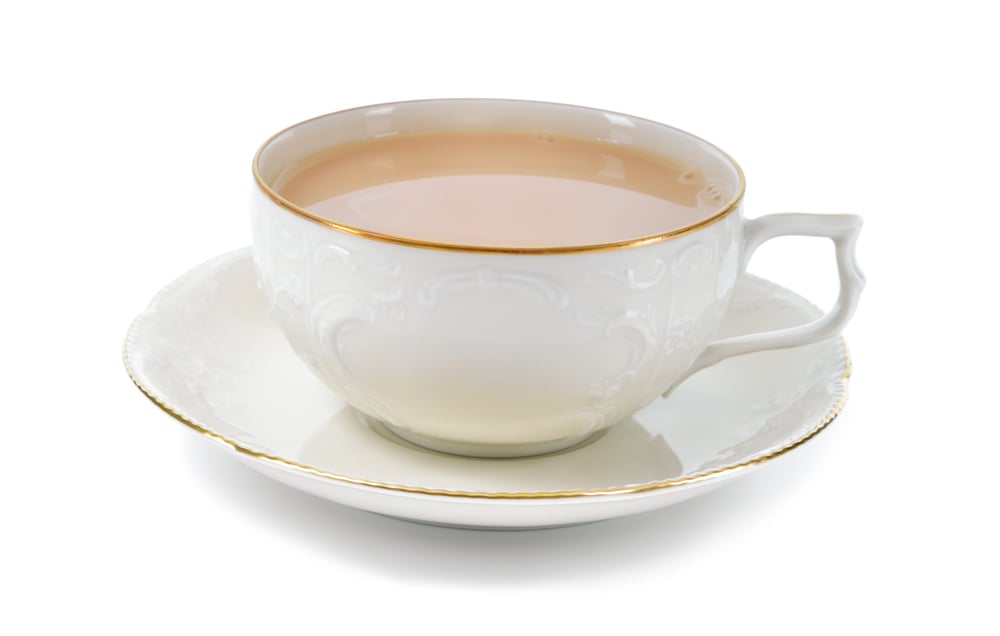
The phrase ‘spill the tea’ transformed this innocent beverage emoji into a symbol for gossip and drama. When someone uses the teacup emoji, they’re usually indicating that juicy information is about to be shared or that they’re ready to hear some gossip.
It’s become the digital equivalent of leaning in for a whispered secret.
🏴☠️ Pirate Flag

While pirates still use this flag in movies, it’s found new meaning in digital contexts related to content sharing and online activities. The skull and crossbones have become associated with rebellion against traditional systems and rules, particularly in tech and internet culture where people challenge conventional ways of accessing content.
When Symbols Evolve Beyond Recognition

The speed at which digital culture can alter meaning and produce completely new modes of communication is demonstrated by these emoji changes. Simple pictographs have evolved into a complex language that needs to be updated frequently in order to be understood.
Depending on who is reading it and when they learned their digital vocabulary, the meaning of an emoji may be entirely different from what you intended. Keep this in mind the next time you use one.
More from Go2Tutors!

- The Romanov Crown Jewels and Their Tragic Fate
- 13 Historical Mysteries That Science Still Can’t Solve
- Famous Hoaxes That Fooled the World for Years
- 15 Child Stars with Tragic Adult Lives
- 16 Famous Jewelry Pieces in History
Like Go2Tutors’s content? Follow us on MSN.



