Curious Traditions Around Birth Rituals
Every culture marks the arrival of a new baby differently. Some practices feel familiar, even if you’ve never experienced them yourself.
Others seem completely foreign until you understand the reasoning behind them. These traditions reveal what communities value most—whether that’s protection, connection to ancestors, or simply giving the mother time to heal.
Burying the Placenta
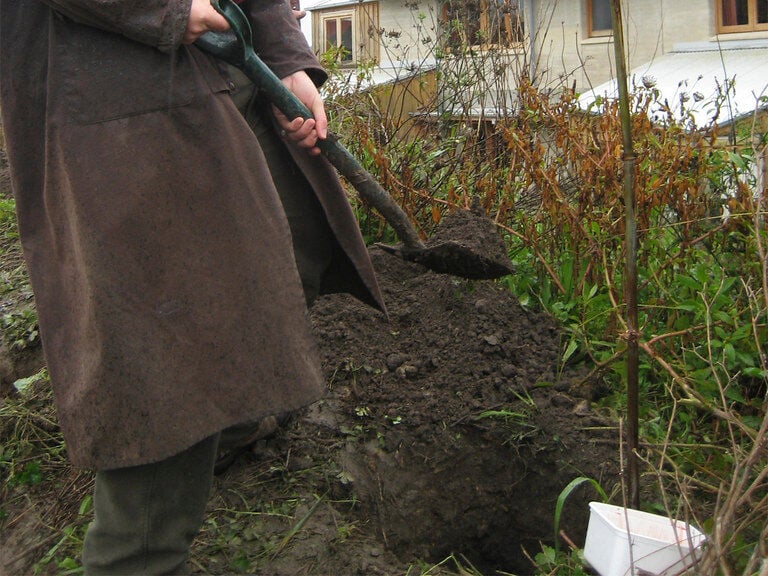
In many Maori communities, families bury the placenta in a meaningful location. The practice connects the child to their ancestral land in a literal way.
Some bury it under a newly planted tree, which grows alongside the child. Others choose a family property or sacred site.
The Navajo follow similar customs. They often bury the placenta within the four sacred mountains that define their traditional homeland.
This grounds the child’s identity in their territory and culture from day one. Indonesian families in certain regions also bury the placenta, but they add siblings to the ritual.
The older children help dig and fill the pit, which teaches them about their responsibility to the newest family member.
The Forty-Day Seclusion

Korean mothers traditionally stay home for forty days after giving birth. No visitors except immediate family.
No cold water. No housework.
The focus stays entirely on recovery and bonding with the baby. Special seaweed soup appears at nearly every meal during this period.
The soup supposedly helps with milk production and healing. Whether that’s scientifically valid or not, the ritual ensures the mother eats warm, nutritious food regularly.
Chinese culture has a similar practice called “sitting the month,” though it lasts thirty days instead of forty. The rules are strict—no showering, no leaving the house, no cold foods.
Modern mothers often modify these restrictions, but the core idea of dedicated rest time remains valued.
Shaving the Baby’s Head

Many Muslim families shave their baby’s head on the seventh day after birth. They weigh the hair and donate the equivalent weight in silver or gold to charity.
The practice symbolizes cleansing and a fresh start for the child’s life. Hindu tradition includes a first haircut ceremony called mundan, though timing varies by region.
Some families wait until the child turns one, others until three. The ritual takes place at a temple or during a special ceremony at home.
The hair is offered to a deity. In Mongolia, children traditionally don’t get their first haircut until they’re between three and five years old.
The ceremony becomes a major celebration with extended family, gifts, and sometimes even horse races. The person who cuts the hair—often a respected elder—receives honor for the role.
Welcoming Songs
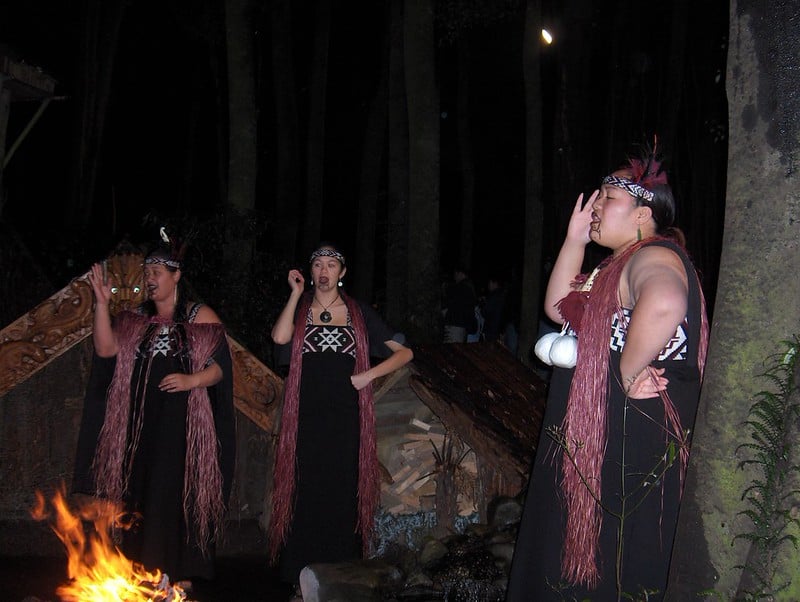
The Maori perform a powhiri ceremony when a baby first enters the family’s communal meeting house. Elders chant traditional songs and speeches.
The ritual formally introduces the child to their ancestors and living relatives alike. In parts of West Africa, griots—traditional storytellers and musicians—compose a unique song for each newborn.
This song becomes the child’s musical identity, sung at important life moments. Some families believe the song holds protective power.
Yup’ik communities in Alaska have specific songs sung during and after birth. These songs travel through generations, connecting the baby to ancestors who sang the same melodies.
The mother might sing during labor, and the family continues singing in the days after delivery.
The Red Egg and Ginger Party

Chinese families often host a celebration when the baby turns one month old. Red eggs get distributed to guests—the red dye symbolizes happiness and good fortune.
Ginger appears in many dishes served that day, as it’s considered warming and restorative. The number of eggs matters.
A hundred eggs might be prepared for a large celebration, or just a few dozen for a smaller gathering. Some families dye the eggs themselves, others order them specially prepared.
Guests take eggs home as tokens of the baby’s arrival.
Protecting with Amulets

Turkish parents often pin a blue eye bead—nazar—to their baby’s clothing. The belief holds that this protects against envious glances that might harm the child.
You’ll see these beads on strollers, car seats, even pinned inside clothes where they stay hidden. In many Latin American countries, a red bracelet or string gets tied around the baby’s wrist.
The red color supposedly wards off “mal de ojo”—the evil eye. Some versions include small charms or seeds.
Thai families might give their baby an intentionally unattractive nickname during the first few weeks. The thinking goes that spirits won’t bother claiming a child who seems undesirable.
The practice reveals deep-rooted beliefs about protecting vulnerable newborns from supernatural harm.
The First Bath Ceremony
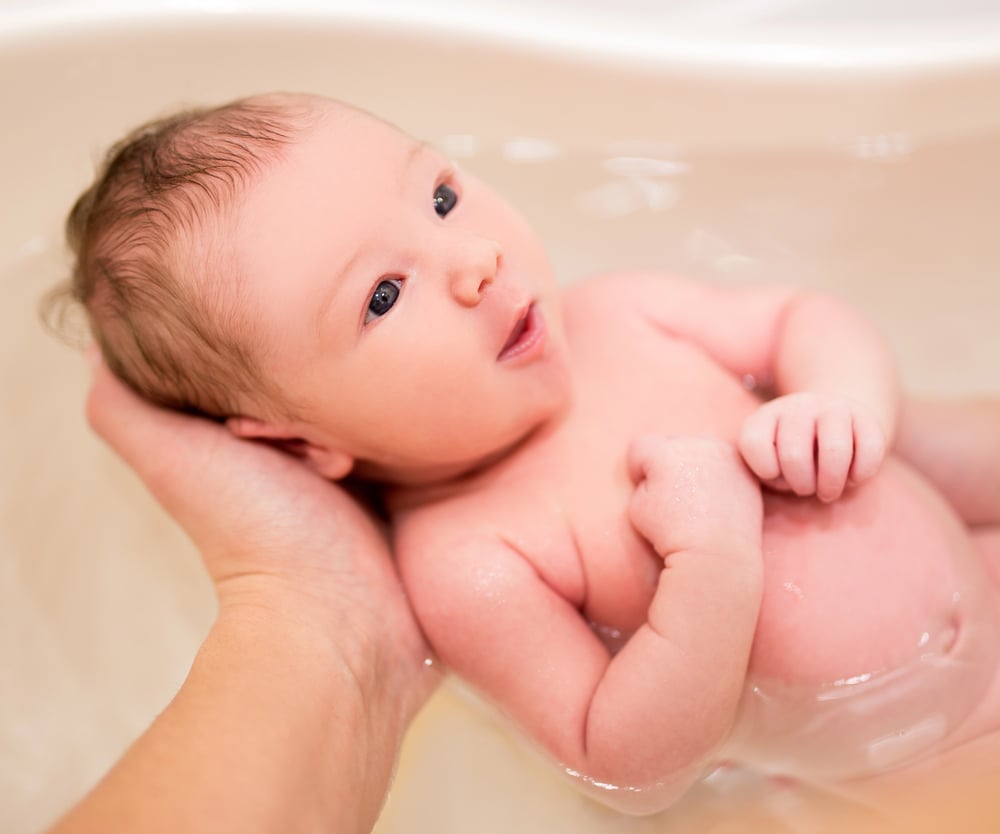
In Ghana, babies receive their first bath outdoors on the eighth day after birth. Family members gather, and water gets mixed with herbs believed to have protective properties.
The ceremony includes prayers and blessings from elders. Only after this ritual bath can the baby be taken outside the home freely.
Ethiopian Orthodox Christians perform a baptism ceremony forty days after birth for boys, eighty days for girls. The priest immerses the baby in holy water three times.
This marks the child’s formal entry into the church community.
Naming Day Celebrations

Jewish tradition holds the brit milat on the eighth day for boys, which includes the formal naming. For girls, a naming ceremony can happen during a synagogue service, often within the first month.
The baby receives both a Hebrew name and often a secular name. In Iceland, parents must choose from a pre-approved list of names, or apply to add a new name to the list.
The restriction aims to preserve Icelandic language traditions and ensure names work with the country’s grammatical structure. Some Nigerian communities wait several days before naming a child.
Yoruba tradition includes an elaborate naming ceremony on the eighth day, where the baby might receive multiple names—each with specific meaning and significance. The ceremony includes tasting symbolic items like honey, salt, and water.
First Outing Rituals

Japanese families traditionally take babies to a shrine for the first time around one month after birth. The visit, called omiyamairi, introduces the child to the guardian deity of the shrine.
Babies often wear elaborate ceremonial clothing passed down through families. In some Orthodox Christian communities, mothers don’t enter church for forty days after giving birth.
On the fortieth day, a special blessing ceremony allows both mother and baby to return to church together. The priest performs prayers of purification and thanksgiving.
Celebrating the Mother
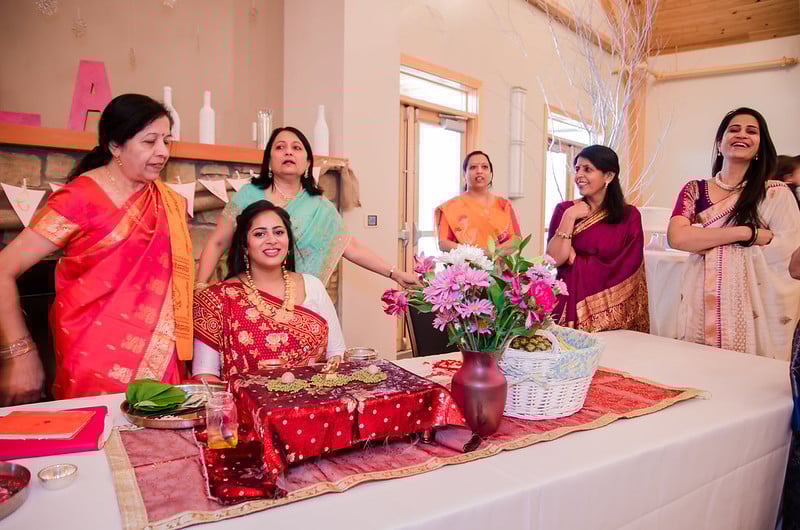
In India, the ceremony called godh bharai—literally “filling the lap”—happens before birth, but postpartum rituals honor the mother’s transformation too. Female relatives visit, sing traditional songs, and provide the new mother with rest and support.
The focus stays on her needs as much as the baby’s. Yup’ik tradition includes special songs and ceremonies specifically for the mother who has given birth.
The community recognizes her accomplishment and changed status. She receives gifts and attention separate from the celebrations of the baby.
Tree Planting Traditions
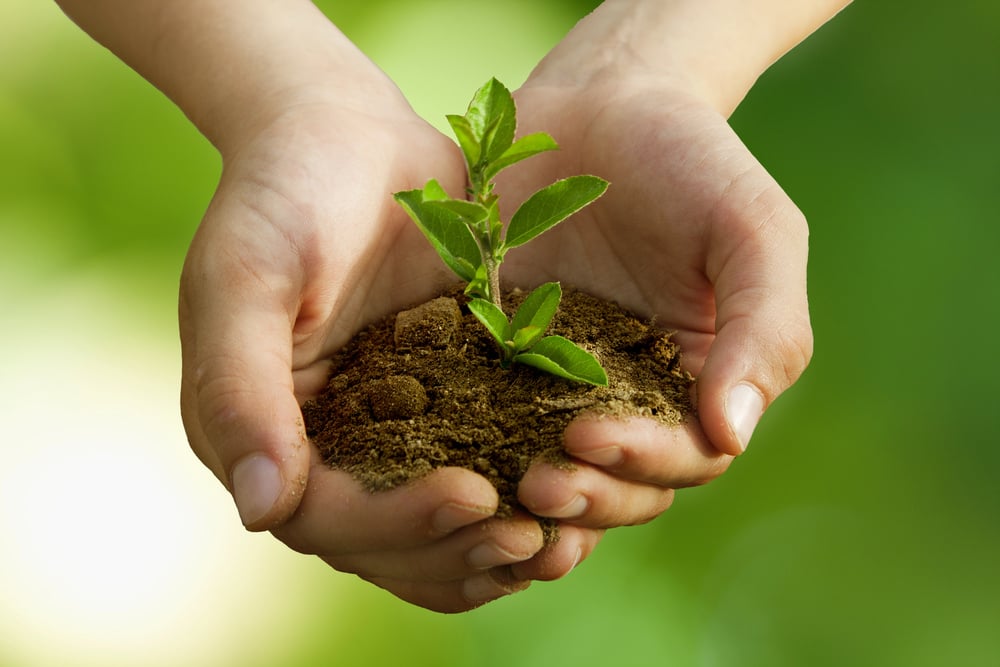
In Switzerland, families plant an apple tree for girls and a walnut tree for boys. The trees grow on family property, creating a living connection between the child and their home.
Some families continue checking on these trees decades later. German families in certain regions follow similar customs, though the tree choice varies.
The practice gives children a tangible link to their birth moment—something they can return to throughout their lives.
Lotus Birth Practices

Some families choose to leave the umbilical cord attached until it separates naturally, which typically takes three to ten days. The placenta gets carried with the baby in a special bag or container.
Advocates believe this allows for a gentler transition for the baby. The practice requires careful attention to keep the placenta clean and prevent infection.
Families who choose this approach often use salt and herbs to preserve the placenta during the waiting period. While uncommon in mainstream medical settings, the tradition has roots in several cultural practices and continues among certain communities today.
The Way These Rituals Endure

Birthday customs stick around since they help people – no matter if the reasons sound strange to some. In Korea, taking forty days off lets moms heal for real.
For Maori families, burying the placenta ties the baby to the earth in a lasting way. Red eggs in China? They pull neighbors close when new parents need support.
You don’t need to buy into curses to see why a little charm eases a parent’s fear. What counts isn’t the act itself, but what it stands for.
Such customs stick around – not because they’re magic, but because they help, somehow, in ways you can feel or notice. Some households mix habits from various backgrounds, forming fresh combined routines.
Meanwhile, some tweak past rituals to suit today’s world. One thing doesn’t change – people still feel it’s vital to recognize birth as special, shield newborns, and also bring them into the group with heartfelt events.
More from Go2Tutors!

- The Romanov Crown Jewels and Their Tragic Fate
- 13 Historical Mysteries That Science Still Can’t Solve
- Famous Hoaxes That Fooled the World for Years
- 15 Child Stars with Tragic Adult Lives
- 16 Famous Jewelry Pieces in History
Like Go2Tutors’s content? Follow us on MSN.