15 Hidden Details in Disney Movies You Never Noticed
Gliding visuals often mask what lies beneath. Though Disney movies seem effortless, each movement follows exact patterns.
Humor lands cleanly since rhythm undergoes meticulous shaping. Feeling directs tempo, beyond mere story progression.
Hidden behind fluid scenes remains labor invisible to most eyes. Bits hide in plain sight, scattered just beyond quick notice.
Where others see blank space, familiar eyes detect echoes. A flicker from the past appears if timing aligns correctly.
Silence guards these moments until memory unlocks them. First views miss what second ones slowly uncover.
Here is something true – particular details pay respect to fellow makers. Occasionally, these stem from routines formed right at the beginning of time in the studio.
From time to time, such choices are playful hints revealing joy in connecting narratives away from view. Here’s a closer look at fifteen hidden details scattered across Disney and Pixar films that often go unnoticed.
A113
Sometimes you spot it near a hallway window. That tag, A113, slips into scenes without calling attention.
You might see it on a van parked sideways or stamped on paperwork held by a background figure. Not chance.
CalArts used that room number for an animation course long ago. Folks who later shaped Disney and Pixar sat there learning how drawings move.
Hidden inside the stories they shaped, artists slipped in tiny marks of themselves instead of loud name drops. Not really meant for fans to spot, these are whispers between makers.
After you see one, suddenly you catch them all around.
The Pizza Planet Truck
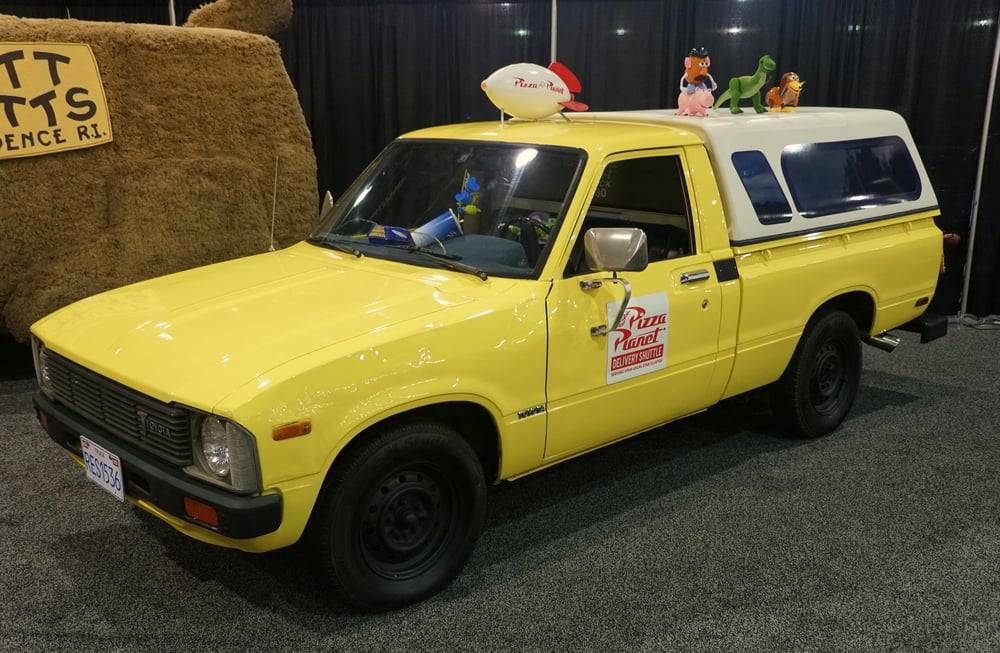
A vehicle from a well-known animated film has quietly gained recognition beyond its original role. Found within ancient realms, urban pathways, piles of discarded items, yet also beneath ocean surfaces.
Visibility shifts – clear at moments, nearly hidden the next. A brief presence, often gone before attention fully lands.
A familiar vehicle appears in most Pixar movies by deliberate choice. Not quite an accident, this object drifts through scenes where it does not belong yet fits somehow.
Stories without links gain subtle unity through its presence.
Rapunzel At Elsa’s Coronation

In Frozen, during Elsa’s coronation sequence, Rapunzel and Flynn Rider from Tangled can be spotted entering the castle gates. The cameo lasts only a moment and is easy to miss in the crowd.
The appearance was confirmed by the studio, and it adds a small sense of shared geography. It does not change the story.
It simply suggests that these fairy-tale worlds may exist closer together than audiences assume.
Scar’s Cameo In Hercules

In Hercules, there is a quick visual gag that rewards sharp viewers. During a scene where Hercules poses for a painting, he is shown wearing a lion pelt that closely resembles Scar from The Lion King.
The joke works on two levels. It functions as visual humor, and it also reflects the studio’s growing comfort with self-reference during the 1990s.
Rather than keeping each film separate, animators began quietly linking them.
Belle In The Hunchback Of Notre Dame
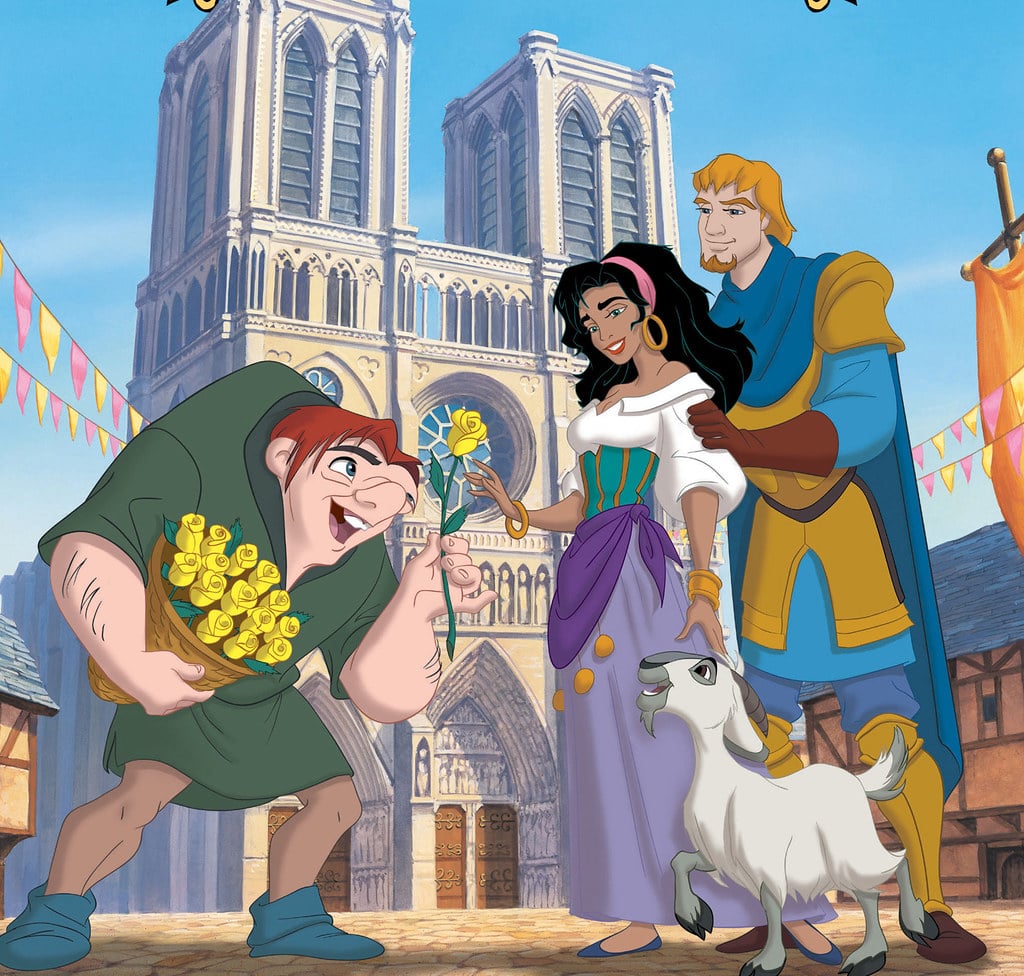
Early in The Hunchback of Notre Dame, Belle from Beauty and the Beast walks through the town square reading a book. She blends into the Paris setting naturally, which makes the cameo easy to overlook.
The placement makes thematic sense. Both films draw from French literature, and the environments overlap stylistically.
It feels less like a stunt and more like a subtle alignment of worlds.
The Hidden Mickey Tradition

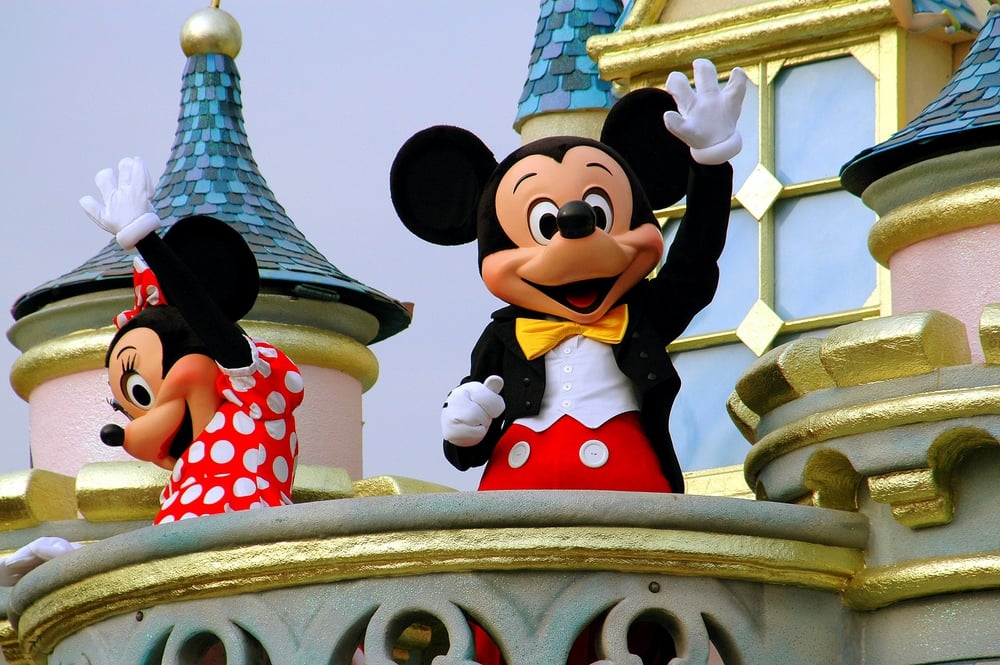
Hidden Mickeys — shapes that resemble Mickey Mouse’s head silhouette — appear across Disney films and theme park attractions. They are woven into clouds, bubbles, architecture, and background designs.
These shapes are intentional. They act as a creative signature that traces back to the company’s earliest character.
Spotting one feels like finding a watermark in a painting, subtle but deliberate.
The Beast In Aladdin
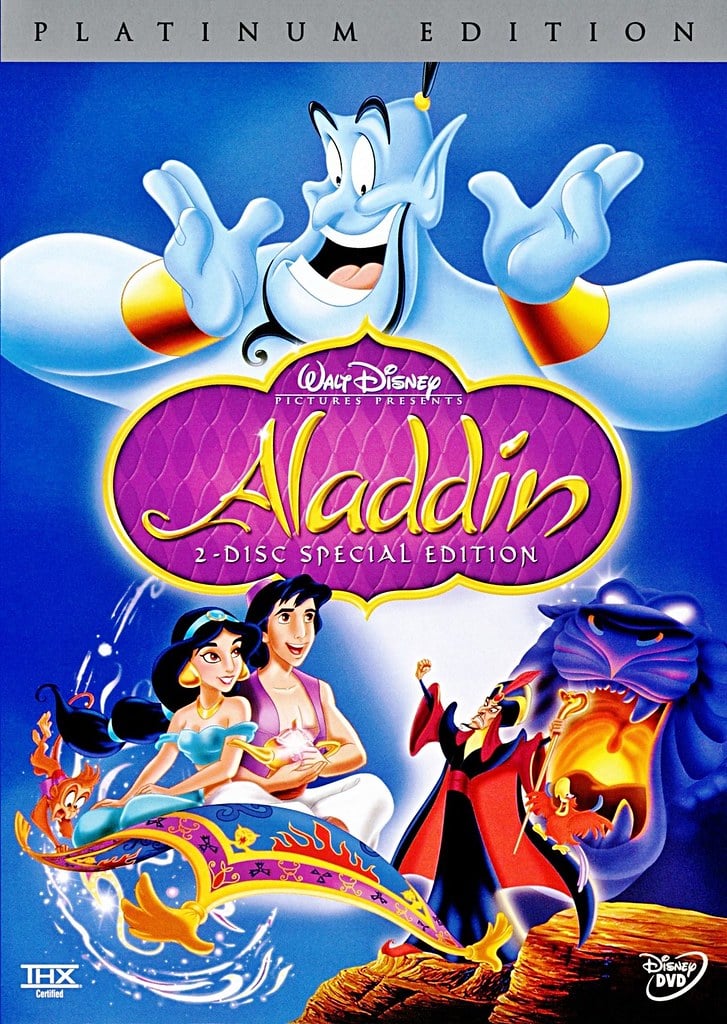
In Aladdin, during one of the Genie’s rapid transformations, he briefly morphs into the Beast from Beauty and the Beast. The moment passes quickly, almost buried in the character’s fast-paced impressions.
The cameo arrived shortly after Beauty and the Beast became a major success. It reflected a period when Disney animation was regaining cultural momentum.
The reference feels playful rather than promotional.
The Number 95
The number 95 appears repeatedly in Pixar films, most famously on Lightning McQueen in Cars. The number references 1995, the year Toy Story premiered and redefined computer animation.
Instead of spelling out the milestone, Pixar embedded it quietly into character design. It functions like a timestamp hidden in plain sight, marking the year the studio’s trajectory changed permanently.
Flounder In Moana
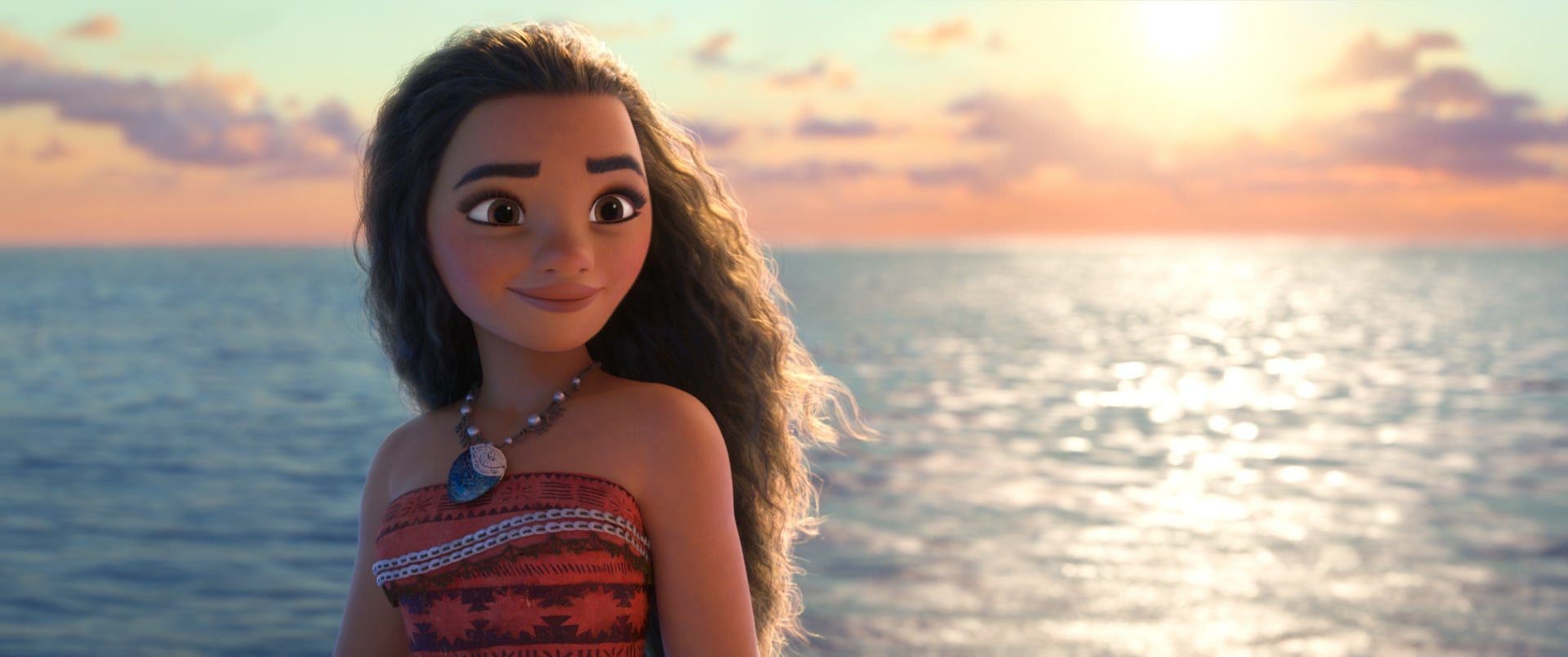
In Moana, inside Tamatoa’s glittering treasure hoard, viewers can spot what looks like Flounder from The Little Mermaid among the objects. The character is partially obscured and never acknowledged.
The detail works because it is subtle. It does not interrupt the pacing of the scene.
It simply adds another thread to Disney’s long-running relationship with ocean stories.
The Magic Carpet Lamp In The Princess And The Frog

In The Princess and the Frog, a familiar-looking golden lamp can be seen in the background during certain shop scenes. Its shape closely resembles the magic lamp from Aladdin.
This type of object cameo feels more organic than character appearances. It is easy to imagine artifacts traveling between stories, even if the films are set in different eras.
The King And Duke In The Little Mermaid
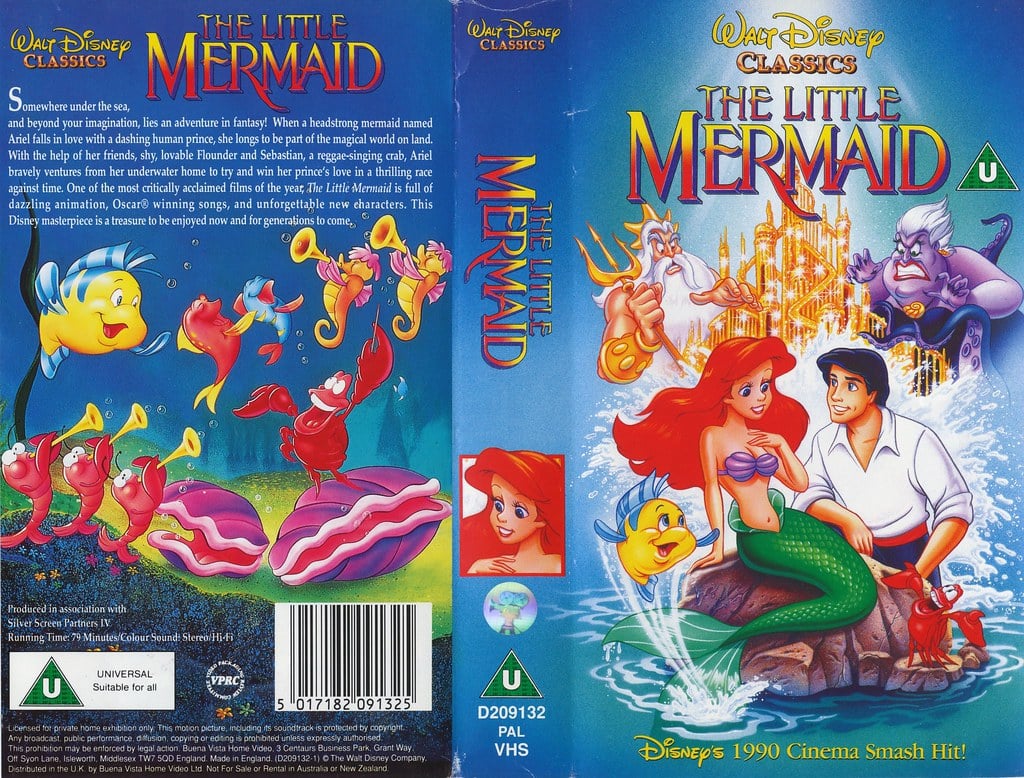
During King Triton’s concert scene in The Little Mermaid, the crowd includes figures resembling the King and Duke from Cinderella. The cameo is not highlighted, but it has been widely recognized.
The moment reinforces how animators often treat their creations like repertory players. Characters may headline one film and quietly visit another.
Zootopia’s Regional News Anchors

Zootopia included different animal news anchors depending on the country in which the film was released. Audiences in various regions saw localized versions featuring animals familiar to their markets.
This detail is less about Easter eggs and more about thoughtful world-building. It shows how hidden layers can reflect production decisions rather than visual jokes.
The Book In Frozen

In Frozen, Anna bumps into a man carrying books on coronation day. One of the books resembles the one Belle reads in Beauty and the Beast. The reference is subtle enough that many viewers never catch it.
It functions as a background echo rather than a spotlight moment. Disney often plants these visual links during transitional scenes, where they do not distract from the main action.
Reused Animation In Early Films

Early Disney films frequently reused animation sequences to manage the immense labor of hand-drawn production. Certain dance movements in Snow White and Robin Hood, for example, share similar choreography.
This practice was a practical decision rather than a creative shortcut. Hand-drawn animation required thousands of individual frames.
Reusing movement allowed artists to conserve time while maintaining fluid motion.
The Pixar Orb
The yellow orb with a blue stripe and red star from Pixar’s early short films continues to appear across multiple features. It began in the short film Luxo Jr. and became a quiet recurring prop.
The orb symbolizes Pixar’s origins in short-form storytelling before feature-length success. Its continued presence feels like a reminder of where the studio started.
The Craft Behind The Magic

What appears at first glance as mere background holds purpose. Not accidental, these elements trace back to long-standing habits within the team.
A kind of quiet consistency shapes them – alongside jokes that reappear across years. Memory lives in gestures repeated frame after frame.
Much like a recurring musical phrase, an idea resurfaces in new forms. Over time, one artist’s choice becomes another’s starting point.
Attention today shifts differently across screens than it once did. Upon closer inspection, tiny details gain attention they might otherwise miss.
These moments, originally meant only for creators, now draw broad interest. Viewers examine scenes more closely, altering their connection to what unfolds.
Small choices behind the art become topics far beyond studio walls. Though tales often feature princesses, toys, or creatures who speak, their making carries a careful purpose beneath the surface.
Not merely in grand songs or closing scenes does Disney’s strength reside. Hidden within lies precision – tiny choices placed far from sight, meant to emerge long after first viewing.
These fragments wait without urgency, revealing themselves when time allows attention.
More from Go2Tutors!

- The Romanov Crown Jewels and Their Tragic Fate
- 13 Historical Mysteries That Science Still Can’t Solve
- Famous Hoaxes That Fooled the World for Years
- 15 Child Stars with Tragic Adult Lives
- 16 Famous Jewelry Pieces in History
Like Go2Tutors’s content? Follow us on MSN.