15 People Who Changed the World Because They Broke the Rules
Over the years, there have been some who have been bold enough to defy the norm and redefine the way we live, think, and engage the world. These norm-breakers looked beyond the conventional wisdom and broke barriers that others thought were insurmountable.
Their willingness to defy the norm at great personal cost, but their persistence changed society. These are 15 of the world’s most famous rule-breakers who changed history because they broke rules that everyone else assumed to be gospel truth.
Rosa Parks
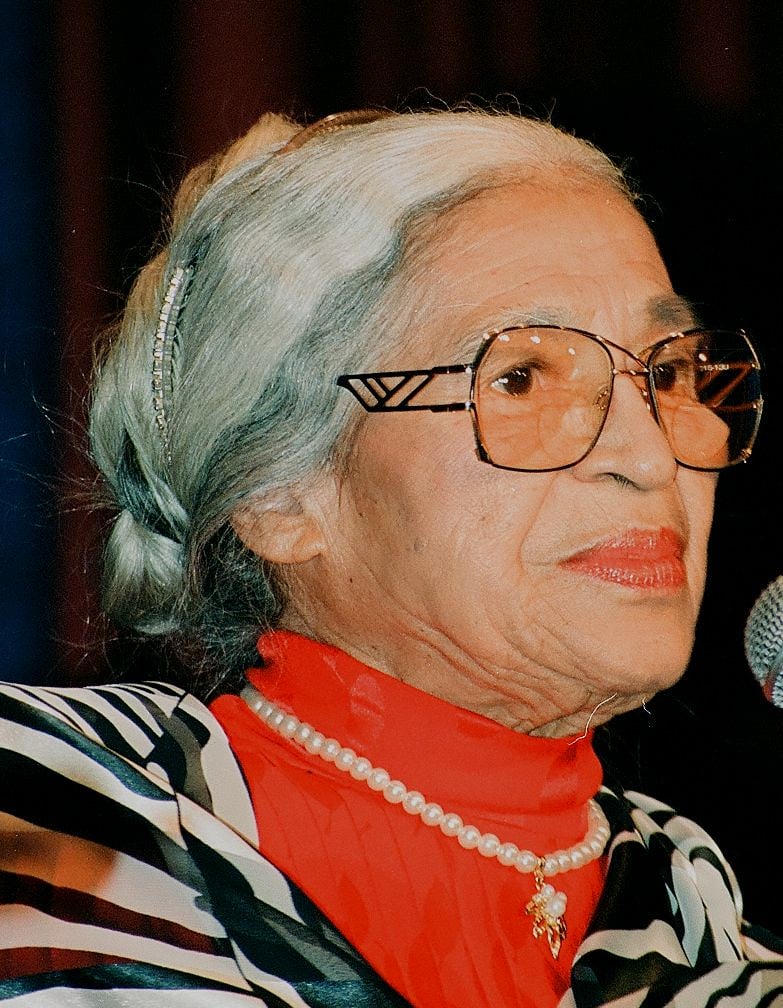
Rosa Parks altered the course of American history when she refused to give up her bus seat to a white passenger in Montgomery, Alabama in 1955. Her simple yet profound act of defiance violated local segregation laws but ignited the Montgomery Bus Boycott.
Galileo Galilei
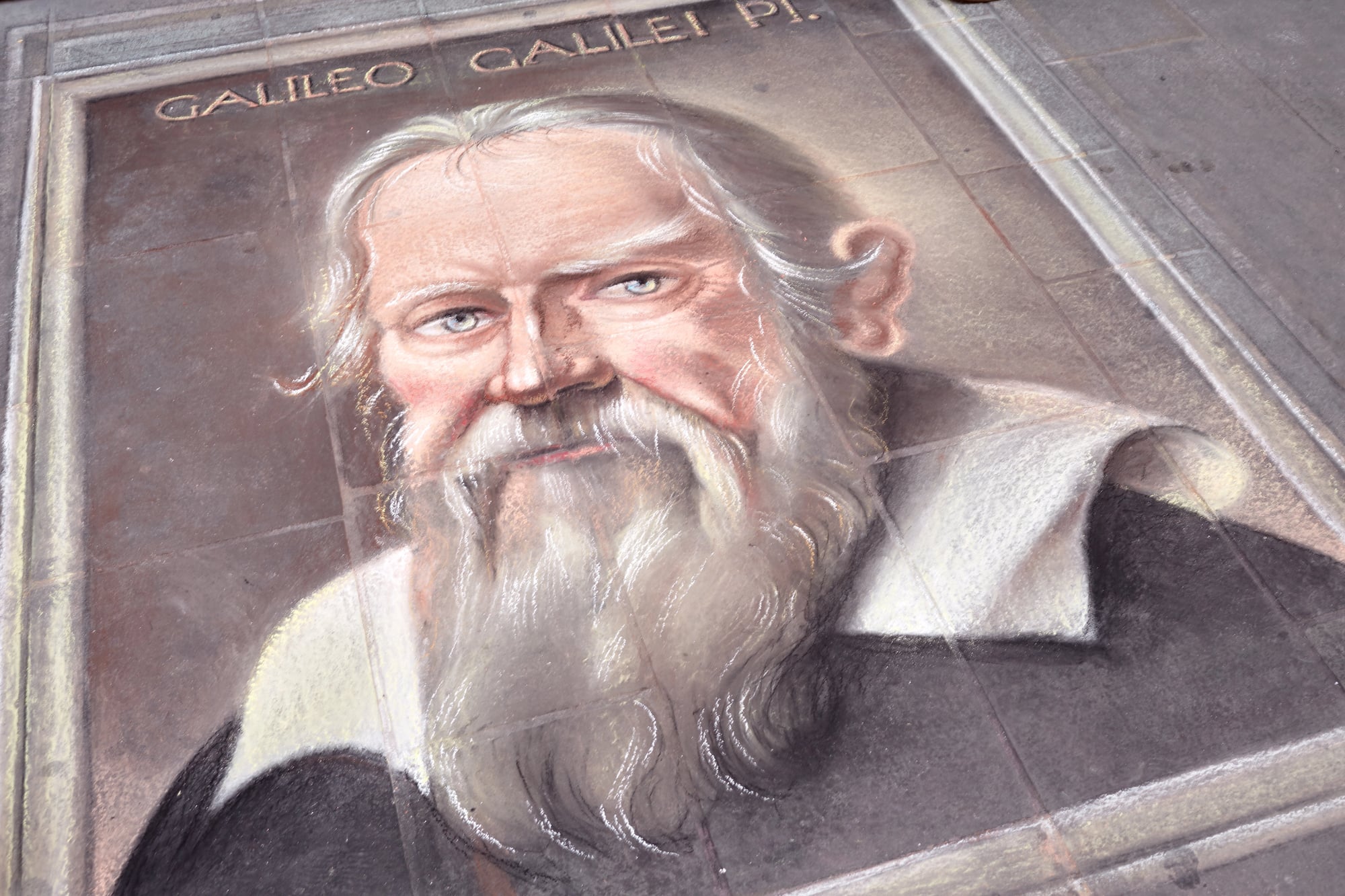
Galileo challenged the Catholic Church’s endorsed geocentric model of the universe by supporting the Copernican theory that Earth revolves around the sun. His observations using telescopes provided evidence that contradicted established doctrine.
Like Go2Tutors’s content? Follow us on MSN.
Marie Curie
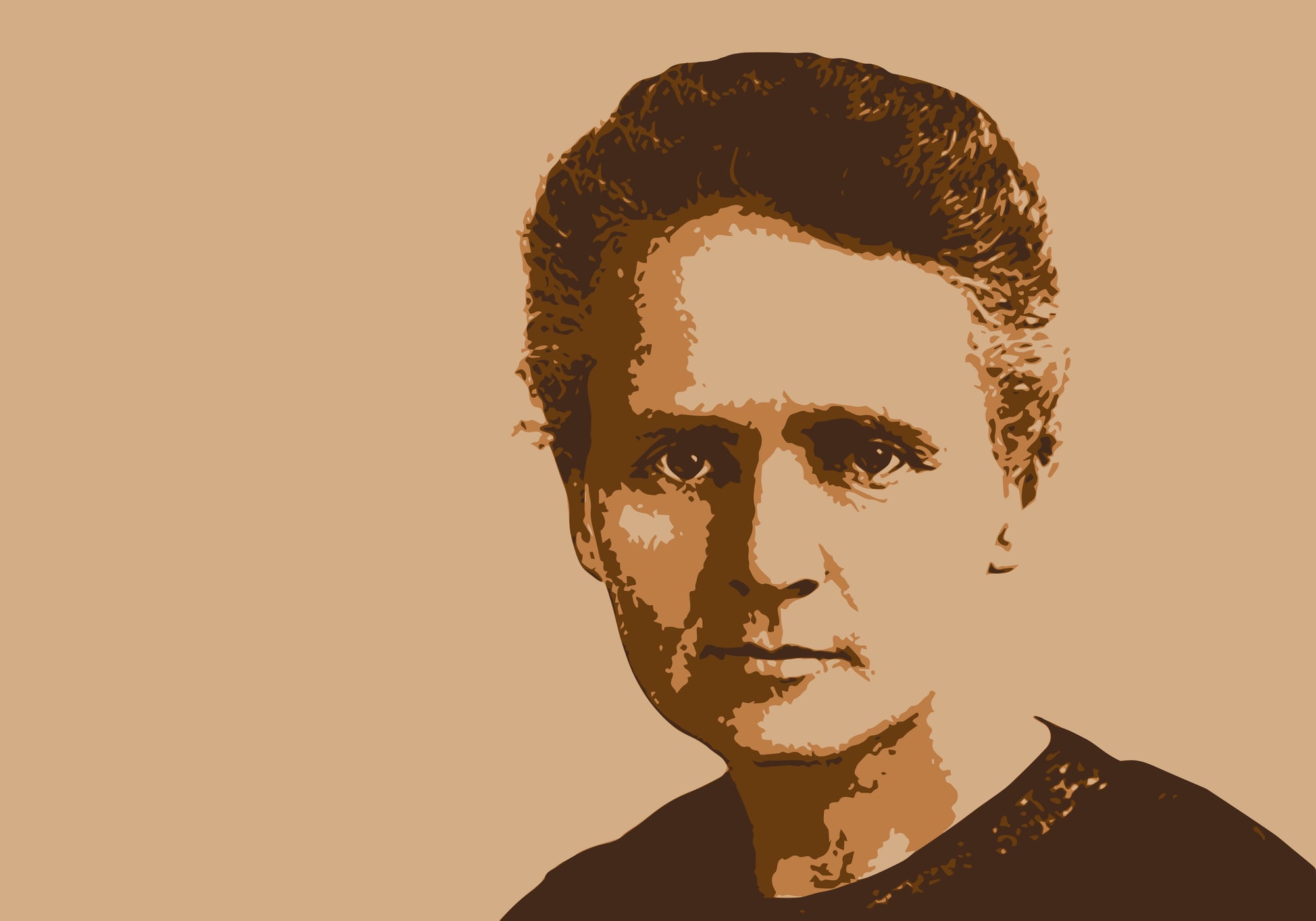
Marie Curie shattered gender barriers in early 20th century science when women were largely excluded from higher education and research positions. She became the first woman to win a Nobel Prize and remains the only person to receive Nobel Prizes in two different scientific fields.
Nelson Mandela
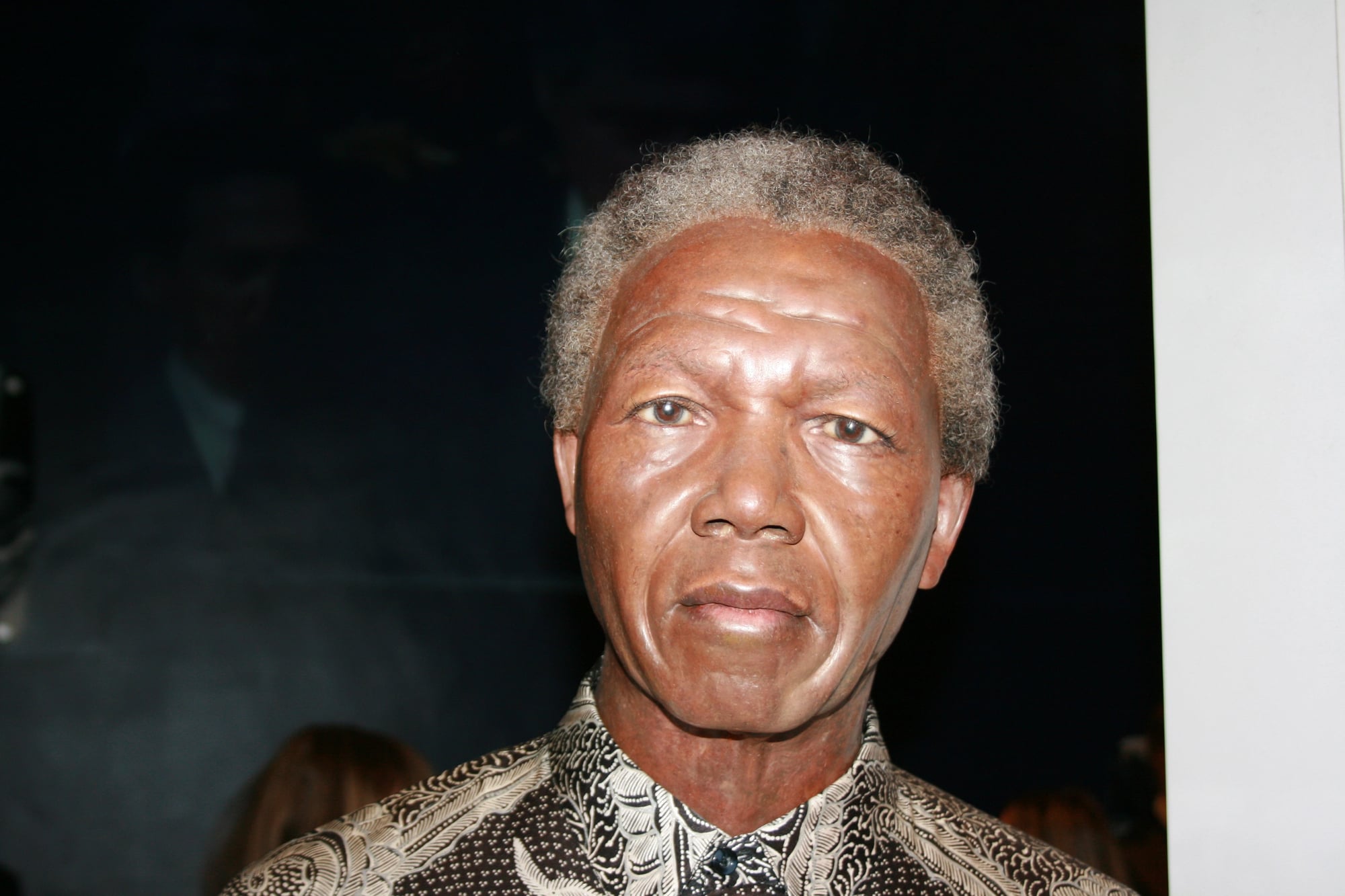
Nelson Mandela fought against South Africa’s apartheid system, spending 27 years in prison for his activism. Rather than accepting the status quo of racial segregation, he continued advocating for equality and reconciliation.
Ada Lovelace
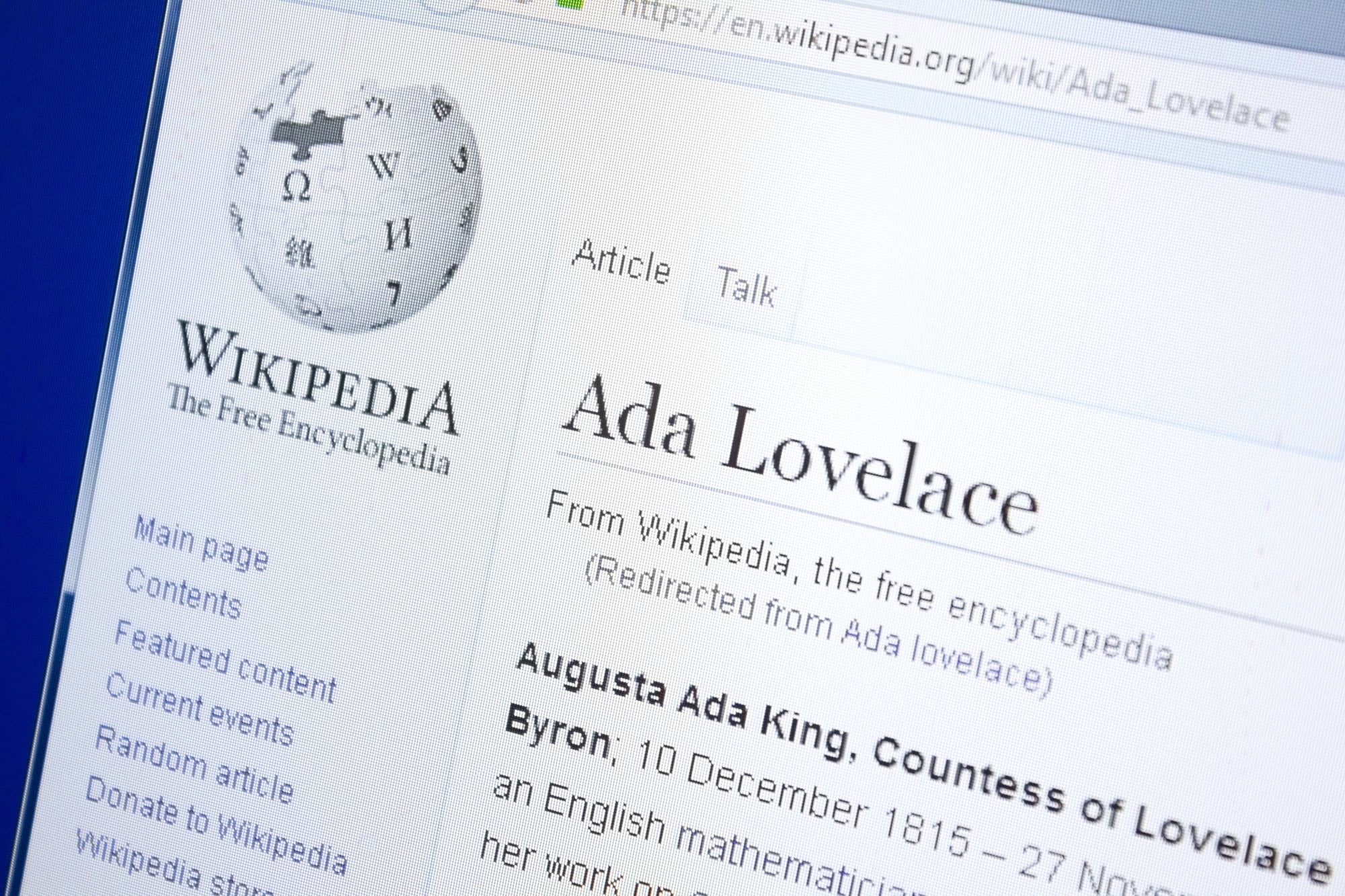
Ada Lovelace broke gender norms in the 1840s by working as a mathematician when women were discouraged from pursuing scientific fields. She wrote the first computer algorithm for Charles Babbage’s Analytical Engine, effectively becoming the world’s first computer programmer.
Like Go2Tutors’s content? Follow us on MSN.
Mahatma Gandhi
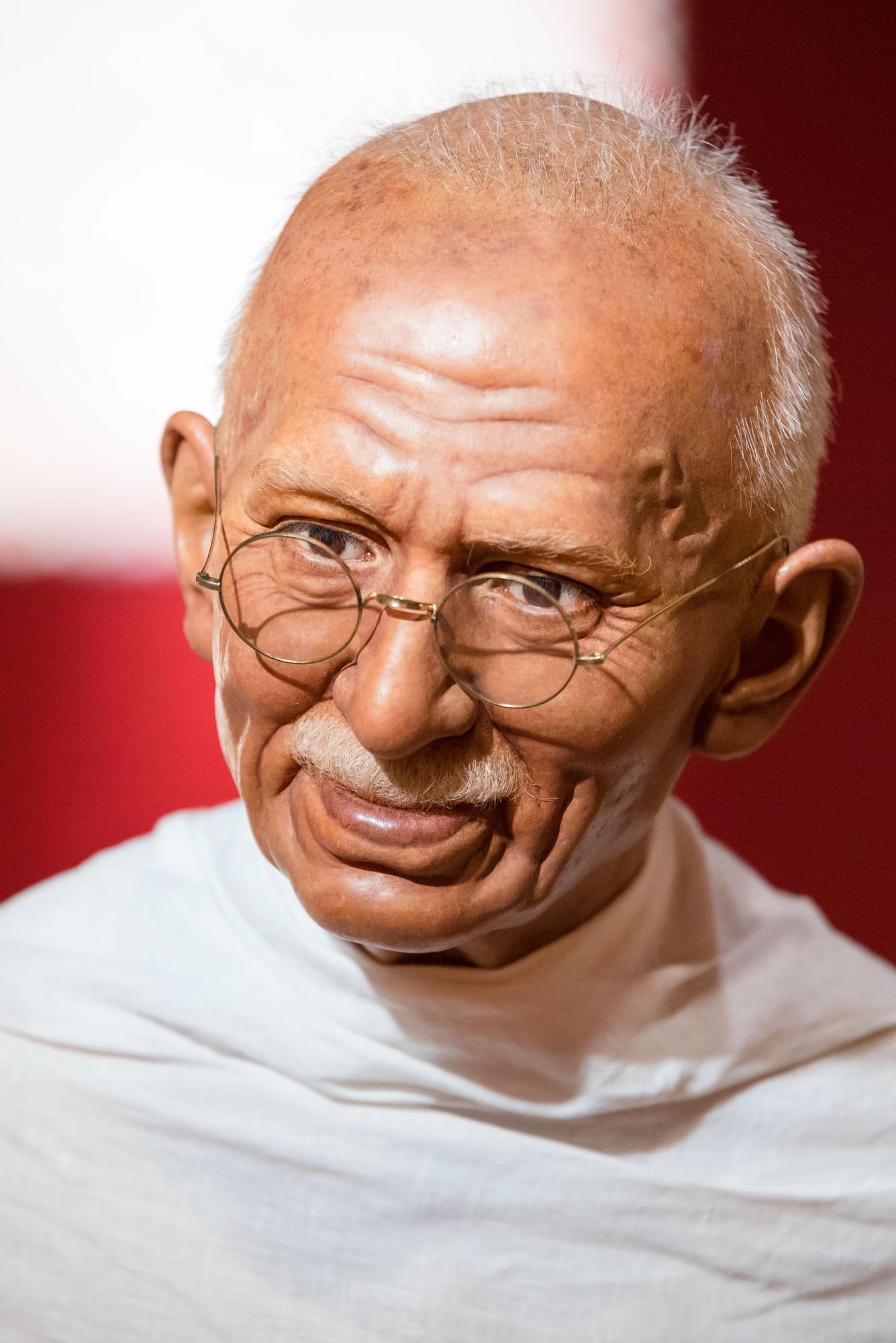
Mahatma Gandhi developed non-violent civil disobedience as a means to challenge British colonial rule in India. His Salt March openly defied British salt taxes, inspiring millions to join peaceful resistance movements.
Steve Jobs
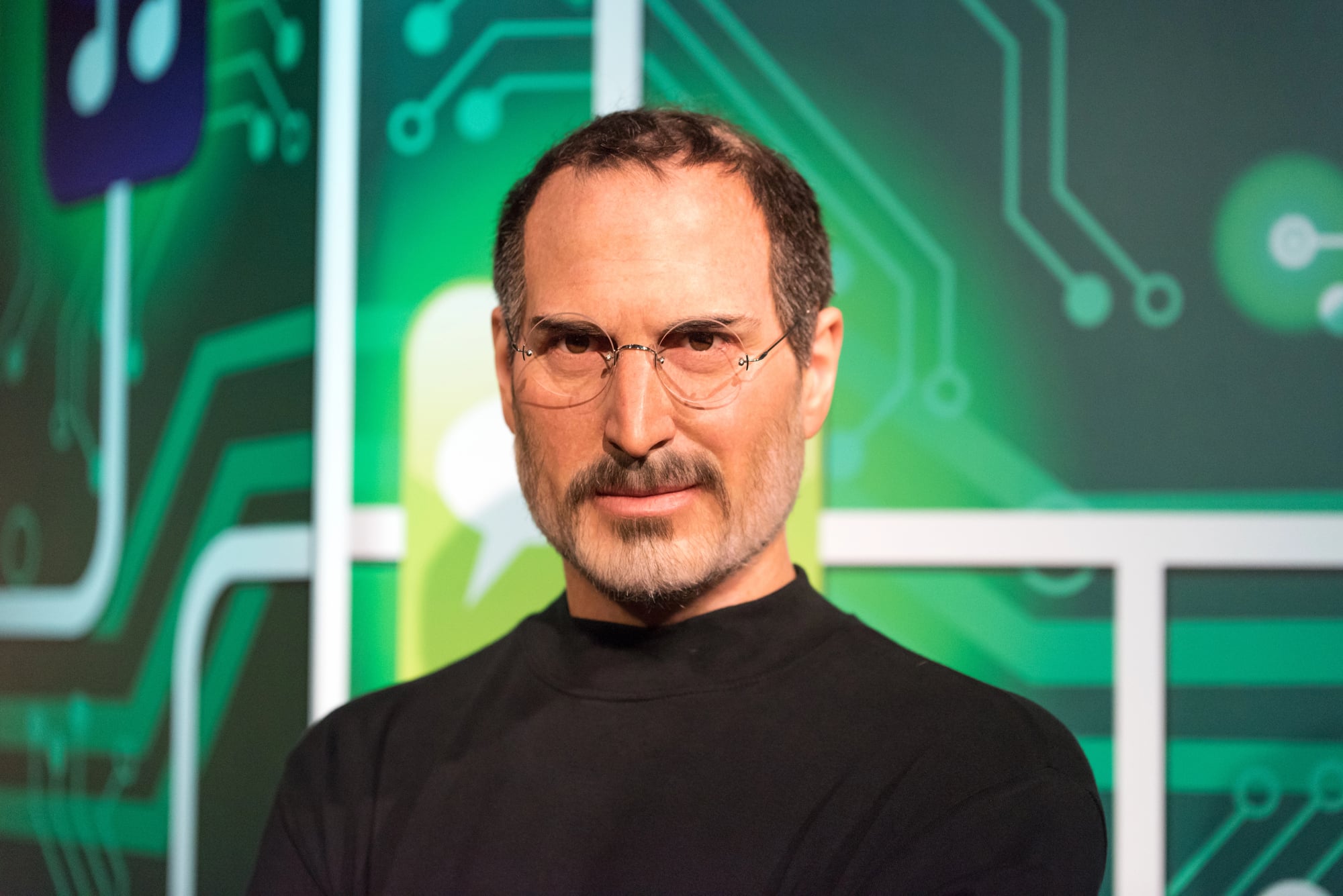
Steve Jobs revolutionized multiple industries by rejecting conventional product development approaches. After being forced out of Apple, the company he co-founded, Jobs returned to save it from near-bankruptcy.
Malala Yousafzai
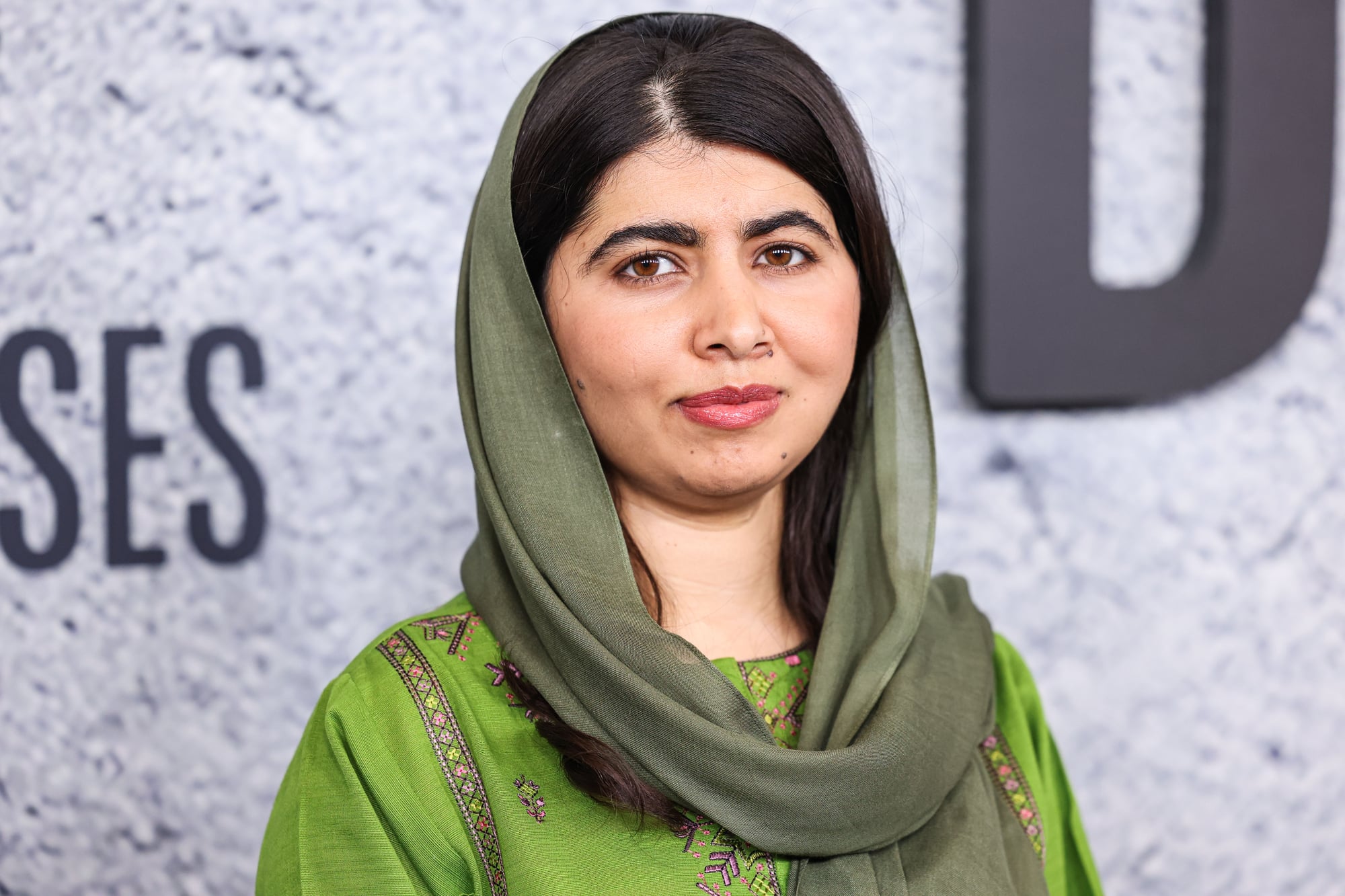
Malala Yousafzai defied Taliban prohibitions against girls’ education in Pakistan, continuing to attend school and documenting her experiences in a blog. After surviving an assassination attempt at age 15, she became a global advocate for female education.
Like Go2Tutors’s content? Follow us on MSN.
Martin Luther King Jr.
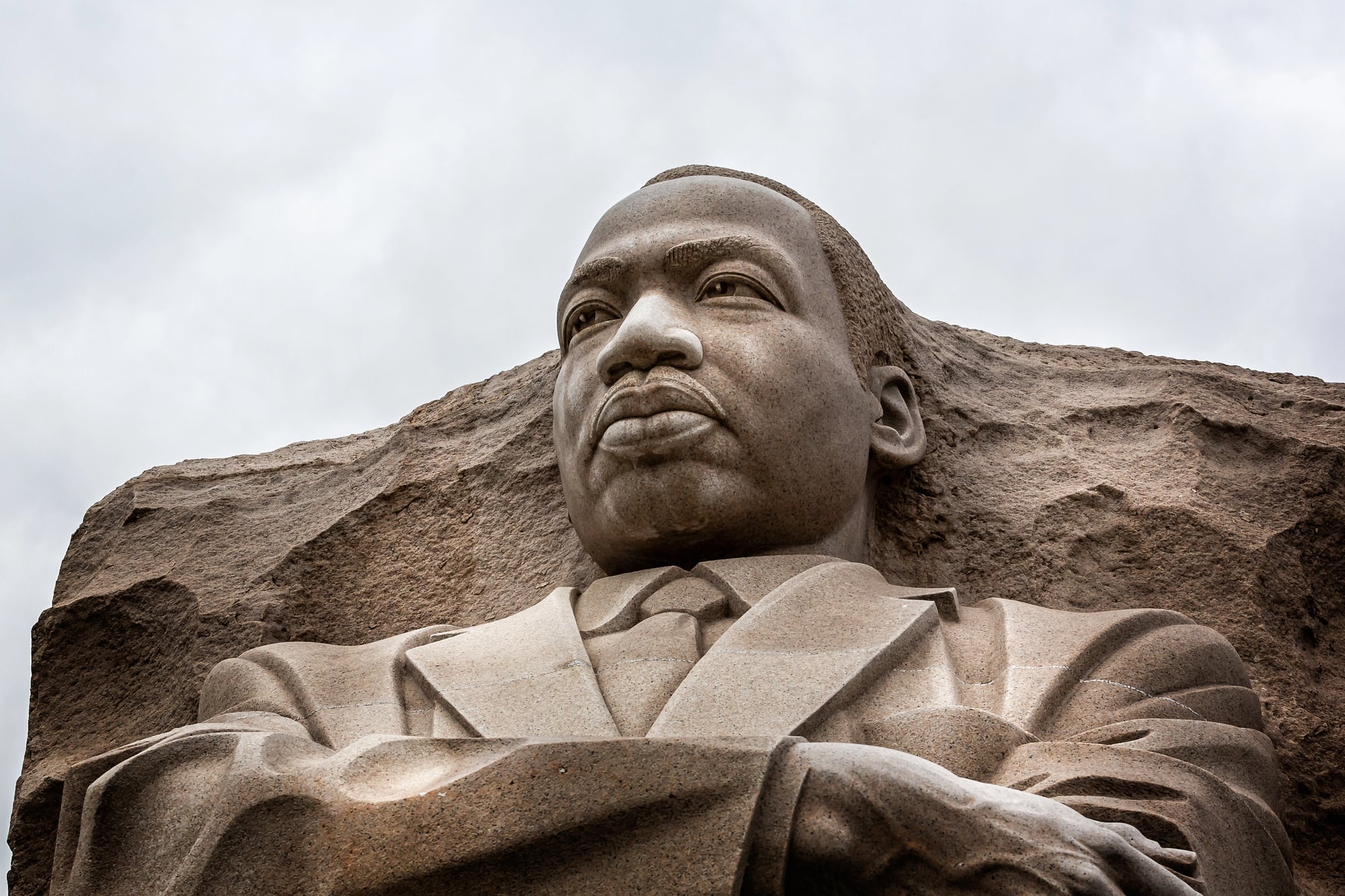
Martin Luther King Jr. challenged segregation through organized non-violent resistance when violence was the expected response to racial injustice. His leadership during the Montgomery Bus Boycott and the March on Washington helped secure landmark civil rights legislation.
Albert Einstein
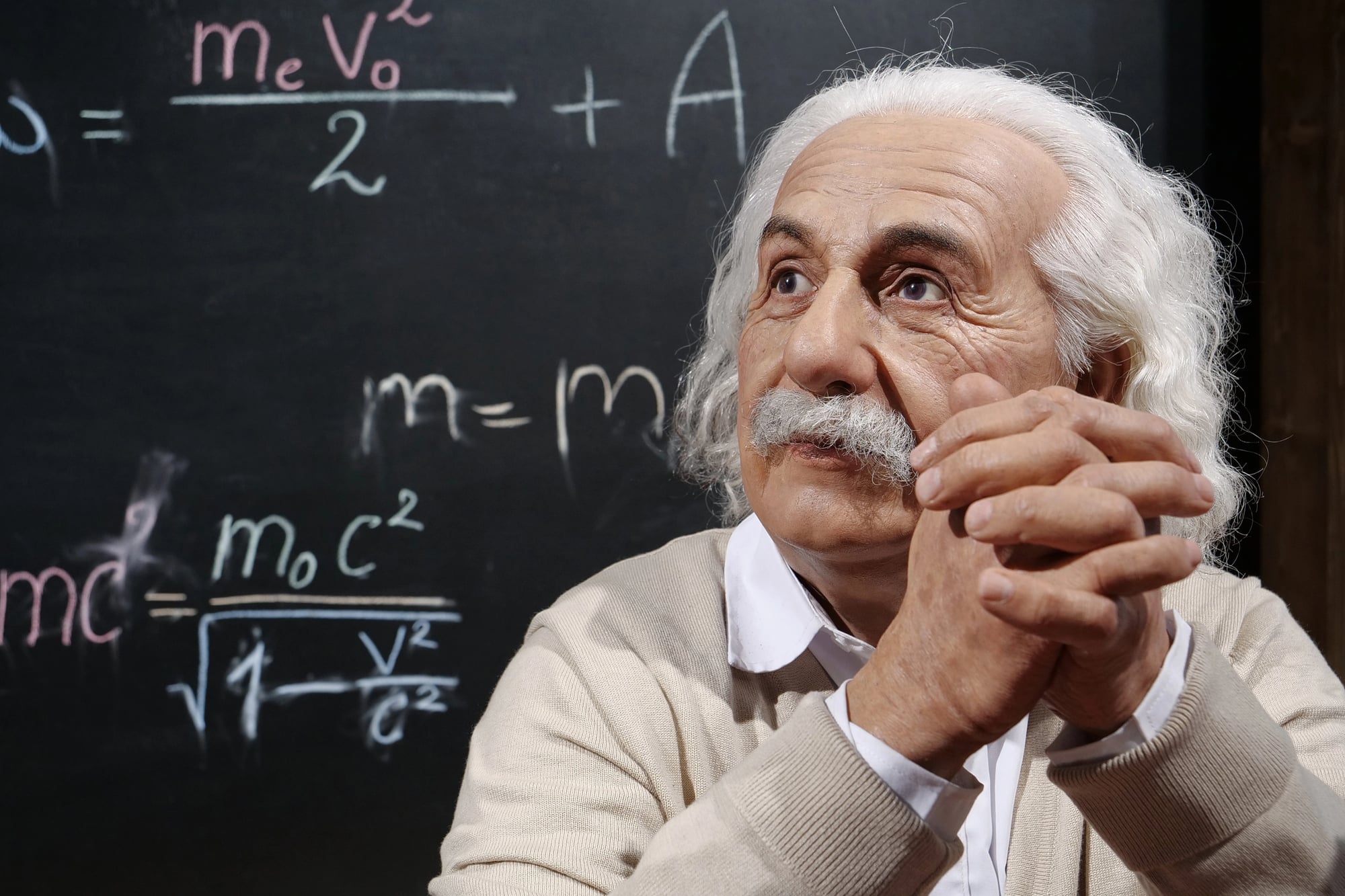
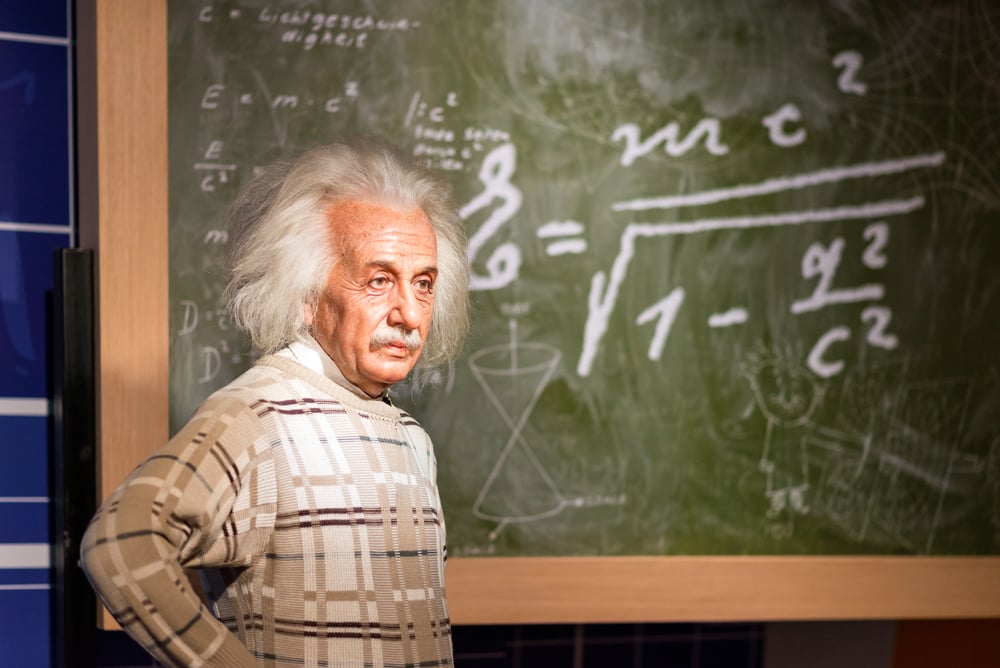
Albert Einstein upended fundamental assumptions about space, time, and gravity that had stood unchallenged since Newton. His special and general theories of relativity seemed to contradict common sense but accurately explained phenomena that classical physics could not.
Florence Nightingale
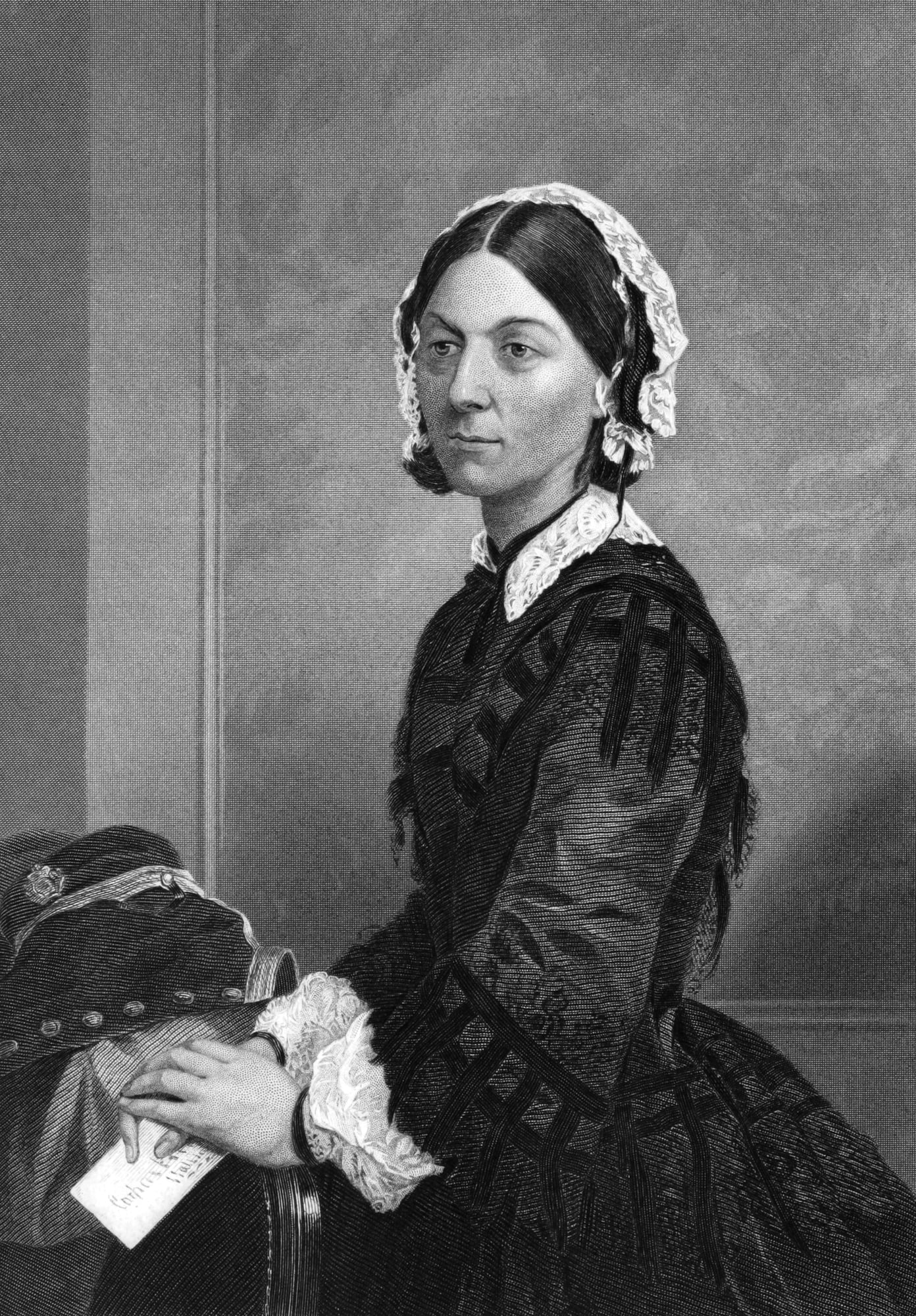
Florence Nightingale transformed nursing from a low-status occupation into a respected profession based on scientific principles. During the Crimean War, she defied military authorities to improve sanitation and care standards, dramatically reducing mortality rates.
Like Go2Tutors’s content? Follow us on MSN.
Muhammad Ali
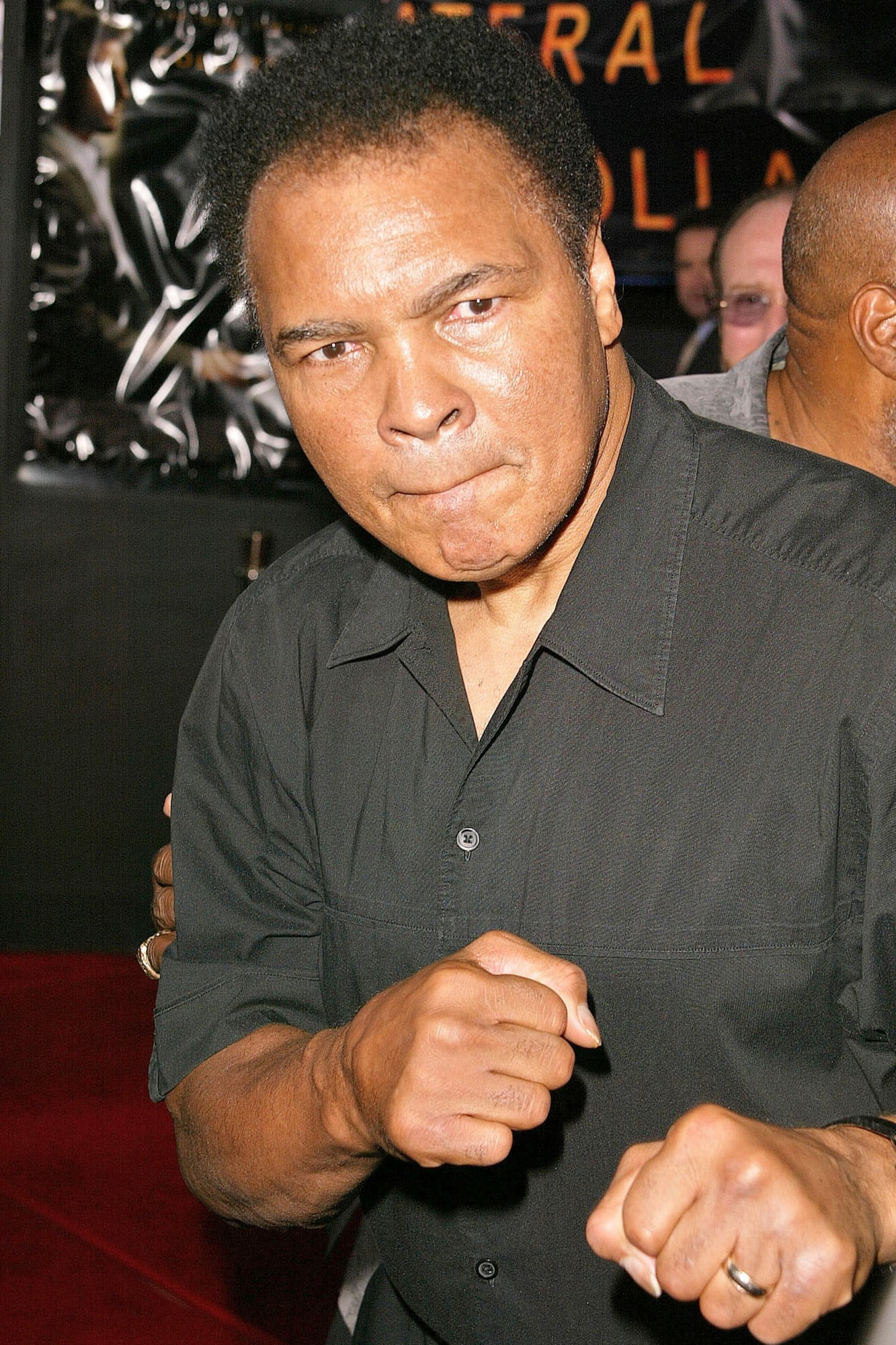
Muhammad Ali refused military induction during the Vietnam War based on religious convictions, despite knowing he would face imprisonment and lose his heavyweight boxing title. His stance against the war came at enormous professional cost during his prime athletic years.
Marie Stopes
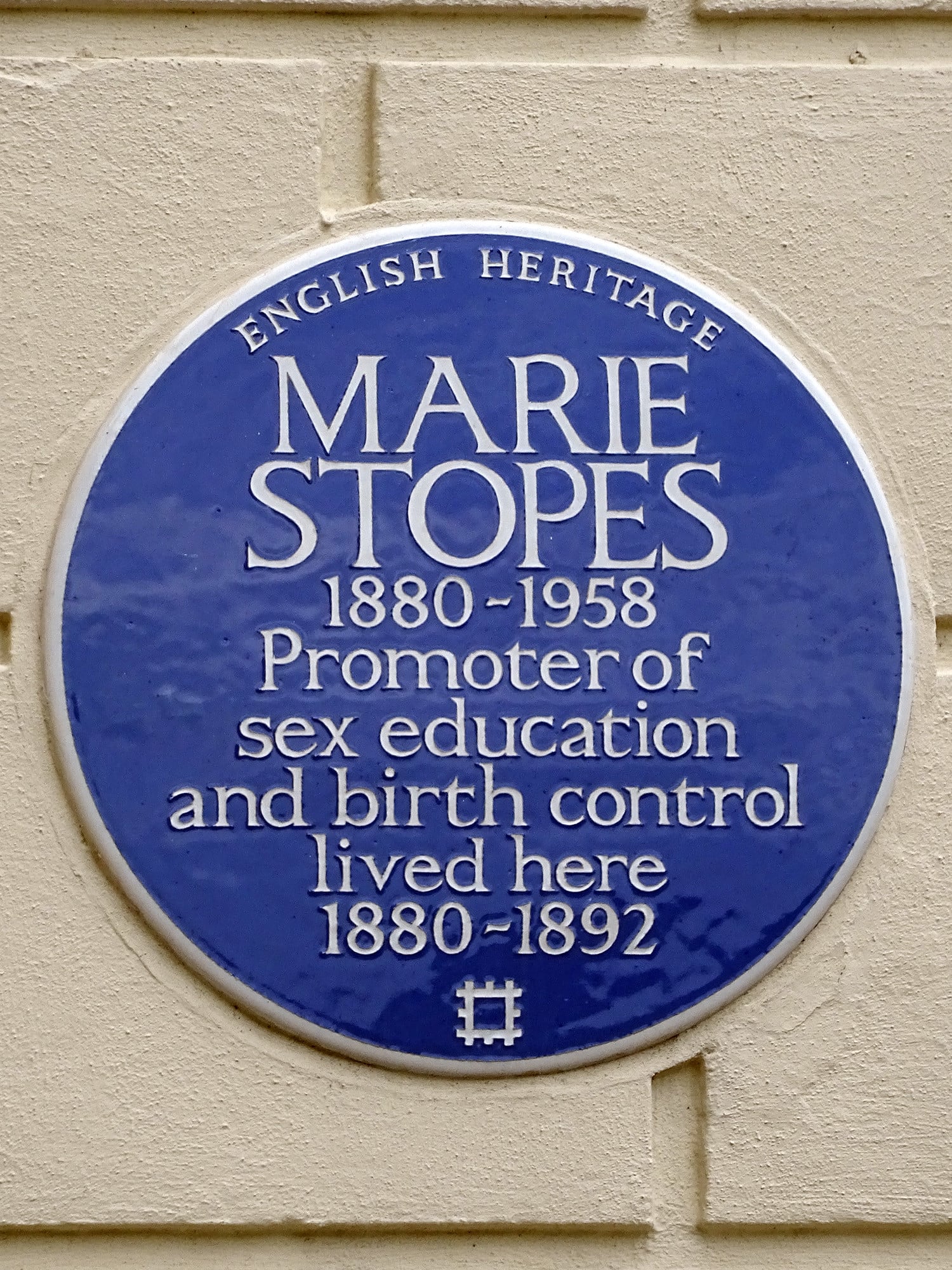
Marie Stopes challenged Victorian-era taboos by providing information about family planning when discussing such topics was illegal. Her book Married Love and the birth control clinics she established gave women unprecedented reproductive autonomy.
Nikola Tesla
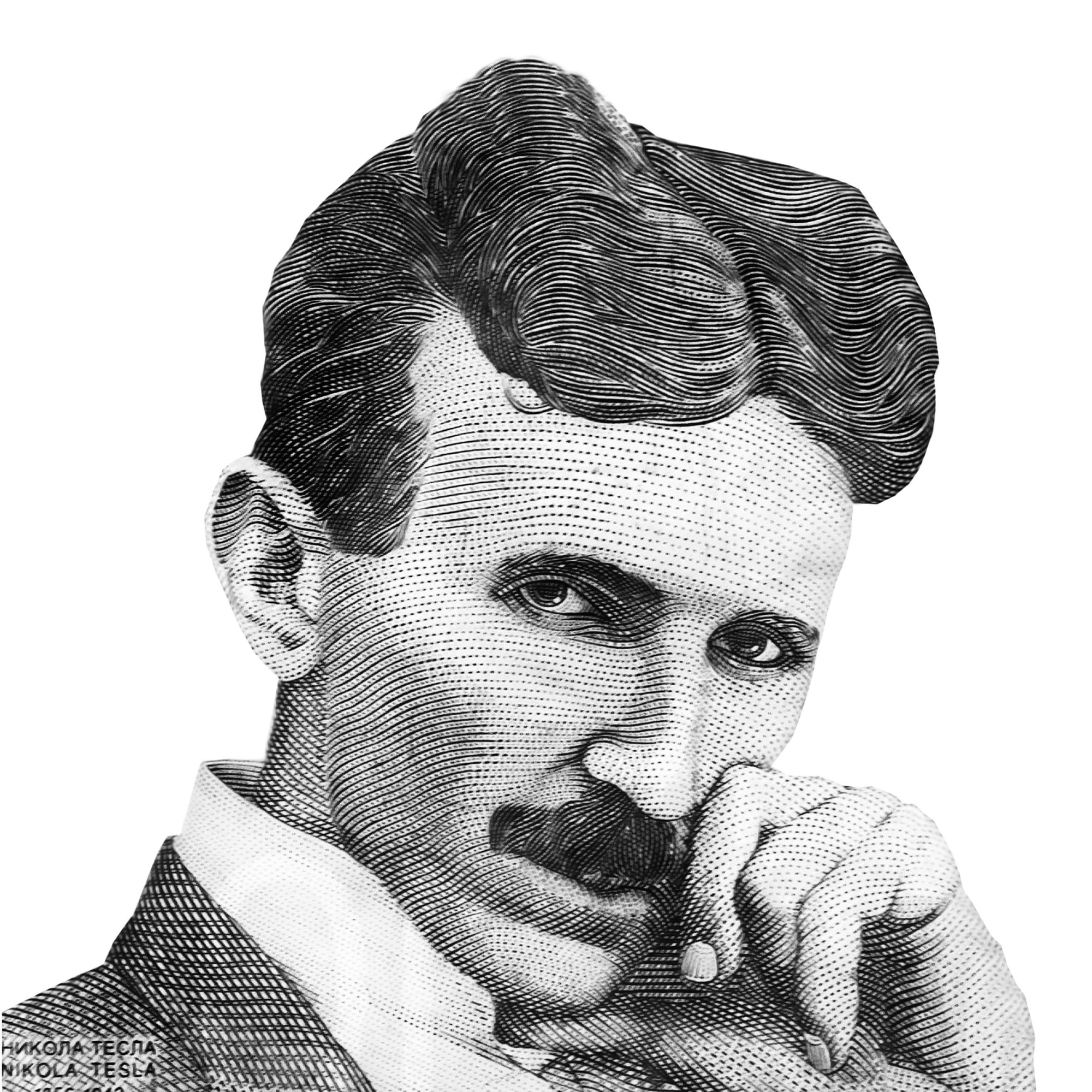
Nikola Tesla pioneered alternating current (AC) electrical systems against fierce opposition from Thomas Edison, who promoted direct current (DC). Despite Edison’s campaign to discredit AC as dangerous, Tesla demonstrated its superior efficiency for power transmission.
Like Go2Tutors’s content? Follow us on MSN.
Emmeline Pankhurst
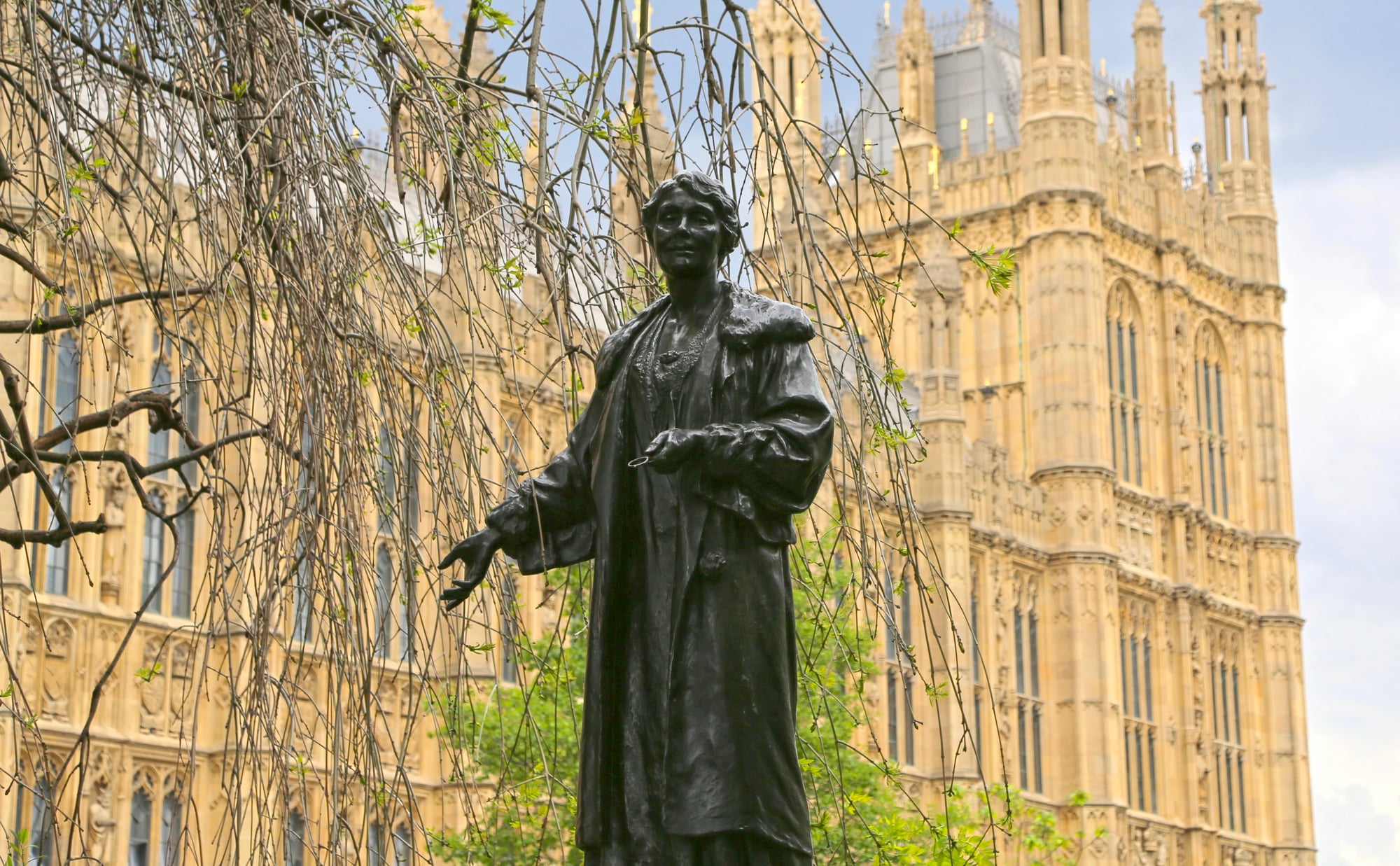
Emmeline Pankhurst led the British suffragette movement using radical tactics when peaceful advocacy for women’s voting rights had proven ineffective. Her organization’s window-breaking campaigns, hunger strikes, and public demonstrations were considered shocking at the time.
The Power of Constructive Rebellion
These fifteen individuals demonstrate that meaningful progress often requires challenging entrenched systems rather than working within their limitations. Their legacies remind us that rules sometimes exist to maintain outdated power structures rather than serve humanity’s best interests.
What these change-makers share isn’t just courage but the vision to imagine how things could be different if only someone dared to break the rules for the right reasons.
More from Go2Tutors!

- 18 Unexpectedly Valuable Collectibles You Might Have Lying Around
- 20 Little-Known Historical Battles That Had Huge Consequences
- 20 Historical Artifacts That Scientists Can’t Explain
- 15 Inventions That Were Immediately Banned After Being Created
- 20 Actors Who Were Almost Cast in Iconic Roles
Like Go2Tutors’s content? Follow us on MSN.



