Bizarre Foods From Medieval Times
Medieval people ate things that would make most modern diners gag. Some of these dishes emerged from necessity during lean times.
Others came from a completely different understanding of what counted as food. The wealthy displayed their status through elaborate dishes that prioritized spectacle over taste.
And everyone had a much higher tolerance for flavors and textures that you’d probably refuse to try. These weren’t exotic delicacies served at specialty restaurants.
They were everyday meals for millions of people.
Peacock Redressed in Its Own Feathers

At banquets, the nobility enjoyed serving roasted peacock, but they did more than simply cook and serve the bird. Before roasting the meat, cooks carefully removed the skin and feathers, then sewed everything back onto the cooked bird.
The peacock appeared at the table as if still alive, often with its tail fanned out in full display. Sometimes they went further and gilded the beak with gold leaf or stuffed the throat with wool soaked in spirits so they could light it on fire for dramatic effect.
Nobody seemed to care that the meat itself tasted awful—dry and gamey. The goal was to flaunt wealth and skilled kitchen personnel.
Porpoise and Whale as Lenten Fare

The Catholic Church forbade eating meat during Lent, but fish was allowed. Because they were aquatic animals, medieval theologians determined that whales, dolphins, and porpoises qualified as fish.
This classification lets people technically follow religious rules while eating mammals. Porpoise meat was expensive and considered a delicacy among those who could afford it.
Cookbooks from the period include recipes for porpoise roasted with elaborate sauces. The logic was absurd but convenient, and nobody in power questioned it.
If you were wealthy enough to consume meat during Lent, you simply reinterpreted what meat meant.
Lamprey Pies for Kings
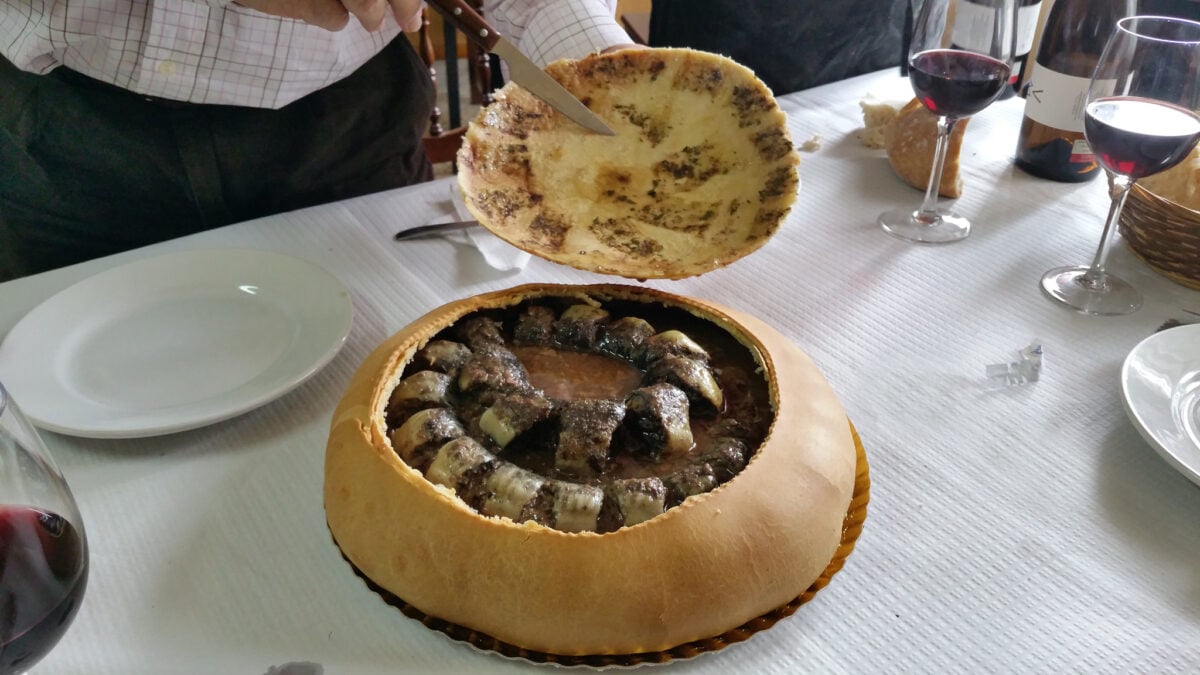
Lampreys are jawless fish that look like eels crossed with nightmares. They have circular mouths filled with rings of teeth, and they feed by latching onto other fish and sucking their blood.
Medieval nobility loved them. King Henry I of England supposedly died from eating too many lampreys in 1135.
That didn’t stop later monarchs from demanding them. Lamprey pies remained popular among the wealthy through the medieval period and beyond.
The city of Gloucester still sends lamprey pies to British royalty on special occasions, though these days it’s more symbolic than culinary. Modern tastes have moved on, but for centuries, these parasitic fish were fit for kings.
Cockatrice: The Mythical Roast

Cooks created a cockatrice by sewing the front half of a pig to the back half of a chicken, or sometimes the other way around. After stitching the two animals together, they roasted the combined creature and served it as if it were a single beast from mythology.
This dish existed purely for visual impact at feasts. The meat was just pork and poultry, nothing special.
But the presentation amazed guests and demonstrated the skill of the kitchen staff. Creating a believable cockatrice required careful butchering, precise sewing, and roasting at temperatures that worked for both types of meat.
The more convincing the result, the more impressive the host.
Frumenty With Venison

Frumenty was a porridge made from cracked wheat boiled in milk or broth. People ate it regularly as a basic staple, but the wealthy version included expensive additions like saffron, almonds, and egg yolks.
For special occasions, cooks served it alongside venison or other game meats. The combination of sweet, spiced grain porridge with savory roasted meat seems odd now, but medieval cuisine didn’t separate sweet and savory the way modern cooking does.
You’d find sugar in meat dishes and meat in desserts. Frumenty with venison was high-status food because both wheat and hunting rights were privileges of the wealthy.
Everyone else ate their porridge plain if they ate it at all.
Umble Pie and Social Class

Deer offal—the heart, liver, kidneys, and other organs—was called “umbles” in medieval England. After noblemen hunted deer and took the prime cuts, servants got the offal.
They baked these organs into pies, creating “umble pie.” This is where the phrase “eating humble pie” comes from, though the spelling changed over time.
The dish marked you as lower class, someone who got the leftovers while others feasted on venison roasts. The pie itself was edible and probably nutritious, but it carried a social stigma.
Food wasn’t just about calories. It was a marker of where you stood in the hierarchy.
Blancmange as Medieval Fine Dining

Medieval blancmange bore no resemblance to the modern pudding. This version combined shredded chicken with rice, almond milk, and sugar into a thick, pale paste.
Cooks sometimes added rose water or other flavorings. The name comes from “blanc manger,” meaning white food.
The pale color was essential because it demonstrated purity and refinement. Achieving that white appearance took effort—you had to use only chicken breast meat and strain everything carefully.
Like many medieval dishes, the difficulty of preparation mattered more than the taste. Wealthy households served blancmange to prove they could afford the ingredients and the skilled cooks needed to make it.
Jellied Everything

Meat jellies appeared at nearly every medieval feast. Cooks boiled animal bones and connective tissue for hours to extract collagen, which turned into gelatin when cooled.
They suspended pieces of meat, fish, or vegetables in this jelly and served it cold. The process required time and resources that most people didn’t have.
Creating clear, firmly set jelly took skill. Wealthy households served elaborate jellied dishes molded into decorative shapes or layered with different colored jellies.
The wiggling translucent mass on your plate proved your host had the money and kitchen staff to spend days preparing food that was mostly water and gelatin.
Blackbird Pie and Live Reveals

The nursery rhyme about four-and-twenty blackbirds baked in a pie was based on actual medieval practice. Cooks constructed large pies with thick crusts, baked them empty, then filled them with live birds through a small opening in the bottom.
When someone cut into the pie at the table, birds flew out. Sometimes they used frogs instead of birds.
The live animals served no purpose except surprise and entertainment. Guests would react with amazement, and the host gained status for the elaborate presentation.
After the spectacle, servants brought out actual food to eat. The pie with live animals was pure theater, which mattered more than nutrition at noble feasts.
Mortrew: Pounded Pork and Breadcrumbs

Mortrew combined ground pork with breadcrumbs, eggs, and saffron, pounded into a thick paste and cooked until it set firm. Think of it as a medieval meatloaf, but denser and more expensive because of the saffron.
This dish appeared regularly at wealthy tables but rarely among common people. Saffron cost more than gold by weight, so adding it to ground meat was a status symbol.
The actual taste was probably decent—pork, bread, and spices make sense together—but the point was spending money on ingredients that didn’t add much flavor. You ate mortrew to prove you could afford to waste saffron on everyday meat.
Garbage Soup for Servants

“Garbage” in medieval terms meant chicken guts—gizzards, hearts, livers, and feet. Cooks made soup from these scraps for servants and lower-status household members.
The parts that wealthy diners rejected went into the pot with onions, herbs, and whatever vegetables were available. The soup was nutritious and probably tasted fine, but it clearly marked you as someone who didn’t get the good cuts.
Medieval kitchens had strict hierarchies about who ate what. The fact that this dish was actually called “garbage” tells you exactly how people thought about it.
Food inequality was built into the vocabulary.
Hedgehog Baked in Clay

Hedgehog recipes can be found in some medieval cookbooks. The animal was baked in the fire after being wrapped in clay.
When you were finished, the meat that supposedly tasted like pork was left behind after the clay was broken off, taking the spines with it. It’s unclear how many people actually did this.
The recipes exist, but hedgehog was never common food. The clay method made the spines manageable, and it was likely consumed in times of desperation when regular meat was scarce.
Medieval cookbooks often included unusual animal recipes more as curiosities than practical cooking advice. Nevertheless, the fact that someone managed to turn hedgehogs into edible food speaks volumes about the inventiveness of the Middle Ages.
Swan as the Ultimate Status Bird

Similar to peacocks, roasted swans frequently posed dramatically while dressed in their feathers at the biggest medieval feasts. In England, swans were royal birds that belonged to the Crown and were legally protected.
Eating one required royal permission, which meant serving swan at your feast announced that you had connections to the monarchy. The meat was tough, fishy, and unpleasant.
Nobody served swan because it was delicious. You served it because you could, because you had the legal right and social standing to present a royal bird to your guests.
The worse it tasted, the more it proved you valued status over sensible eating.
What Medieval Tables Tell You

These bizarre dishes reveal priorities that don’t make sense to modern eaters. Medieval dining wasn’t mainly about flavor or nutrition.
It was about power, status, and spectacle. The wealthy spent fortunes on ingredients and presentations that impressed guests but tasted mediocre at best.
Common people ate simpler food that probably tasted better—bread, pottage, vegetables, and occasional meat. They couldn’t afford the spices, exotic animals, and elaborate presentations that marked noble tables.
Looking back, their straightforward meals seem more appealing than gilded peacocks and jellied everything. The strangest part is how seriously everyone took these food hierarchies.
What you ate determined who you were. A lamprey pie or a swan redressed in feathers wasn’t just dinner.
It was a statement about your place in the world, served on a platter for everyone to see.
More from Go2Tutors!

- The Romanov Crown Jewels and Their Tragic Fate
- 13 Historical Mysteries That Science Still Can’t Solve
- Famous Hoaxes That Fooled the World for Years
- 15 Child Stars with Tragic Adult Lives
- 16 Famous Jewelry Pieces in History
Like Go2Tutors’s content? Follow us on MSN.



