16 Natural Disasters That Terrified Ancient Civilizations
Ancient civilizations lived at the mercy of nature’s most violent moods. Without modern weather forecasting, seismic monitoring, or emergency response systems, our ancestors faced natural disasters with nothing but their wits and whatever shelter they could find.
These catastrophic events didn’t just destroy cities and claim lives—they shaped entire cultures, inspired religious beliefs, and left lasting marks on human history. From volcanic eruptions that buried entire cities to floods that rewrote geography, these disasters became the stuff of legend.
Here is a list of 16 natural disasters that left ancient civilizations trembling in their wake.
Mount Vesuvius Eruption (79 AD)
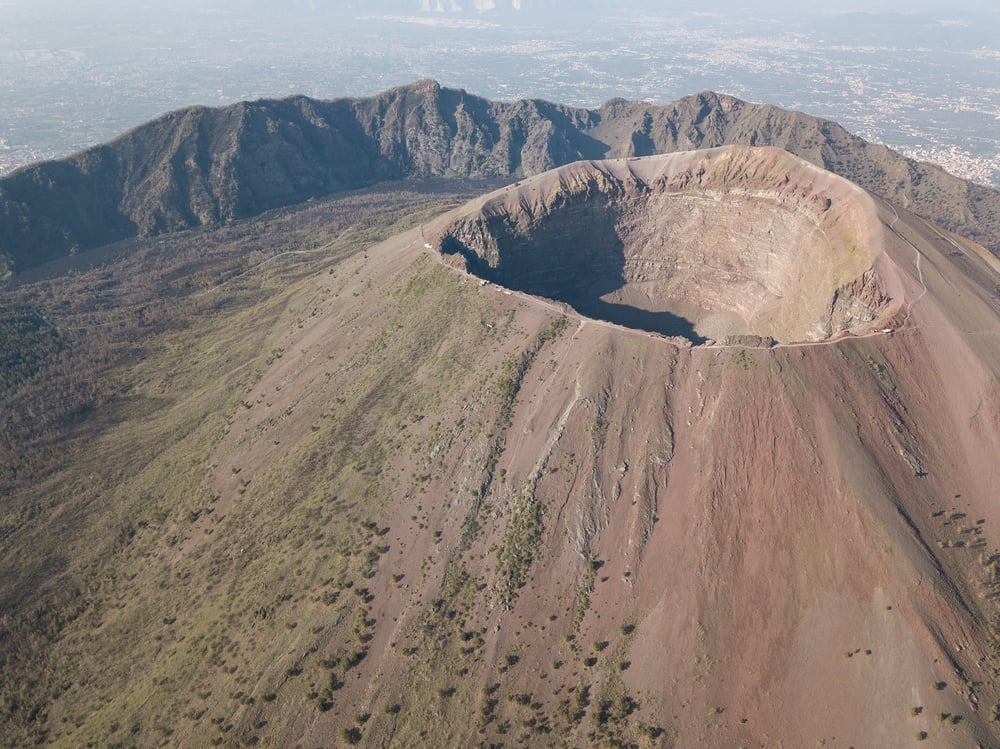
The eruption of Mount Vesuvius remains one of history’s most famous natural disasters, freezing the Roman cities of Pompeii and Herculaneum in time. The volcano spewed ash, pumice, and toxic gases so quickly that residents had no chance to escape, with many preserved exactly as they died.
This catastrophe gave us an unprecedented snapshot of daily Roman life, from perfectly preserved loaves of bread to the final moments of families huddled together.
The Great Flood of China (1931)

Though relatively recent compared to other entries, the 1931 China floods represent the kind of devastating river floods that plagued ancient Chinese civilizations for millennia. The Yangtze, Yellow, and Huai rivers all flooded simultaneously, affecting over 51 million people and reshaping the landscape.
Ancient Chinese dynasties faced similar massive floods that often marked the end of imperial rule, as people interpreted these disasters as signs that rulers had lost the ‘Mandate of Heaven.’
Like Go2Tutors’s content? Follow us on MSN.
Thera Volcanic Eruption (1600 BC)
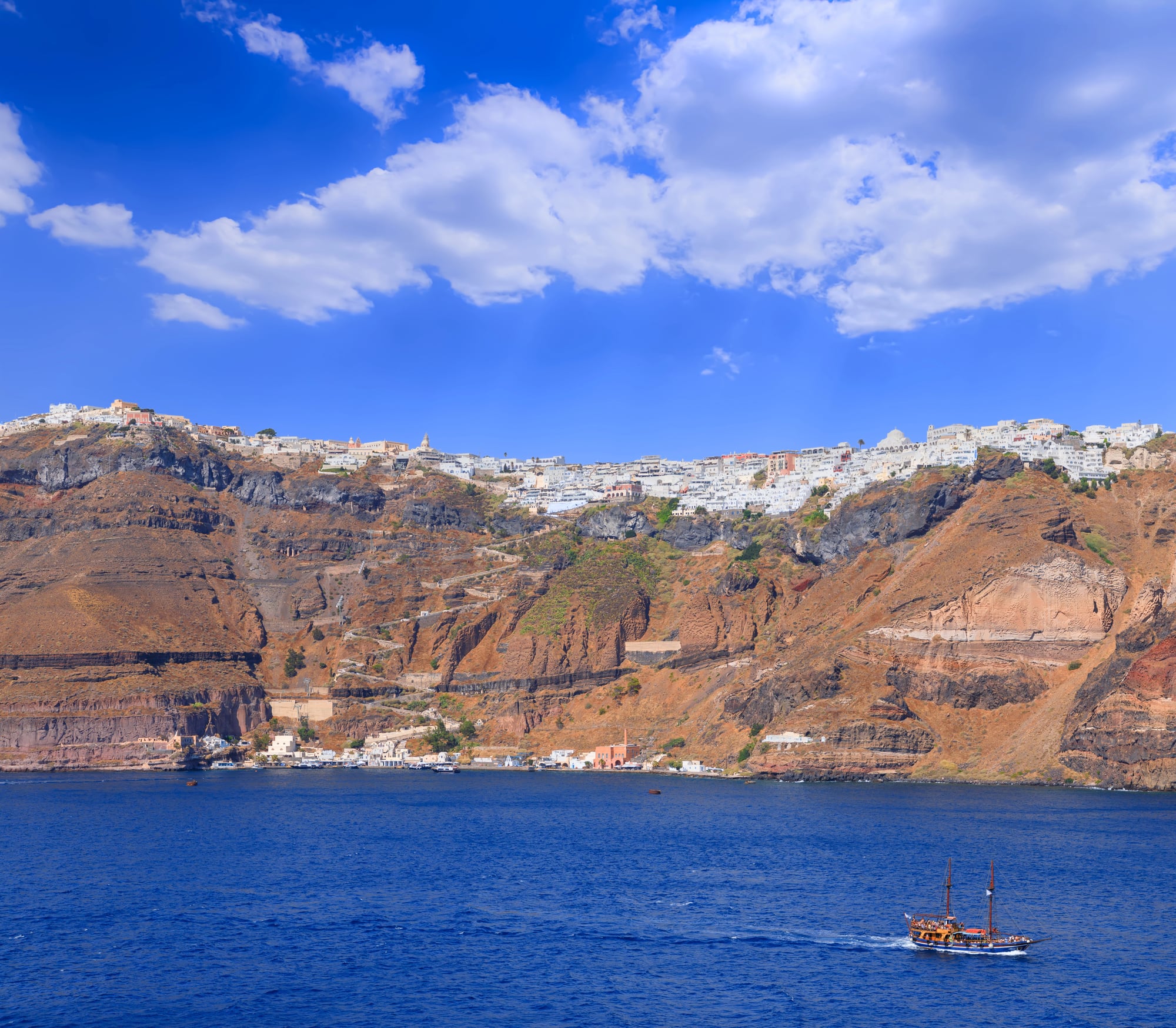
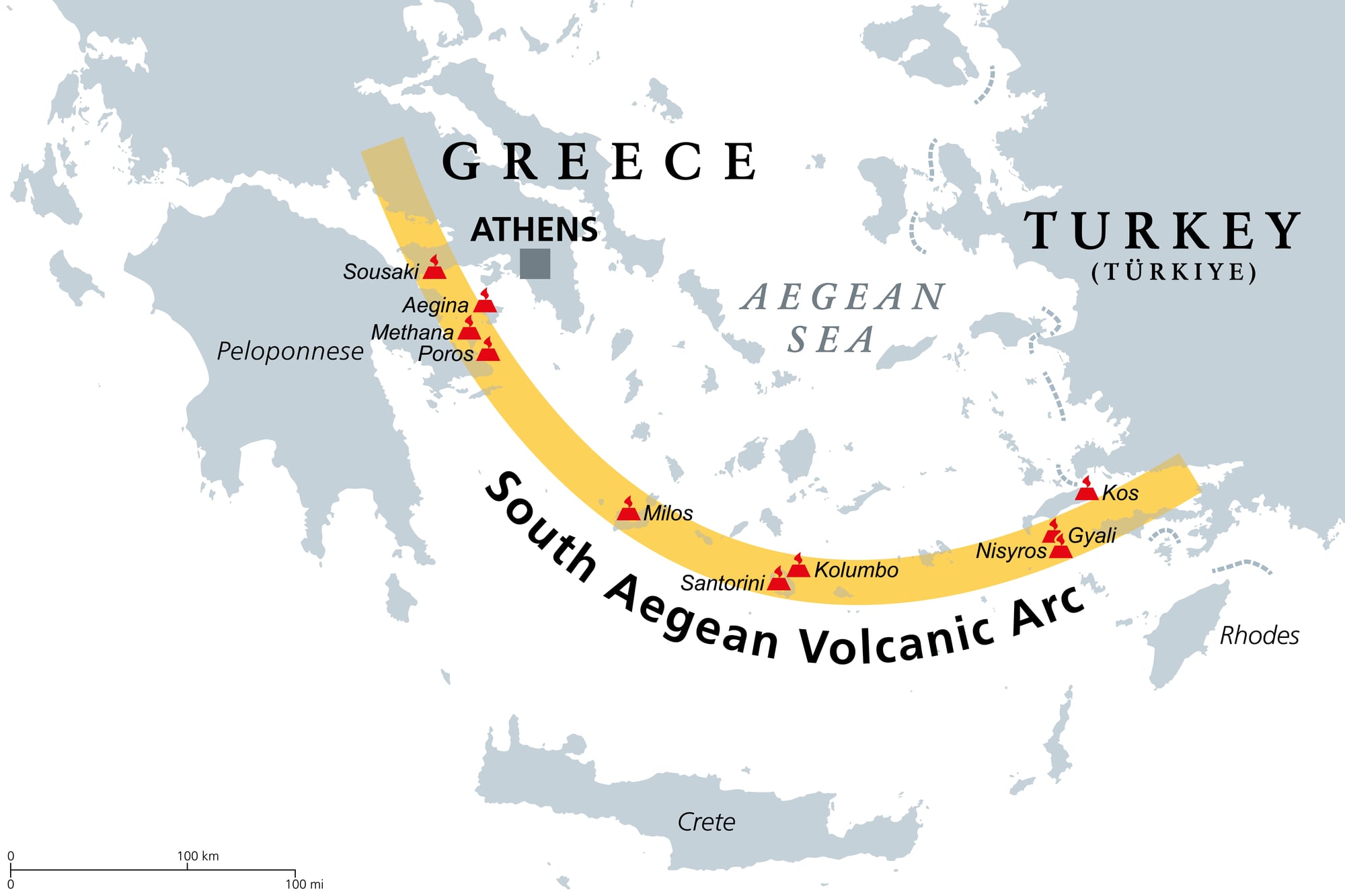
The massive volcanic eruption on the Greek island of Thera (modern-day Santorini) created tsunamis that devastated the Minoan civilization on nearby Crete. This explosion was so powerful it could be heard over 3,000 miles away and ejected enough material to darken skies across the Mediterranean.
Many scholars believe this disaster inspired the legend of Atlantis, as the advanced Minoan culture effectively vanished from history.
The Antioch Earthquakes (526-528 AD)
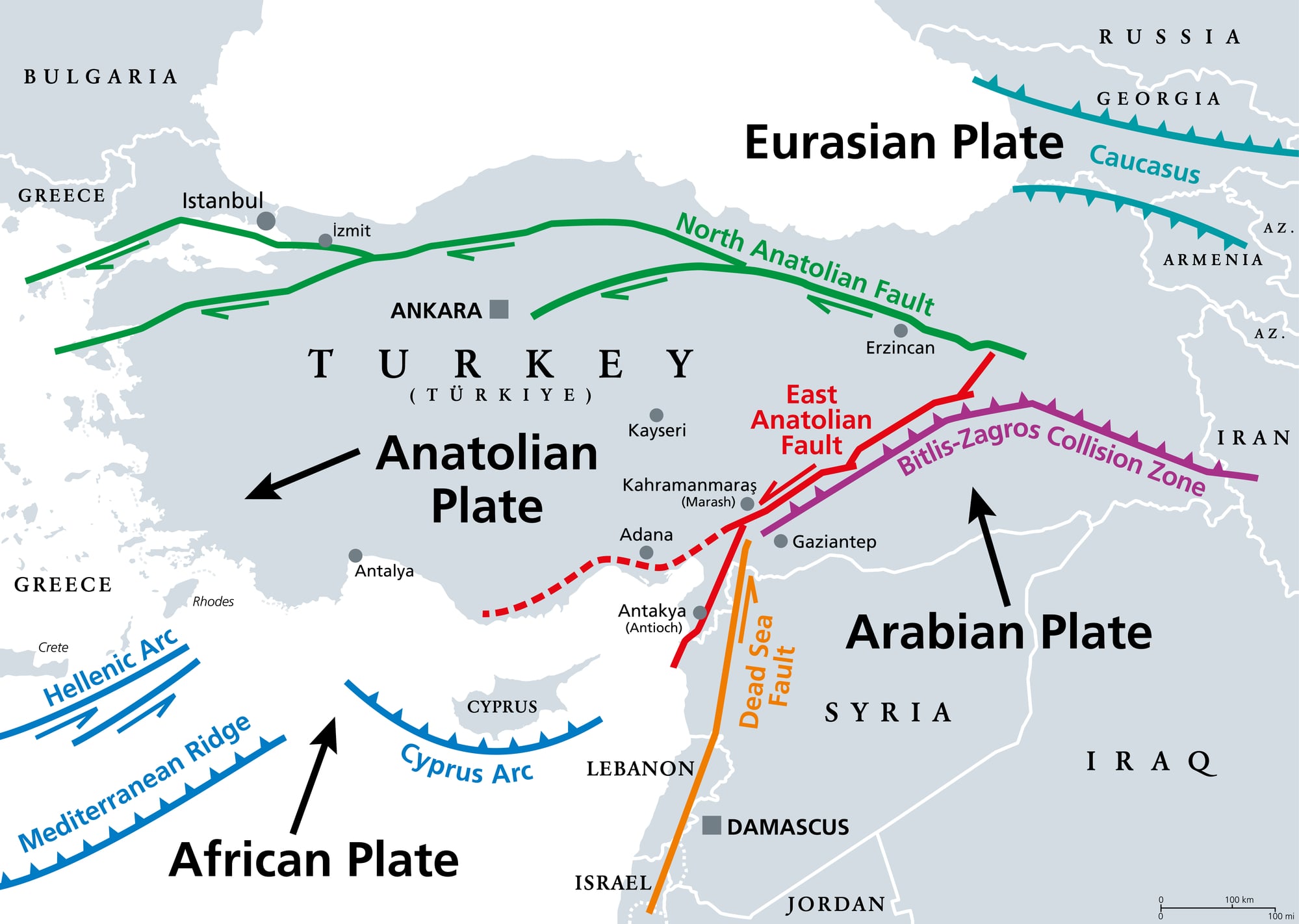
A series of catastrophic earthquakes struck the Byzantine city of Antioch, one of the largest cities in the ancient world. The first quake in 526 AD killed an estimated 250,000 people, while subsequent tremors in 528 AD finished off much of what remained.
These earthquakes marked the beginning of Antioch’s decline from a major center of early Christianity to a shadow of its former self.
Yellow River Flood (1887)

The Yellow River earned its nickname ‘China’s Sorrow’ through centuries of devastating floods, with the 1887 disaster being among the worst in recorded history. The river’s heavy silt load constantly raised its bed, making it prone to breaking through its banks and changing course entirely.
When the dikes finally gave way, the flood affected an area the size of England and left between 900,000 and 2 million people dead.
Like Go2Tutors’s content? Follow us on MSN.
Galveston Hurricane (1900)
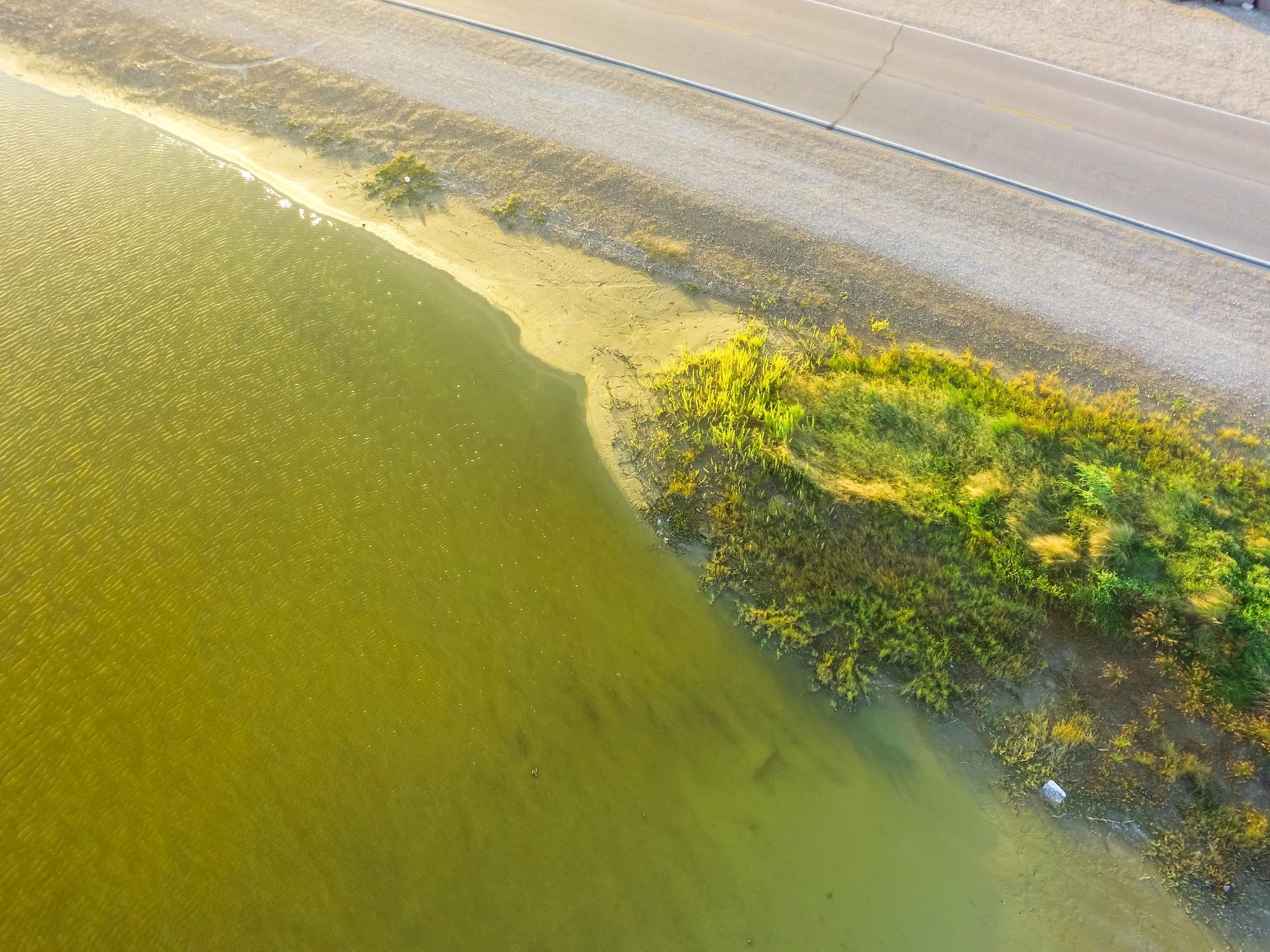
Before modern hurricane tracking, coastal communities lived in constant fear of these massive storms appearing without warning. The Galveston Hurricane struck the Texas coast with winds over 140 mph and a storm surge that submerged the entire city under 15 feet of water.
This disaster killed over 8,000 people and taught Americans hard lessons about the power of hurricanes that ancient coastal civilizations learned repeatedly throughout history.
Lisbon Earthquake (1755)
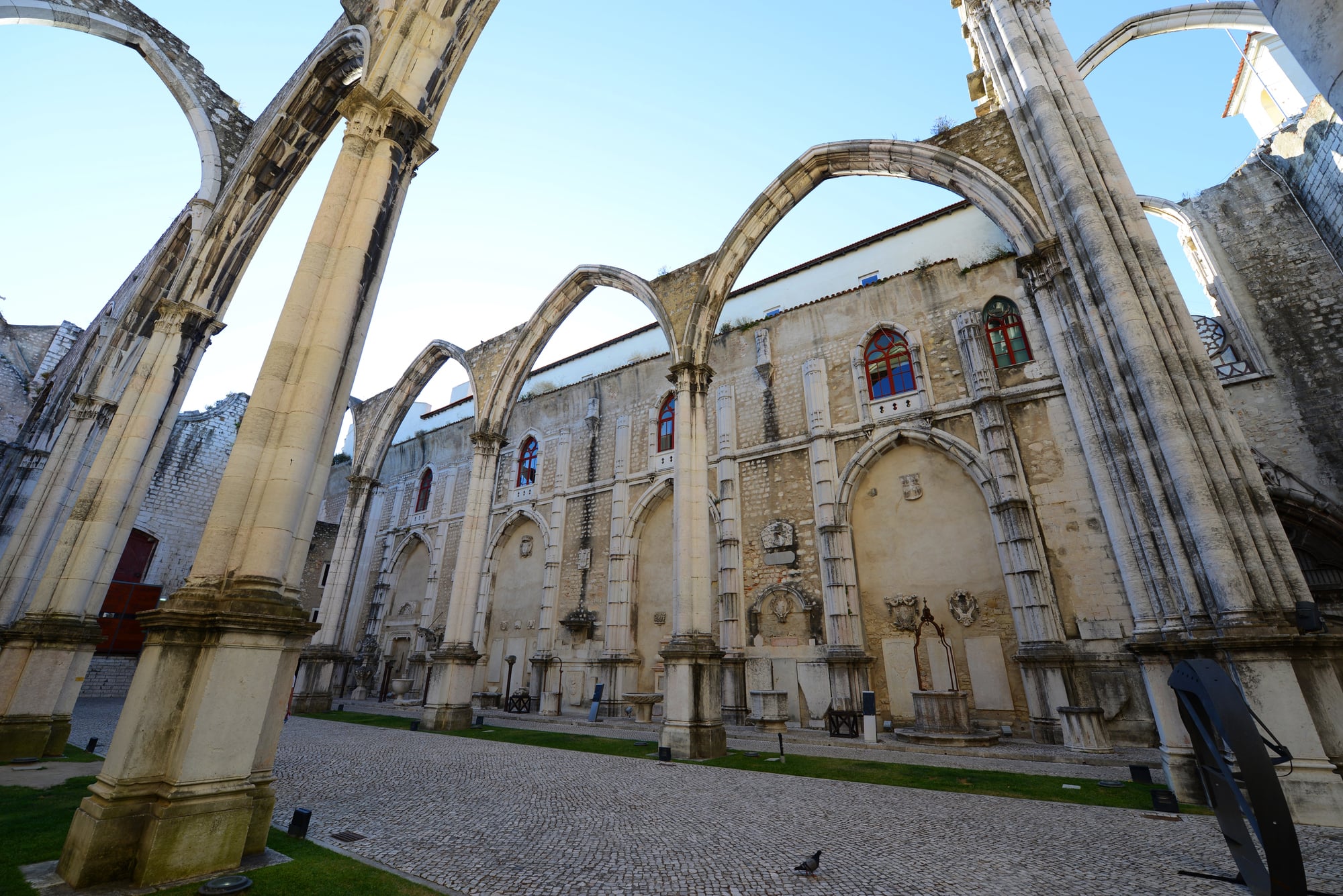
The Great Lisbon Earthquake shook not just Portugal but the foundations of European philosophy and religion. The massive quake struck on All Saints’ Day, when churches were packed with worshippers, leading many to question divine providence.
The earthquake triggered fires and tsunamis that destroyed 85% of Lisbon’s buildings, making it one of the most destructive natural disasters in European history.
Mount Tambora Eruption (1815)

Mount Tambora’s eruption in Indonesia created the ‘Year Without a Summer’ in 1816, causing global climate chaos that led to crop failures and famine worldwide. The volcanic winter affected weather patterns across the globe, with snow falling in June in New England and widespread harvests failing in Europe.
This disaster showed how a single volcanic event could impact civilizations thousands of miles away, something ancient peoples experienced but couldn’t understand.
Like Go2Tutors’s content? Follow us on MSN.
The Great Fire of Rome (64 AD)

While technically not a natural disaster, the Great Fire of Rome spread with the fury of a natural catastrophe, consuming 10 of the city’s 14 districts over six days. Emperor Nero’s response to the disaster became legendary, though contrary to popular belief, he didn’t fiddle while Rome burned—he actually organized relief efforts.
The fire’s aftermath led to new building codes and urban planning that influenced city design for centuries.
Alexandria Earthquake (365 AD)
A massive earthquake in the Mediterranean triggered a tsunami that devastated Alexandria, one of the ancient world’s greatest cities. The waves reached heights of over 100 feet and penetrated miles inland, destroying the famous Pharos Lighthouse and much of the city’s legendary library.
This disaster marked the beginning of Alexandria’s decline from the intellectual capital of the ancient world to a provincial city.
Krakatoa Eruption (416 AD)

An early eruption of Krakatoa, centuries before its famous 1883 explosion, devastated the Indonesian archipelago and affected global climate patterns. Ancient Javanese texts describe the mountain ‘splitting apart’ and creating massive tsunamis that reshaped coastlines.
The eruption likely contributed to the fall of several Indonesian kingdoms and influenced migration patterns across Southeast Asia.
Like Go2Tutors’s content? Follow us on MSN.
The Plague of Justinian (541-549 AD)

While technically a pandemic rather than a natural disaster, the Plague of Justinian spread through the Byzantine Empire like a force of nature, killing an estimated 25-50 million people. The plague arrived via trade routes from Central Asia and spread along the Mediterranean coast, effectively ending Justinian’s dreams of restoring the Roman Empire.
This biological disaster reshaped European demographics and politics for centuries.
Mount Etna Eruptions (Ancient Period)

Mount Etna has been terrorizing Sicilian communities since ancient times, with Greek and Roman writers documenting numerous devastating eruptions. The Greeks believed the volcano was the workshop of Hephaestus, the god of fire, while Romans saw it as the entrance to the underworld.
Major eruptions repeatedly forced the evacuation of cities like Catania, which was rebuilt multiple times throughout history.
The Mycenaean Drought (1200 BC)
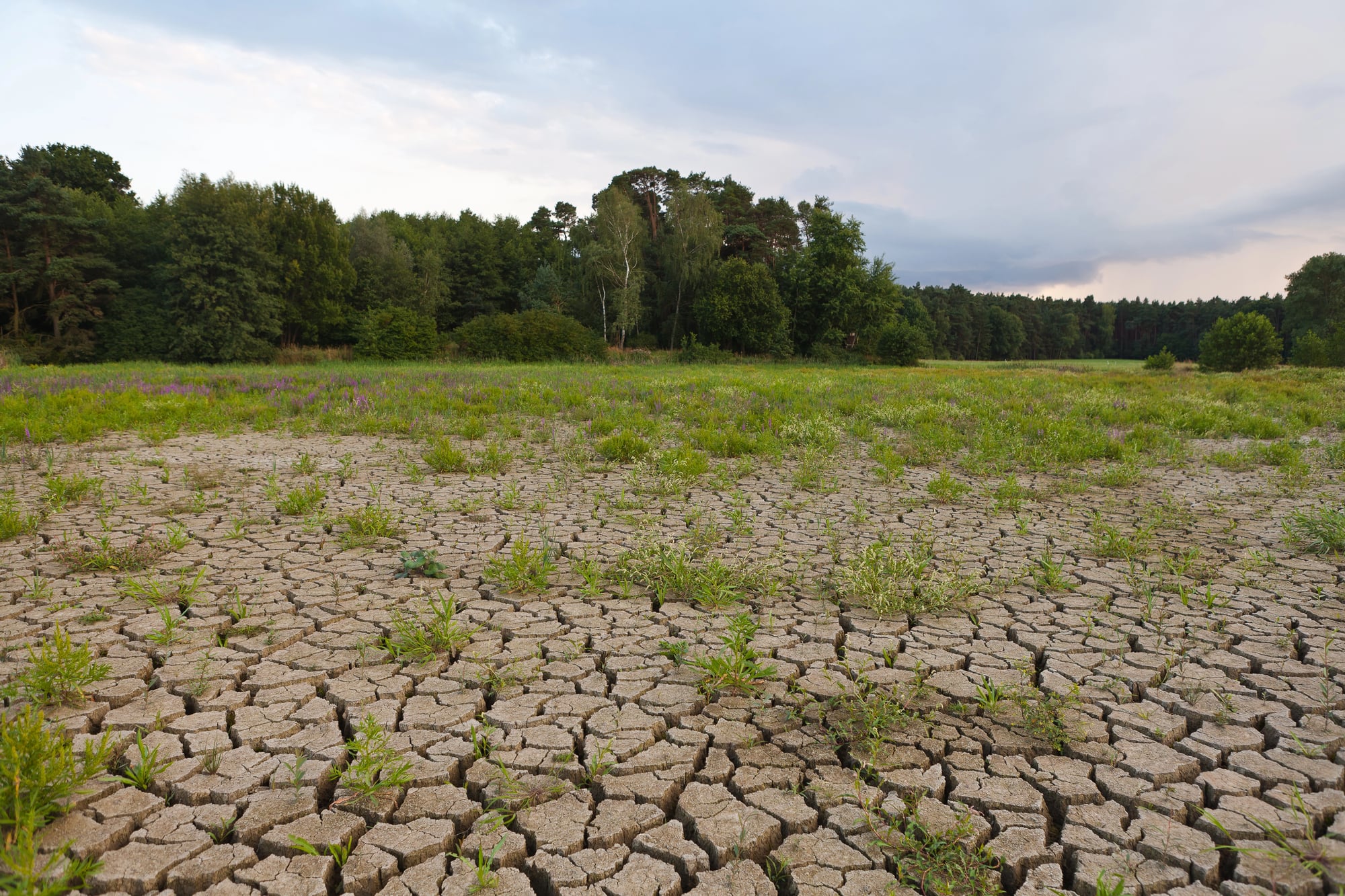
A severe drought around 1200 BC contributed to the collapse of the Mycenaean civilization and the beginning of the Greek Dark Ages. This climate disaster, combined with invasions by the mysterious ‘Sea Peoples,’ ended the Bronze Age in the Eastern Mediterranean.
The drought lasted for decades and forced massive population movements that reshaped the ancient world.
Like Go2Tutors’s content? Follow us on MSN.
Dead Sea Transform Earthquakes

The Jordan Rift Valley has been generating devastating earthquakes for millennia, with ancient texts from multiple civilizations documenting the destruction. These earthquakes regularly destroyed cities along the Dead Sea and Jordan River, forcing communities to rebuild repeatedly in the same hazardous locations.
The frequency of these disasters influenced ancient Middle Eastern religious beliefs about divine punishment and renewal.
Lake Taupo Eruption (186 AD)

The eruption of Lake Taupo in New Zealand was one of the most powerful volcanic events in recorded history, ejecting material across thousands of square miles. While New Zealand had no permanent human settlements at the time, the eruption affected global climate and was recorded by Chinese astronomers as unusual atmospheric phenomena.
This disaster demonstrates how volcanic events could have worldwide impacts even in the ancient world.
When Nature Writes History

These natural disasters did more than just destroy buildings and claim lives—they fundamentally altered the course of human civilization. Ancient peoples, lacking scientific explanations for these catastrophes, wove them into their mythologies and religious beliefs, creating stories that still influence culture today.
The survivors of these disasters developed new technologies, building techniques, and social structures designed to cope with nature’s unpredictability. While we now have better tools to predict and prepare for natural disasters, the fundamental challenge remains the same: learning to live with the awesome and sometimes terrifying power of our planet.
More from Go2Tutors!

- 16 Historical Figures Who Were Nothing Like You Think
- 12 Things Sold in the 80s That Are Now Illegal
- 15 VHS Tapes That Could Be Worth Thousands
- 17 Historical “What Ifs” That Would Have Changed Everything
- 18 TV Shows That Vanished Without a Finale
Like Go2Tutors’s content? Follow us on MSN.