18 Game Shows That Had Rigged Outcomes
Game shows have been a TV staple for ages—full of thrills, suspense, and the chance to score big prizes. Yet, not everything behind the scenes was always above board. Sometimes, producers tweaked results or nudged contestants to keep the audience hooked. Turns out, entertainment often came first—even if it meant bending the rules a bit.
Here’s a list of 18 game shows where rigged outcomes made waves, showing how these shows sometimes danced between real competition and staged drama.
Twenty-One

Back in the ’50s, Twenty-One wasn’t just about smarts—contestants were given answers in advance to spice things up. Producers crafted entire storylines, creating heroes and villains to keep viewers glued to their sets. The results were more about drama than knowledge, with players coached to stumble or shine at just the right moments. This deception wasn’t hidden for long, leading to congressional hearings that nearly destroyed the quiz show genre as it was known.
The $64,000 Question
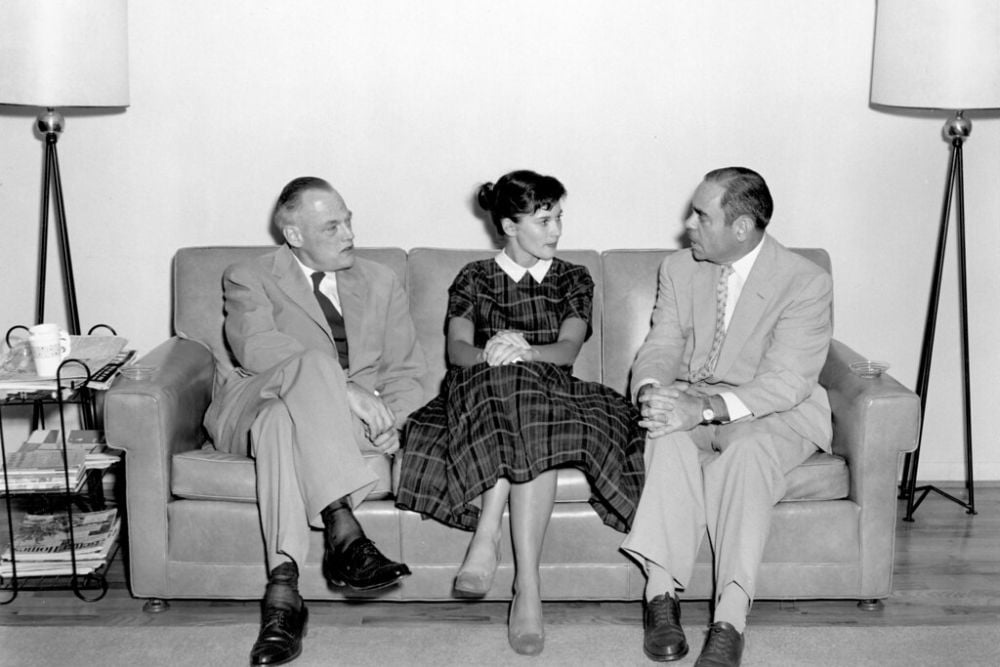
Much like Twenty-One, this show was famous for feeding contestants answers ahead of time, ensuring the tension soared. Producers wanted nail-biting moments where contestants struggled, triumphed, or cracked under pressure—all staged to maximize excitement. When the cheating was exposed, the public felt betrayed, and the once-popular quiz shows quickly lost their appeal. It marked a turning point in TV history where transparency became crucial.
Like Go2Tutors’s content? Follow us on MSN.
Tic-Tac-Dough
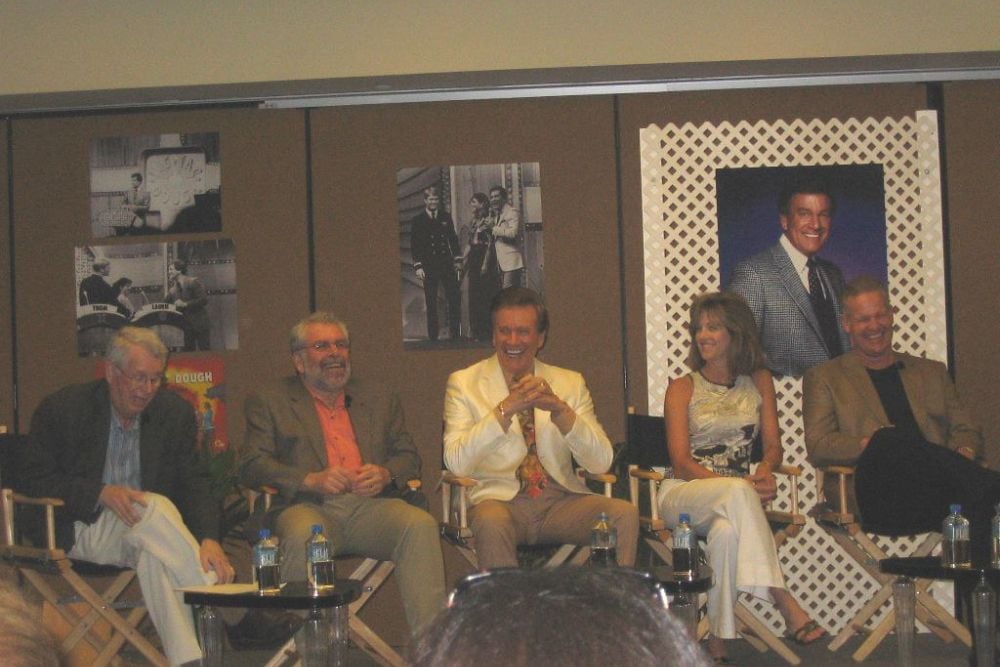
Unlike the blatant scandals of earlier shows, Tic-Tac-Dough’s rigging was more subtle but just as effective. Certain contestants would receive easier questions to keep them winning longer, while others were quietly steered toward defeat. This balancing act made the show feel unpredictable and fair to viewers, even though it was carefully managed behind the scenes. It’s a reminder that manipulation doesn’t always look obvious.
The Price Is Right
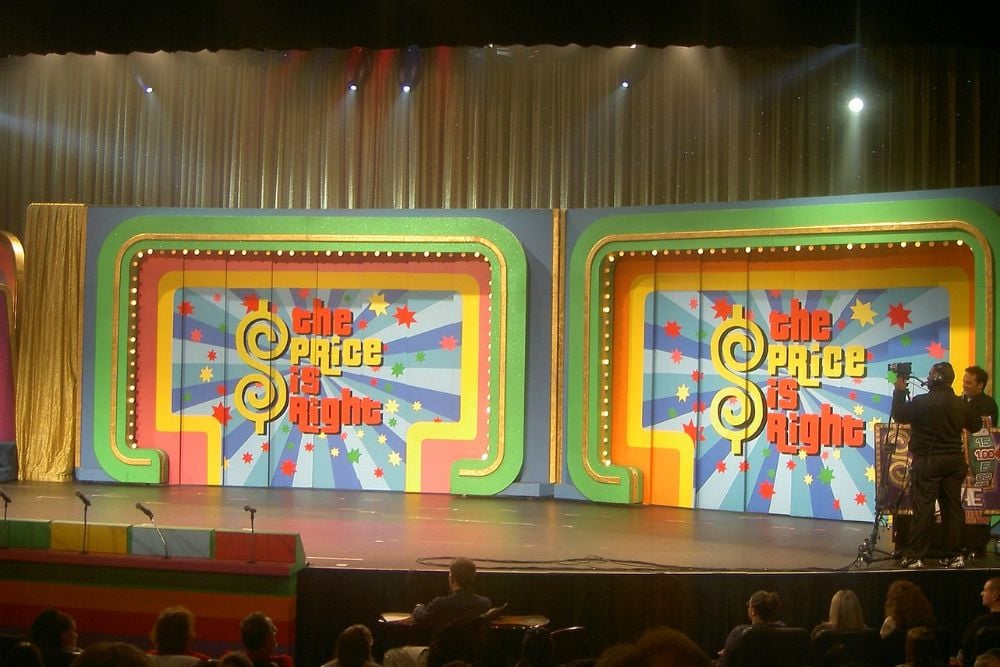
Known for its lively games and iconic prizes, The Price Is Right mostly ran clean—yet whispers of favoritism have lingered. Some contestants claimed they got subtle hints about prices or were picked because they made good TV personalities rather than pure luck. While these allegations never led to concrete proof, they sparked discussions about how producers might nudge outcomes by choosing contestants who bring the right energy, making the show feel more like entertainment than pure chance.
Deal or No Deal
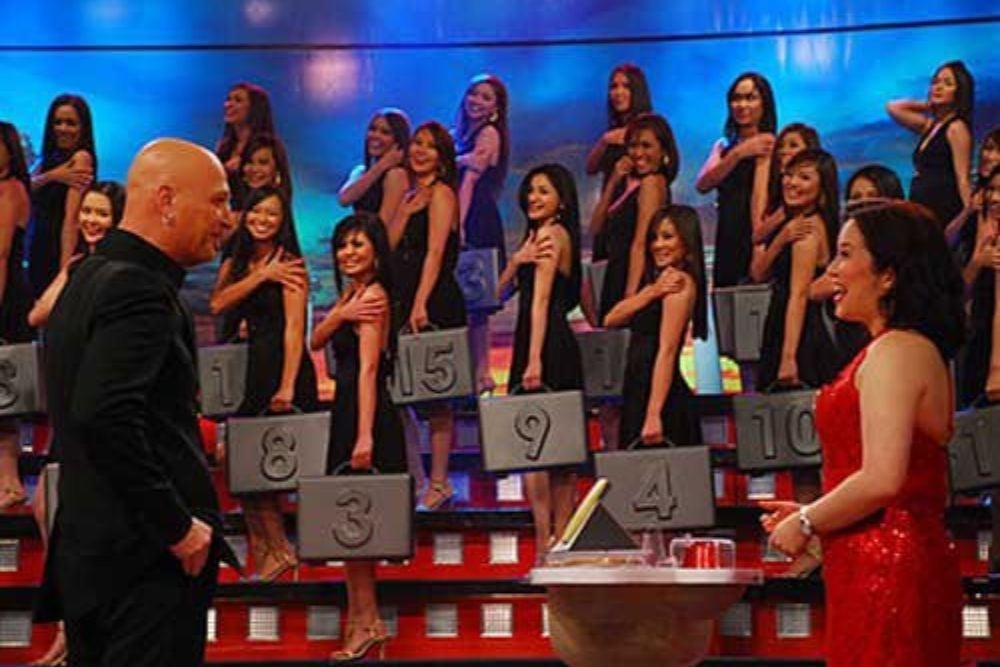
In the U.S., Deal or No Deal generally kept things straightforward, but some international versions reportedly manipulated which cases got opened and when bank offers were made. Producers could alter the tension and pacing by controlling big moments, making the game more dramatic but less fair. This behind-the-scenes influence reminded audiences that even a simple game can be adjusted to maximize TV ratings rather than contestant wins.
Like Go2Tutors’s content? Follow us on MSN.
Wheel of Fortune
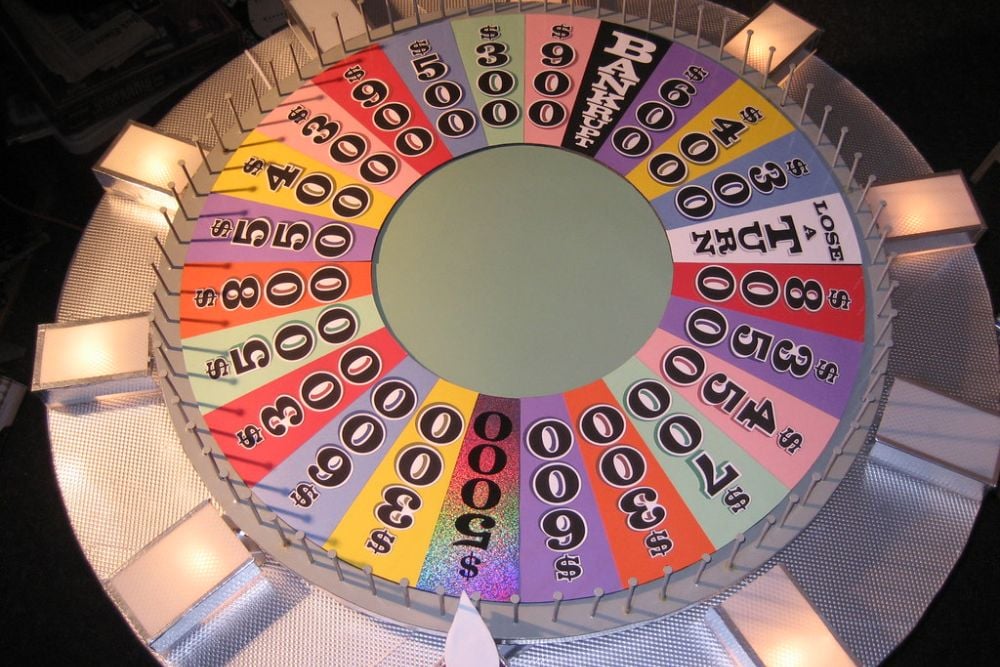
The gameplay on Wheel of Fortune is pretty straightforward, but casting decisions may tilt the scales. Producers often select contestants who are camera-friendly and outgoing, which naturally shapes how viewers perceive the show. The puzzles themselves stay random and unrigged, but the personality-driven casting helps maintain the show’s lively atmosphere, showing how control can come in subtle forms beyond just the game mechanics.
Jeopardy!
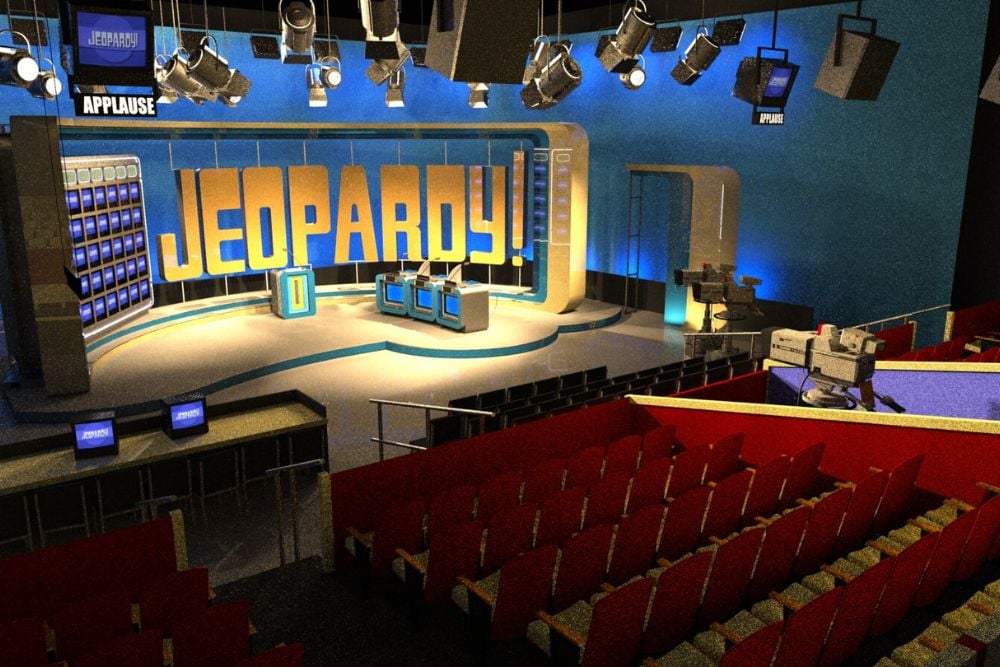
Jeopardy! has a solid reputation for fairness, but it once faced controversy when a contestant was disqualified for allegedly receiving outside assistance. This incident raised awareness about the vulnerabilities even the most tightly-run shows face. It also pushed the show to strengthen rules and monitoring, reinforcing that even well-respected formats need constant vigilance to protect integrity.
Who Wants to Be a Millionaire?
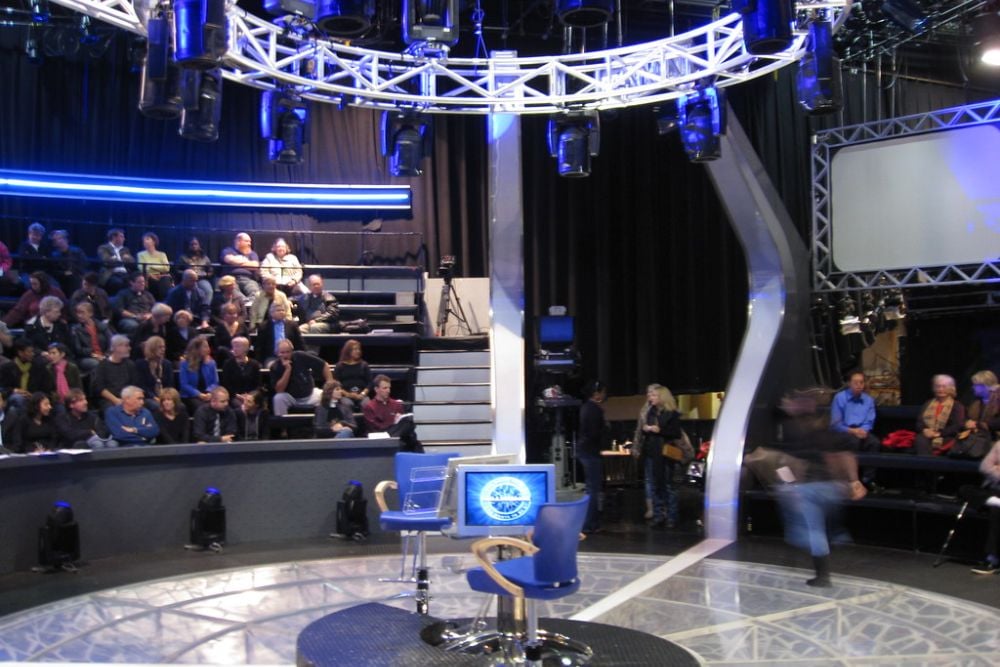
The UK version of this popular quiz had a major scandal when a contestant used a concealed earpiece to get help during the show. This breach of trust shook audiences and producers alike, proving that contestants can rig outcomes too—not just behind-the-scenes producers. The fallout led to stricter security and monitoring on all versions of the show, reminding everyone that fairness depends on all parties playing by the rules.
Like Go2Tutors’s content? Follow us on MSN.
American Idol

While technically a talent contest, American Idol’s outcomes were often influenced by producers who pushed certain contestants with broad appeal. Judges’ feedback sometimes seemed less about pure singing ability and more about crafting compelling stories viewers would tune in to watch. This manipulation helped the show keep audiences hooked, showing that even contests built around skill can lean heavily on entertainment value.
Big Brother

Big Brother is often criticized for producer interference—whether through editing footage to highlight drama or even subtly guiding contestants during challenges. The show mixes real competition with scripted moments, blurring the lines between authenticity and entertainment. Contestants are sometimes steered toward conflict or cooperation to create better storylines, making the outcome part performance as much as gameplay.
The Gong Show
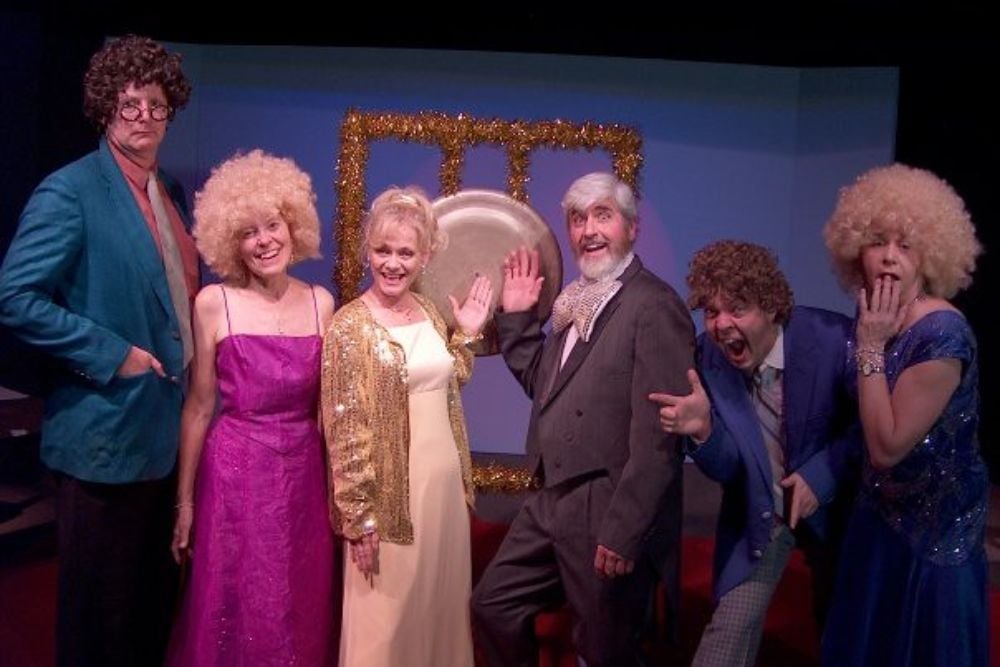
This quirky show celebrated the bizarre and outrageous, with producers reportedly choosing winners based more on entertainment than skill. Acts that made audiences laugh or gasp were favored over purely talented performers. It was less a competition and more a variety show where unpredictability and humor were king, showing how rigging can be about amplifying fun rather than fairness.
Like Go2Tutors’s content? Follow us on MSN.
Family Feud
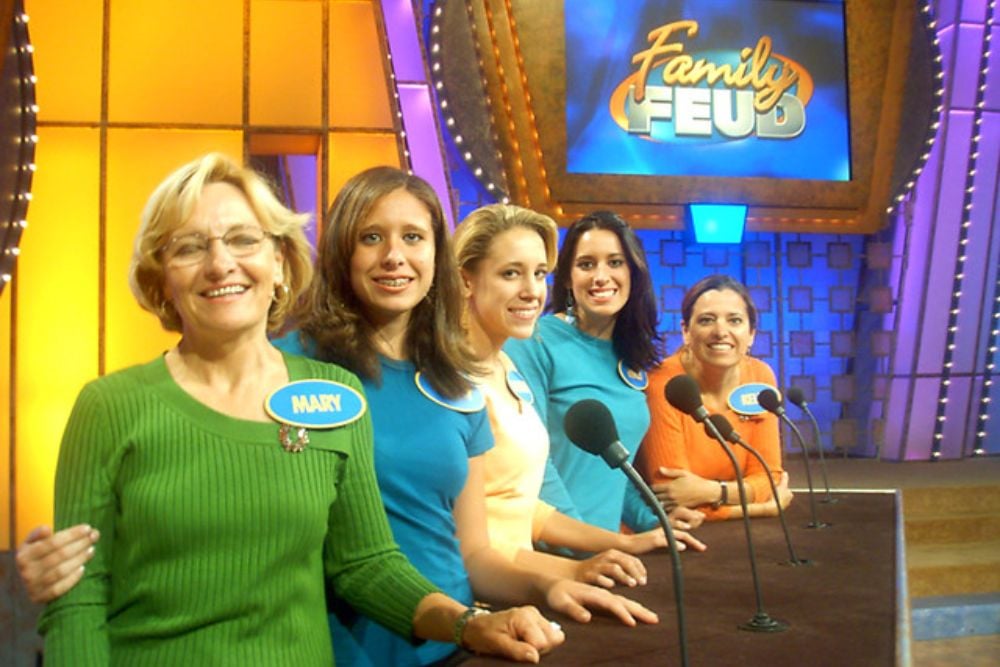
Some episodes of Family Feud allegedly had producers influencing contestants’ answers or tweaking points to keep the game close. These small adjustments avoided blowouts that might bore viewers, preserving tension and excitement throughout. It’s an example of subtle behind-the-scenes shaping that doesn’t scream rigging but definitely impacts outcomes.
The Dating Game
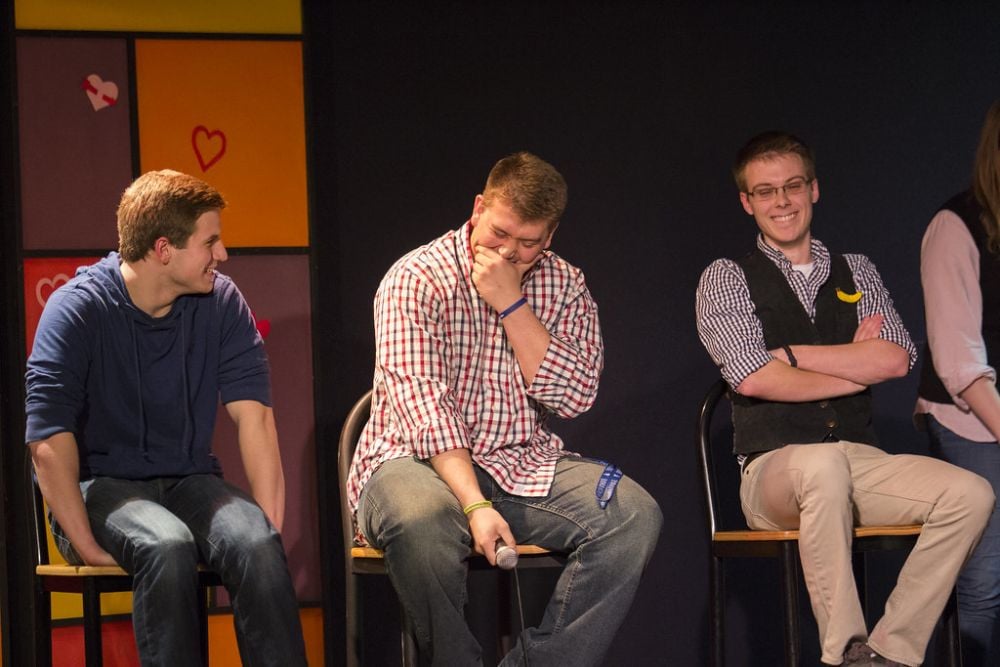
Contestants on The Dating Game were sometimes coached on how to behave or what to say to spark better chemistry on screen. This behind-the-scenes direction helped producers control the show’s vibe and create moments that felt more romantic or funny—at the expense of spontaneity. The game was as much about performance as finding a match.
The Newlywed Game
Producers often fed couples specific information or created scenarios designed to provoke amusing or revealing answers. The show leaned heavily into scripted moments to keep things lively and engaging, making it feel more like a comedy than a genuine contest about knowledge or compatibility.
Like Go2Tutors’s content? Follow us on MSN.
The Joker’s Wild

This show saw hosts or producers stepping in occasionally to help favored contestants avoid difficult questions or extend their run. These subtle nudges shaped the flow of the game, ensuring popular players stayed longer on screen to keep viewers interested. The manipulation wasn’t always obvious but influenced how suspense unfolded.
Hollywood Squares
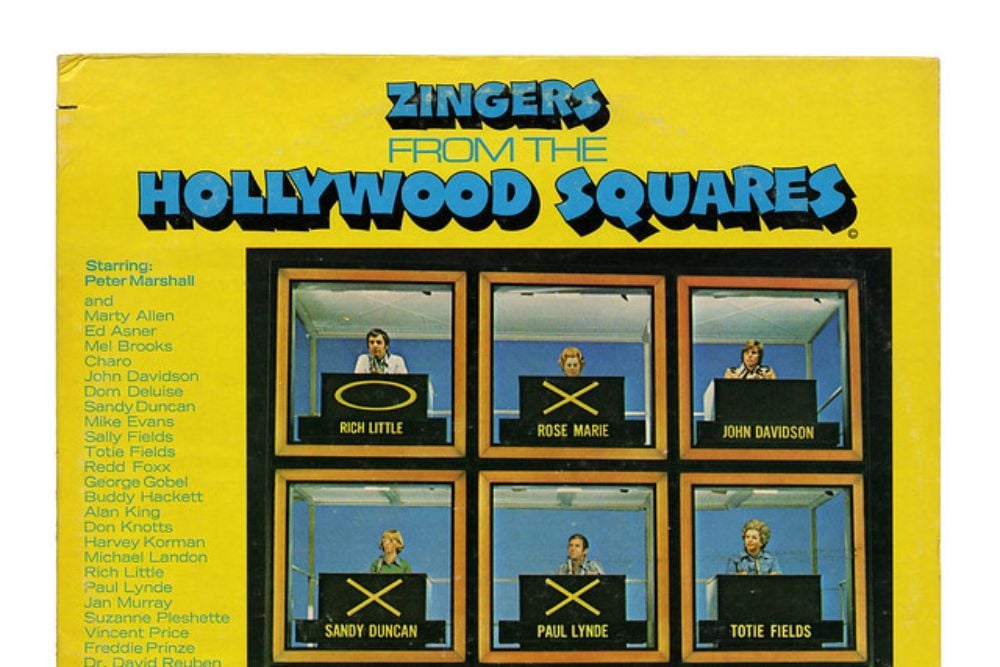
Though celebrities answered questions live, some were reportedly coached or given prompts to avoid dull moments. These small producer interventions kept the show moving smoothly and maintained its lighthearted tone, revealing how control can operate quietly within “unscripted” formats.
Let’s Make a Deal
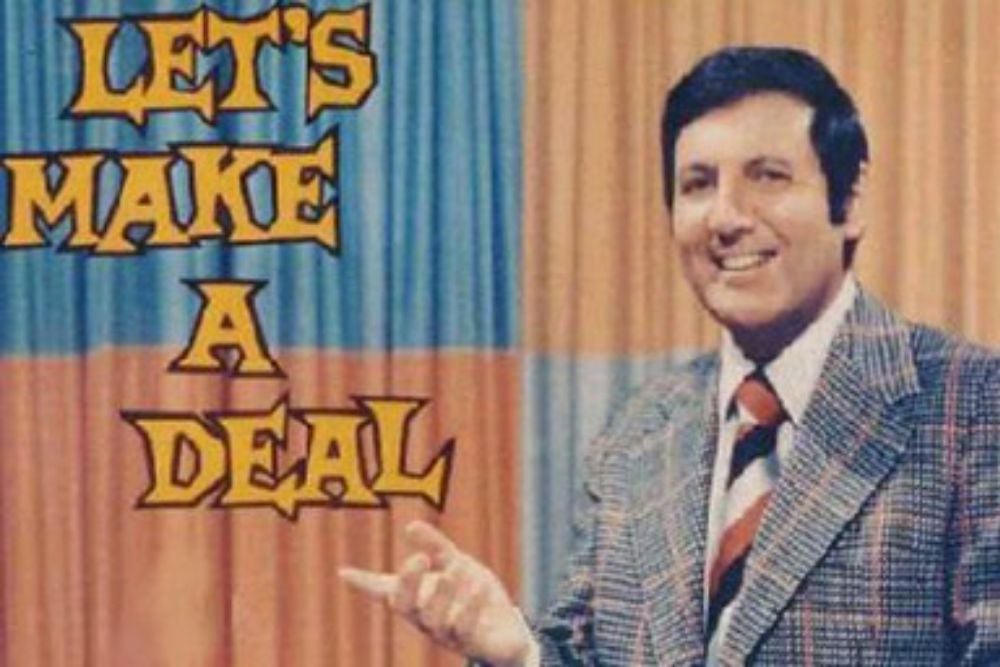
The excitement of picking doors was sometimes manufactured, with producers selecting winners ahead of time for dramatic reveals. While the suspense felt genuine, many moments were carefully planned to maximize surprise and keep viewers on the edge of their seats.
Like Go2Tutors’s content? Follow us on MSN.
Press Your Luck

This game became infamous when a contestant memorized the flashing board patterns and won a massive amount of money. The loophole exposed a major flaw in the game’s design, prompting producers to overhaul rules and equipment to prevent repeat exploits. It was a rare case where a contestant outsmarted the system, forcing the show to adapt.
What’s Behind the Curtain?
Looking back, many game shows blurred the line between honest competition and entertainment-driven manipulation. Whether through coaching, editing, or outright rigging, fairness often took a back seat to drama and ratings. Nowadays, viewers expect more transparency—and shows have stepped up. Still, those behind-the-scenes moments remind us how much of what appears real is carefully crafted for the camera.
More from Go2Tutors!

- 16 Historical Figures Who Were Nothing Like You Think
- 12 Things Sold in the 80s That Are Now Illegal
- 15 VHS Tapes That Could Be Worth Thousands
- 17 Historical “What Ifs” That Would Have Changed Everything
- 18 TV Shows That Vanished Without a Finale
Like Go2Tutors’s content? Follow us on MSN.



