15 People Who Changed the World Because They Broke the Rules
History rarely favors those who play it safe. The most transformative figures throughout time have often been those who dared to challenge established norms, break conventional wisdom, and forge new paths despite facing resistance. Their willingness to step outside the boundaries of what was expected or allowed fundamentally altered our world.
Here is a list of 15 remarkable individuals who changed society by refusing to follow the rules that limited innovation, equality, and progress.
Rosa Parks
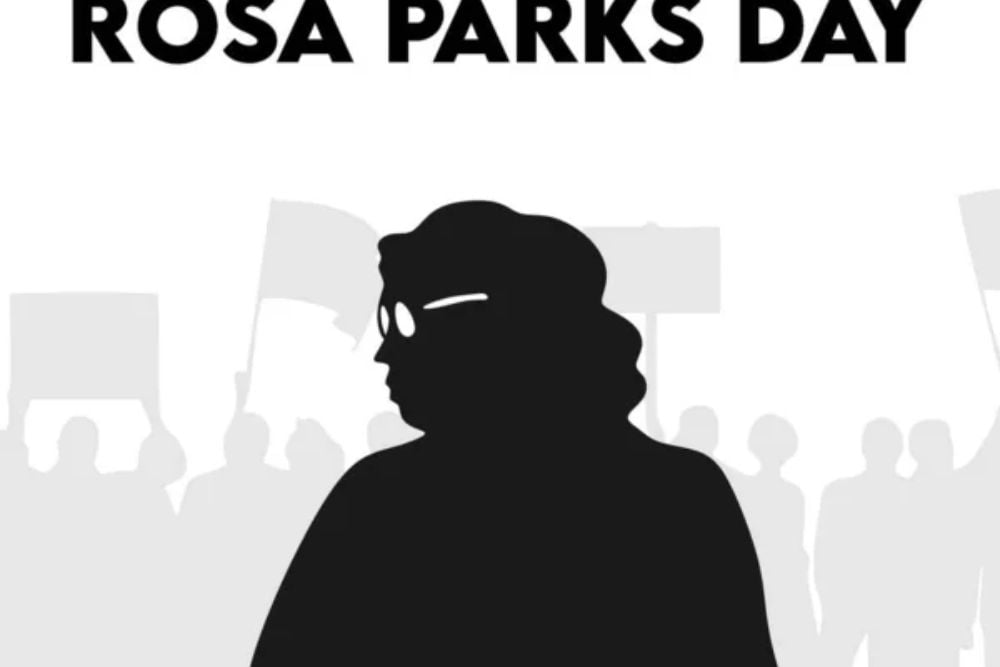
Rosa Parks sparked the Montgomery Bus Boycott in 1955 when she refused to give up her seat to a white passenger. Her simple yet profound act of defiance violated segregation laws but ignited the American Civil Rights Movement.
Parks faced arrest and harassment, yet her courage created momentum for dismantling institutionalized racism in the United States.
Galileo Galilei
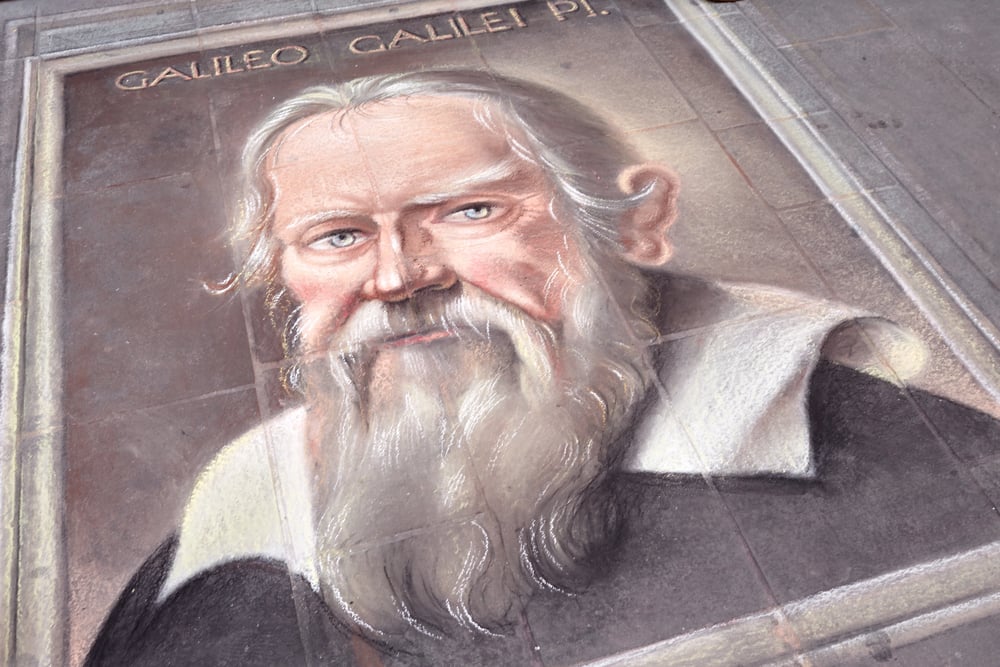
Galileo directly challenged the Catholic Church’s Earth-centered model of the universe by supporting the Copernican heliocentric theory. His astronomical observations using telescopes contradicted established doctrine, leading to his house arrest.
Despite facing the Inquisition, Galileo’s commitment to scientific truth laid the foundation for modern astronomy and the scientific method.
Ada Lovelace
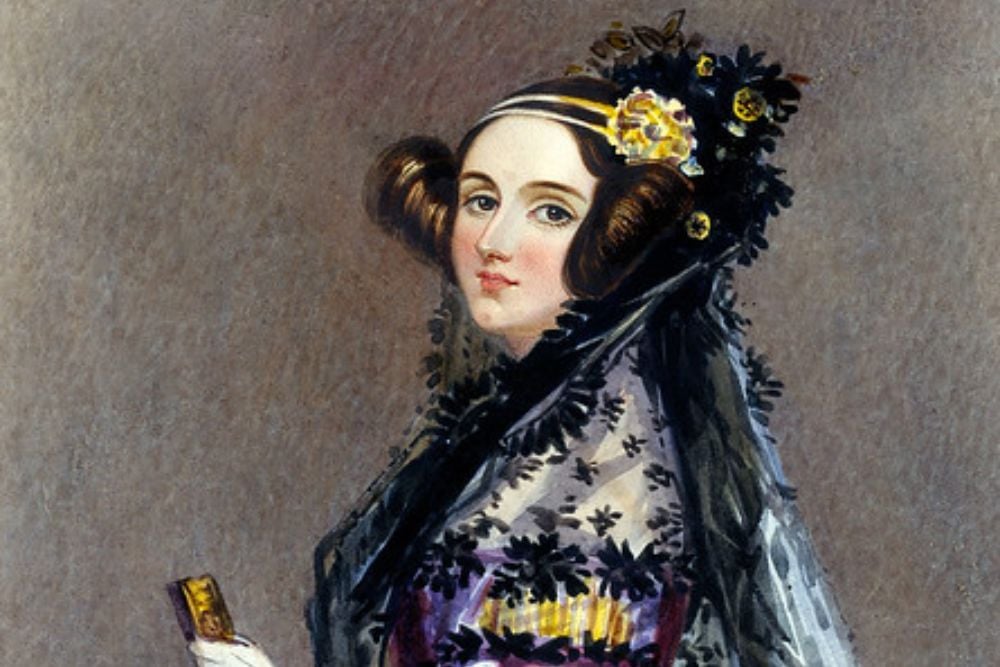
Ada Lovelace became the first computer programmer in history during a time when women were prohibited from pursuing scientific endeavors. She worked with Charles Babbage on his Analytical Engine, defying Victorian notions of womanhood.
Nearly a century before contemporary computers were invented, she wrote the first algorithm ever created for a machine, foreseeing computer uses beyond simple computation.
Mahatma Gandhi
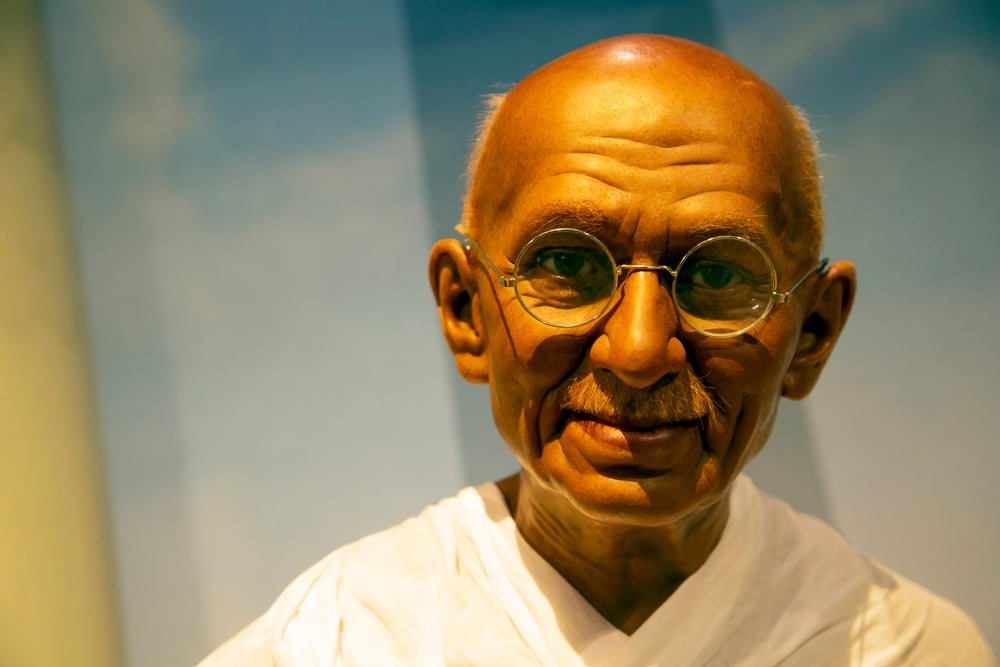
Gandhi developed non-violent civil disobedience as a powerful tool against British colonial rule. His Salt March openly violated British salt taxation laws and inspired millions to join the independence movement.
Gandhi’s peaceful approach to breaking unjust laws created a template for resistance movements worldwide and secured India’s independence without resorting to armed conflict.
Marie Curie
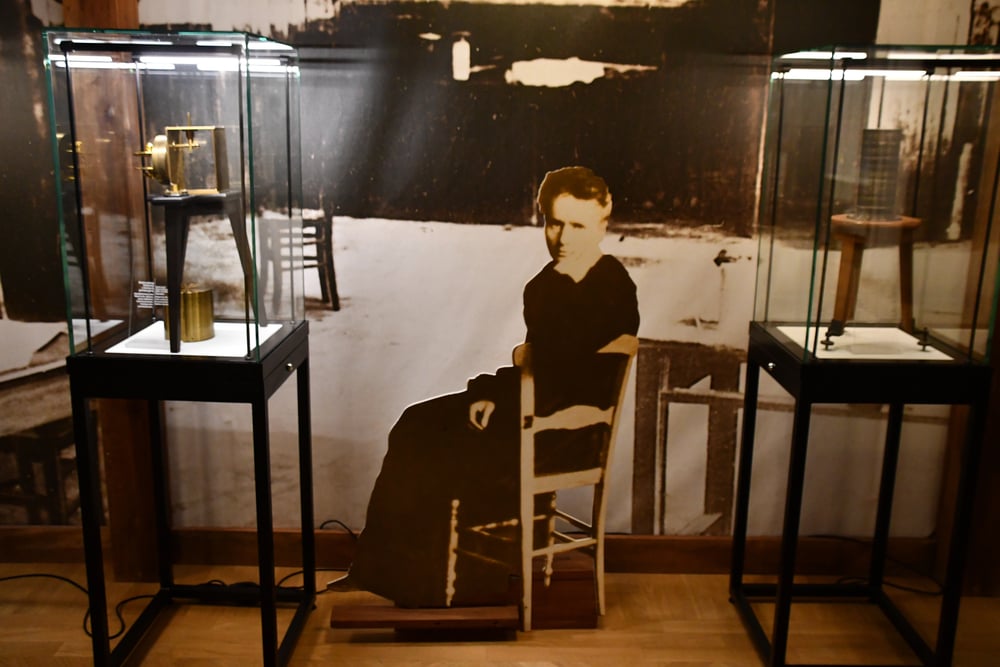
Marie Curie shattered gender barriers in science when she became the first woman to win a Nobel Prize and the only person to win in two different scientific fields. She conducted pioneering research on radioactivity when women were largely excluded from higher education and scientific institutions.
Curie’s determination to pursue her research despite institutional obstacles revolutionized our understanding of atomic structure.
Nelson Mandela
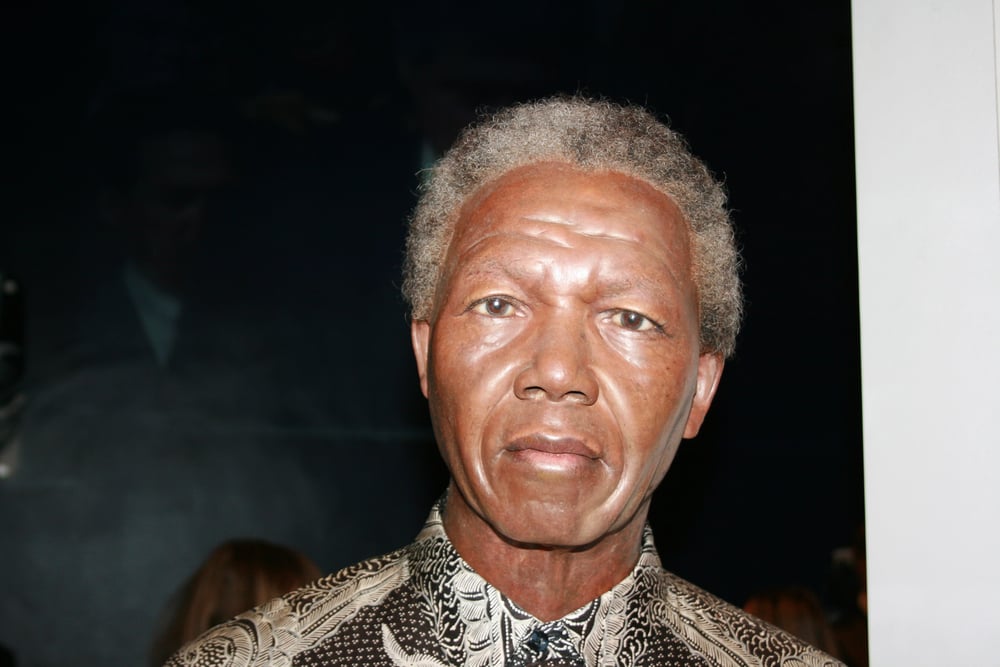
Nelson Mandela fought against South Africa’s apartheid system through both peaceful and militant resistance. His refusal to accept the legitimacy of racist laws led to 27 years of imprisonment.
Rather than being broken by incarceration, Mandela emerged to negotiate the end of apartheid and became South Africa’s first Black president, guiding the nation toward reconciliation instead of revenge.
Steve Jobs

Steve Jobs rejected conventional product design and corporate structure throughout his career. After being forced out of Apple, he returned to save the company by breaking industry norms with revolutionary products like the iPod and iPhone.
Jobs’ insistence on combining technology with artistic design transformed multiple industries and changed how humans interact with machines.
Florence Nightingale
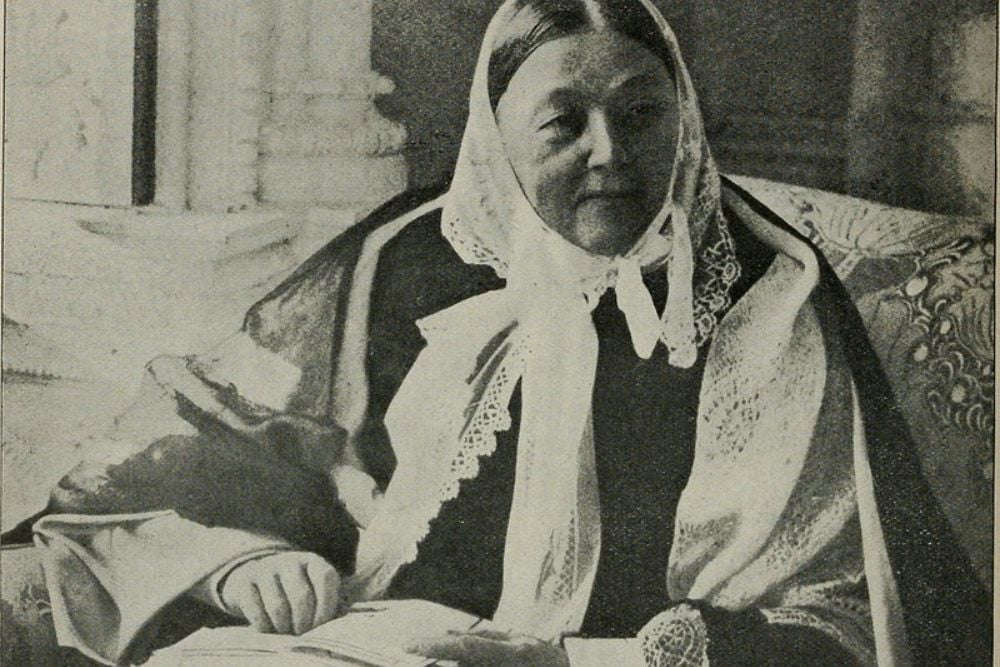
By elevating nursing from a lowly profession to one of respect, Florence Nightingale shattered Victorian expectations. She defied military orders to raise standards of care and hygiene during the Crimean War.
Through improvements in hospital administration and architecture, Nightingale’s statistical work revolutionized epidemiology and healthcare analytics and saved countless lives.
Malala Yousafzai

Malala challenged the Taliban’s prohibition against female education in Pakistan’s Swat Valley. Despite surviving an assassination attempt at age 15, she continued her activism globally.
Malala’s refusal to be silenced made her the youngest Nobel Peace Prize laureate and established her as a powerful advocate for girls’ education in regions where such advocacy remains dangerous.
Wright Brothers
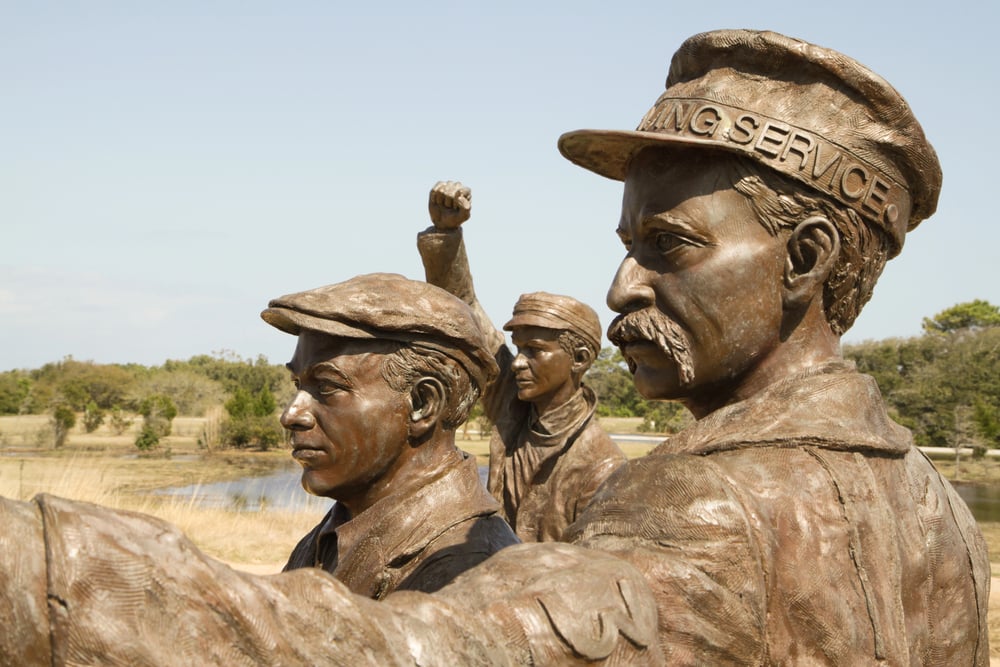
Orville and Wilbur Wright pursued powered flight when most experts considered it impossible. Working outside academic and governmental institutions, these bicycle mechanics solved problems that had stumped qualified engineers.
Their breakthrough at Kitty Hawk in 1903 came from a willingness to question established aeronautical theories and develop their own testing methods through relentless experimentation.
Emmeline Pankhurst
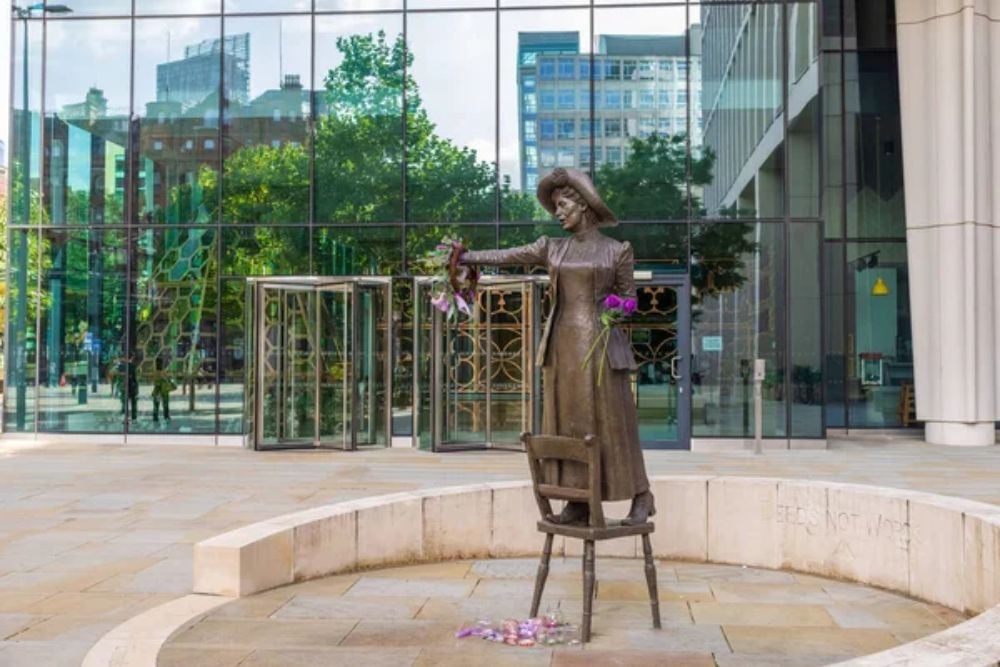
Emmeline Pankhurst abandoned polite petitioning for women’s suffrage in favor of direct, sometimes militant action. Her organization broke windows, conducted hunger strikes, and faced brutal forced feedings in prison.
Pankhurst’s radical tactics shocked British society but succeeded in gaining women the right to vote when conventional political approaches had failed for decades.
Muhammad Yunus
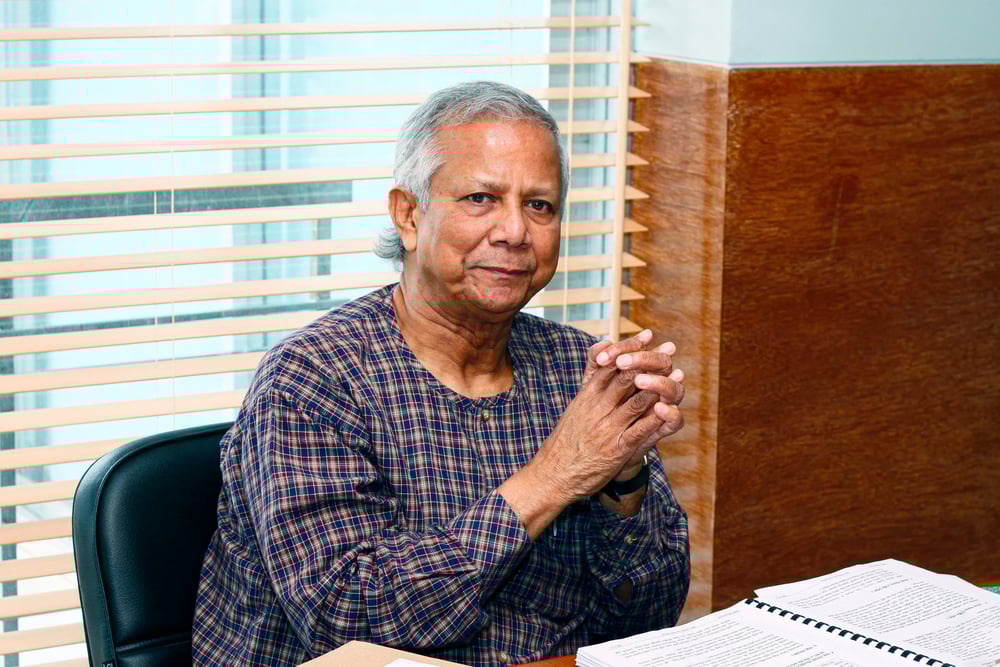
Muhammad Yunus created microfinance by lending small amounts to impoverished villagers in Bangladesh when traditional banks refused. His Grameen Bank violated banking conventions by making uncollateralized loans to the poorest citizens, particularly women.
Yunus proved that empowering marginalized people economically could reduce poverty more effectively than charity, winning the Nobel Peace Prize for his revolutionary approach.
Martin Luther King Jr.
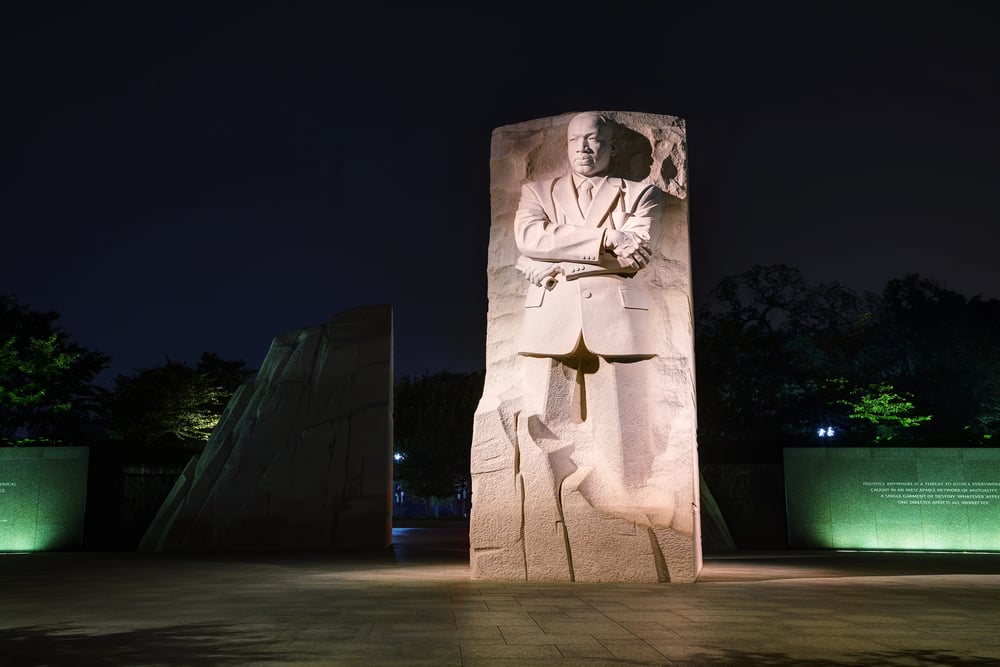
Martin Luther King Jr. deliberately violated segregation laws and court injunctions to expose injustice. His Letter from Birmingham Jail articulated why breaking unjust laws was a moral obligation.
King’s strategic use of nonviolent direct action forced Americans to confront systemic racism, leading to landmark civil rights legislation that transformed American society.
Grace Hopper
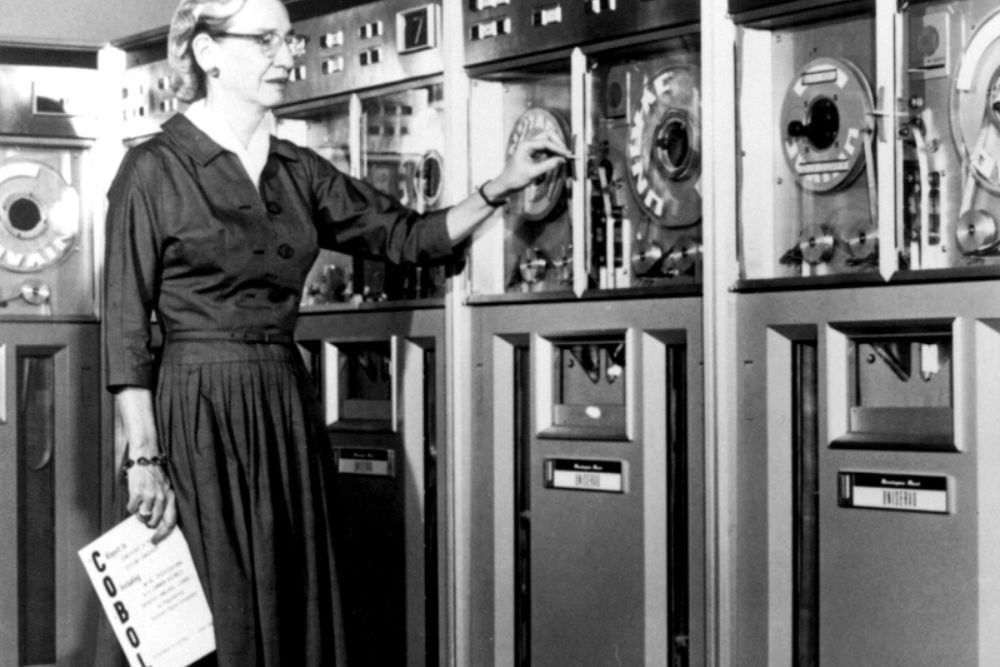
Grace Hopper revolutionized computing by developing the first compiler when programming was done in machine code. She repeatedly pushed boundaries as a woman in the male-dominated naval and computing worlds.
Hopper’s creation of programmer-friendly languages opened computing to non-specialists and laid the groundwork for modern software development, earning her the nickname “Amazing Grace.”
Pablo Picasso
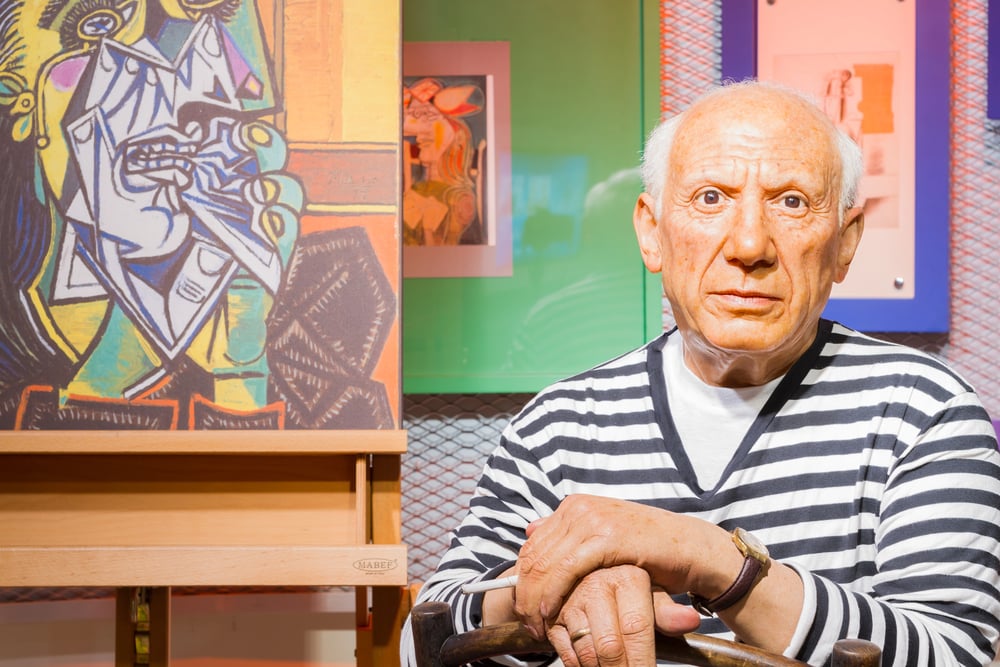
Pablo Picasso shattered artistic conventions by abandoning realistic representation, favoring abstraction and cubism. His radical approach to perspective and form violated centuries of artistic tradition.
Picasso’s willingness to break established rules of painting freed subsequent generations of artists to experiment with new forms of expression, fundamentally altering our conception of what art could be.
The Legacy of Rule-Breakers

These fifteen people show that questioning established norms is frequently necessary for real change. Their bravery in challenging authority, defying damaging conventions, and conceiving novel ideas caused a stir that still influences our world today.
These numbers serve as a reminder that, although not all rule-breaking results in positive change, revolutionary innovation often starts with the courage to go beyond what appears to be acceptable or feasible.
More from Go2Tutors!

- The Romanov Crown Jewels and Their Tragic Fate
- 13 Historical Mysteries That Science Still Can’t Solve
- Famous Hoaxes That Fooled the World for Years
- 15 Child Stars with Tragic Adult Lives
- 16 Famous Jewelry Pieces in History
Like Go2Tutors’s content? Follow us on MSN.