20 Hardest Tongue Twisters In English
One moment you’re reading quietly. Then sounds twist into knots without warning.
Words seem harmless at first glance. Yet speaking turns silly fast when syllables collide.
Your lips stumble like they’ve never shaped letters before. Sounds trip over each other halfway through.
These stand out as some of the toughest, each crafted in a way that quietly sets you up to stumble. Some linger too long in awkwardness once said.
Others twist meaning just enough to cause confusion. They do not forgive small errors.
A pause in the wrong spot ruins the effect. Tone shifts go unnoticed until it is too late.
Most collapse under real conversation pressure. Few survive unscripted moments intact.
She Sells Seashells

Chances are, you’ve heard this one before – it trips up nearly everyone. With ‘s’ followed so closely by ‘sh’, your mouth stumbles trying to keep pace.
Repeat it quickly three times and suddenly nothing comes out right. Sounds melt into something unrecognizable, almost like gibberish.
Peter Piper

Peter Piper grabbed a peck of pickled peppers. Just saying it can trip you up quick.
With all those p’s firing off one after another, your mouth suddenly faces a challenge it never expected. By the time you reach “pickled,” chances are the whole thing has slipped away.
How Much Wood

Wood flying through air – how much might a woodchuck toss if it really could? Fast switches between ‘w’ and ‘ch’ blur meaning fast.
Smooth at first glance, yes, yet smoothness hides trouble. You start to calm.
Then slips happen. Words twist. Mouth stumbles.
Rhythm betrays.
Faster Than A Blink, Red Lorry. Yellow One Hums Low Beneath The Sky

Short it may seem, yet far from harmless. Shifting back and forth from “red lorry” to “yellow lorry” makes your tongue jump across distinct sounds fast.
Around the third try, nearly everyone slips into “lellow” or maybe “rellow” – neither of which means anything. Sounds easy until you actually do it.
Unique New York

Funny how a pair of words can trip you up when spun again and again. Say it fast – Unique New York – you start slipping on the syllables by the third try.
That soft jump from un to new catches the tongue off guard. After a moment, the whole thing feels like nonsense.
Short? Yes. Simple? Not even close.
Betty Botter

Betty Botter picked up butter, yet it tasted sharp. Those b and t noises bump into each other nonstop.
It rolls forward just far enough to trip someone up. Saying “butter” again and again makes it feel empty after a while.
What you’ve got here takes its time falling apart.
Irish Wristwatch

Start here. Only two words form this phrase – Irish wristwatch.
Say them aloud, repeat five times without slowing. Notice how the r, sh, w tangle mid-sentence, tripping up lips and teeth alike.
Clarity slips fast, even on attempt one. Perhaps the tightest twist of sound ever spoken.
Six Slick Slim Slippery Sticks

Starting solely with ‘s,’ each syllable slides sideways through shifting vowels. Slick followed by slim stumbles straight away – then slippery slithers in, spiking the struggle.
Try tripping through this trio at speed; soon enough, suspicion surfaces: somebody surely schemed up this phrase just to spark slips.
A Sixth Sheep Felt Unwell – Belonging To The Sixth Ailing Sheik. His Sixth Lamb Showed Signs Too. Sickness Spread Quietly Among Them
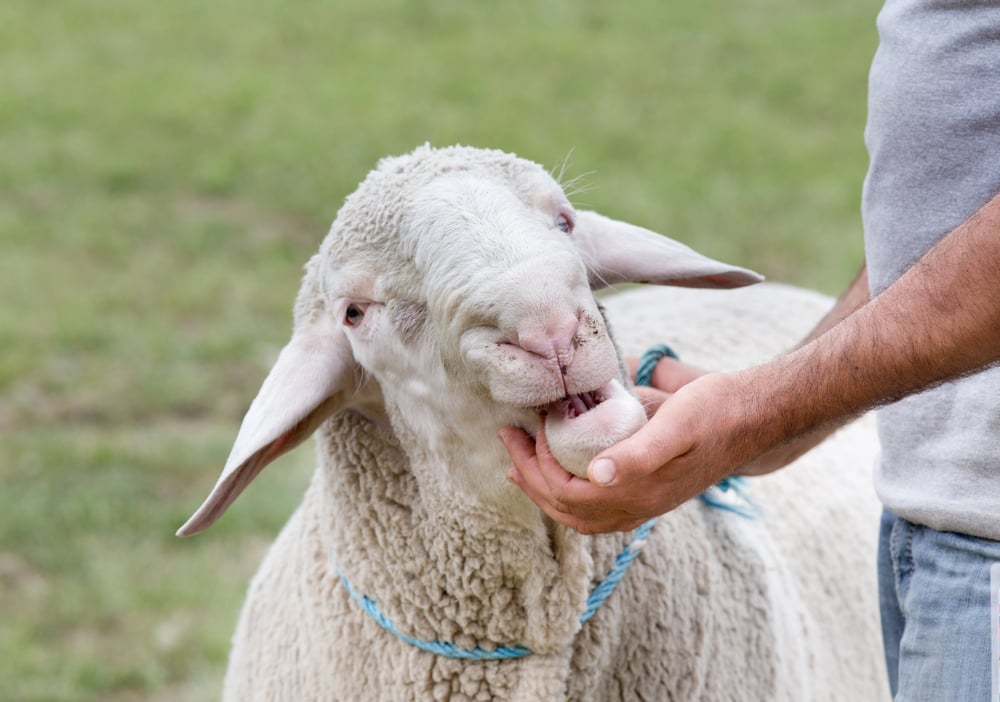
Some experts say it’s the toughest phrase to spit out in English. What makes it rough?
That tangle of “six,” “sick,” “sheik,” and “sheep” crammed together trips up mouths fast. Fluent speakers often fumble when trying it.
Try it a hundred times – still stumbles happen.
Pad Kid Poured Curd Pulled Cod

Stopping mid-sentence was common when folks attempted the rapid repeat. This phrase tripped up speakers worse than nearly all others tested.
A team from MIT dug into why it messed with mouths so much. Giving up wasn’t rare – it became the norm under pressure.
Not merely tough, it triggered total verbal freeze. Back in 2013, experts labeled it ‘the world’s most difficult tongue twister’ after close analysis.
Whether The Weather

Warm or hot, the sky does what it wants. We deal with it regardless.
That little twist between “weather” and “whether”? They trip you gently.
One blends into the next until your mind stumbles without warning. Smooth at first – then a quiet jolt.
Fuzzy Wuzzy

‘Fuzzy Wuzzy was a bear, Fuzzy Wuzzy had no hair, Fuzzy Wuzzy wasn’t very fuzzy, was he?’ The ‘w’ and ‘z’ sounds are the troublemakers here.
Saying ‘fuzzy’ several times in quick succession makes your mouth start to lose its grip on the pronunciation. Then ‘wasn’t very fuzzy’ arrives and finishes the job.
I Slit A Sheet

This one carries an extra layer of danger because one wrong syllable can make it sound like something very inappropriate.
The ‘s’ and ‘sh’ swap back and forth rapidly, and the pressure of not making a mistake actually increases the chance of making one.
It is nerve-racking to say in public.
Toy Boat

‘Toy boat’ is only two words, but say it ten times fast and something weird happens.
The ‘oy’ and ‘oat’ vowel sounds blur together almost immediately. After five repetitions, most people end up saying ‘toy boyt’ or ‘tuh-buh’ and have no idea how they got there.
Simple words, serious damage.
Fred Fed Ted Bread

The sentence is ‘Fred fed Ted bread, and Ted fed Fred bread.’ The ‘fr,’ ‘br,’ and ‘dr’ clusters hit one after another with almost no break between them.
It sounds rhythmic at first, which gives a false sense of confidence. Then the second half of the sentence arrives and the rhythm completely falls apart.
Brisk Brave Brigadiers

The full version goes: ‘Brisk brave brigadiers brandished broad bright blades, blunderbusses, and bludgeons.’ Every word starts with ‘br’ or ‘bl,’ and the mouth simply cannot keep up with the demand.
It is less of a tongue twister and more of a tongue obstacle course. Most people do not even make it to ‘blunderbusses.’
Scissors Sizzle, Thistles Sizzle

The ‘s,’ ‘z,’ and ‘th’ sounds in this one make a deeply uncomfortable combination. ‘Scissors sizzle’ is already a challenge, and then ‘thistles sizzle’ arrives and doubles the problem.
Together, they create a sentence that sounds like something is physically short-circuiting inside the mouth.
Three Free Throws

This tongue twister is famously used to train athletes and sportscasters. The ‘thr,’ ‘fr,’ and ‘thr’ combo packs a lot of effort into just three words.
Saying it quickly causes ‘three’ and ‘free’ to swap places, so ‘free throw’ becomes ‘three frow’ without warning. Even professional broadcasters have been caught off guard by this one.
A Proper Copper Coffee Pot

The ‘p’ and ‘c’ sounds alternate through this sentence in a way that feels manageable the first time. By the third repetition, ‘copper’ becomes ‘coffer’ and ‘coffee’ becomes ‘coppee,’ and nothing is right anymore.
The sentence is short enough to feel doable but tricky enough to guarantee at least one stumble every single time.
Mixed Biscuits

The full version is: ‘I’m not the pheasant plucker, I’m the pheasant plucker’s son.’ But the version most people know and struggle with is simply ‘mixed biscuits.’
Saying ‘mixed biscuits’ ten times fast causes the ‘x,’ ‘sc,’ and ‘ts’ sounds to completely tangle up. It is the kind of sentence that sounds fine in your head but turns into chaos the moment it leaves your mouth.
When Words Become The Obstacle

Tongue twisters are not just party tricks. They reveal exactly how much effort the brain puts into normal speech every day.
The hardest ones work because they target specific sound combinations that the human mouth was never designed to switch between quickly. People have been using them to train actors, singers, and public speakers for generations, and they remain just as effective today.
The next time someone hands you one of these and says ‘it is easy,’ take a breath first.
More from Go2Tutors!

- The Romanov Crown Jewels and Their Tragic Fate
- 13 Historical Mysteries That Science Still Can’t Solve
- Famous Hoaxes That Fooled the World for Years
- 15 Child Stars with Tragic Adult Lives
- 16 Famous Jewelry Pieces in History
Like Go2Tutors’s content? Follow us on MSN.