18 Myths About the Middle Ages You Still Believe
The Middle Ages get a bad reputation. Mention medieval times and most people picture filthy peasants dying at thirty, knights in shining armor rescuing damsels, and everyone thinking the Earth was flat.
Hollywood loves this version of history because it makes for good drama. Reality was messier and more interesting.
The thousand years between the fall of Rome and the Renaissance contained multitudes—different cultures, different time periods, different levels of technological and social development. Lumping it all together as “the Dark Ages” misses most of what actually happened.
Some myths about this period are so embedded in popular culture that they feel true even when you know better. Here are the ones that need correcting.
People Thought the Earth Was Flat

Folks who studied books in medieval Europe understood the world was shaped like an orb. It never sparked arguments.
Way back, thinkers from Greece had already worked that out, so those later scholars just carried on with what they’d learned. Ships vanishing below the distant edge of the sea gave sailors their clues.
Learning centers shared lessons on an orb-shaped planet long ago. Church figures did not argue with that view back then.
A tale made up during the nineteenth century claims Columbus needed to show Earth was round – this story holds no truth. What people really argued over wasn’t whether Earth was round, but how big it was.
Because Columbus believed the planet was smaller, he figured a westward trip would get him to Asia. His guess turned out incorrect, yet every person in that conversation understood Earth as an orb.
That part was never up for debate – only the distance mattered.
Everyone Died Young

Life expectancy statistics for the Middle Ages are misleading. The average was low because infant mortality was high.
If you survived childhood, you had a decent chance of living into your sixties or seventies. Plenty of medieval people lived long lives.
Eleanor of Aquitaine made it to 82. Petrarch died at 70.
These weren’t exceptional cases—they were just the people whose ages got recorded because they were famous. The idea that medieval people were ancient at 30 comes from misunderstanding how averages work.
Yes, many babies and children died. That pulls the average down.
But adults who made it past their early years often lived to what we’d consider normal old age.
Knights Were Chivalrous Heroes
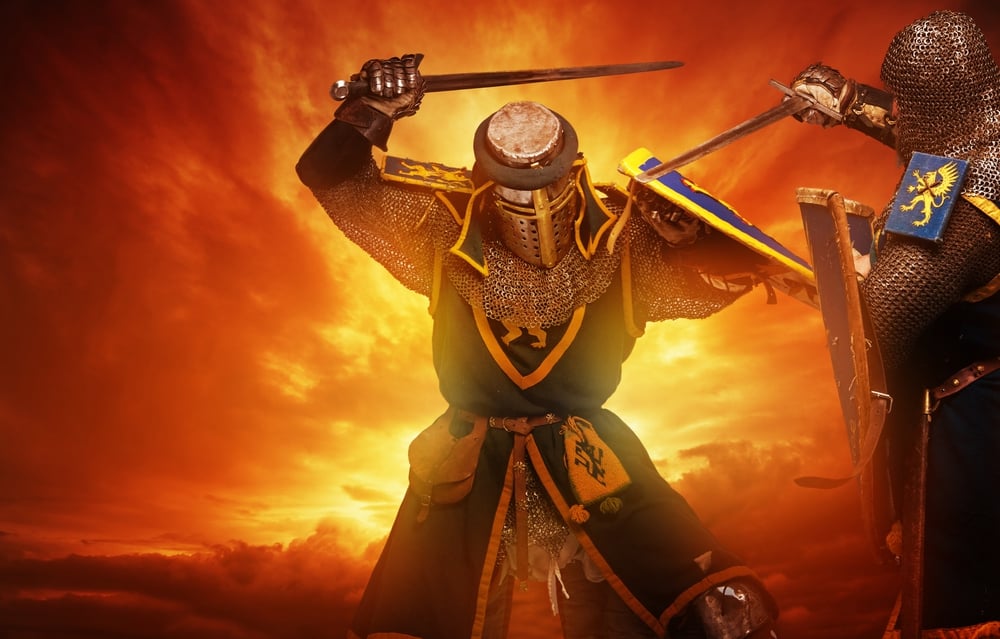
Chivalry was mostly marketing. Knights were expensive professional soldiers, and their primary job was violence. The romantic ideals about protecting the weak came later, mostly from literature written for entertainment.
Real knights participated in brutal warfare, looting, and the occasional massacre. They fought for money, land, and political advantage.
The code of chivalry applied mostly to how knights treated other knights, not to how they treated peasants or enemies. Tournaments were closer to bloodsports than sport.
People died at jousts regularly. Knights competed for prizes and prestige, not to demonstrate courtesy.
The gallant knight saving a damsel is a story trope, not a job description.
Women Had No Rights or Power
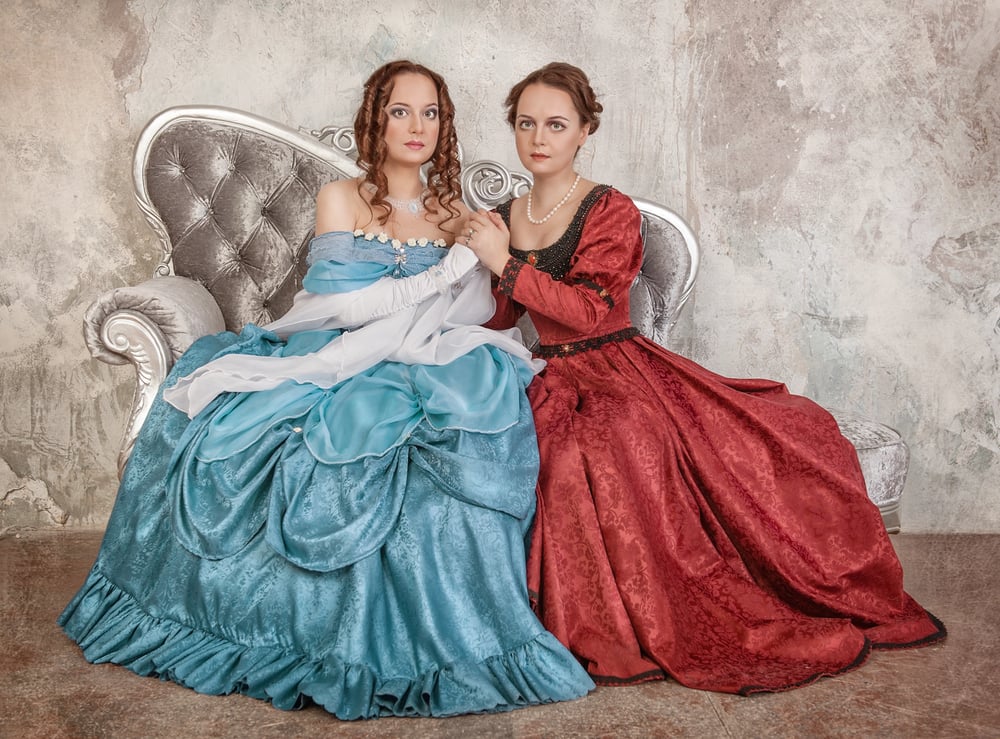
A few women in medieval times held real influence – shaped by where they lived, their status, sometimes even the century. Power wasn’t always out of reach.
Yet many faced strict limits. Reality shifts too much to sum up neatly. Some women held land, operated shops, ran trade groups across medieval towns.
When lords rode off to battle, highborn wives took charge of lands back home. Female monarchs stepped into power – either standing in for absent kings or ruling outright.
Leading nuns oversaw religious houses, shaping decisions far beyond chapel walls. Working fields beside men, peasant women also took part in crafts and commerce.
Not shut away in castles or stuck only cleaning homes, their lives were more active than myths suggest. Though laws gave them less than men, they still shaped their communities in real ways.
Everyone Was Christian and Deeply Religious

Church bells rang across medieval Europe, yet faith meant different things to different folks. Some showed up just because they always had.
New rebellions against official doctrine seemed to start every few years. Old ways from before Christ quietly survived out where city rules barely reached.
Folks often stayed away from Mass, even though the Church held sway. Laughter at a priest’s expense wasn’t rare, sometimes outright defiance colored daily life.
What showed up in court papers matched what stories whispered – disobedience woven into routine acts. Far from alone, medieval Europe shared the stage with others.
While castles rose in the West, scholars thrived in Baghdad under Islamic rule. Meanwhile, Constantinople shimmered as the heart of Byzantium.
Elsewhere across Asia, empires unfolded their own intricate stories. These worlds evolved at once, each shaped by distinct beliefs and rulers.
Peasants Were Stupid and Ignorant
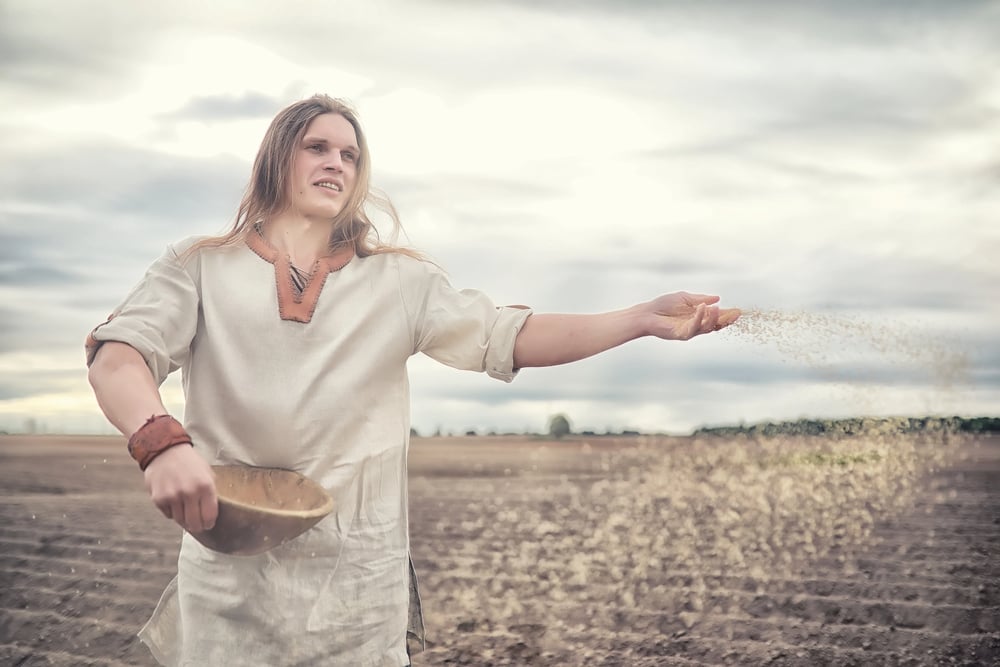
Most peasants could not read or write – yet they were far from foolish. Farming well meant understanding soil, seasons, and livestock, knowledge built slowly through practice.
Working together, they looked after shared fields while dealing directly with landowners. When pushed too hard, they found ways to push back.
Most folks rarely used reading skills since their jobs didn’t require them. Yet that wasn’t a sign of being uninformed.
Through spoken word, entire worlds of understanding stayed alive – passed along in ballads, tales told by firelight, and hands-on showing how things worked. Outsmarting expectations, some peasants knew exactly what the law allowed.
When pushed too far, they refused to work until conditions changed. Winning small victories wasn’t rare – just overlooked.
Cleverness shows up even without schooling. Book learning doesn’t always bring wisdom.
Castles Were Dark and Gloomy
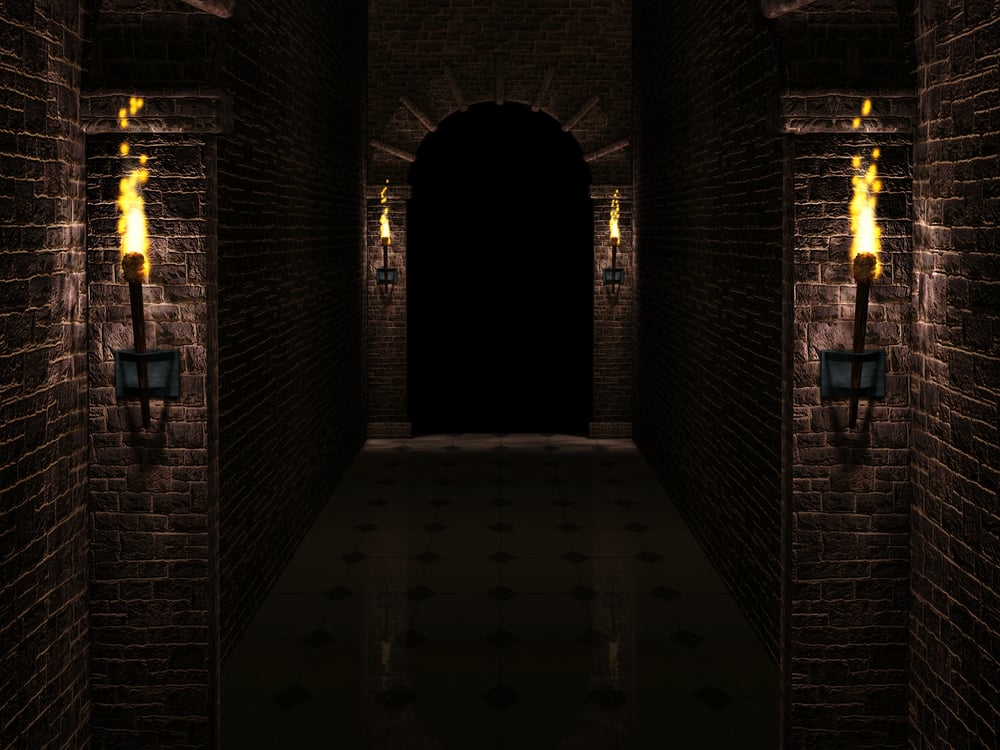
Windows appeared in medieval castles, even big ones now and then. Paint brightened the stone walls, or woven cloth draped across them.
Rushes lined some floors; others held baked clay squares. Decorations found their way onto surfaces, making corners feel less bare.
Now standing as empty shells, these stones have worn down over hundreds of years, stripped by time and weather. Back when they served their purpose, medieval castles looked nothing like the gray remnants we find now – far brighter, warmer, full of life.
Fancy rooms filled noble castles back then. Soft pillows sat beside heavy drapes, while carved chairs lined the walls.
A lord’s private space? Usually decked out beyond what most could imagine in those days. More than stone towers built for war, these places lived in like houses.
Food Was Bland and Terrible
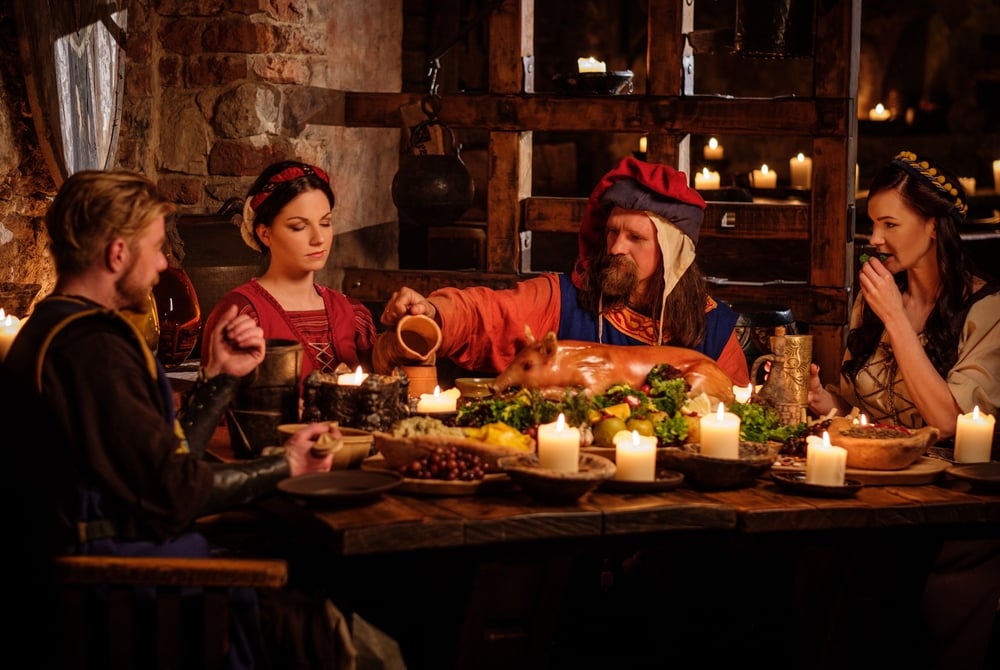
Medieval cuisine used spices extensively. Pepper, cinnamon, ginger, cloves, and saffron all appeared in recipes. The rich could afford elaborate dishes with multiple spices and complex preparation.
The idea that they used spices to cover rotten meat is backwards. Spices were expensive.
Why waste them on bad meat when you could buy fresh meat for less? People knew when meat had gone bad and they didn’t eat it.
Common people ate simpler food, but it wasn’t flavorless. They used herbs, onions, garlic, and whatever local seasonings they had.
Medieval cookbooks that survive show sophisticated knowledge of flavors and cooking techniques.
Trial by Ordeal Was Common

Trial by ordeal existed but wasn’t the default legal process. Most cases were settled through testimony, oaths, and evidence presented to judges or juries.
When ordeals happened, they were reserved for specific types of cases where other evidence was lacking. And even then, the process was designed to give the accused a way out.
Priests administering ordeals sometimes rigged them in favor of people they believed were innocent. By the later Middle Ages, trial by ordeal was falling out of use.
The Church banned it in 1215. Legal systems were developing more sophisticated methods of determining guilt.
The Black Death Killed Everyone

The Black Death was catastrophic, killing somewhere between one-third and one-half of Europe’s population in the mid-1300s. But most people survived.
Whole regions were less affected than others. The plague returned periodically for centuries afterward, but never with the same devastating impact as the first outbreak.
People developed some immunity. They learned quarantine practices.
Death rates in later outbreaks were lower. Society continued.
The population recovered within a couple of centuries. The labor shortage caused by the plague actually improved conditions for surviving peasants in many places because their work became more valuable.
No One Bathed

Medieval people bathed regularly. Public bathhouses were common in cities.
Private baths were less frequent but still happened. People washed their faces and hands daily.
The idea that medieval people were filthy comes from later periods, particularly the 1600s and 1700s, when bathing became less common due to fears about disease transmission through water. Medieval people actually had better hygiene practices than their early modern descendants.
Bathhouses were social spaces. People went to relax, socialize, and get clean.
Religious authorities sometimes complained about bathhouses being too rowdy or immoral, which tells you they were popular enough to worry about.
Cities Were Primitive

Medieval cities had paved streets, running water, and organized waste disposal in many cases. Not everywhere, not all the time, but the infrastructure existed and functioned.
Constantinople had aqueducts and sophisticated plumbing. Italian cities built impressive public works. London had public latrines and rules about waste disposal.
Cities weren’t pristine, but they weren’t open sewers either. Guilds organized craftsmen and maintained quality standards.
Cities had governments, courts, and legal codes. They built cathedrals, universities, and hospitals.
Calling them primitive ignores the complexity of urban medieval life.
Arranged Marriages Were Loveless

Arranged marriages were common, especially among the nobility where marriage was a political tool. But that doesn’t mean couples didn’t develop affection for each other.
Letters between married couples show genuine emotion and partnership. People chose to marry for love when they could.
Even arranged marriages often involved some input from the people getting married, particularly if they weren’t at the very top of society. Peasants had more freedom to choose their spouses than nobles did.
Romantic love as the sole basis for marriage is modern, but that doesn’t mean medieval people didn’t experience love or value it in their relationships.
Torture Was Everywhere
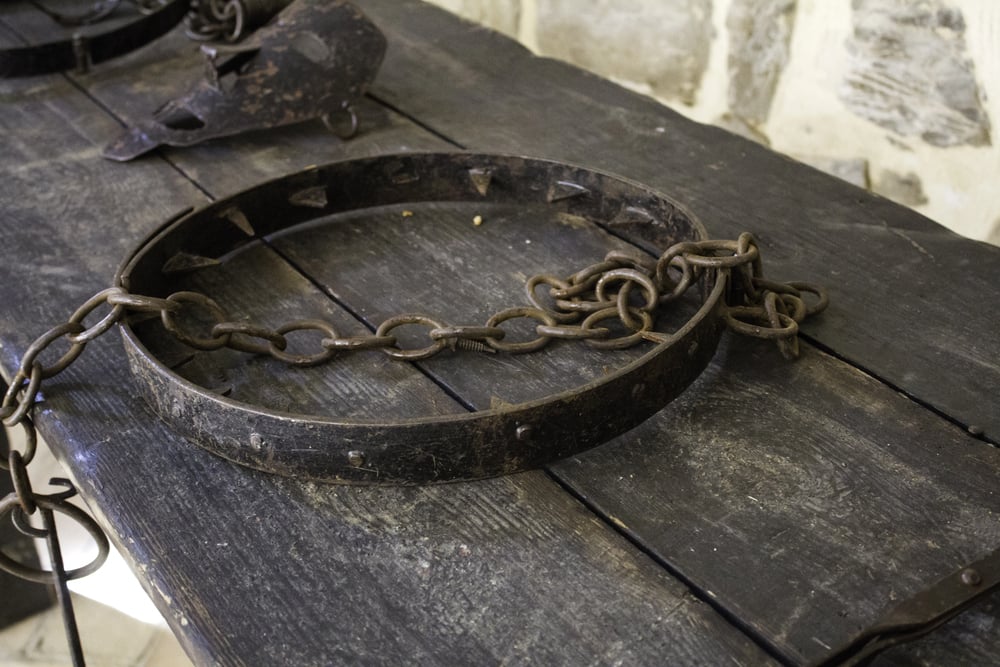
Torture existed and was used in criminal investigations and executions. But it wasn’t as widespread or casual as popular culture suggests.
Legal codes regulated when and how torture could be used. Accusations had to meet certain standards before torture was permitted.
Authorities had to follow procedures. Not every accused criminal was tortured.
Many were simply tried and sentenced without it. Executions were public spectacles and could be brutal.
But again, not every criminal was executed. Fines, imprisonment, and other punishments were more common than death.
The spectacular punishments stick in cultural memory because they were spectacular.
Alchemy Was Nonsense
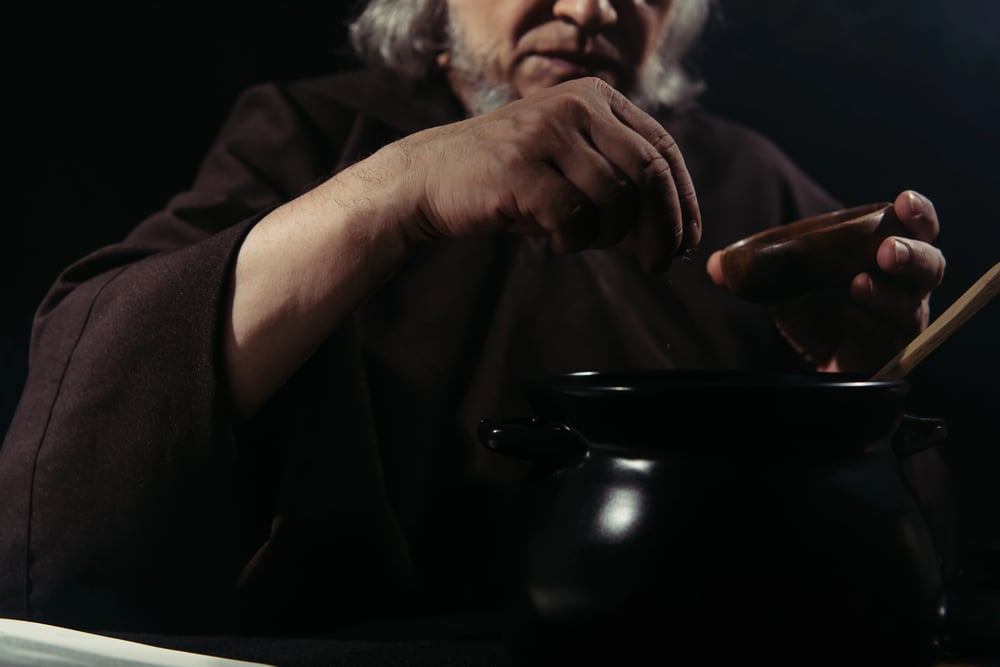
Alchemists were early chemists. They experimented with materials, developed processes for purifying substances, and discovered chemical reactions.
Yes, they were trying to turn lead into gold, but along the way they figured out useful things. Distillation, metallurgy, and pharmaceutical techniques all owe debts to alchemical research.
The methods were primitive by modern standards, but the approach—experimentation, documentation, refinement—was scientific. Dismissing alchemy as pure mysticism ignores the practical knowledge that came out of it.
The theory was wrong, but the practice contributed to the development of chemistry.
Vikings Were Just Raiders

Vikings raided, but they also traded, settled, explored, and built sophisticated societies. They established trade routes across Europe and into Asia.
They settled Iceland and Greenland. They reached North America.
Norse society had laws, literature, and complex social structures. They built ships that were marvels of engineering.
Their metalwork and craftsmanship were highly valued across Europe. The raiding gets all the attention because it was dramatic and left a strong impression on the people being raided.
But reducing Viking culture to just violence misses most of what they accomplished.
Medicine Was Useless Bloodletting
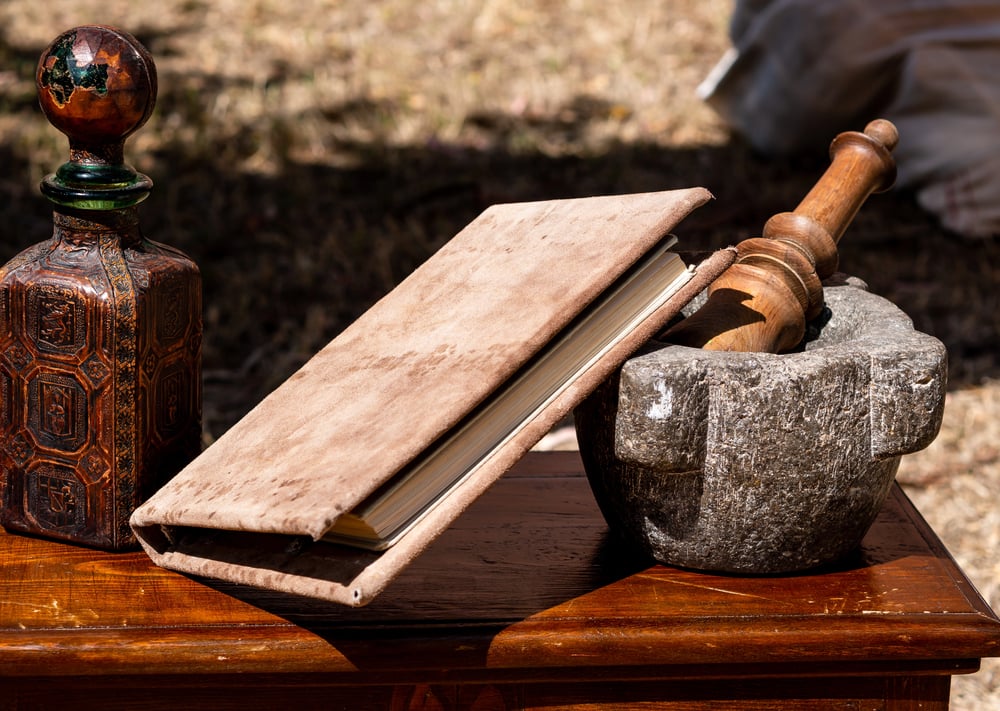
Medieval medicine included bloodletting, but it also included surgery, herbalism, and treatments that sometimes worked. Doctors set bones, sutured wounds, and removed cataracts.
They understood anatomy to a degree and developed surgical instruments. Monasteries preserved medical texts from ancient Greek and Roman physicians.
The Islamic world made significant medical advances that eventually filtered into Europe. Universities taught medicine as a serious discipline.
Some treatments were ineffective or harmful by modern standards. But medieval physicians were trying to help people with the knowledge they had.
Dismissing all medieval medicine as superstition ignores the real advances that were made.
The Middle Ages Were One Uniform Period

The Middle Ages lasted roughly a thousand years. Comparing life in 500 CE to life in 1500 CE is like comparing the 1000s to now.
Technology, culture, politics, and society changed enormously over that time. Early medieval Europe after Rome’s fall was different from the High Middle Ages when Gothic cathedrals were being built, which was different again from the late medieval period when gunpowder and printing were emerging.
Treating the Middle Ages as a single static period flattens out all that change and development. It was as dynamic as any other era in history.
What the Movies Got Wrong

Stories work better when they’re straightforward. Clear good guys, obvious bad ones – Hollywood likes that shape.
Real history? Too messy for the frame. Instead, polished warriors ride in. Damsels wait.
Crowds mumble in old-world English tones. Stories stick around when they serve a purpose.
Because things were so different long ago, today seems smarter by comparison. When the old days look rough, now feels polished.
Still, people enjoy hearing them just the same. Still, amusement isn’t the same as facts.
Back then, medieval life unfolded in messy layers – odd twists, tangled motives, far richer than what shows and books usually show. Ordinary folks filled medieval times, much like today.
Clever moments mixed with foolish ones shaped their days. Kindness showed up alongside harsh actions.
New ideas popped up even when old habits stuck around. Faith mattered deeply to some, while others questioned what was preached.
Courage appeared where you might not expect it. Life moved more slowly due to simpler tools and a limited understanding.
Yet deep down, hopes and flaws felt familiar. Their world looked unlike ours, but the heart of who they were rings true now.
Peeling back the layers starts by setting aside tall tales. What truly shaped these people lies in their actions, not legends.
Truth bends where myth stands straight. Richness hides in the uneven parts.
More from Go2Tutors!

- The Romanov Crown Jewels and Their Tragic Fate
- 13 Historical Mysteries That Science Still Can’t Solve
- Famous Hoaxes That Fooled the World for Years
- 15 Child Stars with Tragic Adult Lives
- 16 Famous Jewelry Pieces in History
Like Go2Tutors’s content? Follow us on MSN.