Presidents Who Were Great Musicians
Most folks do not link politics with music. Still, a few commanders in chief could play instruments just as well as they ran meetings.
Not just signing bills – some sat at pianos or strummed guitars late at night. Melodies gave them space to think, moments away from crowds and cameras.
For certain leaders, a song revealed more than any speech ever did. It’s the mix of strength and creativity that gives these tales their pull.
Though running a country demands focus, playing music gives certain presidents a path into beat, balance, and feeling – areas the government rarely touches. From quiet practice sessions to public performances, their instruments offered something speeches never could.
A few stood out, not just for decisions made in offices but for notes played after hours. Their skill didn’t come by accident; each had moments that shaped how they connected with sound.
Thomas Jefferson
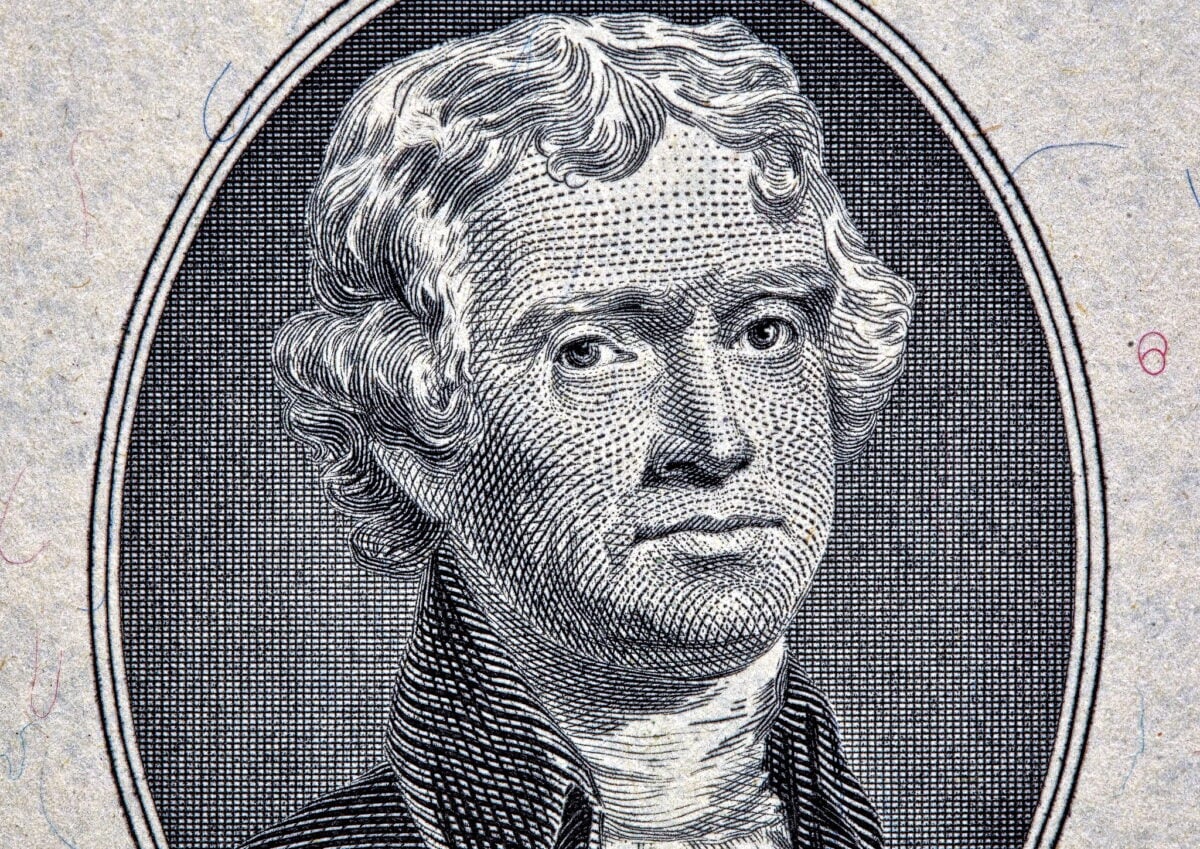
Thomas Jefferson, the third president of the United States, was a man of many talents. Alongside his political and scientific pursuits, Jefferson was an accomplished violinist.
Music was a central part of his life, and he often played chamber music with friends in his home at Monticello. Jefferson’s appreciation for music went beyond performance.
He collected instruments and compositions from Europe, fostering a cultural environment that influenced both his family and his social circle. His musicality reflected his broader intellect, demonstrating discipline, creativity, and a love for structure—qualities that also shaped his political thought.
Jefferson’s performances were intimate affairs, often with close friends, yet they showcased his meticulous approach to both music and governance.
Harry S. Truman
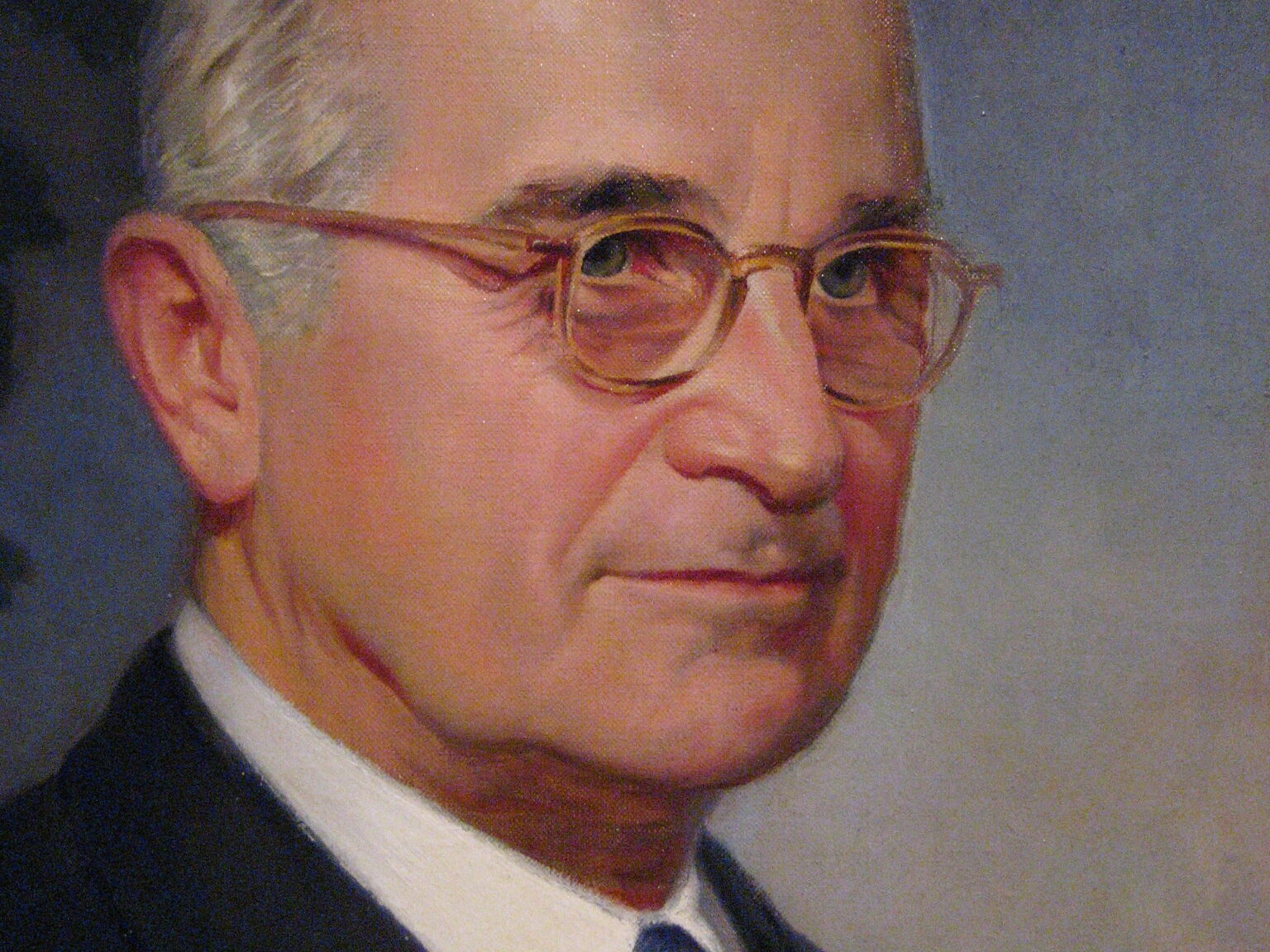
Harry S. Truman, the 33rd president, is remembered for his decisive leadership during World War II, but he also had a deep love for music, particularly piano. Truman played for personal enjoyment and as a way to unwind from the pressures of the presidency. His playing was simple but heartfelt, emphasizing melody and rhythm rather than technical showmanship.
Music was more than a hobby for him. Truman often attended concerts and supported musical initiatives, believing that arts and culture were essential to society.
He even hosted informal musical gatherings at the White House, inviting friends and colleagues to enjoy impromptu piano sessions. His ability to find solace in melodies demonstrated a humanizing side to a leader often associated with stern decision-making.
Bill Clinton
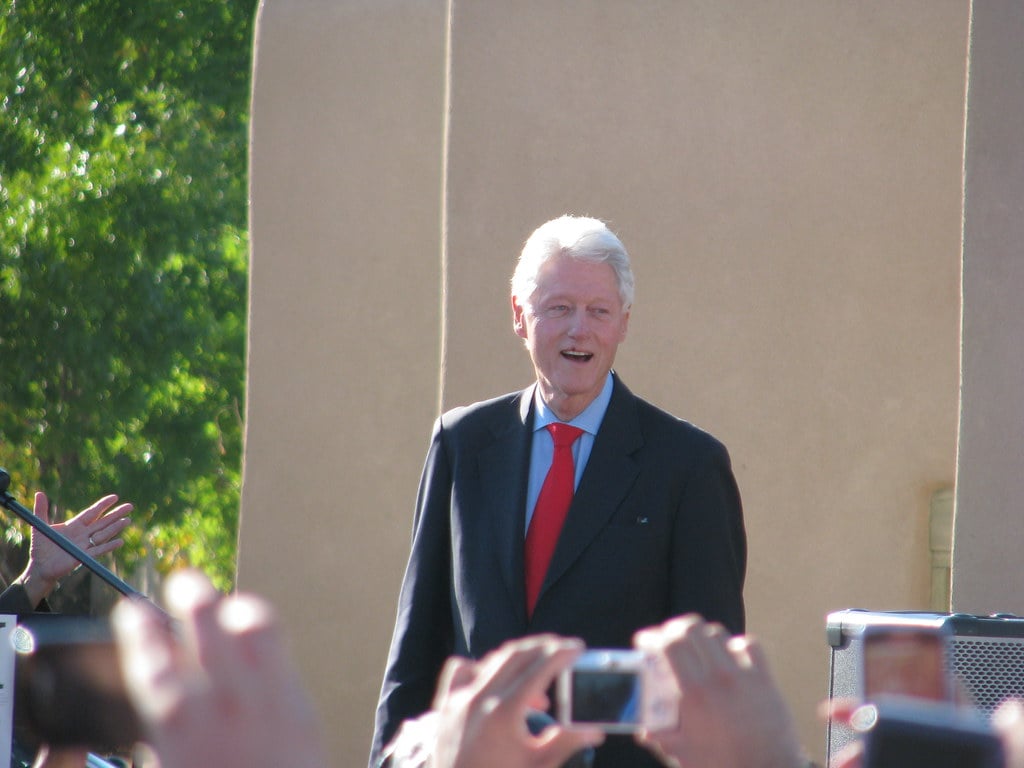
Bill Clinton, the 42nd president, is widely known for his saxophone skills. Long before entering the political arena, he studied the instrument and performed publicly in school bands.
His musical talent became part of his public persona, making him relatable to constituents and adding a unique dimension to his image. Clinton famously played the saxophone on national television, blending charm with skill.
Music offered him a creative outlet and a way to communicate beyond words. He also continued to perform privately, often playing jazz or blues with friends and professional musicians.
His performances revealed a relaxed, approachable side of a president often judged by policy alone, and they created moments that humanized his public image in the eyes of the American people.
Woodrow Wilson
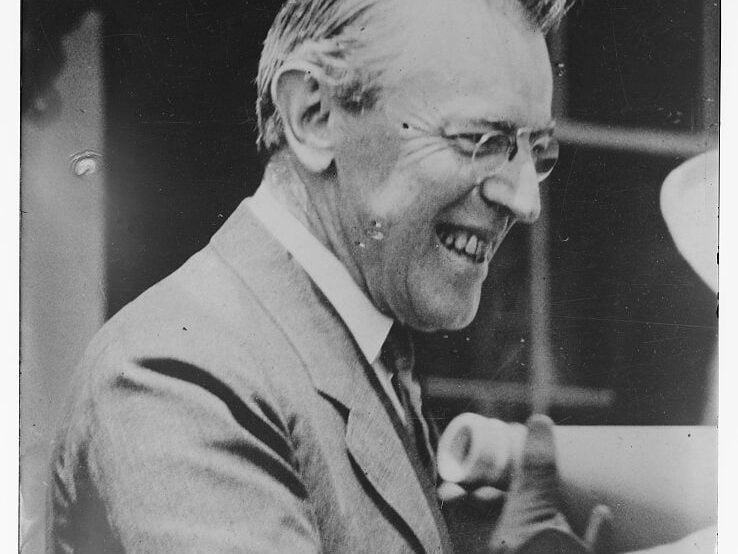
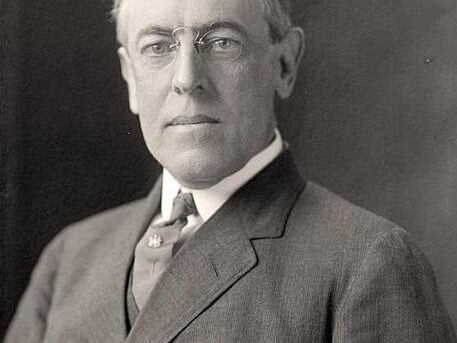
Woodrow Wilson, the 28th president, played the piano and had a keen interest in classical music. His musical abilities were cultivated from a young age, and he maintained an appreciation for composition and performance throughout his life.
Wilson enjoyed listening to European composers and often referenced musical analogies in his speeches and writings. Wilson’s engagement with music reflected a disciplined, methodical mind.
Piano practice required focus and patience, traits that carried into his academic and political career. For Wilson, music was both a personal refuge and a cultural statement, linking him to intellectual traditions that shaped his presidency.
His performances, often private, underscored his reflective personality and love of thoughtful, measured expression.
Jimmy Carter
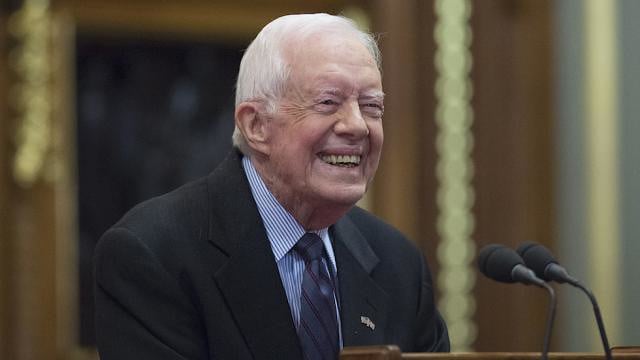
Jimmy Carter, the 39th president, is another leader who embraced music. He played the harmonica and guitar, often performing folk and country tunes.
Carter’s musicality was informal yet heartfelt, reflecting his connection to community and American culture. Music also served as a bridge during diplomacy and public appearances.
Carter sometimes played for children, veterans, or local events, using melody to foster connection and warmth. His performances emphasized authenticity, showing that leadership could coexist with everyday creativity.
Beyond performance, Carter often wrote songs for personal enjoyment, using music as a way to document his reflections and experiences.
Ronald Reagan
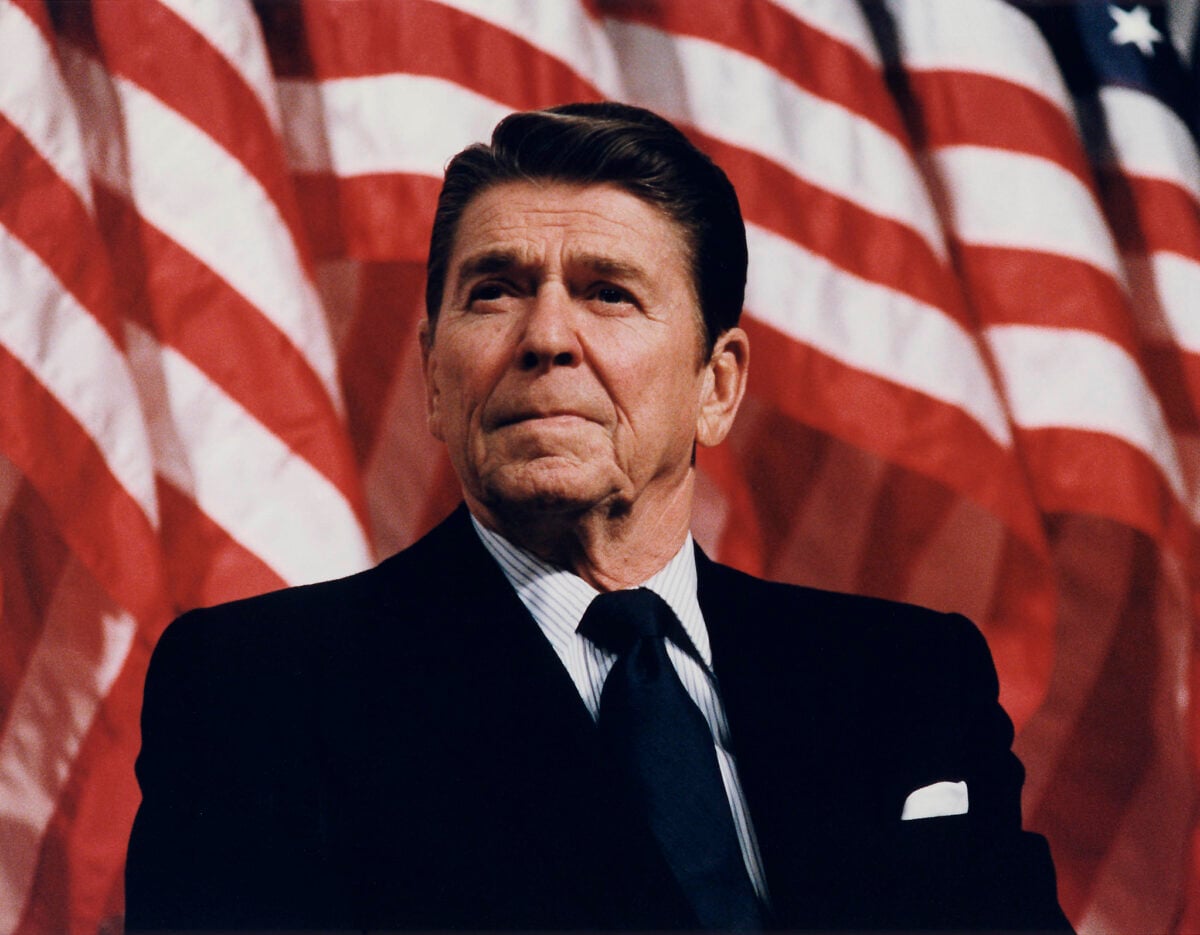
Ronald Reagan, the 40th president, was primarily known for his acting career, but he also had a musical background. He played the accordion during his early years and occasionally performed for friends and colleagues.
Reagan’s musical involvement added an element of performance to his presidency, complementing his skills in communication and storytelling. Music, in his case, intersected with theatricality and public presence, reinforcing his ability to engage audiences in multiple ways.
He even used musical references in speeches, drawing on his understanding of rhythm and timing to enhance his oratory.
Herbert Hoover
Herbert Hoover, the 31st president, was not widely known as a musician, but he was a skilled pianist. His performances were part of private gatherings and family events rather than public showcases.
Hoover’s music reflected a contemplative side, providing balance to the pressures of the presidency during the Great Depression. For Hoover, music offered a means of personal relaxation and reflection.
Playing the piano allowed him to focus attention on harmony and timing, a subtle parallel to his methodical approach to policy and management. Even modest musical engagement can offer insights into the discipline and patience of a leader.
Thomas Woodrow Wilson
Wilson’s successor, Warren G. Harding, while less prominently musical, was a lover of music and often entertained guests with piano pieces. His appreciation for melody and rhythm informed his sociable demeanor, creating spaces for informal conversation and engagement with citizens.
Music allowed Harding to express cultural literacy and refinement, reinforcing his public image as a leader in touch with both tradition and society. These small but consistent musical gestures helped humanize leaders who otherwise seemed remote from the public.
Lesser-Known Musical Presidents
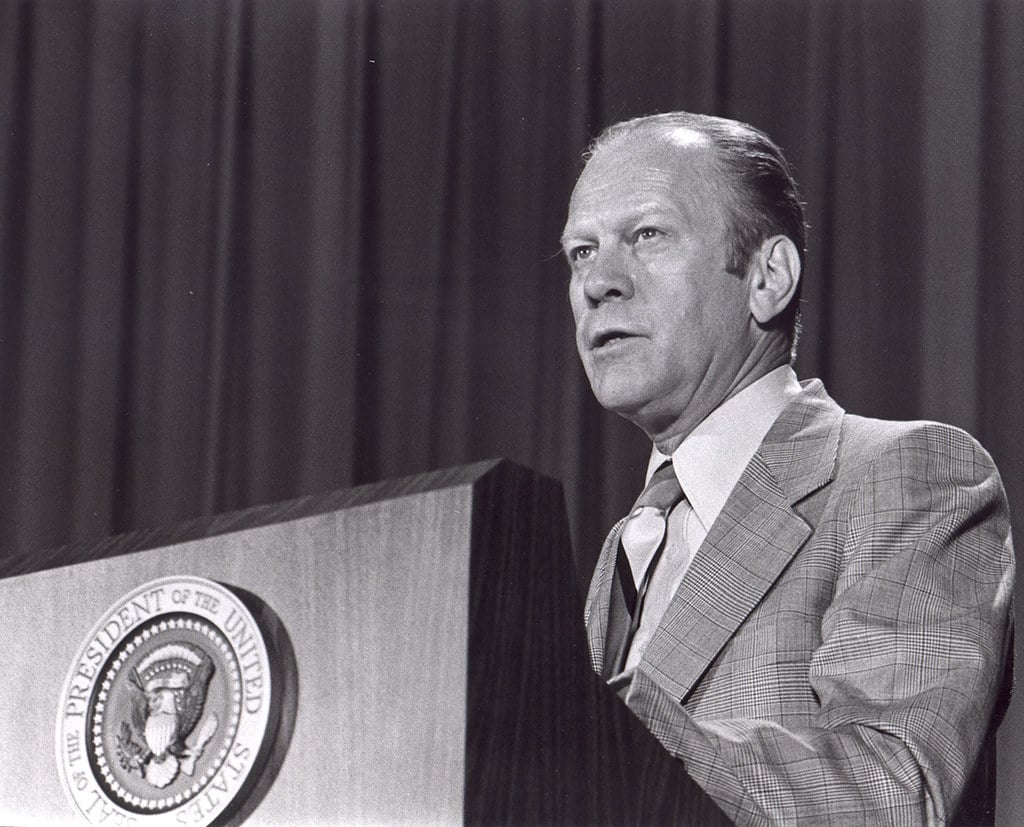
Other presidents, like Gerald Ford and Lyndon B. Johnson, had musical inclinations that complemented their leadership. Ford enjoyed singing in informal settings, while Johnson played piano and was known to enjoy fiddle tunes during his Texas youth.
These pursuits were largely private, yet they demonstrated that music provided emotional grounding, social ease, and mental relief from the weight of governance. Abroad, leaders like France’s Nicolas Sarkozy and Uruguay’s José Mujica also incorporated music into their personal lives, showcasing how the combination of leadership and musical engagement is not confined to one nation or era.
Music often becomes a lens through which citizens can relate to their leaders, offering glimpses of personality beyond formal appearances.
How Music Shaped Presidents
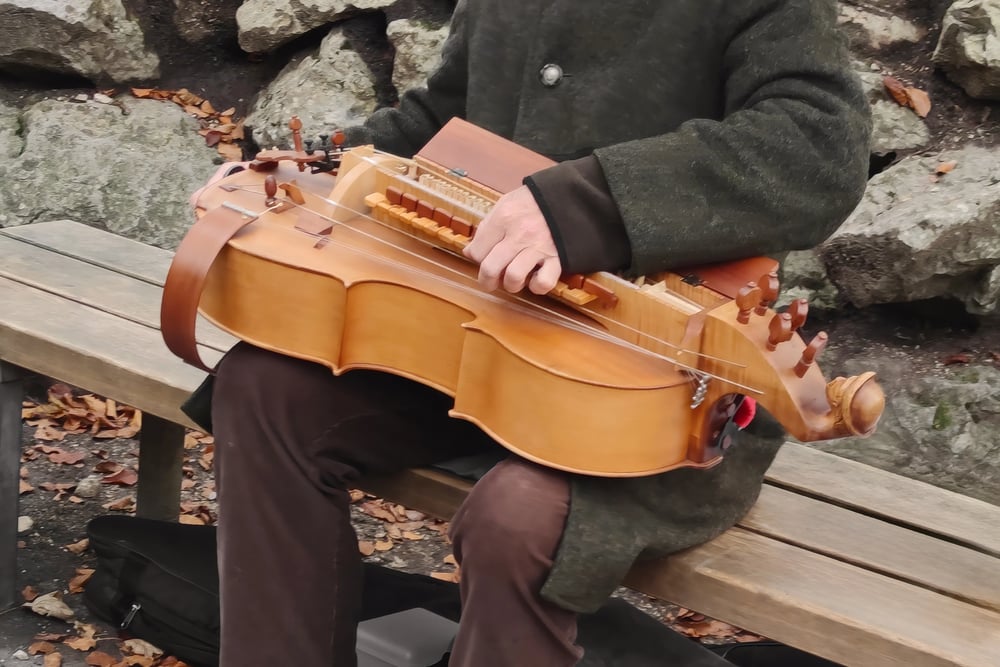
Musical practice offered these presidents more than entertainment. It encouraged discipline, patience, and emotional expression—qualities transferable to leadership.
Performing music also humanized them, creating moments where citizens could relate to their personal lives beyond politics. Some presidents used music strategically, whether in public appearances, diplomatic events, or media engagement.
Others turned to it privately, finding solace from the immense pressures of office. In every case, music enriched their lives and leadership, shaping temperament, public perception, and personal fulfillment.
Lessons from Musical Presidents
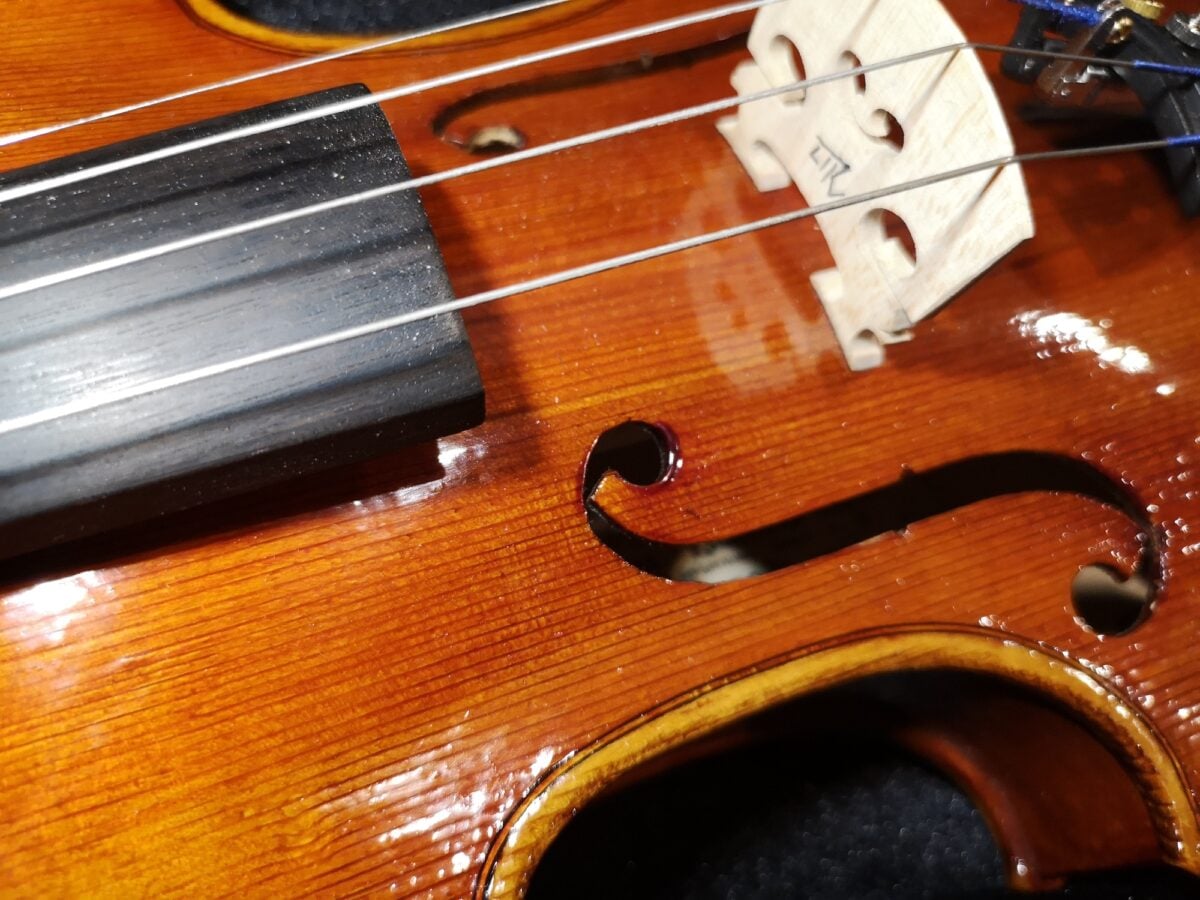
These stories show that artistic skill is not at odds with political leadership. Music cultivates creativity, patience, and empathy—qualities that benefit decision-making and personal well-being.
Leaders who engage with music demonstrate a broader understanding of human experience, connecting with people on emotional and cultural levels. From Jefferson’s violin to Clinton’s saxophone, music provided presidents with balance, perspective, and a unique form of expression.
Their examples encourage reflection on how personal passions, even in the highest office, can influence leadership style and public connection.
Why It Still Matters
Nowadays, with cameras always watching, it’s easy to forget politicians have lives beyond speeches. Yet when a president picks up a saxophone or sits at a piano, something human comes through.
Not every thinker is stuck in numbers or policy. Sometimes, how someone plays a song tells you more than any debate ever could.
These moments do not make them better rulers – just clearer as people. A melody can soften even the weightiest office.
Presidents who play instruments show us something quiet about power. Not through speeches, but through practice, patience, time set aside.
One chord at a time, they reveal rhythm behind decisions. Behind closed doors, fingers on keys or strings shift the mood.
It’s not performance – it’s presence. What matters isn’t perfection, but showing up.
A saxophone solo, a piano piece – these moments breathe differently than policy meetings do. They listen, adapt, and respond without scripts.
That kind of listening might just shape how they lead. Music doesn’t care for titles.
It asks only for attention. And in return, it offers clarity.
So maybe what happens offstage matters most. Notes linger where words fall short.
More from Go2Tutors!

- 16 Historical Figures Who Were Nothing Like You Think
- 12 Things Sold in the 80s That Are Now Illegal
- 15 VHS Tapes That Could Be Worth Thousands
- 17 Historical “What Ifs” That Would Have Changed Everything
- 18 TV Shows That Vanished Without a Finale
Like Go2Tutors’s content? Follow us on MSN.



