Themed Restaurants That Didn’t Last Long
Themed restaurants were once the hottest thing in dining. From the 1990s through the early 2000s, these over-the-top eateries promised an experience that went way beyond just eating a meal.
They had animatronics, celebrity memorabilia, elaborate sets, and staff in costume. For a while, tourists and families couldn’t get enough of them.
But as quickly as they rose to fame, most of these restaurants came crashing down, victims of overexpansion, mediocre food, and changing tastes. Here is a list of themed restaurants that burned bright but didn’t stick around for long.
Mars 2112
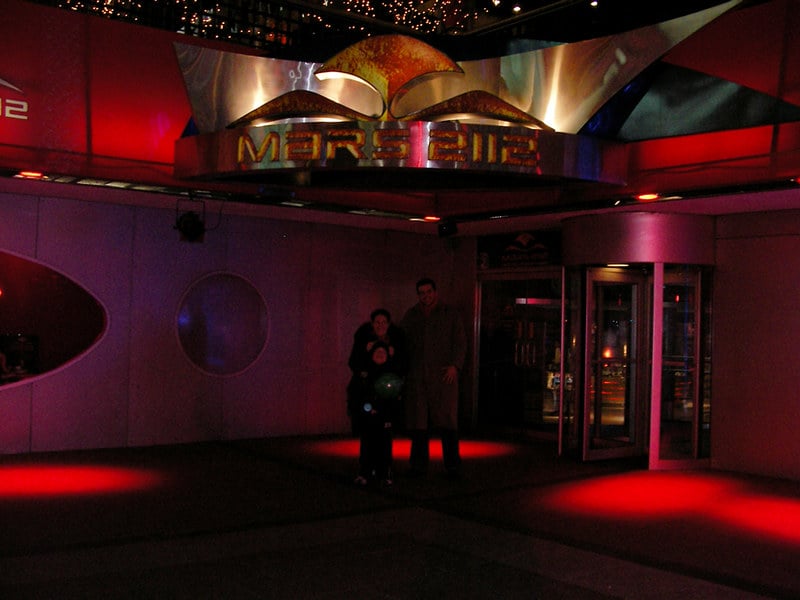
This wasn’t just a restaurant—it was a full-blown journey to another planet. Mars 2112 opened in Times Square in 1998 and immediately became one of the most ambitious themed restaurants ever created.
Guests entered through a spaceship simulator that took them on a bumpy ride through a ‘wormhole’ before arriving at the dining area, which was designed to look like an underground Martian cave complete with a three-story crater. The menu featured items like ‘Terraforming Tuna’ and waiters wore futuristic costumes while animatronic aliens wandered around.
Despite filing for bankruptcy twice, the restaurant managed to hang on until January 2012, closing exactly 100 years before its namesake date.
Dive!
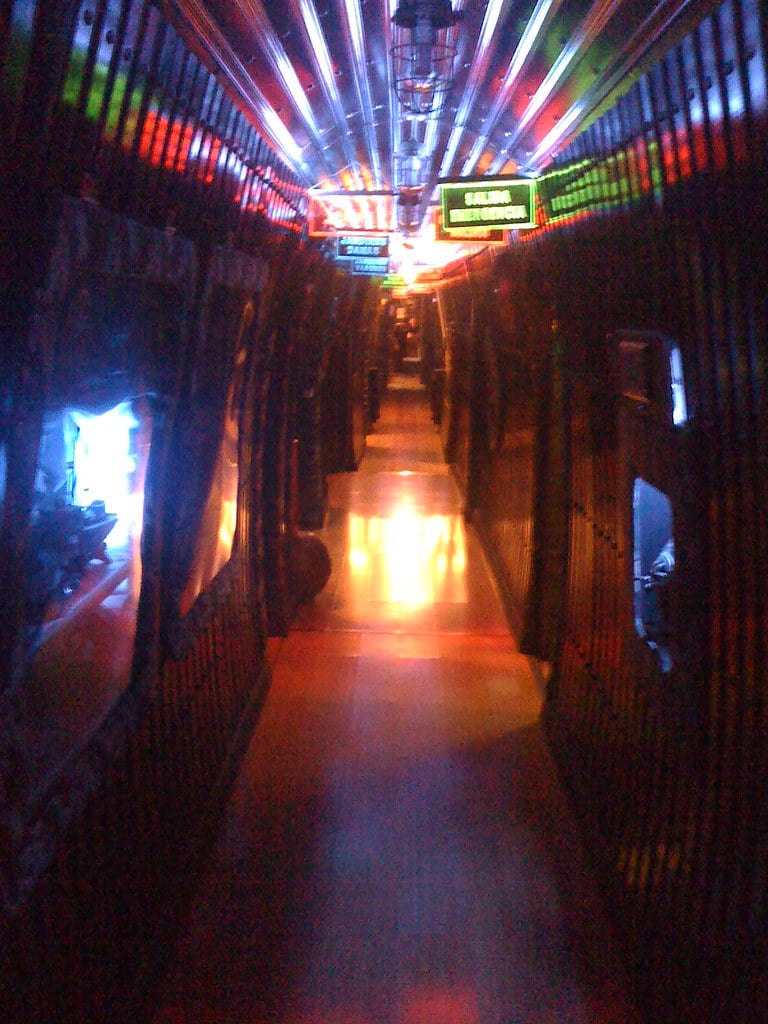
Steven Spielberg’s love of the ocean inspired this submarine-themed restaurant that opened in Century City, California in May 1994. The exterior featured a massive yellow submarine nose jutting out from the building, and inside, diners sat surrounded by portholes, pressure gauges, and video screens showing underwater scenes.
Every 45 minutes, the restaurant simulated a submarine dive with flashing lights, klaxons, and water bubbling in the windows. Spielberg and partner Jeffrey Katzenberg spent $7 million building the first location and planned for 60 more worldwide.
Unfortunately, the menu centered around—you guessed it—submarine sandwiches, which critics found overpriced and underwhelming. The Los Angeles location closed in 1999, and the Las Vegas outpost followed soon after.
Fashion Cafe

When supermodels Naomi Campbell, Claudia Schiffer, Elle Macpherson, and Christy Turlington teamed up to open a restaurant in 1995, it seemed like a can’t-miss idea. The restaurant featured a catwalk down the middle of the dining room, designer clothing displays, and menu items named after the models.
But there was one major problem: the connection between fashion and food wasn’t exactly obvious, and diners weren’t particularly hungry for ‘Naomi’s Fish and Chips.’ The restaurant grew to eight locations before everything fell apart.
By 1999, all locations had closed, and the Italian brothers who founded it were later indicted on 51 counts of fraud and money laundering, accused of swindling investors out of around $12 million.
WWF New York
Professional wrestling was huge in the late 1990s, so Vince McMahon opened WWF New York in 1999 in a prime Times Square location. The 46,000-square-foot complex included a restaurant, nightclub, arcade, and merchandise store where fans could watch pay-per-views on massive screens and meet wrestlers in person.
When the company changed its name to WWE in 2002 due to a trademark dispute, the restaurant was rebranded as ‘The World.’ But the concept never quite worked—on non-event nights, business was slow, and the restaurant was paying about $1 million annually in rent.
WWE CEO Linda McMahon decided to close it in February 2003 so the company could focus on its core business.
Pastamania

Hulk Hogan opened this pasta restaurant in the Mall of America on Labor Day weekend 1995, and it was promoted heavily on the first episode of WCW Monday Nitro. The menu featured items like ‘Hulk’s Power Pasta,’ ‘Hulkaroni and Cheese,’ and even Hogan-shaped pasta pieces.
Hogan promised the food would keep fans ‘slim and trim,’ though critics compared it to ‘reheated three-day-old Chef Boyardee.’ Despite the heavy promotion and celebrity backing, Pastamania couldn’t overcome the fact that fast-food pasta just isn’t that appealing.
The restaurant closed in less than a year, becoming one of Hogan’s most infamous business failures.
Jekyll & Hyde Club
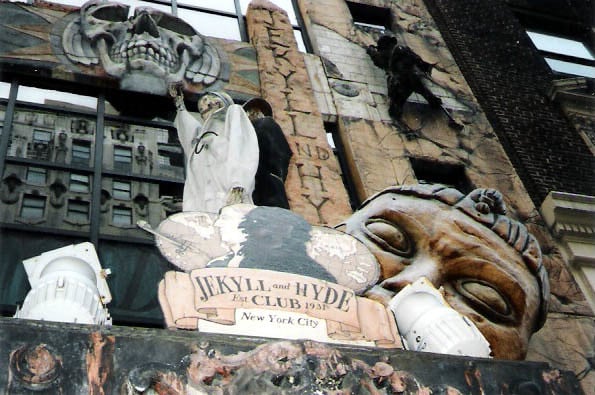
This horror-themed restaurant opened in Greenwich Village in 1991 and offered a dining experience somewhere between a haunted house and Chuck E. Cheese’s. The restaurant featured animatronic monsters, staff in creepy costumes, trick bookshelf doors leading to restrooms, and regular performances by actors playing mad scientists and vampires.
A larger four-story location opened in Midtown, and for years, tourists loved the over-the-top Gothic atmosphere. But by 2022, mounting debts caught up with the business—it owed $7.5 million to creditors and $1.5 million in back rent.
The COVID-19 pandemic decimated tourism, and the last location closed in June 2022 after filing for bankruptcy.
Harley-Davidson Cafe
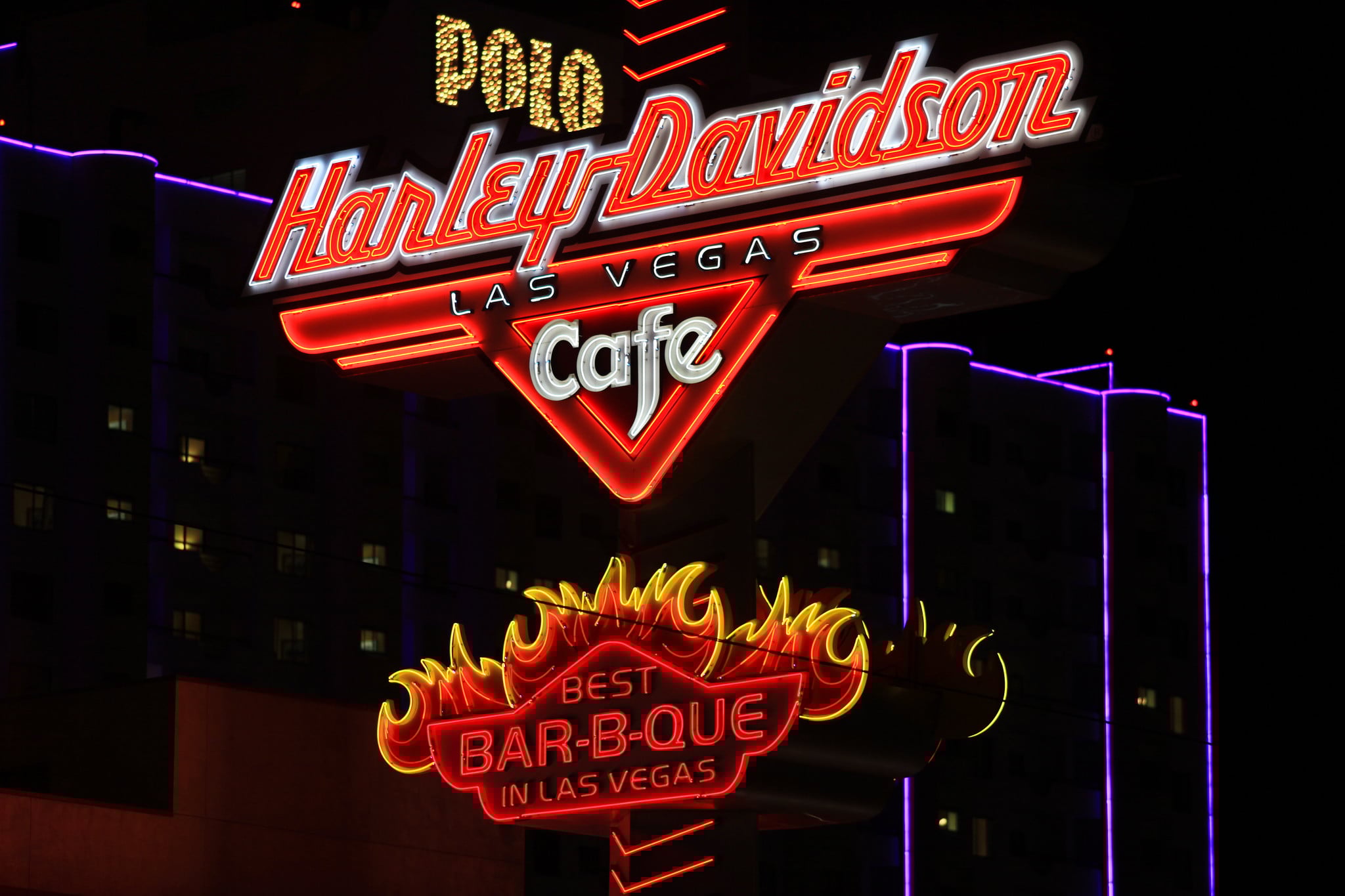
Bikers and tourists alike flocked to this Las Vegas Strip restaurant when it opened in 1997. The exterior featured a giant replica Harley-Davidson motorcycle with a front tire that measured 32 feet across and weighed 1,200 pounds.
Inside, full-size motorcycles hung from conveyor belts, and the walls were covered with memorabilia including Jon Bon Jovi’s snakeskin jacket. Celebrity guests like Pamela Anderson and Burt Reynolds stopped by during its heyday.
Unlike many themed restaurants, this one actually had a decent run, lasting nearly two decades before closing in October 2016. The restaurant had fallen several months behind on rent, and its inventory was auctioned off, with replica bikes and memorabilia going to collectors.
Kenny Rogers Roasters
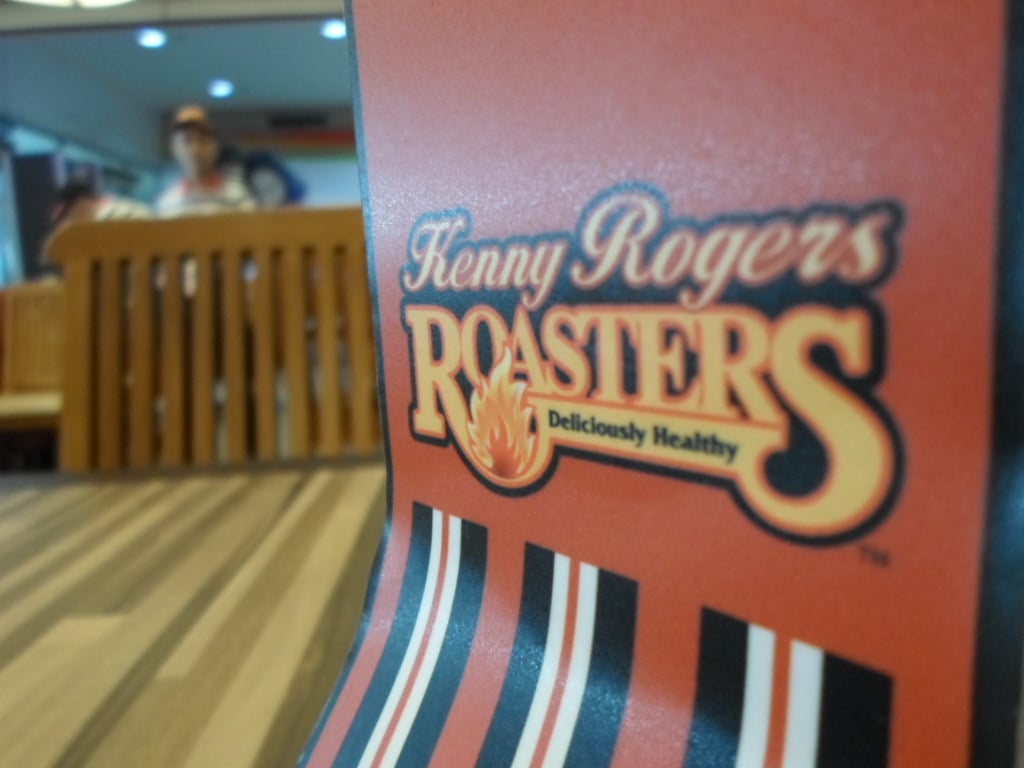
Country music legend Kenny Rogers and former KFC CEO John Y. Brown Jr. launched this rotisserie chicken chain in Coral Springs, Florida in 1991. The restaurant promoted wood-fired chicken as a healthier alternative to fried options, and it quickly expanded to more than 350 locations across the U.S. and internationally.
A famous 1996 Seinfeld episode featured Kramer going crazy over the restaurant’s bright red sign, which ironically came just two years before the chain filed for bankruptcy in 1998. The brand was sold multiple times, and the last U.S. location closed on December 31, 2011 in Ontario, California.
The chain still thrives in Asia with hundreds of locations, but Americans can no longer get their Kenny fix at home.
Planet Hollywood

This celebrity-backed restaurant chain launched in 1991 with investors including Sylvester Stallone, Bruce Willis, and Arnold Schwarzenegger. The restaurants were packed with movie props and memorabilia displayed in glass cases, from Rocky’s boxing gloves to costumes from famous films.
At its peak, Planet Hollywood seemed unstoppable, but the chain filed for bankruptcy in 1999 as the themed restaurant bubble burst. Many locations closed, and while the brand still exists today with a handful of restaurants and a successful hotel chain, it’s a shadow of its former self when it had locations worldwide.
All Star Cafe
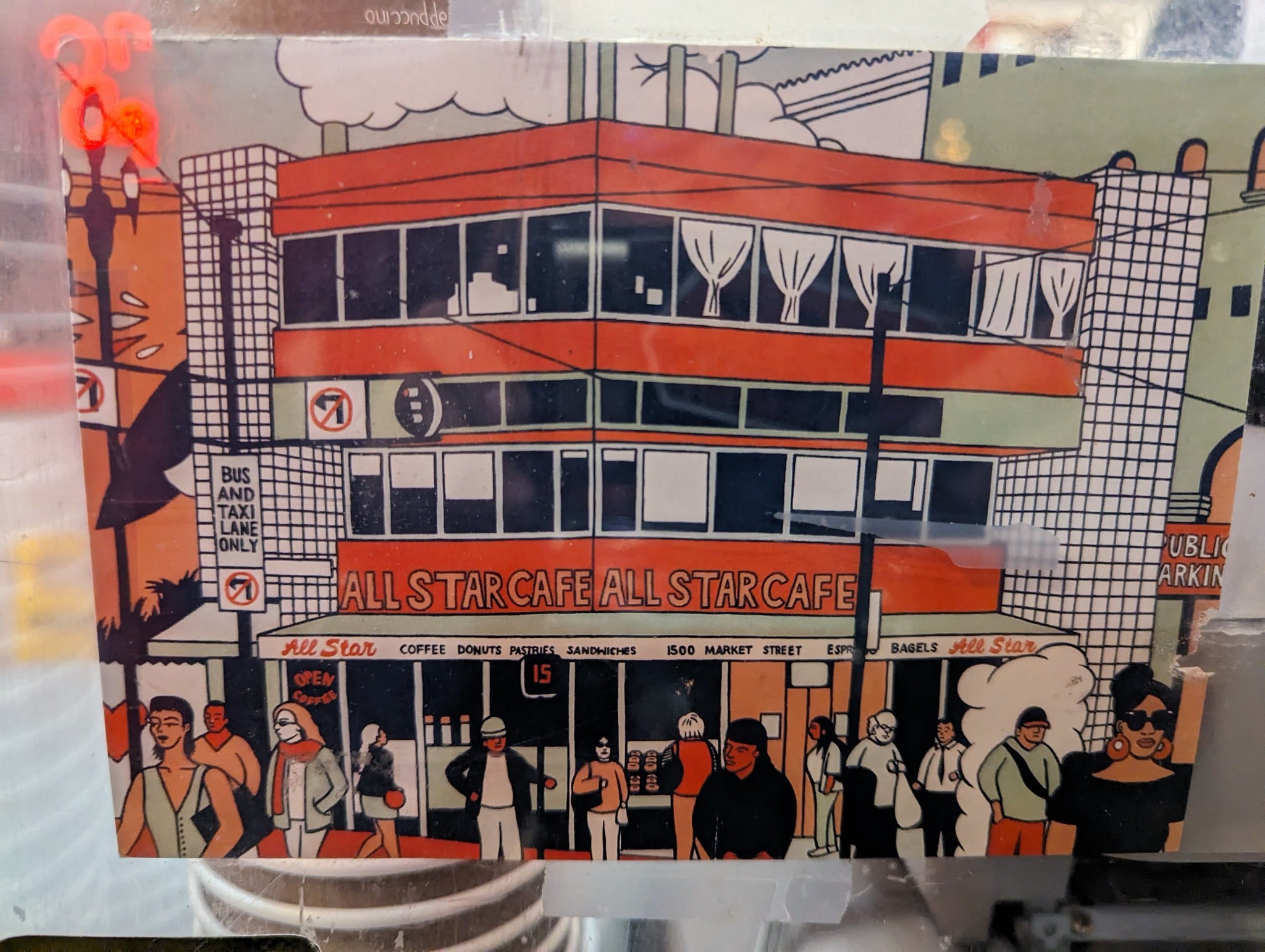
Sports legends including Shaquille O’Neal, Wayne Gretzky, Joe Montana, and Andre Agassi invested in this sports-themed restaurant that opened its first location in New York City in 1995. The restaurants featured sports memorabilia like Andre Agassi’s ponytail, baseball glove-inspired booths, and big-screen TVs showing live games.
Owned by Planet Hollywood, the chain grew to 10 locations before it all fell apart. When Planet Hollywood filed for bankruptcy in 1999, All Star Cafe went down with it.
The last location closed in 2007 at Walt Disney World, ending the dream of a nationwide sports dining empire.
ESPN Zone
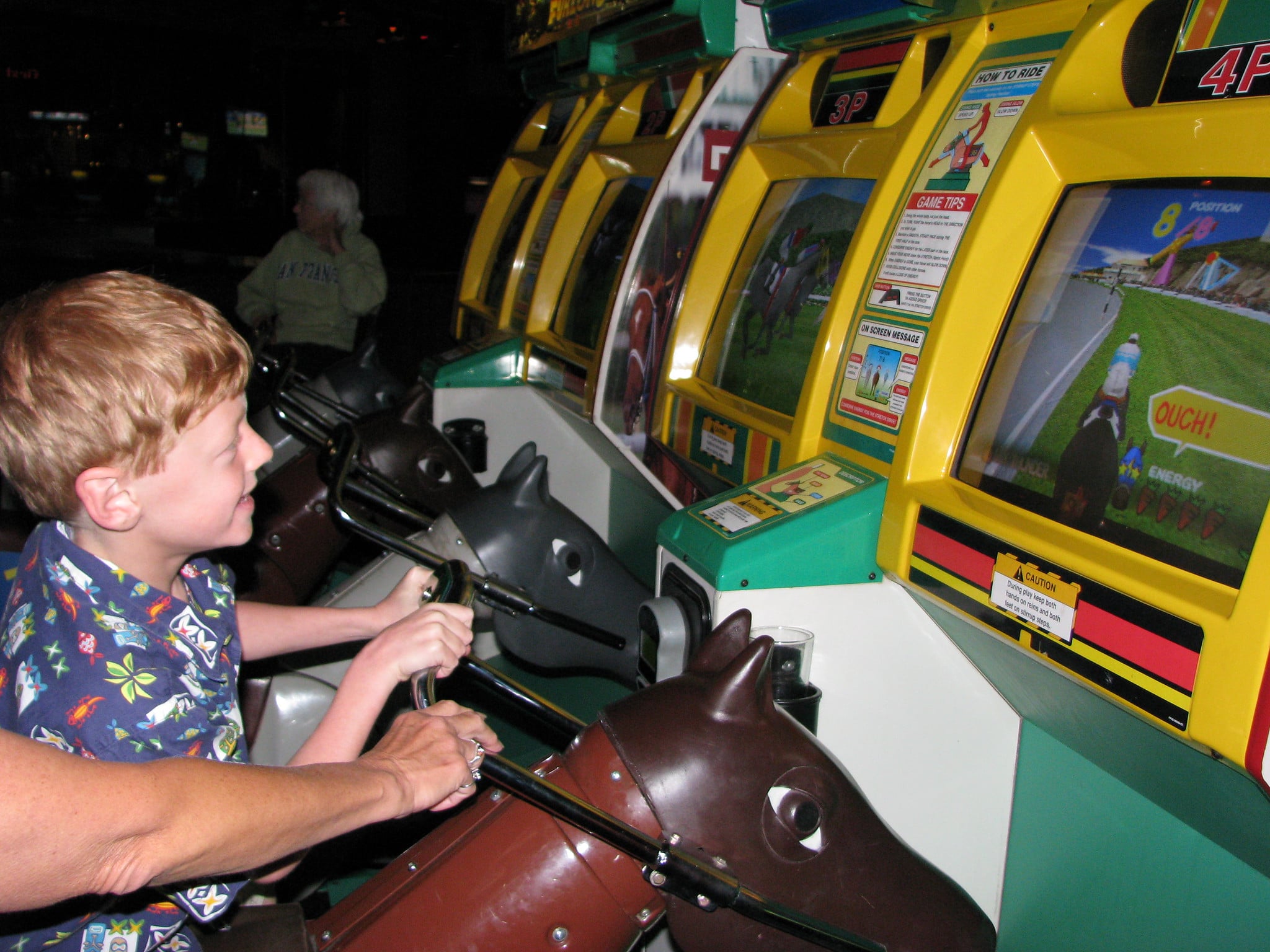
This sports bar and arcade combo launched in 1998 with locations in major cities, offering fans a place to watch games on massive screens while eating wings and burgers. The restaurants also featured extensive arcades with sports-themed games and private screening rooms.
At its peak, ESPN Zone seemed like the perfect marriage of sports and dining. But by 2010, only two locations remained, both in Disney theme parks.
Rising rents, declining foot traffic, and the fact that people could watch sports at home with massive TVs ultimately killed the concept. Disney closed the last locations during the pandemic.
ShowBiz Pizza
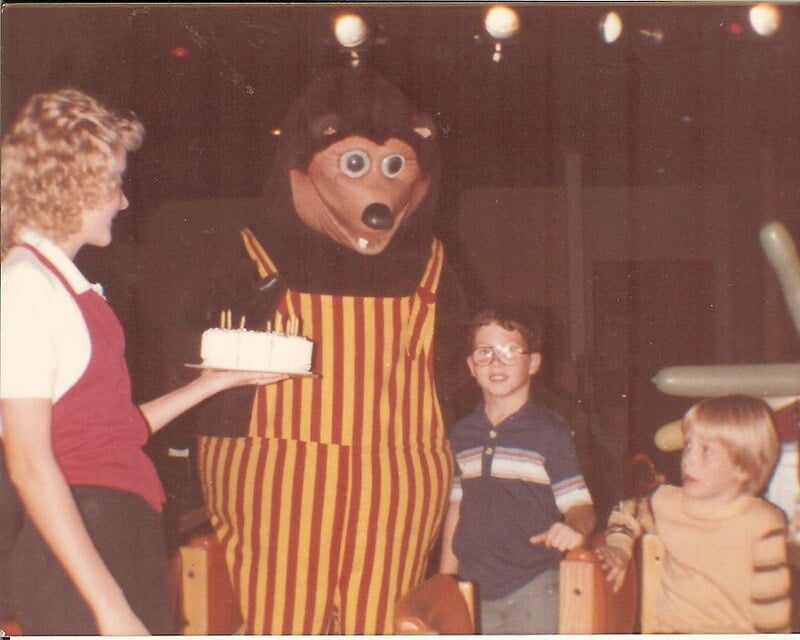
This wasn’t just a pizza joint—it was a full animatronic rock show featuring a band of animal characters led by Billy Bob the bear. ShowBiz Pizza opened in the early 1980s and became a favorite spot for kids’ birthday parties throughout the decade.
The restaurant competed directly with Chuck E. Cheese, which had a similar concept. In the early 1990s, the two chains merged, with ShowBiz locations slowly being converted to Chuck E. Cheese restaurants.
The last ShowBiz Pizza animatronics performed their final show as the brand was completely absorbed by its rival, ending a beloved era of creepy robot entertainment.
Cheeseburger in Paradise
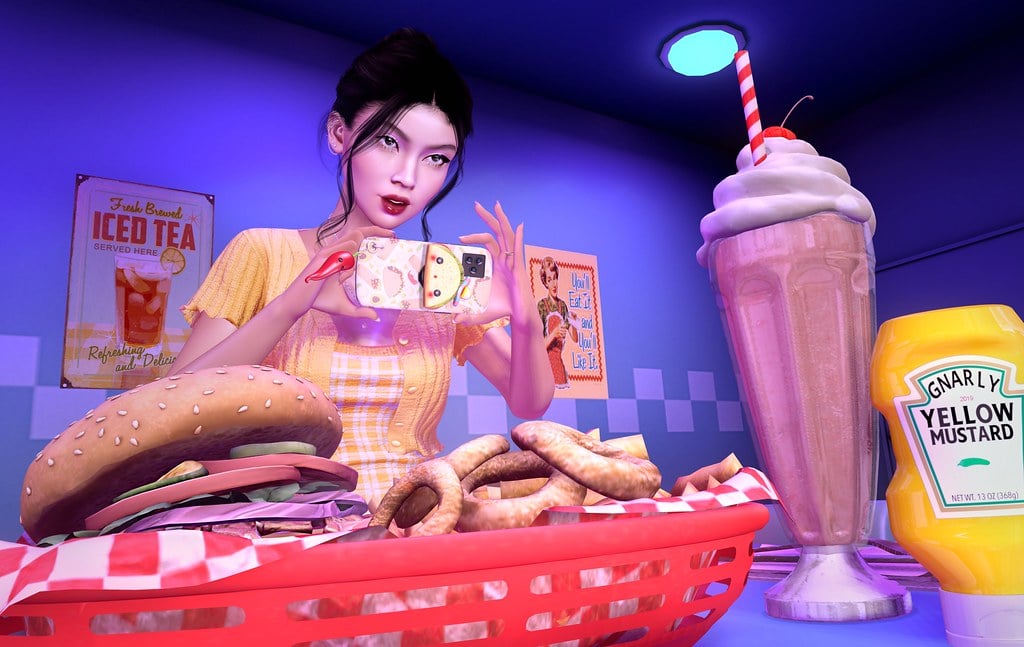
Jimmy Buffett already had success with Margaritaville, so he launched this second tropical-themed restaurant chain in 2002. Named after his 1978 hit song, the restaurant served burgers and beach-inspired fare in a laid-back island atmosphere.
At its peak, Cheeseburger in Paradise expanded to 38 locations across 17 states. But the chain struggled to differentiate itself from countless other casual dining options and couldn’t replicate Margaritaville’s magic.
The last locations closed in 2020, bringing an end to Buffett’s cheeseburger dreams.
Casa Bonita
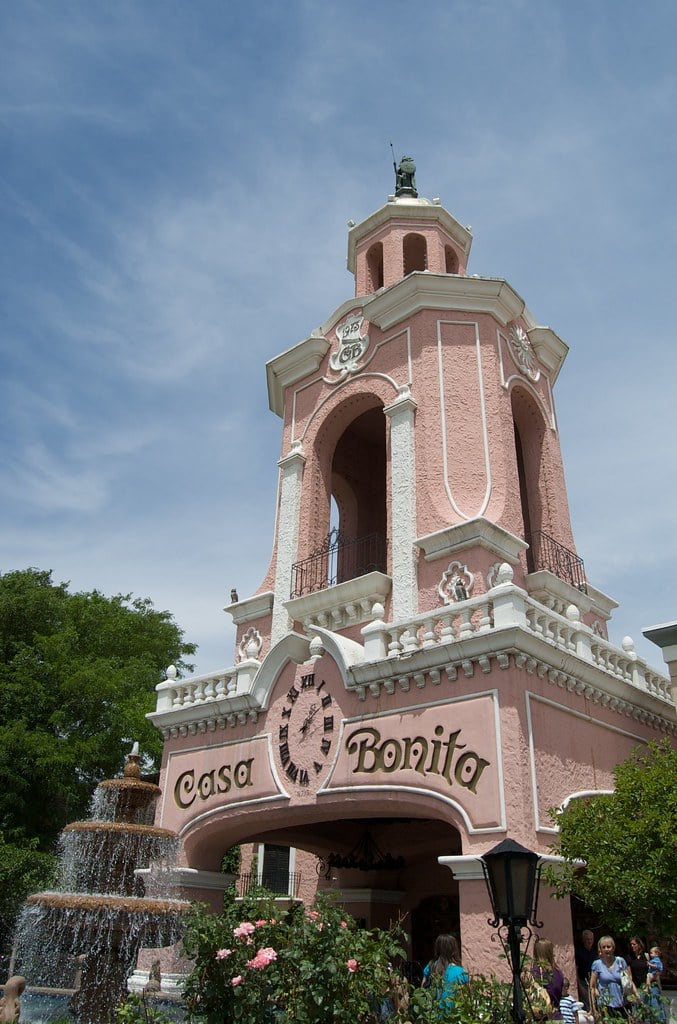
This Mexican dinner theater restaurant became legendary for its cliff divers, puppet shows, and elaborate cave setting. Featured in a famous South Park episode where Cartman desperately tries to get invited to Kyle’s birthday party there, Casa Bonita offered an experience unlike any other.
The chain once had multiple locations but dwindled down to just one in Lakewood, Colorado. That location closed during the COVID-19 pandemic but was purchased by South Park creators Trey Parker and Matt Stone and reopened in 2023 after extensive renovations.
Chi-Chi’s
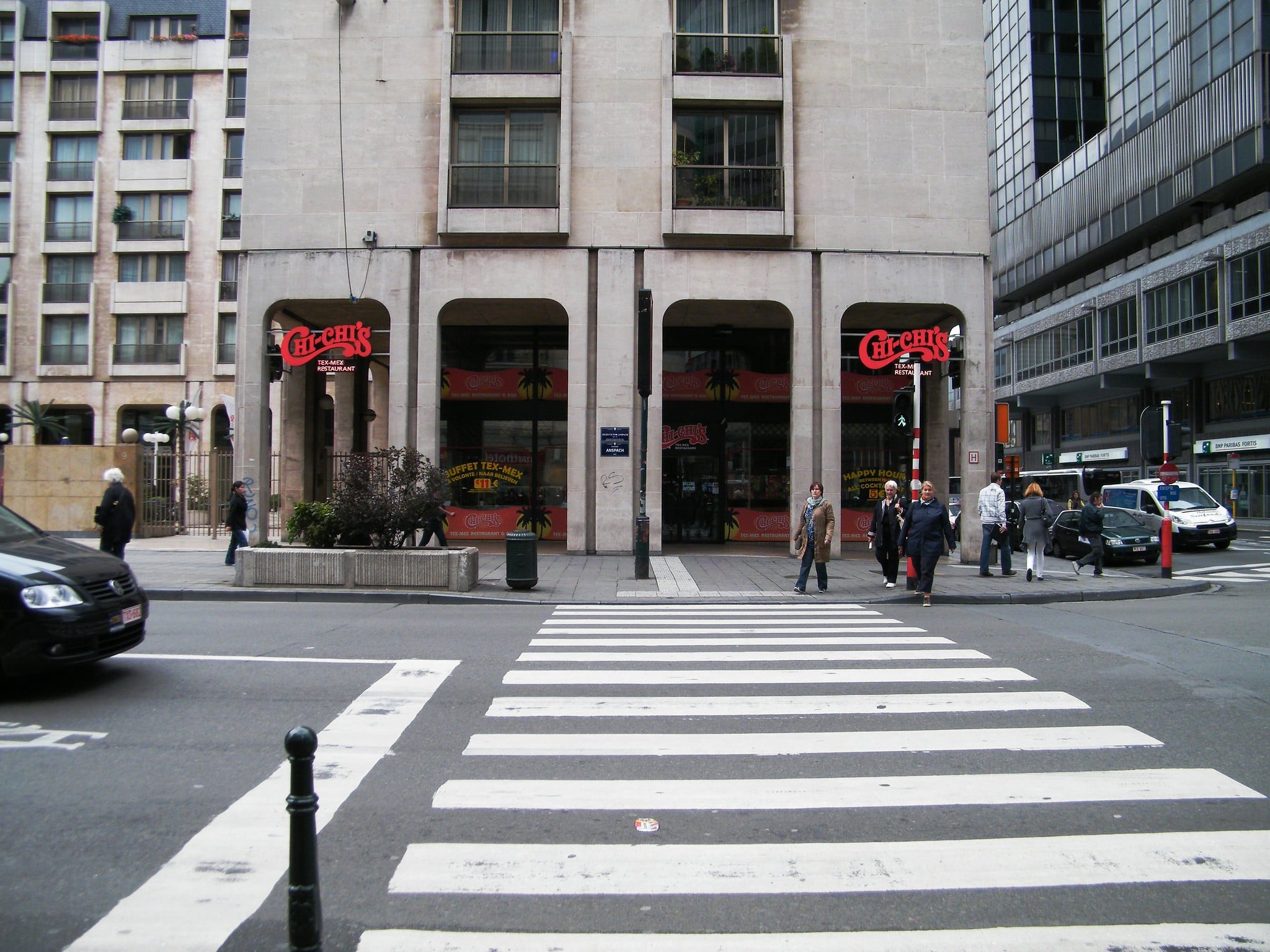
This Mexican chain restaurant launched in Minnesota in 1975 and grew to over 210 locations by the mid-1990s. Every meal started with complimentary chips and bowls of hot and mild salsa, making it a popular family dining spot.
The chain seemed unstoppable until disaster struck in 2003 when a hepatitis An outbreak at a Pennsylvania location sickened hundreds of people. The company filed for bankruptcy shortly after, and all U.S. locations closed.
The brand continues internationally, but Americans lost this once-beloved chain forever.
Lone Star Steakhouse
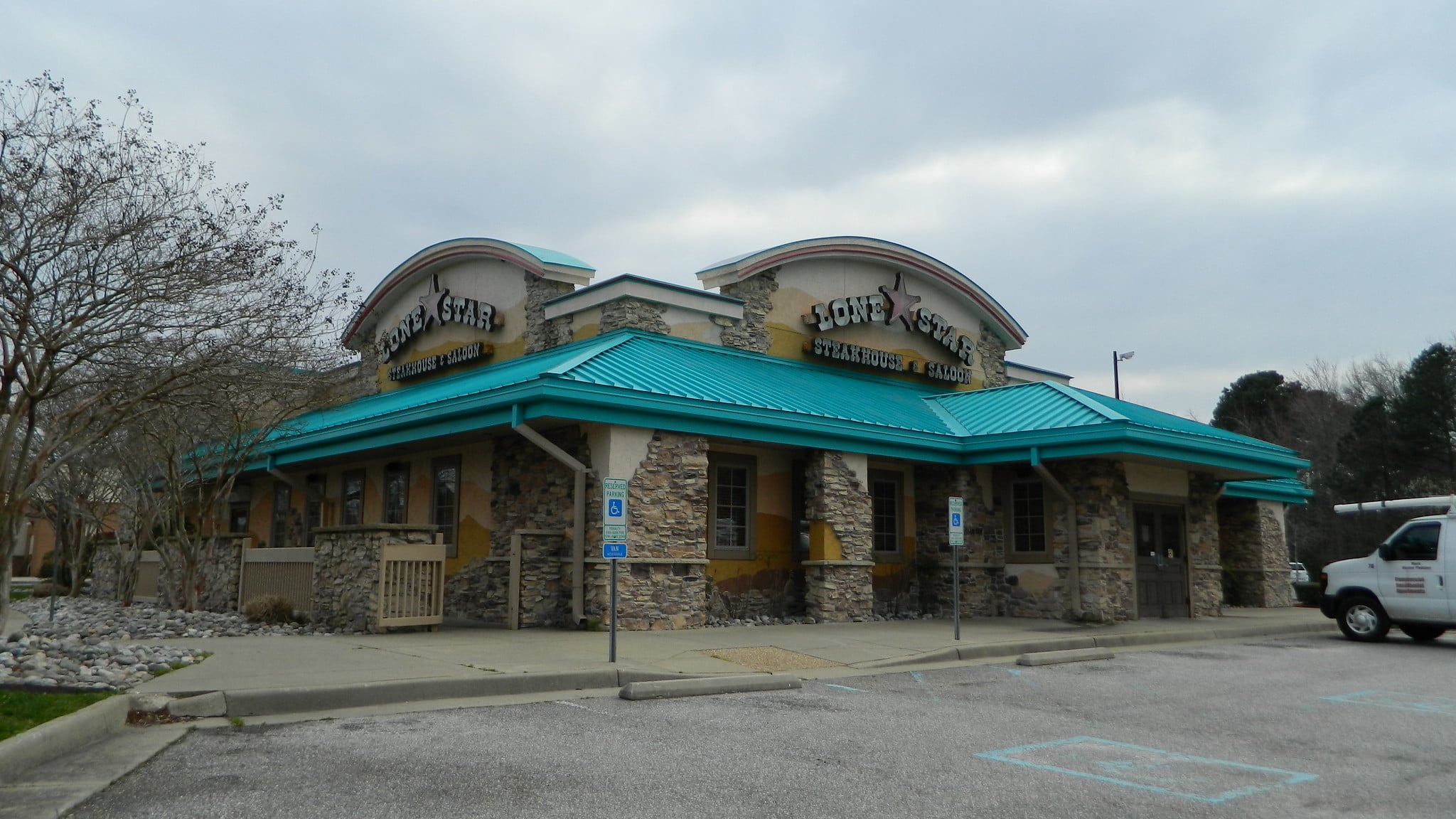
This Texas-themed steakhouse chain opened in 1989 in Winston-Salem, North Carolina, and quickly became known for its Wild West decor and mesquite-grilled steaks. The restaurants were designed to look like authentic Western saloons, complete with peanuts on the floor and country music playing.
Lone Star paved the way for competitors like Texas Roadhouse, but it couldn’t maintain its momentum. The chain began closing locations in the 2000s, and while a few restaurants still operate under the name, the brand is essentially gone from the American dining landscape.
Victoria Station
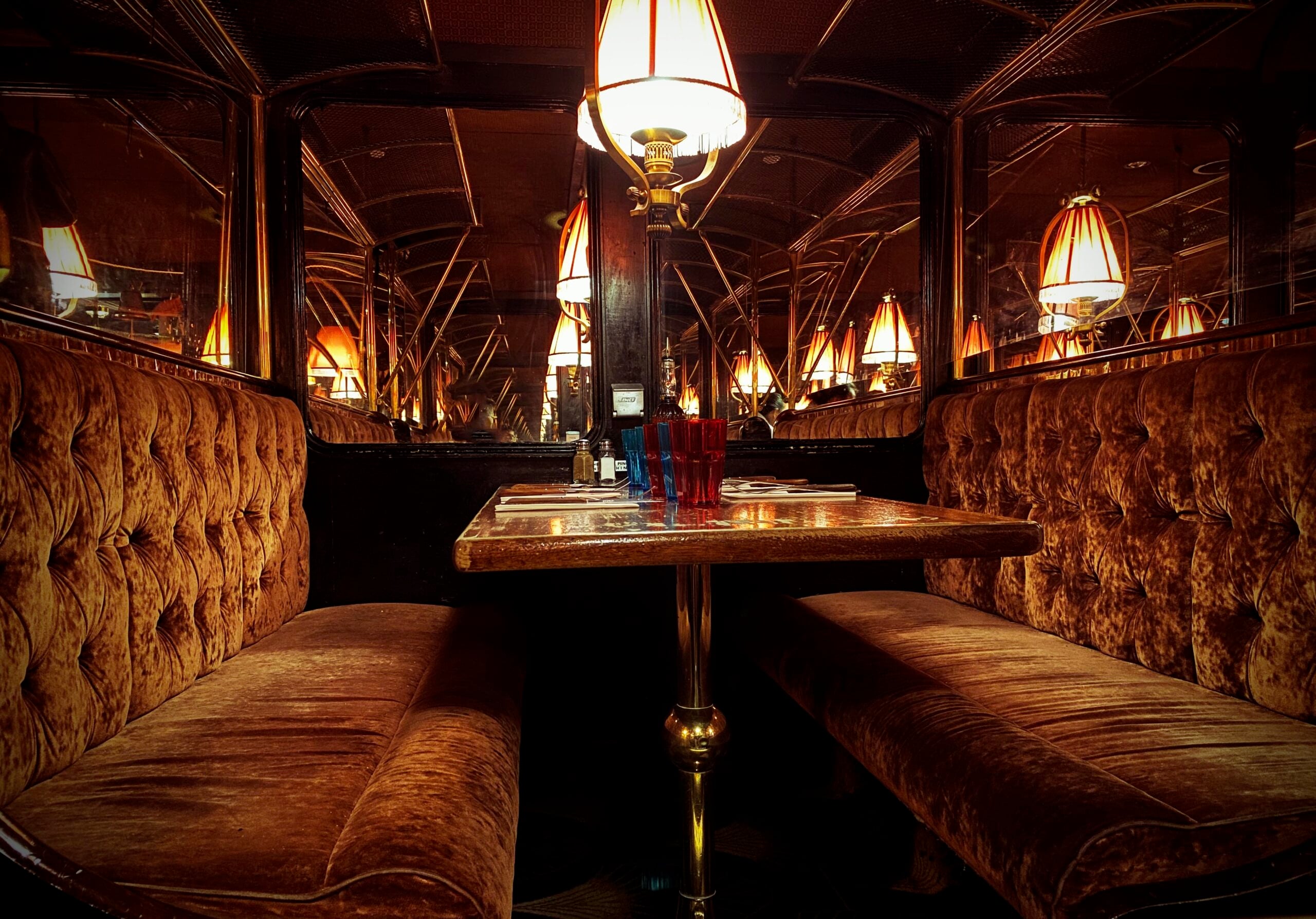
This train-themed restaurant chain featured actual railroad boxcars converted into dining rooms, creating a unique atmosphere for enjoying steaks and prime rib. Victoria Station peaked in the 1970s and 1980s with locations across the country.
Diners loved the novelty of eating inside authentic train cars decorated with railroad memorabilia. But as the themed restaurant trend faded and tastes changed, Victoria Station couldn’t keep up with newer concepts.
The last location closed in Salem, Massachusetts in December 2017, ending nearly 50 years of train-themed dining.
Rainforest Cafe
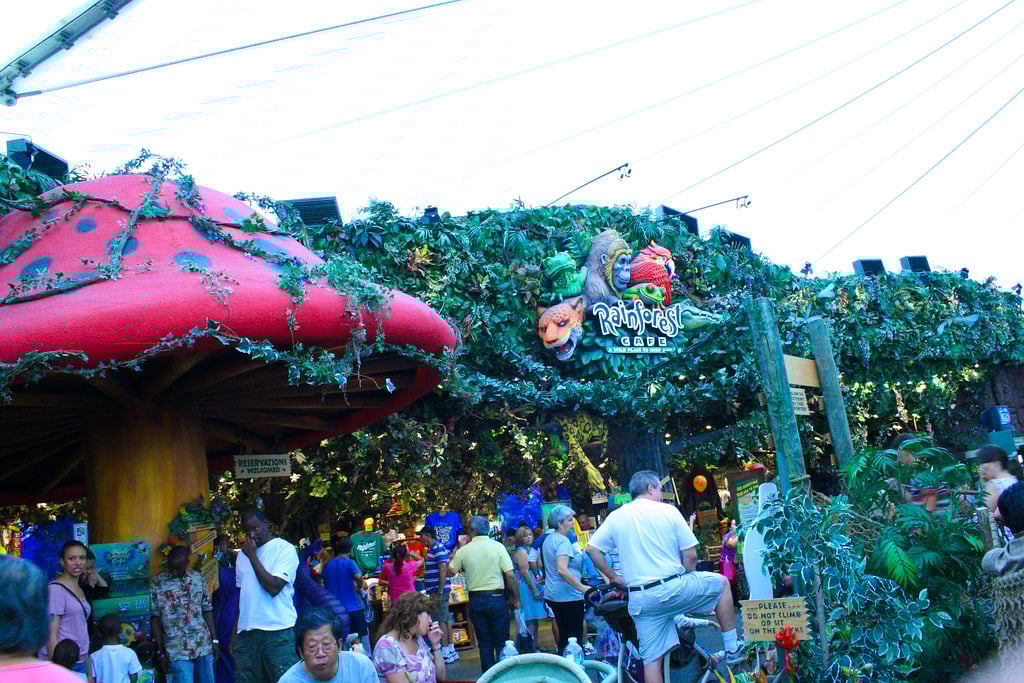
Unlike most entries on this list, Rainforest Cafe still exists, but it’s a mere fraction of what it once was. Opening at the Mall of America in 1994, this jungle-themed restaurant featured massive aquariums, animatronic elephants and gorillas, and simulated thunderstorms every 20 minutes.
The restaurants required constant maintenance—one manager noted that fixing a broken gorilla arm wasn’t something you could just call a regular repair person for. At its peak, Rainforest Cafe had dozens of locations, but the chain has shrunk dramatically.
Today, only about 16 locations remain from the hundreds that once operated, as tourists moved on to other experiences and the novelty wore thin.
Where Theme Restaurants Stand Today
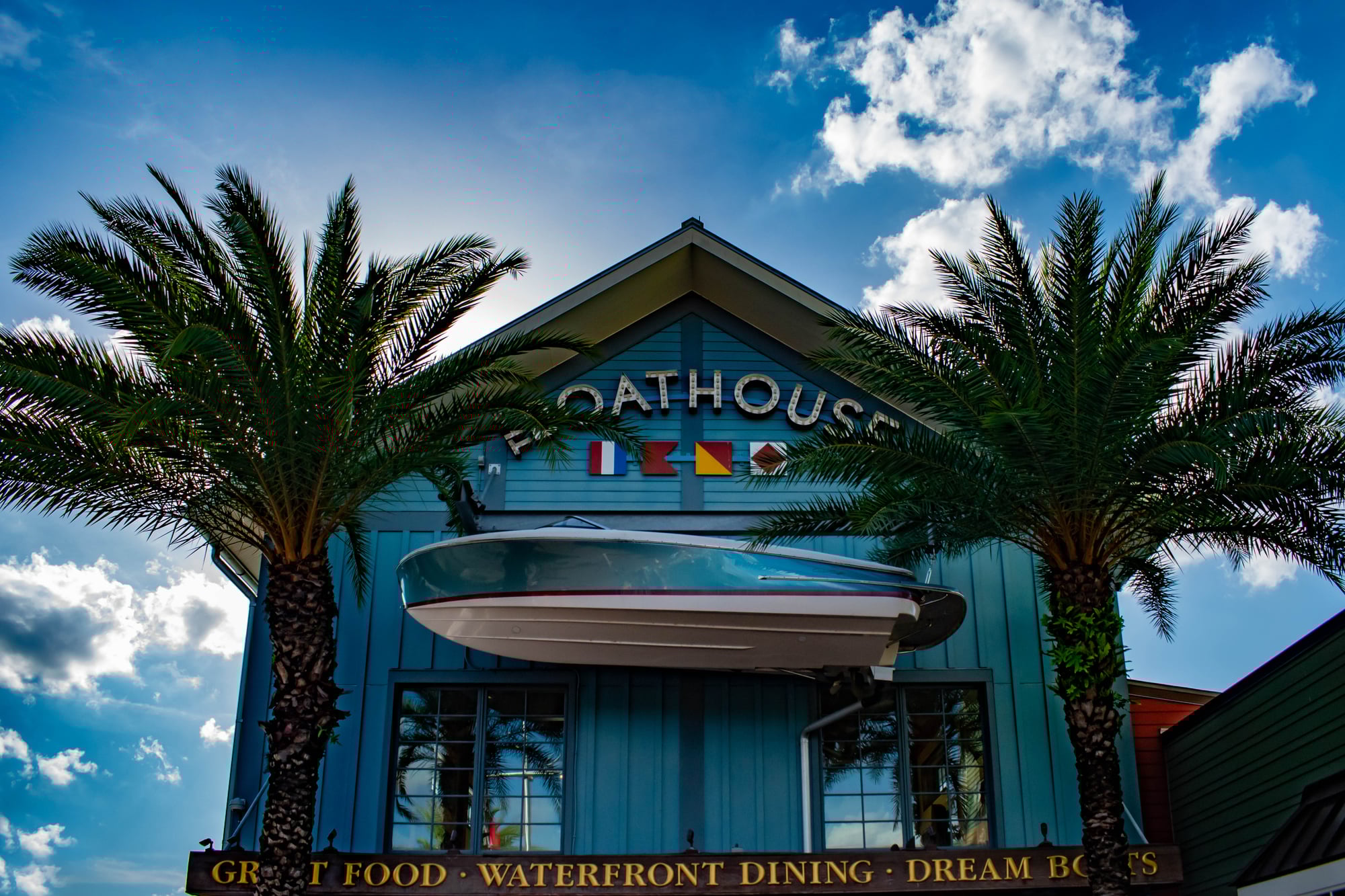
The themed restaurant craze taught the industry a valuable lesson: gimmicks can get people in the door, but they won’t keep them coming back. These restaurants spent millions on elaborate sets, animatronics, and celebrity endorsements, but many neglected the most important element—good food at reasonable prices.
The few themed restaurants that survived did so by either focusing on quality alongside the experience or by finding niche markets willing to pay for nostalgia. The 1990s may be over, but the memory of eating a submarine sandwich inside an actual submarine-shaped restaurant while Steven Spielberg’s investment went underwater will always remain a fascinating footnote in American dining history.
More from Go2Tutors!

- The Romanov Crown Jewels and Their Tragic Fate
- 13 Historical Mysteries That Science Still Can’t Solve
- Famous Hoaxes That Fooled the World for Years
- 15 Child Stars with Tragic Adult Lives
- 16 Famous Jewelry Pieces in History
Like Go2Tutors’s content? Follow us on MSN.