15 Photos Of Ghost Towns That Were Once Bustling Communities
There’s something haunting about places where life once thrived but has since moved on. These abandoned settlements scattered across America tell stories of boom and bust, dreams realized and dreams shattered.
From gold rush towns that went silent when the mines played out to railroad communities bypassed by progress, these ghost towns stand as monuments to the restless nature of human ambition. Each weathered building and empty street holds memories of the families who called these places home, the businesses that lined Main Street, and the hopes that drew people to build communities in some of the most remote corners of the country.
Bodie, California
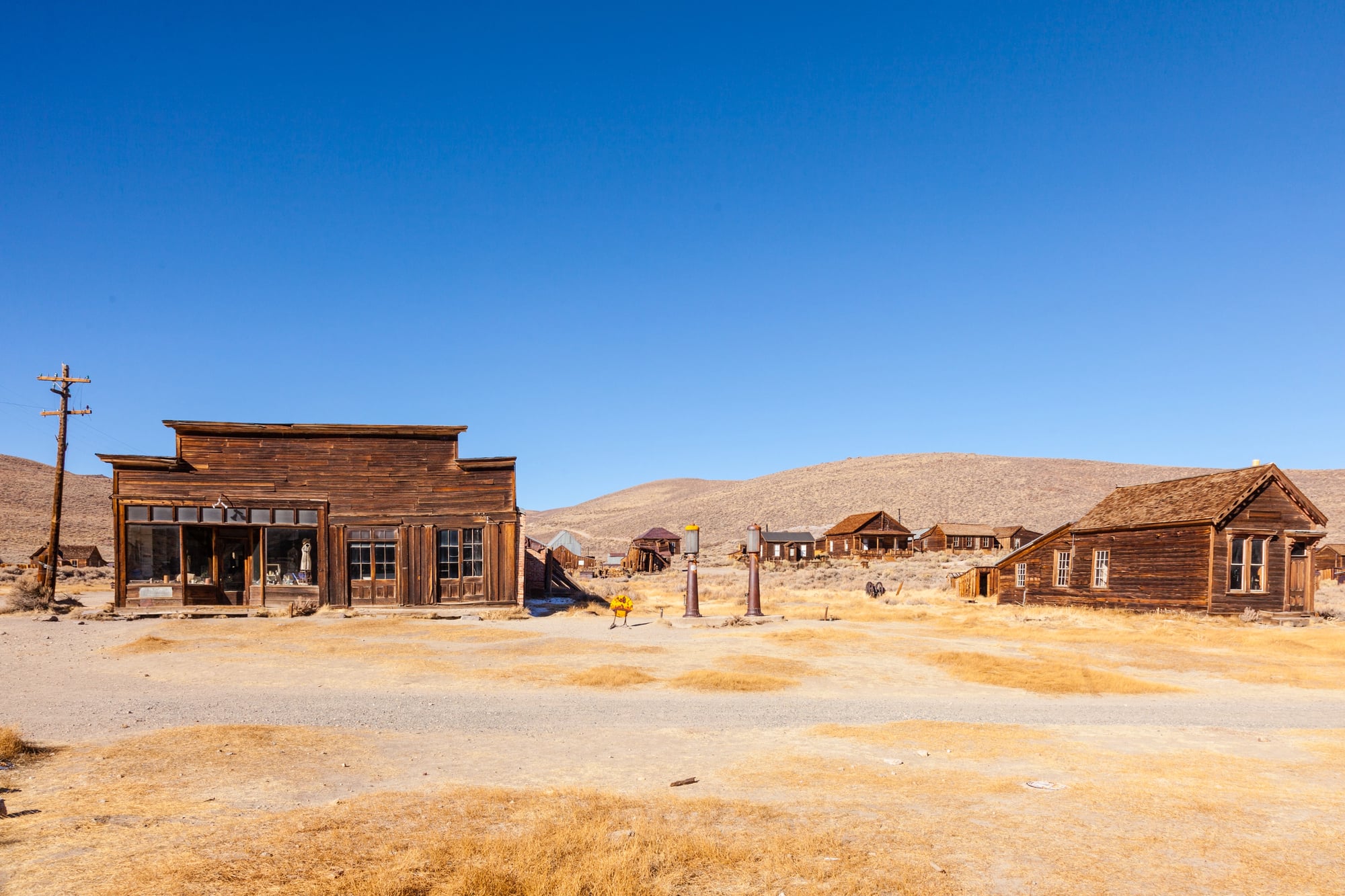
Gold made Bodie famous. Then gold killed it.
The hills around this high desert town produced millions of dollars worth of ore in the 1870s. Twenty thousand people lived here at its peak.
Now fewer than 200 structures remain standing, preserved in what California calls “arrested decay.”
Centralia, Pennsylvania
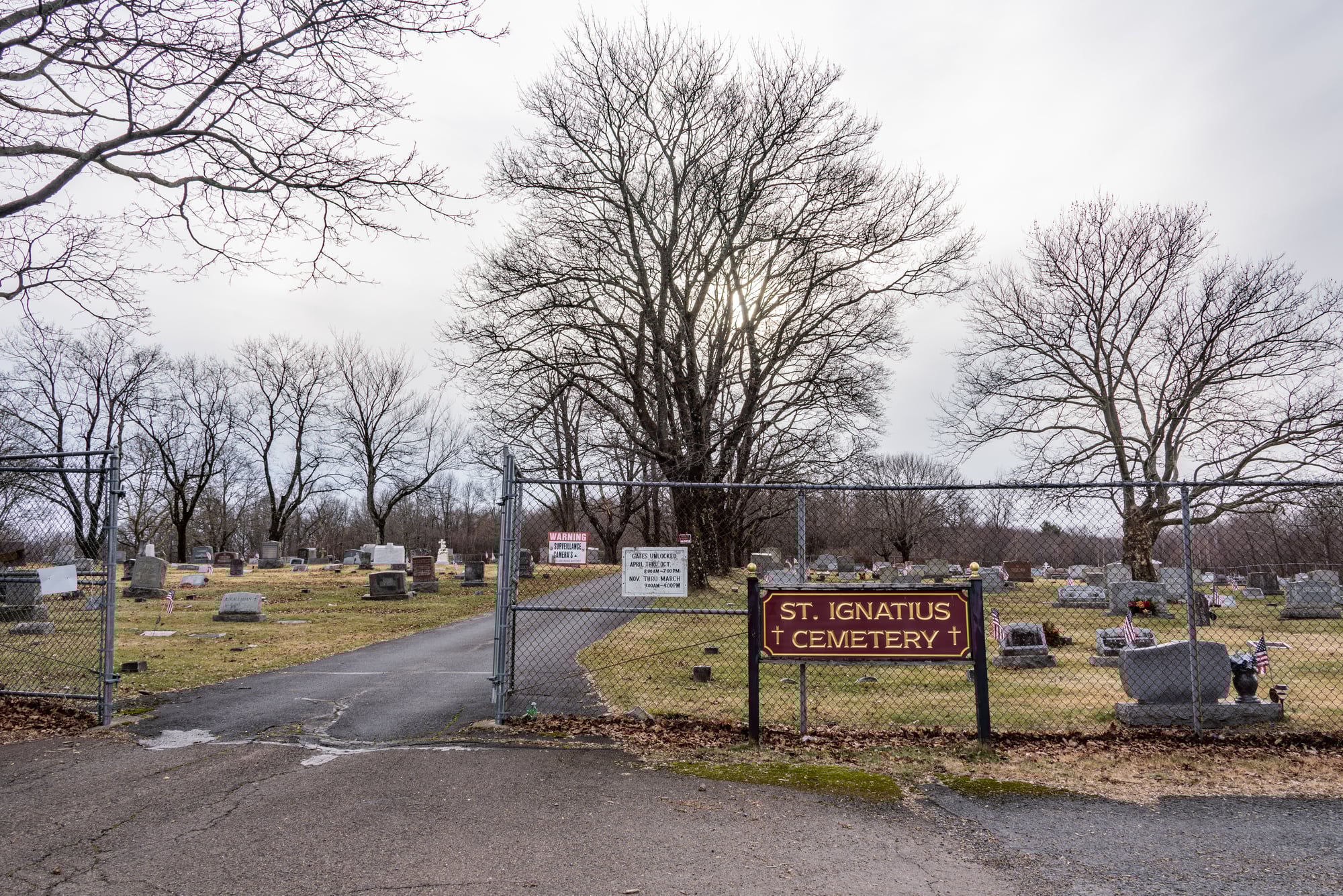
The fire started in 1962, probably from burning trash that spread to underground coal seams, and it’s still burning today (six decades later, which is remarkable when you consider that most crises flame out quickly). What began as a small mining town of over 1,000 residents became a slow-motion evacuation as carbon monoxide seeped through basement floors and the ground itself grew hot enough to melt shoes.
So the government bought out most of the homes. The few remaining residents — and there are still a handful who refuse to leave — live above an inferno that could burn for another 250 years.
Garnet, Montana
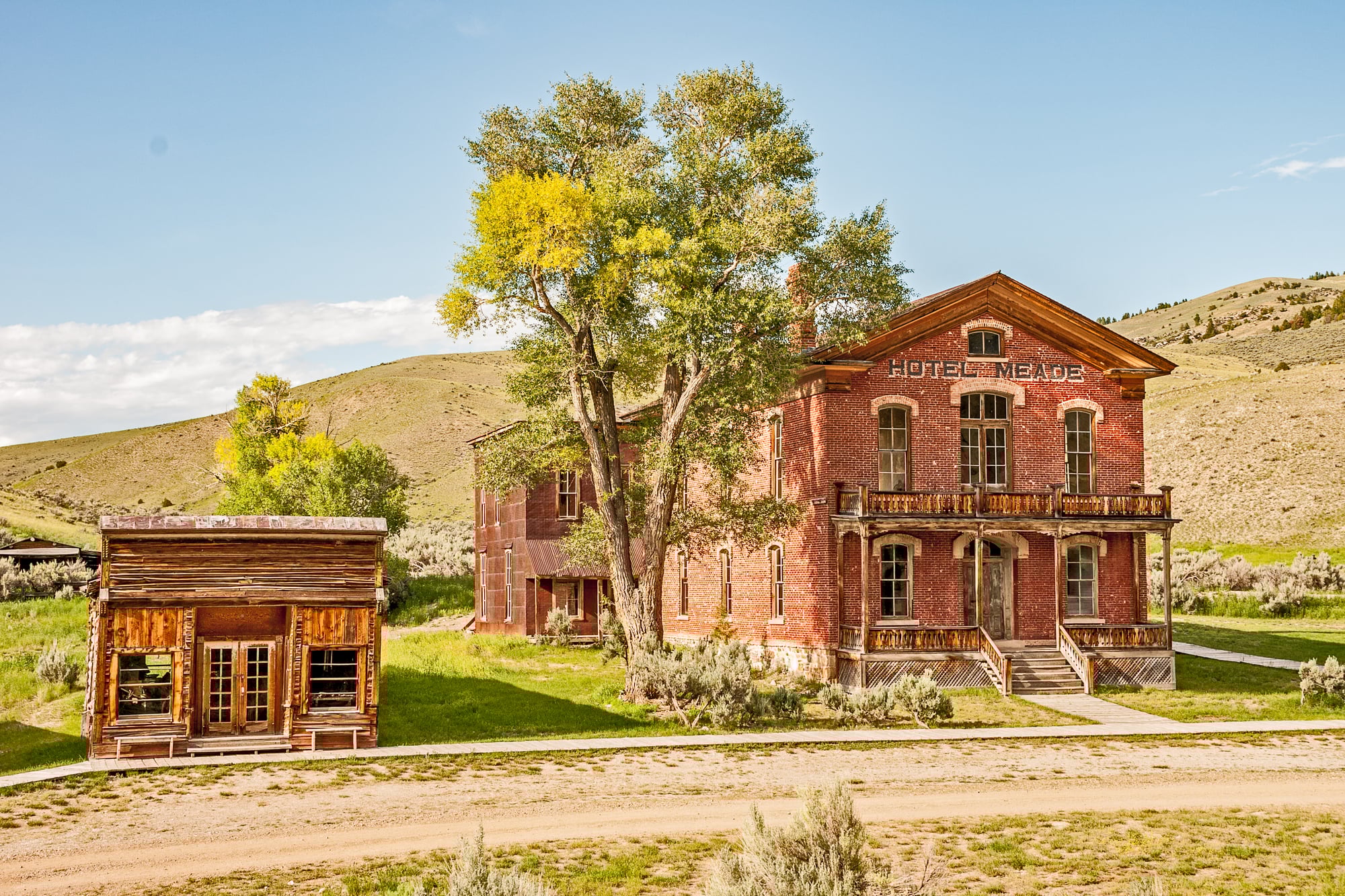
Abandoned places feel like opened books left face-down on a table — you sense the story was interrupted mid-sentence rather than allowed to reach its natural conclusion. Garnet carries that particular stillness of a place where people simply walked away.
The general store still holds rusted cans on wooden shelves. Cabins sag under the weight of Montana winters, their windows dark as closed eyes.
Gold brought miners here in the 1890s, but when the precious metal ran thin, so did the reasons to endure the isolation and brutal cold. The town died as quietly as snow falling on empty streets.
Cahawba, Alabama
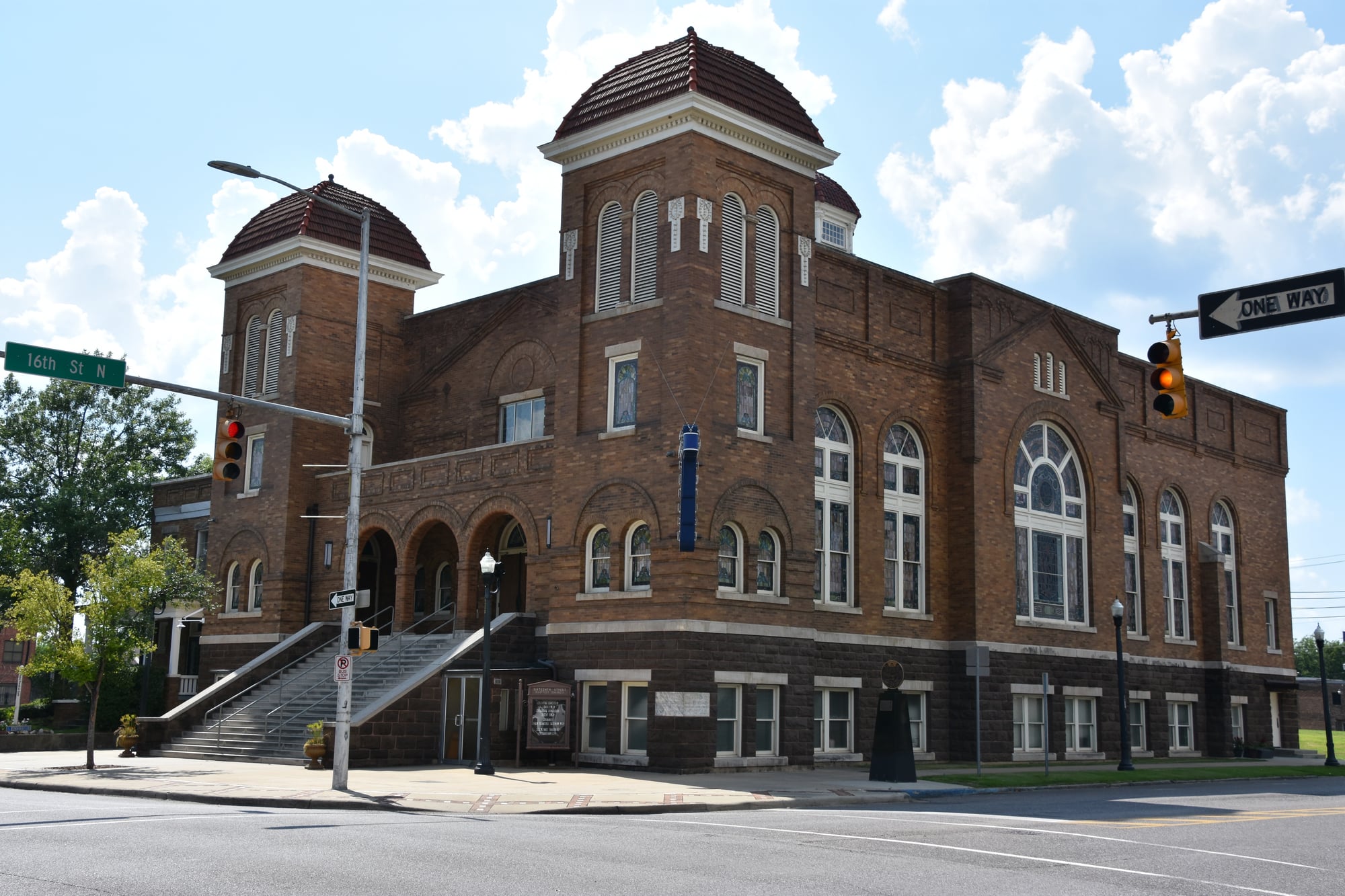
Alabama’s first state capital doesn’t deserve to be forgotten. This river town flourished before the Civil War, complete with mansions, shops, and the machinery of government.
Then floods and politics conspired against it. The capital moved to Montgomery in 1846.
Yellow fever outbreaks followed. The Alabama River flooded repeatedly, which is saying something for a state that knows about water trouble.
By 1900, fewer than 100 people remained where thousands once lived.
Rhyolite, Nevada
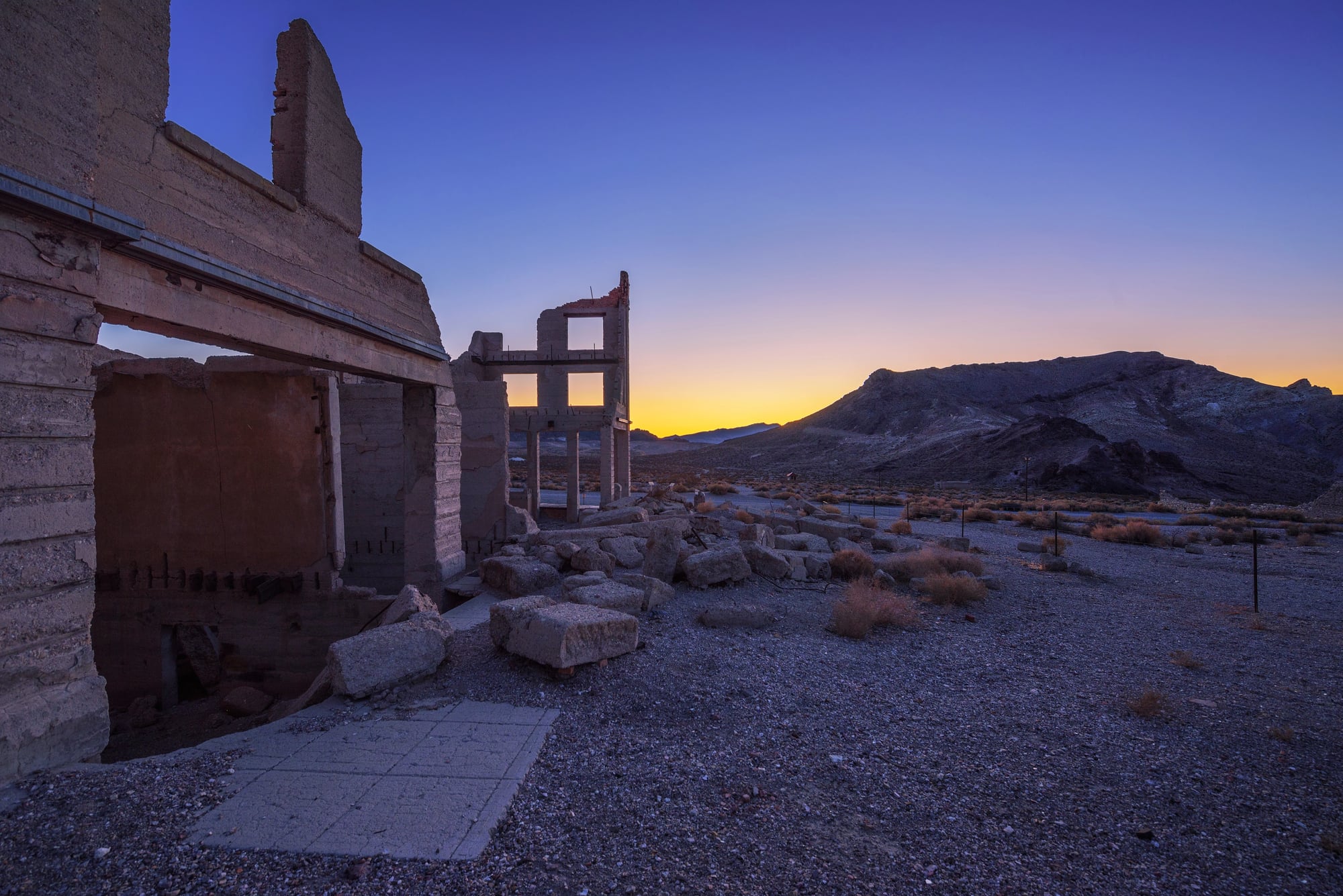
The desert swallowed this place whole, but not before Rhyolite burned bright for exactly five years (1907-1912). Banks, opera houses, newspapers, electric streetlights — all the trappings of a serious town appeared almost overnight when gold was discovered nearby.
The three-story bank building still stands, its concrete walls defying the Nevada sun that has bleached everything else to bone white. But when the mines closed, 10,000 residents vanished as quickly as they had arrived, leaving behind a handful of structures that look like stage sets for a play that closed too soon.
And the desert doesn’t distinguish between dreams and debris — it reclaims both with equal indifference.
Kennecott, Alaska
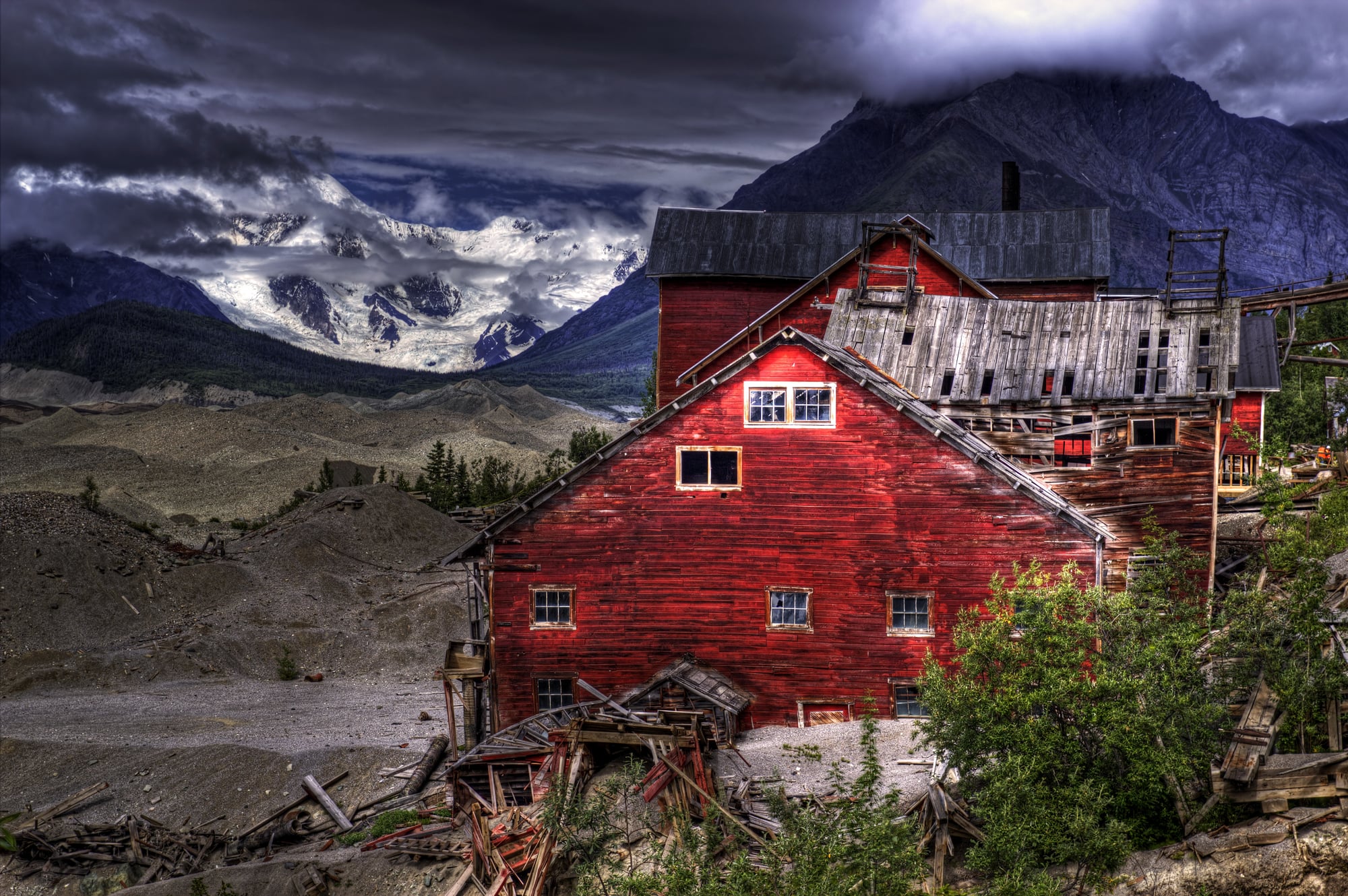
Copper mining in Alaska required a particular kind of stubborn optimism. The Kennecott mines operated from 1911 to 1938, extracting over 200 million dollars worth of copper from the Wrangell Mountains.
Workers endured brutal winters and complete isolation to build what became a small city in the wilderness. The 14-story mill building still dominates the landscape like a rusty monument to industrial ambition.
When the high-grade ore ran out, the company abandoned everything — machinery, buildings, even personal belongings. Alaska preserved it all in a kind of accidental time capsule.
Bannack, Montana
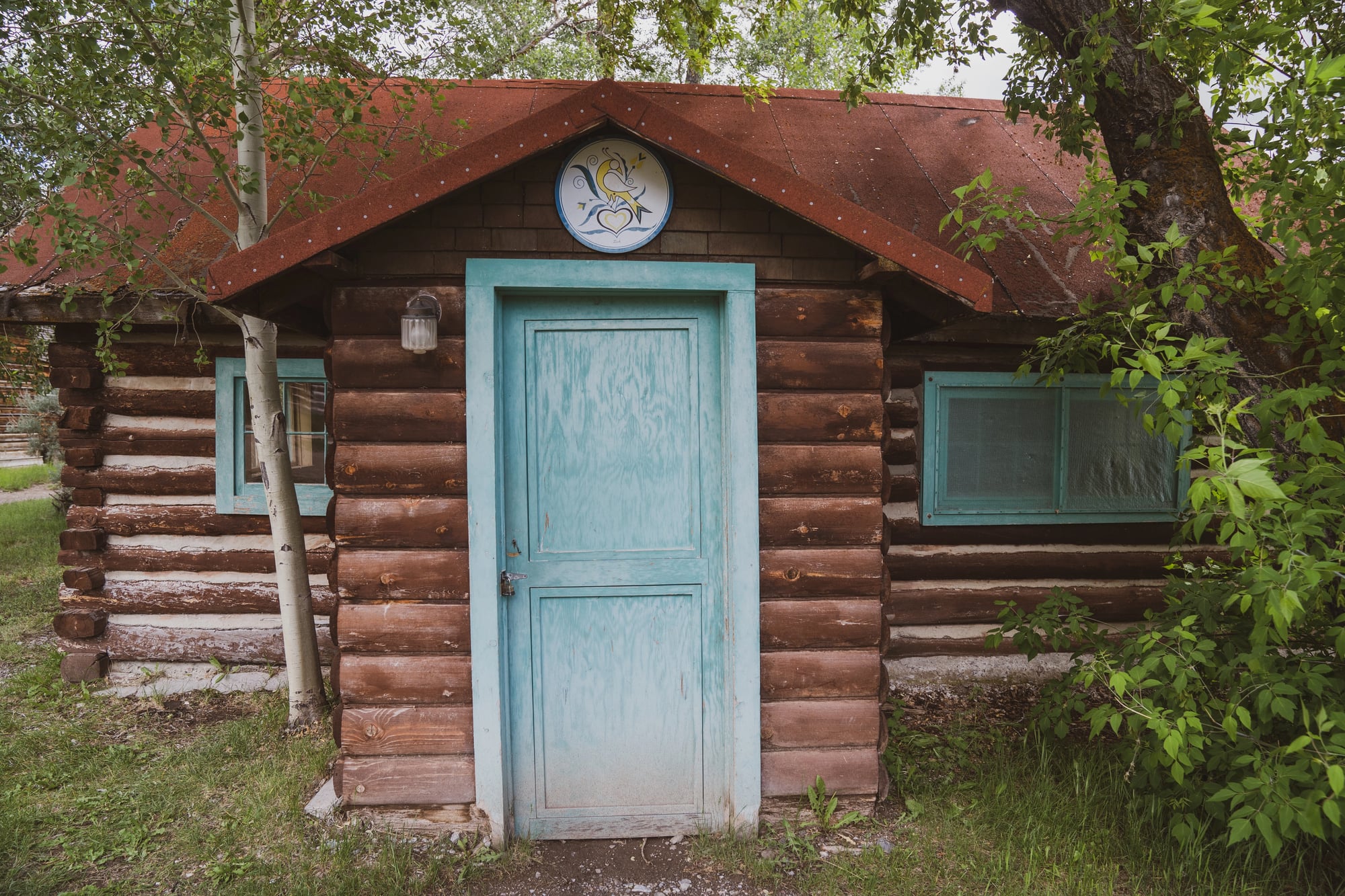
Gold rushes created towns faster than common sense should have allowed, and Bannack represents both the promise and the peril of that frantic optimism. Montana’s first territorial capital sprang up in 1862 when prospectors found color in Grasshopper Creek.
The town grew wild and lawless — its sheriff, Henry Plummer, secretly led a gang of road agents who robbed and murdered travelers until vigilantes hanged him in 1865. When the gold played out, so did the reasons to stay in such a harsh and remote place.
Sixty buildings remain, their weathered wood and sagging rooflines telling the story of a community that burned bright and brief as a struck match. The wind through empty doorways sounds like whispered confessions.
Terlingua, Texas
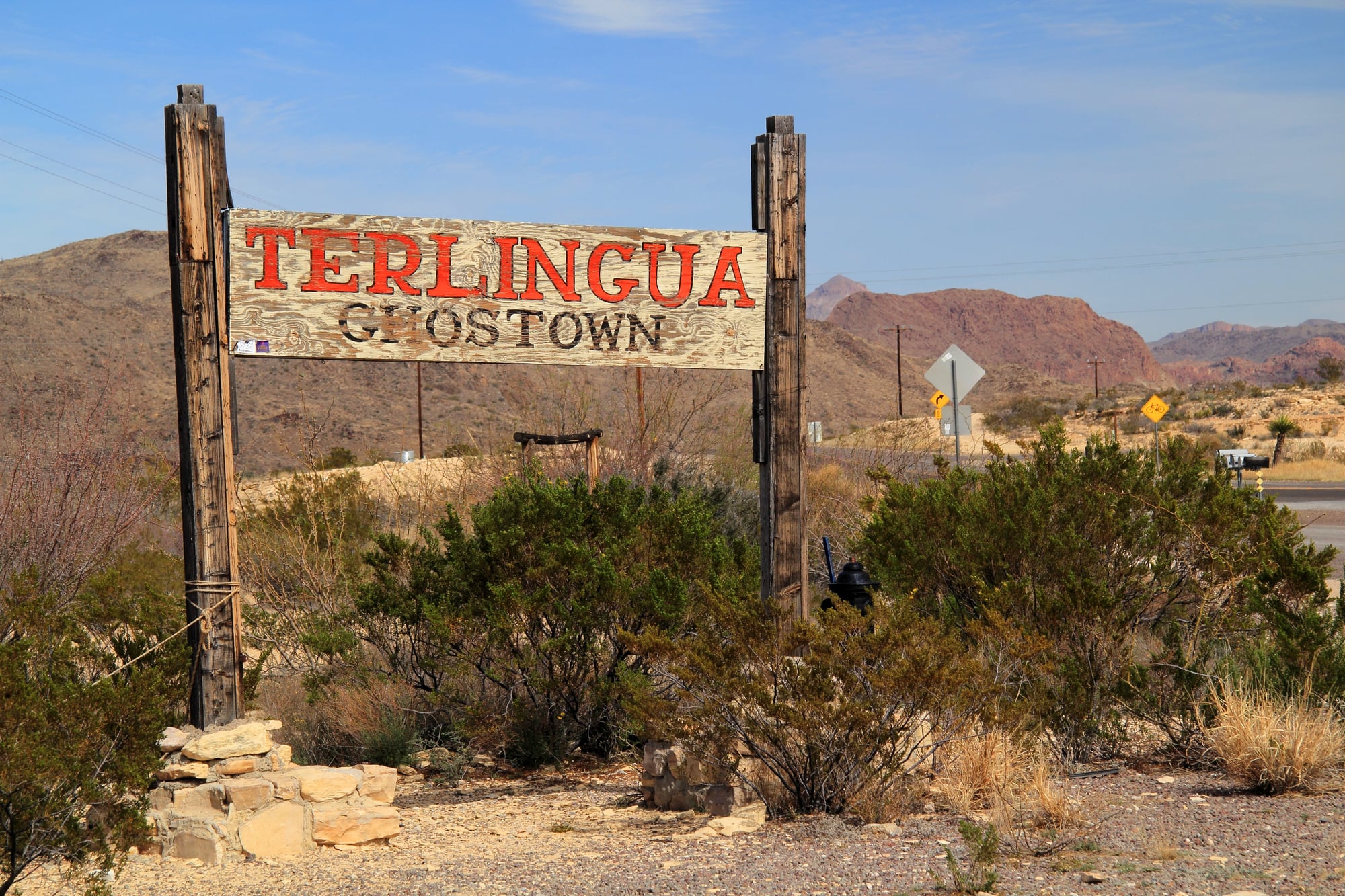
Mercury mining in the Texas desert made perfect sense until it didn’t. The Chisos Mining Company extracted cinnabar ore here from 1888 to 1946, employing hundreds of workers in one of the most isolated spots in America.
Company housing, a school, even a movie theater served the families who made their living pulling mercury from the unforgiving Chihuahuan Desert. When demand for mercury collapsed after World War II, the mine closed overnight.
Workers loaded their belongings into trucks and drove away, leaving behind a company town that the desert has been slowly digesting ever since.
Calico, California
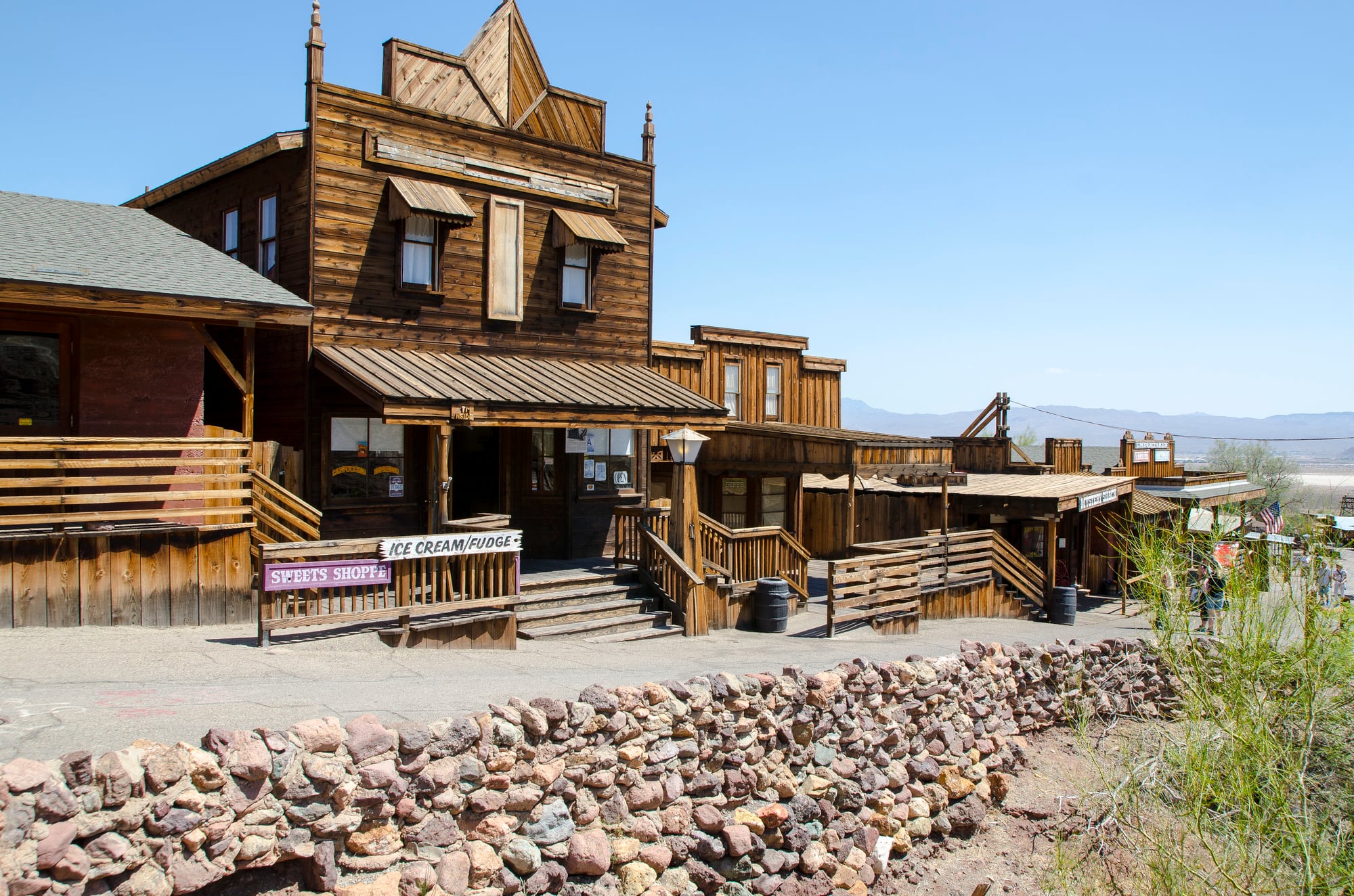
Silver strikes in the Mojave Desert created boomtowns that had no business existing in such inhospitable terrain, but human greed has always been more powerful than geography. Calico extracted over 20 million dollars in silver ore during its peak years in the 1880s, supporting 500 mines and 1,200 residents who somehow managed to build a functioning community in a place where summer temperatures regularly exceeded 100 degrees.
But silver prices crashed in the 1890s, and mining operations became unprofitable almost overnight. The population scattered to more promising prospects, leaving behind the wooden buildings and mining equipment that now constitute one of California’s most authentic ghost towns.
So much effort. So little permanence.
Virginia City, Montana
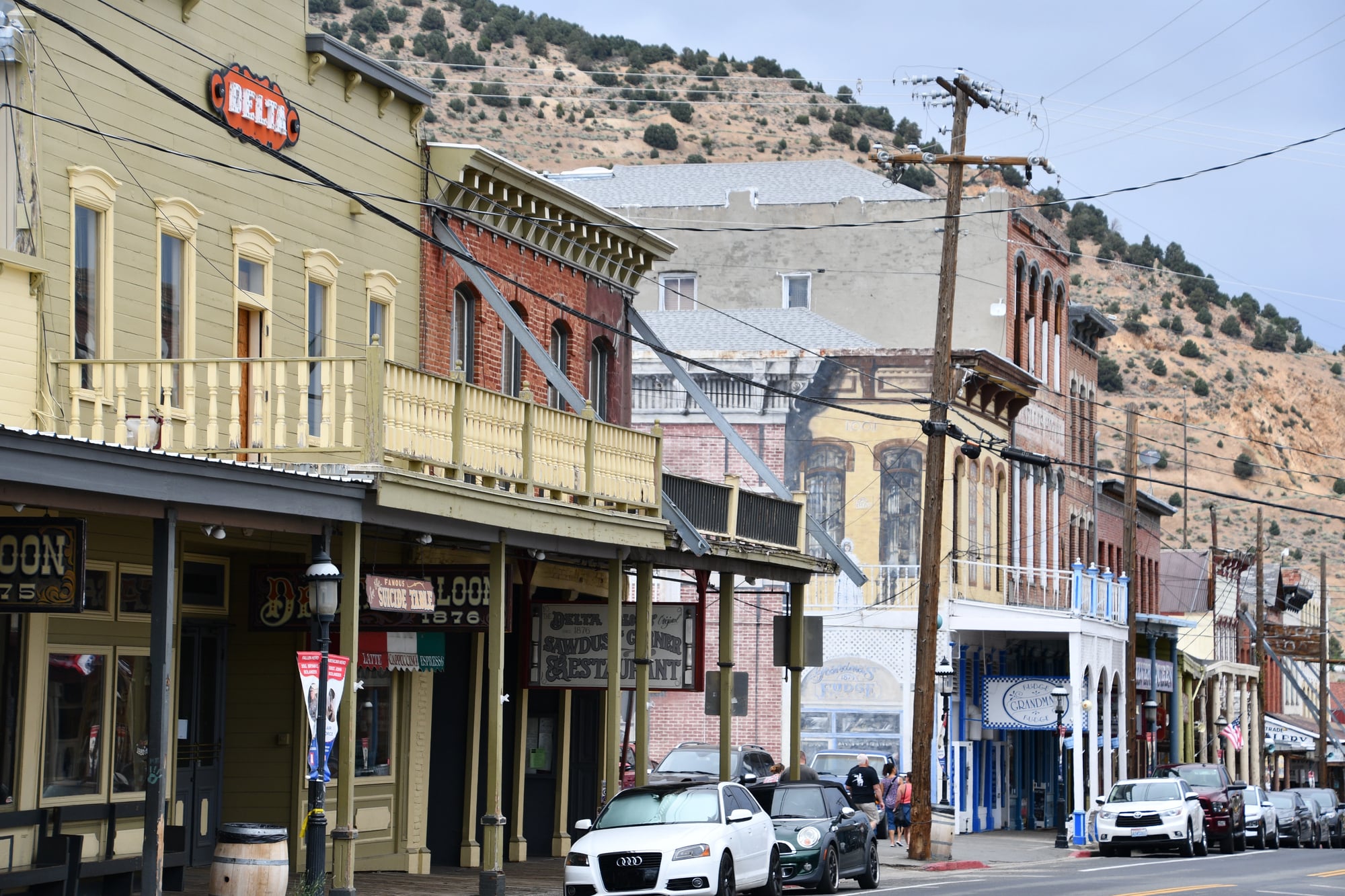
Gold discoveries in Alder Gulch transformed this remote valley into Montana Territory’s first major settlement. Virginia City boomed from 1863 to 1875, producing over 30 million dollars in gold and supporting 10,000 residents at its peak.
The town built quickly but solidly — many original buildings still stand, including the Wells Fargo office and various saloons that once served thirsty miners. When placer gold became scarce, residents moved on to newer strikes.
The town never quite died, but it never recovered its original vitality either. Today it exists in a strange suspended state between ghost town and tourist attraction.
Goldfield, Nevada
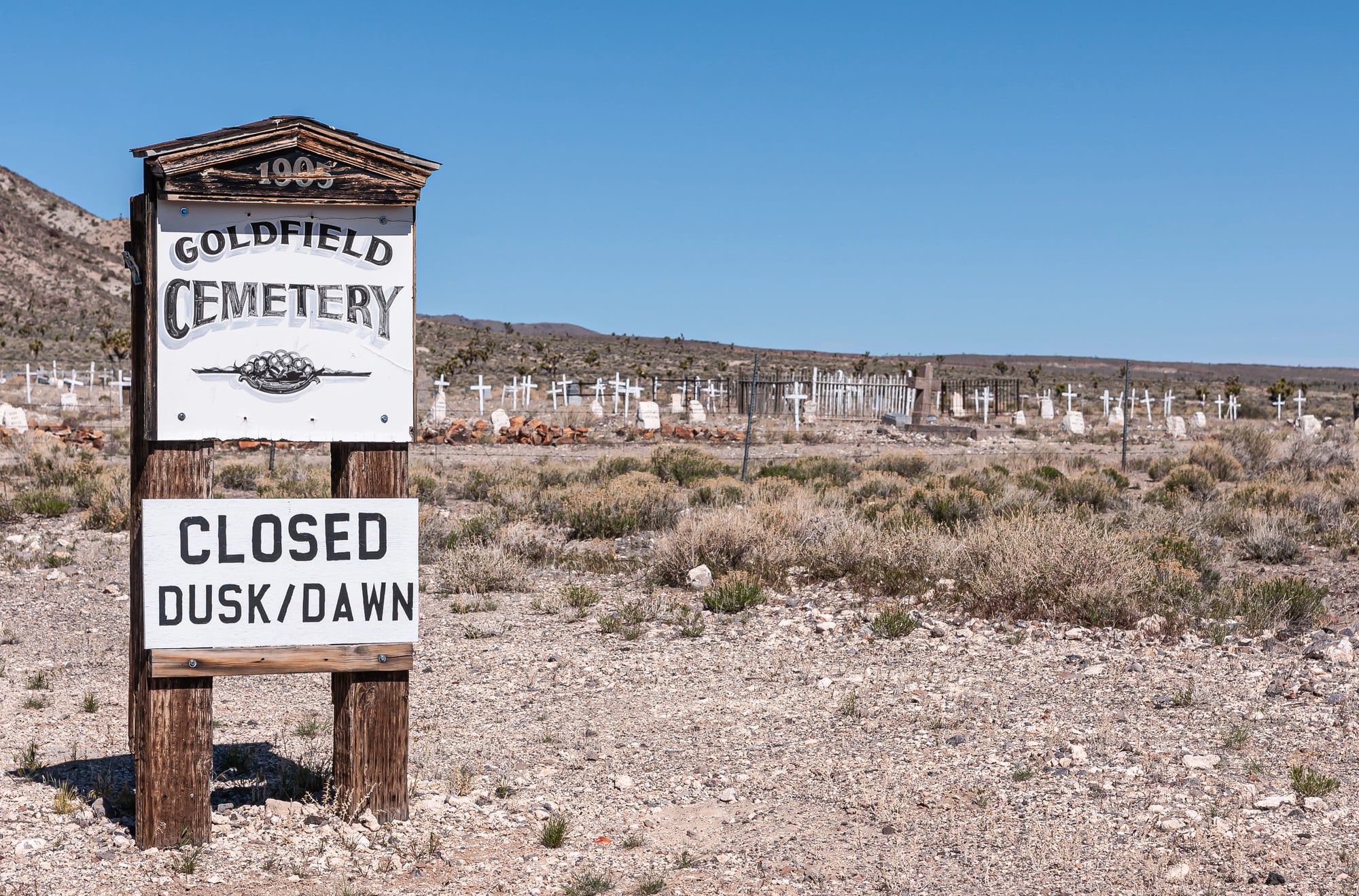
Nevada specializes in boom-and-bust cycles, but Goldfield’s rise and fall happened with unusual dramatic flair (even by Silver State standards, which is saying something since Nevada has seen every variety of mineral-fueled madness). Gold discoveries in 1902 created a city of 20,000 people complete with stock exchanges, luxury hotels, and electric streetlights powered by the most modern generating plant west of the Mississippi.
Fortunes were made and lost in real estate speculation that would make modern-day California developers blush. But the high-grade ore didn’t last — by 1920, fewer than 1,500 people remained in a town built for twenty times that number.
And the desert reclaimed most of it before anyone thought to preserve what remained.
Thurmond, West Virginia
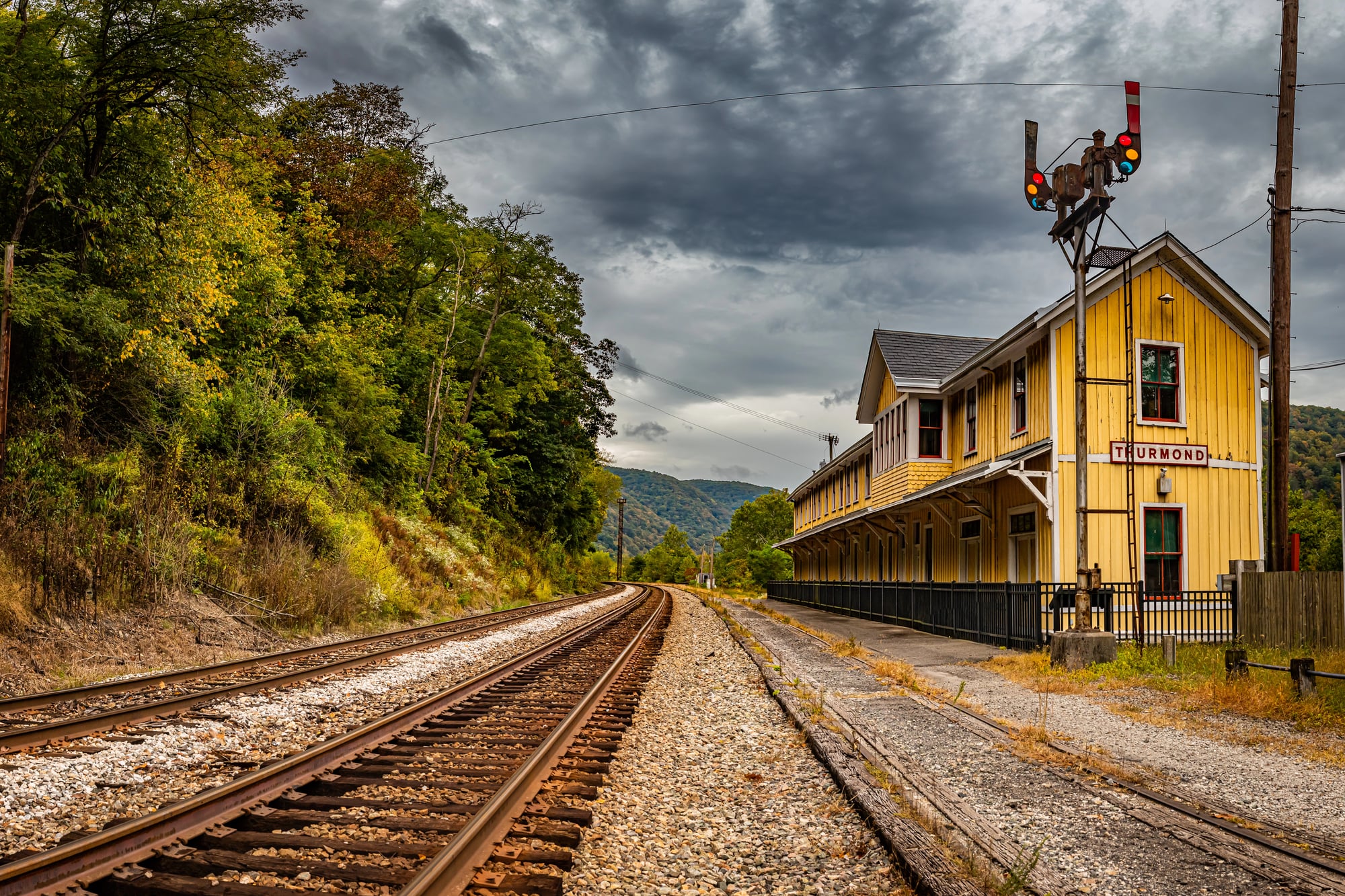
Railroad towns lived and died by the whims of commerce, and Thurmond’s fate was sealed the moment coal companies found cheaper ways to move their product. This tiny community along the New River served as a crucial shipping point for Appalachian coal from the 1890s through the 1950s.
The depot, bank, and company buildings processed millions of tons of coal bound for East Coast markets. When the railroad reduced operations, Thurmond’s population dropped from 500 to fewer than 10 residents.
The town that once moved mountains of coal now moves nothing but memories.
Glenrio, Texas/New Mexico
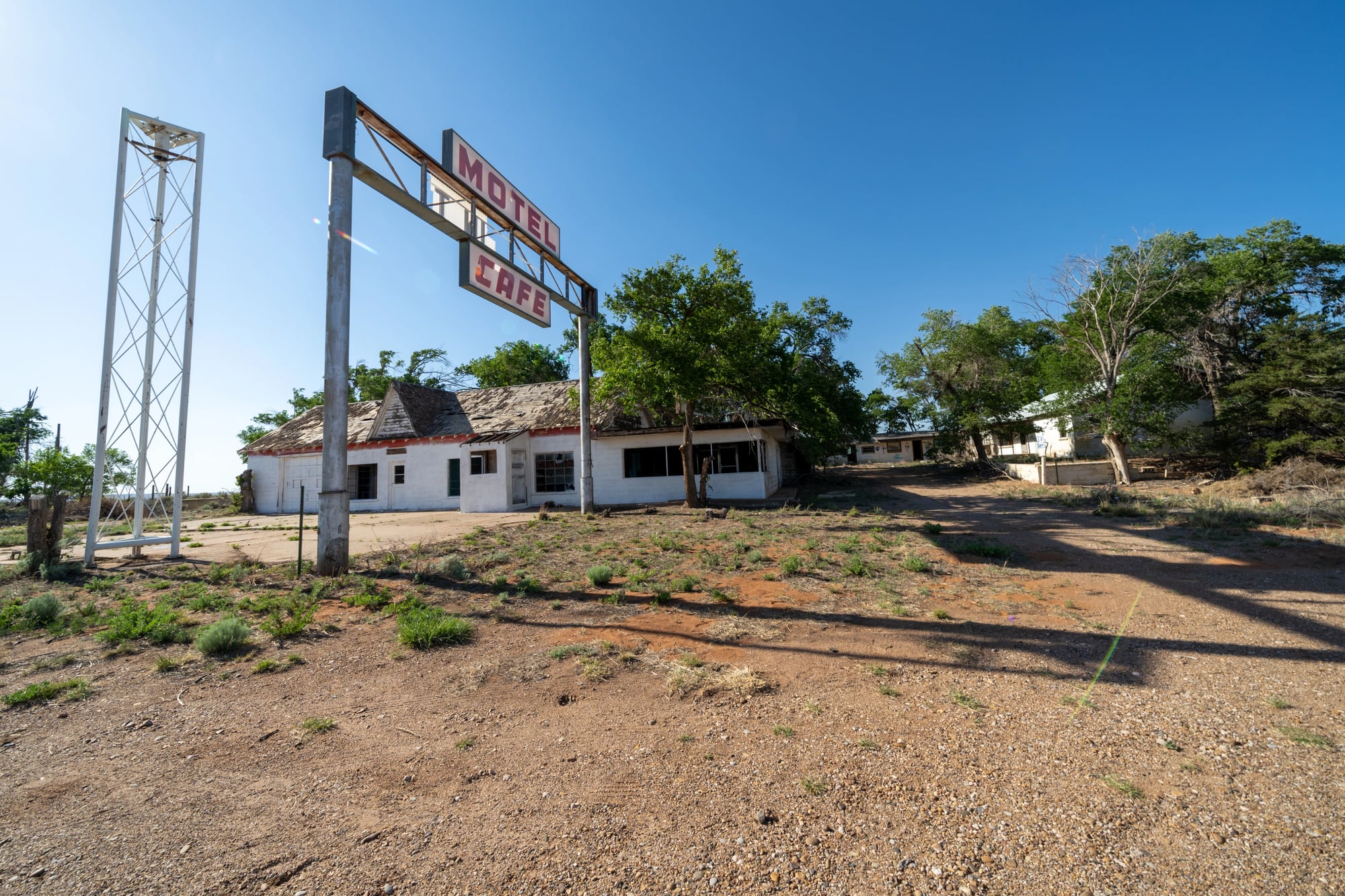
Route 66 created Glenrio and Route 66 killed it. This border town straddled the Texas-New Mexico line, serving travelers on America’s most famous highway from the 1930s through the 1960s.
Gas stations, motels, and cafes lined the main drag, providing services for families driving cross-country in the era when road trips meant stopping frequently for fuel, food, and rest. Interstate 40 bypassed Glenrio in the 1970s, redirecting traffic away from the small businesses that depended on passing motorists.
The last gas station closed in the 1980s.
Ashcroft, Colorado
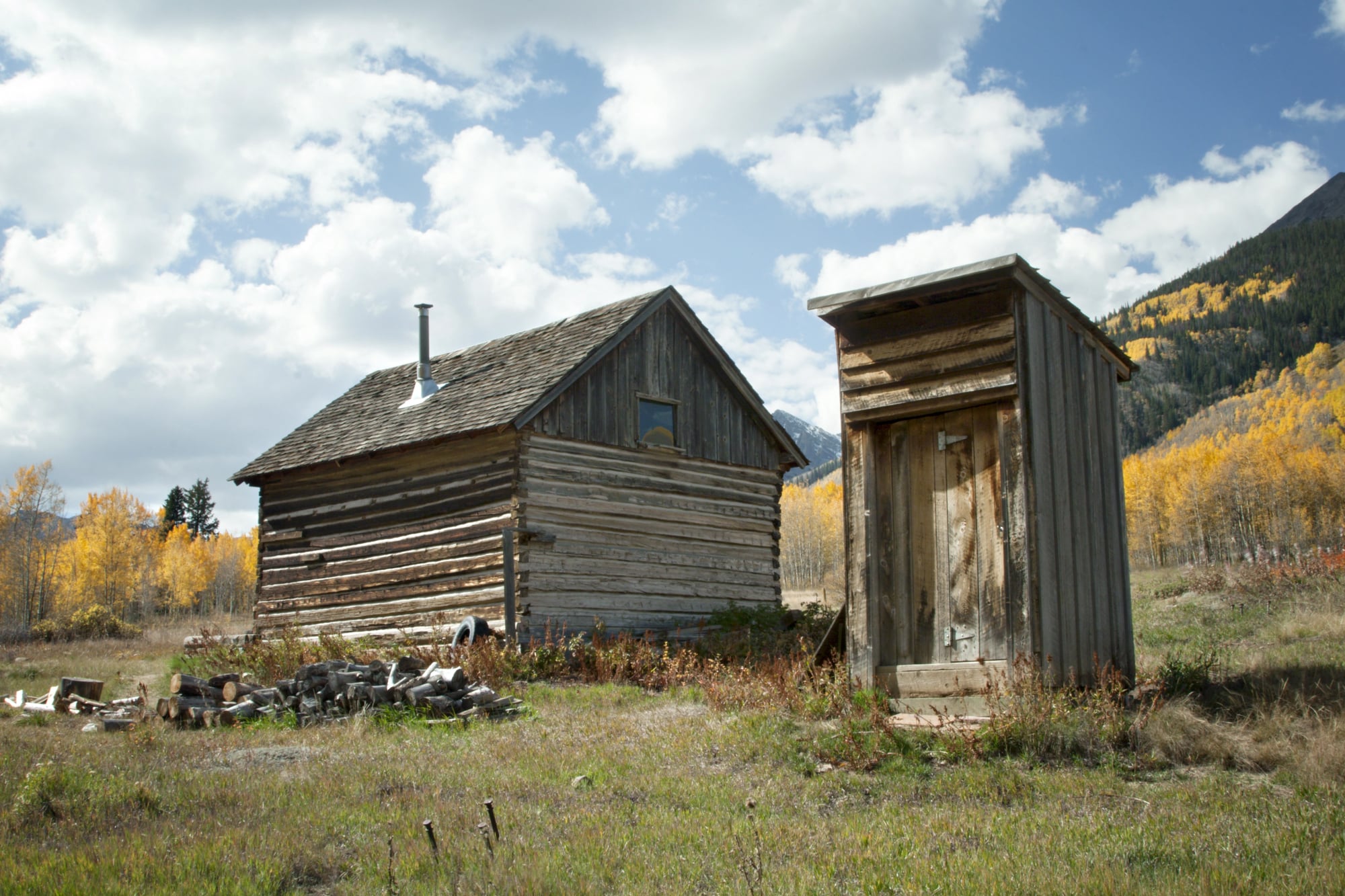
High-altitude mining required extraordinary determination, and Ashcroft tested that determination daily during its brief existence from 1880 to 1885. Silver discoveries brought 2,000 people to this remote valley 11,000 feet above sea level, where winter temperatures dropped to 40 below zero and snow fell eight months of the year.
Two newspapers, 20 saloons, and a opera house served a community that somehow managed to thrive despite conditions that would challenge modern survival experts. When silver prices collapsed, residents abandoned Ashcroft with the same speed they had settled it.
A dozen log buildings remain, their weathered wood testament to the miners who chose hope over comfort in one of Colorado’s most unforgiving environments.
Rodney, Mississippi
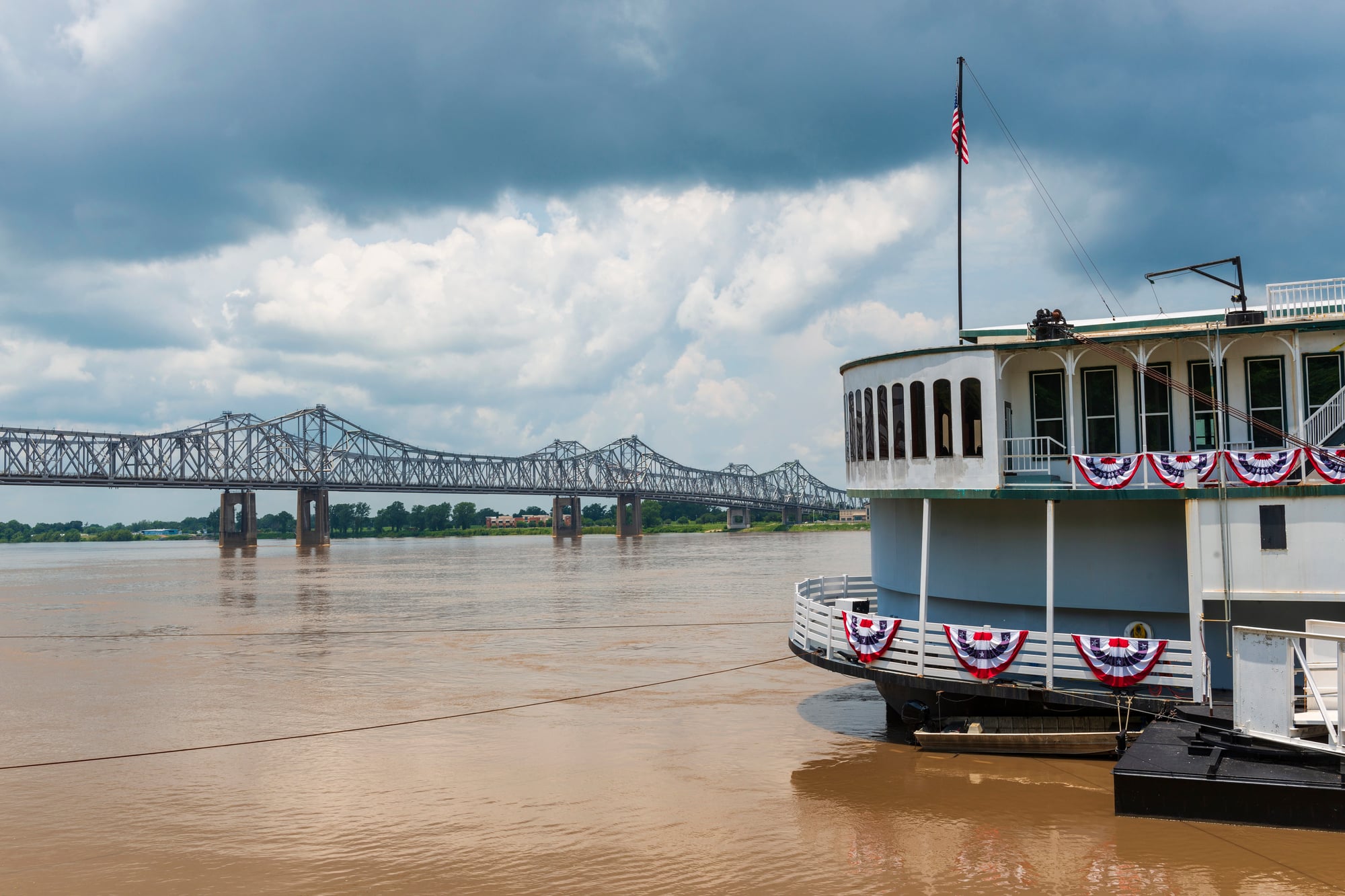
Rivers that give life can also take it away, and the Mississippi River taught Rodney that lesson with characteristic indifference to human ambition. This once-thriving port town shipped cotton from surrounding plantations during the antebellum period, supporting over 3,000 residents and earning designation as a major commercial center.
But the great river changed course in 1870, leaving Rodney two miles inland and cutting off its economic lifeline as effectively as severing an artery. The town that had prospered by moving goods along America’s greatest waterway found itself stranded on dry land, watching other communities grow wealthy while it slowly faded into the Mississippi backwoods.
Echoes In Empty Windows
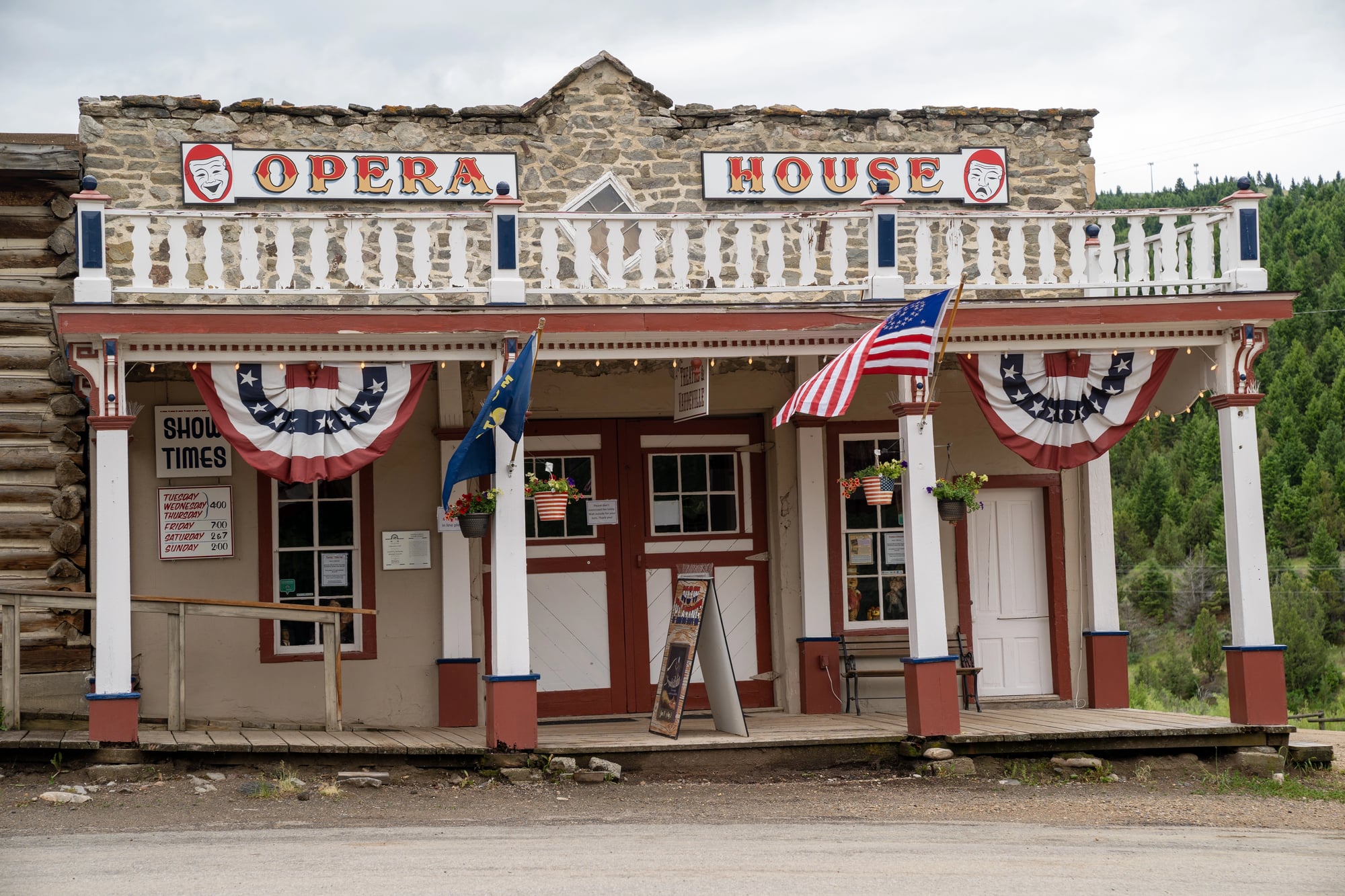
These abandoned places hold more than historical curiosity — they hold warnings about the fragility of the communities we build and the certainty that nothing lasts forever. Every ghost town started with someone’s vision of permanent prosperity, someone’s belief that this particular combination of resources and location would sustain generations of families.
The children who played in these streets, the shopkeepers who swept these sidewalks, the families who planted gardens behind these houses — none of them expected to become footnotes in stories about places that used to matter. Yet these towns also represent something indestructible about human nature: the willingness to build something meaningful even when the foundations prove temporary.
More from Go2Tutors!

- The Romanov Crown Jewels and Their Tragic Fate
- 13 Historical Mysteries That Science Still Can’t Solve
- Famous Hoaxes That Fooled the World for Years
- 15 Child Stars with Tragic Adult Lives
- 16 Famous Jewelry Pieces in History
Like Go2Tutors’s content? Follow us on MSN.



