17 Most Successful Infomercial Products Ever Sold
Late-night television transformed ordinary kitchen gadgets and exercise equipment into household names worth billions of dollars. The infomercial industry, which started gaining real momentum in the 1980s, has become a $150 billion business by convincing viewers they absolutely needed products they never knew existed. From knives that could cut through tin cans to blankets with sleeves, these direct-response commercials turned simple concepts into marketing gold.
The secret sauce wasn’t just in the products themselves, but in the persuasive power of demonstration, urgency, and that magical phrase: ‘But wait, there’s more!’ Here is a list of 17 of the most successful infomercial products that have ever graced our television screens and our wallets.
George Foreman Grill

The heavyweight boxing champion’s name became synonymous with indoor grilling, and for good reason. Over 100 million units have been sold worldwide, making it one of the most successful infomercial products in history.
George Foreman initially signed on to earn 45% of the profits in return for the use of his name, but by 1998 the grill had sold more than $200 million worth of units, and the maker opted to buy out their spokesperson instead. Foreman earned $137.5 million for his endorsement, plus an additional $11 million for grill-related TV appearances.
The grill’s appeal was simple: it promised to cook food faster while reducing fat, and Big George’s friendly personality made it feel trustworthy.
Proactiv

This acne treatment system has been advertised through infomercials for over 25 years and has become a household name. The company’s estimated $1 billion annual earnings afford them the benefit of real celebrity endorsers, moving far beyond its humble beginnings with creators Dr. Kathy Fields and Dr. Katie Rodan.
The three-step skincare system found success by targeting teenagers and young adults with promises of clear skin, backed by before-and-after photos that seemed almost too good to be true.
Like Go2Tutors’s content? Follow us on MSN.
Ginsu Knives

The knife that started the modern infomercial revolution remains a cultural icon decades later. This 43-year-old direct response offer generated over $500 million in sales strictly via short direct response infomercials.
The commercials generated sales of between two and three million Ginsu sets between 1978 and 1984. The genius was in the demonstration: showing the knife slicing through tin cans, then immediately cutting paper-thin tomatoes proved its versatility.
The Ginsu commercials coined phrases like ‘But wait, there’s more!’ that became infomercial staples.

Chuck Norris and Christie Brinkley made an unlikely but effective pitching duo for this home exercise system. Total Gym ads have aired in 85 countries and sold over four million units, resulting in over one billion dollars of revenue.
The product’s appeal lay in its promise of a complete workout using just one machine, and having two celebrities who clearly stayed in great shape didn’t hurt the credibility factor. The infomercials played up the convenience angle perfectly for busy Americans wanting to get fit at home.
Snuggie

Sometimes the simplest ideas become the biggest phenomena. More than 20 million Snuggies have been sold, totaling over $400 million in revenue.
The product didn’t invent the sleeved blanket concept, but it mastered the marketing with hilariously earnest commercials that became almost parody-proof. In April 2010, Los Angeles Angels fans set a Guinness World Record when more than 43,000 spectators showed up to watch the game in their Snuggies.
The Snuggie proved that sometimes being laughably over-the-top in your advertising actually works.
Like Go2Tutors’s content? Follow us on MSN.
P90X

Tony Horton’s extreme home workout program revolutionized fitness infomercials by targeting serious athletes rather than casual exercisers. Since 2005, the seemingly ageless creator has been reshaping bodies and the infomercial industry with powerful converts including NFL quarterback Kurt Warner and would-be vice president Paul Ryan.
The program’s intensity and Horton’s energetic personality created a devoted following that went far beyond typical infomercial customers. P90X showed that infomercials could sell premium-priced products to dedicated fitness enthusiasts.
Bowflex
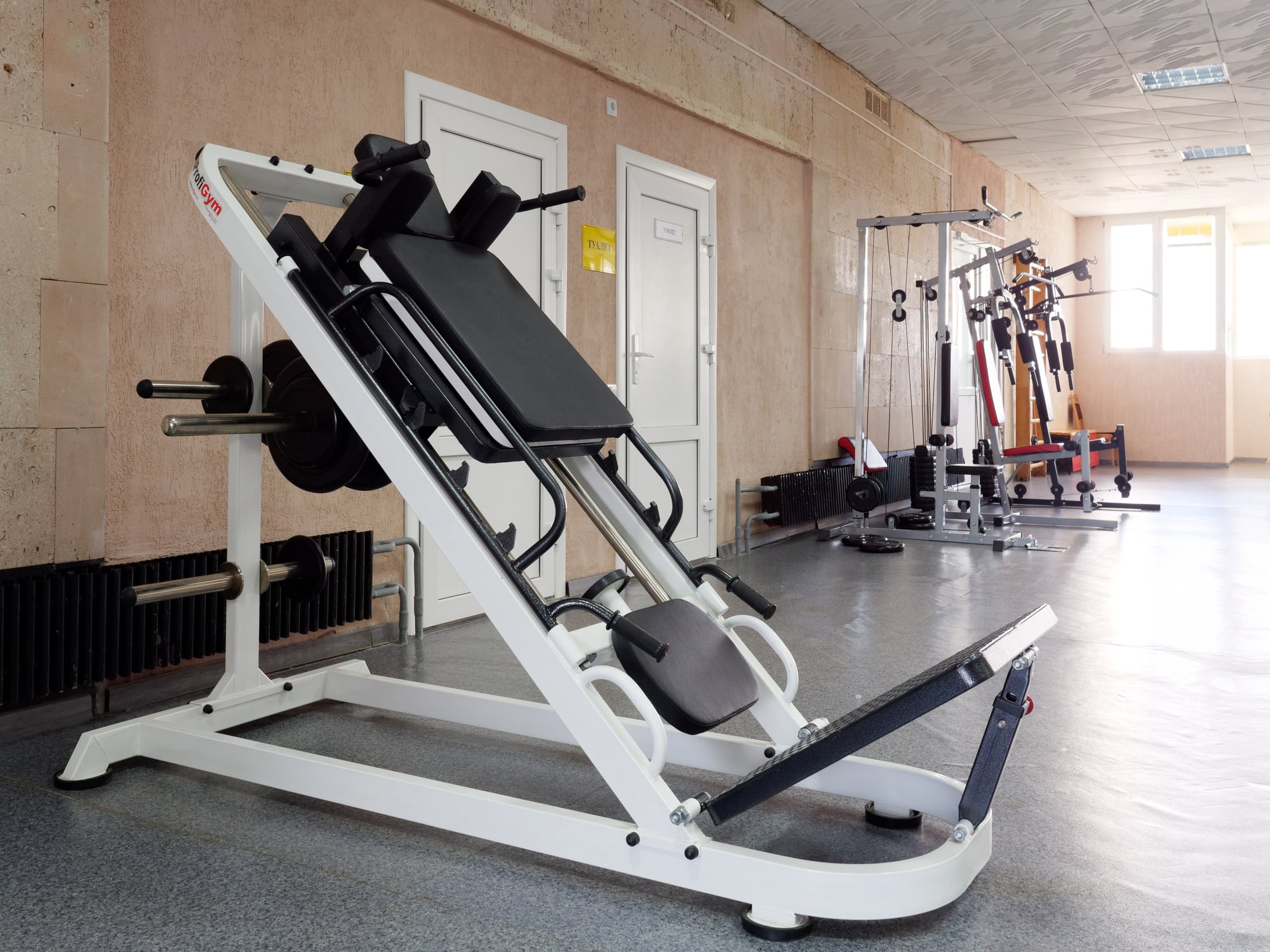
This home gym system became the gold standard for resistance training equipment sold through infomercials. Over 2.5 Bowflex units have been sold, and the company touts an annual revenue of approximately $194 million.
You might be one of the 2.5 million Americans who own a Bowflex home fitness machine. The ‘no weights, just resistance’ system promised amazing muscle-building results that could fold up when not in use.
The testimonials from regular people achieving dramatic transformations made the expensive equipment seem worth the investment.
Ron Popeil’s Showtime Rotisserie
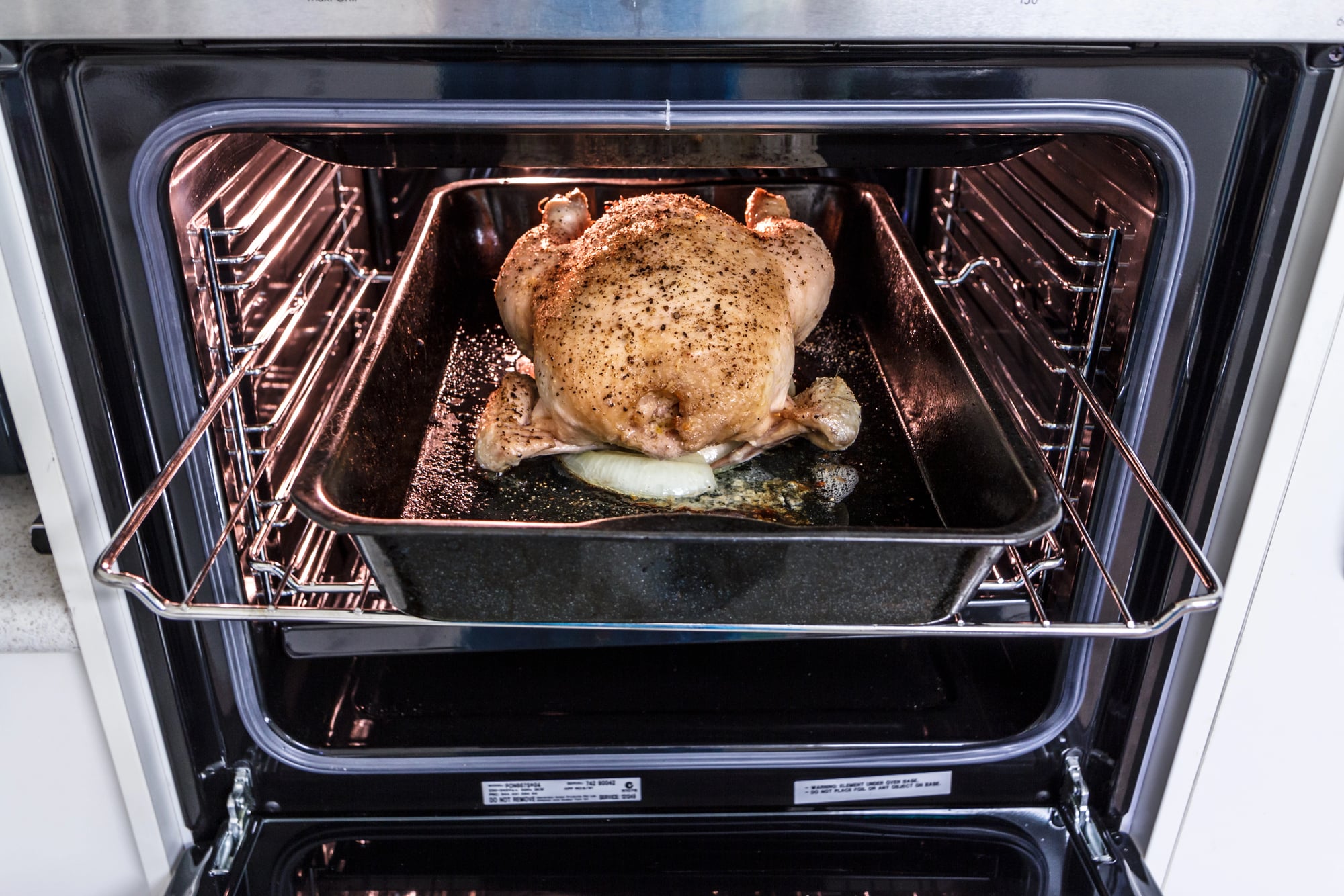
‘Set it and forget it!’ became the battle cry for home cooks everywhere thanks to this countertop rotisserie oven. Sales for the Showtime have amassed a whopping 1.2 billion dollars, making it one of the most financially successful single products in infomercial history.
More than 2.5 million units were sold according to Ron Popeil, bringing in $1 billion in lifetime sales. Ron Popeil’s hands-on demonstrations and genuine enthusiasm for cooking made viewers believe they absolutely needed this gadget for perfect meals.
Like Go2Tutors’s content? Follow us on MSN.
OxiClean

Billy Mays turned laundry detergent into appointment television with his boisterous demonstrations of this stain-fighting powder. This stain remover was popularized by infomercials featuring the late Billy Mays, and continues to be a popular cleaning product today.
Mays’s high-energy personality and dramatic before-and-after reveals made cleaning seem almost exciting. The product’s success spawned an entire line of OxiClean products that are still widely available in stores today.
NutriBullet
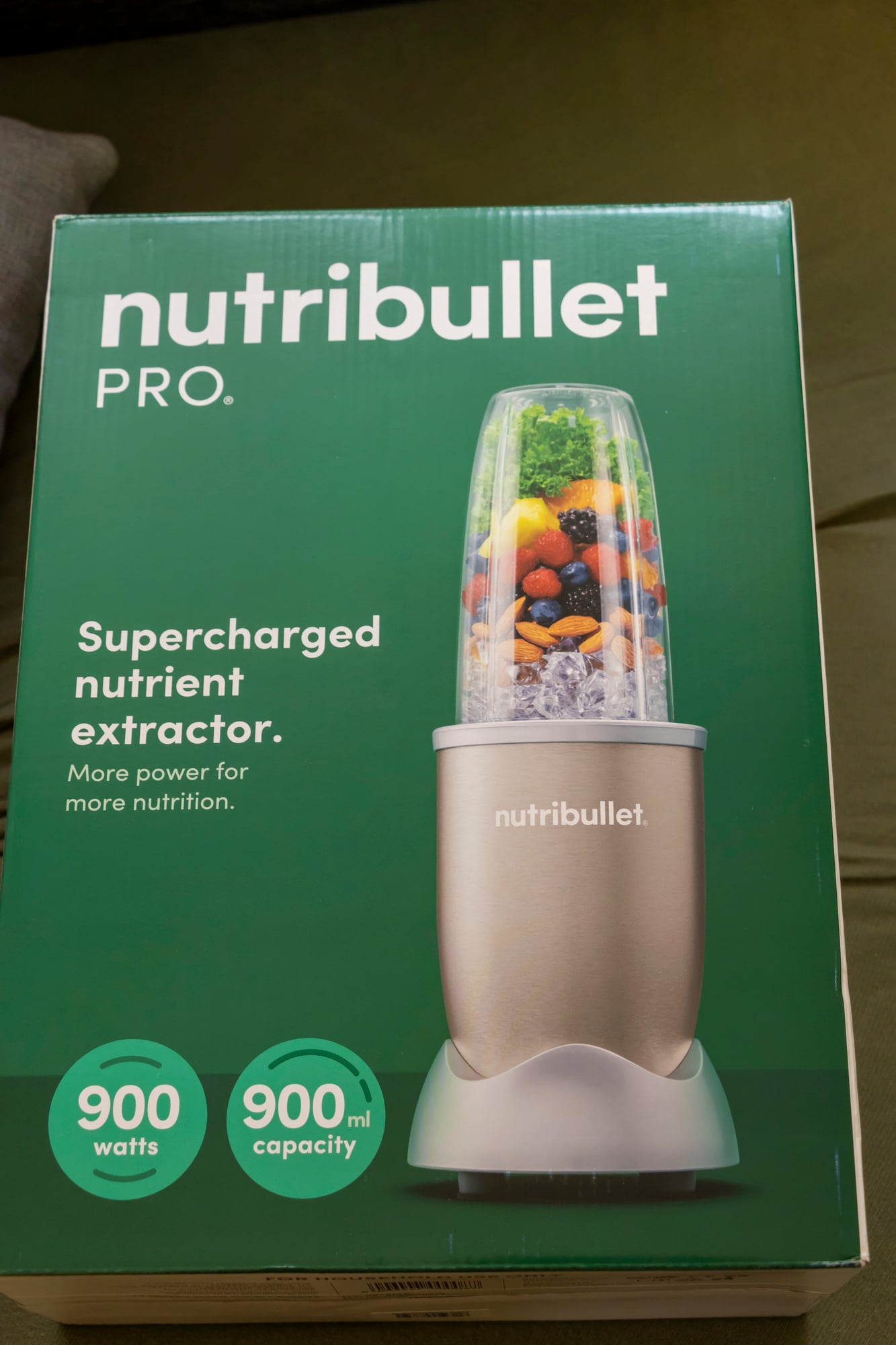
This powerful blender and juicer has been advertised through infomercials and has become a popular kitchen appliance. The NutriBullet capitalized on America’s growing health consciousness by promising to extract maximum nutrition from fruits and vegetables in seconds.
The infomercials featured impressive demonstrations of the machine pulverizing tough ingredients that would challenge regular blenders. Its compact size and health-focused marketing made it appeal to both fitness enthusiasts and casual users wanting to eat better.
ThighMaster

Suzanne Somers turned a simple piece of exercise equipment into a cultural phenomenon during the 1990s. More than 10 million takers came calling for this butterfly-shaped device that promised results for thighs, hips, upper arms, and chest areas.
Somers’s celebrity status from ‘Three’s Company’ combined with her fitness credibility made the product seem both glamorous and achievable. The ThighMaster’s success proved that celebrity endorsements could drive massive sales when matched with the right product.
Like Go2Tutors’s content? Follow us on MSN.
Ped Egg
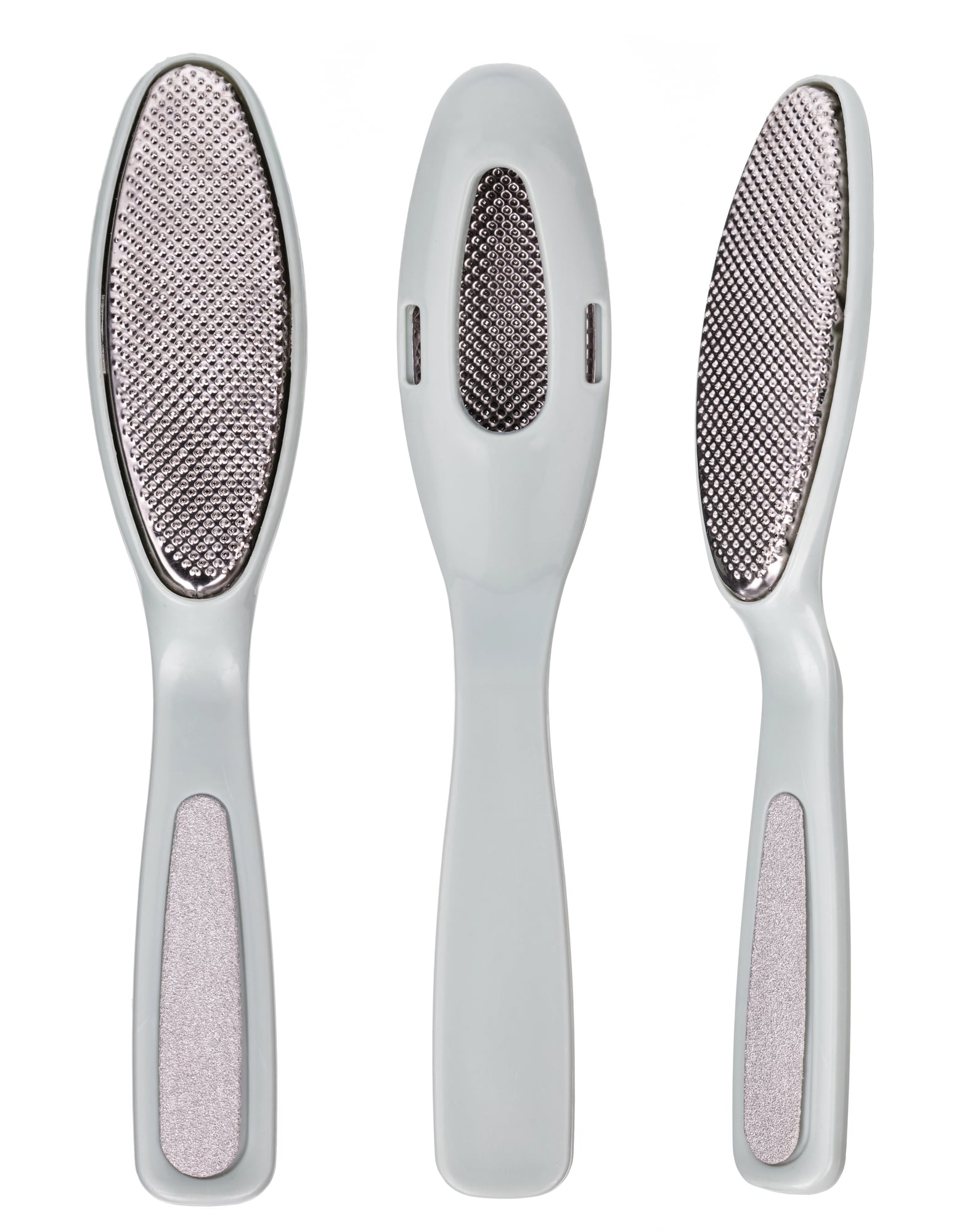
More than 40 million people signed up to try the real thing at home, making this well-priced product (just $10 apiece) one of the industry’s most surprising best-sellers. The up-close demonstrations were admittedly stomach-turning, but they effectively showed the product working exactly as advertised.
The Ped Egg succeeded because it solved an embarrassing problem many people had but didn’t want to discuss, and at just ten dollars, the risk seemed minimal.
Shake Weight

This vibrating dumbbell became more famous for its unintentionally suggestive commercials than its fitness benefits. Shake Weight started as a product for women, but when the same product was launched for men, it earned nearly $40 million in annual sales.
The product promised to work multiple muscles with just six minutes of daily use through its unique vibrating motion. While it became the subject of countless parodies, the Shake Weight’s sales numbers proved that even controversial marketing can drive purchases.
Sweatin’ to the Oldies

Richard Simmons’s energetic workout videos became infomercial classics that sold millions of copies. In the 1980s, he helped viewers aerobicize their way to a healthier life, selling approximately 20 million exercise videos.
Simmons’s flamboyant personality and genuine enthusiasm for helping people get fit made his workouts feel more like parties than exercise. The combination of nostalgic music and encouraging instruction created a workout experience that felt accessible to everyone.
Like Go2Tutors’s content? Follow us on MSN.
Clapper

Turn off your lamps or other devices with just a clap of your hands. Nearly 30 years ago, this device paved the way for so many subsequent smart home devices, allowing people at that time to turn electronics on or off by simply clapping.
The Clapper’s appeal was pure convenience – the ability to control lights without getting up seemed like magic in the pre-smartphone era. While simple by today’s standards, it was revolutionary technology that made homes feel more futuristic.
MyPillow

The company has spent over $100 million on infomercials and sold 30 million pillows as of 2017, with $71.6 million in sales in the fourth quarter of 2017 alone. The pillow promised to adjust to fit each user and provide better sleep, backed by a memorable spokesperson’s personal story of overcoming addiction through his invention.
The heavy infomercial spending and bold claims about sleep improvement helped MyPillow become a household name in the bedding industry.
ShamWow

Vince Offer’s aggressive sales tactics turned an absorbent cloth into a pop culture sensation. This absorbent cloth was marketed through infomercials and became a pop culture sensation, thanks in part to its memorable spokesperson.
The demonstrations showed the ShamWow absorbing incredible amounts of liquid, far outperforming regular towels or paper towels. Offer’s fast-talking, in-your-face sales style became as famous as the product itself, proving that sometimes abrasiveness can be effective.
Like Go2Tutors’s content? Follow us on MSN.
From Midnight Magic to Mainstream Success

The most successful infomercial products share common elements that transcended their late-night origins. They solved real problems with memorable demonstrations, created urgency through limited-time offers, and featured personalities who became as famous as the products themselves.
Many of these items eventually moved from specialty TV sales into major retail stores, proving their genuine market appeal. The infomercial format provided a testing ground for products and marketing messages that traditional advertising couldn’t match, creating billion-dollar brands from simple concepts and compelling pitches.
More from Go2Tutors!

- 16 Historical Figures Who Were Nothing Like You Think
- 12 Things Sold in the 80s That Are Now Illegal
- 15 VHS Tapes That Could Be Worth Thousands
- 17 Historical “What Ifs” That Would Have Changed Everything
- 18 TV Shows That Vanished Without a Finale
Like Go2Tutors’s content? Follow us on MSN.