15 Phrases Still Used Today That Come from Long-Lost Trades
The English language is a living museum of historical occupations and industries. Many expressions we use daily were once specialized terminology in trades that have largely disappeared from modern life.
These linguistic fossils connect us to the working lives of our ancestors while adding color and depth to our conversations. Here is a list of 15 phrases that originated from traditional trades and crafts but continue to enrich our language today.
By and Large

Originally a sailing term, ‘by and large’ combined two distinct navigational directions. Sailing ‘by’ meant steering close to the wind, while sailing ‘large’ meant with the wind coming from behind.
Together, they represented all possible sailing conditions, which is why we now use this phrase to mean ‘in all cases’ or ‘generally speaking.’
Sleep Tight

Before the invention of box springs and memory foam, beds were supported by ropes that needed regular tightening to provide a comfortable sleeping surface. The phrase ‘sleep tight’ was a genuine wish for someone to have a bed with properly tensioned support ropes, ensuring a good night’s rest.
Upper Hand

Medieval millers who operated hand mills would work in pairs, with one person standing on each side. The worker who stood in the position to grab the upper handle had greater control and less physical strain.
This advantageous position gave us the phrase for having control or dominance in any situation.
Mind Your P’s and Q’s

This phrase likely comes from early printing presses where typesetters had to place individual letters backward. The lowercase ‘p’ and ‘q’ were easily confused, requiring careful attention.
This meticulous printing trade term evolved into our modern reminder to be careful and pay attention to details.
Deadline
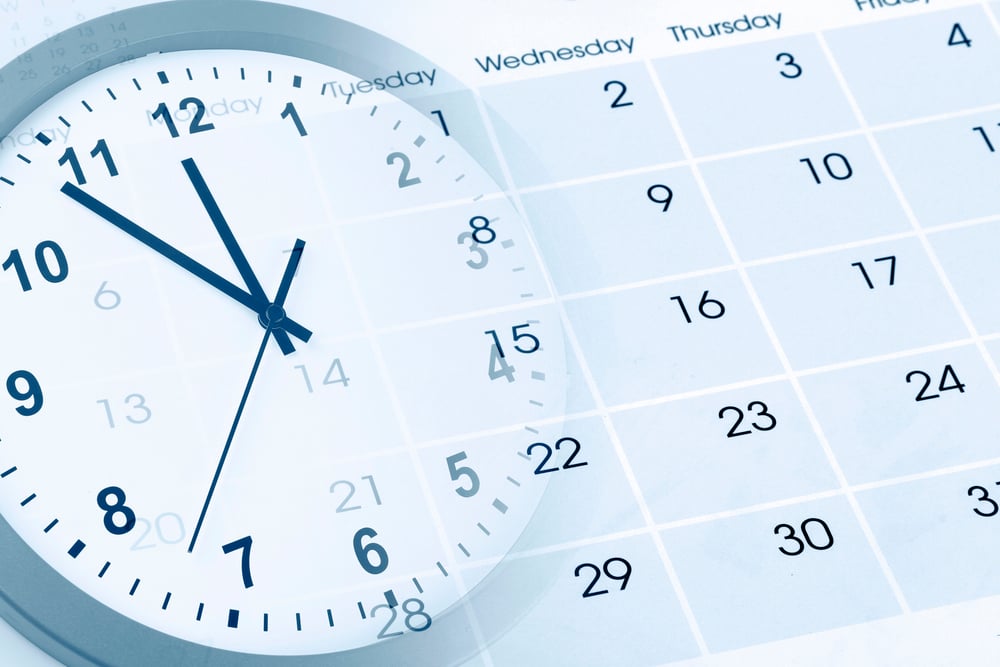
While today it simply means a time limit, this term originated with prison camps during the American Civil War. Guards would draw a physical line around the prison perimeter that inmates could not cross without risk of being shot.
The deadly consequences of crossing this boundary gave us our now-common term for time constraints.
Cakewalk

This term for something easily accomplished originated from pre-Civil War plantation events where enslaved people would perform a stylized walk, with the most graceful dancers winning a cake as a prize. The exaggerated, high-stepping dance appeared deceptively simple, leading to our modern use of the term to describe any task that seems unexpectedly easy.
Passing With Flying Colors

Naval vessels would display their flags (or ‘colors’) prominently when returning victorious from battle. A ship passing with flying colors was clearly celebrating triumph, giving us this common phrase for successful achievement or excellent performance.
Getting Down to Brass Tacks

Fabric merchants in haberdashery shops used brass tacks hammered into their counters at precise one-yard intervals to measure cloth accurately. When serious negotiations began, they would ‘get down to brass tacks’ to ensure fair measurements, giving us this expression for focusing on essential details.
On Tenterhooks

In the textile industry, newly woven cloth was stretched on frames called ‘tenters’ using hooks to prevent shrinkage during drying. Fabric stretched this way was under constant tension, much like someone in a state of anxious suspense—thus giving us our expression for anxious anticipation.
Strike While the Iron Is Hot

Blacksmiths knew that iron becomes malleable only when heated to extreme temperatures and must be shaped immediately before cooling. This metallurgical necessity evolved into advice about taking advantage of opportunities promptly before conditions change.
Put Through the Wringer
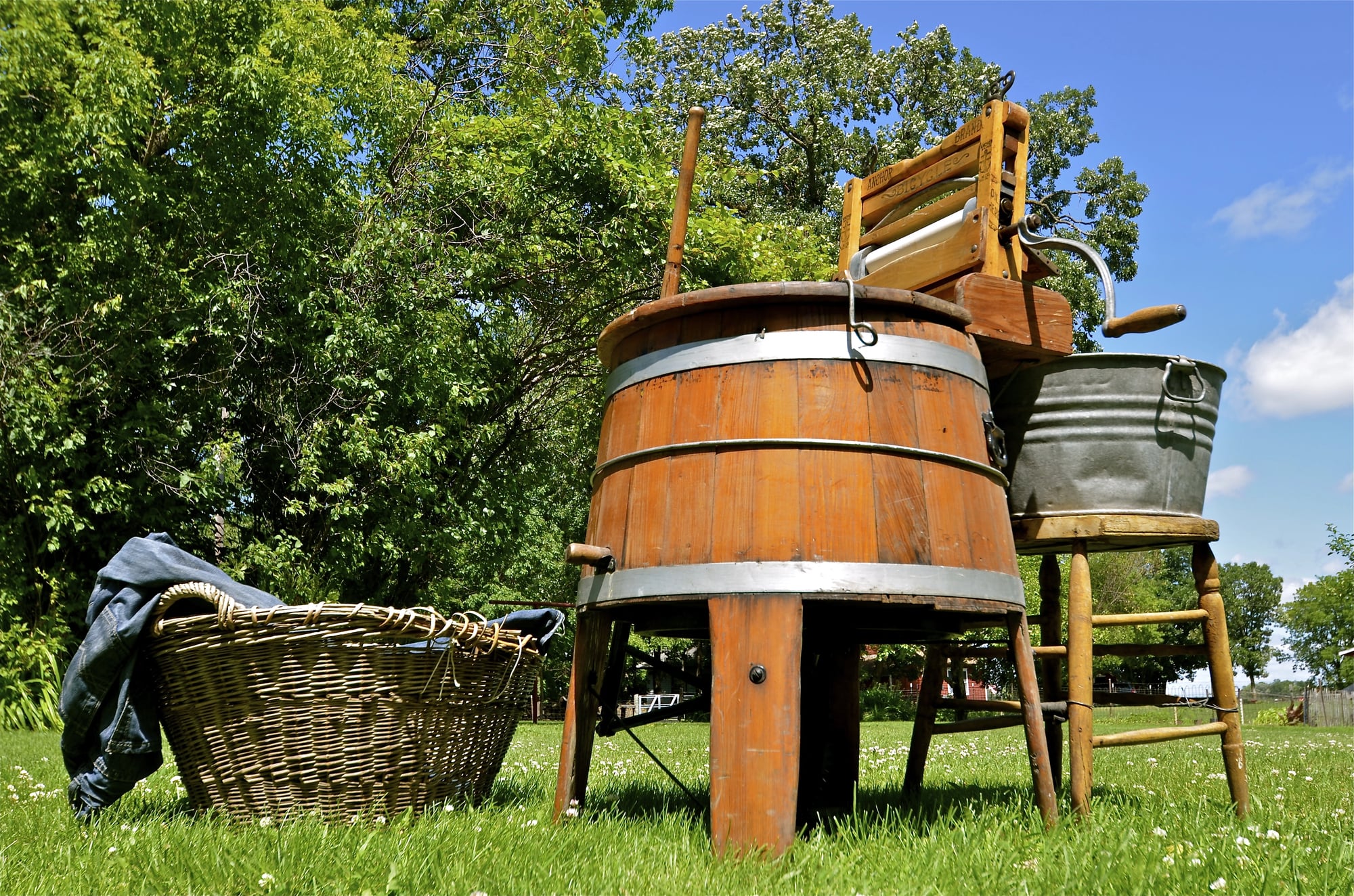
Before electric washing machines, clothes were fed through a wringer—two rollers that squeezed out excess water. The pressure was intense enough to flatten anything caught between them, giving us this vivid metaphor for experiencing extreme pressure or difficulties.
Barking Up the Wrong Tree

This colorful phrase comes from raccoon hunting, where dogs would sometimes mistakenly corner their prey in one tree while the raccoon had jumped to another. The hunter would waste time focused on the wrong location, just as we do when pursuing a mistaken line of inquiry.
Fly Off the Handle
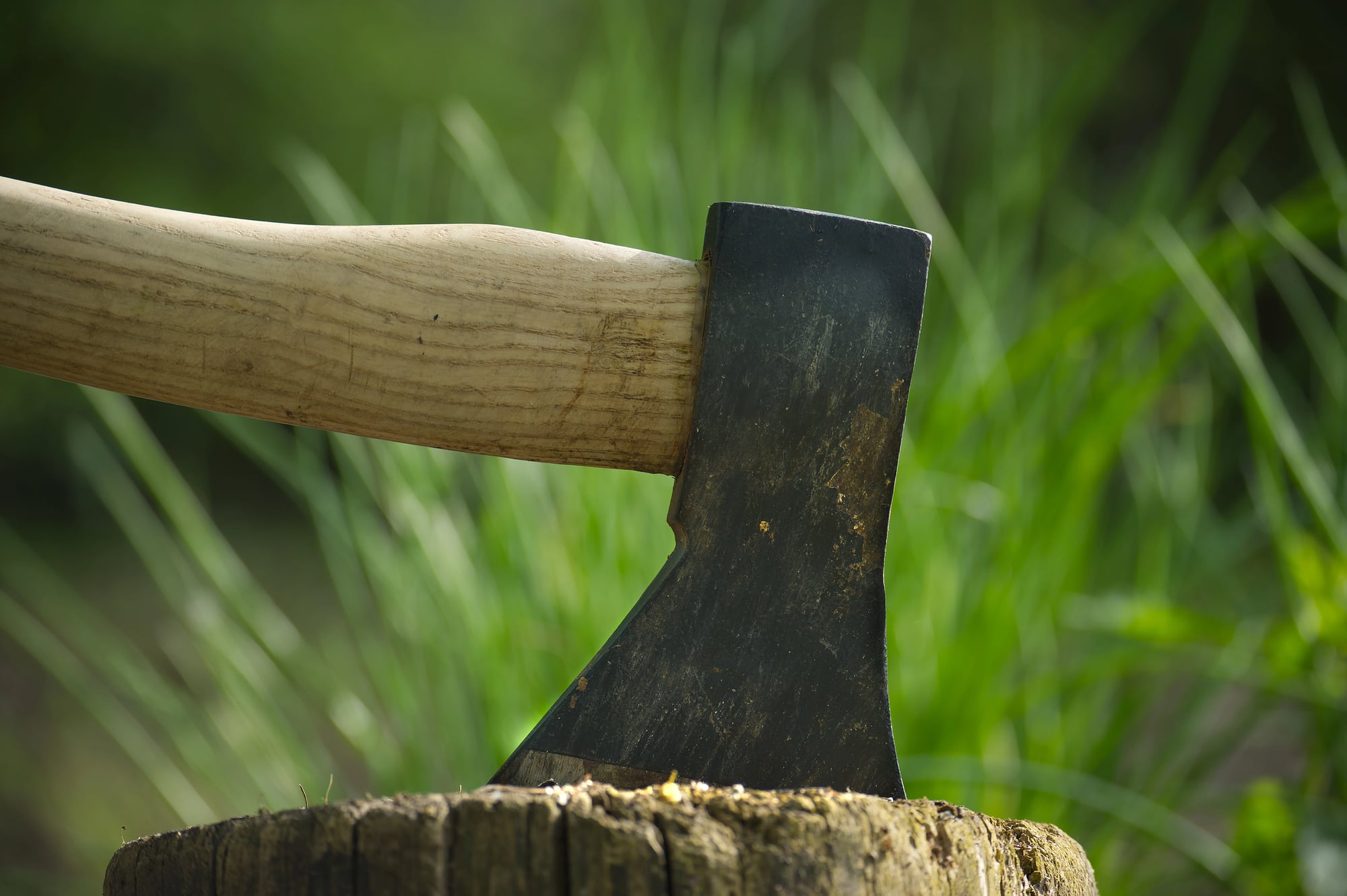
Early axes often had poorly attached heads that could literally fly off their wooden handles during use, causing dangerous accidents. This occupational hazard provided a perfect metaphor for someone losing control or becoming suddenly angry without warning.
Pulling Out All the Stops
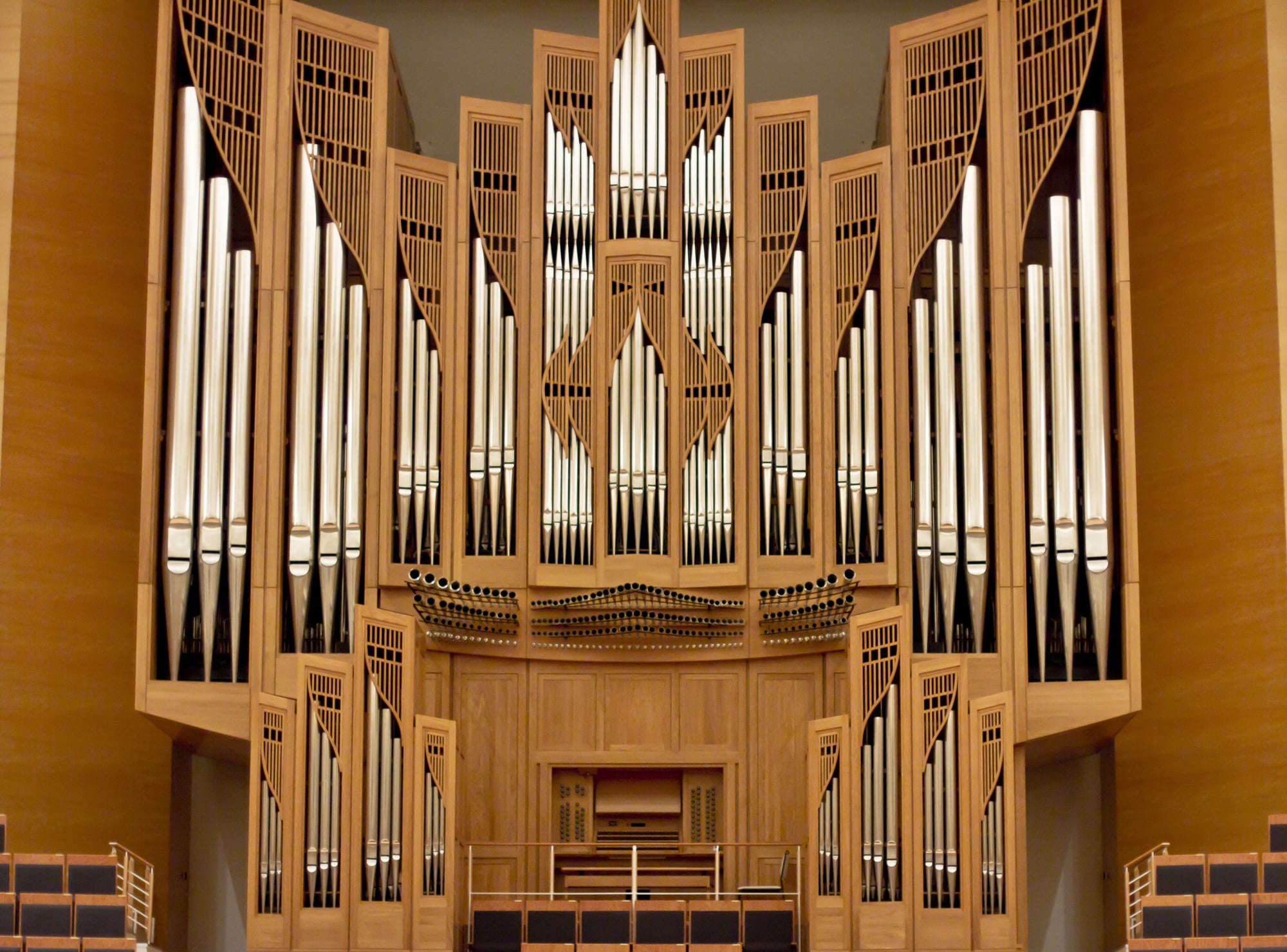
Pipe organs have knobs called ‘stops’ that control airflow to different sets of pipes. When an organist wants maximum volume, they pull out all the stops to engage every pipe.
This musical technique gave us our expression for making an all-out effort or using every available resource.
Make the Grade

Railroad engineering introduced this phrase, where the ‘grade’ referred to the steepness of a track. Locomotives needed sufficient power to ‘make the grade’ and climb challenging inclines.
This railway challenge became our standard expression for meeting requirements or achieving success against difficult standards.
Echoes of Working Hands

These linguistic artifacts do more than just add color to our speech—they preserve fragments of human innovation and labor across generations. Each time we use these phrases, we unconsciously honor the shipbuilders, blacksmiths, weavers, and countless other craftspeople whose specialized knowledge continues to shape how we communicate.
Their tools may have been relegated to museums, but their language lives on in our everyday conversations.
More from Go2Tutors!

- The Romanov Crown Jewels and Their Tragic Fate
- 13 Historical Mysteries That Science Still Can’t Solve
- Famous Hoaxes That Fooled the World for Years
- 15 Child Stars with Tragic Adult Lives
- 16 Famous Jewelry Pieces in History
Like Go2Tutors’s content? Follow us on MSN.



