Quirky Past Transportation Methods
Getting from one place to another has always been a human obsession. But not every solution that seemed brilliant at the time turned out to be practical.
History is full of transportation experiments that make you wonder what people were thinking—or maybe just admire their willingness to try anything.
The Penny-Farthing’s Awkward Reign
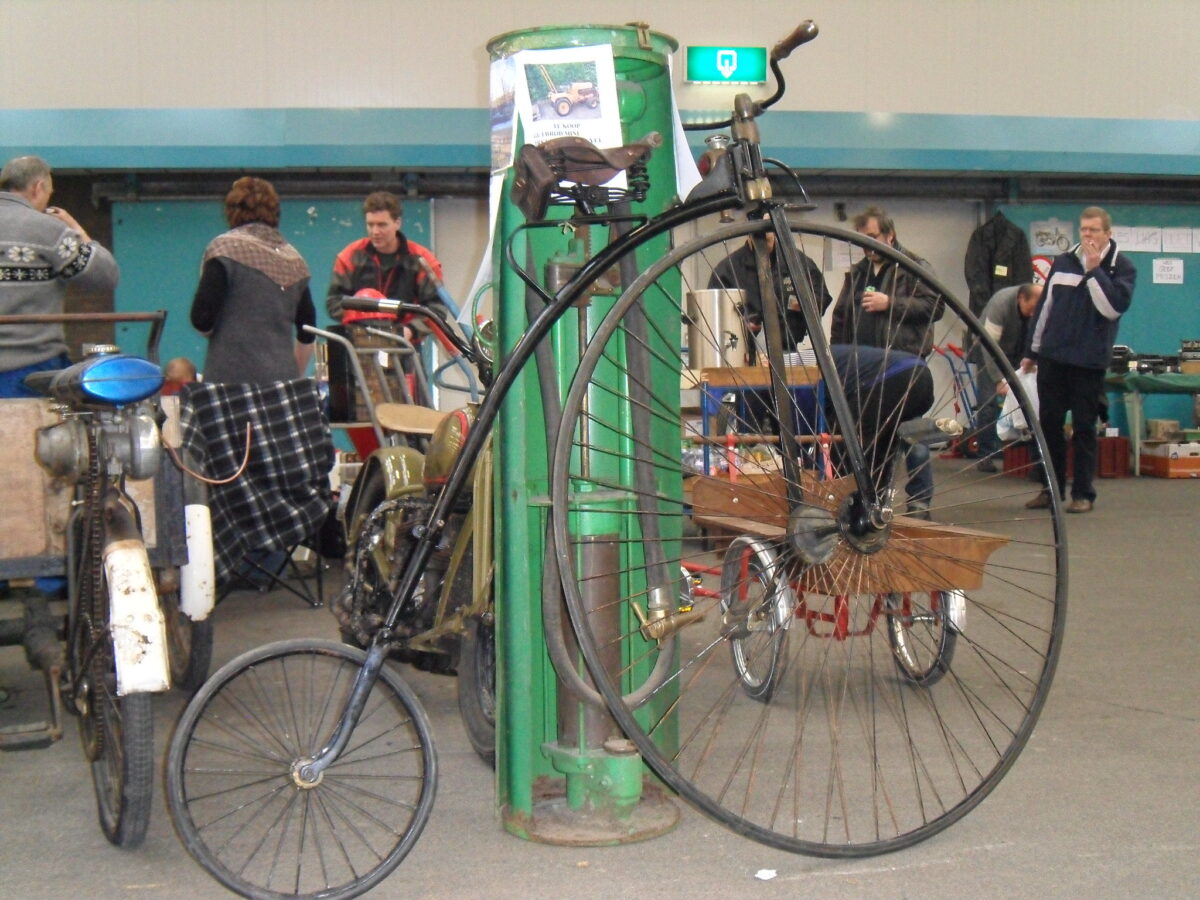
That giant front wheel wasn’t just for show. The bigger the wheel, the farther you traveled with each pedal rotation.
Simple physics, terrible results. Riders sat so high that falling meant serious injury.
Mounting the thing required a running start and a small platform on the back wheel. Yet for about two decades in the late 1800s, this was what passed for cutting-edge bicycle design.
Steam-Powered Tricycles That Belched and Chugged
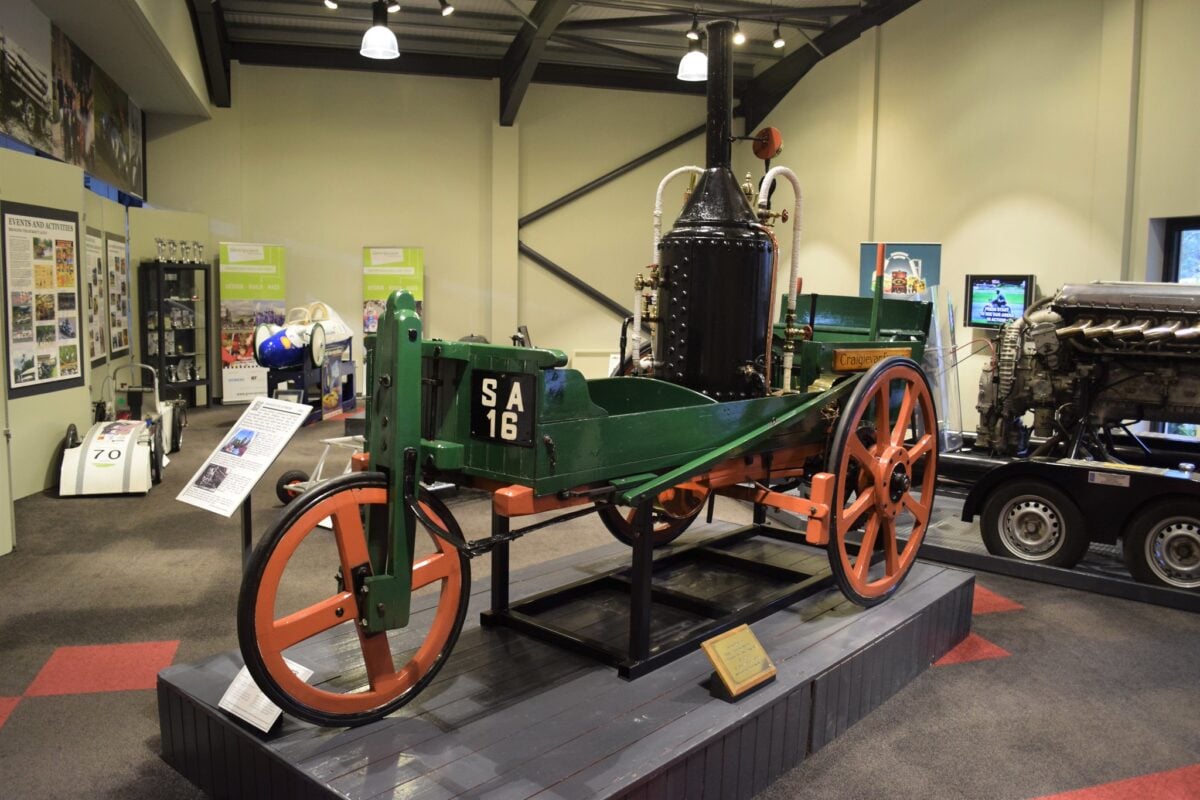
Before cars dominated the roads, inventors tried putting steam engines on tricycles. These contraptions weighed several hundred pounds and required constant attention to keep the boiler running.
You needed to stop frequently to add water and fuel. The noise scared horses, which created obvious problems when most traffic still relied on them.
But for a brief moment, some people genuinely believed this was the future of personal transportation.
When Cars Tried to Swim

Amphicar. Just saying the name brings up images of a vehicle having an identity crisis.
Produced in Germany during the 1960s, this car-boat hybrid could drive on roads and then motor across water at about 7 miles per hour. The doors leaked.
Salt water corroded everything. Maintenance was a nightmare.
Still, over 3,000 people bought one, probably because the idea of driving straight into a lake seemed too fun to resist.
Delivering Mail by Rocket

In the 1930s, an Austrian engineer named Friedrich Schmiedl actually delivered mail using rockets. He’d pack letters into metal cylinders, attach them to rockets, and fire them toward nearby villages.
Some rockets exploded. Others landed in random fields.
The postal service never adopted the method, but Schmiedl kept trying for years. His persistence suggests he either saw something others didn’t or just really enjoyed building rockets.
Pneumatic Tubes for People
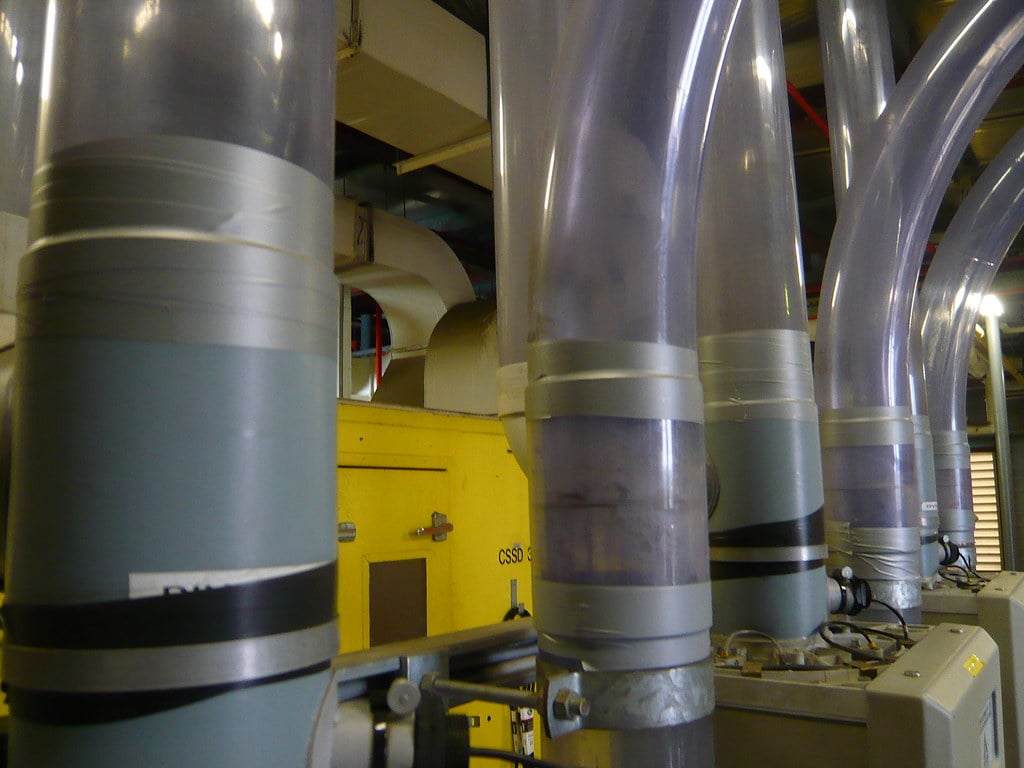
London experimented with this in the 1860s. You’d sit in a capsule, and compressed air would shoot you through underground tubes at 40 miles per hour.
The first demonstration went well. Then someone got stuck.
The project never expanded beyond a short test line, but the concept resurfaces every few decades when someone rediscovers the old plans and thinks it sounds brilliant.
Rail Cars You Pushed Yourself
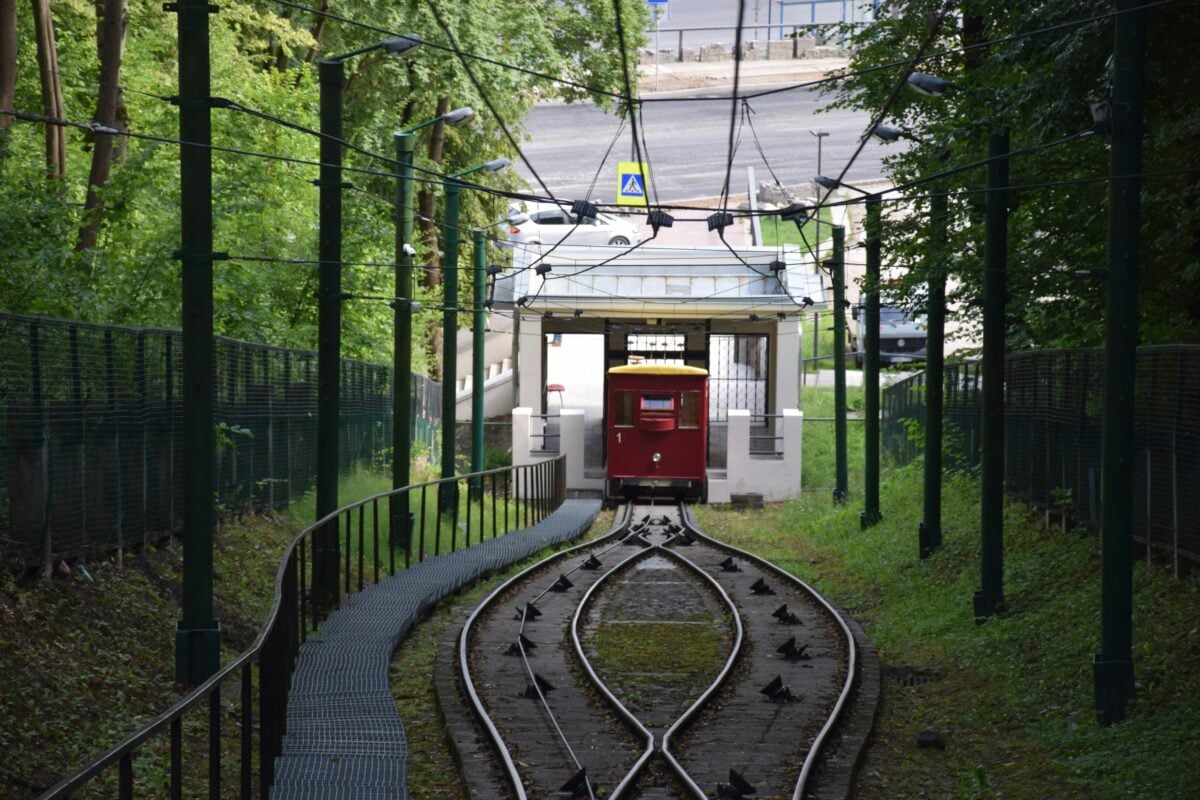
Handcars weren’t quirky by necessity—they were practical tools for railroad workers. But imagine using one for your daily commute. Two people pumping a seesaw handle, rolling down the tracks, hoping no trains were coming the other way. Some small towns actually used these for passenger service when they couldn’t afford locomotives. The workout was free, at least.
The Cyclocar’s Brief Moment
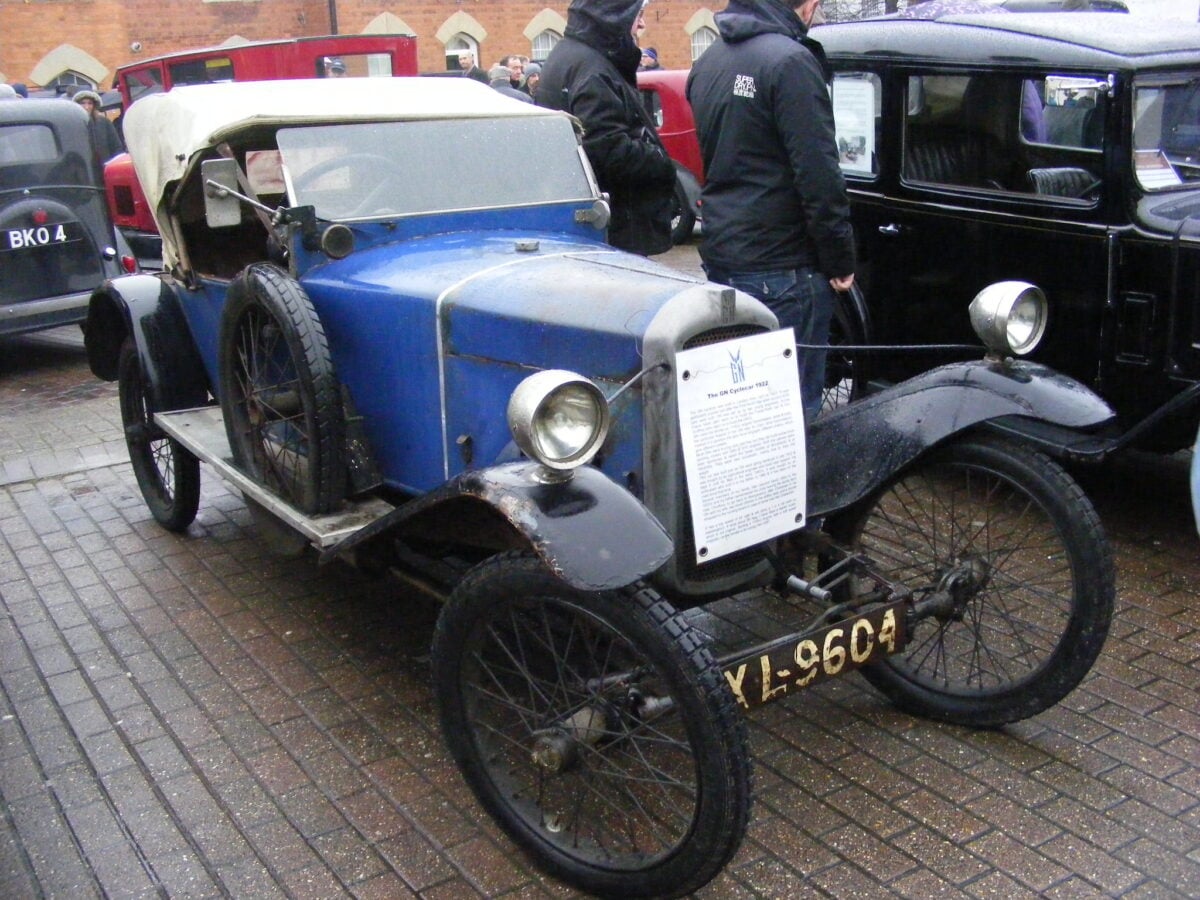
Picture something between a motorcycle and a car. Too small to be comfortable, too large to be nimble.
Cyclecars appeared across Europe and America in the 1910s and 1920s, promising cheap motorized transport. Most had three wheels.
Many had no roof. Engines barely produced enough power to climb hills.
When mass-produced cars became affordable, cyclecars vanished almost overnight.
Autogyros That Almost Worked
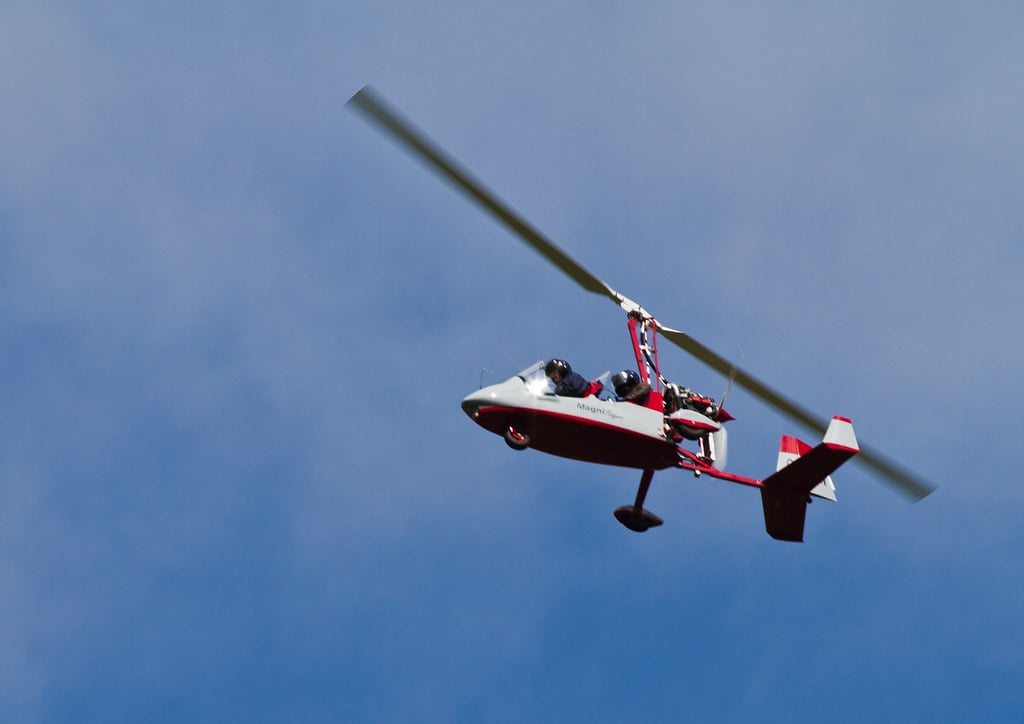
These looked like helicopters but worked differently. A rotor on top spun freely from forward motion rather than being powered directly.
Juan de la Cierva invented them in the 1920s, and for a while, they seemed practical. You could take off in a short distance and fly slowly without stalling.
But helicopters proved more versatile, and autogyros faded into obscurity except among dedicated enthusiasts.
The Monowheel’s Circle of Confusion
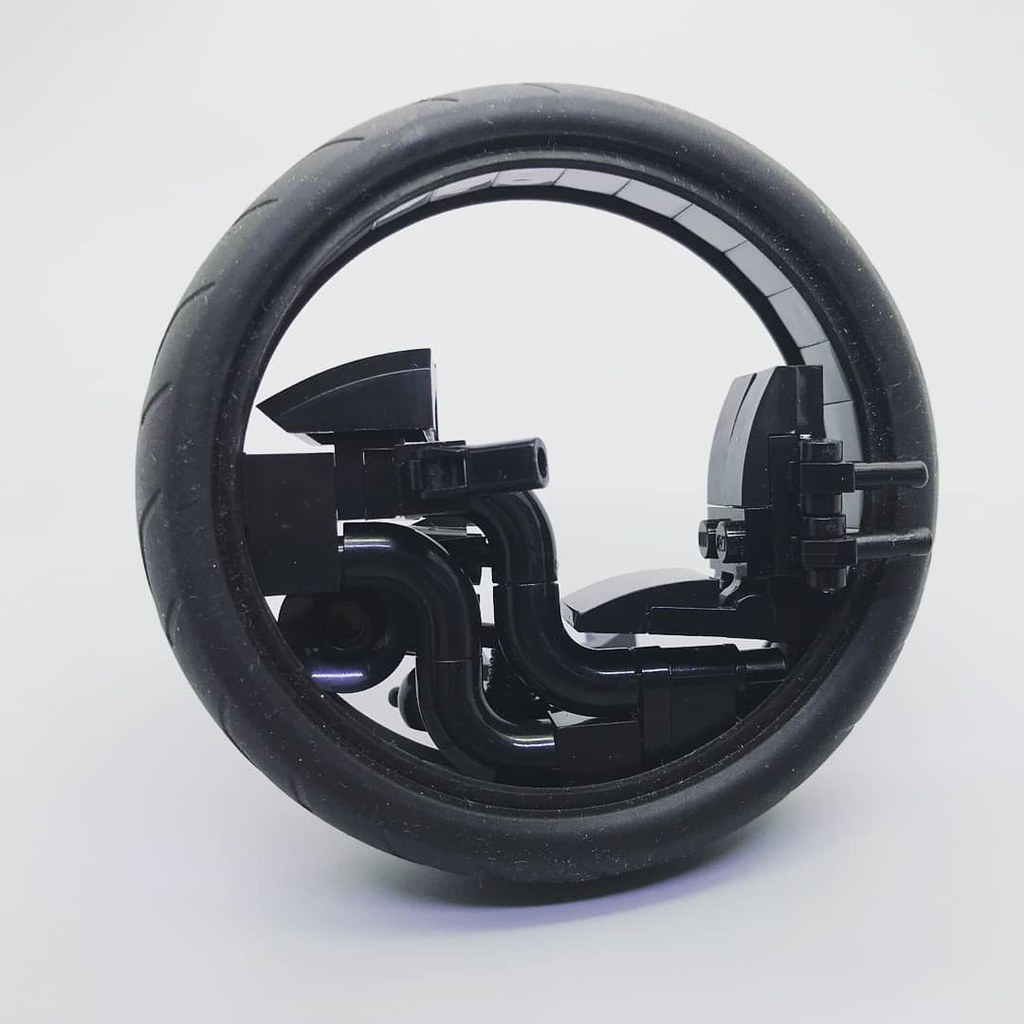
One giant wheel with the rider inside, powering it like a hamster in an exercise wheel. Several inventors built working versions.
The problem was stopping. Or turning.
Or going faster than a walking pace without the whole thing becoming unstable. You’d pedal, the wheel would spin, and you’d desperately try to maintain balance while looking completely ridiculous.
Still, the design keeps reappearing because it looks undeniably cool.
Individual Flying Platforms
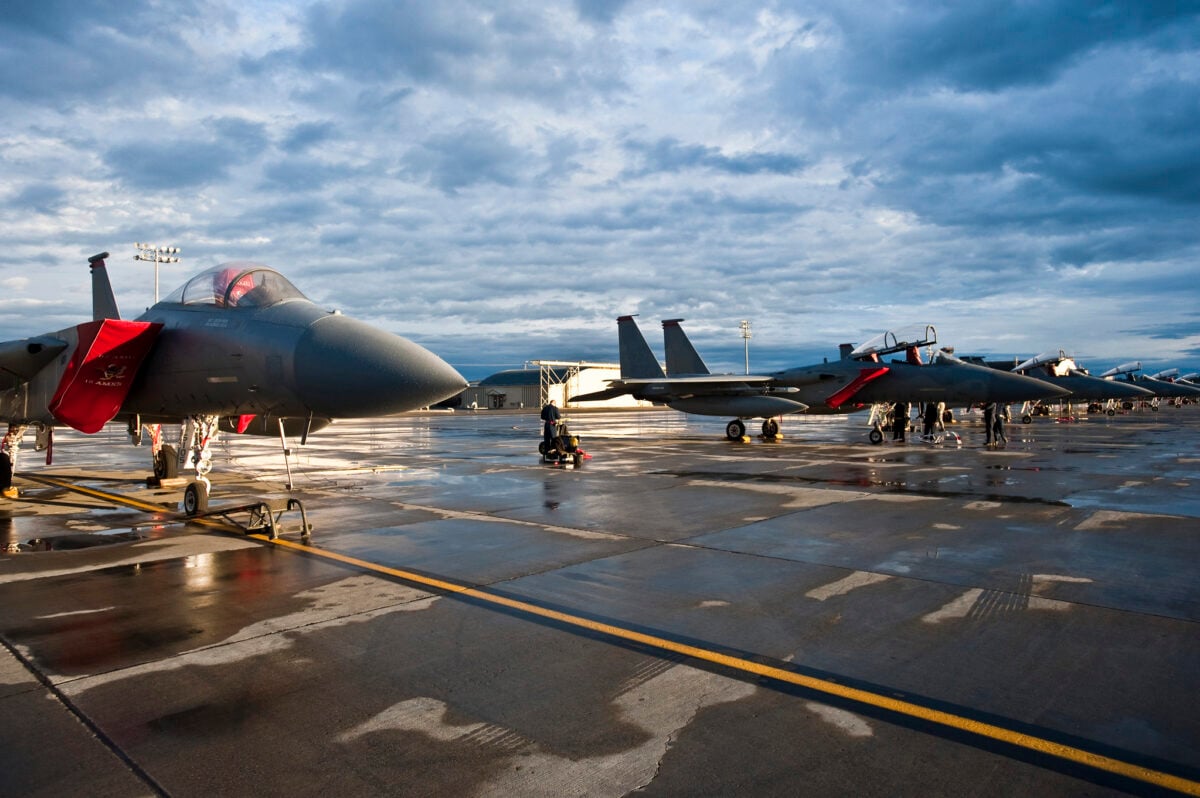
The U.S. military tested these in the 1950s. A soldier would stand on a small platform with ducted fans underneath.
The contraption would lift a few feet off the ground and hover. Training took weeks.
One wrong move and you’d tip over. The project was eventually abandoned, but the footage of soldiers floating around on these things remains delightfully absurd.
Propeller Sleds on Ice
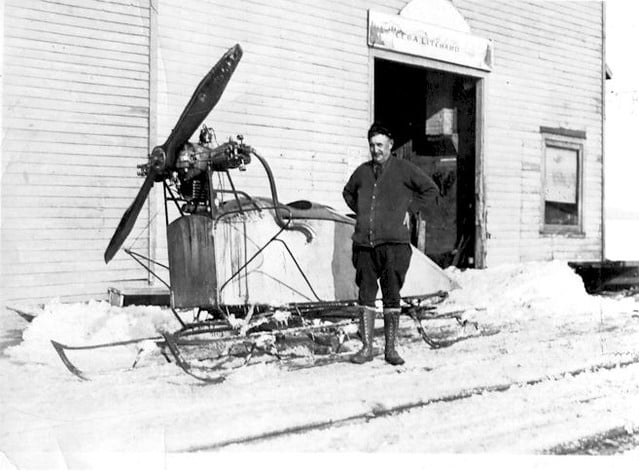
In Russia and Scandinavia, people mounted aircraft propellers on sleds for winter travel. The contraptions screamed across frozen lakes at impressive speeds.
They also had no brakes. Stopping meant cutting the engine and hoping you had enough distance to coast to a halt.
Crashes were common. The noise was unbearable.
Yet in regions where winter lasted months and roads disappeared under snow, they made a strange kind of sense.
Racing Buggies on Wind Power
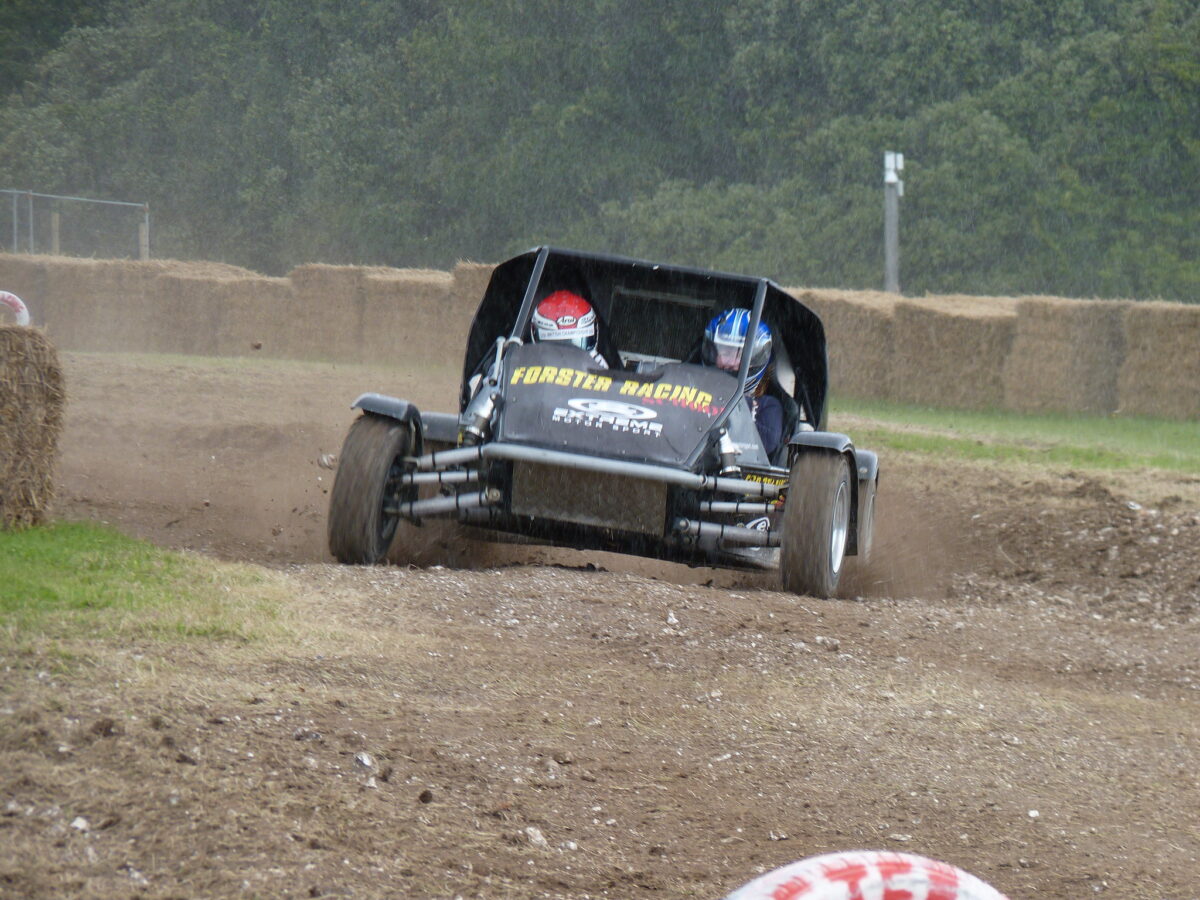
Sand yachts appeared on beaches in the late 1800s. Three wheels, a sail, and a frame—that was it. You’d wait for strong winds and then rocket across the sand faster than most vehicles of the era could travel on roads.
Steering required skill and nerve. These actually survived as a sport rather than transportation, which tells you something about their practicality.
The Bat Boat’s Strange Flight
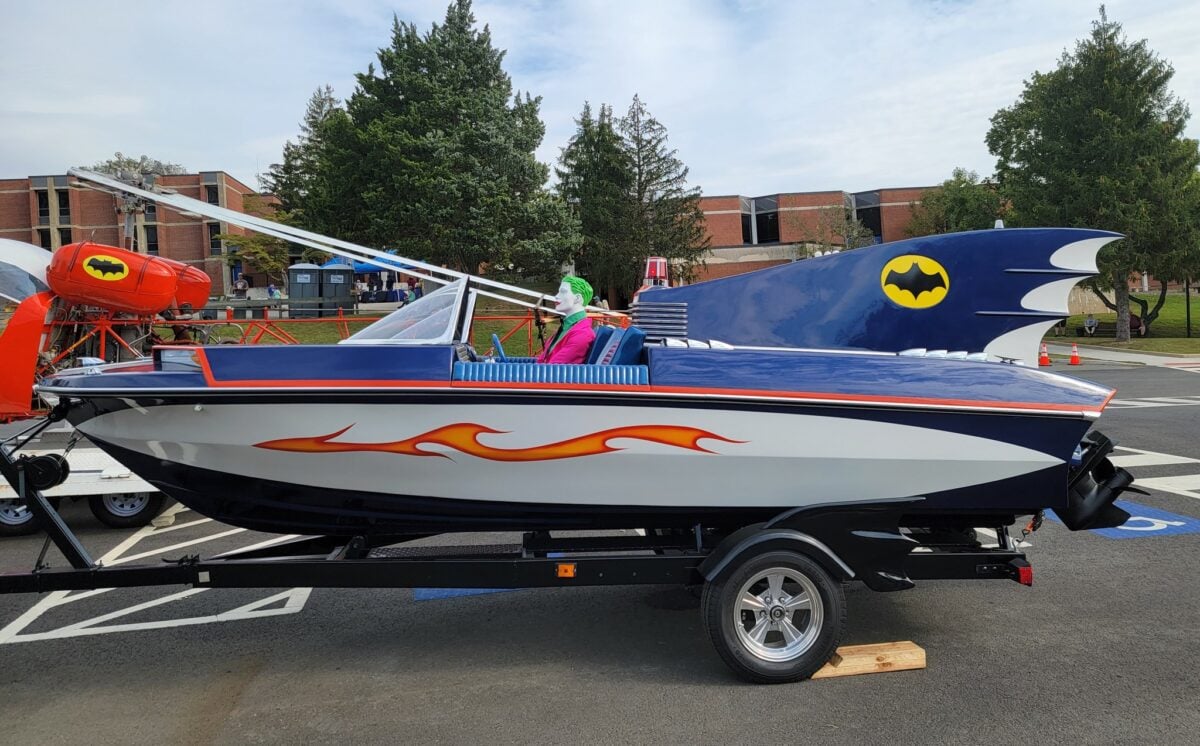
In the 1960s, someone decided speedboats needed wings. The result was the Bat Boat, which could supposedly lift partially out of the water at high speeds.
The hydrofoil design worked in theory. In practice, waves made the ride terrifying. The boat would bounce, the wings would slam back into the water, and passengers would wonder why they hadn’t just taken a normal boat.
Production numbers stayed small.
Trackless Trains That Followed Wires

Back when buses weren’t common, a few places tried trackless trolleys – electric rides powered by wires above, moving on normal roads. They functioned okay, sure.
Yet they brought streetcar rigidity along with trolley expenses. Over time, most areas swapped them out for diesel buses, since those could roam freely, no wires needed.
When Simple Became Complex
One by one, these approaches made sense at the start. They tackled actual issues – like pace, price, rough ground, or what tools were on hand.
Still, each brushed off clear downsides while chasing something new. Perhaps it’s not far off from how we build transit now.
Only, rules are tighter on crashes, and plenty speak up about weak spots before things roll out.
More from Go2Tutors!

- The Romanov Crown Jewels and Their Tragic Fate
- 13 Historical Mysteries That Science Still Can’t Solve
- Famous Hoaxes That Fooled the World for Years
- 15 Child Stars with Tragic Adult Lives
- 16 Famous Jewelry Pieces in History
Like Go2Tutors’s content? Follow us on MSN.



