15 Places Where It’s Rude to Tip
The customs surrounding tipping vary greatly depending on the location. A gesture that is expected and seen as kind in one country may offend others in another. In many areas, this practice can make you stick out as an ignorant visitor, yet most Americans don’t think twice about adding 15% to 20% to their restaurant bills.
Here is a list of 15 nations where tipping could show that you haven’t done your research before your trip, confuse your server, or offend them.
Japan

Tipping is not only superfluous but also frequently causes real discomfort because the Japanese have a service culture based on respect and dignity. If a cab driver or restaurant employee actually follows you down the street to return money they believe you’ve forgotten, don’t be shocked.
The reason for this peculiar response is ‘omotenashi,’ their idea of selfless hospitality in which first-rate service is provided without expecting more payment.
China

Historically, Chinese workers view tipping as suggesting they aren’t paid adequately by employers – which implies criticism of the establishment itself. Though fancy international hotels in Beijing or Shanghai might accommodate the practice, local restaurants would likely respond with confusion.
Some servers even feel embarrassed when foreigners insist on leaving additional money.
Like Go2Tutors’s content? Follow us on MSN.
South Korea

Service professionals in South Korea take tremendous pride in their work, and they might interpret your tip as charity they don’t need or want. The concept simply doesn’t exist in mainstream Korean society.
Leaving extra cash creates awkward moments that nobody enjoys – though upscale hotels serving international clients have reluctantly adapted to Western expectations.
Denmark
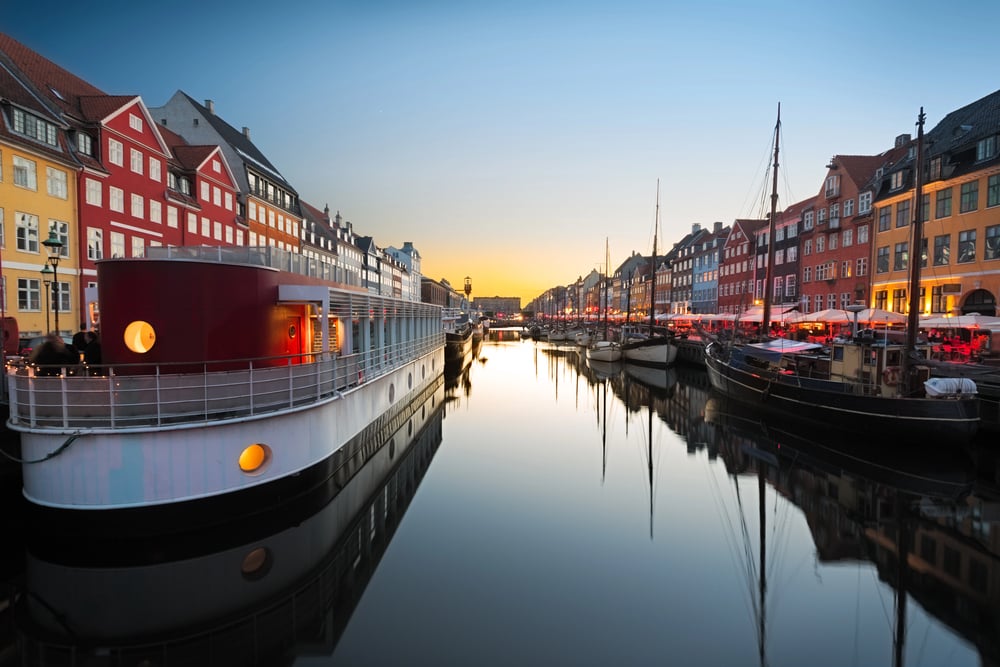
Your bill in Denmark already includes gratuity – no exceptions. Service workers receive competitive wages plus substantial benefits. Trying to leave extra cash suggests you think their system is somehow broken.
Danes won’t likely be offended by small change rounded up from a bill, though anything more substantial might make them uncomfortable – it’s roughly equivalent to overpaying someone for a simple favor they’d do anyway.
New Zealand

Kiwis have established an egalitarian society where fair compensation isn’t optional – it’s standard practice. Restaurant employees receive proper wages without depending on customer generosity. Leaving additional money typically creates confusion rather than gratitude.
Some locals might even see your tip as an attempt to create an uncomfortable power dynamic in what should be a straightforward transaction.
Like Go2Tutors’s content? Follow us on MSN.
Australia

Australians – much like their Kiwi neighbors – haven’t embraced tipping culture for good reason. Service industry folks earn some of the highest minimum wages worldwide, making gratuity completely unnecessary.
Nobody will get angry if you leave something extra for truly exceptional service, yet it certainly isn’t expected and might actually make some Aussies feel slightly awkward.
Iceland

Iceland has developed a society where living wages come standard across all jobs. Bills almost always include service charges already – tipping would effectively mean paying twice.
The equality-focused culture views service interactions as balanced exchanges rather than opportunities for financial hierarchy, which makes unexpected tips feel like they’re disrupting this carefully maintained equilibrium.
Finland
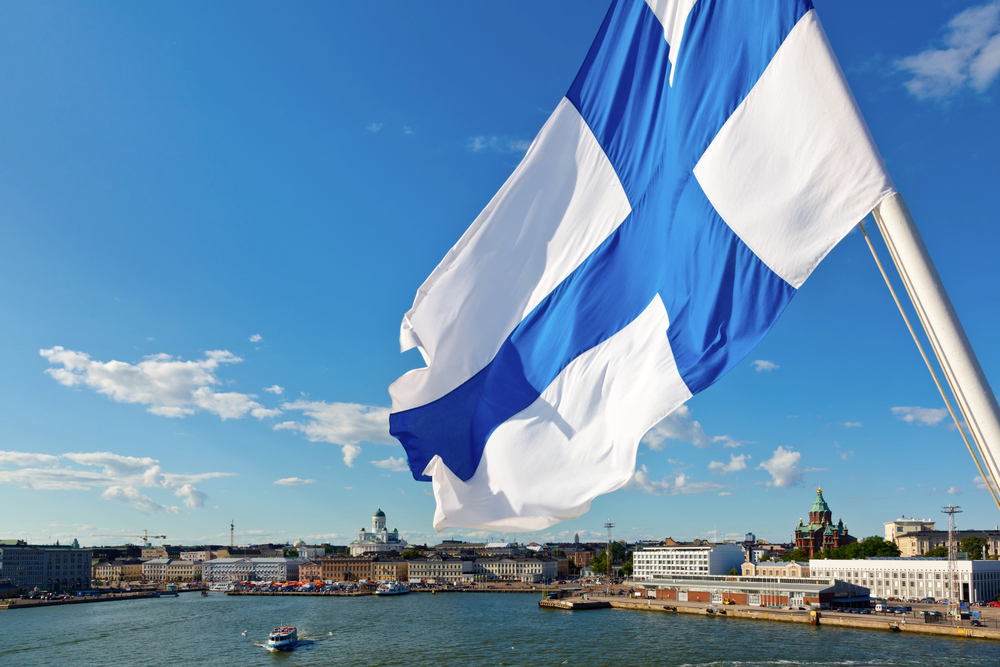
Finnish workers emphasize professionalism regardless of extra recognition or reward. Their culture finds tipping unnecessary and occasionally confusing.
Service charges appear factored into prices throughout the country, plus workers receive substantial vacation time, healthcare, and other benefits without depending on customer generosity. Your attempt to leave extra money will likely result in puzzled expressions.
Like Go2Tutors’s content? Follow us on MSN.
Singapore
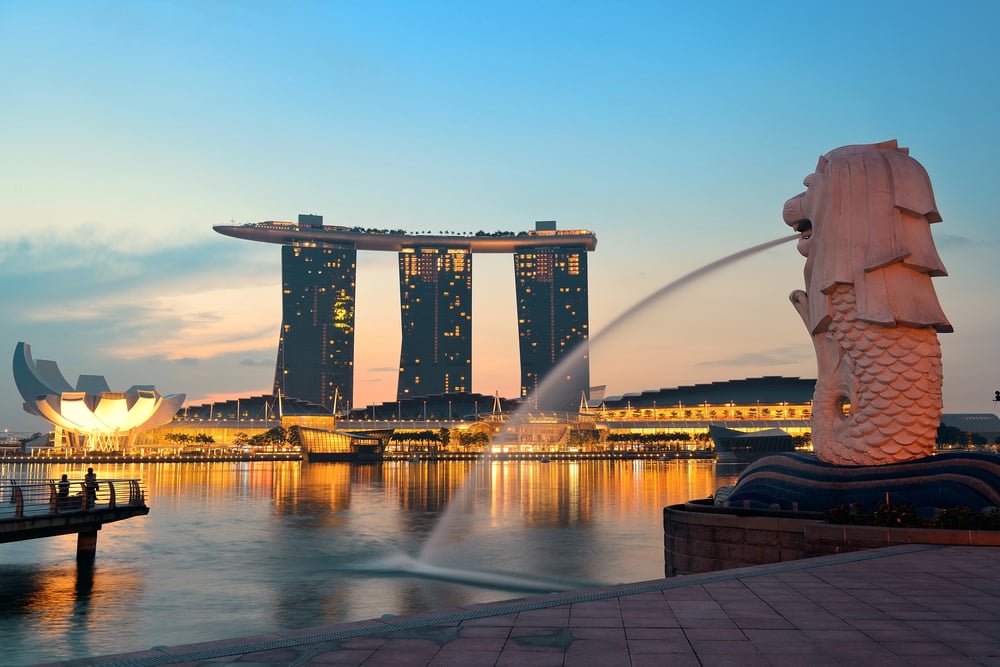
Tipping was rigorously regulated by legislation in Singapore for many years. The practice never truly caught on in everyday life, despite some relaxation of these prohibitions.
A 10% service charge is automatically added by almost all businesses, rendering further tips entirely unnecessary. Clean, efficient transactions without the social complexity that an unexpected tip creates are valued by the majority of Singaporeans.
Vietnam
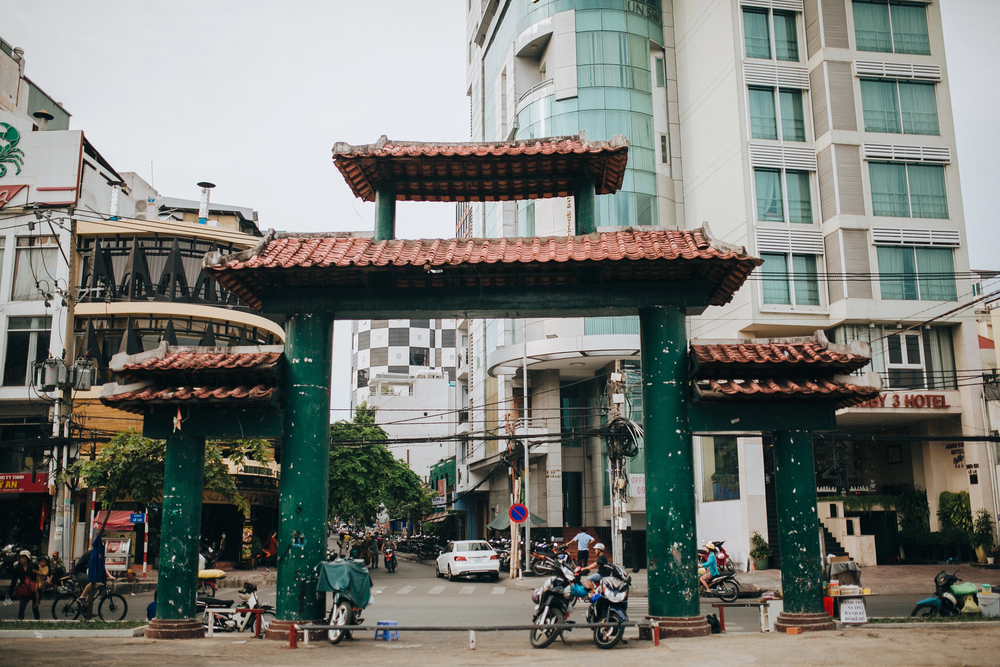
Traditional Vietnamese culture views tipping as charity rather than appreciation – an important distinction that changes everything. While tourist areas have begun adapting to Western expectations, many locals still feel uncomfortable with the practice.
Vietnamese concepts of face and pride mean that receiving unexpected money potentially causes embarrassment rather than gratitude.
Taiwan

Taiwanese service workers provide attentive care because professional pride demands it—not because they hope for extra money. Most restaurants add a 10-15% service charge automatically, making additional tipping completely unnecessary.
The awkwardness that results from attempting to leave extra money makes the gesture pointless. Service excellence is simply expected as part of normal business operations.
Like Go2Tutors’s content? Follow us on MSN.
Belgium

Belgian establishments incorporate service charges directly into menu prices, making additional tipping seem redundant or potentially insulting to the restaurant’s transparency. While rounding up the bill to the nearest euro happens commonly enough, anything beyond that might raise eyebrows.
Belgian servers consider their profession dignified and properly compensated through wages rather than customer subsidies.
Switzerland

Swiss precision extends to their payment systems, with service charges calculated into listed prices. Swiss workers receive some of the highest wages globally, making tipping seem like an unnecessary complication.
Trying to leave extra money might actually create more work for the server, who then needs to explain why it’s not necessary. The Swiss value straightforward transactions without hidden expectations.
Argentina
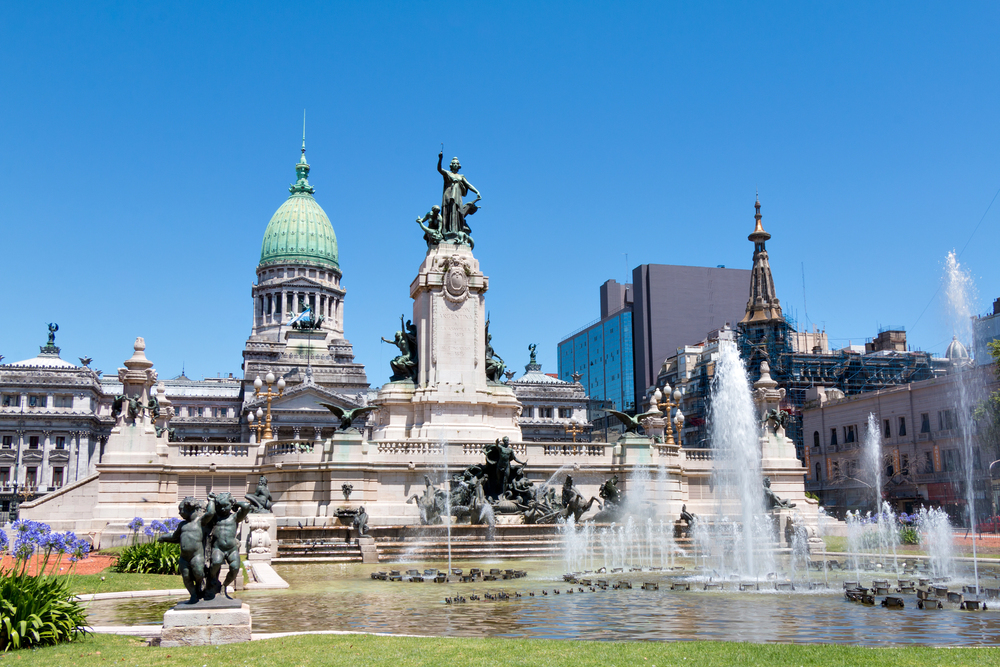
Though not exactly rude, tipping in Argentina creates confusion because service charges typically appear included in bills. Over-tipping might be interpreted as flaunting wealth or creating an uncomfortable power dynamic.
Argentinians generally appreciate cultural respect, so understanding and following local customs rather than imposing foreign practices shows more genuine appreciation than extra money.
Like Go2Tutors’s content? Follow us on MSN.
United Arab Emirates

Most upscale establishments in Dubai and Abu Dhabi automatically add service charges, making additional tipping redundant and potentially awkward. While the multicultural nature of these cities means servers won’t likely take offense at tips, local Emiratis often find the practice strange.
The cultural emphasis on hospitality suggests that good service comes from genuine care rather than financial incentive.
Global Awareness Matters

These diverse tipping customs reveal deeper cultural values about work, dignity, and social relationships across societies worldwide. What seems like simple appreciation in one culture might appear unnecessary or disrespectful elsewhere. These differences highlight how everyday transactions carry cultural significance far beyond their monetary value.
Researching local tipping practices before international travel proves just as important as learning basic phrases in the local language. Both demonstrate respect for the culture you’re visiting and help prevent embarrassing moments of cultural misunderstanding. Sometimes the most respectful thing you can do is simply pay the listed price—nothing more, nothing less.
More from Go2Tutors!

- 18 Unexpectedly Valuable Collectibles You Might Have Lying Around
- 20 Little-Known Historical Battles That Had Huge Consequences
- 20 Historical Artifacts That Scientists Can’t Explain
- 15 Inventions That Were Immediately Banned After Being Created
- 20 Actors Who Were Almost Cast in Iconic Roles
Like Go2Tutors’s content? Follow us on MSN.