15 Points of Fishing Wisdom That Still Work Today
Fishing has been around since humans first figured out that the water held dinner. Over thousands of years, anglers have developed techniques, strategies, and insights that have stood the test of time.
While modern technology has given us fancy fish finders and high-tech lures, the fundamental principles that made our ancestors successful on the water remain just as effective today. Here is a list of 15 points of fishing wisdom that continue to deliver results for modern anglers.
Early Bird Gets the Fish

The old saying about early birds applies perfectly to fishing. Fish are most active during the cooler parts of the day, especially just after sunrise when insects are hatching and the water temperature is optimal.
Most experienced anglers will tell you that the first two hours of daylight often produce more fish than the entire rest of the day combined.
Match the Hatch
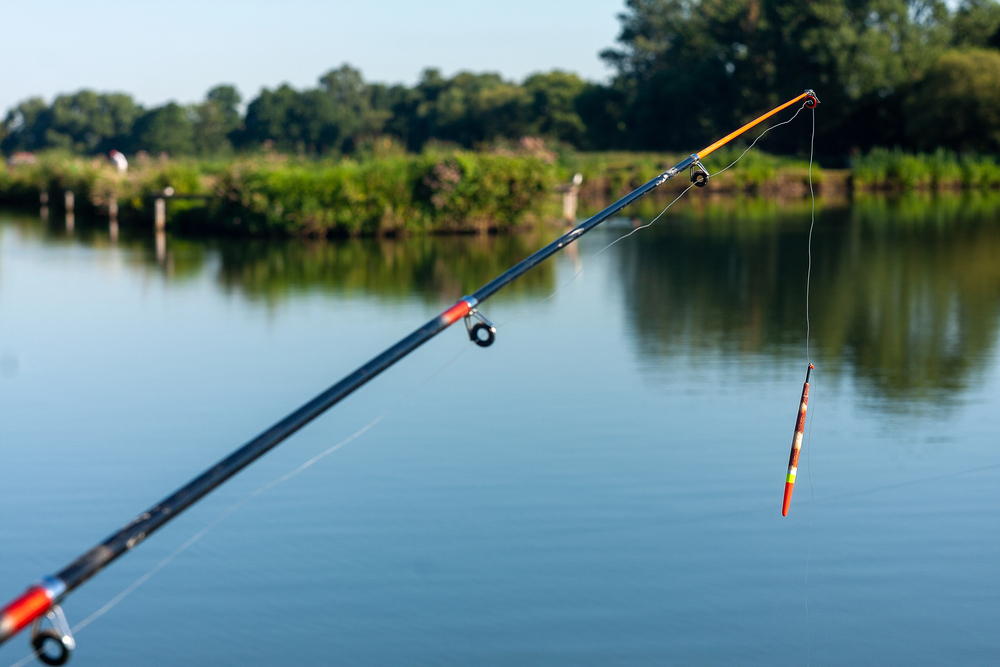
This principle means using lures or bait that closely resemble what the fish are naturally eating at that time. If you see mayflies buzzing around the water, use a fly that looks like a mayfly.
Think of it like ordering at a restaurant — you’re more likely to get what you want if it’s already on the menu.
Like Go2Tutors’s content? Follow us on MSN.
Fish Where the Fish Are

This sounds obvious, but many beginners make the mistake of fishing in pretty spots rather than productive ones. Fish gather where they can find food, shelter, and the right water conditions.
Look for structure like fallen trees, rock piles, or changes in water depth rather than just casting into open water.
Patience Beats Equipment
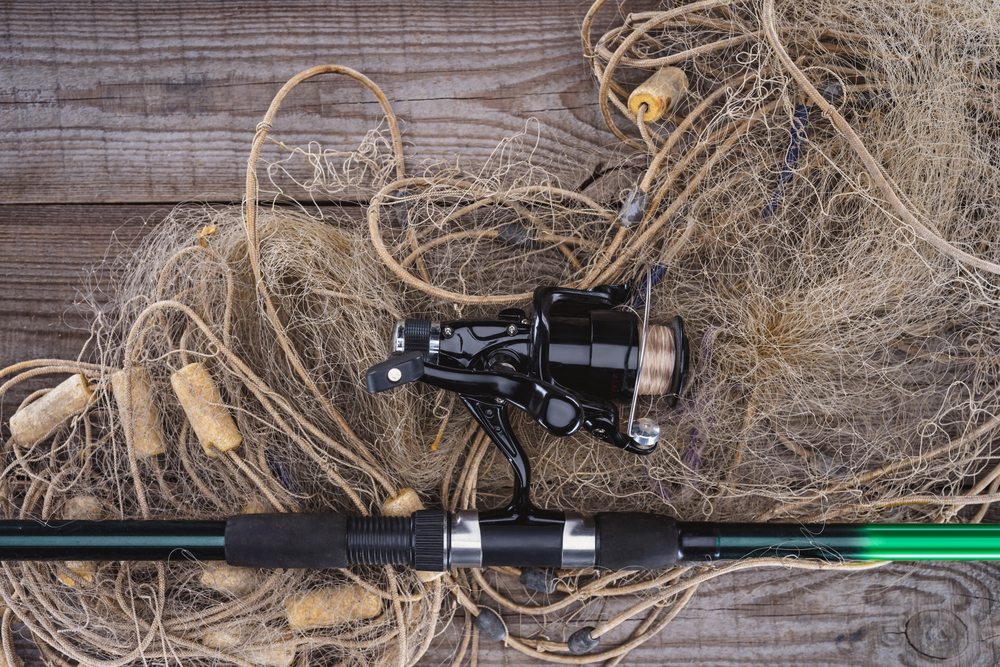
A patient angler with basic gear will usually outfish someone with expensive equipment who’s constantly moving and switching techniques. Fish don’t operate on human schedules, and sometimes the best strategy is simply waiting them out.
The most successful anglers treat fishing like meditation rather than a race.
Weather Changes Everything
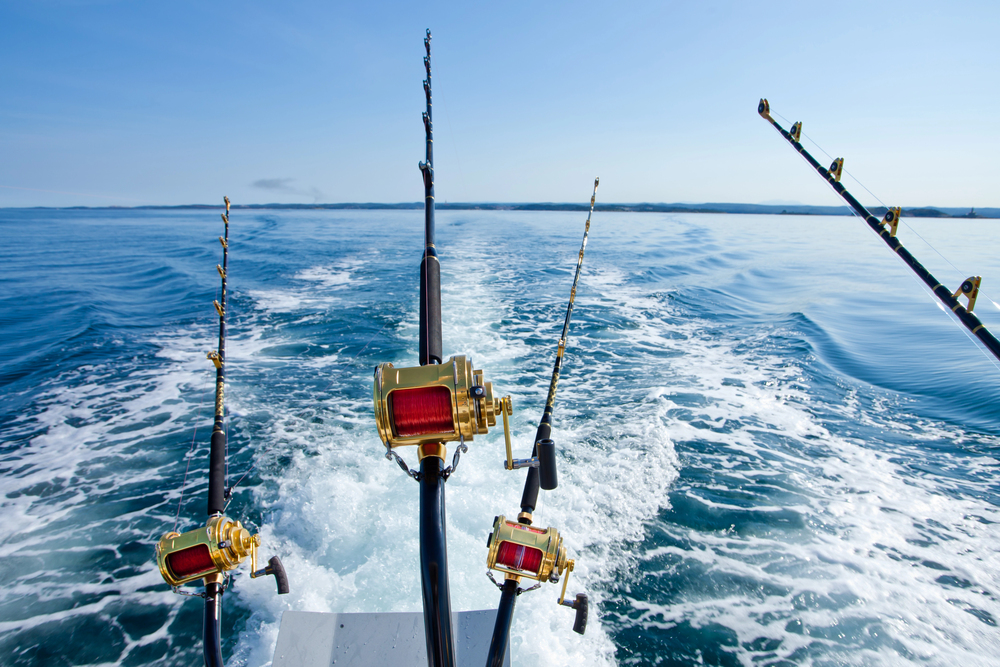
Fish respond dramatically to weather patterns, often more than most people realize. A dropping barometer before a storm can trigger feeding frenzies, while high-pressure systems after storms often shut down fish activity completely.
Learning to read weather patterns is like having a crystal ball for fishing success.
Like Go2Tutors’s content? Follow us on MSN.
Go Light on Leader

Using a lighter line near your hook often makes the difference between fish and no fish. Heavy, visible line spooks cautious fish, especially in clear water.
It’s better to lose a few fish due to light tackle than to never get a bite because your line looks like an anchor rope underwater.
Fish the Edges

Most fish don’t hang out in the middle of nowhere — they prefer transitional areas where different types of water meet. This includes the edges of weed beds, drop-offs, points of land extending into water, and places where fast water meets slow water.
These edges are like underwater highways where fish travel and feed.
Moon Phases Matter

Fish feeding patterns follow lunar cycles more closely than many anglers realize. The days around a new moon or full moon typically produce better fishing, especially during the hours when the moon is directly overhead or underfoot.
It’s nature’s dinner bell, and fish have been responding to it for millions of years.
Like Go2Tutors’s content? Follow us on MSN.
Slow Down Your Retrieve
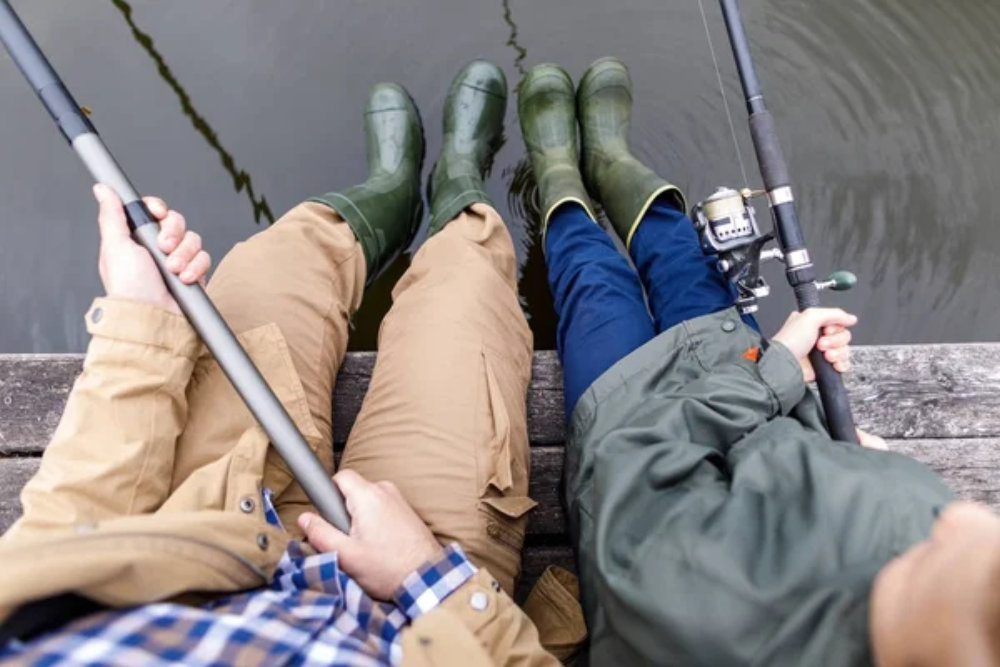
Most beginners reel in their lures too quickly, thinking faster action means more strikes. In reality, a slow, steady retrieve often triggers more bites because it looks more natural to fish.
Injured or dying baitfish don’t swim at warp speed — they struggle slowly, making easy targets for predators.
Fish Both Directions

Water current affects how fish position themselves and how they see your bait. Casting upstream and letting your lure drift naturally with the current often works better than fighting against it.
Fish face upstream to intercept food coming their way, so approaching from the right angle increases your chances significantly.
Keep Your Shadow Off the Water
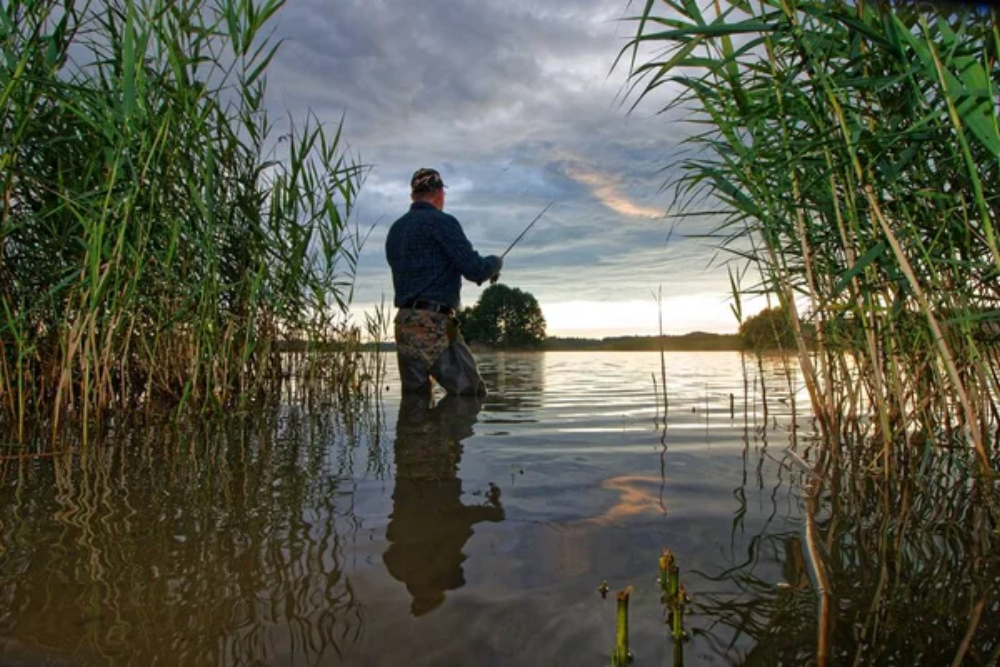
Fish can see shadows on the water surface, and a human shadow is not part of their natural environment. Position yourself, so your shadow falls away from where you’re fishing, and you’ll avoid spooking fish before they even see your bait.
It’s like trying to sneak up on someone — stealth matters.
Like Go2Tutors’s content? Follow us on MSN.
Fresh Bait Outperforms Old Bait
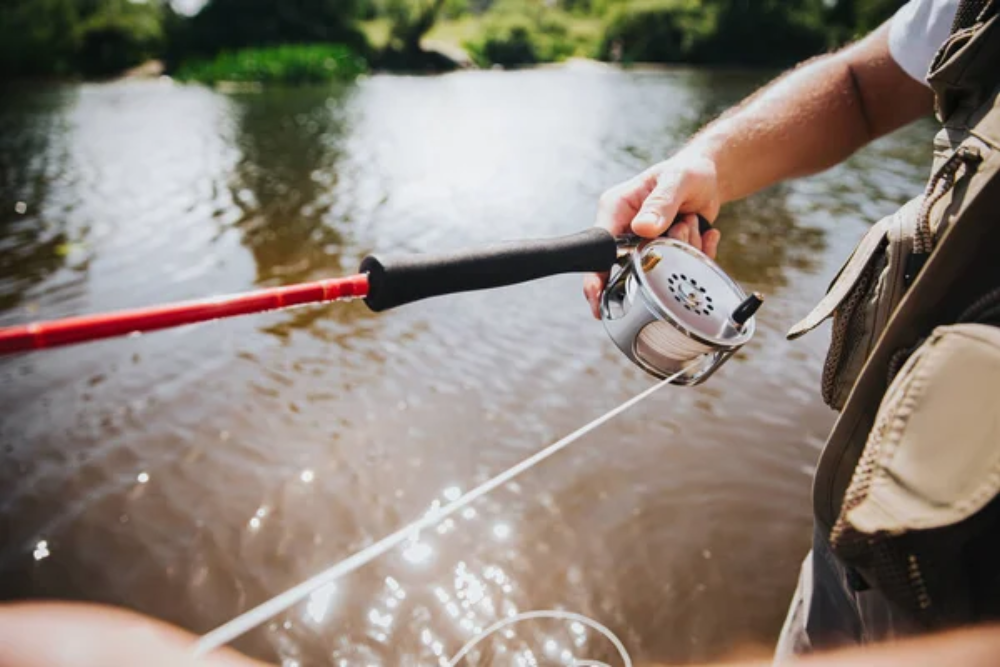
Live bait that’s been sitting in your tackle box for weeks won’t attract fish the way fresh bait will. Fish can smell and sense the difference between fresh, lively bait and something that’s past its prime.
Think of it like the difference between fresh bread and stale bread — the appeal is obvious.
Fish the Structure Changes

Places where the underwater landscape changes dramatically are fish magnets. A shallow flat that suddenly drops into deep water, a creek channel winding through a lake, or a rocky area surrounded by sand all concentrate fish.
These spots are like apartment buildings in the underwater world — lots of residents in a small area.
Time Your Tides

In saltwater fishing, tide movement is everything. Fish feed most actively during moving tides, especially the hour before and after tide changes.
Dead low or dead high tides often produce dead fishing. It’s like trying to catch a bus – timing is crucial for success.
Like Go2Tutors’s content? Follow us on MSN.
Trust Your Instincts
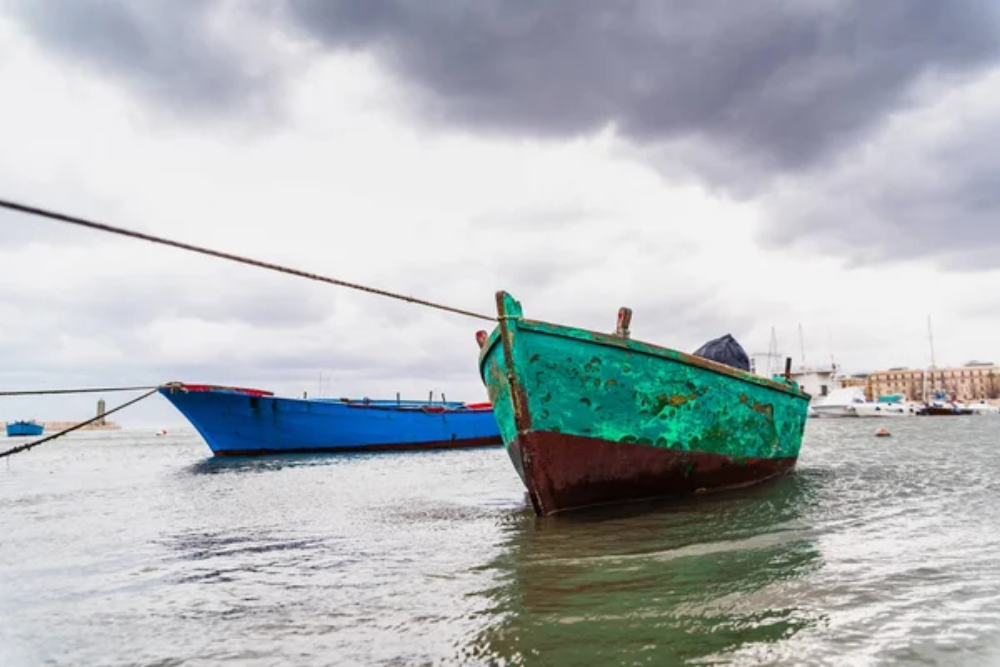
Experienced anglers develop a sixth sense about fishing conditions, and this intuition is built on years of observation and pattern recognition. If something feels off about a spot or technique, don’t ignore that feeling.
Your subconscious often picks up on subtle environmental cues that your conscious mind hasn’t fully processed yet.
Wisdom That Transcends Generations
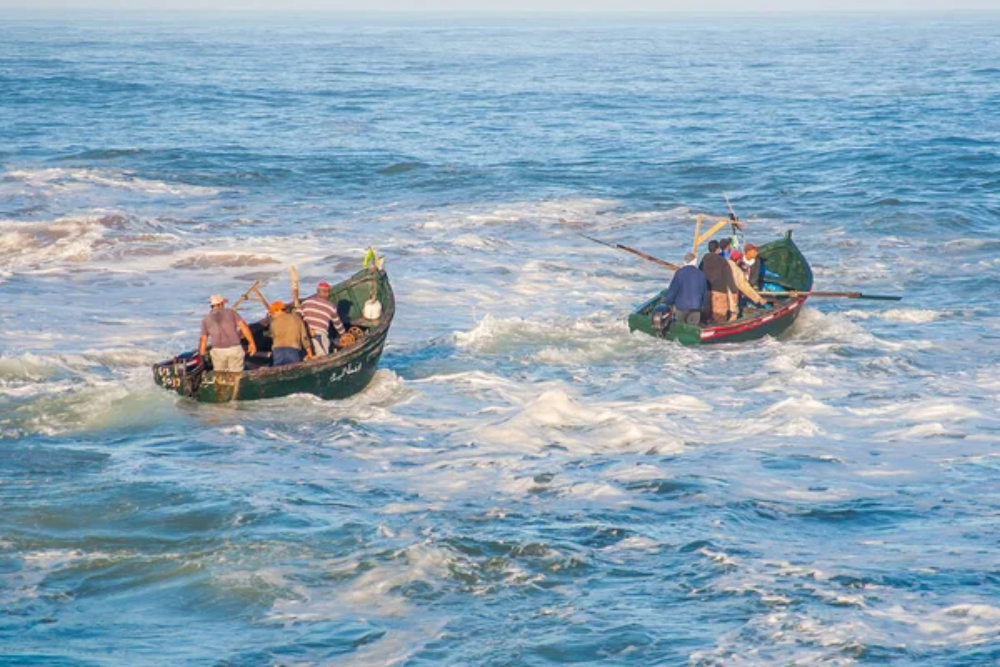
These time-tested principles work today because they’re based on fish behavior and natural patterns that haven’t changed despite our technological advances. Modern fish finders can show you where fish are located, but they can’t tell you when those fish will bite or what will make them strike.
The wisdom passed down through generations of anglers fills in those crucial gaps, turning fishing from random luck into predictable success. Whether you’re using a bamboo pole or the latest carbon fiber rod, these fundamental truths remain your most valuable tools on the water.
More from Go2Tutors!

- 16 Restaurant Chains That Went Too Fast
- 12 Things Sold in the 80s That Are Now Illegal
- 15 VHS Tapes That Could Be Worth Thousands
- 17 Historical “What Ifs” That Would Have Changed Everything
- 18 TV Shows That Vanished Without a Finale
Like Go2Tutors’s content? Follow us on MSN.



