26 Major Mathematical Discoveries Made by People With No Formal Training
Mathematics is the field most associated with formal institutional training — the image of a professor filling a blackboard, the PhD student proving a lemma at midnight, the unbroken chain of credentialed expertise stretching back to ancient Greece. And yet the history of the discipline is threaded through with people who arrived at major discoveries from completely different directions: a Nottingham miller working in the upper floors of a windmill, a French lawyer writing notes in the margins of books, an Indian clerk scribbling formulas in cheap ledger books during his lunch breaks.
The field that most seems to require credentials has, with unusual frequency, been advanced by people who had almost none. The pattern says something about the nature of mathematical discovery.
Unlike experimental science, it requires no laboratory, no funding, no institutional equipment. It requires a mind willing to follow a problem wherever it leads, and enough time to do so.
These qualities have proved surprisingly independent of formal education.
Pierre De Fermat — Lawyer, Part-Time Number Theorist
Pierre de Fermat spent his professional life as a lawyer and councillor in the Parlement of Toulouse. Mathematics was, by his own description, a pastime.
He shared his ideas through private letters rather than publications, rarely sought academic recognition, and declined to provide proofs for many of his most significant claims — including the famous theorem that bears his name. Despite this, Fermat independently developed concepts central to analytic geometry, laid the foundations of differential calculus, helped establish probability theory alongside Blaise Pascal, and formulated results in number theory that remained mathematically influential for centuries.
His Last Theorem — that no three positive integers satisfy xⁿ + yⁿ = zⁿ for any value of n greater than 2 — was scrawled in the margin of a book in 1637. It was not proved until 1994.
Srinivasa Ramanujan — Clerk, Self-Taught Genius

Ramanujan was born into poverty in Tamil Nadu in 1887, taught himself mathematics from a single textbook, and spent years working as a clerk at the Madras Port Trust, filling cheap ledger books with theorems during whatever time he could find. He had lost a scholarship to college after failing his non-mathematical coursework and had no formal mathematical training above secondary school.
In 1913, he wrote to three Cambridge mathematicians enclosing samples of his results. Two ignored him.
G.H. Hardy recognized the work immediately and arranged for Ramanujan to come to Cambridge. Hardy later said discovering Ramanujan was the greatest achievement of his career.
Ramanujan died at 32, but his notebooks — still being fully analyzed more than a century later — continue to yield new mathematical results.
George Green — Miller, Inventor of Green’s Functions
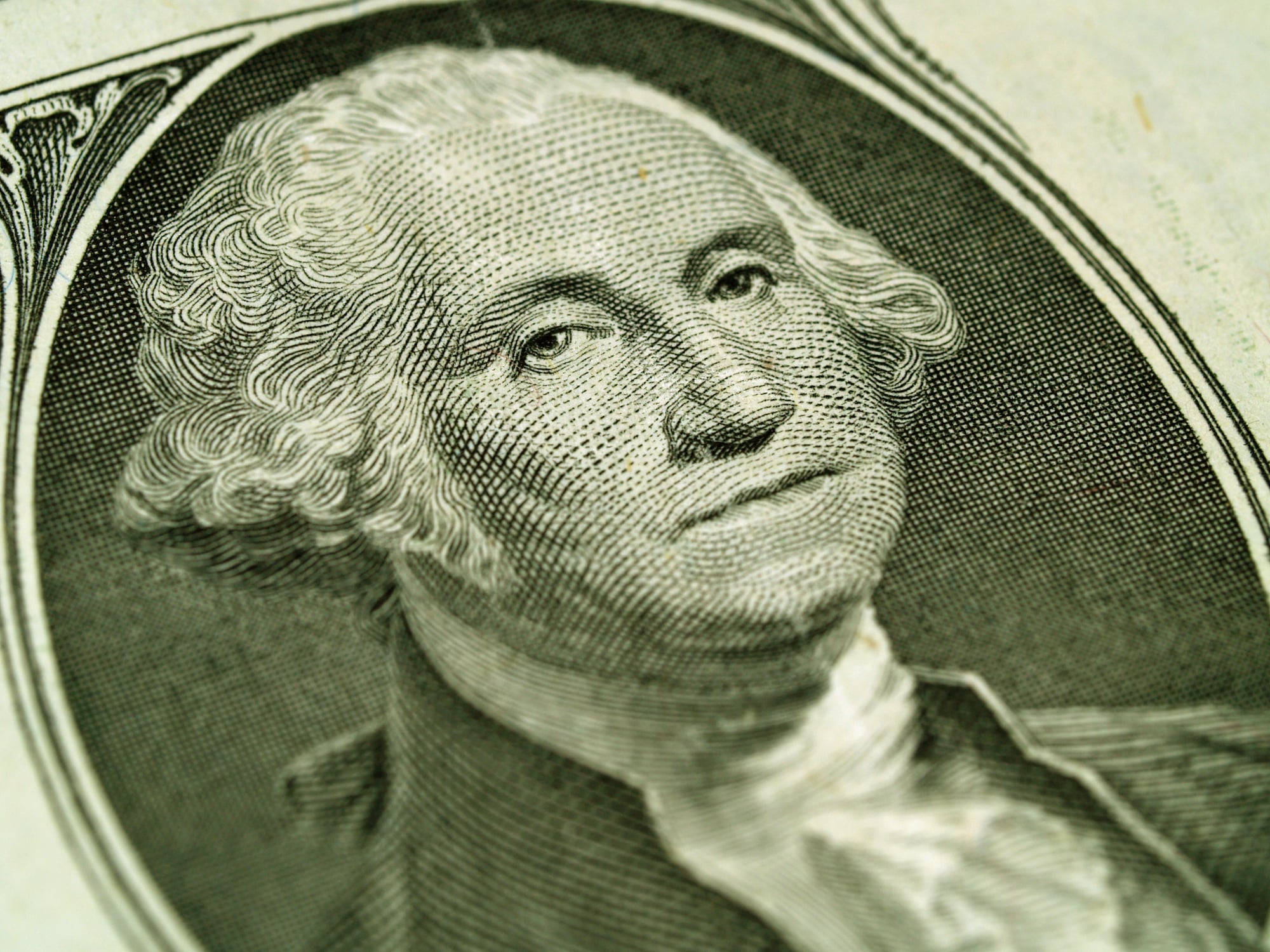
George Green received approximately one year of formal schooling between the ages of eight and nine. Everything else he taught himself, working in the upper floors of the family windmill in Sneinton, Nottinghamshire, reading advanced French mathematics borrowed from the local subscription library.
In 1828 he published a short essay that introduced Green’s theorem, the concept of potential functions as used in physics, and what are now called Green’s functions: tools fundamental to solving differential equations in electromagnetism, quantum mechanics, and acoustics. The essay was essentially forgotten for a generation.
When William Thomson rediscovered it in 1845 and shared it with mathematicians in Paris, the mathematical world rapidly understood that a miller’s son in Nottinghamshire had anticipated results that had taken the establishment decades to approach. Green had published his most important work five years before he went to Cambridge as a student at the age of 40.
Oliver Heaviside — Telegraph Operator, Reformer of Maxwell’s Equations
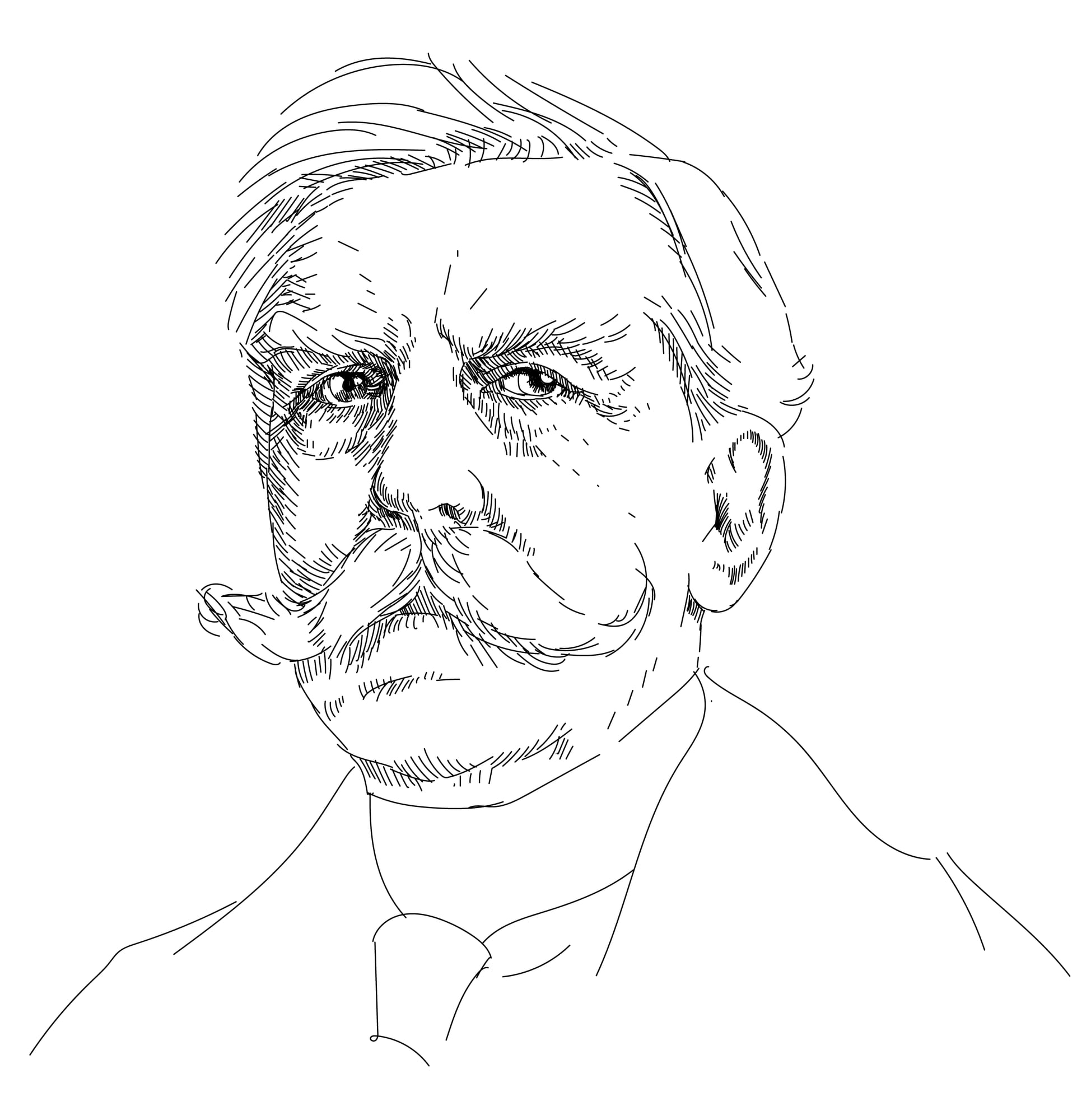
Oliver Heaviside left school at 16 to work as a telegraph operator. Studying independently during his spare time, he became one of the most significant mathematical physicists of the 19th century.
He took Maxwell’s original formulation of electromagnetism — 20 equations in 20 unknowns — and reduced it to the four concise equations now known worldwide as Maxwell’s equations. He independently developed what became known as Laplace transforms, invented the coaxial cable, described the skin effect in electrical conductors, and predicted the existence of an ionized layer in the upper atmosphere that was later named the Kennelly-Heaviside layer.
He was elected a Fellow of the Royal Society in 1891, but died in poverty and isolation in 1925.
Hermann Grassmann — Secondary School Teacher, Founder of Linear Algebra
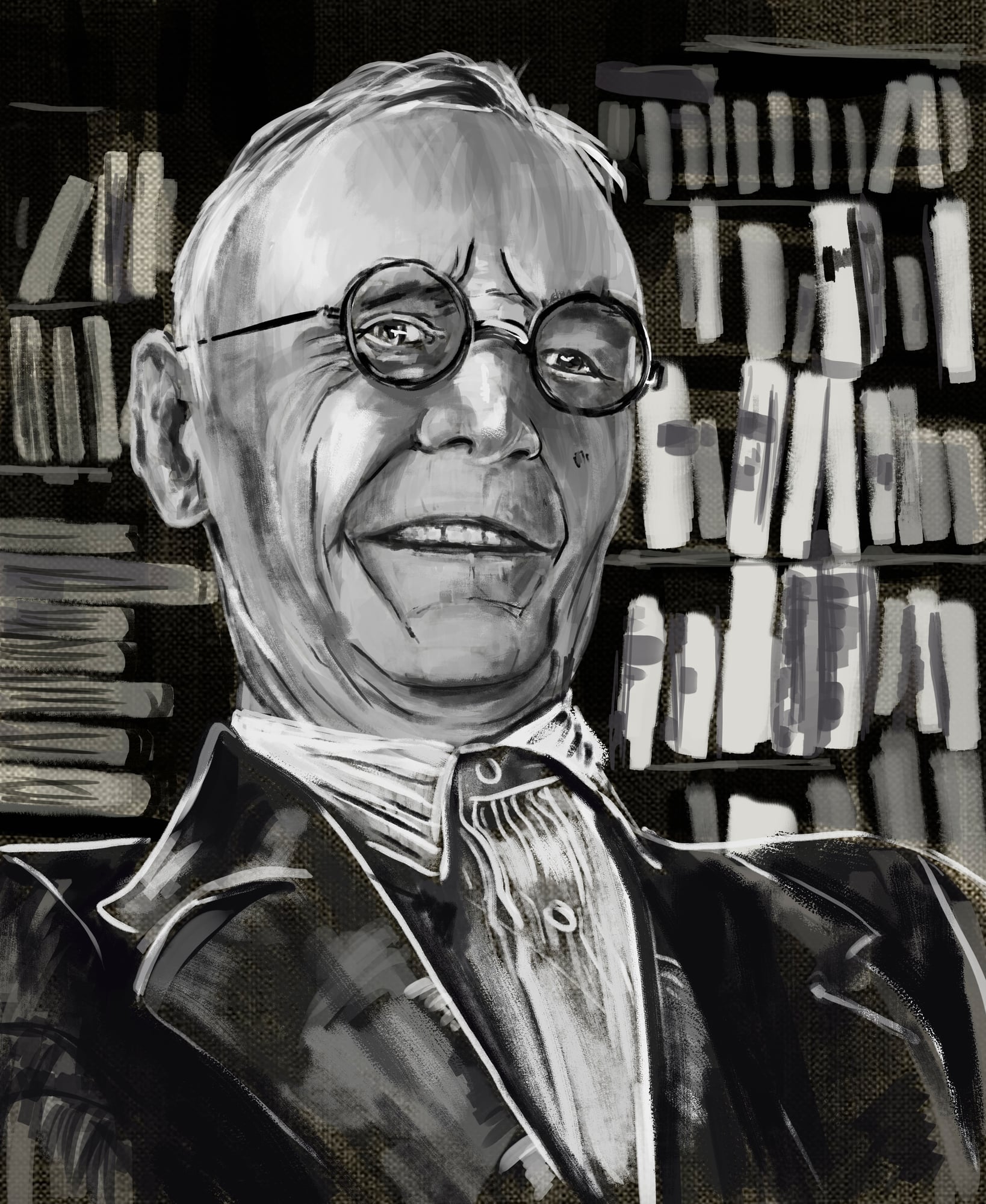
Hermann Grassmann was a secondary school teacher in Germany with no university training in mathematics. He developed the theory of linear algebra and vector spaces in 1844, presenting it in a book that was so abstract and unfamiliar in its notation that the mathematical community largely ignored it.
A revised version in 1862 was similarly neglected. Recognition came only after his death in 1877, when the relevance of his work to the emerging fields of vector analysis and abstract algebra became clear.
Grassmann algebras are now fundamental in differential geometry, theoretical physics, and the mathematics underlying quantum field theory.
Blaise Pascal — Teenager, Mathematical Prodigy
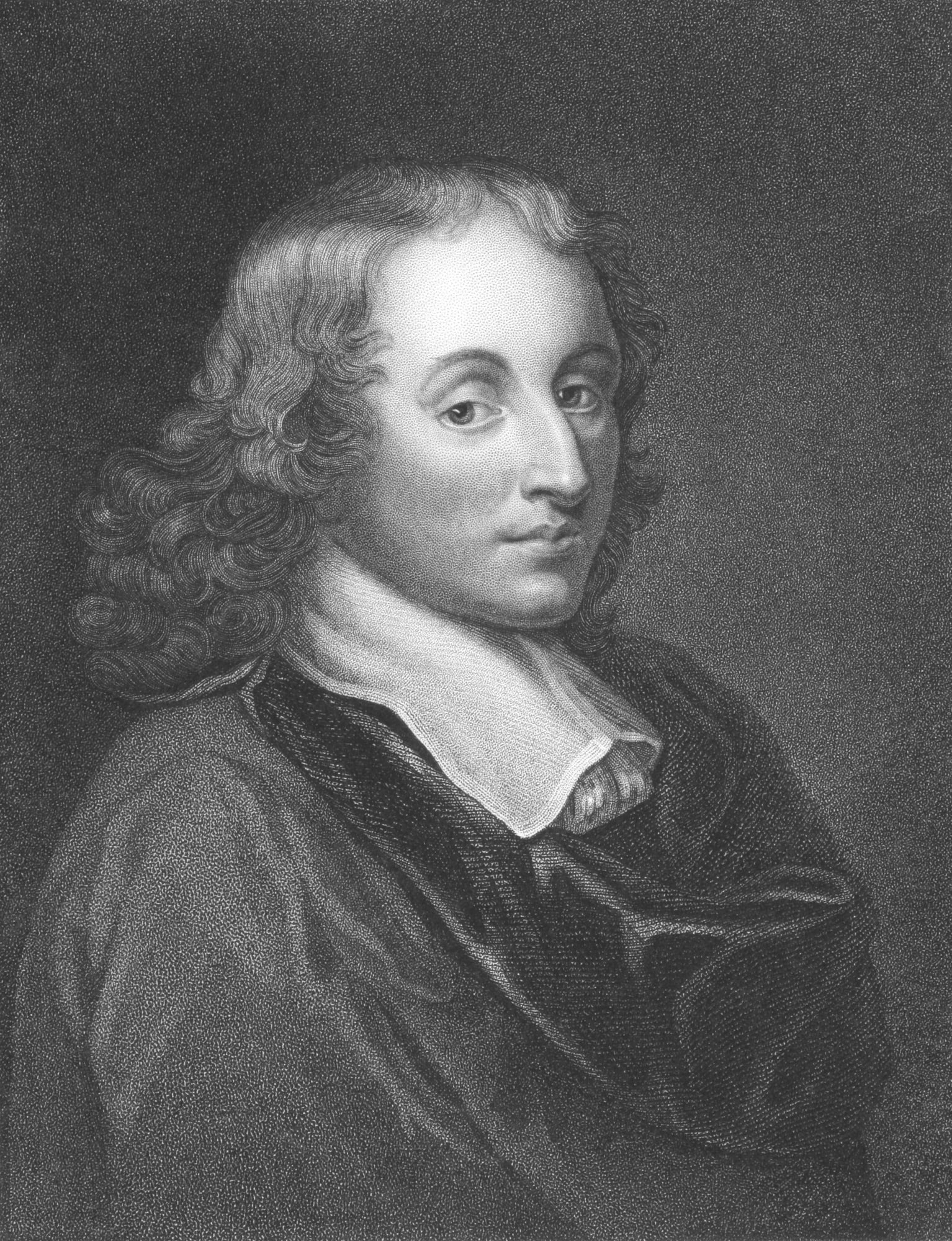
Pascal’s formal education was unconventional: he was educated primarily by his father at home, outside the university system. At 16, he published a significant theorem in projective geometry — Pascal’s theorem — that described the properties of hexagons inscribed in conic sections.
By 19, he had designed and built one of the earliest mechanical calculators. Working with Fermat through an exchange of letters, he helped establish the mathematical foundations of probability theory.
He also made contributions to fluid mechanics that gave his name to the pascal, the SI unit of pressure. All of this was accomplished without ever taking a university course in mathematics.
Evariste Galois — Dropout, Founder of Group Theory

Galois failed the entrance exam for the École Polytechnique twice. He spent time in prison on political charges.
He was shot in a duel at the age of 20. The night before the duel, he wrote out his mathematical ideas in letters to a friend, knowing he might not survive to develop them further.
Those letters contained the foundations of group theory — a framework that now underlies modern algebra, number theory, particle physics, and cryptography. His work was submitted to the French Academy of Sciences and rejected twice, partly because the referees did not understand it.
It was published posthumously and, once mathematicians grasped its implications, recognized as one of the most original contributions to mathematics of the 19th century.
Niels Abel — Penniless Student, Solved a 250-Year-Old Problem
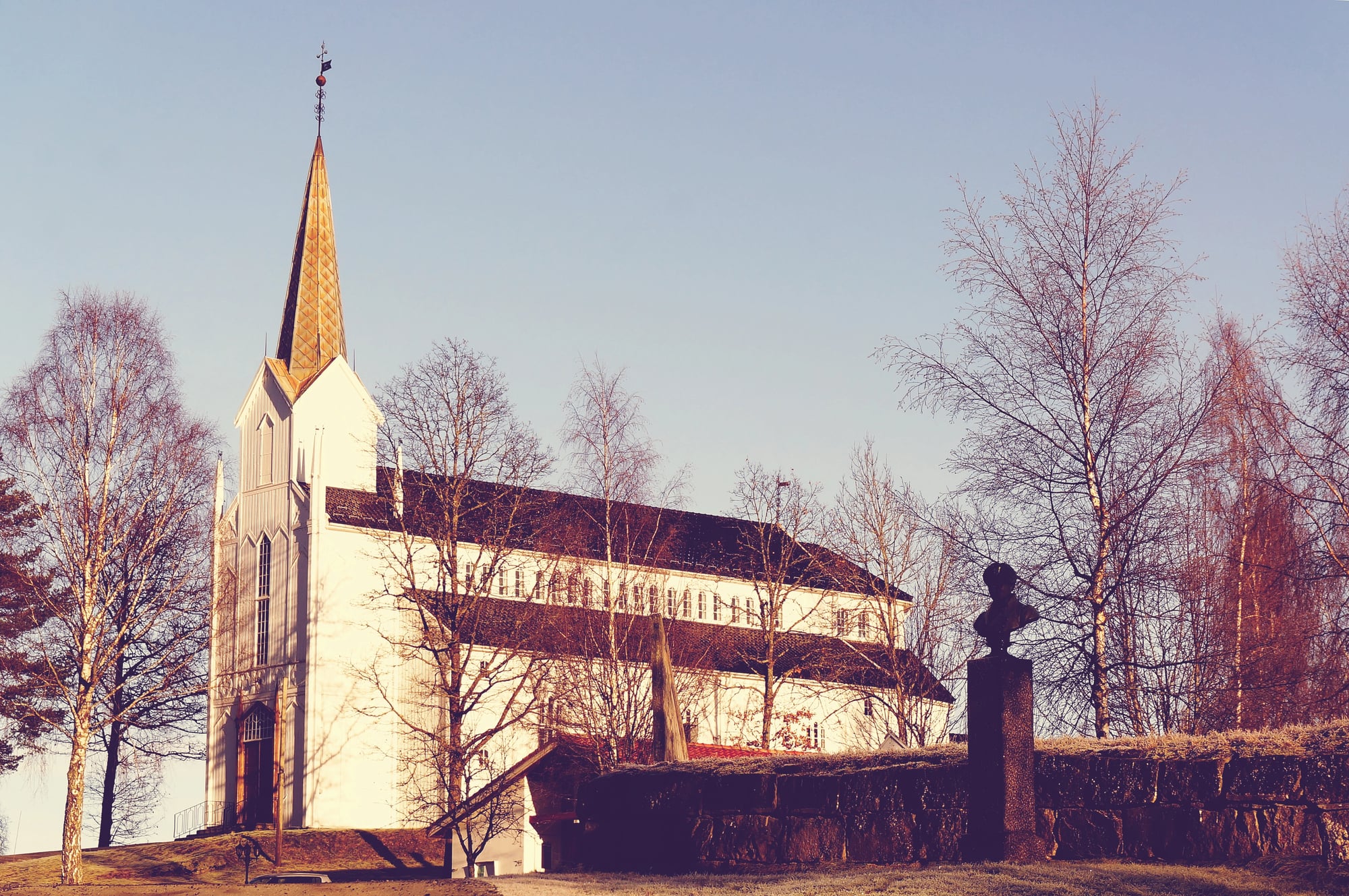
Norwegian mathematician Niels Abel proved in 1823 that the general quintic equation — a polynomial of degree five — cannot be solved by radicals, resolving a question that had gone unanswered for two and a half centuries. He published the proof at his own expense because he could not afford journal fees, condensing it to six pages to reduce printing costs.
He sent copies to leading mathematicians including Gauss, who reportedly did not read it. Abel died of tuberculosis at 26, in poverty, two days before a letter arrived offering him a professorship.
His work is now recognized as foundational to abstract algebra.
Carl Friedrich Gauss — Son of a Bricklayer
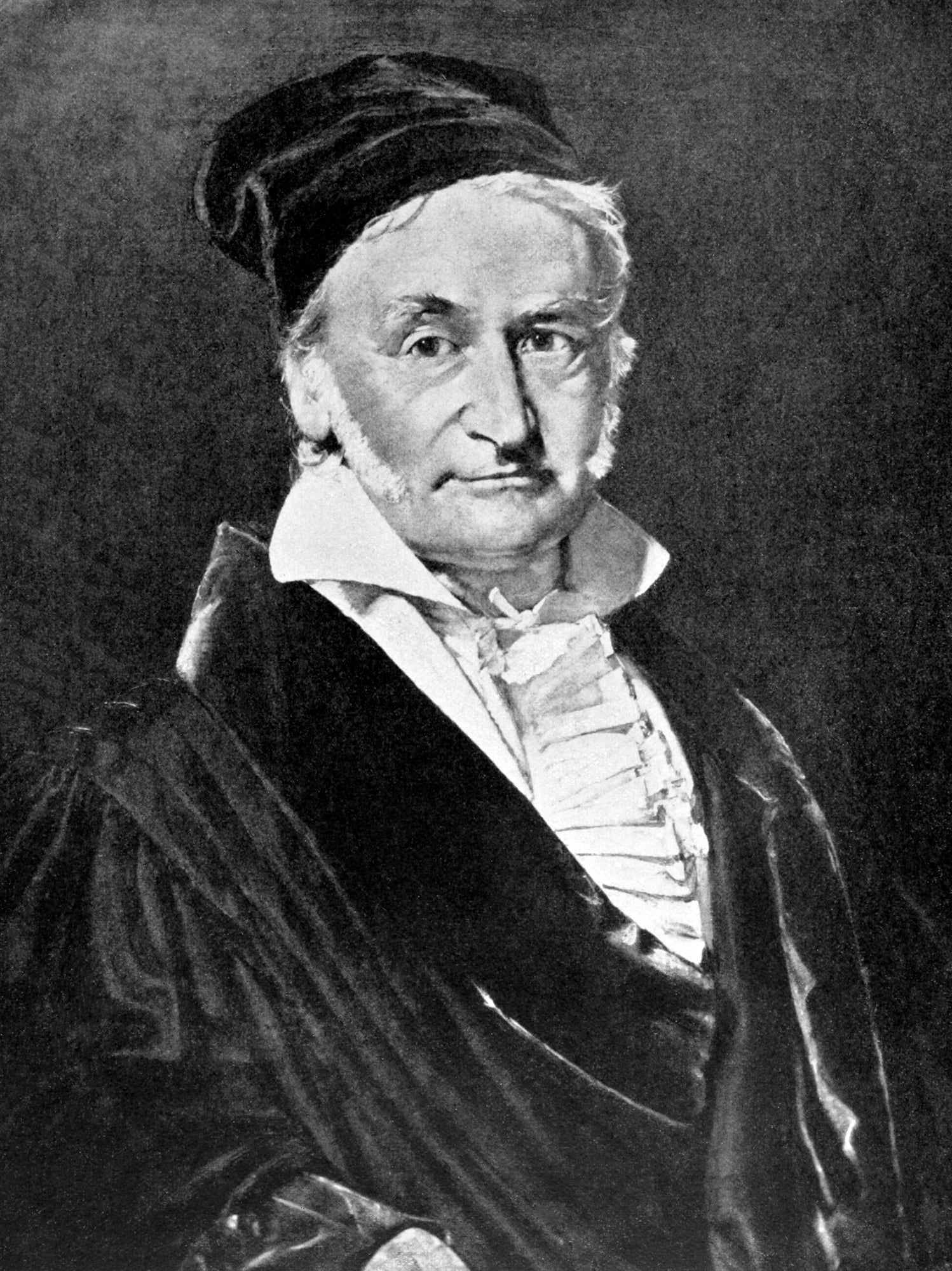
Gauss is remembered as one of the three or four greatest mathematicians in history. His father was a bricklayer with no mathematical education.
His talent was recognized by a local duke who funded his studies, but Gauss’s most extraordinary early work was produced independently before he had formal training: by his early teens he had derived the law of quadratic reciprocity, and by 19 he had proved the constructibility of the regular heptadecagon — a problem outstanding since ancient Greece.
His first major published work, the Disquisitiones Arithmeticae, was completed at 21 and remains a foundational text in number theory.
Marin Mersenne — Friar, Mathematical Clearinghouse
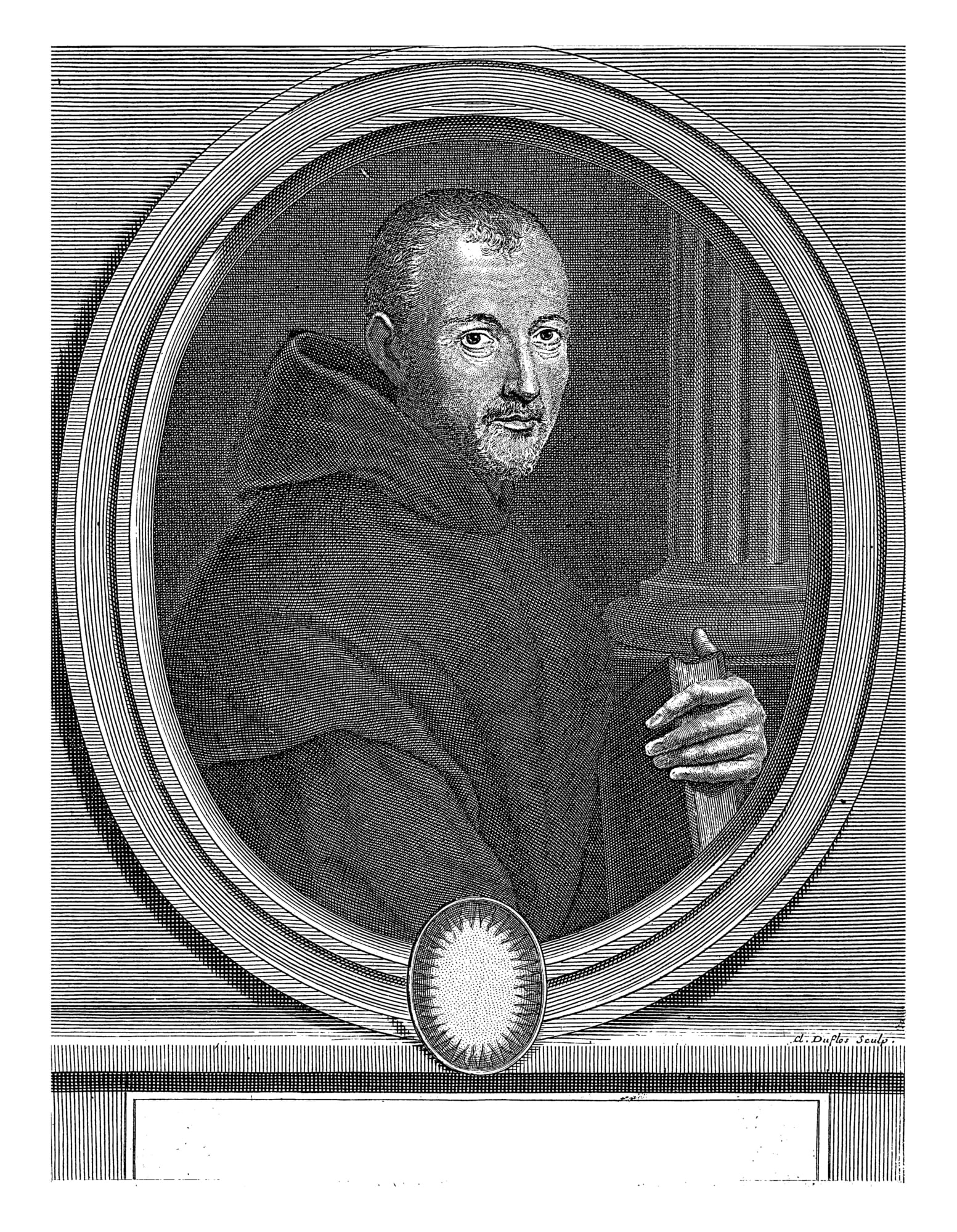
Mersenne was a Franciscan friar with no professional position in mathematics who nevertheless served as one of the most important connective nodes in 17th-century science. He maintained an enormous correspondence with mathematicians and scientists across Europe — including Descartes, Fermat, Pascal, and Galileo — sharing problems, results, and ideas that formal institutions were too slow or narrow to transmit.
The Mersenne primes — numbers of the form 2ᵖ − 1 — bear his name because of his work investigating them.
Albert Einstein — Patent Clerk
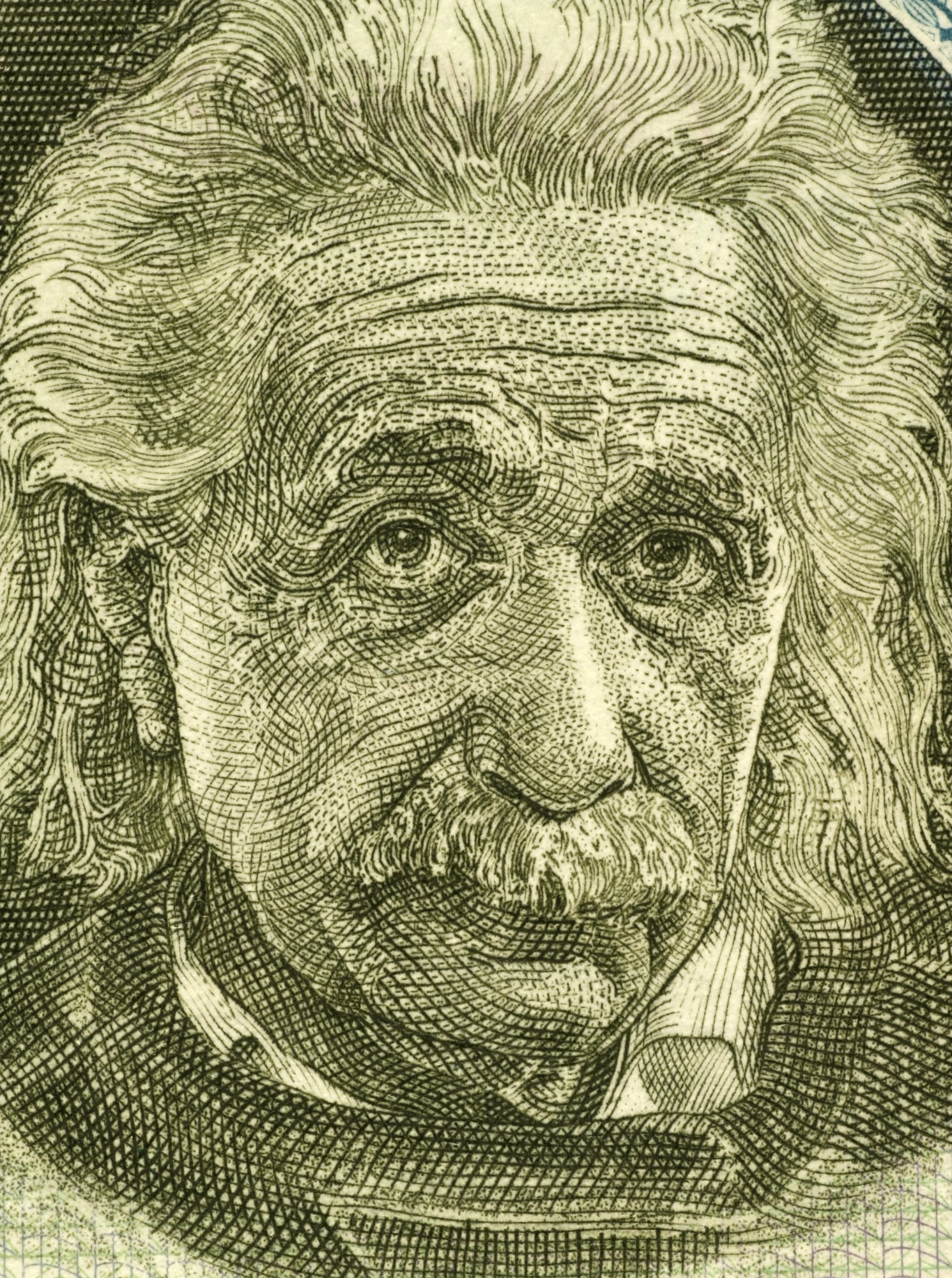
Einstein’s case is better described as institutional outsider than mathematical amateur — he did hold a physics degree — but he produced his four Annus Mirabilis papers of 1905, including special relativity and the mass-energy equivalence, while working as a technical expert at a Swiss patent office in Bern, with no academic appointment and no research colleagues.
His theoretical work during this period, produced entirely in his spare time, constituted one of the most productive years in the history of physics and mathematics.
Thomas Bayes — Presbyterian Minister
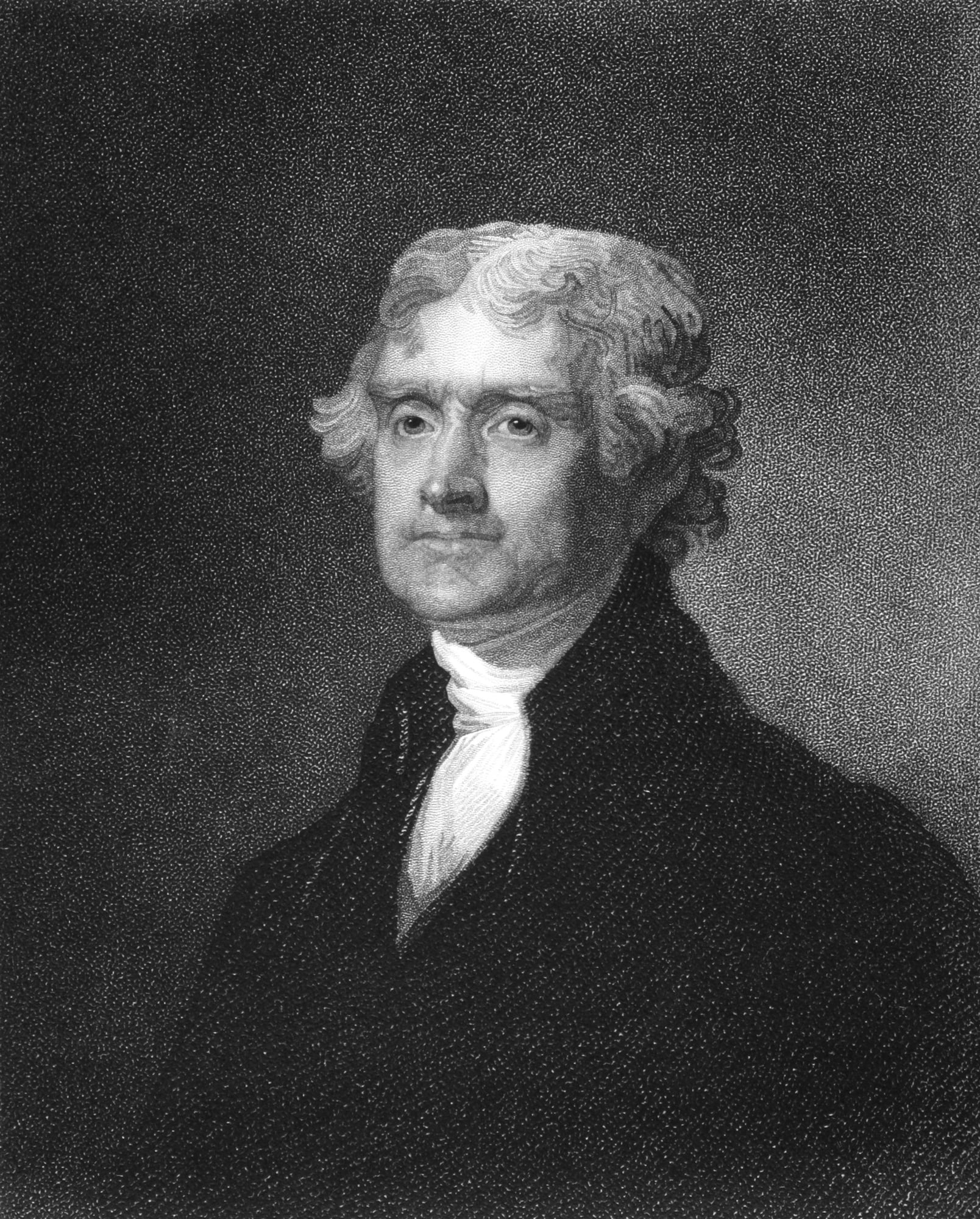
Thomas Bayes was an 18th-century Presbyterian minister who had no formal training in mathematics beyond what he had studied privately. His posthumously published essay introduced what became Bayes’ theorem — the mathematical rule for updating the probability of a hypothesis given new evidence.
The theorem is now the foundation of Bayesian statistics and machine learning. Bayes published nothing in his lifetime.
It was submitted to the Royal Society by a friend after his death in 1761.
Florence Nightingale — Nurse, Pioneer of Statistical Visualization
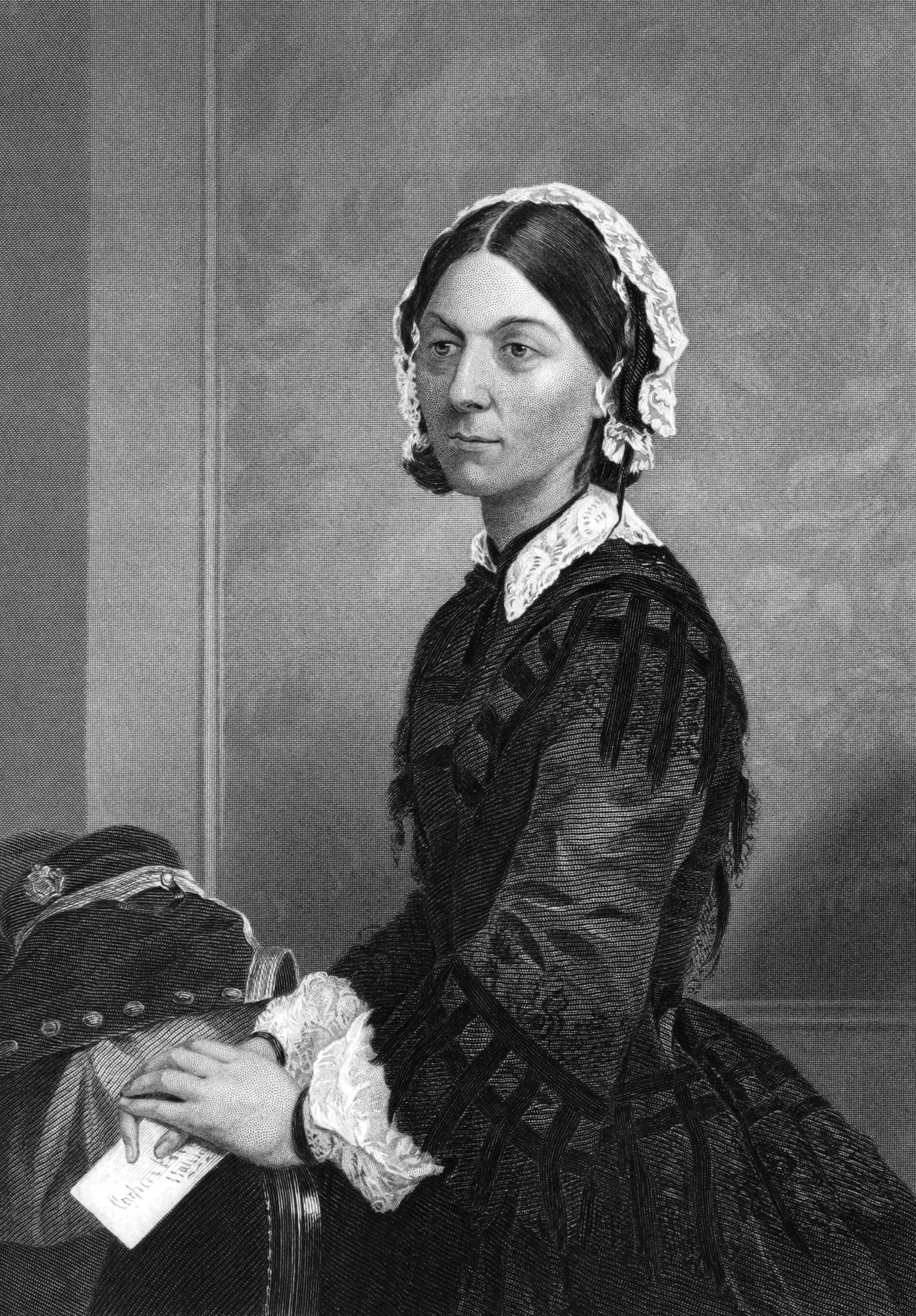
Florence Nightingale is known primarily as a nursing reformer, but her contributions to statistics and data visualization were significant enough to give her an independent place in mathematical history. She invented the polar area diagram — a form of circular histogram — to communicate the causes of mortality in the Crimean War in a form that legislators without statistical training could understand.
She used statistical evidence to argue for sanitary reforms that she calculated would save lives, and her approach to data-driven public health advocacy was decades ahead of standard practice.
Emmy Noether — Unofficial Lecturer
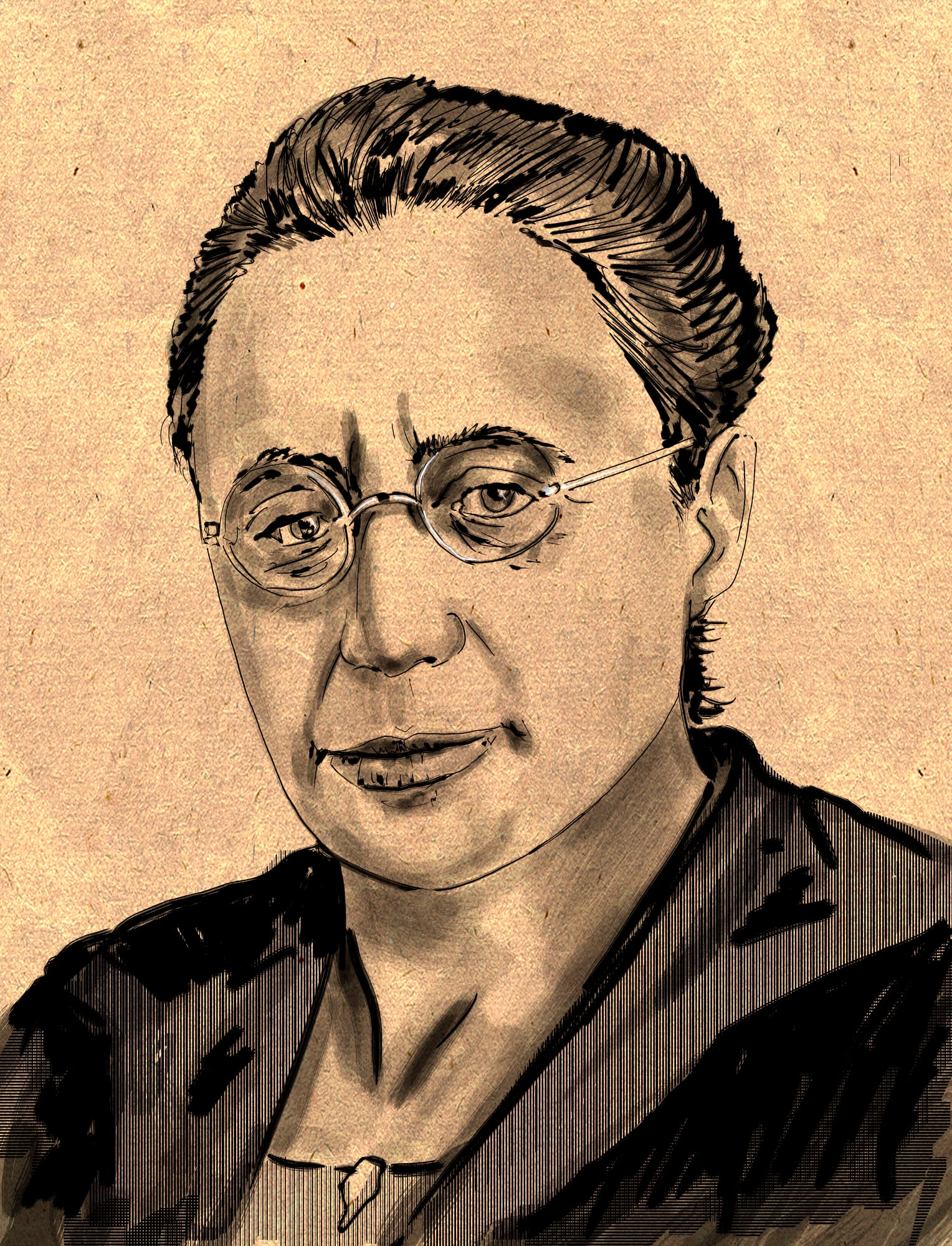
Emmy Noether had formal mathematical training, but for years she was barred from holding a paid university position in Germany because she was a woman. She lectured at Göttingen under David Hilbert’s name and worked without salary for several years.
Her theorem — Noether’s theorem, proving that every symmetry in physics corresponds to a conserved quantity — is one of the most important results in theoretical physics. It underpins the conservation laws of energy, momentum, and charge.
She published it in 1915, the same year she was finally permitted to teach under her own name.
John Couch Adams — Astronomy Student, Co-Predictor of Neptune
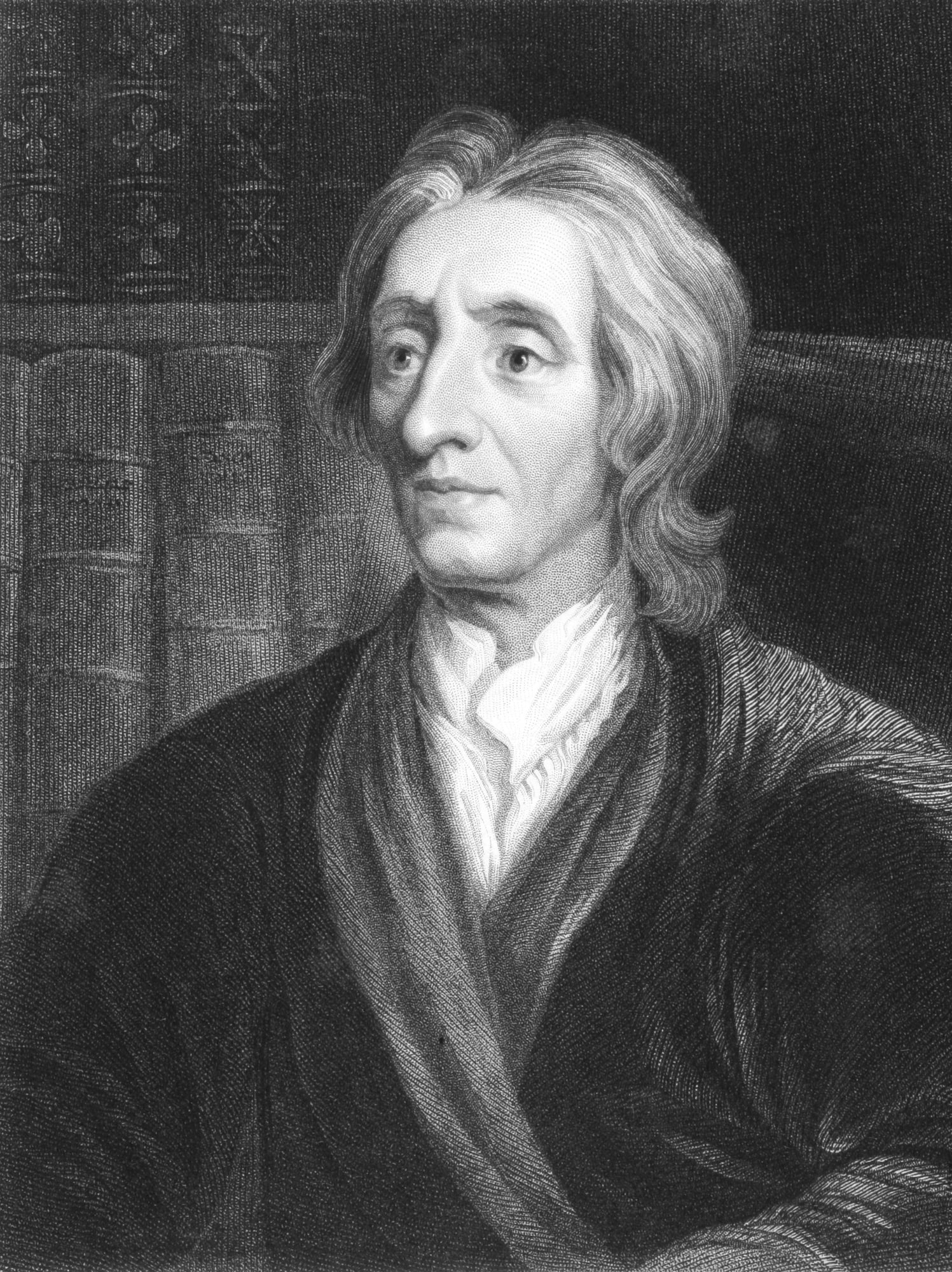
As an undergraduate at Cambridge, John Couch Adams predicted the existence and position of Neptune purely from mathematical analysis of perturbations in Uranus’s orbit. He completed the calculation in 1845 while still a student and communicated his results to the Astronomer Royal, who did not act on them.
Independently, the French mathematician Urbain Le Verrier made the same calculation, communicated it to the Berlin Observatory, and Neptune was observed in 1846 within one degree of both men’s predicted position. Adams had no professional standing at the time he made the discovery.
Gottfried Wilhelm Leibniz — Lawyer and Philosopher
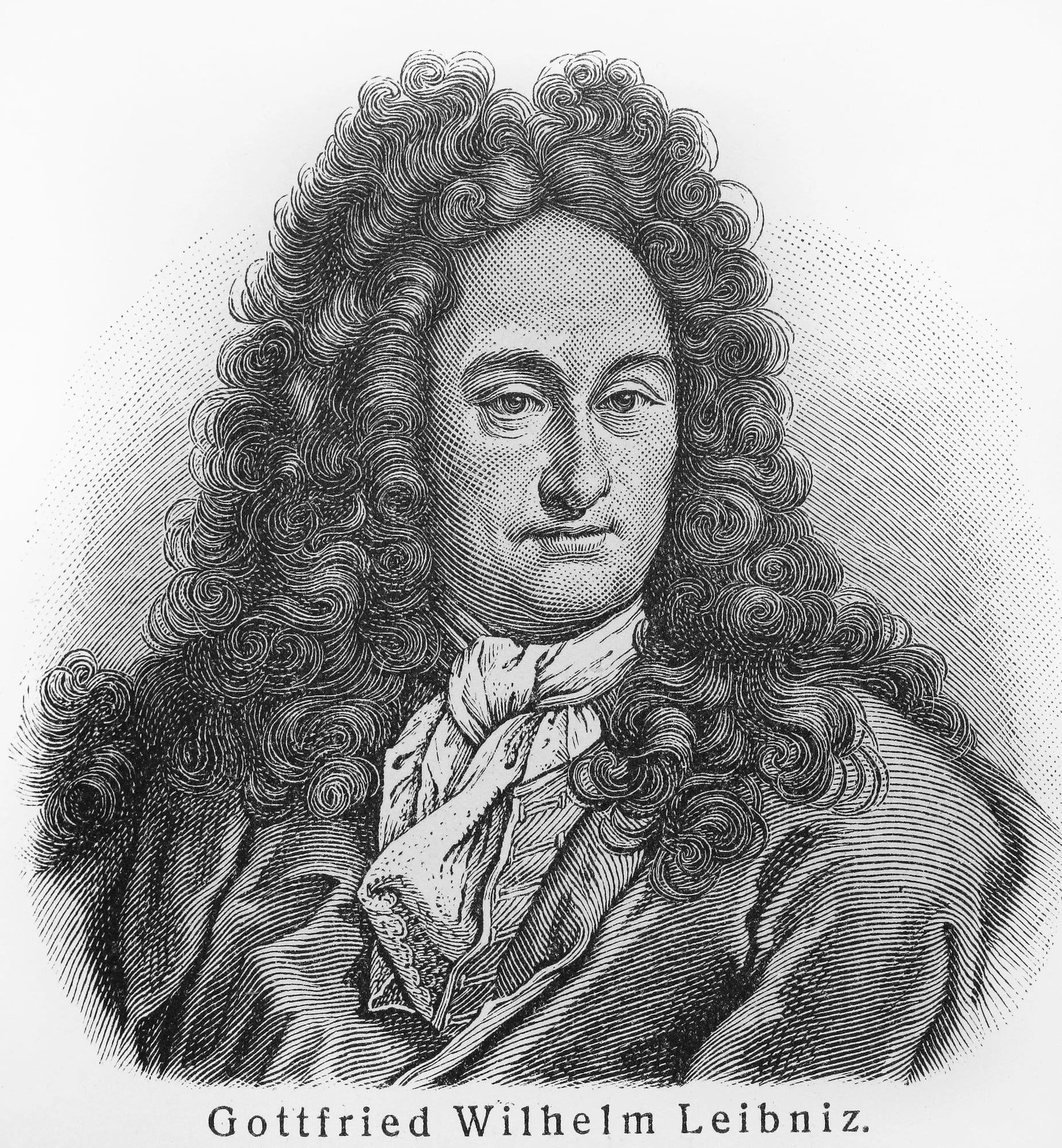
Leibniz, who independently developed calculus at roughly the same time as Newton in the 1670s, was by formal training a lawyer and philosopher rather than a mathematician. He developed his notation for calculus — the integral sign and the d notation for derivatives — independently of Newton’s competing system.
Leibniz’s notation proved more flexible and clear than Newton’s, and it is Leibniz’s version that students around the world learn today.
Leonardo Fibonacci — Medieval Merchant
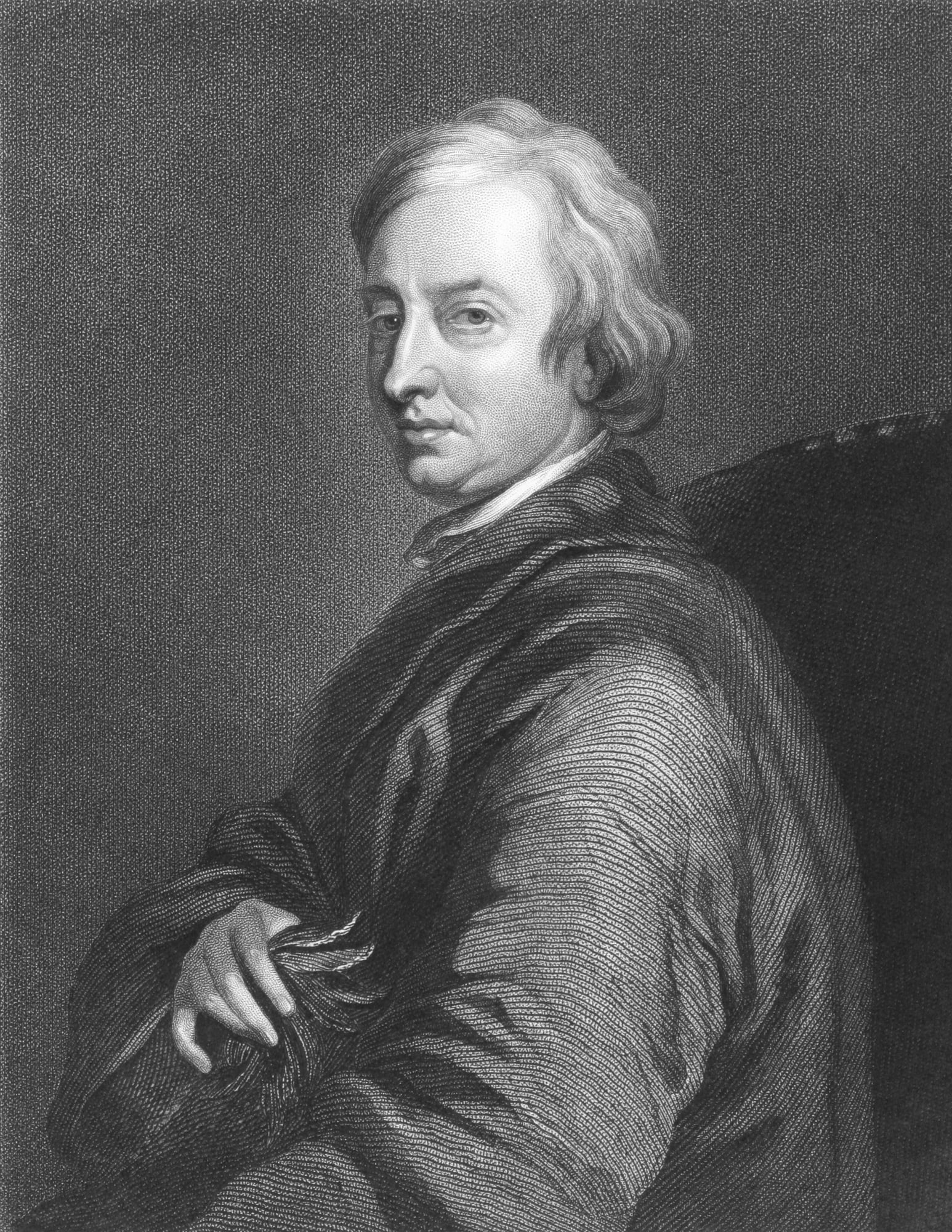
Fibonacci was the son of an Italian merchant who grew up traveling around the Mediterranean, encountering the Hindu-Arabic numeral system that North African traders used. He had no formal mathematical education.
His 1202 book Liber Abaci introduced the Hindu-Arabic number system to Europe, including the concept of zero as a placeholder. The Fibonacci sequence, which appears in his book as a population model for rabbits, is now studied in connection with everything from botany to financial markets to the structure of the golden ratio.
Mary Somerville — Self-Taught Synthesizer
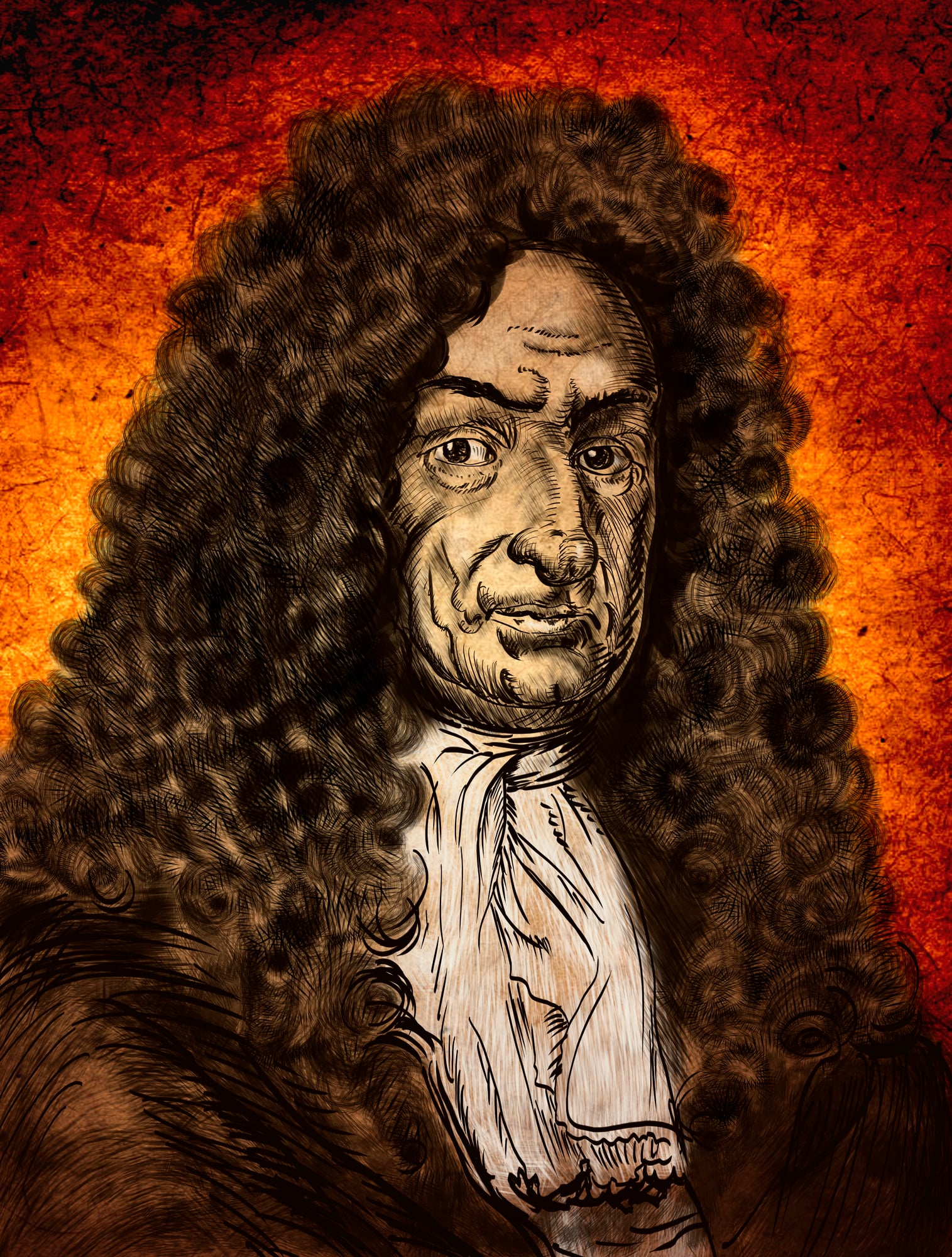
Mary Somerville taught herself mathematics against the active opposition of her family, who feared that intellectual overexertion would damage her health. Working without formal education or institutional support, she produced translations and original syntheses of mathematical and scientific work that were praised by the leading scientists of her era.
Her book On the Connexion of the Physical Sciences (1834) influenced the discovery of Neptune: John Adams read her discussion of perturbations in Uranus’s orbit and it prompted him to investigate the source of the anomaly. She was the first woman elected to the Royal Astronomical Society.
George Boole — Schoolteacher, Founder of Boolean Algebra
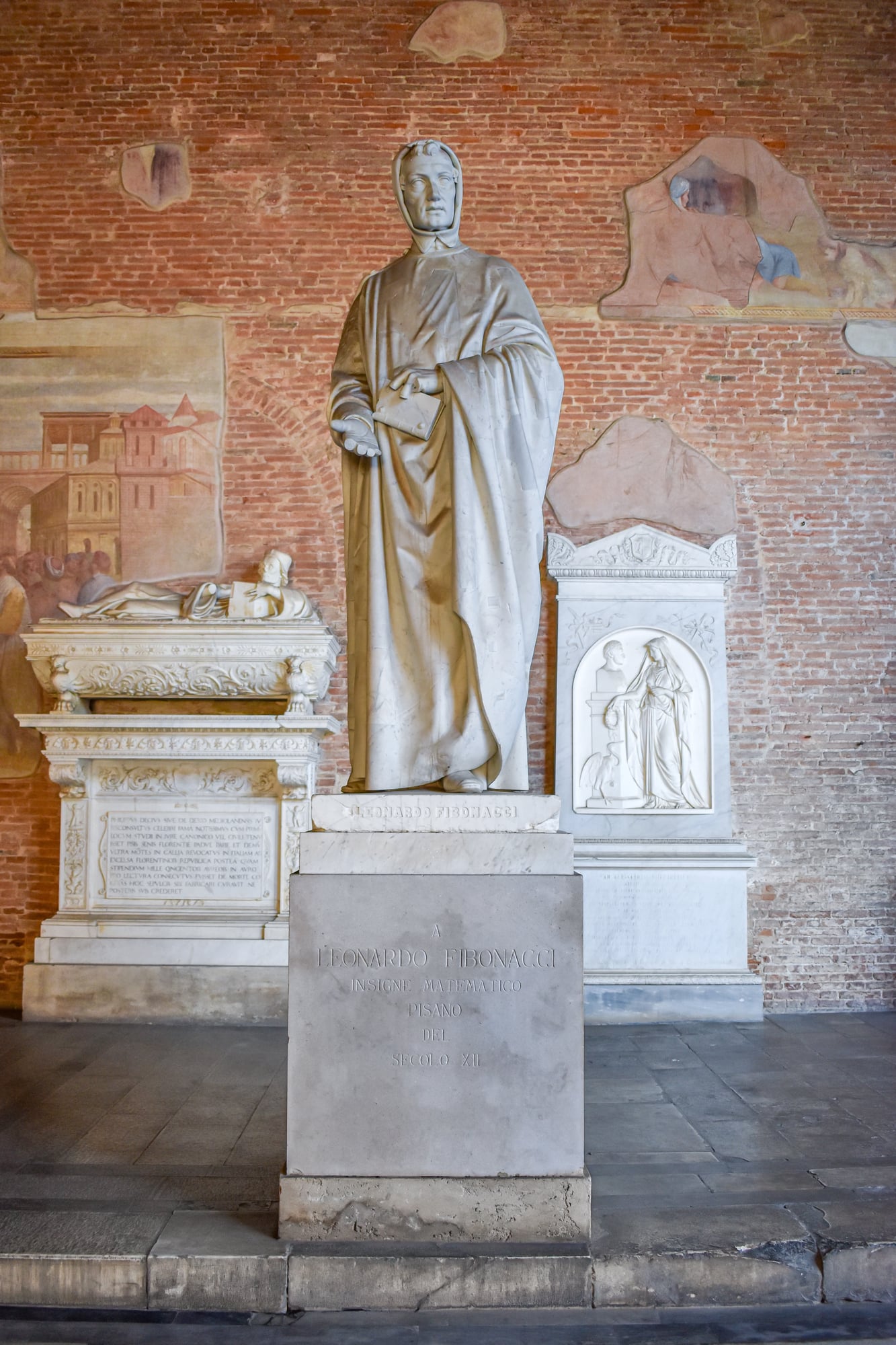
George Boole was the son of a shoemaker and left school at 16 to work as a teaching assistant, eventually running his own school. He taught himself advanced mathematics by reading Latin translations of French mathematical journals.
In 1847 he published a pamphlet developing the algebra of binary logic — true/false, yes/no — that now underlies digital computing. Boolean algebra is the mathematical structure on which every modern computer processor is built.
Boole did not live to see the full implications of his work. He died in 1864 at 49.
Gottlob Frege — Largely Ignored Logician
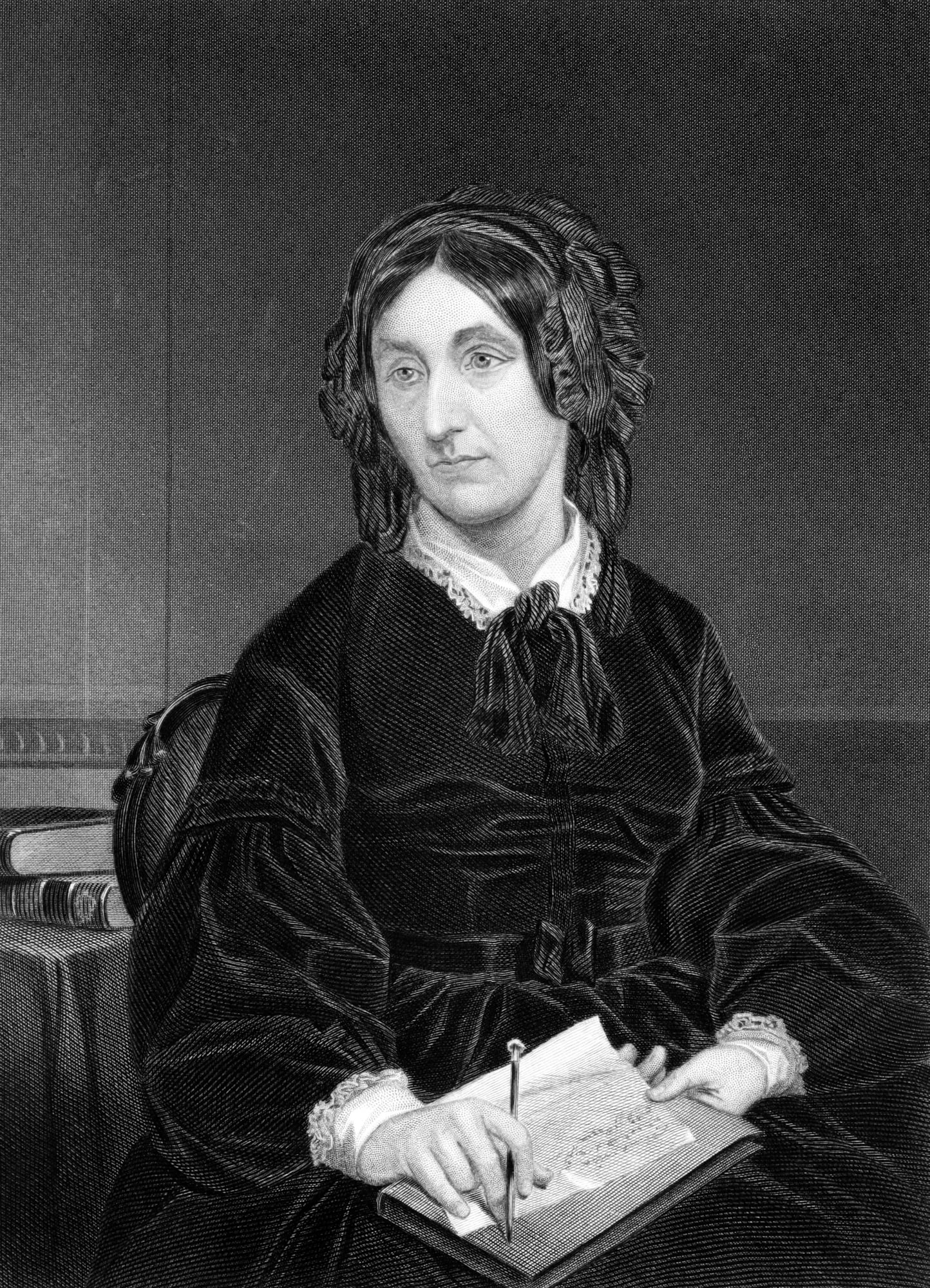
German mathematician Gottlob Frege spent his career in formal academic positions but his work on the logical foundations of arithmetic was so poorly received that, for many years, he had almost no readers. He developed the predicate calculus — the formal logical system that underlies modern mathematical logic and computer science — largely unrecognized.
Bertrand Russell’s letter to Frege in 1902, pointing out an inconsistency in his system, arrived just as the second volume of Frege’s main work was going to press. His contributions were eventually recognized as foundational to the entire enterprise of mathematical logic.
Alan Turing — Wartime Code-Breaker and Computing Theorist
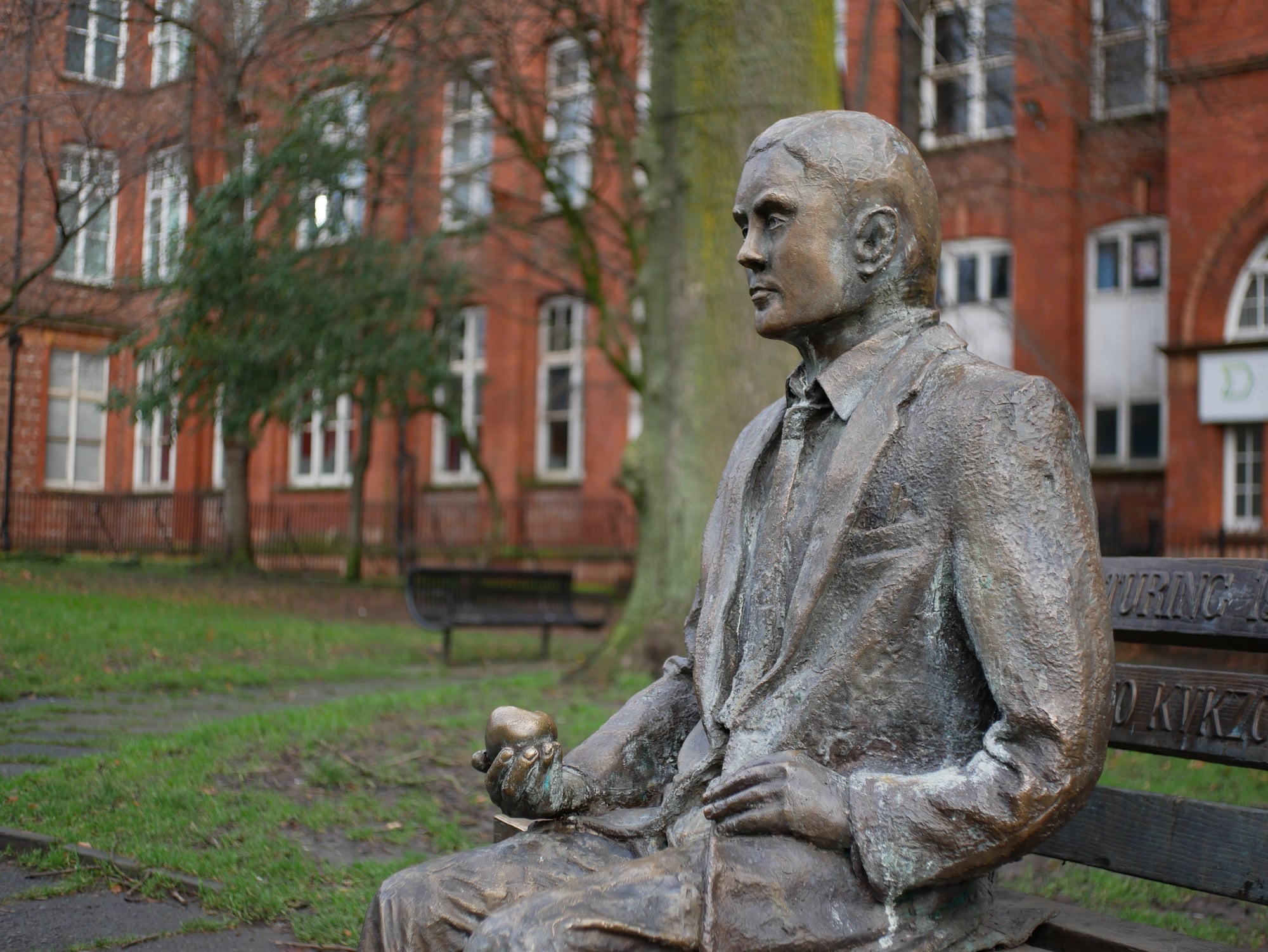
Turing had formal academic training, but his most consequential practical work was done largely outside any institutional framework, under wartime conditions at Bletchley Park, working on a problem that had no official mathematical literature. His 1936 paper on computable numbers — written while he was a graduate student — described the abstract model of a computing machine before any such machine existed.
His later work in breaking the Enigma cipher involved mathematical techniques developed on the spot for a problem that was unprecedented. The field of computer science he effectively founded has no antecedent discipline.
John Napier — Laird, Inventor of Logarithms
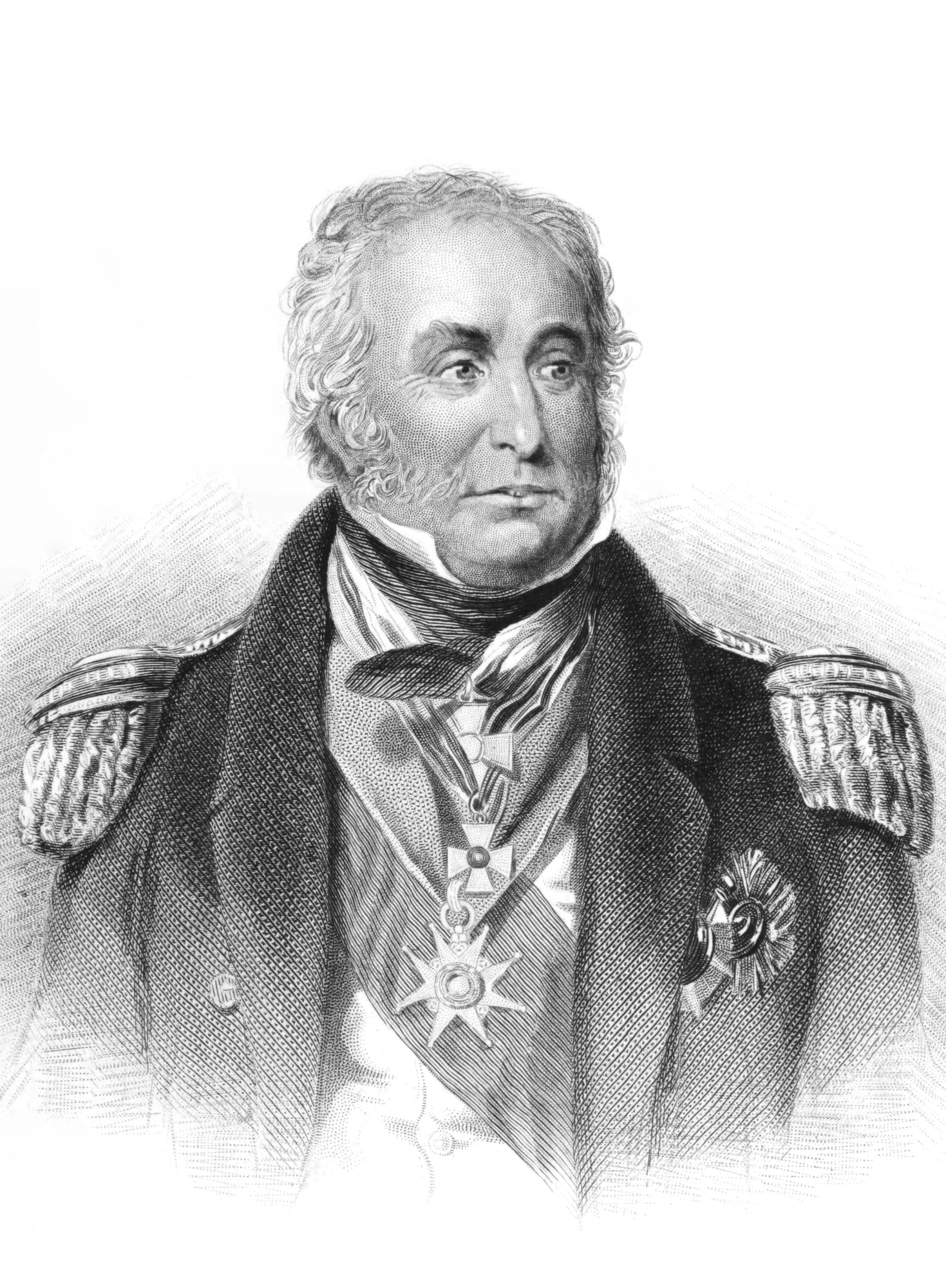
John Napier was a Scottish landowner whose primary public pursuits included religious polemic and predictions about the end of the world. He spent twenty years developing the concept of logarithms as a tool for simplifying astronomical calculations that navigators and astronomers were performing by hand.
His 1614 publication of logarithm tables was immediately recognized as one of the most practically useful mathematical achievements in history, reducing calculations that took hours to operations of minutes. He had no mathematical training and no professional mathematical affiliation.
Charles Babbage — Computer Visionary
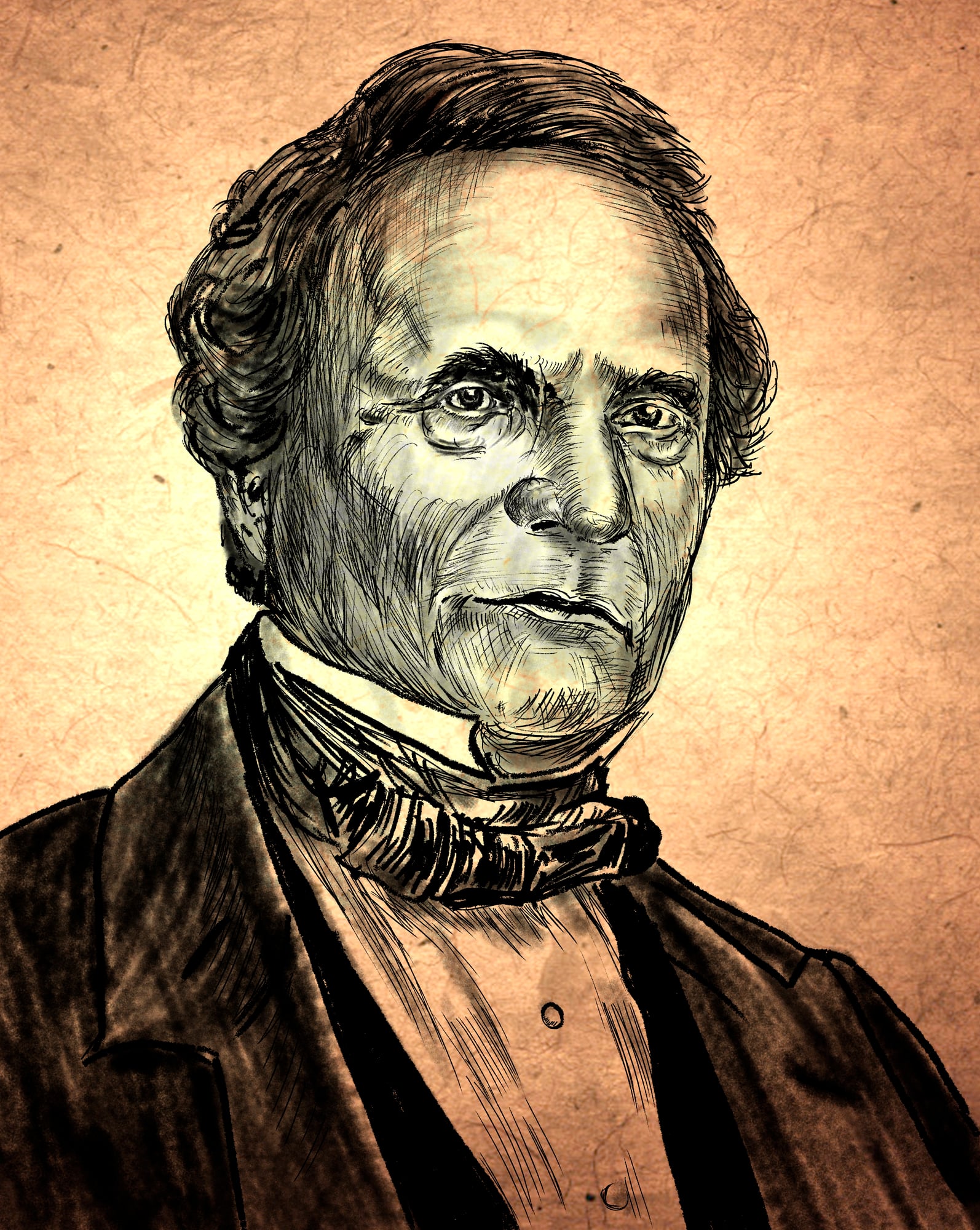
Babbage had a Cambridge degree but his central project — designing a mechanical computer — had no formal academic discipline to belong to. There was no computer science, no software engineering, no established body of knowledge about computational systems.
He developed the concept independently, working from first principles, and his designs for the Analytical Engine anticipated fundamental features of modern computing, including a central processing unit, memory, programmable instructions, and conditional branching. The machine was never completed in his lifetime, but Ada Lovelace, who worked with him, wrote what is now recognized as the first computer program — for a machine that did not yet exist.
Ada Lovelace — Self-Educated, First Programmer

Ada Lovelace was educated at home, partly by her mother and partly by private tutors. She had no formal university training, no professional position, and worked primarily through correspondence with Charles Babbage.
Her notes on Babbage’s Analytical Engine, published in 1843 as a translation of an Italian engineer’s article, contain what is recognized as the first algorithm designed to be executed by a machine. She also understood, more clearly than Babbage himself, that the Analytical Engine could manipulate any symbolic information, not just numbers — the foundational insight of general-purpose computing.
Hypatia of Alexandria — Philosopher and Mathematician, Ancient Outsider
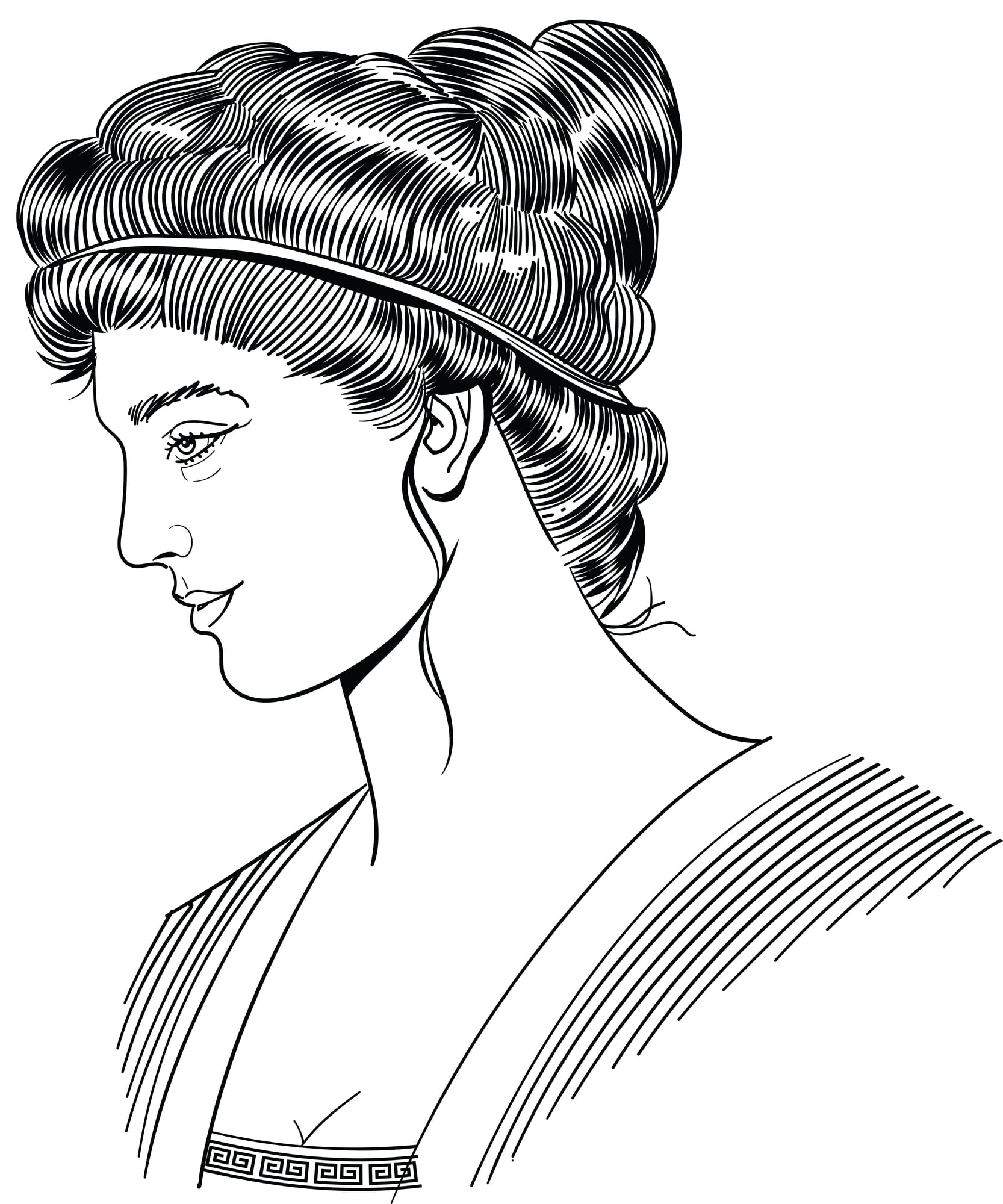
Hypatia was a 4th and 5th-century philosopher and mathematician in Alexandria who taught mathematics, astronomy, and philosophy in a tradition entirely outside the formal institutional structure of her era. She wrote commentaries on mathematical works by Diophantus and Apollonius and is believed to have made original contributions to those texts.
She was murdered by a Christian mob in 415 CE, possibly motivated by political tensions. As a woman in late antiquity, she operated entirely outside whatever institutional framework existed and represents one of the earliest recorded instances of a woman practicing and teaching mathematics.
What Pattern Makes This Possible
Mathematics does not require equipment, institutional access, or professional credentials to practice. What it requires is a mind willing to work persistently on problems that have not yet been solved, and access to enough prior knowledge to understand where the frontier is.
For most of mathematical history, that knowledge was available in books, and books were increasingly available to people without institutional affiliation. The self-taught mathematicians in this list found their way to the frontier through libraries, borrowed texts, correspondence, and — in Ramanujan’s case — a single obsolete textbook that happened to contain exactly enough to get started.
The field is not welcoming to outsiders by design. It has its own hierarchies, its own credentials, and its own gatekeeping mechanisms.
But mathematical truth does not require endorsement. A theorem that is correct is correct whether it comes from a Cambridge professor or a miller working in a windmill in Nottinghamshire, and the history of the discipline is notable for how often the academy has had to go back and acknowledge that someone it ignored had gotten there first.
More from Go2Tutors!

- The Romanov Crown Jewels and Their Tragic Fate
- 13 Historical Mysteries That Science Still Can’t Solve
- Famous Hoaxes That Fooled the World for Years
- 15 Child Stars with Tragic Adult Lives
- 16 Famous Jewelry Pieces in History
Like Go2Tutors’s content? Follow us on MSN.



