30 Times Scientists Were Ignored — and Later Proved Completely Right
The history of science is often told as a story of progress, in which each generation builds cleanly on the last and knowledge accumulates in an orderly way. The actual history is considerably less neat.
It is full of people who were right, sometimes demonstrably right, and found that being right was not enough. The idea had to fit the available framework, appeal to the available funders, and not threaten the professional status of the people in the position to evaluate it.
When it failed those tests — regardless of whether it was true — it waited.
The cases below are not about fringe theories that turned out to have merit. They are about scientists working within their fields, using legitimate methods, who produced conclusions that their peers rejected, sometimes for decades, before the evidence became too clear to ignore.
A few of them died before seeing their vindication. Several were actively driven out of their professions. One drank a bacterial solution to make his point.
Ignaz Semmelweis Proved Handwashing Saved Lives and Was Committed to an Asylum

In 1847, Hungarian physician Ignaz Semmelweis discovered that maternal mortality from childbed fever could be reduced dramatically by requiring doctors to wash their hands in chlorinated lime solution before examining patients. In one Vienna ward, mortality rates fell from over 18 percent to under 2 percent almost immediately.
The medical establishment rejected the finding, in part because accepting it meant accepting that doctors were killing their patients. Semmelweis died in an asylum in 1865 — from a bacterial infection. Germ theory, vindicated by Pasteur and Lister in the decades that followed, confirmed everything he had said.
Alfred Wegener Was Mocked for Proposing That Continents Move

German meteorologist Alfred Wegener first proposed continental drift in 1912. The evidence he marshaled was striking: the matching coastlines of South America and Africa, identical fossil species found on opposite sides of the Atlantic, corresponding geological formations on continents thousands of miles apart.
The geological establishment rejected his theory with open contempt, primarily because Wegener could not identify a mechanism capable of moving continents through solid oceanic crust. He died in 1930 on an expedition in Greenland, still considered wrong. In the 1960s, the discovery of seafloor spreading provided the missing mechanism, and Wegener’s continental drift became the foundation of modern plate tectonics.
Barry Marshall Drank Bacteria to Prove Ulcers Were Not Caused by Stress

In the early 1980s, Australian physician Barry Marshall and pathologist Robin Warren proposed that most stomach ulcers were caused by Helicobacter pylori bacteria and could be cured with a course of antibiotics. The medical community’s response was dismissal: the idea that bacteria could survive in the highly acidic stomach environment was considered physiologically impossible.
Unable to get the scientific community to take his claim seriously, Marshall drank a solution containing H. pylori, developed gastric symptoms within days, and cured himself with antibiotics. He and Warren were awarded the Nobel Prize in Physiology or Medicine in 2005.
John Snow Traced Cholera to Water While Doctors Blamed Foul Air

In 1854, during a cholera outbreak in the Soho district of London, physician John Snow mapped the cases and traced them to a single contaminated water pump on Broad Street. He had the pump handle removed, and the outbreak ended.
The medical establishment largely rejected his conclusion, maintaining that cholera spread through “miasma” — contaminated air. Snow died in 1858 with his water-contamination theory still disputed. When germ theory was established in the following decades, Snow was retroactively recognized as the father of modern epidemiology.
Lise Meitner Co-Discovered Nuclear Fission and Was Written Out of the Nobel Prize
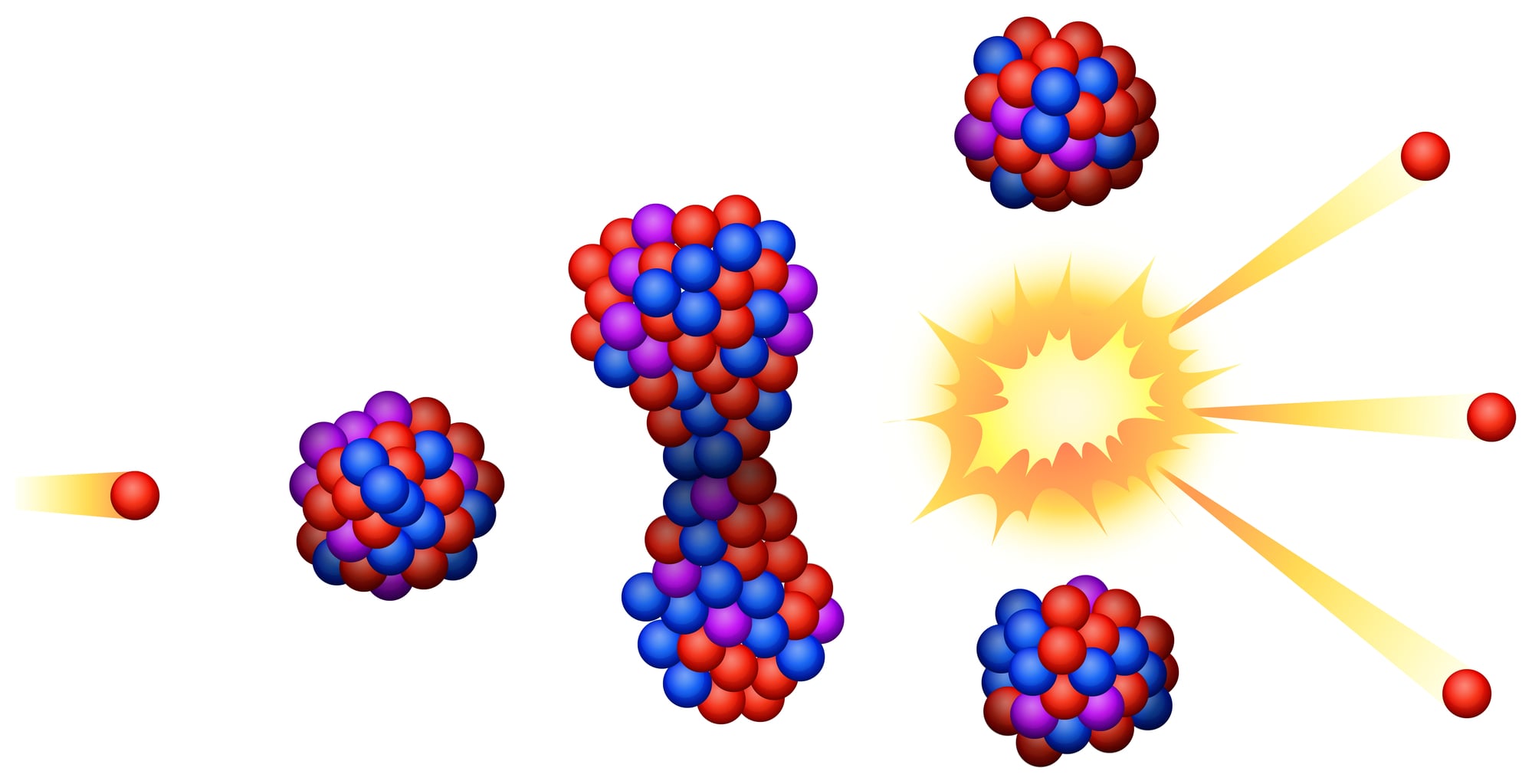
In the late 1930s, physicist Lise Meitner collaborated with chemist Otto Hahn and Fritz Strassmann on experiments that led to the discovery of nuclear fission. When Hahn and Strassmann achieved the actual splitting of uranium in 1938, it was Meitner — working in exile in Sweden after fleeing Nazi Germany — who provided the theoretical explanation and named the process.
The 1944 Nobel Prize in Chemistry was awarded to Hahn alone. Meitner was nominated for the Nobel Prize 48 times and never received it. Element 109, meitnerium, was named in her honor in 1997, twenty-eight years after her death.
Ludwig Boltzmann Proved Atoms Exist and Killed Himself Before the Proof Was Accepted

Austrian physicist Ludwig Boltzmann spent his career developing statistical mechanics — the theory that heat and thermodynamics could be explained by the collective behavior of atoms. In the late 19th century, atoms were not universally accepted as real physical objects, and influential physicists like Ernst Mach rejected the concept.
Boltzmann defended atomic theory throughout his career in the face of persistent professional hostility and derision. He died by suicide in 1906. Within a few years, Einstein’s 1905 paper on Brownian motion provided direct experimental evidence of atoms, and Boltzmann’s work was recognized as foundational to modern physics.
Clair Patterson Proved Leaded Gasoline Was Poisoning Humanity and Fought Industry for Decades

American geochemist Clair Patterson set out in the 1940s to determine the age of the Earth by measuring lead isotopes in ancient rocks. In the process, he discovered that his samples were contaminated with quantities of lead far beyond any natural baseline — a contamination he traced to the widespread use of tetraethyl lead in gasoline.
The oil and automotive industries had him removed from government advisory committees and lobbied against his work. In 1986, the United States completed its phase-out of leaded gasoline. The lead content in Americans’ blood had dropped by 80 percent by the late 1990s.
Katalin Karikó Was Demoted and Defunded for Decades Before mRNA Vaccines Won a Nobel Prize

Hungarian biochemist Katalin Karikó spent years at the University of Pennsylvania trying to convince the scientific establishment that messenger RNA could be modified and used therapeutically. Her 2005 paper co-authored with Drew Weissman was turned down by Nature and Science, whose reviewers said it was “not novel” and “not of interest to the broad readership.”
Karikó was demoted from her faculty position, threatened with deportation, and could not secure funding through conventional channels. The mRNA technology she developed with Weissman formed the basis of the COVID-19 vaccines credited with saving millions of lives. In 2023, she and Weissman received the Nobel Prize in Physiology or Medicine.
Gregor Mendel Discovered the Laws of Heredity and Died Unknown

Augustinian friar Gregor Mendel spent years in the 1850s and 1860s cross-breeding pea plants in the monastery garden at Brno, recording the patterns in which traits were inherited. His 1866 paper on inheritance described what we now call dominant and recessive traits and laid the foundation of genetics.
It was published in an obscure regional journal and received almost no attention. Mendel died in 1884 without his work having reached the broader scientific world. It was rediscovered in 1900 by three separate biologists, each of whom found Mendel’s original paper and recognized that he had arrived there 35 years before them.
Rosalind Franklin’s X-ray Work Was Used to Discover DNA Without Her Credit

British chemist Rosalind Franklin produced X-ray crystallography images of DNA in 1952, including the now-famous Photo 51, which showed the double helical structure of the molecule with unusual clarity. Her data was shared with James Watson without her knowledge or consent by her colleague Maurice Wilkins.
Watson and Crick used the information to develop their 1953 model of DNA structure, for which they — along with Wilkins — received the Nobel Prize in 1962. Franklin had died of cancer in 1958 at age 37, and Nobel Prizes are not awarded posthumously.
Subrahmanyan Chandrasekhar Calculated That Stars Could Collapse Into Black Holes and Was Publicly Humiliated

In 1935, Indian astrophysicist Subrahmanyan Chandrasekhar presented calculations to the Royal Astronomical Society showing that stars above a certain mass could not stabilize as white dwarfs after exhausting their fuel, and would instead collapse under their own gravity into what we now call black holes or neutron stars. Arthur Eddington, the most eminent astrophysicist of the era, publicly ridiculed the presentation, calling the conclusion “absurd.”
Eddington had no mathematical basis for this claim, but his prestige was sufficient to stall the field for decades. Chandrasekhar won the Nobel Prize in Physics in 1983, nearly fifty years after Eddington dismissed him.
Henrietta Lacks’ Cancer Cells Were Used for Decades Without Her Knowledge or Consent
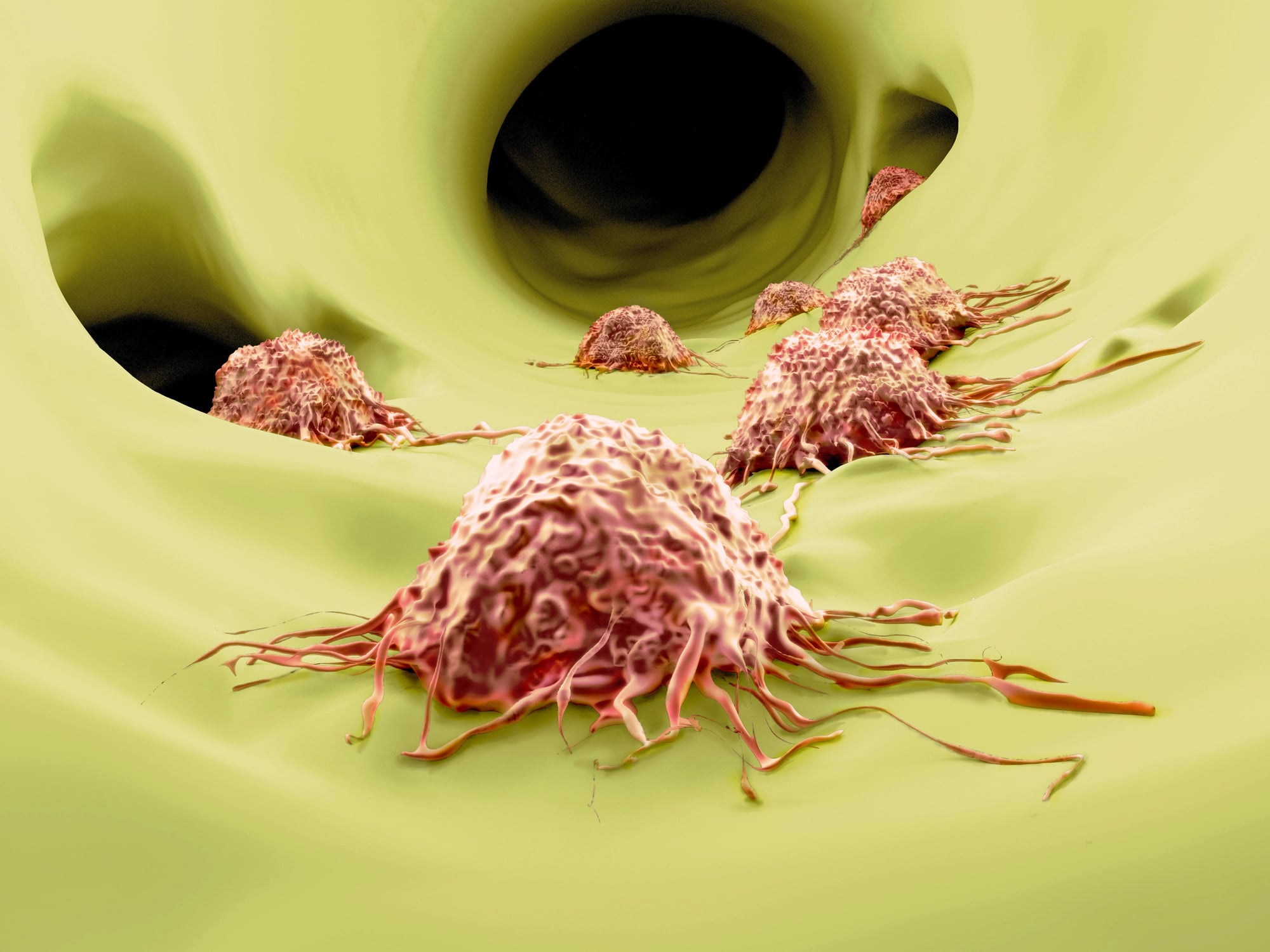
Henrietta Lacks was a Black woman who died of cervical cancer in 1951 at Johns Hopkins Hospital. Without her knowledge or consent, cells from her tumor were cultured and given to researchers, producing the first human cell line — HeLa cells — that could be kept alive and reproduced indefinitely in a laboratory.
HeLa cells became indispensable to medical research for the following seven decades, used in the development of the polio vaccine, cancer research, and countless other applications. The Lacks family had no idea her cells existed until the 1970s, and they received no compensation.
William Harvey Was Ridiculed for Proposing That Blood Circulates
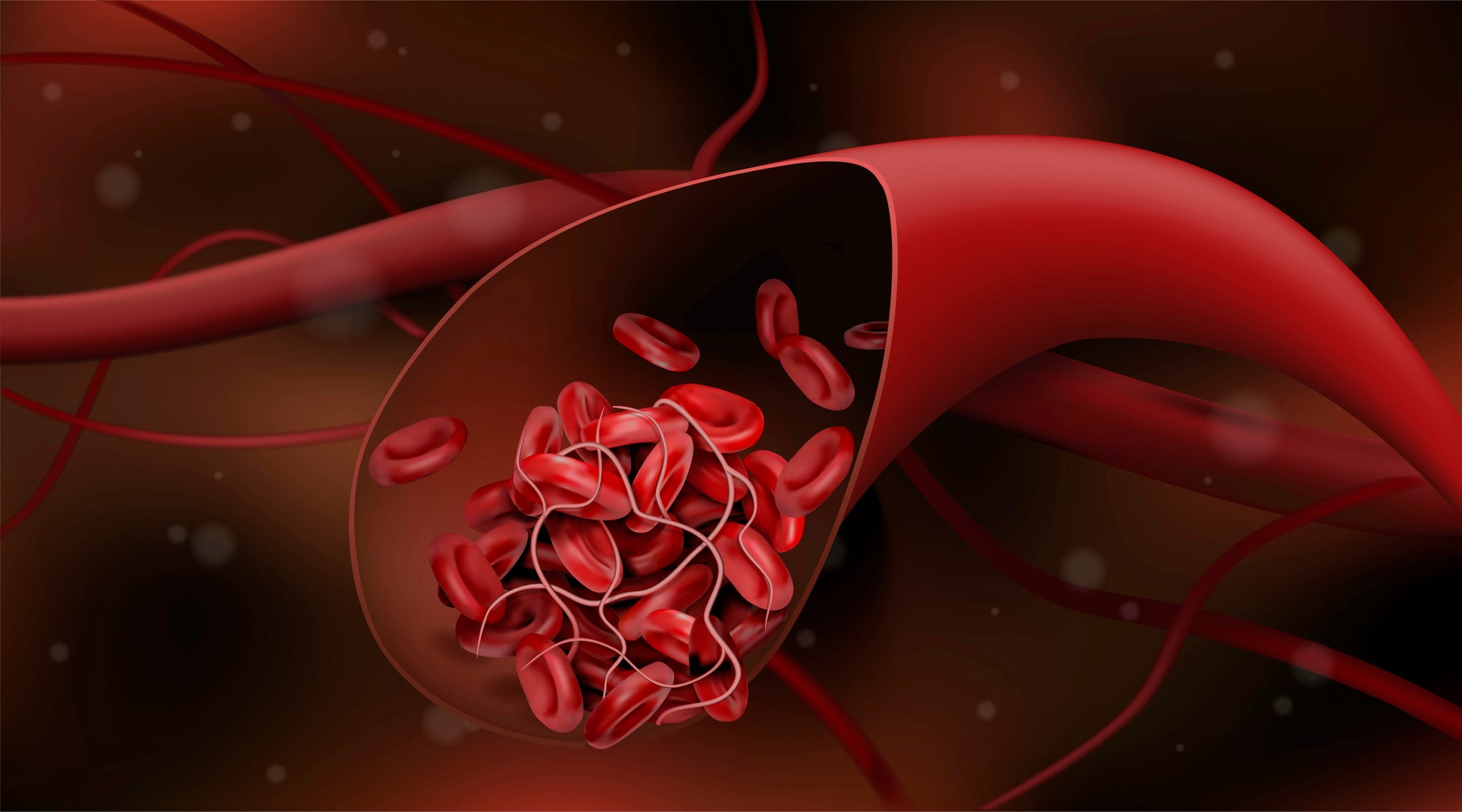
In 1628, English physician William Harvey published his theory that blood circulates continuously through the body, pumped by the heart — a radical departure from the prevailing view, inherited from ancient Rome, that the liver was the body’s central organ and blood was constantly produced and consumed.
Harvey’s contemporaries largely rejected the idea, and he reportedly lost medical practice over it. He was right. The circulatory system he described is now so obviously correct that it is difficult to understand how the alternative was ever believed.
Plate Tectonics Was Resisted by Geologists for Decades After Wegener
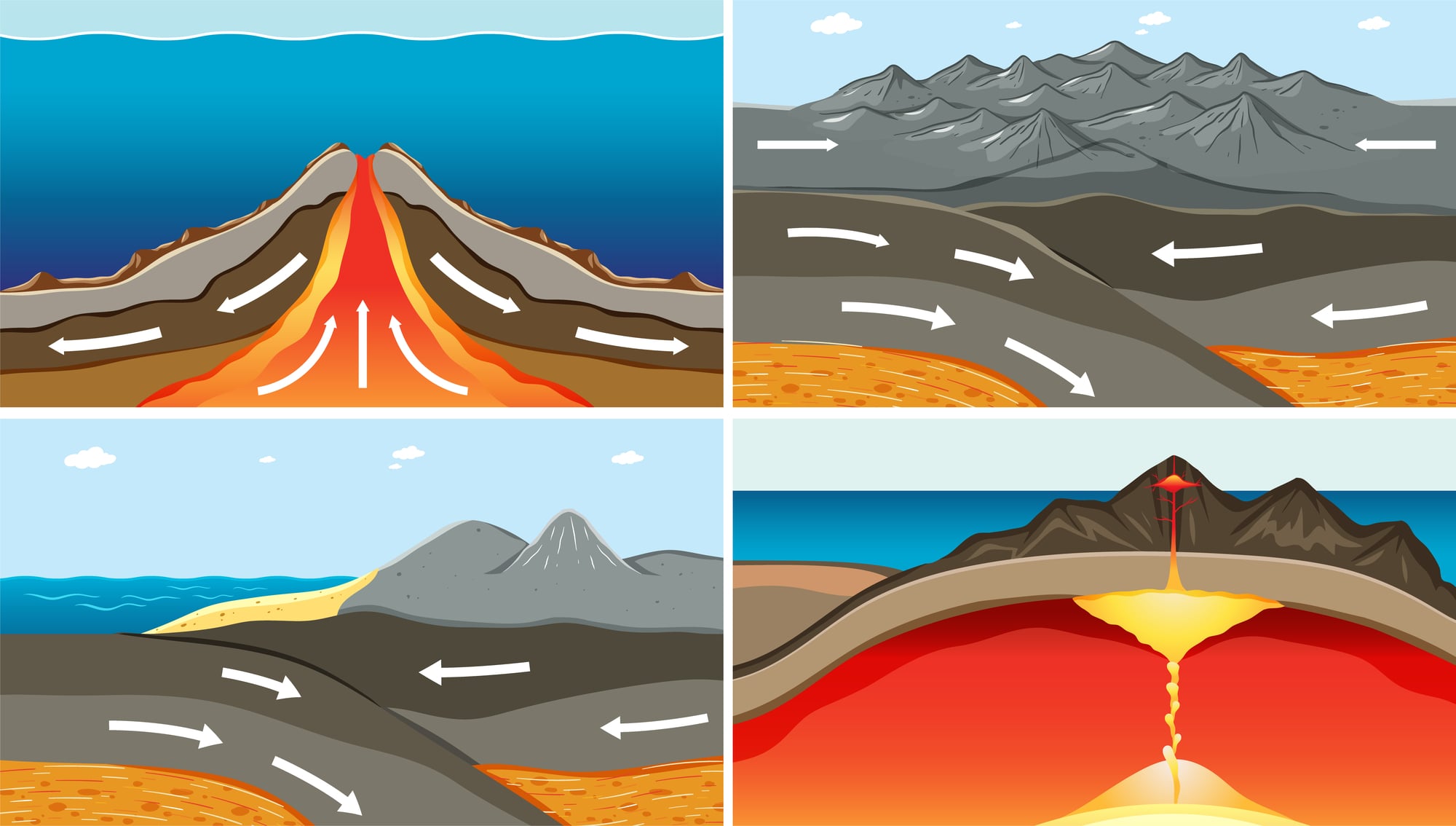
Even after Wegener’s death, the geological community continued to resist the idea of moving continents well into the 1950s. The mechanism of seafloor spreading, proposed by Harry Hess in 1960 and confirmed by paleomagnetic data in the mid-1960s, was itself initially contested.
The transformation of continental drift into the accepted theory of plate tectonics happened gradually across a decade of accumulating evidence, with geologists who had committed their careers to fixed-continent models adapting only reluctantly.
Early Researchers Into Chronic Traumatic Encephalopathy Faced Industry Pressure

Neuropathologist Bennet Omalu published the first peer-reviewed study identifying chronic traumatic encephalopathy in a deceased NFL player in 2005. The NFL’s Mild Traumatic Brain Injury Committee disputed his findings, questioned his methodology, and pressured the journal to retract the paper.
Omalu faced sustained institutional opposition from a league with significant resources and motivation to discredit the research. The pathology he identified is now an established and widely studied condition, and its connection to repeated head impacts in contact sports is no longer seriously disputed.
George Mitchell Was Told Shale Gas Was Uneconomic for Twenty Years Before He Proved Otherwise

Texas oilman George Mitchell spent two decades in the 1980s and 1990s trying to unlock natural gas from shale rock using a process his engineers and the broader industry dismissed as economically unviable. The technique — hydraulic fracturing combined with horizontal drilling — was considered too expensive and technically difficult to justify.
His company continued funding the experiments while analysts and competitors dismissed the approach. The technology eventually worked, producing the American shale gas revolution that transformed global energy markets in the 2010s.
Barbara McClintock Discovered Jumping Genes and Was Marginalized for Decades

American geneticist Barbara McClintock spent the 1940s and 1950s studying maize chromosomes and discovered that certain genetic elements could move — or “jump” — between positions on chromosomes. The finding challenged the prevailing model of genetics, in which genes were fixed at defined locations on chromosomes.
Her colleagues found the concept too strange and stopped inviting her to present her work at major conferences. She continued her research largely in isolation at Cold Spring Harbor Laboratory. In 1983, nearly forty years after her discovery, she was awarded the Nobel Prize in Physiology or Medicine at the age of 81. She remains the only woman to have received the prize in that category as an unshared award.
Marshall Nirenberg Decoded the Genetic Code at a Small Lab Nobody Expected

In 1961, biochemist Marshall Nirenberg used a cell-free protein synthesis system to decipher the first codon of the genetic code — demonstrating that a specific sequence of RNA bases corresponded to a specific amino acid. Nirenberg was a relatively unknown researcher at the National Institutes of Health, and his announcement at an international congress was initially met with mild interest from a small audience.
Francis Crick helped publicize the finding and ensured it received the attention it warranted. Nirenberg won the Nobel Prize in 1968.
The Ozone Hole Was Predicted Before It Was Observed

Chemists Frank Sherwood Rowland and Mario Molina published a 1974 paper proposing that chlorofluorocarbons — then widely used as refrigerants and aerosol propellants — could catalytically destroy stratospheric ozone. The chemical industry disputed the findings vigorously, funding counter-research and public relations campaigns.
When the Antarctic ozone hole was observed by British Antarctic Survey researchers in 1985, the evidence became difficult to contest. Rowland, Molina, and Paul Crutzen received the Nobel Prize in Chemistry in 1995. The Montreal Protocol phasing out CFCs is widely regarded as one of the most successful international environmental agreements ever negotiated.
Prion Theory Was Considered Impossible When Stanley Prusiner Proposed It
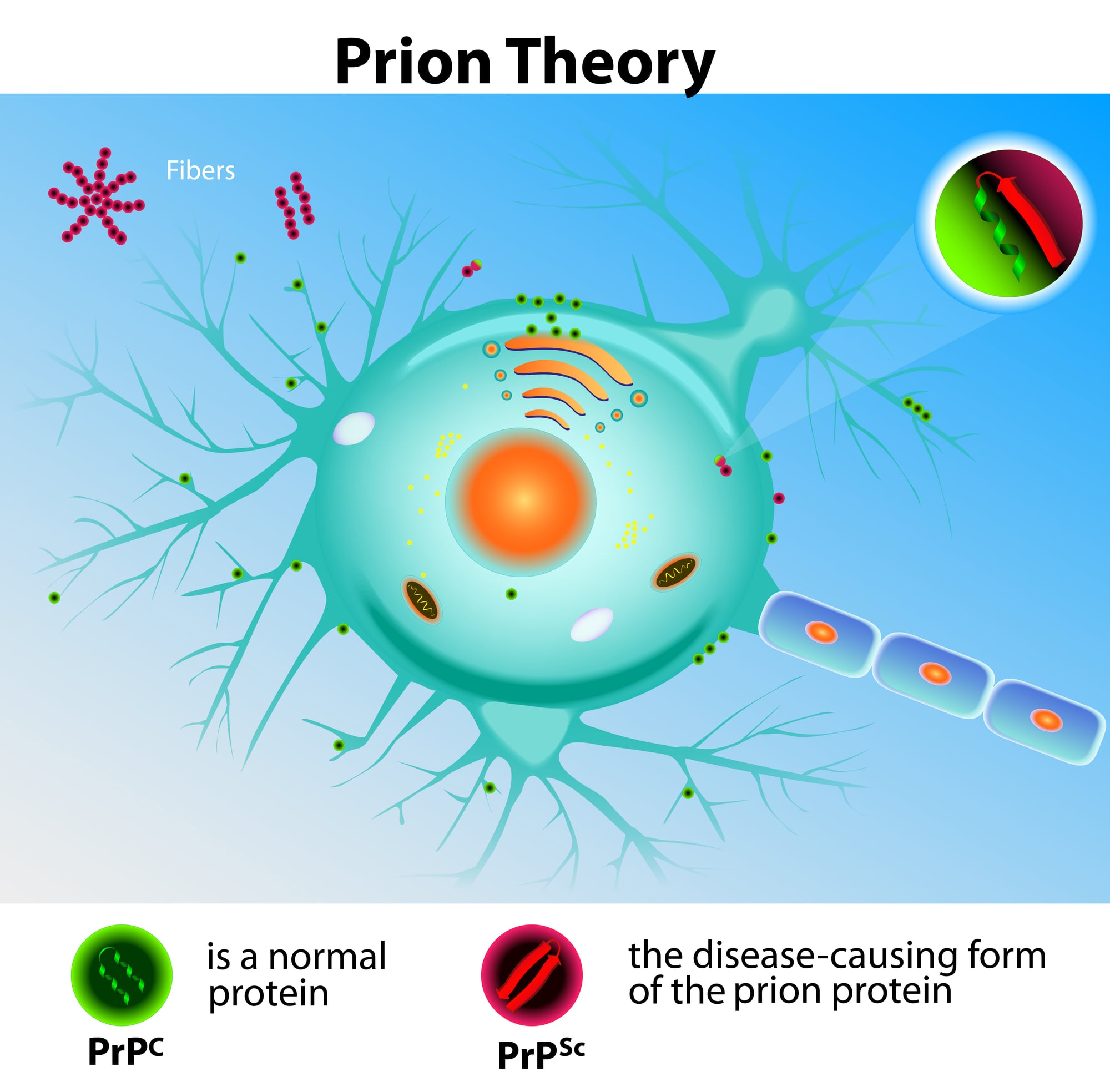
In the early 1980s, neurologist Stanley Prusiner proposed that a class of neurodegenerative diseases were caused by misfolded proteins he called prions, rather than by viruses or bacteria. The proposal contradicted the fundamental biological principle that infectious agents required nucleic acids to reproduce.
The scientific community dismissed the idea as physiologically impossible, and Prusiner faced significant professional hostility. He received the Nobel Prize in Physiology or Medicine in 1997.
Dan Shechtman Discovered Quasicrystals and Was Asked to Leave His Research Group
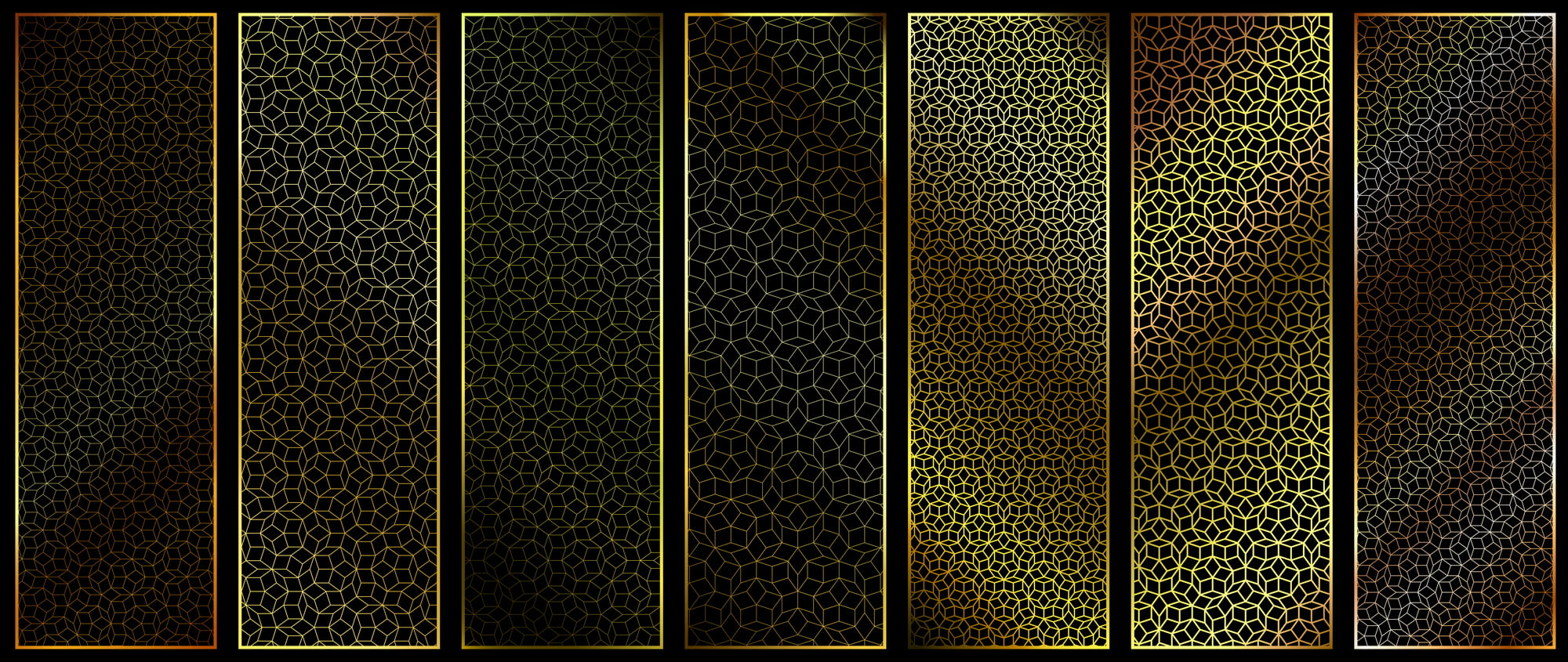
In 1982, Israeli materials scientist Dan Shechtman observed electron diffraction patterns in an aluminum-manganese alloy that could not exist according to the accepted rules of crystallography — they displayed a five-fold symmetry that violated the mathematical requirements for a repeating crystal structure. Shechtman’s research group leader told him he was an embarrassment to the team and asked him to find another group.
When the paper was eventually published in 1984, Linus Pauling — twice a Nobel laureate — called the idea “nonsense” and dedicated years to arguing against it publicly. Shechtman received the Nobel Prize in Chemistry in 2011.
Peyton Rous Proved Cancer Could Be Caused by a Virus in 1911

American physician Peyton Rous demonstrated in 1911 that a specific type of cancer in chickens could be transmitted by injecting cell-free extracts from the tumor into healthy birds — evidence that a virus could cause cancer. The finding was rejected so completely that Rous eventually abandoned the line of research.
The Rous sarcoma virus is now recognized as the first tumor virus ever identified. Rous received the Nobel Prize in Physiology or Medicine in 1966 — 55 years after his discovery.
Nikola Tesla’s Alternating Current Was Suppressed by Direct Economic Interest
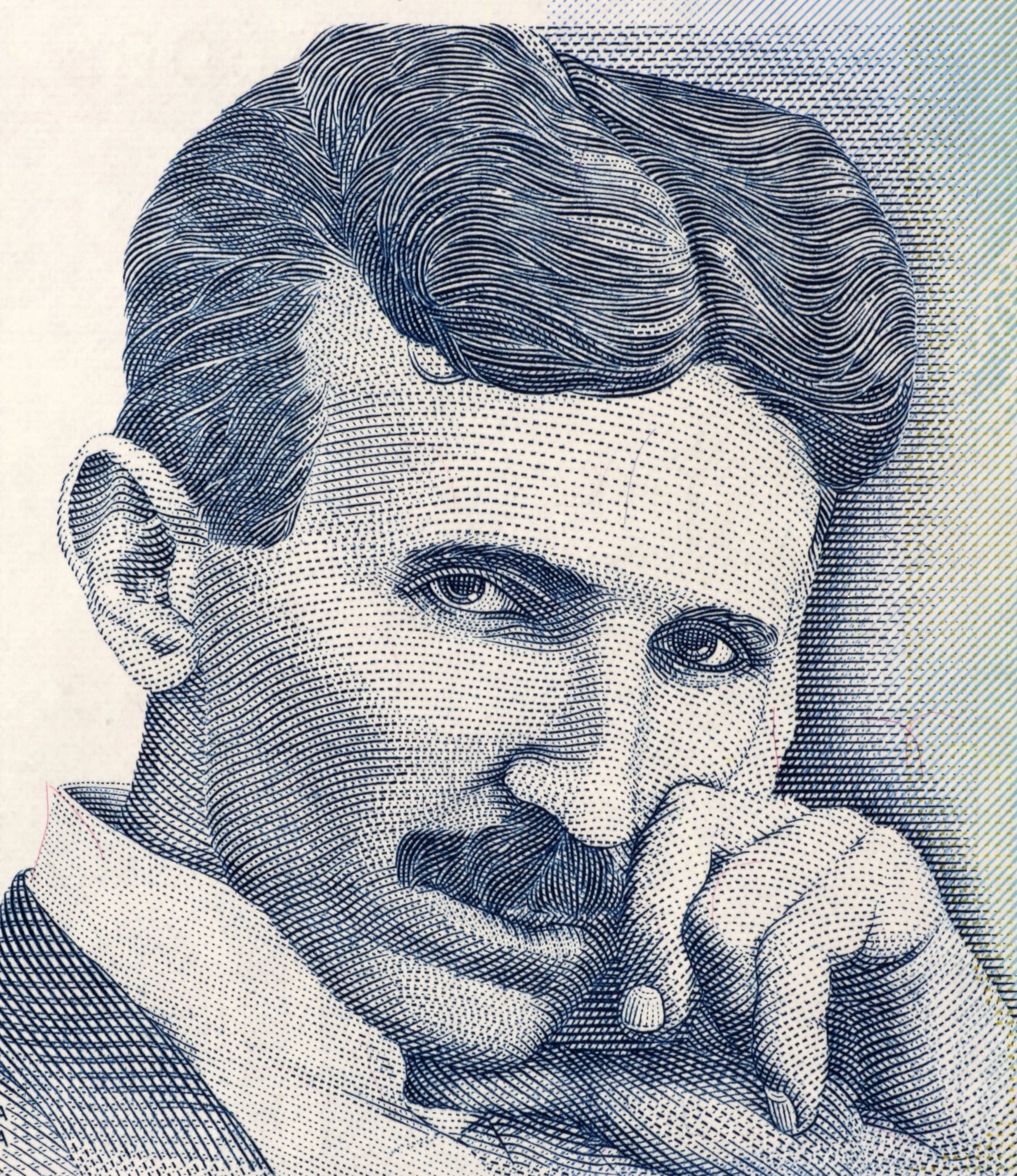
In the 1880s, Nikola Tesla and George Westinghouse promoted alternating current (AC) as a superior system for transmitting electrical power over long distances. Thomas Edison, whose direct current (DC) system stood to lose commercially, led a public campaign against AC — including staging demonstrations in which he electrocuted animals to show the dangers of the technology.
AC became the global standard for power transmission anyway, but the delay introduced by the “War of Currents” illustrates how commercial interest, as much as scientific skepticism, can resist correct ideas.
Peter Mitchell’s Chemiosmosis Theory Was Ridiculed Before Winning the Nobel Prize
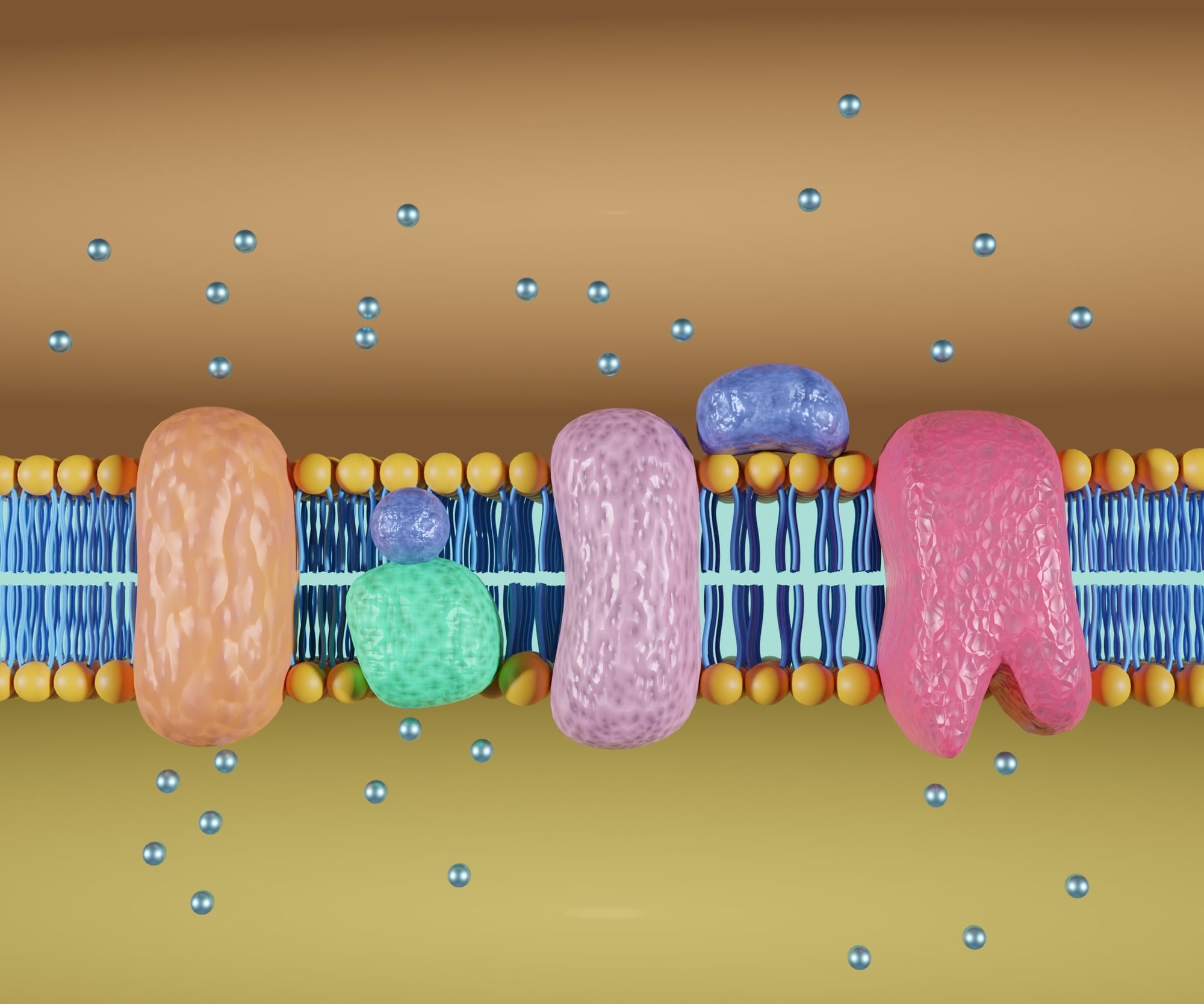
British biochemist Peter Mitchell proposed in 1961 that the mechanism by which cells produce ATP — the molecule that powers virtually all biological activity — involved the creation of a proton gradient across a membrane. The proposal was dismissed by the biochemistry community as too speculative and insufficiently grounded in conventional biochemistry.
Mitchell worked largely in isolation at a research institute he funded personally after leaving academia. He received the Nobel Prize in Chemistry in 1978, when the experimental evidence for his mechanism had become overwhelming.
Jocelyn Bell Burnell Discovered Pulsars and Was Left Off the Nobel Prize

In 1967, graduate student Jocelyn Bell Burnell discovered the first pulsar — a rotating neutron star emitting regular radio pulses — while working as a research assistant at the University of Cambridge. The discovery was made using data she had collected and analyzed personally.
The 1974 Nobel Prize in Physics for the discovery was awarded to her supervisors, Antony Hewish and Martin Ryle. Bell Burnell was not included, despite being the person who actually identified the anomalous signal. The omission was widely criticized at the time and has been cited repeatedly since as an example of institutional gender bias in the recognition of scientific work.
Ancient Astronomers Were Right That the Earth Orbits the Sun — and Were Suppressed for It
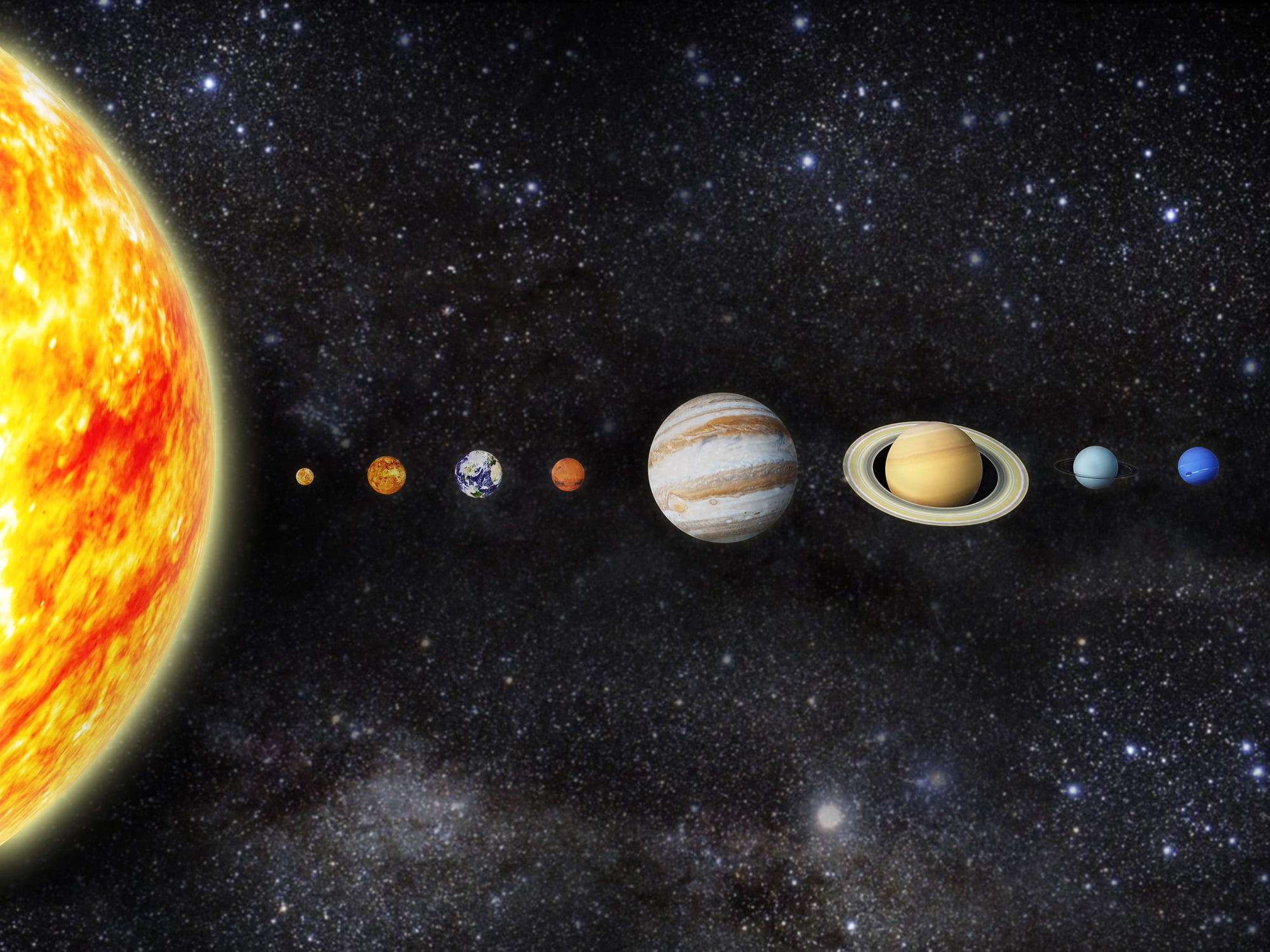
Aristarchus of Samos proposed a heliocentric model of the solar system in the 3rd century BCE. The idea was rejected in antiquity and remained essentially dormant for nearly 1,800 years, until Copernicus revived it in 1543.
Galileo’s later support for the Copernican model led to his prosecution by the Inquisition and house arrest for the final nine years of his life. That the Earth orbits the Sun was demonstrably correct 1,800 years before the consensus caught up with it.
Freeman Dyson Raised Climate Modeling Questions That Took Decades to Examine

Physicist Freeman Dyson argued from the 1970s onward that carbon in the atmosphere could be managed by biological systems and that climate models were systematically missing important variables. His heterodox positions made him a target of criticism from mainstream climate researchers.
The specific mechanisms he proposed for carbon sequestration — particularly through managed forests and soil carbon — are now active areas of research in climate mitigation. Whether he was right in his conclusions remains genuinely debated, but the underlying questions he raised proved more scientifically substantive than his contemporaries acknowledged at the time.
Semyon Kirlian Photographed Electrical Coronas and Was Dismissed as a Curiosity for Decades

Soviet inventor Semyon Kirlian developed a technique in 1939 for photographing the corona discharge produced when objects are placed on a photographic plate connected to a high-voltage power source. The resulting images were dismissed as a photographic curiosity.
Later scientific investigation confirmed that the images captured genuine electrical phenomena and that the patterns could reflect biological changes in living tissue. The technique, now called Kirlian photography, is used in scientific research, though its medical applications remain debated.
Christopher Langton and Artificial Life Were Dismissed as Fringe Science

When computer scientist Christopher Langton organized the first Workshop on Artificial Life in 1987, exploring how computational systems could simulate biological processes, the broader scientific community largely regarded it as a curiosity. The field faced decades of skepticism from mainstream biology, evolutionary biology, and computer science simultaneously.
The models and tools developed by artificial life researchers later found applications in evolutionary algorithms, agent-based modeling, and swarm robotics — none of which would exist in their current form without a scientific community willing to work outside the consensus.
What Gets Lost When Science Gets It Wrong

The pattern running through all thirty of these cases is not primarily about individuals being stubborn or institutions being corrupt. It is about how scientific consensus, which is generally a strength of the method, can also function as a filter that sorts out inconvenient truths alongside genuinely bad ideas.
The mechanism for doing that sorting is imperfect, shaped by funding structures, professional hierarchies, and the basic human difficulty of accepting that what you have built your career on might need revising.
Some of the people in this list were eventually vindicated by a Nobel Prize. Some received the prize decades after they should have. Some died first.
A few — Meitner, Franklin — were excluded by the additional barrier of being women in institutions that treated women as peripheral. What they share is not simply the quality of being right. They share the experience of being right in a system that was not yet ready to hear it, and of continuing anyway.
More from Go2Tutors!

- The Romanov Crown Jewels and Their Tragic Fate
- 13 Historical Mysteries That Science Still Can’t Solve
- Famous Hoaxes That Fooled the World for Years
- 15 Child Stars with Tragic Adult Lives
- 16 Famous Jewelry Pieces in History
Like Go2Tutors’s content? Follow us on MSN.