26 Unwritten Social Rules That Vary Wildly From Country to Country
Nobody hands you a rulebook when you arrive somewhere new. The rules are already in the room, in the air, in the way people react when you do something slightly wrong.
You only find them when you break them — the moment you tip in Japan and the waiter looks uncomfortable, or the moment you give your Finnish colleague an even number of flowers and someone quietly explains why that’s a problem. Every culture has a version of this: behaviors so embedded that no one thinks to explain them until a stranger accidentally violates them.
What makes these rules fascinating is not that they are arbitrary. Most of them have a logic, once you find it.
They tell you something real about what a society values — hierarchy, efficiency, hospitality, dignity, cleanliness, time. The table manners tell you about death rituals. The noise rules tell you about public versus private life. The smallest customs often carry the deepest meaning.
Leaving Food on Your Plate Means Different Things Depending Where You Sit
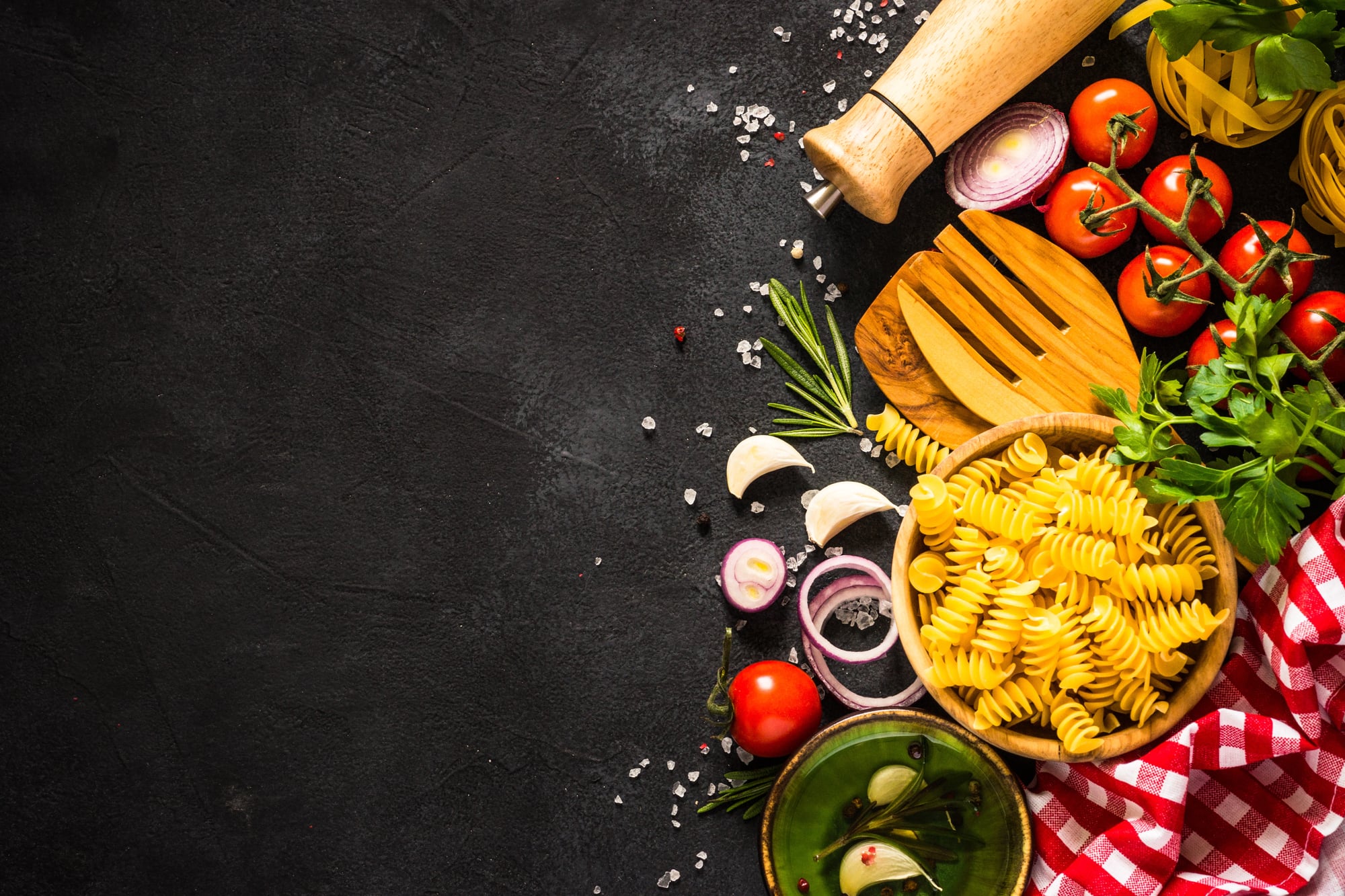
In China, Korea, Cambodia, and Egypt, a clean plate signals to your host that they didn’t provide enough food. Leaving a small amount is the polite signal that you’ve had your fill and the hospitality was generous.
In Japan and the United States, finishing everything is considered respectful. Serving yourself at a meal between these two traditions will leave someone feeling either guilty or offended, with no way to win.
Tipping in Japan Is Insulting
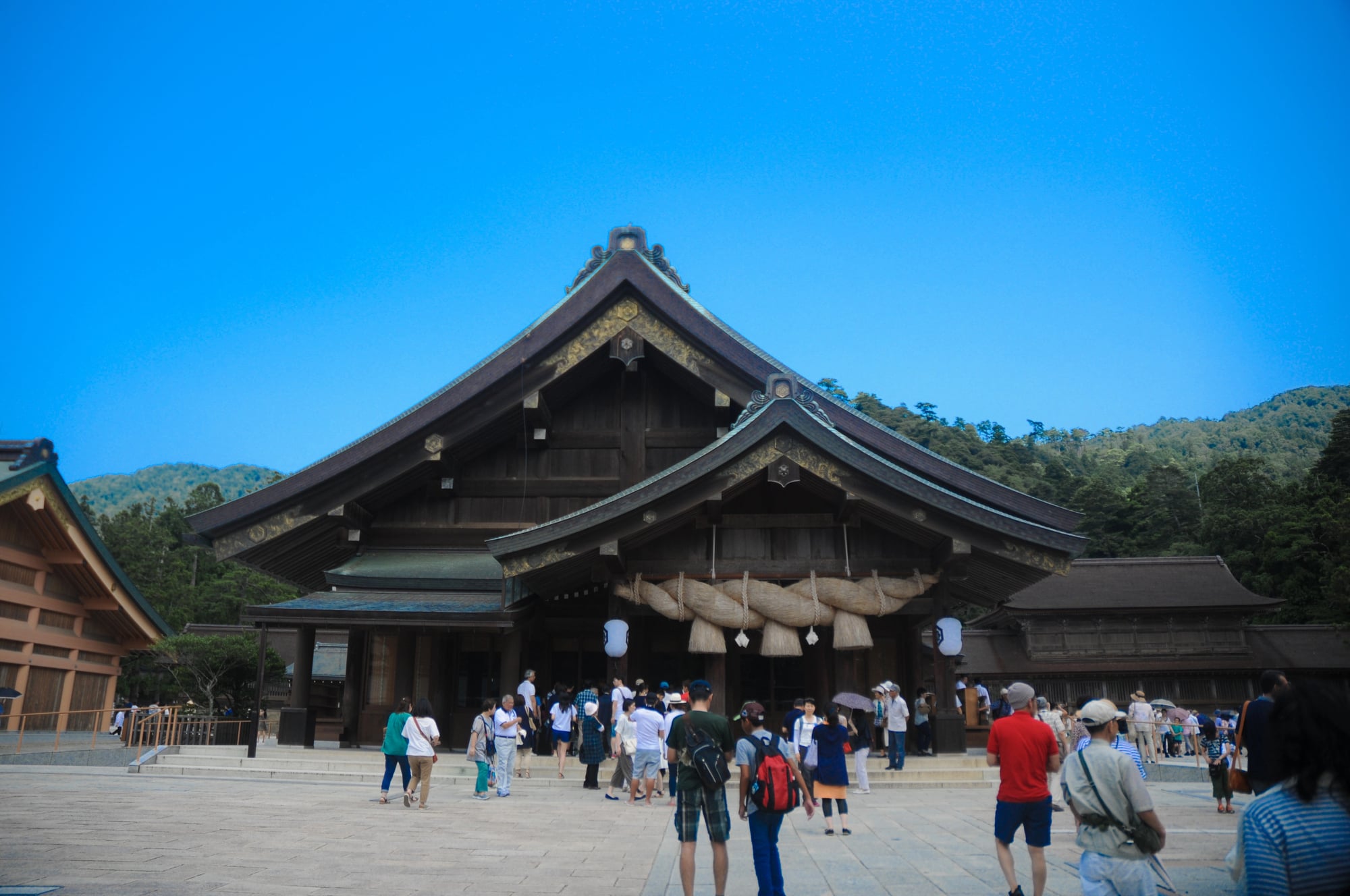
In the United States, leaving 15 to 20 percent gratuity is close to mandatory. In Japan, tipping is experienced as a personal insult, implying that the server’s employer does not pay them adequately.
A tip left on a table in Tokyo is sometimes chased down and returned. In South Korea, the same norm applies. In Australia, tipping is optional and rarely expected.
in Rice Is Deeply Offensive Across East Asia

In Japan, China, Korea, and other countries where chopsticks are standard, positioning them vertically in a bowl of rice is associated with funeral offerings to the dead. It is one of the most uncomfortable things a guest can do at an East Asian table.
The correct approach is to rest chopsticks horizontally across the bowl or on a chopstick rest between bites.
Passing Food Chopstick-to-Chopstick Carries the Same Association

In Japan, handing food directly from one person’s chopsticks to another’s mirrors a specific funeral ritual in which the bones of cremated remains are passed between family members. If food is to be shared, it goes from chopsticks to a plate, then from plate to chopsticks.
Nodding Means “No” in Bulgaria and Albania
Across most of the world, a nod signals agreement and a side-to-side shake signals refusal. In Bulgaria and Albania, these meanings are reversed.
This inversion is so counterintuitive to visitors that misunderstandings persist even after both parties are aware of the difference.
Slurping Noodles Is a Compliment in Japan

In most Western contexts, slurping while eating is considered impolite. In Japan, audible slurping while eating ramen, soba, or udon is a signal of enjoyment and appreciation — a compliment to the preparation.
Finland Treats Silence as Communication, Not Awkwardness
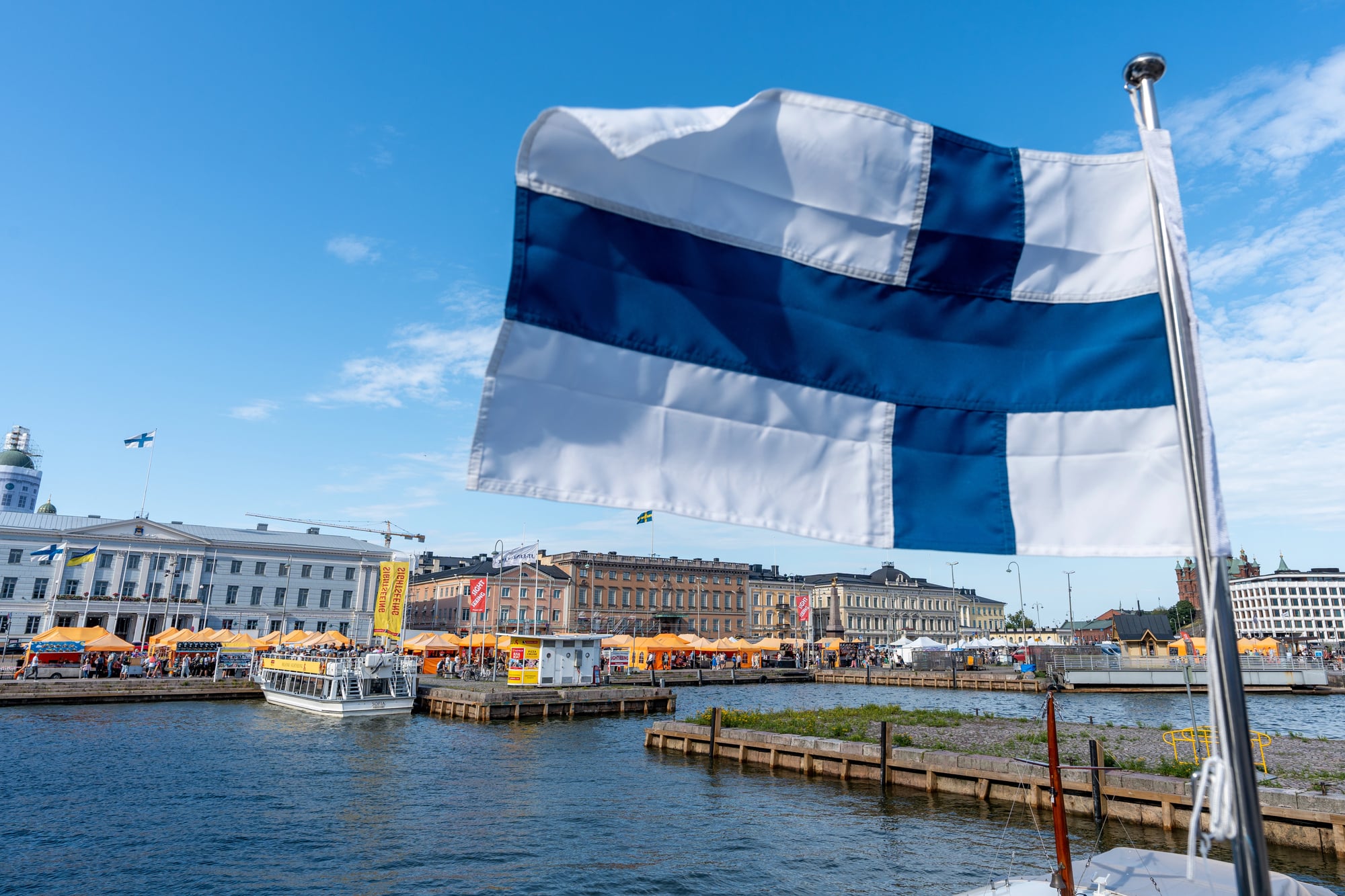
In Finland, silence between two people is comfortable and normal. It is not a sign that something has gone wrong or that one person is bored or unhappy.
Interrupting Finnish silence to make small talk can itself be read as odd or intrusive.
In Russia, an Even Number of Flowers Is for Funerals
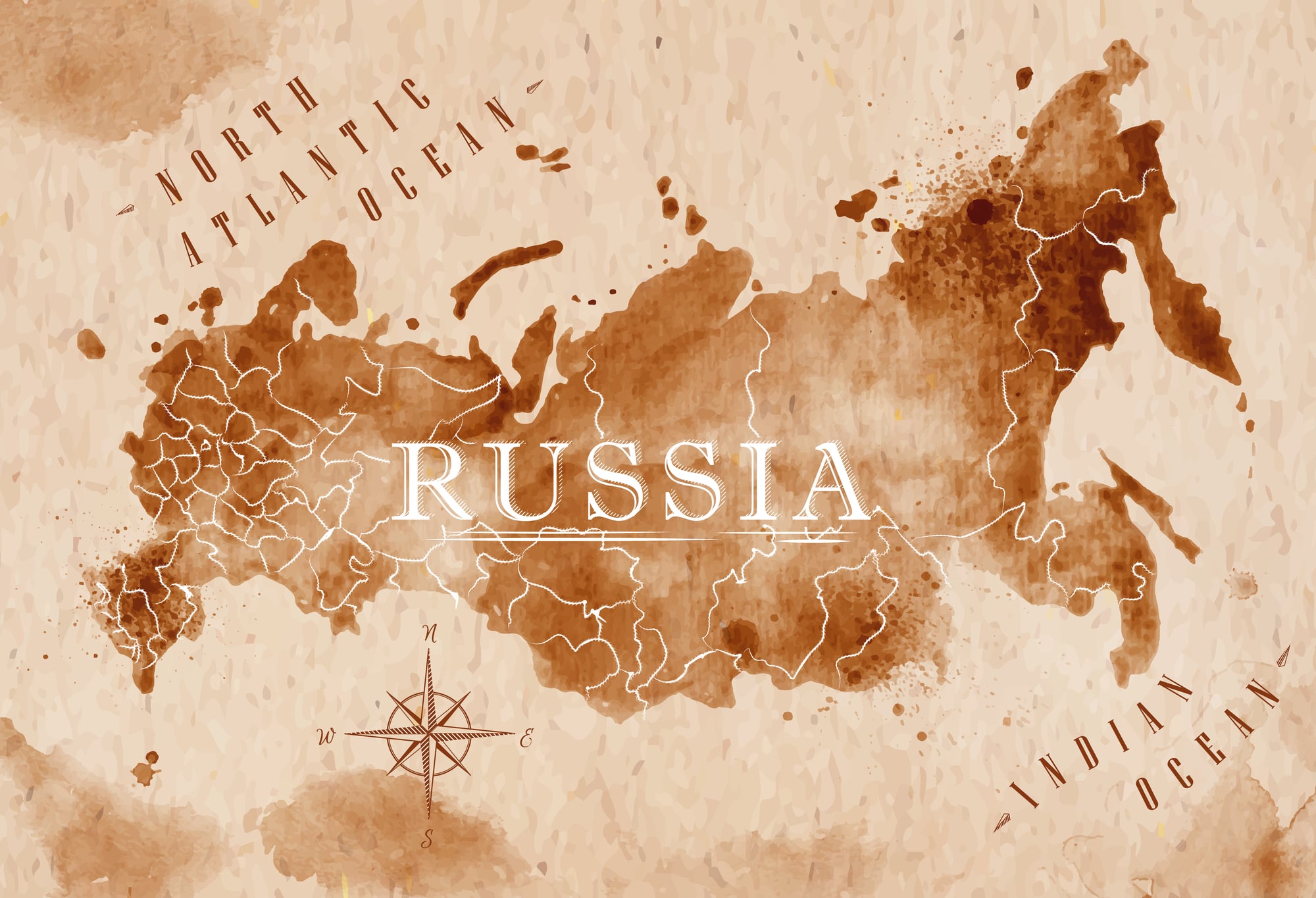
Bringing flowers as a gift in Russia requires a specific kind of counting: odd numbers only. Even-numbered bouquets are reserved for funeral offerings and are a deeply uncomfortable gift at any other occasion.
Yellow flowers carry additional bad associations in Russia, traditionally linked to deceit and romantic separation.
Writing Someone’s Name in Red Ink in South Korea Signals Their Death

In South Korea, writing a person’s name in red is associated with death — the names of deceased persons were historically written in red in burial records. Addressing a card, signing a document, or writing a name tag in red ink for a living person is a significant cultural misstep.
In Italy, Cappuccino Is Only for the Morning

Italian coffee culture maintains a fairly firm social understanding that cappuccino is a breakfast beverage, not something ordered after 11 a.m. Italians themselves follow this rule because heavy milk after a meal is considered bad for digestion.
Espresso is what comes after food.
Queuing Is a Near-Religious Practice in the United Kingdom
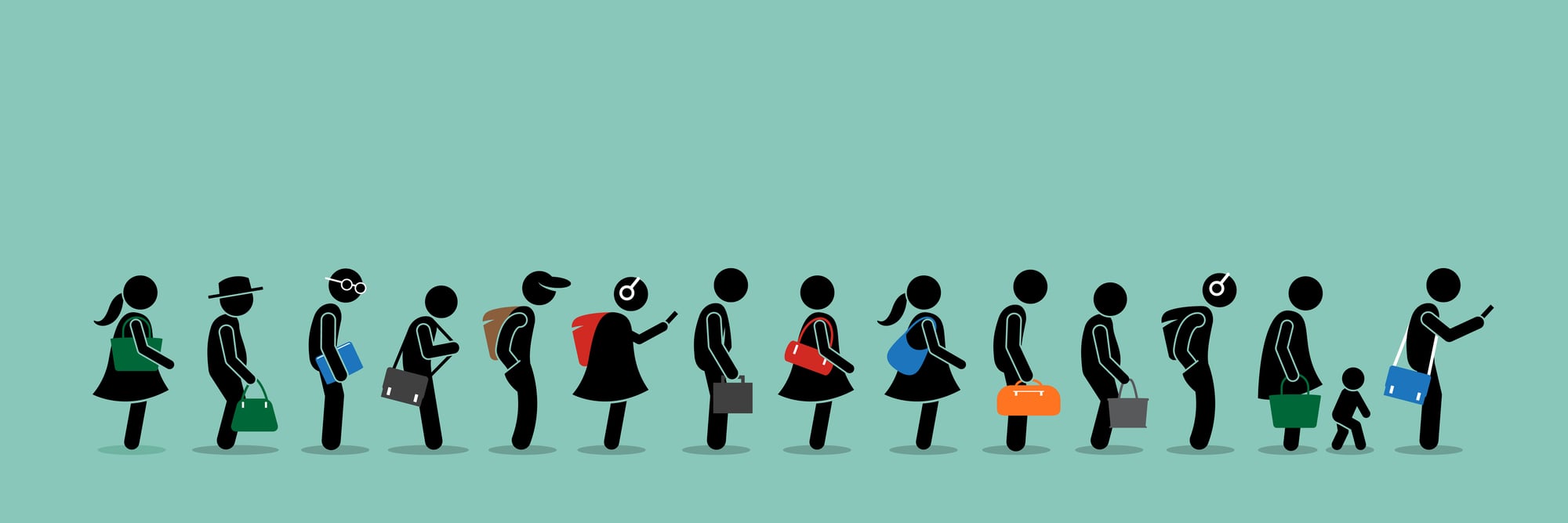
In Britain, the queue is not merely a convenience but a social contract. Cutting in line — for any reason, at any length of wait — provokes a level of passive indignation that can be communicated entirely through silence, sighing, and the precise angle at which someone does not look at you.
Arriving on Time in Germany Is Not Politeness — It’s the Minimum

Arriving fifteen or twenty minutes late — which in many Southern European and Latin American cultures would be perfectly standard — reads in Germany as disrespectful. In parts of West Africa and Latin America, arriving at the stated time to a social event can itself seem overeager.
In Japan, You Pour Drinks for Others Before Yourself

At group meals or social occasions, pouring your own drink before attending to the glasses of others is considered self-centered. The expectation is that each person pours for those around them, and that someone will eventually pour for you.
In the Middle East, the Left Hand Is Not for Eating or Greeting

In many Middle Eastern, North African, and South Asian societies, the left hand is traditionally associated with personal hygiene and is therefore considered inappropriate for eating, for passing food, and in some contexts for greeting or shaking hands.
Personal Space in Latin America Is Much Smaller Than in Northern Europe

In Brazil, Argentina, Mexico, and much of Latin America, physical proximity during conversation is normal and expected. In Finland, Sweden, the Netherlands, and the United Kingdom, this proximity reads as intrusive.
The comfortable conversational distance in Northern Europe would be read as cold detachment in São Paulo.
In Thailand, the Threshold Is a Threshold

Stepping directly on the threshold when entering a Thai home is considered disrespectful because the spirit of the home is believed to reside there. Thresholds in many traditional homes are made deliberately high to prevent people from accidentally standing on them.
Business Cards in Japan and South Korea Require Both Hands

Handing over a business card in Japan or South Korea requires both hands, a slight bow, and a moment of attention from the recipient. Stuffing a card you’ve just received into your back pocket, or writing on it in front of the person, is an insult roughly equivalent to refusing the greeting itself.
Complimenting Someone’s Belongings in Arab Culture May Oblige You to Receive Them
In parts of the Arab world, genuinely complimenting an object that belongs to your host can trigger an offer of the object as a gift, because hospitality norms require that the host provide what the guest admires. Visitors are advised to admire the experience rather than specific objects.
In South Africa, Showing Up for Dinner on the Stated Time Is Early

South African social timing operates on a flexibility that is so well understood it has an informal name. Invitation times are understood to be approximate starting points, and arriving within an hour or two of the stated time is normal at casual social occasions.
In France, Splitting the Bill Is Considered Unsophisticated

The cultural understanding at a French restaurant dinner is that one person pays and the debt is discharged later through reciprocal invitation. Asking the server to split the bill between multiple cards is associated with a literal-mindedness that sits outside the French social understanding of how a meal ends.
In Chile, Touching Your Own Food Is Inappropriate

Chile has a strong food-handling convention in formal dining: even foods that might reasonably be eaten with hands in other contexts are consumed with cutlery. Picking up food with your fingers signals informality that goes beyond what the setting allows.
Shoes Off Before Entering a Home Is Standard Across Most of Asia

In Japan, South Korea, Thailand, India, and many other Asian countries, removing shoes before entering a home is automatic and unquestioned. A guest removing their shoes uninvited in the United Kingdom would be considered slightly odd; a guest keeping them on in Japan would be considered seriously inconsiderate.
In Korea, Age Determines Who Speaks First

Korean social hierarchy is formally linked to age in ways that structure ordinary conversation. You do not speak to an elder until they have spoken to you.
You do not eat before the eldest person at the table has begun. A visitor from an egalitarian social culture can easily violate these norms multiple times in a single meal without knowing it.
Silence on Public Transport Is Non-Negotiable in Japan and Finland

In Japan, speaking on a mobile phone in a train carriage is frowned upon to the point that most people do not do it. Finland has similar norms on public transport, where silence is the shared expectation.
In contrast, public transport in parts of Latin America, West Africa, and Southern Europe tends to be considerably more social and vocally active.
In Norway, Silence Is Not Awkward — Janteloven Discourages Standing Out
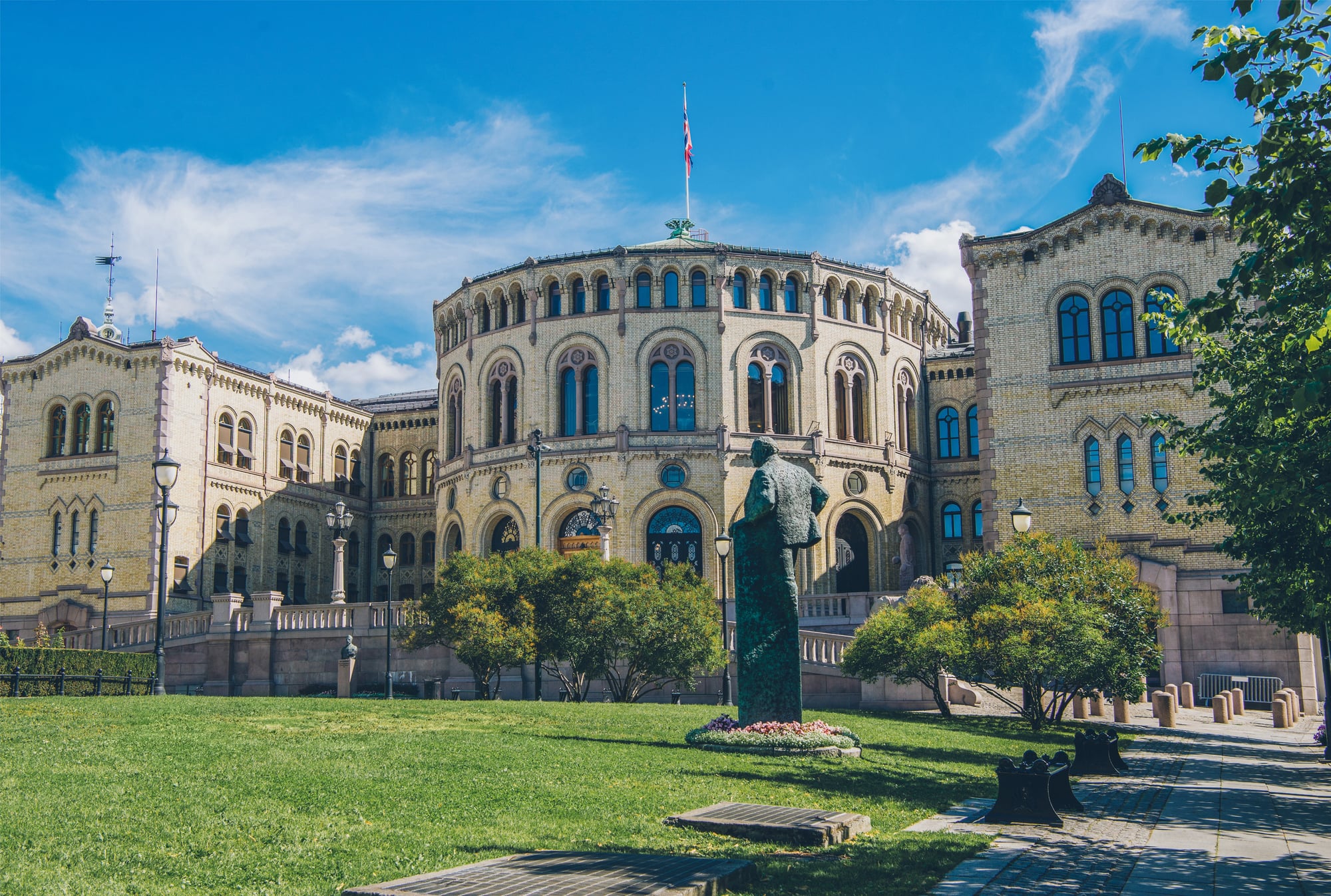
Nordic culture includes a deeply embedded social principle sometimes described as Janteloven — roughly, the idea that no individual should consider themselves more important or more successful than others. It manifests in practice as a reluctance to boast, to talk at length about personal achievements, or to draw excessive attention to oneself in social settings.
What the Small Rules Reveal

Every unwritten rule in this list is also a window. The Japanese chopstick conventions point to a culture where everyday gestures carry historical weight and death is treated with careful ritual.
The Russian flower-counting rule tells you something about the seriousness with which gifts are considered. The Finnish comfort with silence reflects a culture that trusts stillness rather than fearing it. None of these rules are arbitrary — they each encode something a particular group of people agreed, over time, was worth caring about.
That’s why these rules are so disorienting to break and so invisible from the inside. They feel like common sense to the people who grew up with them.
They feel like an obscure prohibition to everyone else. The gap between those two experiences is where most of the culture shock actually lives — not in the big observable differences, but in the moment you do something natural and watch the room go very quiet.
More from Go2Tutors!

- The Romanov Crown Jewels and Their Tragic Fate
- 13 Historical Mysteries That Science Still Can’t Solve
- Famous Hoaxes That Fooled the World for Years
- 15 Child Stars with Tragic Adult Lives
- 16 Famous Jewelry Pieces in History
Like Go2Tutors’s content? Follow us on MSN.