15 Political Cartoons That Stirred Global Reactions
Political cartoons have long served as powerful tools for commentary, criticism, and conversation about the most pressing issues of their time. These visual pieces often communicate complex political ideas in ways that transcend language barriers and cultural divides.
Throughout history, certain cartoons have ignited fierce debates, diplomatic tensions, and even violent reactions across the globe. Some cartoons manage to capture moments of political significance with such precision and emotional impact that they leave lasting impressions on society at large.
Here is a list of 15 political cartoons that created significant ripples far beyond their original publication, changing conversations and sometimes even altering the course of history.
The Yellow Kid

Published in the late 1890s, Richard F. Outcault’s cartoon character became the centerpiece of a fierce newspaper circulation war between media titans Joseph Pulitzer and William Randolph Hearst. The cartoon depicted tenement life in New York City’s slums with satirical bite, giving birth to the term ‘yellow journalism.’
Its influence was so profound that it essentially launched the modern American comic strip industry while simultaneously criticizing class inequality.
Uncle Sam Wants You
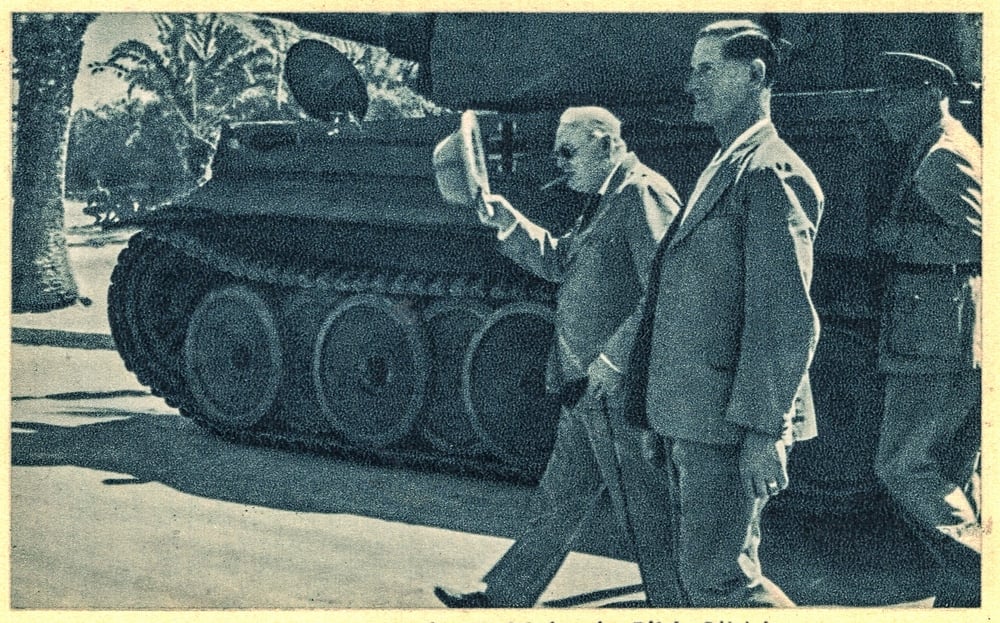
James Montgomery Flagg’s iconic 1917 illustration featuring Uncle Sam pointing directly at viewers with the text ‘I Want YOU for U.S. Army’ remains one of the most recognizable recruitment images ever created. The poster was printed over four million times during World War I alone and has been repurposed countless times since.
Its direct address to the viewer created a personal connection that proved remarkably effective at mobilizing American men for military service.
Like Go2Tutors’s content? Follow us on MSN.
Join, or Die
Benjamin Franklin’s 1754 woodcut showing a snake cut into eight pieces representing British colonies is considered America’s first political cartoon. Each segment was labeled with the initials of a colony, delivering a clear message about colonial unity against external threats.
The image gained renewed significance during the American Revolution as a symbol of the need for colonial unity against British rule and continues to be referenced in American political discourse today.
Boss Tweed Cartoons

Thomas Nast’s series of cartoons published in Harper’s Weekly during the 1870s depicted New York’s corrupt political boss William M. Tweed as a bloated figure stealing from public coffers. These illustrations were so devastating that Tweed allegedly complained, ‘I don’t care what they write about me, but those pictures are killing me!’
The cartoons helped mobilize public opinion against Tweed’s political machine and contributed directly to his eventual imprisonment.
The Prussian Octopus

Published during World War I, this 1915 cartoon by Dutch artist Louis Raemaekers depicted Germany as a giant octopus with tentacles wrapped around various European nations. The image became an influential piece of Allied propaganda that was reproduced widely across Europe and America.
German authorities were so troubled by its power that they reportedly offered a 12,000 guilder reward for Raemaekers’ capture, forcing him to flee to England for his safety.
Like Go2Tutors’s content? Follow us on MSN.
Maus

Art Spiegelman’s graphic novel depicting Jews as mice and Nazis as cats transcended the traditional political cartoon format but maintained its essence. Published initially in serial form starting in 1980, this powerful Holocaust narrative won a Pulitzer Prize and forever changed perceptions about what comics could achieve.
The work sparked global conversations about how to represent historical trauma and has been banned in various countries at different times despite its critical acclaim.
The Danish Muhammad Cartoons

In 2005, the Danish newspaper Jyllands-Posten published cartoons depicting the Prophet Muhammad, triggering protests across the Muslim world that resulted in over 200 deaths. The controversy ignited a global debate about the limits of free speech versus religious sensitivity.
These images created diplomatic tensions between Denmark and numerous countries with significant Muslim populations, leading to boycotts of Danish products and attacks on Danish embassies.
Nixon’s Pinocchio Nose

The Washington Post’s Herbert Block (Herblock) created numerous cartoons during the Watergate scandal, but his depiction of President Nixon with an elongating Pinocchio nose became particularly iconic. The simple visual metaphor of Nixon’s growing nose perfectly captured public sentiment about presidential dishonesty.
These cartoons helped shape public perception of Nixon during the scandal and contributed to the erosion of public trust in his administration.
Like Go2Tutors’s content? Follow us on MSN.
Tank Man

Though not a traditional cartoon, the iconic photograph of a man standing before tanks in Tiananmen Square inspired countless editorial cartoons that became symbols of resistance to authoritarianism. These derivative works spread worldwide and kept global attention on China’s human rights issues.
The cartoons based on this image continue to be censored in China while remaining powerful symbols of individual courage against overwhelming state power.
The Caricature of Louis Philippe

Charles Philipon’s 1831 drawing gradually transformed French King Louis Philippe’s face into a pear landed the artist in legal trouble but became a symbol of resistance. The pear (in French, ‘poire’ also means ‘fool’) became so associated with the monarch that merely drawing a pear was considered seditious.
This subtle form of visual mockery demonstrated how cartoonists could bypass censorship through visual metaphors that quickly become understood by the public.
Plantu’s Twin Towers

French cartoonist Plantu’s image showing a person watching the Twin Towers collapse with the simple statement ‘We all dreamed about it… Hamas did it’ created immediate controversy. Published in Le Monde on September 13, 2001, the cartoon sparked outrage across America but opened discussions about complex geopolitical realities.
The cartoon demonstrated how a simple image could capture the horrifying reality that some groups celebrated an event most of the world mourned.
Like Go2Tutors’s content? Follow us on MSN.
Charlie Hebdo Muhammad Cartoons
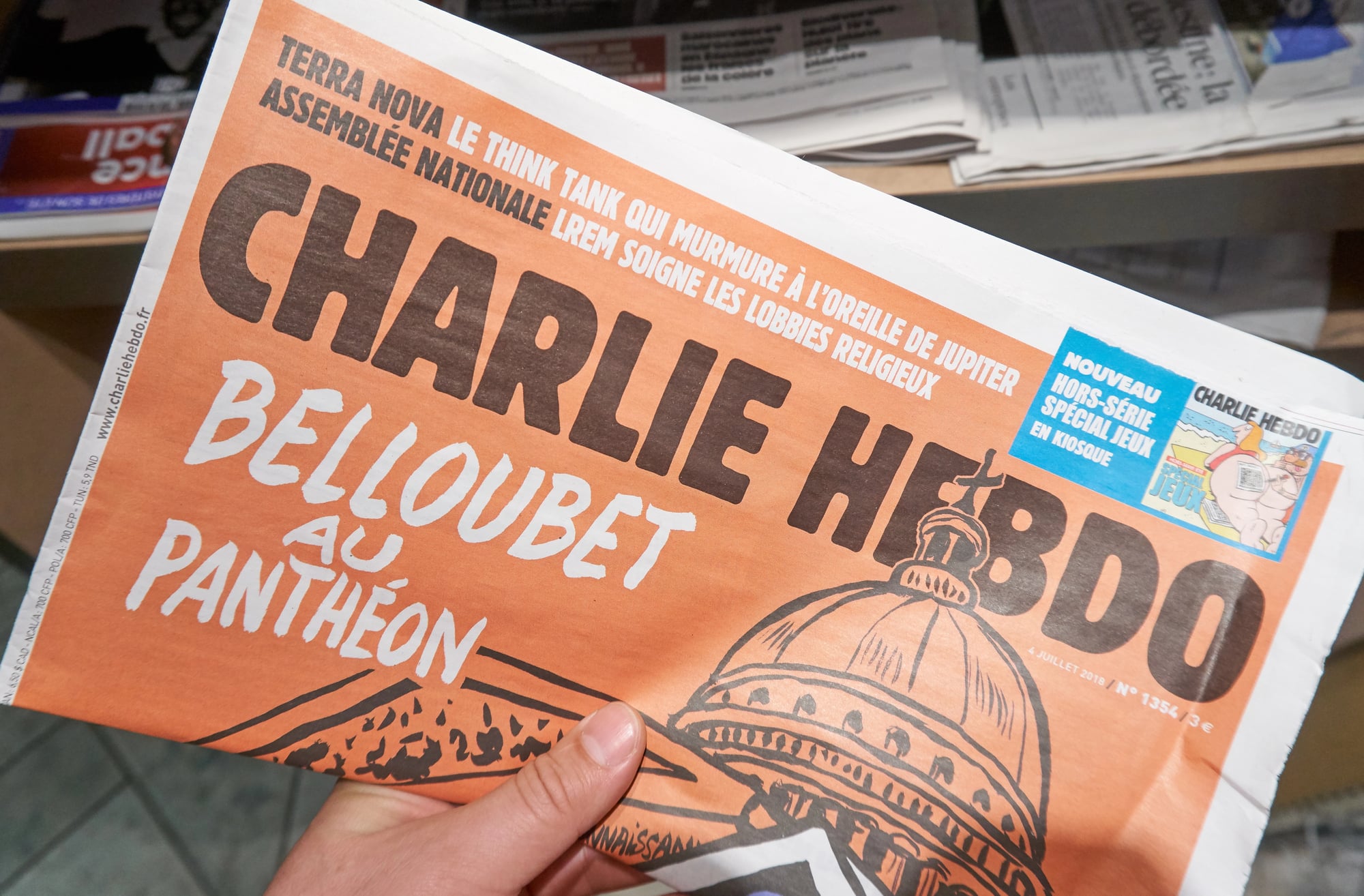
The French satirical magazine Charlie Hebdo published several cartoons depicting the Prophet Muhammad between 2006 and 2015, culminating in a terrorist attack on their offices that killed 12 people. The ‘Je suis Charlie’ movement that followed became a global statement about free expression.
The incident sparked worldwide debates about balancing artistic freedom with religious sensitivities and the appropriate responses to offensive speech.
Zapiro’s Shower Head
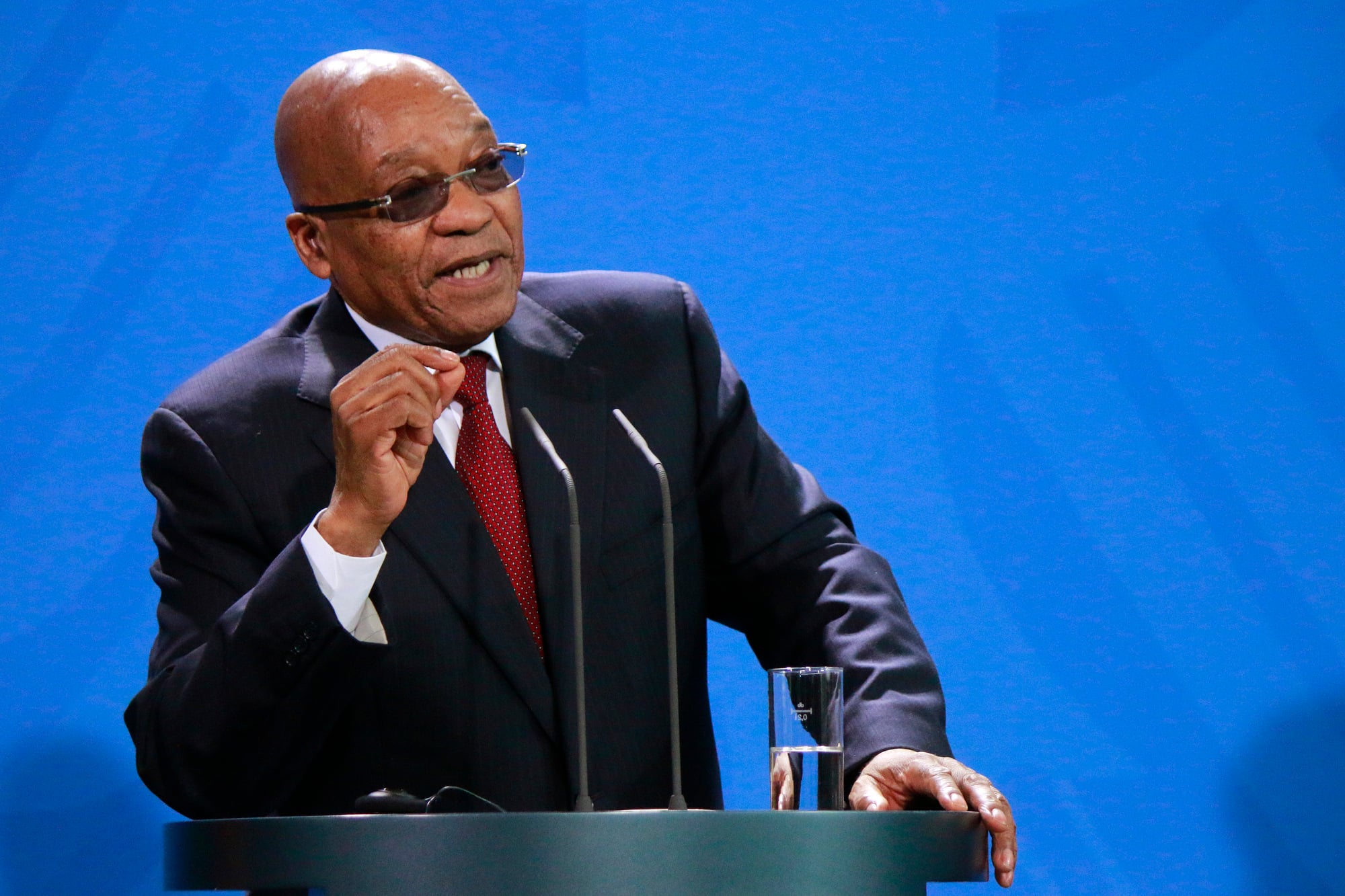
South African cartoonist Zapiro’s depiction of then-presidential candidate Jacob Zuma with a shower head attached to his head referenced Zuma’s statement that showering after sex with an HIV-positive woman would prevent infection. First published in 2006, the cartoonist continued using this symbol throughout Zuma’s presidency despite legal threats.
The image became so recognizable that it entered South African cultural vocabulary as a shorthand for political incompetence.
Netanyahu Building Wall with Palestinian Blood

Dave Brown’s 2003 cartoon in The Independent depicting Israeli Prime Minister Ariel Sharon eating Palestinian babies won the Political Cartoon of the Year award while simultaneously being condemned as antisemitic. The image referenced Goya’s painting ‘Saturn Devouring His Son’ and created diplomatic tensions between Britain and Israel.
The controversy highlighted the thin line between legitimate criticism of Israeli policies and antisemitic imagery.
Like Go2Tutors’s content? Follow us on MSN.
Putin’s Crimea Cartoon

A 2014 cartoon showing Russian President Vladimir Putin carving up Ukraine like a turkey was reproduced in newspapers worldwide following Russia’s annexation of Crimea. The image crystallized Western perspectives on Putin’s territorial ambitions in a single, powerful visual.
Such cartoons contributed to the international narrative surrounding Russian aggression and helped shape public opinion during a complex geopolitical crisis.
The Enduring Power of Visual Commentary

Political cartoons continue to shape our understanding of world events, often distilling complex situations into memorable images that can transcend language barriers. While digital media has transformed how we consume news and commentary, the basic function of the political cartoon remains unchanged from Franklin’s time – using visual shorthand to communicate powerful ideas that might otherwise require thousands of words.
These fifteen examples demonstrate that a simple drawing, in the right context, can indeed be mightier than the sword.
More from Go2Tutors!

- 16 Restaurant Chains That Went Too Fast
- 12 Things Sold in the 80s That Are Now Illegal
- 15 Strange Things People Have Tried to Ban (And Failed)
- 16 Collectibles People Tossed Out Too Soon
- 17 Myths from Your Childhood That Were Actually Based on Real Things
Like Go2Tutors’s content? Follow us on MSN.



